


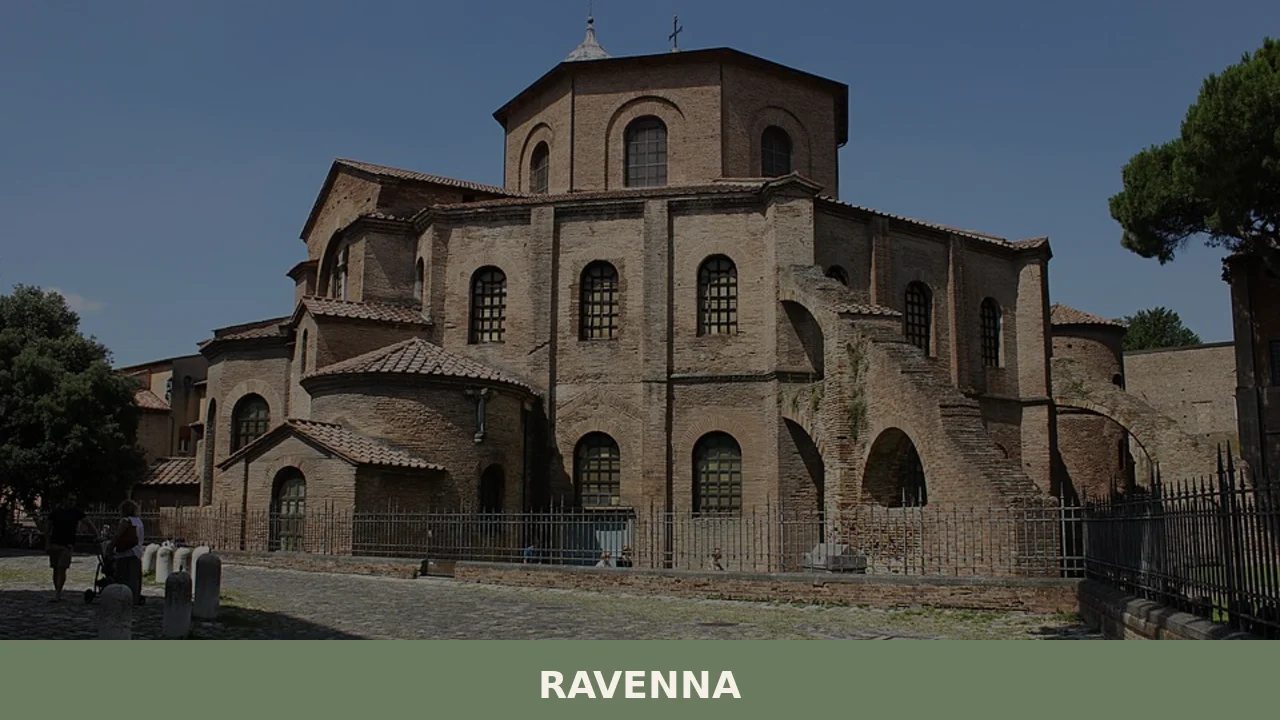
Ravenna
With a population of 155,751 inhabitants and located just 4 m above sea level, Ravenna stands out as one of Emilia-Romagna’s most significant centers, a historical crossroads that has shaped the region’s identity. In this article History and origins of Ravenna What to see in Ravenna: main attractions Typical cuisine and products of Ravenna Festivals, […]
Discover Ravenna
With a population of 155,751 inhabitants and located just 4 m above sea level, Ravenna stands out as one of Emilia-Romagna’s most significant centers, a historical crossroads that has shaped the region’s identity.
This plain-city, famous for its early Christian and Byzantine monuments, offers a unique travel experience, inviting visitors to discover an invaluable artistic and cultural heritage.
If you’re looking for what to see in Ravenna, the city welcomes you with the majesty of its golden mosaics and the solemnity of its ancient sacred buildings, such as the Basilica of San Vitale and the Mausoleum of Galla Placidia, which narrate centuries of history.
Here, every corner reveals a stratification of eras, from the grandeur of the Western Roman Empire to Byzantine influence, making every visit a true journey through time.
History and origins of Ravenna
The origins of Ravenna are lost in antiquity, with the first records placing it as a settlement of Umbrian, Etruscan, or Thessalian populations.
Its strategic position, surrounded by lagoons and marshes, made it a difficult place to conquer and, at the same time, a natural harbor of great importance.
It was under Roman rule that Ravenna took on a prominent role, becoming in the 1st century BC a crucial naval base for the imperial fleet with the port of Classe, a name that still resonates today in the denomination of one of its most famous basilicas.
This naval base was fundamental for controlling the Adriatic and for the Empire’s military operations, helping to strengthen its commercial and strategic influence.
Ravenna’s moment of greatest splendor came in the 5th century, when Emperor Honorius, in 402 AD, elevated it to the capital of the Western Roman Empire.
This choice was dictated by its defensive position and easy accessibility by sea, factors that made it safer than Rome, which was threatened by barbarian incursions.
After the fall of the Western Roman Empire, Ravenna maintained its centrality, becoming the capital of the Ostrogothic Kingdom under Theodoric the Great from 493 to 526 AD.
During this period, the city was enriched with new and sumptuous constructions, many of which can still be admired today, testifying to the coexistence and sometimes the fusion of different cultures, from Roman to Gothic heritage.
Subsequently, from 568 to 751 AD, Ravenna became the heart of the Byzantine Exarchate in Italy, representing the western outpost of the Eastern Roman Empire.
This period saw a further artistic and architectural flourishing, with the construction and decoration of churches and baptisteries that still enchant today with the richness and vibrancy of their mosaics.
The city continued to be a significant cultural and political center in subsequent centuries, even after losing its capital status. A significant episode was the exile and death of Dante Alighieri in 1321, who found his final resting place here and completed the Divine Comedy.
His presence left an indelible mark, and the city celebrates the Supreme Poet with numerous initiatives, solidifying its connection to the history of Italian literature.
Those interested in a similar historical context might also consider visiting San Pietro in Cerro, a village that, although smaller in size, presents traces of a noble and strategic past in Emilia-Romagna, albeit with a different history.
What to see in Ravenna: main attractions
Ravenna is a true open-air museum, recognized by UNESCO for its eight Early Christian monuments that represent the art and architecture of a crucial era.
For those wondering what to see in Ravenna, the journey inevitably begins among these mosaic wonders that tell millennia-old stories.
Each site offers a unique perspective on the artistic and religious grandeur of past centuries, making the visit an unforgettable and deeply enriching experience.
Basilica of San Vitale
The Basilica of San Vitale, consecrated in 547 AD, is a masterpiece of Byzantine art in the West and represents one of the most significant examples of Early Christian architecture.
Its octagonal central plan, surmounted by a dome, is inspired by Constantinopolitan models and creates an interior space of great visual impact. The interior is a riot of precious marbles, stuccoes, and, above all, mosaics that cover the apse and presbytery.
Among the most celebrated are the portraits of Emperor Justinian and Empress Theodora with their courtiers, depicted with a richness of detail and color that enhances their magnificence and power.
These mosaics are not only extraordinary works of art but also historical documents that offer a glimpse into the Byzantine court and its political and religious influence in 6th-century Italy.
The light filtering through the windows illuminates the mosaics, highlighting their gold and chromatic nuances, creating an almost ethereal atmosphere that envelops the visitor.
Mausoleum of Galla Placidia
Adjacent to the Basilica of San Vitale stands the Mausoleum of Galla Placidia, a small Latin cross-shaped building dating back to the first half of the 5th century, commissioned by Empress Galla Placidia, sister of Emperor Honorius. Although it is not certain that the empress was actually buried there, the mausoleum is famous worldwide for the extraordinary beauty and excellent state of preservation of its mosaics.
The interior, in contrast to the sober brick exterior, is an explosion of intense blue, gold, and vibrant colors that entirely cover the vault and upper walls.
The starry sky of the dome, with the golden cross at its center and the symbols of the evangelists, is one of the most iconic mosaics.
Other panels depict Saint Lawrence and the Good Shepherd, figures that evoke themes of martyrdom and salvation.
The light penetrating through the thin alabaster sheets of the windows creates a soft and mystical illumination, amplifying the sense of peace and contemplation that pervades the place.
Basilica of Sant’Apollinare Nuovo
The Basilica of Sant’Apollinare Nuovo was erected by Theodoric at the beginning of the 6th century as an Arian palatine church, dedicated to Christ the Savior. After the Byzantine reconquest, it was reconsecrated to Catholic worship and dedicated to Saint Martin in Golden Heaven, later taking its current name in the 9th century, when the relics of Sant’Apollinare from Classe were transferred there.
The interior of the basilica, with three naves, is famous for its two extraordinary bands of mosaics that decorate the walls of the central nave.
The upper band features scenes from the life of Christ, while the lower one is characterized by two long processions: one of 22 virgin martyrs heading towards the enthroned Madonna with the Child, and the other of 26 martyrs proceeding towards the enthroned Christ.
These mosaics, with their stylization and brilliant colors, offer a sublime example of Theodoric and Byzantine art, visually narrating the city’s cultural and religious transition.
The procession of martyrs, in particular, is a powerful and evocative image, capturing attention with its rhythmicity and symbolic richness.
Neonian Baptistery
The Neonian Baptistery, also known as the Baptistery of the Orthodox, is one of Ravenna’s oldest monuments, dating back to the late 4th or early 5th century, and was completed and decorated under Bishop Neon (451-475 AD). Its external brick octagonal structure is relatively simple, but the interior reveals an extraordinary richness of mosaic decorations.
The dome is entirely covered with mosaics that culminate in the center with the representation of the Baptism of Christ, depicted naked immersed in the Jordan River, with Saint John the Baptist and the personification of the river.
Around this central scene, twelve apostles, dressed in white and gold, advance in procession.
The decorations also include architectural elements and floral motifs, which create an environment of great solemnity and beauty.
The Neonian Baptistery is a fundamental example of Early Christian art, illustrating the iconography and symbolism related to the sacrament of baptism in a period of religious transition.
Its integrity and the quality of the mosaics make it an unmissable attraction for anyone wishing to fully understand the heritage of what to see in Ravenna.
Mausoleum of Theodoric
The
The Mausoleum of Theodoric, built around 520 AD, stands out distinctly from other Ravenna monuments due to its architecture, which reflects barbaric influences and Theodoric’s desire to create a funerary monument different from Roman and Byzantine traditions. The building is entirely made of Istrian stone blocks, an unusual material for Ravenna, and features a decagonal plan on two levels.
The most striking feature is its enormous monolithic dome, weighing about 300 tons, carved from a single stone block and placed to cover the structure.
On the upper floor was the porphyry basin that contained the remains of the king, although these were removed after the Byzantine reconquest.
The mausoleum is a unique example of Ostrogothic architecture in Italy and offers tangible testimony to Theodoric’s reign.
Its grandeur and architectural uniqueness make it a fundamental point of interest for those visiting Ravenna, offering a different perspective on the city’s rich past.
Typical cuisine and products of Ravenna
Ravenna’s cuisine is part of the broader and renowned gastronomic tradition of Emilia-Romagna, a region famous for its richness of flavors and the quality of its products. Historical and geographical influences, with its proximity to the sea and the fertility of the plain, have contributed to developing a variety of dishes ranging from fresh filled pasta to seafood products, not forgetting the typical cured meats and cheeses of the region.
The local culinary tradition is deeply rooted in the peasant culture, which has managed to enhance simple ingredients, transforming them into true delicacies.
This fusion of terrestrial and maritime elements makes Ravenna’s cuisine particularly versatile and appreciated, offering a culinary experience that complements a cultural visit to the city.
Among the symbolic dishes of Ravenna and Romagna gastronomy, fresh pasta, handmade with eggs and flour, undoubtedly stands out.
Cappelletti, small pasta parcels filled with meat and cheese, are a traditional festive dish, strictly served in meat broth.
Equally renowned are Passatelli, made with breadcrumbs, eggs, Parmigiano Reggiano, and nutmeg, also typically served in broth, but also enjoyed “dry” with more elaborate sauces.
One cannot miss Tagliatelle al ragù, a timeless classic of Emilia-Romagna cuisine, where the slow-cooked meat sauce enhances the rough texture of homemade pasta.
The Piadina Romagnola, an unleavened flatbread, is another distinctive element of local cuisine, perfect for accompanying cured meats, soft cheeses like Squacquerone, or gratin vegetables.
These dishes represent the essence of conviviality and good food that characterize the Ravenna table.
As for typical products, although the database does not list specific certified products for Ravenna with DOP, IGP, or PAT denominations, the city benefits from the vast agri-food production of Romagna and Emilia. The area is known for the quality of its pork, from which cured meats like prosciutto and salami are obtained, although not with an exclusive Ravenna denomination.
The region’s cheeses, such as Parmigiano Reggiano and Squacquerone di Romagna, are also widely consumed and appreciated.
The fertile surrounding plain produces cereals, vegetables, and fruits of excellent quality, which are the basis of many local recipes.
Romagna wines, particularly Sangiovese di Romagna and Albana di Romagna, are excellent accompaniments for meals, and their production is an integral part of the agricultural landscape and the food and wine tradition of the area.
These products, while not exclusive to Ravenna, define its culinary offering, highlighting the connection with the surrounding territory.
Opportunities to savor local cuisine are plentiful. Restaurants and trattorias in Ravenna’s historic center offer menus that celebrate these traditions. Furthermore, city markets, such as the Mercato Coperto, are ideal places to buy fresh products and local specialties, allowing visitors to take home a piece of Romagna’s gastronomy. Throughout the year, there are numerous festivals and fairs dedicated to specific products or cuisine in general, especially in the summer and autumn months, offering the opportunity to taste typical dishes in a festive and convivial atmosphere.
It is advisable to consult the official website of the Municipality of Ravenna for an updated calendar of events.
Festivals, Events, and Traditions in Ravenna
Ravenna is a city that, in addition to its extraordinary artistic heritage, thrives on traditions and celebrations that animate the annual calendar.
On July 23rd, the city celebrates its patron saint, Saint Apollinaris of Ravenna.
This observance is a moment of profound devotion and festivity for the community, manifested through religious ceremonies, processions, and civil gatherings. Although the modalities may vary from year to year, the patron saint’s feast day is an opportunity to rediscover the city’s spiritual and cultural roots, participating in rites that trace their origins back centuries of history.
In addition to the patron saint’s feast day, Ravenna hosts internationally renowned events that enrich its cultural offerings.
Among these, the Ravenna Festival stands out, a summer event featuring music, dance, and theater that attracts artists and audiences from all over the world.
The festival, which takes place in various historical locations throughout the city, including basilicas and cloisters, offers an eclectic and high-level program, consolidating Ravenna’s reputation as a center of artistic excellence.
Another significant event is the Biennale of Contemporary Mosaic, which celebrates the city’s most distinctive artistic tradition through works by modern artists, demonstrating how the ancient art of mosaic is still alive and continually evolving.
These events, along with the Dante commemorations held annually in honor of Dante Alighieri, make Ravenna a vibrant and culturally active city, capable of offering significant experiences at any time of the year. Another village that keeps its traditions alive and offers relevant cultural events in the context of the plains is Castel di Casio, albeit with a distinct identity and calendar of events, demonstrating the widespread cultural richness in Emilia-Romagna.
When to Visit Ravenna and How to Get There
The best time to visit Ravenna depends on personal preferences and the type of experience you wish to have.
Spring (April-May) and autumn (September-October) are generally considered the ideal months, thanks to mild temperatures and fewer tourists compared to the peak summer season. During these periods, you can fully enjoy the beauty of the monuments and strolls in the historic center without the intense summer heat.
Summer (June-August) is lively, with the Ravenna Festival and numerous cultural events animating the city, but temperatures can be high and tourist sites more crowded.
Winter offers a more intimate and contemplative atmosphere, ideal for those seeking a quieter visit focused on art, although some attractions may have reduced hours.
Those looking for an experience more connected to nature and relaxation, perhaps in a hilly setting, might also consider an itinerary that includes Morfasso, which offers a different landscape but with the same authenticity of Emilia-Romagna.
Getting to Ravenna is relatively simple thanks to its location and good road and rail connections.
If traveling by car, the city is easily reachable via the A14 motorway (Bologna-Taranto), with a specific exit for Ravenna. Other important routes include the SS16 Adriatica. For those who prefer the train, Ravenna’s train station is well connected to major Italian cities, particularly Bologna, from which numerous regional and intercity trains depart.
The journey from Bologna to Ravenna takes approximately one hour and thirty minutes.
To check timetables and purchase tickets, it is advisable to consult the Trenitalia website.
For those arriving by plane, the nearest and best-connected airport is “Guglielmo Marconi” Airport in Bologna (BLQ), which is about 80 km from Ravenna and offers connections with shuttles and trains. An alternative is “Luigi Ridolfi” Airport in Forlì (FRL), about 30 km away, although with a lower number of flights. Taxi and car rental services are available from both airports to reach the city. It is advisable to check
Photo Gallery of Ravenna
Do you have photos of Ravenna?
Share your photos of the village: the best ones will be added to the official gallery, with your credit.
Send your photosIn Emilia-Romagna More villages to discover
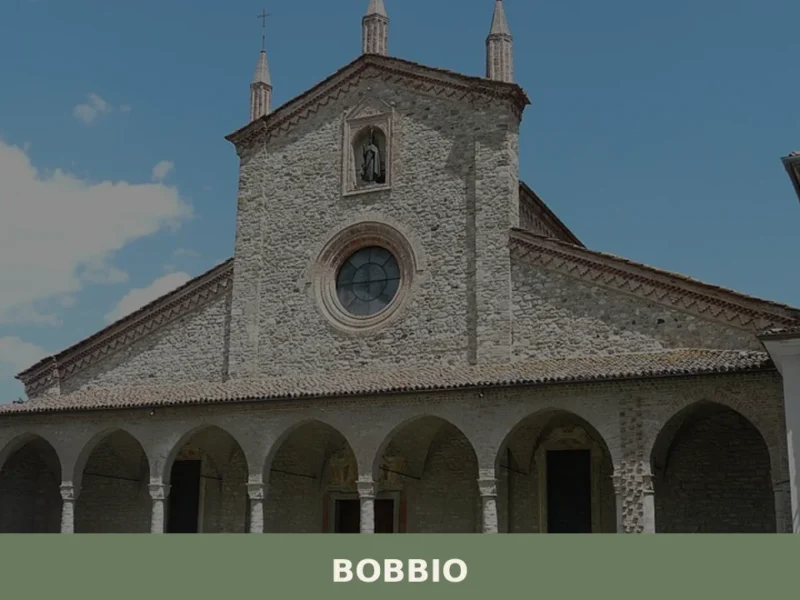
Bobbio
What to see in Bobbio: a town of 3,710 at 272 m in the Trebbia valley, with a 614 AD abbey, the medieval Ponte Gobbo and a hilltop castle. Plan your visit now.
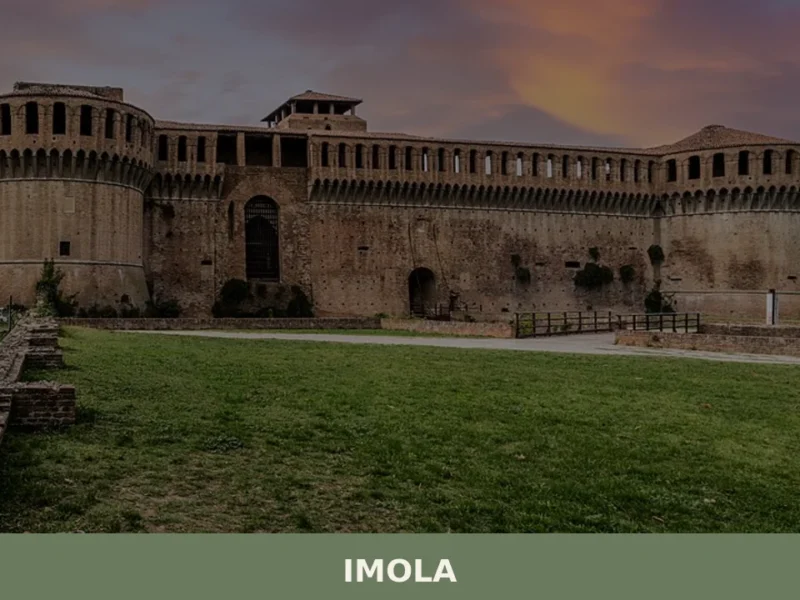
Imola
In 1953, on the track of the Autodromo Enzo e Dino Ferrari, Formula One cars raced in the Italian Grand Prix, placing Imola firmly in international motorsport history. But this city of 69,121 inhabitants, spread out at 47 metres above sea level along the banks of the River Santerno, had already existed for two thousand […]
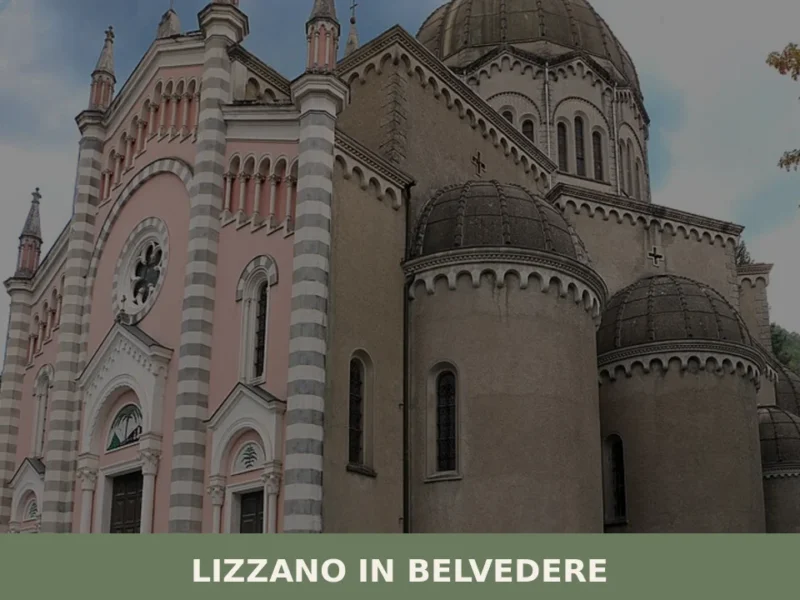
Lizzano in Belvedere
Every year, on 17 August, the procession in honour of Saint Mamante winds its way up the streets of Lizzano in Belvedere to the parish church, following a ritual that has been repeated since at least the 15th century. This municipality of 2,314 inhabitants, situated at 640 metres above sea level on the Bolognese Apennines, […]
📝 Incorrect information or updates?
Help us keep the Ravenna page accurate and up to date.