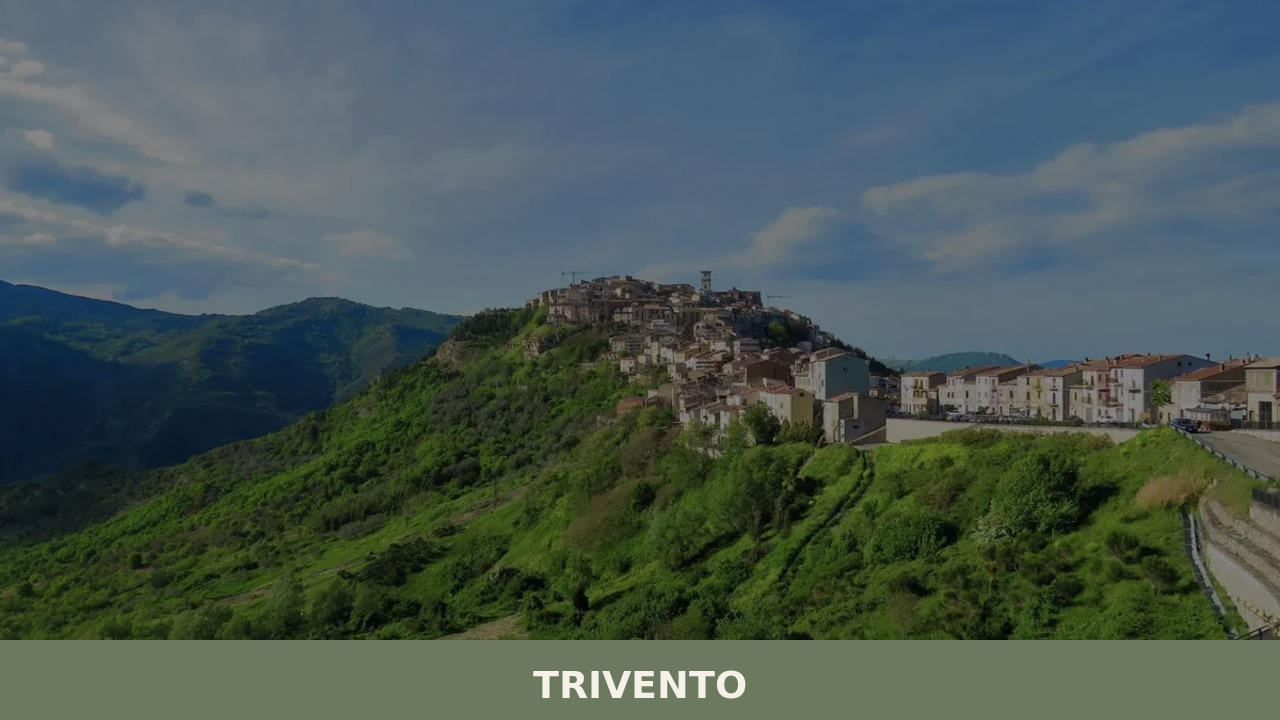
Morning fog lifts off the Trigno valley in slow, pale sheets, and Trivento emerges at 599 metres above sea level — a compact ridgeline of stone and tile roofs, church bells marking the quarter-hour across a town of 4,353 residents. The air carries woodsmoke and the faint resin scent of surrounding oak forest. If you […]
Morning fog lifts off the Trigno valley in slow, pale sheets, and Trivento emerges at 599 metres above sea level — a compact ridgeline of stone and tile roofs, church bells marking the quarter-hour across a town of 4,353 residents. The air carries woodsmoke and the faint resin scent of surrounding oak forest. If you are wondering what to see in Trivento, the answer begins with this particular silence: an inland Molise settlement where Roman foundations sit beneath medieval walls, and where almost nothing has been built to impress outsiders.
Trivento’s origins reach back to the Samnite period, when the Pentri tribe controlled much of the upper Trigno basin. The Romans knew the settlement as Terventum, a municipium along an internal route connecting the Adriatic coast to the Campanian interior. The name likely derives from the Latin Tri Venti — “three winds” — a reference to the exposed ridgeline position where currents from three valleys converge. Archaeological finds, including inscriptions and fragments of Roman-era infrastructure, confirm the town’s administrative importance well before the medieval period.
After the fall of Rome, Trivento became an episcopal seat — one of the oldest in Molise, documented from at least the sixth century. The Diocese of Trivento persisted for over fourteen hundred years, shaping the town’s identity as a centre of ecclesiastical authority in a region otherwise defined by pastoral agriculture and feudal fragmentation. Lombard and Norman rulers held the town in succession, each reinforcing its defensive walls and expanding its religious institutions.
By the late Middle Ages, Trivento had passed through the hands of various baronial families under the Kingdom of Naples. Its position — elevated but not strategically critical — spared it from the worst sieges that levelled other Molisan centres. The result is a layered townscape: Roman stonework visible in lower walls, Norman-era masonry in the cathedral complex, and modest Baroque additions to churches renovated in the seventeenth and eighteenth centuries.
The cathedral sits at the highest point of the old town, rebuilt in Romanesque form over earlier structures. Its crypt — accessible by a narrow stone staircase — dates to the early medieval period and contains carved capitals and fragmentary frescoes. The plain façade gives no indication of the layered archaeology beneath. This is the single most important monument in Trivento and the anchor of any visit.
Beneath the cathedral, an underground chamber known as the hypogeum preserves Roman and early Christian architectural elements. Columns of varying styles suggest construction across several centuries. The space served liturgical purposes and possibly as a crypt for early bishops. Access is sometimes limited, so checking with the local parish or municipality before visiting is advisable.
Trivento’s centro storico follows the ridgeline in a narrow, elongated plan. Stone staircases connect parallel streets at different elevations. Doorways bear carved lintels from the fifteenth and sixteenth centuries. The walk from the lower entrance gate to the cathedral takes roughly fifteen minutes and passes through the town’s entire chronological range, from Roman-era base courses to postwar reconstruction.
Located in the lower part of the old town, this church features a modest Baroque interior with painted wooden altarpieces. It served as a focal point for Carmelite devotion in the area and remains an active place of worship. The adjacent small piazza offers one of the few open views toward the Trigno valley from within the town walls.
The terrain around Trivento is defined by the Trigno river valley and its wooded slopes. Several paths lead from the town edges into oak and beech forest, offering views across the Molisan Apennines. The landscape is agricultural — small-scale olive groves, vegetable plots, and sheep pasture — and remains one of the least altered valley systems in southern Italy.
Cooking in Trivento follows the grammar of inland Molise: cured meats from local pork, handmade pasta shapes, and vegetables preserved in oil. Cavatelli — small rolled pasta made without eggs — appear at most tables, dressed with a slow-cooked ragù of pork or lamb. Pallotte cace e ove, fried balls of bread, egg, and aged cheese served in tomato sauce, represent a meatless dish born from rural economy. Local sheep’s milk cheeses and soppressata are produced in small quantities by families and a handful of artisans.
The olive oil of the Trigno valley, while less internationally recognised than oils from Puglia’s Gargano coast, has a peppery intensity suited to the robust flavours of mountain cooking. In autumn, foraged mushrooms and chestnuts appear in markets and on restaurant menus. Dining options within Trivento itself are limited — a few trattorie and agriturismi — so meals tend to be unhurried and family-run, with menus dictated by the season rather than by printed cards.
Trivento sits at an elevation where summers remain warm but rarely oppressive — July and August temperatures hover between 25°C and 30°C, dropping sharply after sunset. Spring (April to early June) brings wildflowers to the surrounding meadows and pleasant walking conditions. Autumn is the most atmospheric season: fog fills the Trigno valley in the mornings, the forests shift to copper and ochre, and the chestnuts and mushrooms come in. Winter can be cold and occasionally snowy, lending the stone centre a stark, quiet character.
The town’s principal festival is the Festa dei Santi Nazario e Celso, held in late July, which involves processions, music, and communal meals in the piazza. Smaller religious observances and seasonal food festivals punctuate the calendar but rarely draw large crowds. This is not a village geared toward mass tourism; facilities are basic, and the rhythms of daily life are those of a working agricultural community. Visiting midweek or outside holiday periods means encountering Trivento on its own terms.
Trivento lies in the province of Campobasso, in the Molise region of south-central Italy. By car, the town is reached via the SS650 (Trignina), which connects the Adriatic coast at Termoli to the interior. From Campobasso, the drive is approximately 60 kilometres northwest, taking about one hour on winding but well-maintained roads. From Naples, the journey is roughly 150 kilometres (about two hours via the A1 motorway and then inland roads).
The nearest railway station with regular service is at Campobasso; from there, local buses operated by the regional transport company connect to Trivento, though schedules are infrequent and should be checked in advance. The closest airports are Naples Capodichino (approximately 170 km) and Pescara (approximately 130 km). A rental car is, practically speaking, essential for exploring this part of Molise with any flexibility.
Molise is Italy’s least-visited region, and Trivento makes a logical base for exploring its interior valleys and hilltop centres. But the wider south offers striking contrasts. The Adriatic fishing village of Peschici, perched above white limestone cliffs on Puglia’s Gargano promontory, provides a coastal counterpoint to Trivento’s mountain solitude — salt air and sea light replacing woodsmoke and valley fog.
Inland Puglia holds its own pilgrimage traditions, most famously at San Giovanni Rotondo, where the legacy of Padre Pio draws millions annually. The scale and devotional intensity of that town stand in sharp relief against Trivento’s quiet, nearly private Catholicism. Together, these villages illustrate the range of southern Italian experience — from the crowded sanctuaries of the Gargano to the silent ridgelines of the Molisan Apennines, where a cathedral crypt may be yours alone for the duration of a visit.
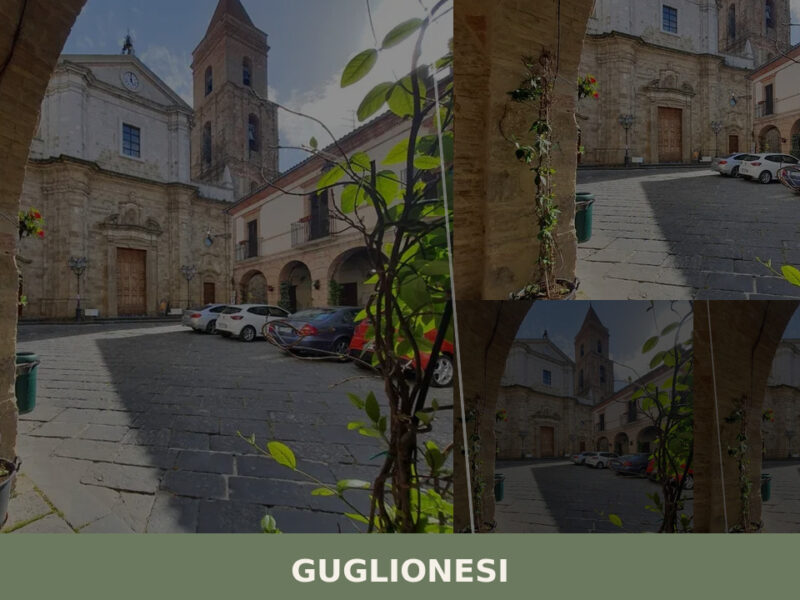
A hill town of nearly five thousand people in Campobasso province, Guglionesi offers Romanesque churches, Samnite archaeological traces, and wide Adriatic views across the Biferno valley.
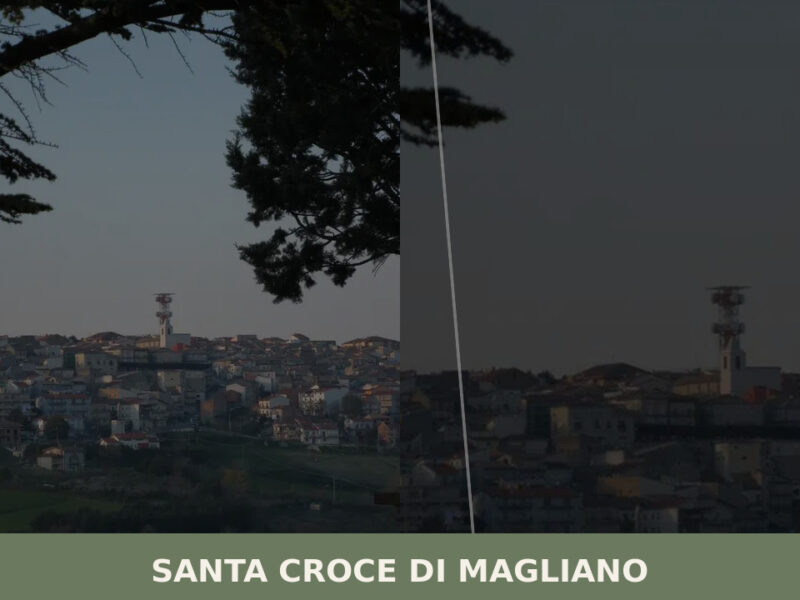
Morning light falls across a row of stone facades on Corso Vittorio Emanuele, and an elderly man drags a wooden chair onto the pavement, positioning it with the precision of someone who has done this for sixty years. The air at 608 metres carries a dry, herbal sharpness — rosemary and broom from the surrounding […]
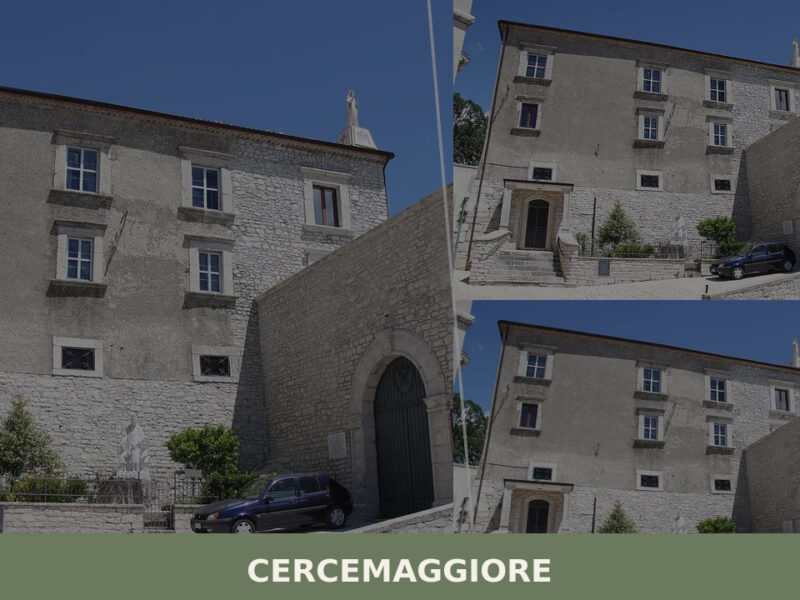
Morning mist spills across the rooftops at 930 metres, thinning as the sun reaches the bell towers. The air carries woodsmoke and the faint sound of a dog barking somewhere below the ridge. Cercemaggiore sits high in the Molise Apennines, a settlement of 3,601 people where stone houses line narrow streets that have changed course […]
📝 Incorrect information or updates?
Help us keep the Trivento page accurate and up to date.