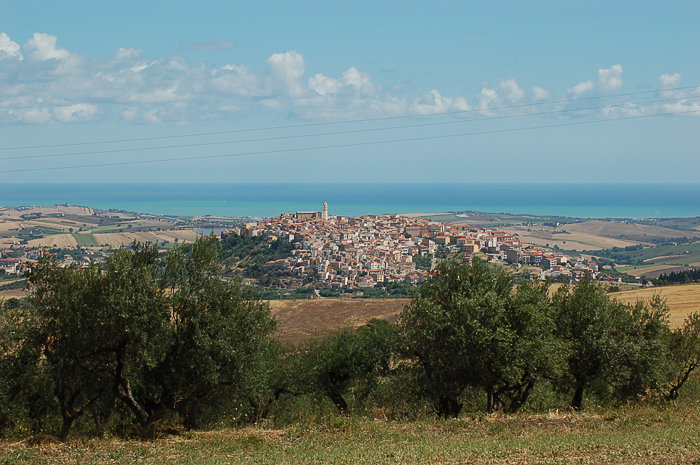
A weekend in Montenero di Bisaccia is one of the best-kept secrets of southern Italy’s Adriatic coast. Perched on a sun-drenched hill between the Trigno river valley and the shimmering Molise coastline, this authentic village offers everything a curious traveler craves: winding medieval streets, panoramic views that stretch to the sea, and a coastline of golden sand just ten minutes away by car. Unlike the crowded resort towns further north, Montenero di Bisaccia lets you experience a slower, more genuine Italy — where the food is honest, the people are warm, and every corner tells a story. Use it as your base camp for a two-day itinerary through nearby villages and coastal beaches, and you’ll discover a side of Molise that most tourists never see. Discover everything about Montenero di Bisaccia in our complete village guide before you go.
Your first day is dedicated to falling in love with the village itself and then cooling off on the beautiful Molise coastline. Take it slowly — this is a place that rewards those who linger.
Start your morning with a caffè in the main piazza, then let your feet guide you through the narrow lanes of Montenero di Bisaccia’s atmospheric old town. The Church of San Matteo Apostolo is the village’s spiritual heart, its baroque façade rising proudly above the rooftops. Nearby, the elegant Palazzo Suriani speaks to the town’s noble past and offers a glimpse of refined southern Italian architecture.
Don’t miss the panoramic belvederes scattered along the hilltop — on a clear morning, the views sweep across the entire Trigno valley and out to the Adriatic, a breathtaking reward for an easy walk. Music lovers will appreciate that Montenero di Bisaccia is the birthplace of Fred Bongusto, the legendary Italian crooner whose romantic melodies are woven into the cultural fabric of this village. Small tributes to his legacy appear throughout the center, adding a melodic charm to your exploration.
Settle into one of the trattorias in the historic center for a proper Molisan lunch. This is the kind of place where the menu changes with the seasons and the pasta is rolled by hand. Look for these local specialties:
Pair everything with a glass of Tintilia del Molise, the region’s indigenous red wine, and you have a meal worth writing home about.
After lunch, drive the short ten minutes downhill to Montenero Marina, where the Adriatic opens up before you in a wide arc of sandy beach. You’ll find both free stretches and well-equipped beach clubs (stabilimenti balneari) where you can rent an umbrella and a lounger for the afternoon. The water here is remarkably clean, with a gentle slope that makes it ideal for swimming.
For a wilder experience, head south along the coast toward Petacciato Marina, where the shoreline becomes less developed and the landscape more dramatic. Nature enthusiasts should seek out the Torrente Mergolo Nature Reserve, a protected area of coastal dunes, Mediterranean scrubland, and birdlife that feels wonderfully remote. It’s one of those hidden pockets of unspoiled nature that the Molise regional authority has worked to preserve, and it’s a perfect place for a late-afternoon walk as the light softens over the sea.
On your second day, take the car and venture into the enchanting hinterland and along the coast. The villages near Montenero di Bisaccia are all within a 20–40 minute drive, making for a relaxed and richly varied day of exploration.
Drive twenty minutes inland to Mafalda, a tiny, captivating borgo that clings to a hilltop above the Trigno valley. Its partially restored medieval castle offers stunning views across the river gorge and the surrounding countryside. This is a quiet, contemplative stop — spend an hour wandering the stone streets, greeting the locals, and absorbing the deep stillness of rural Molise before moving on. If you enjoy discovering similar hilltop treasures, the villages of Guglionesi, Santa Croce di Magliano, and Larino are all within easy reach and well worth adding to a longer itinerary.
Continue about twenty-five minutes to San Salvo, a lively town straddling the Molise-Abruzzo border. In the historic center, the ancient Porta della Terra gate welcomes you into a web of streets rich with churches and small palazzi. Then head down to San Salvo Marina and visit the Mediterranean Botanical Garden, a beautifully curated green space showcasing the coastal flora of the region. It’s an ideal mid-morning pause that blends culture with nature, especially if you’re traveling with children.
Save the afternoon and evening for Termoli, roughly thirty minutes from Montenero di Bisaccia and the undisputed star of the Molise coastline. Wander into the borgo antico, a walled fishing quarter surrounded by the sea on three sides, where colorful houses lean together above the waves. Visit the imposing Swabian Castle, built by Frederick II in the 13th century, and step inside the Cathedral of Santa Maria della Purificazione to admire its Romanesque façade and medieval mosaics.
As the sun begins to set, claim a table on the lungomare for an aperitivo with a view — a spritz or a chilled Falanghina as fishing boats bob in the harbor. End your weekend with a seafood dinner at one of the restaurants along the waterfront, where dishes like brodetto termolese (a rich fish stew unique to the town) are prepared with the day’s catch. For details on Termoli’s heritage sites and events, the official Termoli municipal website is a helpful resource.
Two days in Montenero di Bisaccia won’t feel rushed — they’ll feel rich. This is an itinerary built for slow travel and genuine discovery, from hand-rolled pasta in a village trattoria to sunset aperitivi on the Termoli waterfront, from the silent beauty of a hilltop castle to the warm sand of an uncrowded Adriatic beach. Molise remains Italy’s most underrated region, and a weekend here is the perfect introduction to its quiet magic.
Ready to start planning? Visit our complete guide to Montenero di Bisaccia for detailed information on the village’s history, landmarks, local events, and everything you need to make your trip unforgettable.