


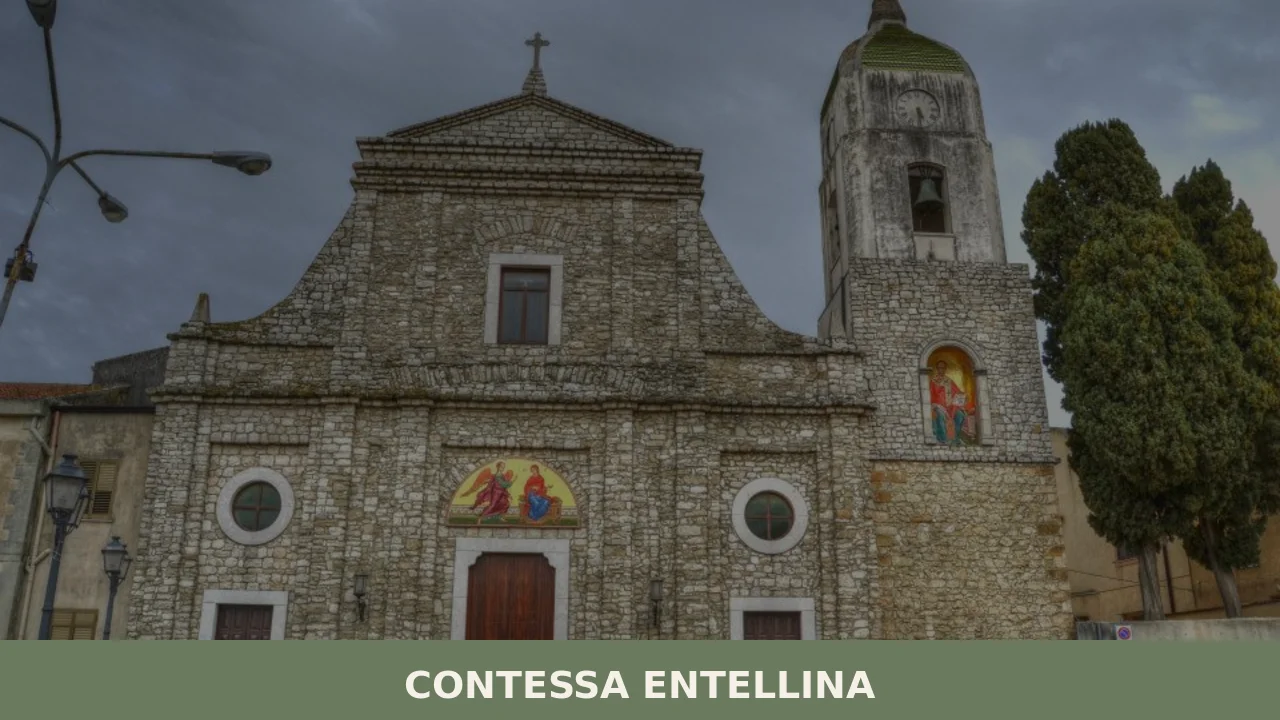
Contessa Entellina
 Hills
Hills
Discover what to see in Contessa Entellina: Arbëreshë heritage, Rocca d’Entella ruins, Byzantine-rite churches, local food, and practical travel tips.
Discover Contessa Entellina
Founded in the late fifteenth century by Albanian refugees fleeing Ottoman expansion in the Balkans, Contessa Entellina remains one of the few Arbëreshë communities in Sicily where the Greek Byzantine rite is still practised. Sitting at 571 metres above sea level in the province of Palermo, this village of 1,846 inhabitants preserves a linguistic and liturgical identity that distinguishes it sharply from its Latin-rite neighbours. Understanding what to see in Contessa Entellina means engaging with a community whose Albanian dialect, sacred art, and religious calendar have survived more than five centuries of Sicilian integration.
History of Contessa Entellina
The village traces its origins to the 1450s, when Albanian settlers — part of a broader diaspora across southern Italy — were granted land in the Belìce valley by local feudal lords seeking to repopulate territories left sparse by plague and economic decline. The name itself carries a double provenance: “Contessa” likely refers to a countess who held the fief, while “Entellina” derives from the ancient Elymian city of Entella, whose ruins lie within the modern municipal territory. Archaeological excavations at the Rocca d’Entella site, conducted by the Scuola Normale Superiore di Pisa since the 1980s, have unearthed Greek inscriptions, medieval fortifications, and evidence of continuous habitation stretching back to the sixth century BCE.
Under Spanish rule, Contessa Entellina operated as a feudal holding within the broader administrative structure of the Val di Mazara. The Albanian settlers negotiated specific privileges, including the right to maintain their Byzantine liturgy and community governance structures. This dual identity — Sicilian in civic life, Albanian in domestic and religious practice — has been a defining feature of the village across its entire recorded history. The community survived the devastating Belìce earthquake of 1968, which destroyed several nearby towns, though Contessa Entellina itself sustained comparatively lighter damage.
By the twentieth century, emigration to the Americas and northern Europe reduced the population significantly. Yet the Arbëreshë cultural institutions held firm: the Greek-rite parish continued its liturgical calendar, and local associations maintained the teaching of Arbërisht, the Tosk Albanian dialect spoken in the home. Today, the village functions as both a living community and a point of reference for scholars studying the Albanian diaspora in the Mediterranean.
What to see in Contessa Entellina: 5 key sites
1. Rocca d’Entella archaeological site
The fortified hilltop of the ancient city of Entella occupies a dramatic limestone plateau west of the modern village. Excavation campaigns have revealed a layered site — Elymian, Greek, Roman, Arab-Norman, and medieval — with defensive walls, a Norman-era castle, and a mosaic-floored church. Access is by footpath, and the site offers direct views across the Belìce valley to the distant outline of Monte Genuardo.
2. Chiesa Madre di Maria Santissima della Favara (Latin rite)
The main Latin-rite church, rebuilt after earlier earthquake damage, stands in the centre of the village along the principal street. Its interior houses a wooden crucifix dated to the seventeenth century and several polychrome statues carried during the annual festa. The façade, simple and rendered in plaster, is characteristic of rural Sicilian ecclesiastical architecture from the Bourbon period.
3. Chiesa di San Nicolò di Mira (Greek-Byzantine rite)
This is the spiritual centre of Contessa Entellina’s Arbëreshë community. The church follows the Byzantine liturgical rite, with services conducted partly in ancient Greek and partly in Albanian. The iconostasis and painted icons inside distinguish it immediately from the Latin-rite churches found elsewhere in the province. Religious ceremonies here follow the Julian calendar for certain feast days.
4. The Arbëreshë civic centre and cultural collections
A small civic space in the village centre documents the Albanian migration to Sicily through genealogical records, liturgical vestments, and photographs from the early twentieth century. Researchers and visitors can consult materials on the Arbërisht dialect and the community’s relationship to other Albanian-speaking settlements across Calabria and Basilicata.
5. Monte Genuardo and Lago Garcia
The Monte Genuardo nature reserve, accessible from the village, covers 2,552 hectares of holm oak, cork oak, and Mediterranean scrub. The artificial lake of Garcia, formed by a dam on the Belìce River, lies within the municipal territory and provides a habitat for migratory waterbirds in spring and autumn.
Local food and typical products
The cuisine of Contessa Entellina draws from both the broader Sicilian tradition and the specific habits of its Arbëreshë community. Durum wheat remains the principal crop in the surrounding fields, and locally milled semolina is used for handmade pasta shapes — particularly busiate and maccarruna — dressed with wild fennel, ricotta, or slow-cooked lamb. The village falls within the production zone for Vastedda della Valle del Belìce DOP, a stretched-curd sheep’s milk cheese made exclusively from the milk of the Valle del Belìce breed. Extra-virgin olive oil pressed from Nocellara del Belìce and Biancolilla cultivars is another staple product, with several small mills operating in the area during the autumn harvest.
Festive cooking follows the Byzantine liturgical calendar. During Lenten periods, dishes centre on legumes, preserved vegetables, and salt cod. Easter brings lamb prepared in the Arbëreshë manner, often roasted whole over wood. Local bakeries produce biscotti flavoured with sesame and anise, sold from small shops along the village’s main street. Dining options in the village itself are limited — one or two trattorie serve fixed menus of seasonal dishes — so visitors planning a meal should verify opening times in advance, particularly outside the summer months.
Best time to visit Contessa Entellina
Spring, from late March through May, is the most practical season for a visit. Wildflowers cover the slopes of Monte Genuardo, the archaeological site at Rocca d’Entella is accessible without the intense heat of July and August, and the village’s Easter celebrations — conducted according to the Byzantine rite — are among the most distinctive religious events in western Sicily. The processions and liturgies draw both the local Arbëreshë community and visitors with an interest in Eastern Christianity’s persistence in the Latin West.
Summers are hot and dry, with temperatures regularly exceeding 35°C. The village sees a return of emigrant families in August, which brings a brief increase in social activity and the annual festa patronale. Autumn offers cooler walking conditions and the olive harvest. Winters at 571 metres are cold by Sicilian standards, with occasional frost and fog in the valley below. Public transport is infrequent year-round, so independent transport is strongly recommended regardless of season.
How to get to Contessa Entellina
From Palermo, the drive takes approximately 90 minutes via the SS624 road toward Sciacca, exiting at the junction for Contessa Entellina. The route passes through the Belìce valley, a landscape of rolling wheat fields, vineyards, and scattered farmsteads. From Trapani-Birgi airport, the distance is roughly 100 kilometres, reachable in about 75 minutes by car. Palermo’s Falcone-Borsellino airport is roughly 110 kilometres to the northeast.
There is no railway station in Contessa Entellina. The nearest rail connection is at Alcamo, approximately 50 kilometres to the north, served by regional Trenitalia trains on the Palermo–Trapani line. AST (Azienda Siciliana Trasporti) operates a limited bus service linking the village to Palermo, but schedules are sparse, with typically one or two departures per day. Travellers relying on public transport should confirm timetables before departure and plan for long transfer times.
What to see in Contessa Entellina and nearby Sicilian villages
Contessa Entellina sits in a section of inland Sicily that rewards slow, deliberate exploration. The province of Palermo extends across an extraordinary range of terrain, from coastal fishing ports to highland agricultural communities, and several smaller villages within the region carry their own distinct histories. To the east, Bompietro offers a point of comparison: another small Madonìe settlement where depopulation and agricultural tradition coexist, but without the Albanian cultural layer that defines Contessa Entellina.
Further north toward the Tyrrhenian coast, Aliminusa occupies a different ecological and historical niche — a lowland village with closer ties to the grain-trading networks that once connected Sicily’s interior to its port cities. Taken together, these communities illustrate the diversity contained within a single Sicilian province: no two villages share the same founding story, the same dialect, or the same relationship to the land around them.
Nearby Villages near Contessa Entellina
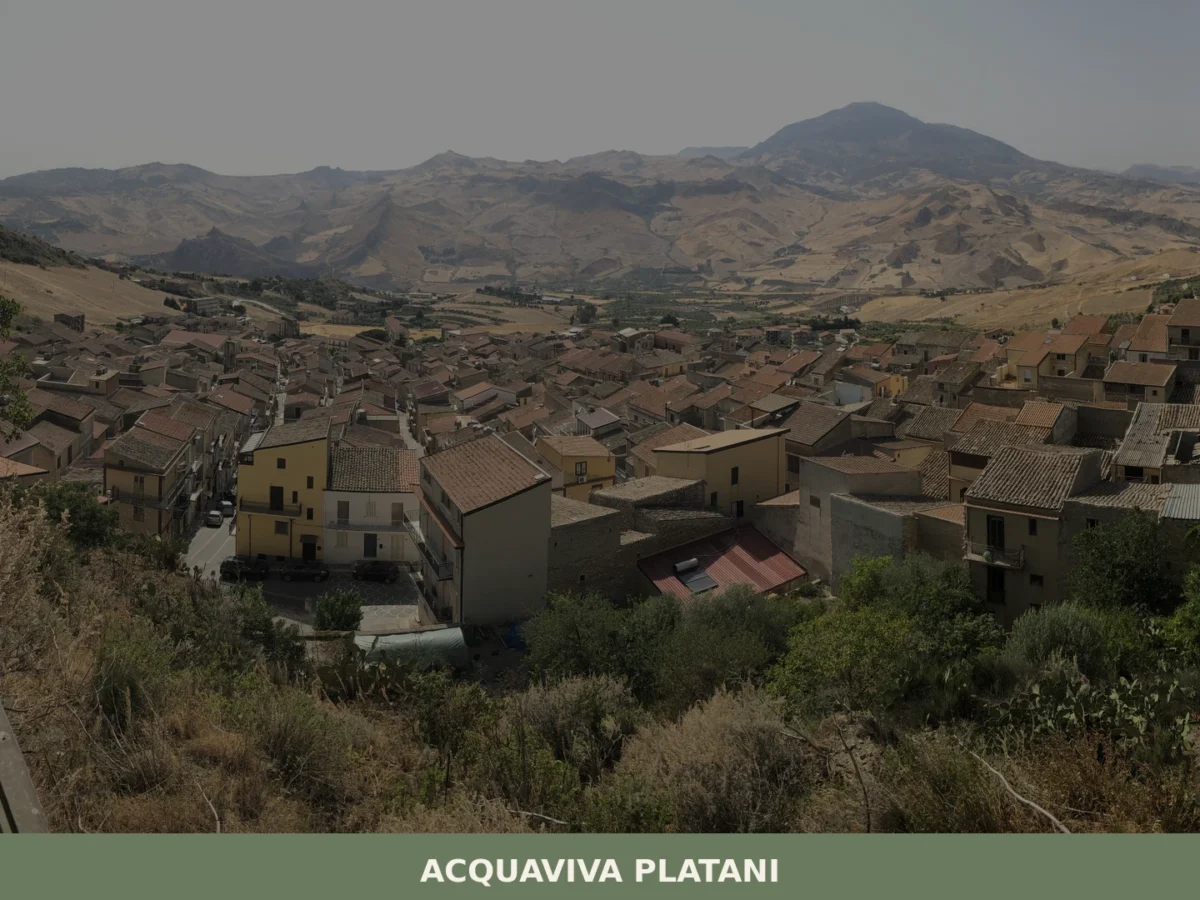
In Sicily More villages to discover
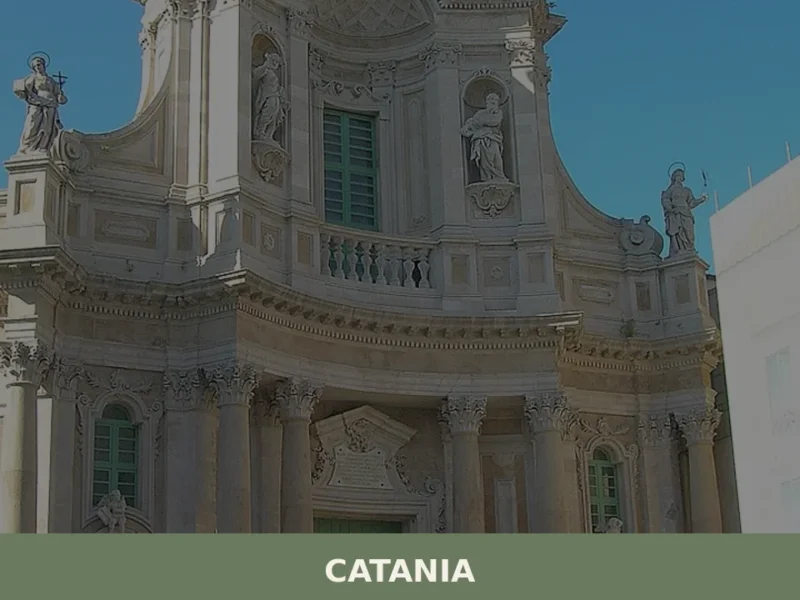
Catania
 Sea
Sea
Discover Catania, a captivating village in Sicily, Italy. Explore its rich history, stunning architecture, local culture, and hidden gems waiting to be found.
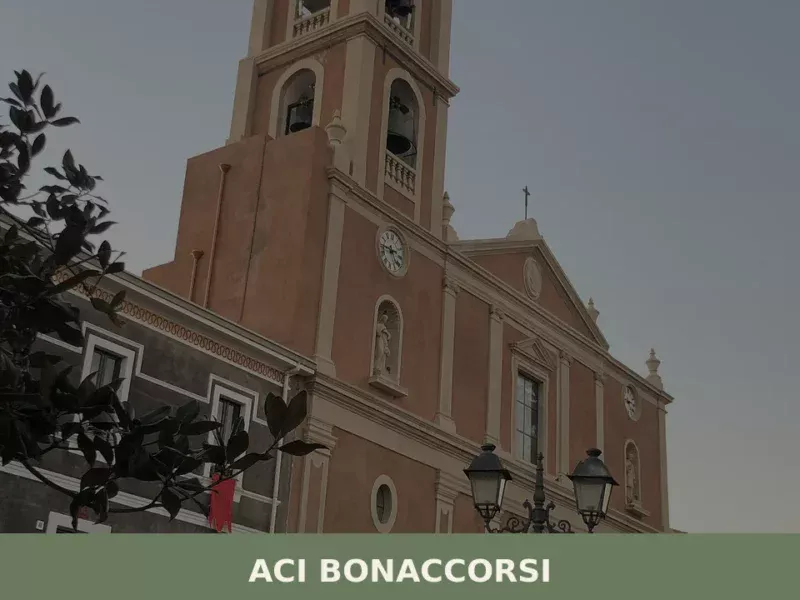
Aci Bonaccorsi
Sea
Discover what to see in Aci Bonaccorsi: Etna views, volcanic architecture, IGP citrus groves and Italy's 2022 most virtuous municipality on the Ionian slope.

Rodì Milici
Hills
Two urban nuclei, one Knights of Malta palazzo and the ruins of ancient Longane: Rodì Milici rewards visitors who look beyond the Sicilian coast.
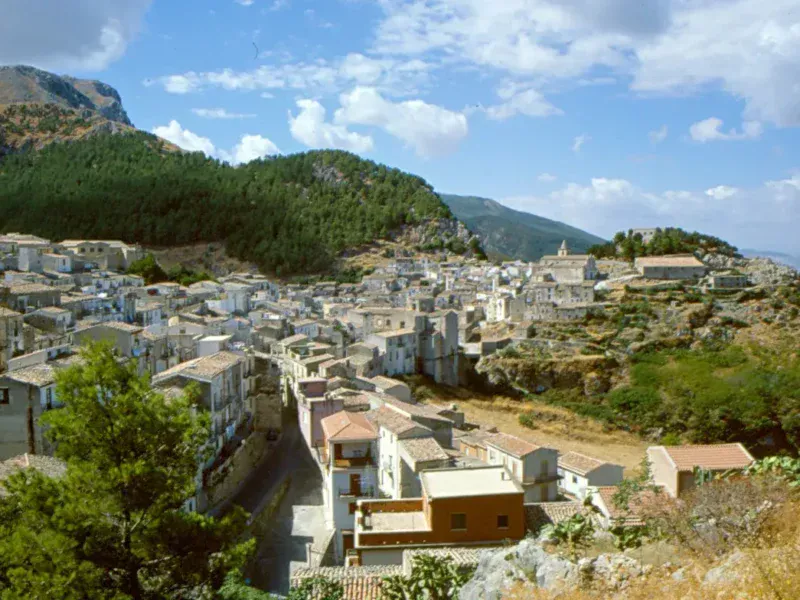
Gratteri
 Mountain
Gratteri, a medieval village in the province of Palermo: history, mother church and stone streets. Discover how to visit it and how to get there from the Madonie.
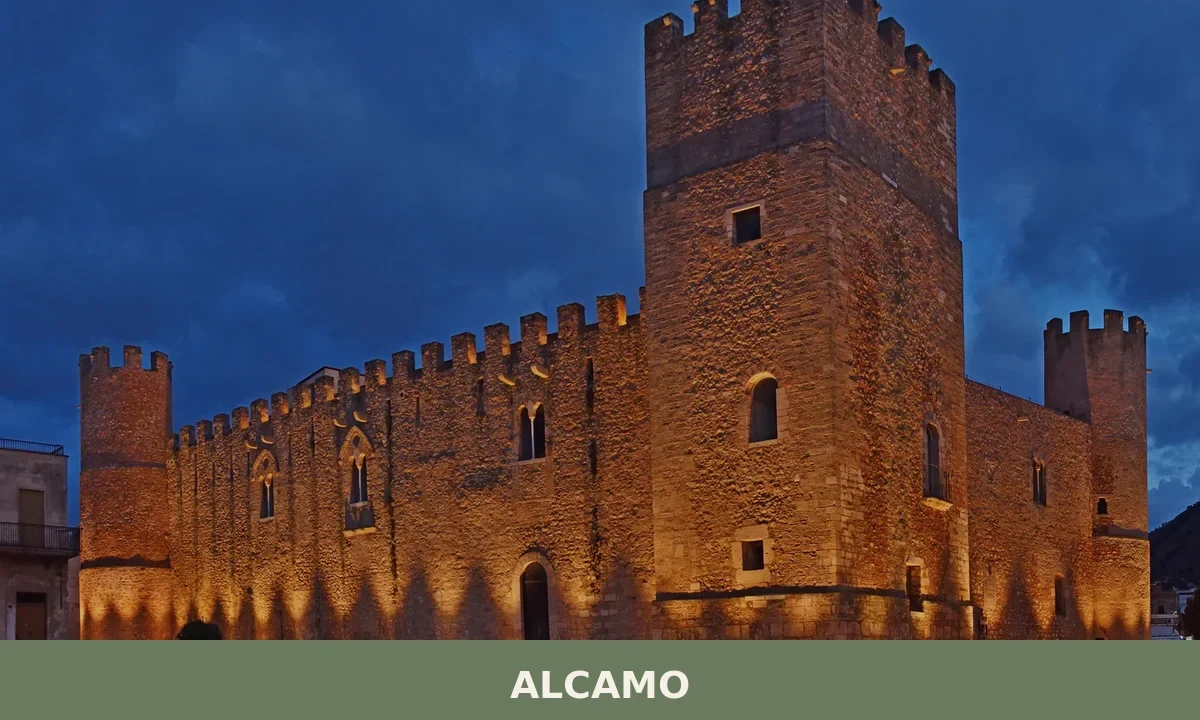
Alcamo
Alcamo sits where Arab merchants once haggled at fiorenti markets and Norman barons held court. Discover how a Mesolithic settlement became Sicily's most layered trading town.
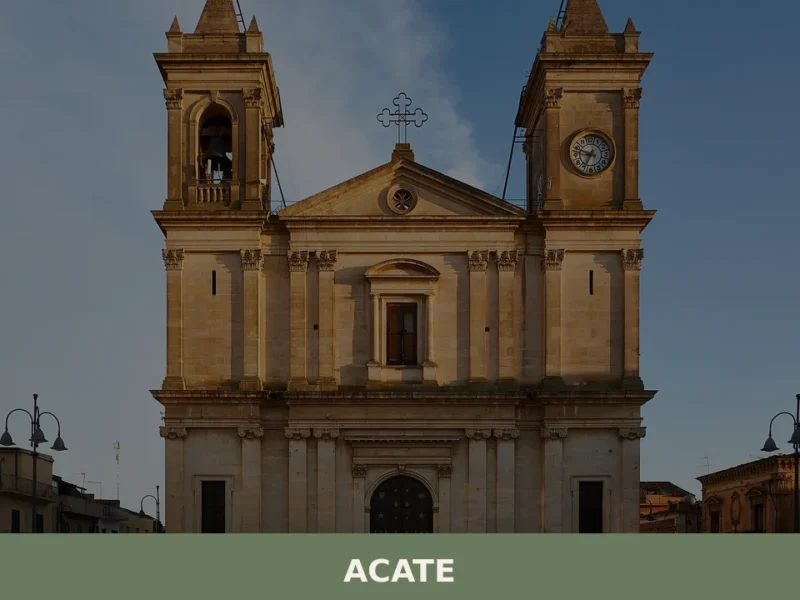
Acate
Sea
Discover what to see in Acate, the former Biscari in Ragusa province: Baroque history, Cerasuolo di Vittoria vineyards, castle and Iblean landscapes.
Campofiorito
Mountain
Campofiorito sits at 660 metres above sea level in the province of Palermo, a small agricultural commune of 1,321 inhabitants whose name translates literally as “field of flowers.” Founded as a feudal settlement in the early eighteenth century, the village occupies a limestone ridge in the upper Belìce valley, surrounded by wheat fields and grazing […]
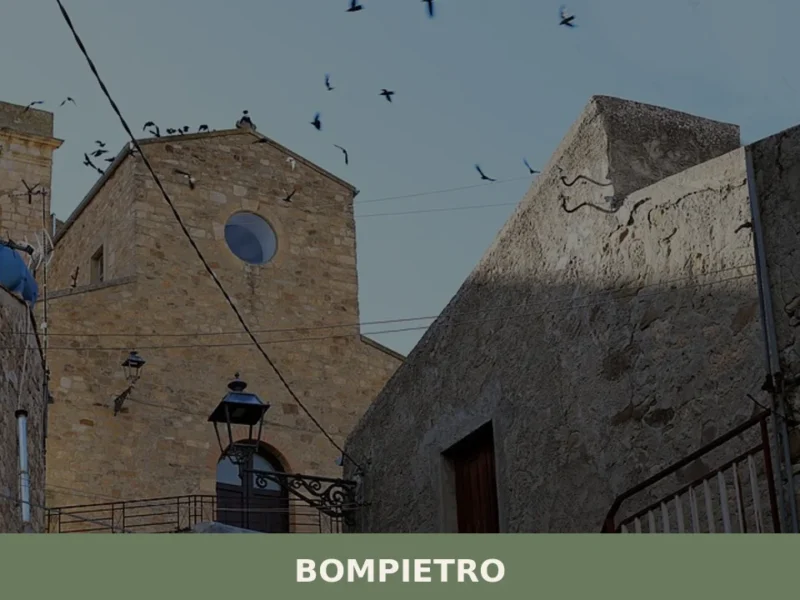
Bompietro
Mountain
Morning light reaches Bompietro slowly, climbing over the Madonie range before it pours across the rooftops and into the narrow streets where older residents already occupy doorstep chairs. At 685 metres above sea level, the air carries a sharpness absent from the coast — part wild oregano, part cold stone. Fewer than 1,200 people live […]
Aliminusa
Hills
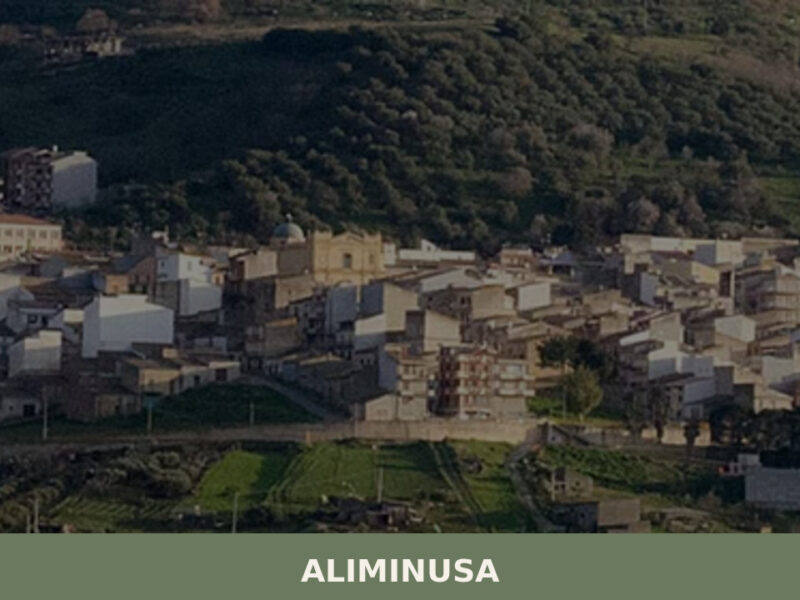
Morning light hits the limestone facades along Corso Umberto at a low angle, turning the walls the colour of raw honey. A few voices carry across the piazza — unhurried, familiar. Aliminusa is a village of just over a thousand people, set at 450 metres above sea level in the hills of the Palermo province, […]
Valderice
Sea
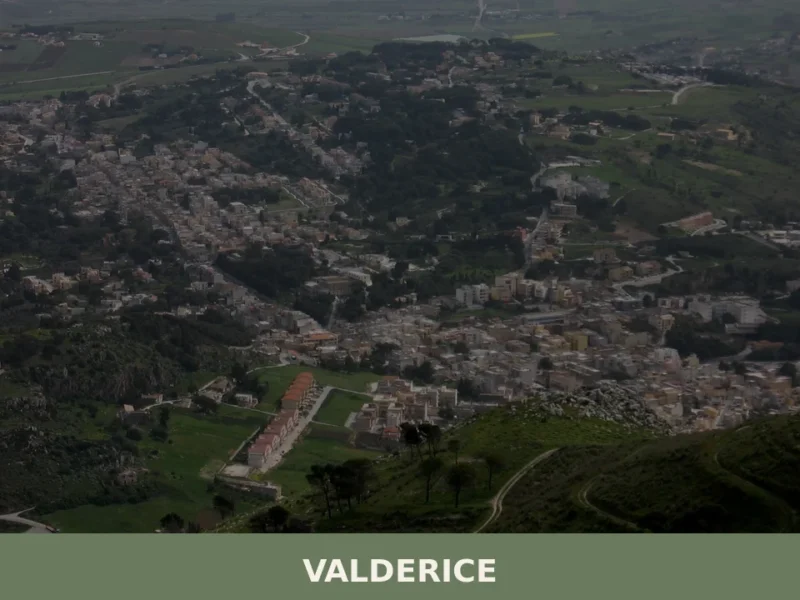
What to see in Valderice, Italy: Explore this Sicilian comune, located 240 m above sea level, known for its historic settlements and scenic beaches. Discover its unique history.

🏡 Know Contessa Entellina better than we do?
If you’re a local or have been there, your knowledge matters: add what’s missing or fix a detail on this page.