


Cantalupo in Sabina
What to see in Cantalupo in Sabina: a hill village at 297 m in Rieti with 1,738 residents. Explore the medieval centre, the San Biagio feast and PAT-certified guanciale. Plan your visit now.
Discover Cantalupo in Sabina
Cantalupo in Sabina stands at 297 metres above sea level, in the heart of the Reatine Sabina, a territory that has preserved its identity as a hill village.
With 1,738 inhabitants spread between the historic centre and the surrounding hamlets, the municipality belongs to the Province of Rieti and is one of the reference points for this part of inland Lazio.
For those wondering about what to see in Cantalupo in Sabina, the answer lies in a compact architectural heritage, a solid gastronomic tradition, and a hilly landscape that offers wide views over the Tiber Valley and the ridges of the Sabina.
History and Origins of Cantalupo in Sabina
The name Cantalupo has medieval origins and almost certainly derives from the Latin expression cantus lupi, meaning “wolf’s song” — a reference to the presence of wolves in the local woodlands during the medieval period.
This etymology, shared by numerous Italian place names, places the founding of the village in the rural and forested context typical of the central Apennines. The addition “in Sabina” distinguishes this settlement from other places called Cantalupo across Italy, anchoring it to one of the oldest historical territories in Lazio, inhabited since pre-Roman times by the Italic people known as the Sabines.
The Sabina was a region of great strategic importance to Rome, and its hill villages were progressively drawn into the orbit of the Republic and later the Empire.
In the Middle Ages, the territory fell within the sphere of influence of the great Lazio feudal lords, contested between noble families and ecclesiastical institutions that held control over castles and watchtowers.
Cantalupo in Sabina followed this common pattern, developing a defensive urban layout with walls, gateways, and a concentric street plan that is still legible in the current layout of the historic centre.
Between the late Middle Ages and the early modern period, the village consolidated its agricultural identity, rooted in olive cultivation and sheep farming — activities that left a deep mark on both the landscape and the dietary habits of the local community.
The Province of Rieti, established in its modern form after the Unification of Italy, incorporated Cantalupo in Sabina within its administrative boundaries, giving the village the status of an independent municipality that it retains to this day.
The continuous human occupation of the site, from prehistory to the present, is documented by historical sources and material traces found throughout the surrounding territory (Source: regional historical data and reliable sources on the heritage of the Sabina).
What to See in Cantalupo in Sabina: Main Attractions
Church of San Biagio
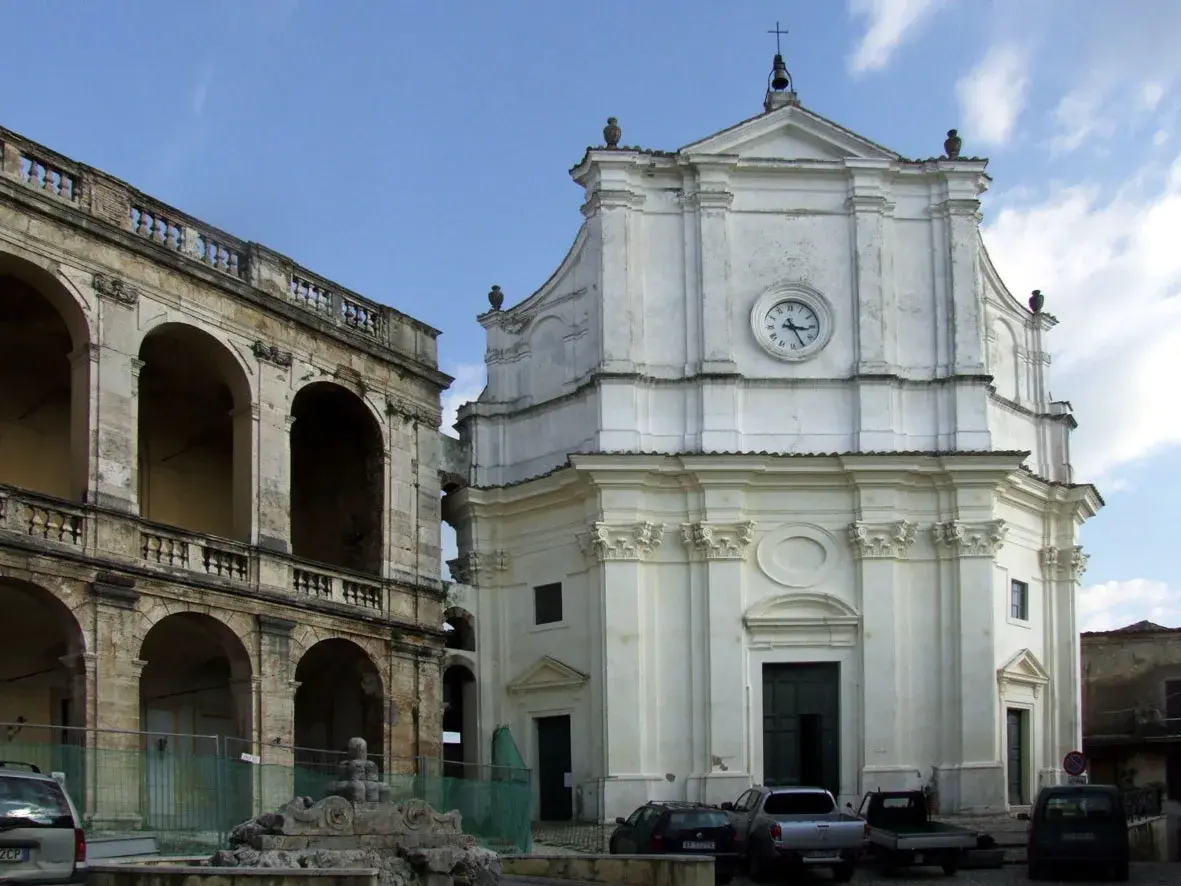
The church dedicated to Saint Blaise, bishop and martyr, is the village’s principal place of worship and the focus of the community’s deepest devotion.
The patron saint San Biagio is celebrated every year on 3 February, a date that marks both the liturgical and civic calendar of the town. The building, with its stone façade, is fully integrated into the fabric of the historic centre and serves as the spiritual focal point around which centuries of community life have developed.
The interior preserves decorative elements and sacred furnishings that reflect successive phases of restoration and embellishment carried out by the community over the centuries.
Historic Centre and Medieval Layout
The historic centre of Cantalupo in Sabina retains the typical structure of Lazio’s medieval hill villages: narrow streets running along the contour lines, local stone houses built closely together, passageway arches, and views that open out onto the surrounding landscape.
Walking through the streets of the old quarter allows visitors to read the successive phases of construction directly — from the medieval defensive perimeter to Renaissance and more recent additions.
For those wanting to understand what to see in Cantalupo in Sabina starting from the essentials, a circuit of the historic centre takes around an hour and gives a clear overall picture of the village.
Views over the Tiber Valley and the Sabina
At an altitude of 297 metres, Cantalupo in Sabina offers privileged vantage points over the hilly landscape of the Reatine Sabina. It is worth making your way to the edges of the historic centre to take in a broad view over the Tiber Valley and the ridges that separate Lazio from Umbria.
The landscape is characterised by olive groves, arable land, and patches of woodland alternating across the hillsides — an agricultural arrangement that has remained largely stable in its essential features.
These viewpoints are accessible on foot and require no special equipment.
Countryside and Nature Trails in the Sabina
The municipality occupies a transitional zone between the agricultural valley floors and the Apennine ridges, making the territory well suited to hiking and nature exploration.
The trails that depart from the village pass through historic olive groves, reforested areas, and stretches of Mediterranean scrub, connecting Cantalupo in Sabina to neighbouring villages along routes of moderate difficulty. Those who enjoy walking can combine a visit to the historic centre with a hike through the surrounding rural landscape, discovering a dimension of the territory that the urban points of interest alone do not reveal.
Rural Architecture and Outlying Hamlets
The municipal territory includes hamlets and smaller rural settlements that complete the overall picture of the village and its surroundings.
These structures — often comprising farmhouses, roadside shrines, and small rural oratories — document the widespread human presence across the land over the centuries. Visiting these outlying places, reachable by car or on foot, adds depth to an understanding of what to see in Cantalupo in Sabina beyond the town centre alone.
The rural buildings of the Reatine Sabina preserve traditional construction techniques that are well worth attention.
Local Food and Products of Cantalupo in Sabina
The cuisine of the Reatine Sabina is built on a peasant and pastoral foundation that has been refined over the centuries through the skilful use of a small number of high-quality ingredients.
Extra virgin olive oil produced in the area runs through almost every local preparation — from bruschetta to pasta sauces to meat dishes.
The territory of Cantalupo in Sabina sits within a long-established olive-growing zone, and this agricultural heritage is directly reflected in local menus and in the food culture of the community.
Among the dishes that define the local table, homemade pasta holds a central place. Spaghetti all’amatriciana, made with cured pork cheek, tomato, pecorino, and black pepper, is one of the most recognisable expressions of the cuisine of the Sabina and the mountain areas of Lazio. Equally prevalent is pasta alla gricia, the “white” version of amatriciana, which foregrounds the flavour of aged guanciale and pecorino without the addition of tomato.
Lamb and pork, prepared according to handed-down recipes, appear regularly on the menus of restaurants serving traditional food.
The territory also produces cheeses and cured meats of considerable quality, recognised at national level.
Cacio fiore (PAT) is a fresh, soft-paste cheese made from sheep’s or goat’s milk, coagulated using vegetable rennet extracted from the flower of wild thistle — an ancient technique that makes it unique among Lazio’s cheeses.
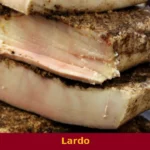
Guanciale (PAT) is the cured meat obtained from the pork cheek, aged with salt, pepper, and aromatics: it is the essential ingredient in both amatriciana and gricia, and its quality directly determines the outcome of the dish. Guanciale amatriciano (PAT) is the variant typically produced in the Reatine Sabina and across the central Apennines, with organoleptic characteristics defined by local tradition and the PAT specification.
Local markets and the food festivals held in summer and autumn are the most direct opportunities to buy these products from local producers.
Autumn is the best season for finding aged cheeses and cured meats at their prime, while spring brings fresh cheeses and the first garden vegetables.
Visitors to the area in summer can take part in the village festivals that bring the villages of the Sabina to life, typically centred on celebrating local ingredients.
Festivals, Events and Traditions of Cantalupo in Sabina
The most important event in the village’s civic and religious calendar is the feast of the patron saint, San Biagio, bishop and martyr, celebrated every year on 3 February.
Saint Blaise is venerated throughout the Catholic tradition as the protector against throat ailments and respiratory diseases, and his feast is observed with a solemn Mass, a procession, and moments of community gathering. The 3rd of February falls in the depths of winter, which makes this occasion particularly meaningful for the local community, who mark it with broad participation and the observance of traditional rites rooted in popular devotion.
Beyond the patron saint’s feast, the village takes part in the cycle of events that animate the Reatine Sabina throughout the year.
The gastronomic festivals of the summer and autumn months bring together residents and visitors for tastings of local products, music, and outdoor activities.
The events calendar varies from year to year; for up-to-date information on local events, it is worth consulting the official website of the Municipality of Cantalupo in Sabina, which publishes current information on planned events.
When to Visit Cantalupo in Sabina and How to Get There
The best time to visit Cantalupo in Sabina runs from spring through to autumn, with a preference for April, May, September, and October, when the climate is mild, the landscape is green or golden, and the countryside is fully accessible.
Summer suits those who want to attend food festivals and outdoor events, though temperatures can be high in the middle of the day.
Winter, while cold, offers the opportunity to experience the feast of San Biagio on 3 February in a genuine local context, well away from mass tourism.
If you are travelling by car, the A1 Milan–Naples motorway is the main reference route: the nearest exit is Ponzano Romano-Soratte, from which it is approximately 25–30 km north-east towards the Reatine Sabina. Alternatively, the Fiano Romano exit allows you to reach the area via the Via Salaria.
Travellers arriving by train can use Poggio Mirteto station, served by the Rome–Terni line and located approximately 15 km from the village, from where onward travel requires a private vehicle or local transport service.
For up-to-date information on roads, timetables, and access, the Rome airports portal provides useful guidance: Rome Fiumicino international airport is approximately 90 km away, while Ciampino is around 75 km, both connected to the motorway network.
Other Villages to Explore in Lazio
Lazio offers a variety of hill villages that lend themselves to combined itineraries alongside a visit to Cantalupo in Sabina.
Those wishing to extend their trip towards Tuscia can stop at Calcata, a village built on a tufa spur in the Province of Viterbo, or at Gradoli, overlooking Lake Bolsena and known for the production of Aleatico wine.
Both villages share with Cantalupo in Sabina a compact medieval structure and a direct relationship with the surrounding natural landscape, and both are reachable within a day using the ordinary road network of central Lazio.
For those who prefer to remain in northern Lazio, Villa San Giovanni in Tuscia offers the experience of a smaller rural village in the Viterbo Tuscia, with a well-preserved historic building stock.
In the opposite direction, towards the Monti della Laga, Accumoli represents a particular case in the story of Lazio’s villages: struck by the 2016 earthquake, it is now the subject of a rebuilding process that deserves attention for anyone wanting to understand the dynamics of recovering historic Apennine building heritage.
These four villages, linked together with Cantalupo in Sabina, form a cross-section of inland Lazio that spans different landscapes, cultures, and histories within a range that can be covered comfortably over a long weekend.
In Lazio More villages to discover
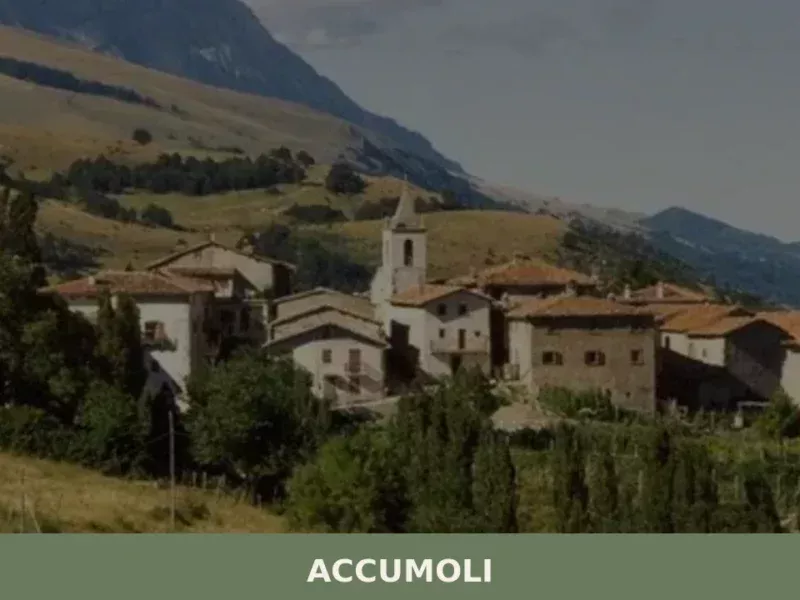
Accumoli
A chill, thin air descends with the late afternoon sun, drawing long shadows across the uneven cobblestones of the piazza. The scent of woodsmoke, faint but persistent, mingles with the dry fragrance of ancient stone. At 855 meters above sea level, the village of Accumoli, nestled within the Rieti province of Lazio, feels like a […]
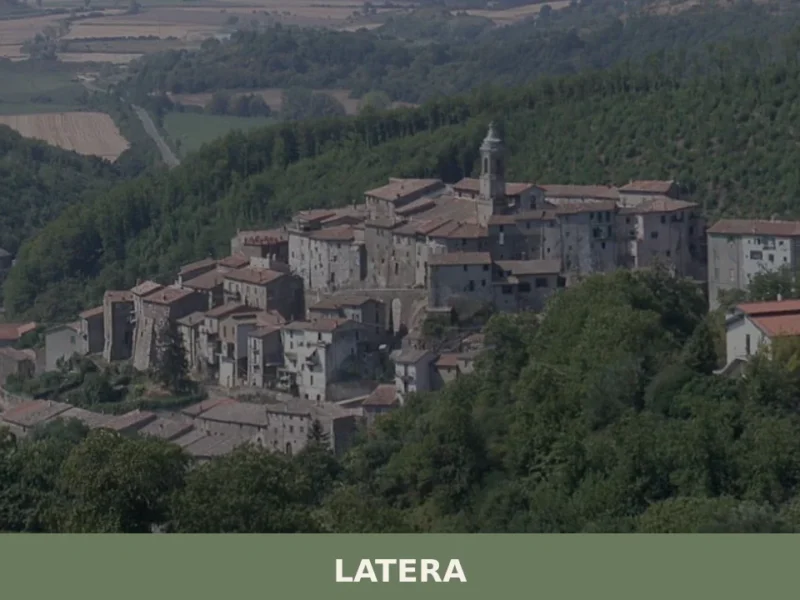
Latera
Latera has 766 inhabitants and sits on a tuff plateau at 508 metres above sea level, on the far northern edge of the province of Viterbo, close to the borders with Umbria and Tuscany. For centuries a fiefdom of the Farnese family, this small centre retains a compact Renaissance urban layout, with straight streets converging […]
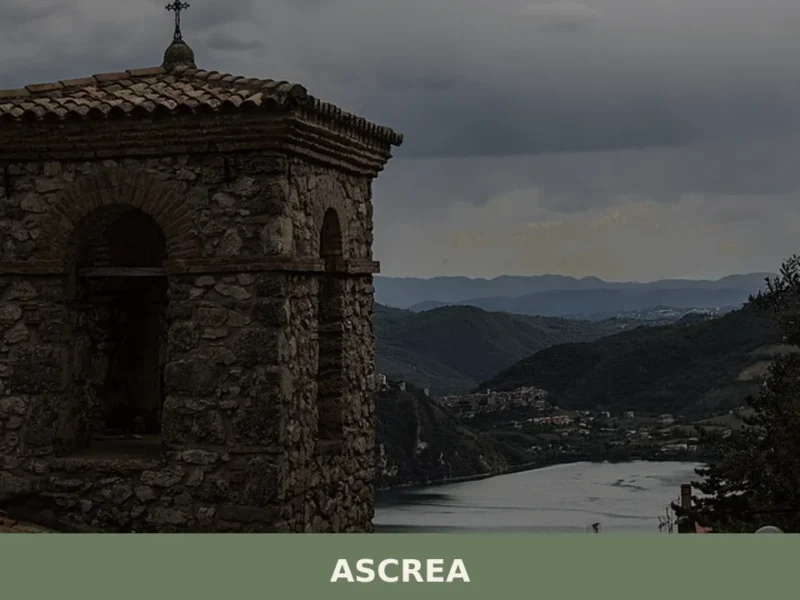
Ascrea
What to see in Ascrea: a mountain village at 757 m in the province of Rieti with 261 residents. Discover the church of San Nicola, PAT-certified products and how to get there.




📝 Incorrect information or updates?
Help us keep the Cantalupo in Sabina page accurate and up to date.