


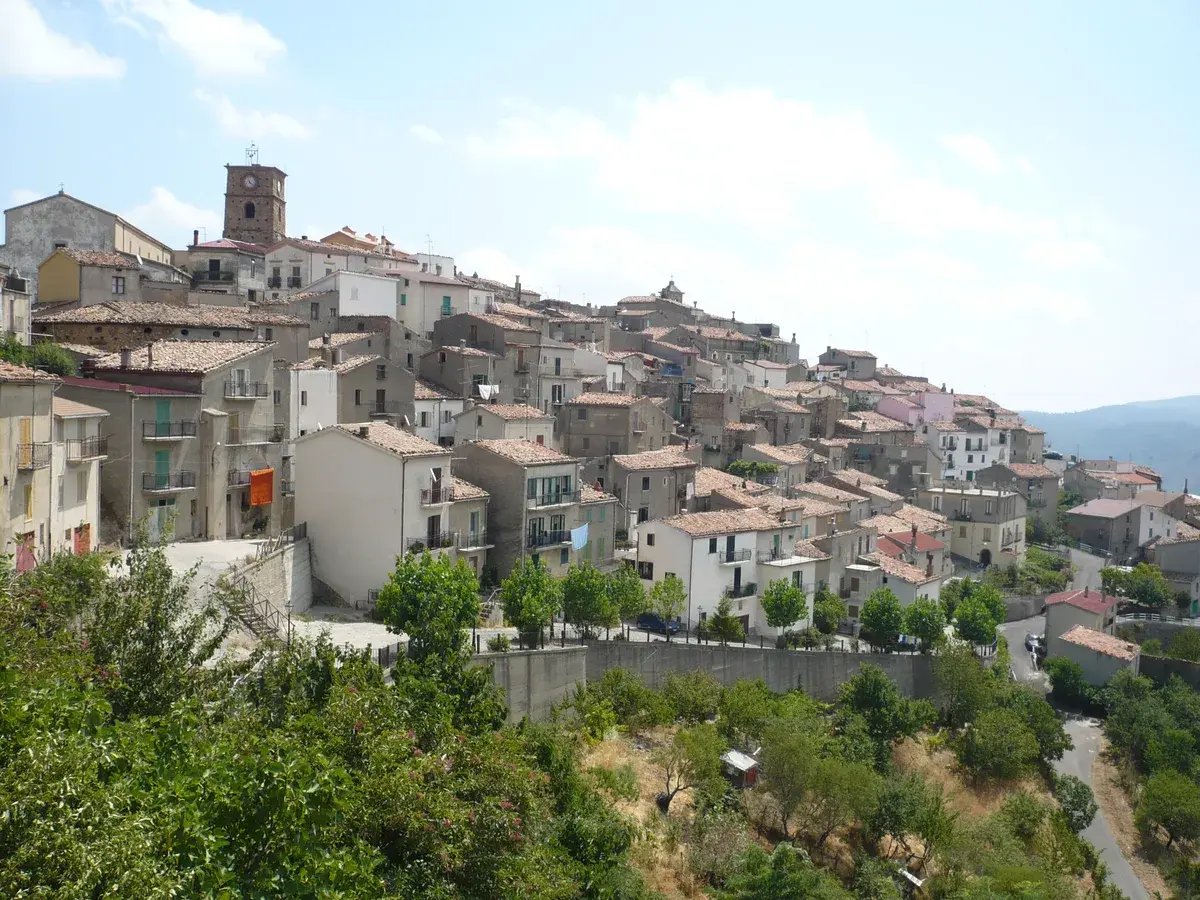
Bocchigliero
What to see in Bocchigliero: a mountain village at 870m in Cosenza. Discover the Mother Church and the Baronial Palace ruins.
Discover Bocchigliero
Discovering Bocchigliero: A Hidden Gem in the Heart of Calabria
At 870 meters above sea level, in the heart of the province of Cosenza, lies Bocchigliero, a mountain village that offers an authentic perspective on Calabrian life. Its elevation places it among those territories that have maintained a deep connection with the agro-silvo-pastoral traditions typical of this Appennine belt.
Those seeking an experience away from the beaten path and wishing to discover a context where nature and history blend will find this place to be a significant reference point.
Many often wonder what to see in Bocchigliero, and the answer unfolds through its streets, its churches, and the panoramas that open onto the surrounding valleys, offering glimpses of a lesser-known but insight-rich Calabria.
History and Origins of Bocchigliero
The history of Bocchigliero, like that of many Calabrian mountain settlements, is rooted in a past that dates back to antiquity, although the most concrete evidence appears starting from the medieval period.
The name of the village itself may derive from ancient denominations linked to the shape of the territory or specific economic activities, often reflecting its agricultural vocation or the presence of particular natural elements.
The first stable settlements probably developed in strategic positions, offering shelter and control over internal communication routes, essential for the life of communities in less secure times. These areas were often chosen for their natural defense, allowing the population to prosper despite the incursions and conflicts that characterized Southern Italy. The village of Altomonte, also in Calabria, presents a historical evolution with similar traits, linked to its strategic position and its importance in the medieval context.
Over the centuries, the territory of Bocchigliero was influenced by the successive dominations in Calabria, from the Byzantines to the Normans, from the Swabians to the Angevins and the Aragonese. Each passage of power left traces in the culture, traditions, and, in some cases, local architecture, contributing to defining the village’s identity.
During the feudal period, Bocchigliero was subject to various lords who controlled its lands and resources, influencing its economic and social development.
Local populations were mainly dedicated to agriculture and sheep farming, activities that shaped the landscape and customs. Great historical events, such as earthquakes or famines, often marked moments of crisis and rebirth, pushing the community to rebuild and adapt to new environmental and social conditions.
The modern and contemporary age saw Bocchigliero face the challenges of modernization and, like many inland villages, the phenomenon of emigration, which reduced the population but also created a strong bond with emigrant communities around the world.
Despite these changes, the village has maintained its main characteristics, preserving a significant cultural and environmental heritage.
Today, with its 1,047 inhabitants and its position at 870 meters above sea level, Bocchigliero represents an example of a mountain village striving to enhance its history and peculiarities, offering visitors an authentic experience and the chance to discover what to see in Bocchigliero through a respectful and curious approach. Its evolution continues to be linked to its relationship with the territory and the ability to keep local traditions alive while opening up to new opportunities.
What to see in Bocchigliero: Main Attractions
For those wondering what to see in Bocchigliero, the village offers several points of interest that reflect its history and culture. These attractions, while not internationally famous, allow one to grasp the essence of an authentic place, far from mass tourism.
Mother Church of San Nicola di Myra
The Mother Church, dedicated to Saint Nicholas of Myra, the village’s patron saint, is the main place of worship in Bocchigliero.
Its structure, the result of successive modifications and restorations over the centuries, features architectural elements that tell the story of different historical eras. Inside, visitors can admire sacred works, including wooden statues and paintings, which represent an artistic and devotional heritage for the community. The church is the spiritual heart of the town and the reference point for religious celebrations, particularly for the patronal feast held on May 9th.
Baronial Palace (Ruins)
On the heights overlooking the town lie the remains of the ancient Baronial Palace, evidence of the village’s feudal importance in the past. Although mainly the ruins of its perimeter walls are visible today, the site retains a particular charm, evoking the stories of the lords who once exercised their power here.
Climbing up to the ruins allows you not only to imagine life in the past but also to enjoy an extensive view of the valleys and mountains.
Piazza del Popolo
Piazza del Popolo represents the beating heart of social life in Bocchigliero. It is where residents meet, where events and markets take place, and where you can breathe in the daily atmosphere of the village. The square is surrounded by historic buildings and local businesses, creating a lively and welcoming environment.
Belvedere della Serra
The Belvedere della Serra is a viewpoint that offers a spectacular view of the mountain landscape and the valleys below, extending to the horizon. This place is ideal for photography enthusiasts and those who wish to contemplate the beauty of Calabrian nature.
It is a place of quiet where the connection with nature becomes more intense.
Ancient Oil Mill (Museum of Peasant Civilization)
An old oil mill, restored and transformed into a small museum, allows visitors to understand ancient oil production techniques and the rural life of the past. Inside, agricultural tools, domestic utensils, and documents are displayed, telling the story of the hardships and traditions of local farmers and artisans.
Typical Cuisine and Local Products
The cuisine of Bocchigliero reflects ancient peasant and pastoral traditions, characterized by the use of simple and genuine ingredients. Among the typical dishes, pork preparations stand out, including artisanal cold cuts like capocollo, soppressata, and sausage, often spiced with chili pepper.
Fresh homemade pasta, such as fusilli or maccheroni al ferretto, seasoned with rich meat sauces or wild vegetables, is an essential element of the table.
Other local delicacies include:
- Porcini mushroom omelets (abundant in the surrounding woods).
- Polenta with sausage, a mountain classic.
- Pecorino and goat cheeses, derived from local livestock.
- Honey and Chestnuts from the nearby Sila forests.
Festivals, Events, and Traditions
The most significant moment of the year is the patronal feast of San Nicola di Myra on May 9th. The celebrations include solemn liturgical services, a procession through the streets accompanied by a brass band, and social gatherings in the square with traditional music and fireworks. These traditions, passed down through generations, are fundamental to keeping the community spirit and cultural heritage of Bocchigliero alive.
When to Visit and How to Get There
- Spring (April-May): Ideal for nature lovers and the May 9th festival.
- Summer (June-August): Offers a cooler climate than the coast, perfect for hiking.
- Autumn (September-October): Spectacular foliage and the best time for mushrooms and chestnuts.
- Winter: A suggestive snowy landscape for those seeking peace.
How to get there:
- By Car: The most convenient method. From the A2 Motorway, exit at Cosenza Nord and continue for about 70-80 km (approx.
1.5 to 2 hours).
- By Train: The nearest major station is Cosenza, followed by local bus services or car rentals.
- By Plane: The closest airport is Lamezia Terme International Airport (SUF), located about 110-120 km away (approx. 2 hours by car).
For updated information, it is recommended to visit the official website of the Comune di Bocchigliero.
Photo Gallery of Bocchigliero
Do you have photos of Bocchigliero?
Share your photos of the village: the best ones will be added to the official gallery, with your credit.
Send your photosIn Calabria More villages to discover
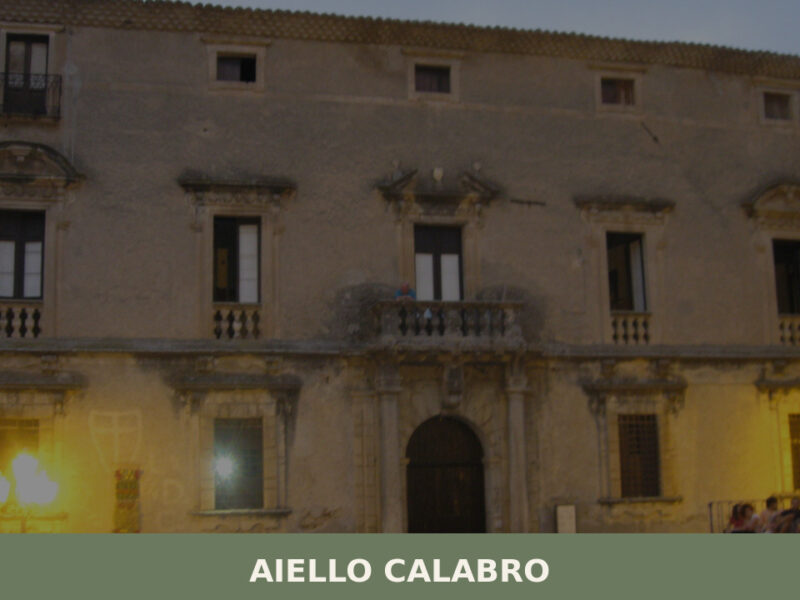
Aiello Calabro
A hill village in Cosenza province at 502 metres, Aiello Calabro holds medieval ruins, noble palazzi, and a living food culture shaped by centuries of mountain life.
Amendolara
Explore Amendolara village, a charming Italian gem nestled in Calabria. Discover its rich history, stunning landscapes, and authentic local culture. Plan your visit today!
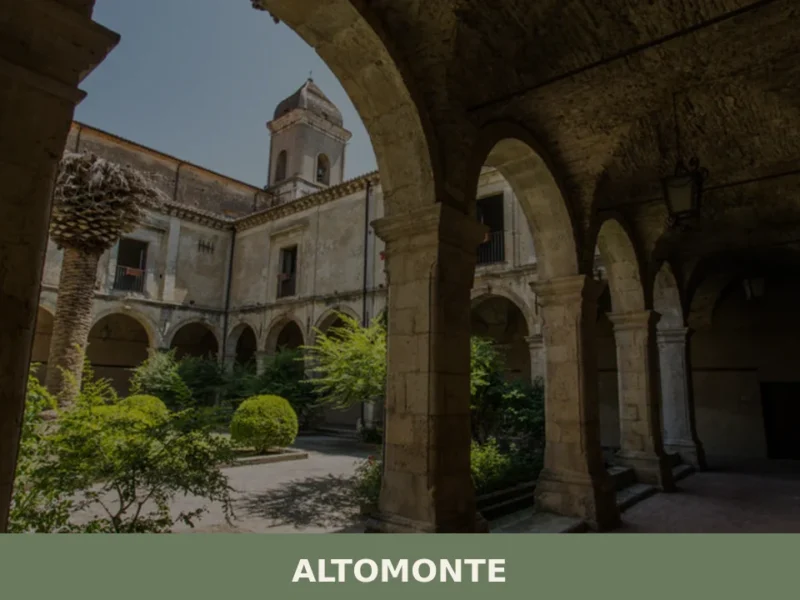
Altomonte
What to see in Altomonte: a hill village at 455m in Calabria with a 14th-century Gothic church, Civic Museum and medieval castle. Plan your visit today.



📝 Incorrect information or updates?
Help us keep the Bocchigliero page accurate and up to date.