


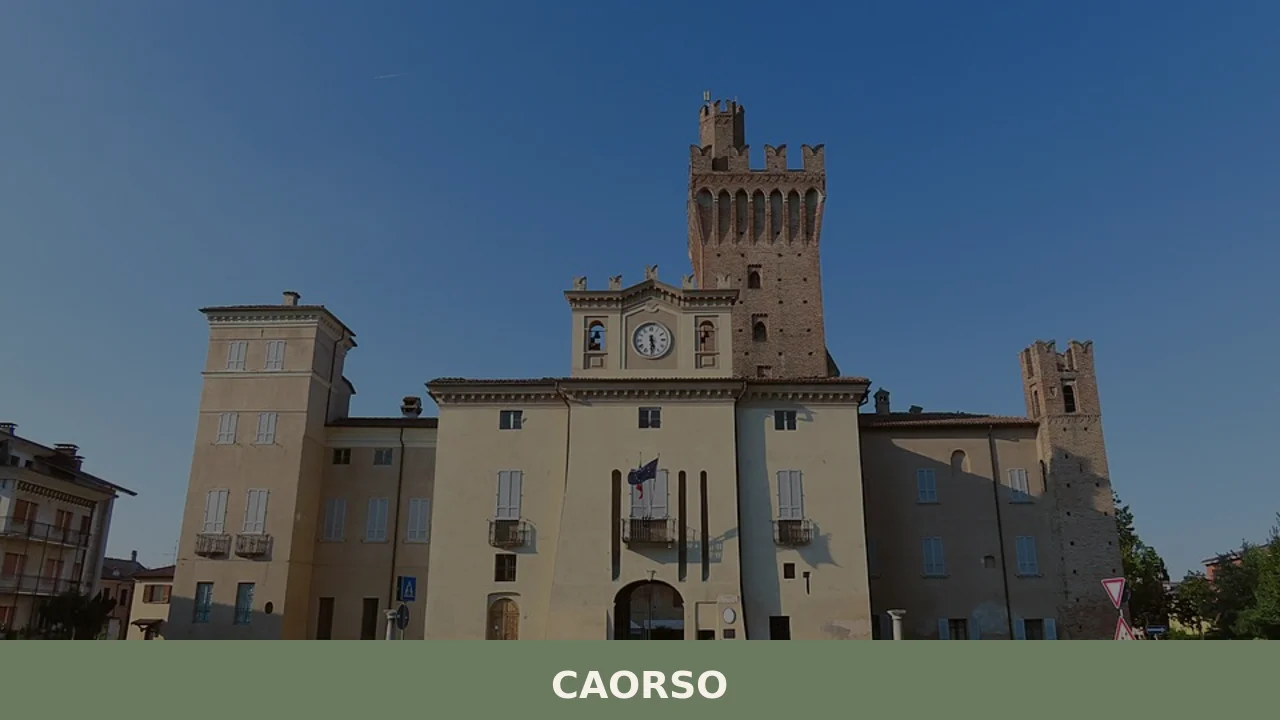
Caorso
What to see in Caorso: explore the medieval castle and the Parish Church of Santa Maria Assunta. Population 4,859, elevation 46m. Plan your visit now.
Discover Caorso
The first written record mentioning Caorso, a village in the Piacenza plain, dates to 980 AD, confirming a long history with roots going back to the Bronze Age and continuing through the medieval and modern periods.
This municipality, located in the province of Piacenza in Emilia-Romagna, stands out for its strategic position along important communication routes and for a historical heritage that includes civil and religious architecture of considerable interest.
With a population of 4,859 inhabitants and an elevation of 46 metres above sea level, Caorso gives visitors the opportunity to explore a territory with a strong tradition and culture.
Those wondering what to see in Caorso will find a welcoming environment and several attractions worth a visit, reflecting a significant past and a lively contemporary reality.
History and Origins of Caorso
The history of Caorso runs deep, with evidence of human settlements dating back to the Bronze Age, indicating a continuous presence in the area since very remote times.
The place name itself, according to various interpretations, may derive from “caput Orsi” — meaning “Bear’s Head” — or from “Casa Ursia” or “Ca’ Orsi”, names that suggest a connection with ancient Roman or Lombard families who once held sway over the area.
The first documented mention of the village, a notarial deed dated 980 AD, confirms its existence and importance already in the heart of the Middle Ages, the period during which the locality began to define its own identity.
During the Middle Ages, the fate of Caorso was frequently bound up with the affairs of the powerful families who controlled the region, including the Visconti and the Sforza, lords of Milan.
The construction of an imposing castle — still a symbol of the village today — was a pivotal moment for the defence and control of the territory, making Caorso a strategic point along communication routes and a military outpost. This period of activity saw the village develop around its fortification, with religious and civil buildings taking shape that still define the historic centre today.
The struggles between rival factions and successive periods of rule left a lasting mark on the architecture and local traditions, shaping the identity of the town.
In the modern and contemporary era, Caorso has maintained its agricultural character while adapting to economic and social change.
Its position in the fertile Piacenza plain encouraged the growth of farming and livestock activities, which for centuries formed the backbone of the local economy. Despite urban and demographic changes, Caorso has managed to preserve elements of its past, keeping a tangible connection with its long history.
Today, the village presents itself as a dynamic place that combines the calm of provincial life with easy access to larger centres, offering an interesting window onto Emilian culture.
What to See in Caorso: Main Attractions
For those wondering what to see in Caorso, the village offers a route through history, architecture and spirituality, with several attractions that reflect its rich past.
Each building and monument tells part of the story of this territory, inviting visitors to discover details and curiosities. A visit can begin at the heart of the town, where the main historical and artistic landmarks are concentrated and easily reached on foot.
Caorso Castle
Caorso Castle is the most significant attraction in the village, an imposing fortification that dominates the town centre with its historic bulk.
Its construction dates to the medieval period, and it has undergone various modifications and rebuildings over the centuries, while retaining its defensive characteristics intact. The castle features Ghibelline battlements, a moat (now partially filled in) and sturdy corner towers — all typical elements of military architecture of the period.
Once the residence of noble families and a strategic stronghold, it is today a symbol of the community and hosts cultural events and public gatherings, offering a privileged view of local history.
Parish Church of Santa Maria Assunta
The Parish Church of Santa Maria Assunta is the main place of worship in Caorso, dedicated to the village’s patron saint.
Its current structure is the result of expansions and restorations carried out across different periods, which have given the building a mix of architectural styles. The interior houses sacred works of art, frescoes and decorated altars that reward close attention, as evidence of the devotion and artistic skill of the communities that came before.
The façade, with its architectural details, and the bell tower, which rises above the village skyline, make it a visual landmark visible from several vantage points.
Oratory of San Rocco
The Oratory of San Rocco is a small religious building of considerable interest, typically associated with votive history and periods of plague, as was common for churches dedicated to this saint.
Its architecture is more modest than that of the parish church, but no less rich in history and meaning. Inside, visitors can find decorative elements and iconography connected to the figure of San Rocco, the protector against disease. Its position, sometimes set slightly apart from the older centre, suggests it served as a place of prayer for travellers and the surrounding rural communities, offering a different perspective on local religious life.
Palazzo Barattieri
Palazzo Barattieri is a fine example of civil architecture, reflecting the presence of noble families and the social importance of Caorso in earlier times.
This palazzo, with its elegant lines and carefully crafted architectural details, mirrors the tastes and styles of the periods in which it was built and subsequently modified.
While it is not always open to the public as a conventional museum, its façade and overall presence contribute to defining the historic character of Caorso’s centre.
Observing its features allows visitors to picture the lives of the families who lived there and their role in the community, adding further depth to what to see in Caorso.
Sanctuary of the Madonna di Caorso
The Sanctuary of the Madonna di Caorso is another important place of worship, long a destination for pilgrims and popular devotion. Its origins are tied to miraculous events or particular Marian apparitions, which led to the construction of a building dedicated to the Virgin Mary. The architecture of the sanctuary varies in style, but it typically features elements reflecting its votive function, with spaces set aside for prayer and contemplation.
Inside, visitors can view sacred images and ex-votos that bear witness to the faith of the community, making it a place of particular spiritual significance for both residents and visitors.
Local Food and Products of Caorso
The cuisine of Caorso, while not claiming certified products specific to the village, fits fully within the rich and widely appreciated gastronomic tradition of the Piacenza area and, more broadly, of Emilia-Romagna.
This area, situated in the fertile Po Valley, has developed over the centuries a robust and flavourful cuisine, shaped by the availability of local ingredients such as cereals, pork and beef, and garden produce.
The culinary tradition is defined by home cooking and recipes passed down from generation to generation, which bring out the genuine taste of the ingredients.
Among the dishes that best represent the cuisine of the Piacenza area — and that can also be enjoyed in Caorso — fresh pasta dishes take centre stage. Pisarei e fasò, small dumplings made from flour and breadcrumbs served with a bean and tomato sauce, are an emblematic example of this tradition: a simple dish but one of great flavour.
Other well-known first courses include tortelli con la coda, filled with ricotta and spinach and with their distinctive shape, and anolini in brodo, small ravioli filled with braised beef and Parmigiano Reggiano, a fixture on festive tables.
These dishes reflect the skill of local cooks in transforming simple ingredients into satisfying and complex culinary creations.
Although no DOP, IGP or PAT certified products are listed in the database specifically for the Caorso area, the province of Piacenza is universally recognised for the excellence of its cured meats.
Among these, Coppa Piacentina DOP, Salame Piacentino DOP and Pancetta Piacentina DOP are true symbols of local gastronomy, produced according to traditional methods that guarantee their unique quality and flavour. These cured meats, often served as a starter, pair perfectly with homemade bread and local wines, making them an essential tasting experience for anyone visiting the region.
Their production is the result of a long history and deep respect for artisan techniques.
When it comes to buying local products and taking part in food events, the territory offers several opportunities. Weekly markets in the towns of the area are ideal places to find fresh, seasonal produce directly from local farmers. Throughout the year, food festivals and fairs dedicated to the products of the land also take place, providing a chance to sample local specialities and experience the convivial atmosphere of Emilian tradition.
Visitors to Caorso and its surroundings can therefore count on a broad and varied food offer, capable of satisfying even the most discerning palates.
Festivals, Events and Traditions of Caorso
The calendar of Caorso is marked by occasions that reflect the deep religious faith and traditions of the community, giving visitors the chance to take part in local life.
The most widely felt and attended celebration is that dedicated to Santa Maria Assunta, the patron saint of the village, held every year on 16 August.
On this day, the community gathers for religious celebrations that include solemn masses and, at times, processions through the streets of the town.
These devotional moments are often accompanied by civic events such as concerts, performances and markets, which bring life to the summer evenings and create a festive atmosphere.
Beyond the patron saint’s feast, other traditions and smaller events may animate the village throughout the year, though sources do not provide specific details about food festivals or other notable gatherings. Life in a plains village like Caorso tends to follow the rhythms of the agricultural calendar and religious holidays, which are the main occasions for gathering and celebration.
Visitors who wish to attend these events can check the municipal website for an up-to-date calendar.
Joining these moments offers a clearer understanding of the community’s connection to its roots and a genuine experience of the local territory.
When to Visit Caorso and How to Get There
The best time to visit Caorso and discover what to see in the village is spring or early autumn, when the climate is mild and pleasant — ideal for walks and sightseeing without the intense heat of summer.
During these months, the surrounding countryside is at its finest, with blossoms in spring or the warm colours of autumn foliage. Summer, particularly August, offers the opportunity to attend the patron saint’s feast of Santa Maria Assunta on 16 August, one of the liveliest moments of the year for the community. Those looking for a quieter visit can opt for the less busy months, enjoying the calm of the village and the beauty of the landscape.
To reach Caorso, which occupies a strategic position in the Piacenza plain, several means of transport are available.
By car, the A1 motorway (Milan–Bologna) is the most convenient option: the recommended exit is Piacenza Sud, from which Caorso is approximately 15–20 kilometres away — roughly a 20-minute drive along well-signposted provincial roads. Alternatively, drivers can exit at Piacenza Ovest. For those travelling by train, the nearest station is Piacenza, a major rail hub with connections to the main Italian cities.
From Piacenza station, Caorso can be reached by local bus or taxi.
For those travelling by air, the most convenient nearby airports are “Giuseppe Verdi” Airport in Parma (PMF), approximately 45 kilometres away, “Guglielmo Marconi” Airport in Bologna (BLQ), around 90 kilometres away, and Milan Linate Airport (LIN), approximately 70 kilometres away.
From Milan Linate Airport, Piacenza can be reached by bus or train, and from there onward to Caorso.
It is always advisable to check the Caorso municipal website or local transport portals for up-to-date timetables and connections, to ensure a smooth and well-planned journey.
Where to Stay in Caorso
Although Caorso is a small village, the surrounding area and neighbouring municipalities offer several accommodation options for those wishing to explore the Piacenza territory.
Visitors can find facilities ranging from welcoming agriturismi set among the fields — ideal for those seeking quiet and contact with nature — to bed and breakfasts located both in the village centre and in the immediate surrounding area.
These options allow for a more genuine experience, often with the opportunity to enjoy breakfasts made from local and homemade produce.
For those who prefer a stay with more services, the nearby city of Piacenza offers a wider range of hotels and accommodation across different categories.
Choosing to stay in Piacenza and using Caorso as a destination for a day trip is a practical solution for combining a visit to the village with exploration of the provincial capital and its surroundings. Whatever the choice, it is advisable to book in advance, especially during peak season or around local events and holidays, to secure availability and the best rates.
Other Villages to Discover in Emilia-Romagna
Emilia-Romagna is a region full of interesting villages, each with its own history and distinctive qualities, well worth exploring as part of an itinerary that starts from Caorso. While the Piacenza village offers a picture of life on the plain, other centres reveal the region’s landscape and cultural variety.
For example, Imola, in the province of Bologna, is an important historic centre with a past tied to signorie rule and sporting events, offering an interesting contrast to the quiet of Caorso.
Its fortress and historic centre are reminders of another chapter of Emilian history.
Continuing the exploration, villages such as Borgo Tossignano, also in the Bologna area, stand out for their hillside position and more varied landscape, quite different from the flatlands around Caorso.
These villages often offer nature trails and sweeping views, alongside a notable historic and artistic heritage.
Bologna, the regional capital, is also worth including: though a large city, it preserves a historic centre of rare quality, with its porticoes and towers providing an urban experience that complements a visit to the smaller towns.
Finally, for those drawn to the mountains and Apennine scenery, Lizzano in Belvedere, in the Bologna Apennines, offers a completely different setting, with opportunities for hiking and outdoor activities, showcasing the geographical diversity of Emilia-Romagna and the breadth of its traditions.
In Emilia-Romagna More villages to discover
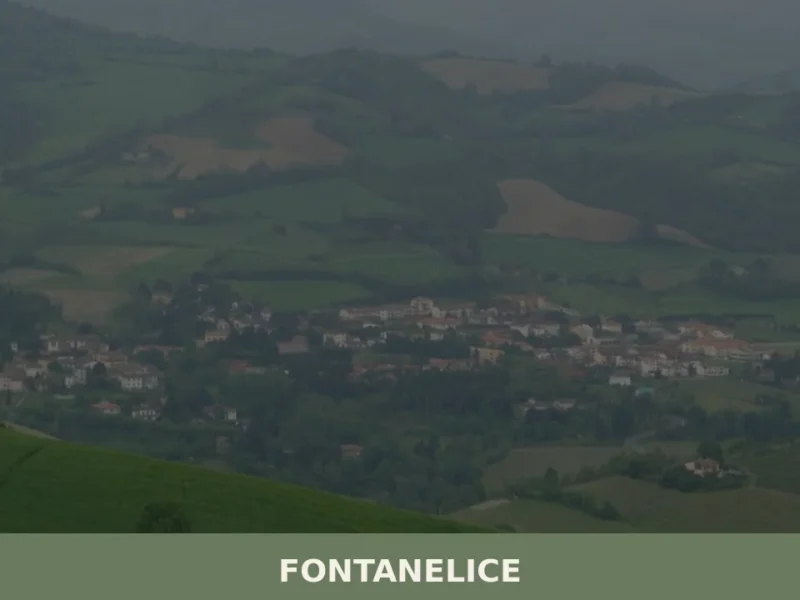
Fontanelice
The provincial road climbing the Santerno valley passes through Imola and, after a few kilometres, reaches a compact settlement along the right bank of the river: this is Fontanelice, a municipality of 1,951 inhabitants at 165 metres above sea level, in the province of Bologna. The very name of the village refers to water — […]
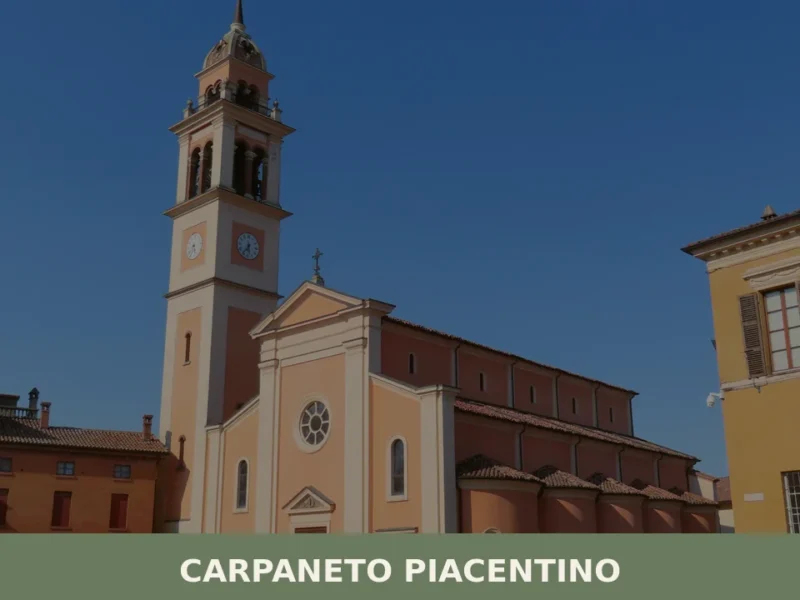
Carpaneto Piacentino
What to see in Carpaneto Piacentino: 7,598 residents, 114 m altitude, Saints Fermo & Rustico festival on 9 Aug, DOP cured meats. Plan your visit now.
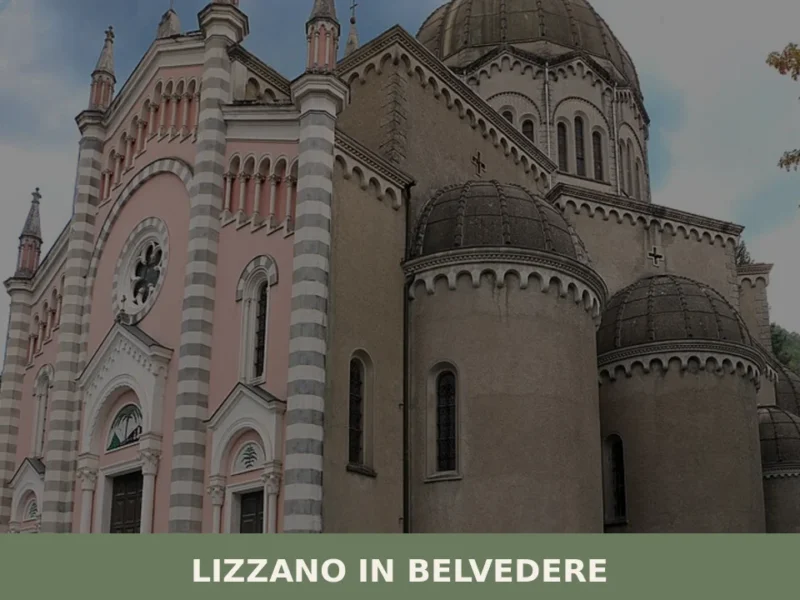
Lizzano in Belvedere
Every year, on 17 August, the procession in honour of Saint Mamante winds its way up the streets of Lizzano in Belvedere to the parish church, following a ritual that has been repeated since at least the 15th century. This municipality of 2,314 inhabitants, situated at 640 metres above sea level on the Bolognese Apennines, […]

📝 Incorrect information or updates?
Help us keep the Caorso page accurate and up to date.