Are you ready to discover one of the most fascinating villages of Troia Puglia? Hidden among the gentle hills of the Dauno Sub-Apennines, this medieval jewel will amaze you with its historical, architectural and cultural richness. Troia Puglia is not just a tourist destination, but a true journey through time that will take you back […]
Are you ready to discover one of the most fascinating villages of Troia Puglia? Hidden among the gentle hills of the Dauno Sub-Apennines, this medieval jewel will amaze you with its historical, architectural and cultural richness. Troia Puglia is not just a tourist destination, but a true journey through time that will take you back a thousand years, among Romanesque cathedrals, noble palaces and authentic gastronomic traditions. In this complete guide I will reveal everything you need to know to visit this magnificent Apulian village, from artistic treasures to typical dishes not to be missed.
The beauty of Troia Puglia lies in its ability to keep intact the charm of the Frederick era, offering visitors an authentic experience away from mass tourism routes. Whether you are a history enthusiast, an art lover or simply looking for an escape from daily routine, what to see in Troia Puglia will surprise you with its variety and richness.
The history of Troia Puglia has its roots in the year 1019, when the Byzantine catepan Basilio Boioannes founded this strategic city on the hills of the Dauno Sub-Apennines. The name probably derives from the Byzantine “Troion”, meaning “elevated place”, and not from the famous Homeric city as is often erroneously believed.
During the Norman-Swabian period, Troia reached its maximum splendor, becoming an important religious and political center. Frederick II of Swabia chose it as one of his favorite residences, and under his reign the city experienced a period of extraordinary artistic and cultural flowering. The historical chronicles of Frederick II testify to the strategic and symbolic importance of this Apulian village.
The Byzantine era has left indelible traces in local architecture and culture. The Normans, who arrived in the 11th century, radically transformed the urban aspect of the village, building the first fortifications and expanding the urban fabric. The Norman-Swabian period represented the golden age of Troia Puglia religious tourism, when pilgrims from all over Europe came to venerate the relics kept in the cathedral.
During this period, the village was enriched with noble palaces, churches and monasteries, many of which are still perfectly preserved today and represent some of the main attractions of the Troia Puglia historic center.
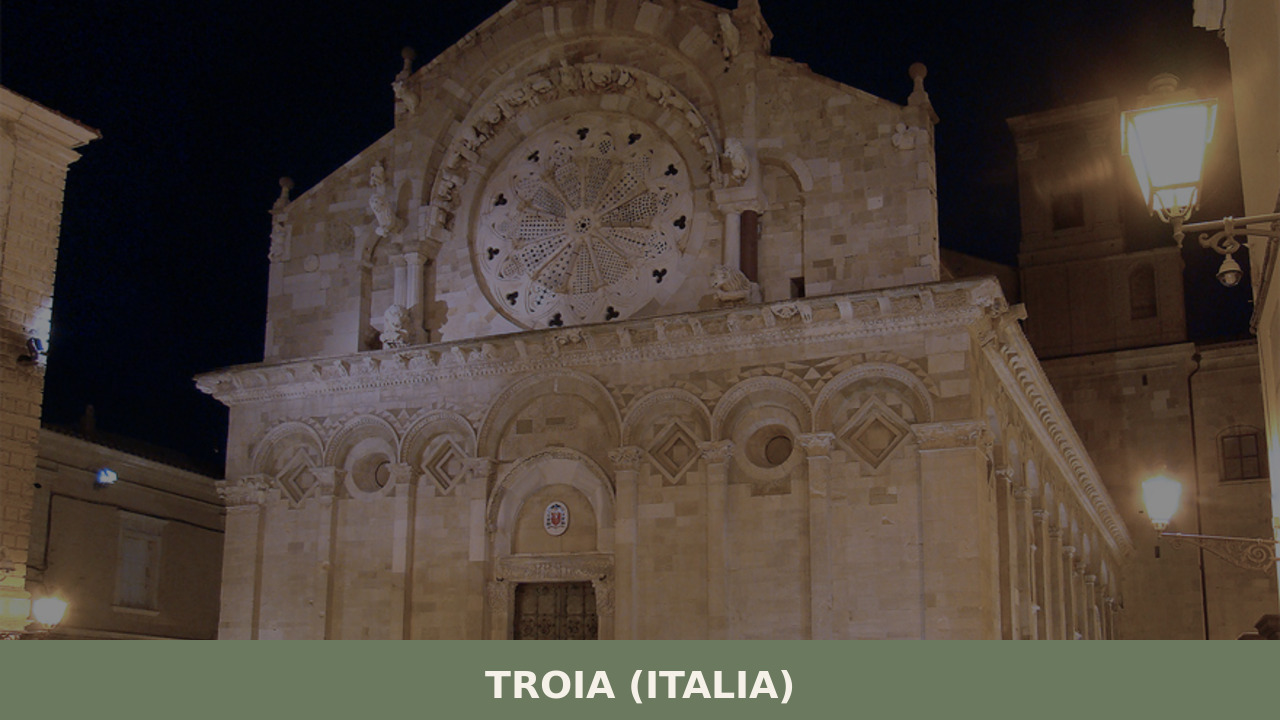
The Cathedral of Santa Maria Assunta is undoubtedly the most precious jewel to see when visiting Troia Puglia. This marvel of Apulian Romanesque art, begun in 1093 and completed in the 12th century, represents one of the most important examples of religious architecture in Southern Italy.
The cathedral’s facade will immediately strike you with its magnificent central rose window, considered one of the most beautiful in Italy. Byzantine decorations blend harmoniously with Norman and Islamic elements, creating a unique ensemble in the Apulian artistic landscape. The main entrance is surmounted by a sculpted architrave depicting scenes from the life of Christ.
The interior of the cathedral is equally spectacular. The 13th-century wooden ceiling, perfectly preserved, hosts Byzantine school paintings that narrate episodes from the Old and New Testament. The mosaic floor, made with polychrome marbles, presents geometric and figurative motifs of rare beauty.
Don’t miss the 12th-century ambo, a true masterpiece of medieval sculpture, decorated with stylophorous lions and reliefs representing biblical scenes. The ticket cost to visit the cathedral is only 3 euros, while the guided tour costs 8 euros and includes access to the diocesan museum. Opening hours are from 9:00 to 12:30 and from 15:00 to 18:00 (summer hours until 19:00).
Walking through the Troia Puglia historic center is like taking a step back in time. The cobblestone streets will lead you to discover noble palaces, secular churches and evocative views that have kept the medieval charm intact. Every corner tells a story, every stone witnesses centuries of history.
Among the most important palaces stands Palazzo d’Avalos, an elegant 16th-century noble residence that today hosts cultural events and temporary exhibitions. Palazzo Siliceo, instead, is a perfect example of 15th-century civil architecture, with its internal courtyard and decorations in local stone.
The Church of San Basilio Magno deserves a visit for its 14th-century frescoes, while the Church of Sant’Antonio presents an interesting Gothic portal. For those who love sacred art, I recommend also visiting the small Church of San Francesco, which houses a 13th-century wooden crucifix.
The Episcopal Palace, adjacent to the cathedral, houses the Diocesan Museums which preserve an extraordinary collection of sacred art. Among the most precious pieces you will find illuminated codices, goldworks, liturgical vestments and medieval sculptures that tell the spiritual and artistic richness of the territory.
The museum is open from Tuesday to Sunday, from 9:30 to 12:30 and from 15:30 to 18:30. The ticket costs 5 euros (reduced 3 euros for students and over 65). Don’t miss the section dedicated to ex-votos, touching testimonies of popular devotion that has been handed down through the centuries.
The cuisine of Troia Puglia is an experience that involves all the senses. The authentic flavors of the Dauno Sub-Apennines are expressed through traditional recipes passed down from generation to generation, using local products of excellent quality.
The restaurants in the historic center offer menus ranging from 25 to 40 euros, with proposals spanning from traditional cuisine to modern interpretations of typical dishes. For a quick but authentic meal, family trattorias offer complete lunches starting from 15-20 euros.
Among the dishes you absolutely must try are orecchiette with turnip greens and local sausage, prepared according to the traditional recipe. Cavatelli with ricotta forte and arugula represent another unmissable specialty, as well as the famous baked lamb with potatoes and lampascioni.
You cannot leave Troia without having tasted the bread of Troia, recognized as a Slow Food Presidium for its particular processing that uses sourdough and local flours. The unique flavor derives from cooking in wood-fired ovens that still characterize many bakeries in the historic center today.
Among the typical products to take home, I recommend the extra virgin olive oil DOP Dauno, goat cheeses from the Sub-Apennines and local wines such as Nero di Troia DOCG, a full-bodied red perfect to accompany local cuisine.
The territory surrounding Troia Puglia offers numerous opportunities for excursions and visits. The Dauno Sub-Apennines is a land rich in medieval villages, archaeological sites and natural landscapes that deserve to be explored.
Just 15 kilometers away is Bovino, listed among the Most Beautiful Villages of Italy, with its castle and perfectly preserved historic center. The car excursion takes about 20 minutes and visiting the village requires at least 2-3 hours.
The naturalistic itineraries of Gargano Park are about 45 minutes away by car and offer trekking paths suitable for all levels of physical preparation. During spring and autumn, these trails offer breathtaking views of the Apulian hills.
18 kilometers from Troia stands Lucera, an ancient Roman city and then an important Frederick center. The majestic Roman Amphitheater of the 1st century AD is one of the best preserved in Southern Italy and absolutely deserves a visit. The entrance ticket costs 4 euros and includes the audio guide.
The Castle of Lucera, commissioned by Frederick II in 1233, dominates the city from above and offers a spectacular panoramic view over the entire Tavoliere delle Puglie. The guided tour (8 euros) will allow you to discover the fascinating history of this fortress and its inhabitants over the centuries.
To visit both cities in one day, I recommend starting early in the morning from Troia, dedicating the morning to Lucera and returning for lunch in one of the typical restaurants of what to see in Troia Puglia.
Reaching Troia Puglia is simpler than you might think. The city is well connected both by public and private transport, and its strategic position makes it an excellent base for exploring the entire Dauno Sub-Apennines.
By car, from the A14 highway take the Canosa-Cerignola exit and follow the signs for SS16 to SS17 towards Troia. The route takes about 30 minutes from the highway exit. From the Apulian capital Bari, the car journey takes about 1 hour and 30 minutes.
For those who prefer the train, the nearest railway station is Foggia, from which line buses depart that reach Troia in about 45 minutes. The service is managed by SITA Sud and provides 6 daily runs on weekdays and 4 on weekends. The ticket costs 3.50 euros.
Connections with Foggia are also guaranteed by a collective taxi service that costs about 25 euros per person and can be booked at the tourist office. For those arriving by plane, Bari airport is about 120 km away and Naples airport 160 km.
Regarding accommodation, Troia offers different solutions for all budgets. B&Bs in the historic center offer rooms from 50-70 euros per night, while 3-star hotels have rates ranging from 80 to 120 euros. For a more authentic experience, I recommend the agritourisms in the surrounding countryside, with prices starting from 60 euros per night and the possibility to taste zero-kilometer products.
During summer weekends and holiday periods, it is advisable to book at least 2-3 weeks in advance, while in winter months it is easier to find availability even at the last moment.
Troia Puglia represents one of the most fascinating and authentic destinations of the Dauno Sub-Apennines, capable of combining art, history, gastronomy and traditions in an unforgettable travel experience. From the magnificence of the Apulian Romanesque cathedral to the genuine flavors of local cuisine, from the charm of the medieval historic center to the beauty of the surrounding landscapes, this Apulian village will conquer you with its authenticity and cultural richness.
Whether you decide to visit it in a day or stay for a weekend, Troia Puglia tourism will offer you an authentic and engaging experience, away from mass tourism routes but rich in treasures to discover. All you have to do is pack your suitcase and set off to discover this hidden jewel of Southern Italy, where every stone tells a millenary story and every flavor is a journey into the most authentic Apulian tradition.
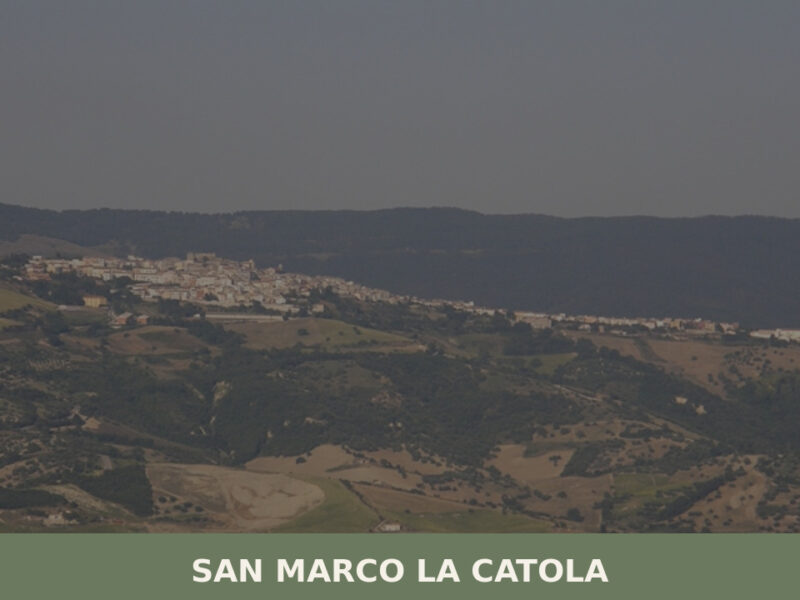
A quiet hill village at 683 metres in the Daunia mountains of Puglia. Discover what to see in San Marco la Catola, from its medieval core to the Fortore valley.
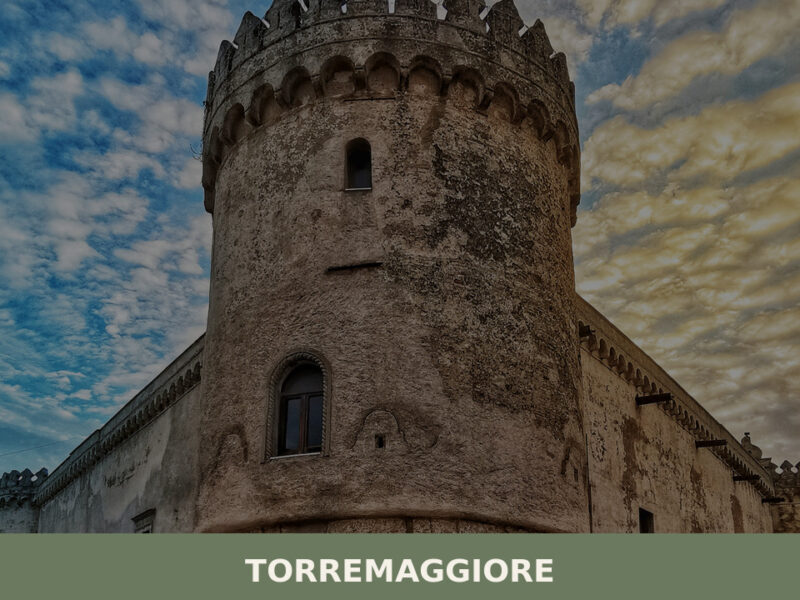
A complete guide to Torremaggiore in northern Puglia — its medieval castle, the ruins of Fiorentino, local food traditions, and practical travel information.
A ridge-top village above the Tavoliere plain in Foggia province, San Paolo di Civitate holds Roman ruins, Norman battlefield history, and an unhurried agricultural life.
📝 Incorrect information or updates?
Help us keep the Troia (Italy) page accurate and up to date.


