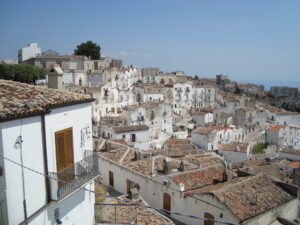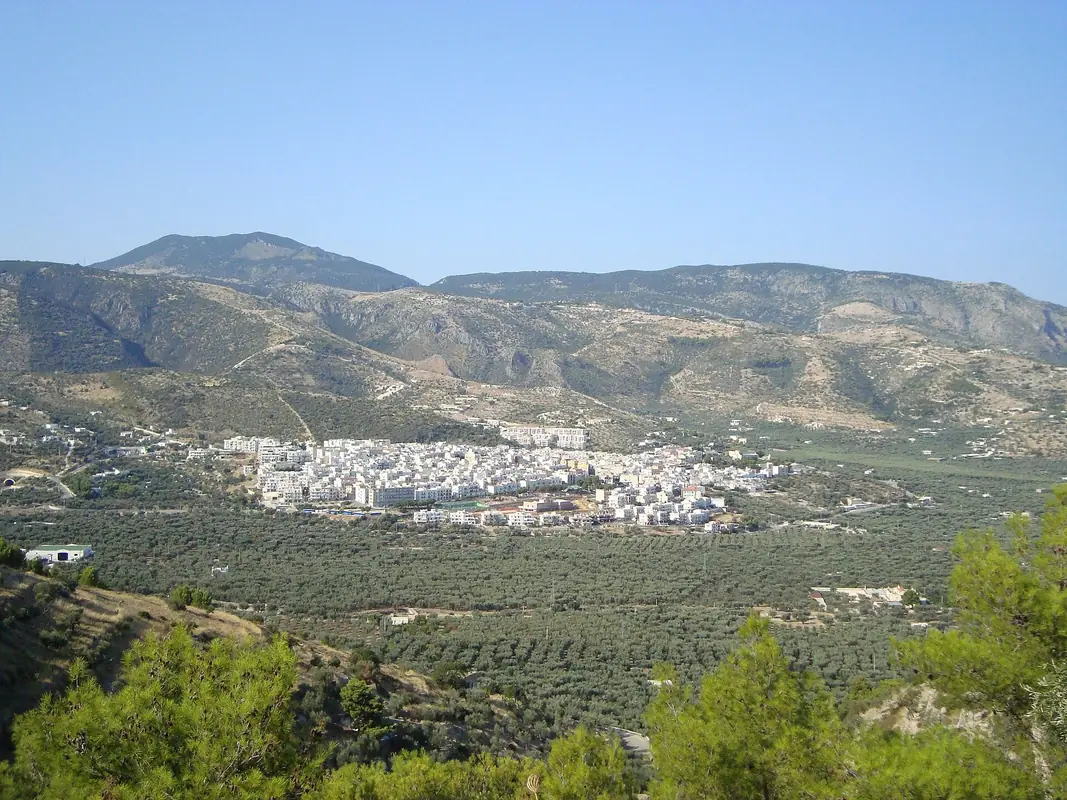
If you’re searching for the best things to do in Mattinata, you’re about to uncover one of Puglia’s most captivating coastal secrets. Nestled along the southern edge of the Gargano promontory, this small village cascades down a hillside in a distinctive shape that has earned it the poetic nickname la farfalla bianca — the white butterfly. Its whitewashed houses spread like wings across the green slopes, opening toward a turquoise sea framed by dramatic limestone cliffs. Unlike the busier resort towns further north, Mattinata offers an unhurried, authentic atmosphere where the rhythms of olive groves and fishing boats still set the pace of daily life. For a complete overview of the village’s history, practical information, and how to get there, explore our full guide to Mattinata on our Italian villages portal.
From pristine beaches backed by soaring white cliffs to ancient burial grounds carved into hilltops, Mattinata packs a remarkable range of experiences into a compact stretch of coastline. Here are five must-try experiences that blend sea, adventure, culture, and the unmistakable flavors of the Gargano.
If there’s one image that defines the beaches of Mattinata, it’s the breathtaking bay of Vignanotica. Towering white and amber falesie — sheer limestone cliffs sculpted by millennia of wind and waves — plunge directly into crystalline water, creating a scene that feels almost otherworldly. The beach is a mix of fine pebbles and smooth stones, lapped by water so transparent you can see every detail of the seabed.
You can reach Vignanotica on foot via a signposted trail that descends from the coastal road (roughly a 20-minute walk with moderate incline), or by sea on one of the small boats departing from Mattinata’s harbor. The best time to visit is early morning in June or September, when the cliffs glow golden in the low sunlight and the crowds are thin. Bring water shoes for the rocky entry, plenty of sunscreen, and a snorkel — the underwater visibility here is extraordinary.
The coastline stretching from Mattinata toward Vieste is one of the most spectacular in the entire Adriatic, and much of it is accessible only from the water. A boat excursion is, without question, one of the top things to do in Mattinata for anyone who loves the sea.
Local operators depart from the small harbor and guide visitors past a succession of hidden coves and sea caves that read like a greatest-hits list of Gargano scenery: the iconic Baia delle Zagare with its twin sea stacks, the dramatic Grotta Sfondata — a collapsed cave open to the sky — and dozens of unnamed calette where you can swim in solitude beneath cathedral-like rock walls. Half-day and full-day tours are available; booking directly with skippers at the porticciolo often yields the most flexible and affordable options. For regulations on accessing protected coastal areas, check the official Gargano National Park website.
For those who prefer to earn their views on foot, the coastal trail leading to Baia dei Mergoli (also known as Baia delle Zagare from the landward side) is one of the most rewarding excursions in Mattinata. This moderate-difficulty trek follows the cliff edge through Mediterranean scrubland — mastic, rosemary, and wild orchids in spring — before revealing a panorama that will stop you in your tracks: the famous faraglioni rising from impossibly blue water, with the Gargano coastline stretching into the haze.
The route covers approximately 4 kilometers one way, with a descent of around 200 meters to reach the beach. Wear sturdy hiking shoes with good grip, carry at least 1.5 liters of water per person, and start early to avoid the midday heat. The trail is part of the broader network of paths within the Gargano National Park, an area recognized for its extraordinary biodiversity, including ancient beech forests inscribed on the UNESCO World Heritage List.
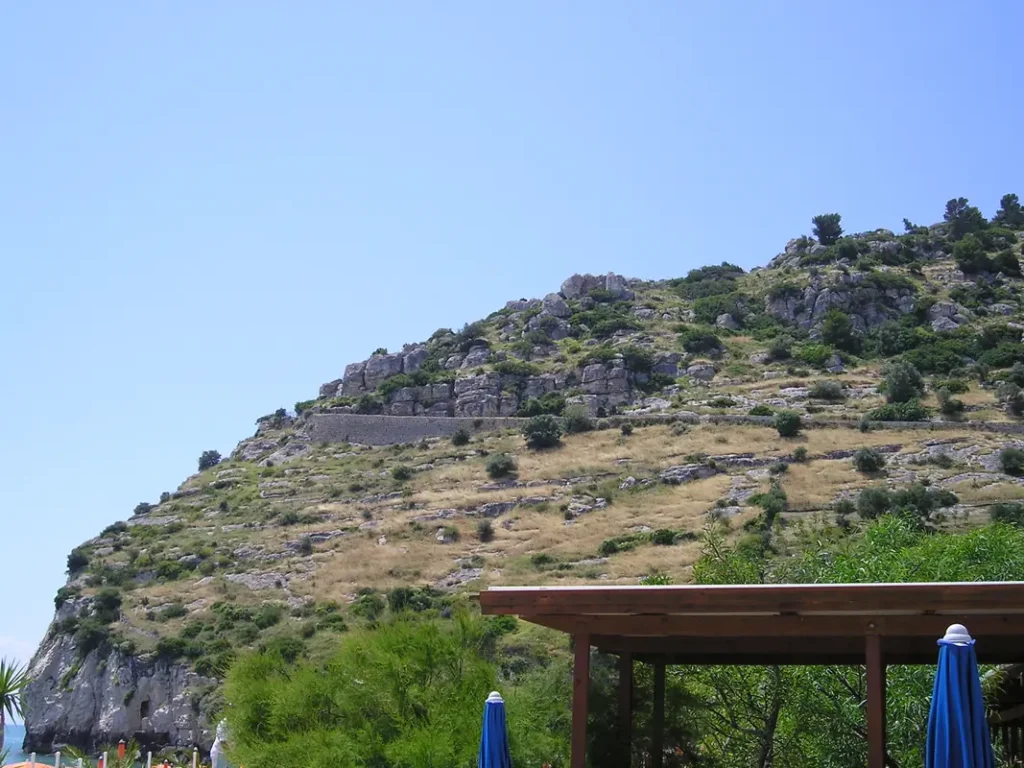
Mattinata isn’t only about the sea. High on Monte Saraceno, overlooking the bay, lies a Daunian-Peucetian necropolis dating from the 6th to the 3rd century BC — one of the most important pre-Roman archaeological sites in Puglia. Hundreds of tombs were carved directly into the rock, and many of the painted stele and grave goods recovered here are now displayed in regional museums. The site itself is freely accessible and offers a hauntingly beautiful vantage point over the coast.
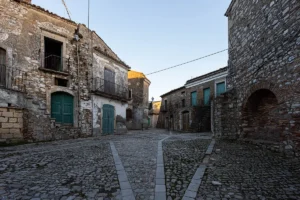
Back in the village center, take time to wander the narrow white lanes that give Mattinata its butterfly silhouette. Visit the Chiesa Madre di Santa Maria della Luce, the main parish church with its simple yet elegant façade, and seek out the frantoi ipogei — underground olive presses hewn from the rock centuries ago, testimony to the deep roots of olive oil culture on the Gargano.
No list of things to do in Mattinata would be complete without a tribute to its extraordinary culinary heritage. The hills surrounding the village are blanketed with ancient olive trees, many belonging to the Ogliarola garganica cultivar, which produces a DOP extra-virgin olive oil renowned for its delicate, slightly almond-like flavor.
Several family-run farms in the area welcome visitors for tastings and tours of their groves and stone mills. Beyond olive oil, the local table features crusty pane di Monte Sant’Angelo baked in wood-fired ovens, sharp and creamy caciocavallo podolico cheese aged in natural caves, sun-dried tomatoes, wild herbs, and increasingly impressive wines from indigenous grape varieties. Booking a guided tasting at a working frantoio is a deeply sensory way to connect with the land and the people who tend it.
The ideal months to visit Mattinata are June and September, when the weather is warm and sunny, the sea is perfect for swimming, and the summer crowds have yet to arrive or have already thinned. July and August are vibrant but busy — book accommodation and boat trips well in advance.
A car is highly recommended for exploring the area, as public transport connections are limited. Paid parking is available near the harbor and the main beach, and during peak summer some municipalities run shuttle services to the most popular coves. From Mattinata, it’s easy to venture further along the coast to discover the charming fishing village of Peschici or the historic hilltop town of Monte Sant’Angelo, both well worth a day trip.
Ready to plan your trip? Dive deeper into everything this enchanting village has to offer — from its festival calendar and restaurant recommendations to detailed directions and accommodation tips — in our complete Mattinata village guide. Your Gargano adventure starts here.