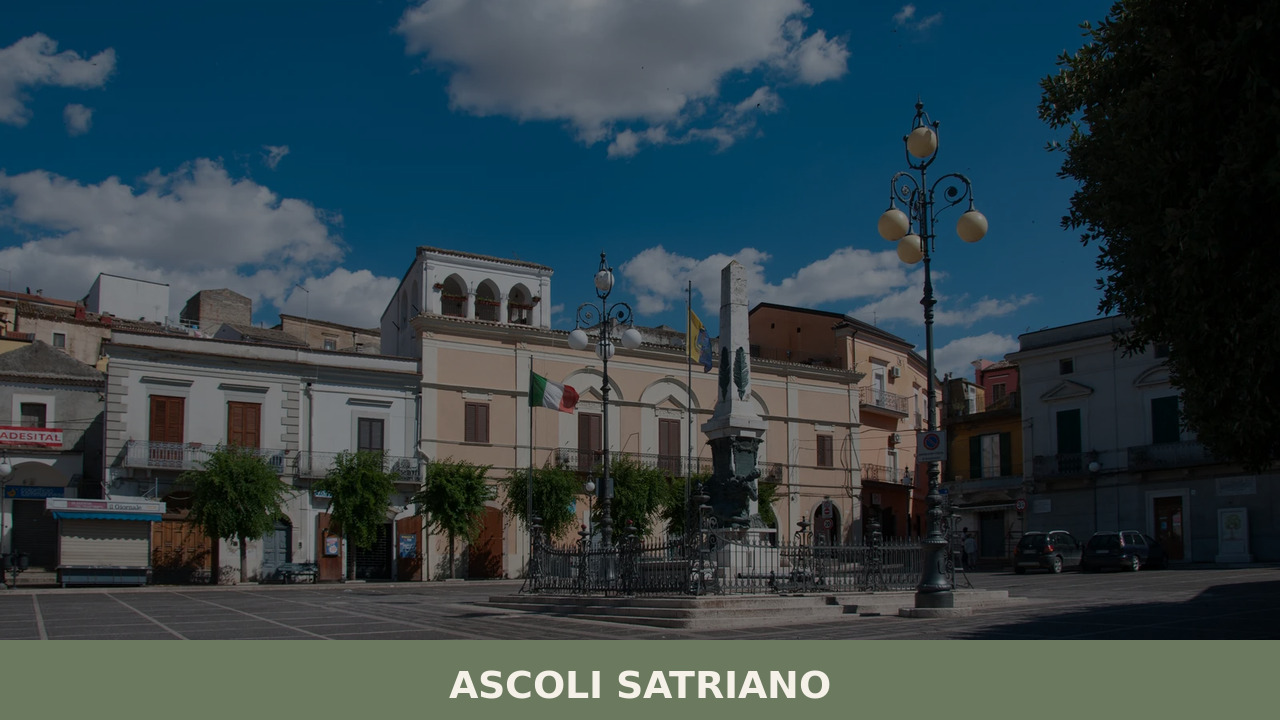
Discover Ascoli Satriano, an ancient hilltop village in Puglia’s Daunia hills. From Roman bridges to Daunian treasures, here’s your complete guide.
Perched at 393 metres above sea level on the rolling hills of the Daunia subregion, Ascoli Satriano is a small gem in the province of Foggia with a history stretching back millennia. Home to just under 6,000 inhabitants, this quiet Apulian village rewards visitors with ancient ruins, striking churches, and breathtaking countryside panoramas. If you’re wondering what to see in Ascoli Satriano, prepare to be surprised by one of southern Italy’s most underrated destinations — a place where Greek, Roman, and medieval layers intertwine beneath sun-drenched skies.
The origins of Ascoli Satriano reach deep into antiquity. The settlement was known to the Romans as Ausculum, and it was here in 279 BC that King Pyrrhus of Epirus defeated the Roman legions in a battle so costly it gave the world the expression “Pyrrhic victory.” The ancient Daunian peoples inhabited these hills long before the Greeks and Romans arrived, leaving behind extraordinary artefacts — including the famous polychrome marble griffins, masterpieces of 4th-century BC funerary art now celebrated as among the most important archaeological discoveries in southern Italy. The town’s full name, “Ascoli Satriano,” distinguishes it from Ascoli Piceno in the Marche; the suffix “Satriano” likely derives from the nearby River Carapelle’s ancient name or from local medieval toponymy.
During the medieval period, Ascoli Satriano passed through the hands of Lombards, Normans, and Swabians. Emperor Frederick II of Hohenstaufen held sway over much of the Daunia, and the village benefited from its position along important pastoral routes — the tratturi — used for the seasonal movement of sheep between Puglia’s plains and the mountains of Abruzzo and Molise. These centuries left their mark in the form of churches, fortified walls, and an enduring agricultural identity.
In the early modern era, the town was held by various feudal families before being absorbed into the Kingdom of Naples. Despite earthquakes and economic hardship, Ascoli Satriano preserved its architectural heritage and its strong sense of local tradition, which visitors can still experience today.
This civic archaeological museum is the essential starting point for any visit. It houses remarkable finds from the Daunian, Greek, and Roman periods unearthed in the surrounding area, including funerary objects and ceramics that illuminate thousands of years of local civilisation. The museum brings the story of ancient Ausculum vividly to life.
The town’s main cathedral, originally built in the medieval period and renovated over subsequent centuries, dominates the historic centre with its elegant façade. Inside, visitors can admire fine altarpieces, carved stonework, and devotional art that reflect centuries of faith. It remains the spiritual heart of Ascoli Satriano’s community life.
Just outside the town, this ancient Roman bridge spans a small valley and stands as one of the most impressive surviving Roman structures in the province of Foggia. Built with massive stone blocks, it once carried a road connecting Ausculum to the wider network of imperial routes. It is a powerful reminder of the village’s strategic importance in antiquity.
A leisurely walk through the narrow streets of the centro storico reveals noble palazzi, arched doorways, and quiet piazzas. The Palazzo Ducale, once the seat of feudal lords, anchors the upper part of the village. From the highest points, sweeping views unfold across the Tavoliere plain and toward the Daunian Mountains.
Dedicated to one of the village’s patron saints, the Church of San Potito is a fine example of local religious architecture. Its interior features Baroque-influenced decorations and works of devotional art. The feast of San Potito, celebrated with processions and festivities, is one of the most deeply felt traditions in the community.
The cuisine of Ascoli Satriano is rooted in the pastoral and agricultural traditions of the Daunia. Handmade pasta shapes such as orecchiette, cavatelli, and troccoli are staples, often dressed with slow-cooked ragù of lamb or with turnip tops and anchovy. Locally produced olive oil — Puglia is Italy’s largest olive-oil-producing region — gives every dish a golden richness. Bread baked in wood-fired ovens, hard cheeses like canestrato pugliese (a DOP-protected pecorino), and cured meats from heritage pig breeds round out a deeply satisfying table.
For something sweet, look for cartellate — delicate fried pastry ribbons drizzled with vincotto (cooked grape must) — especially during the Christmas season. Local wine production, though modest in scale, includes robust reds made from Nero di Troia and Montepulciano grapes. Small trattorias and agriturismi in and around the village offer the best way to taste these flavours in their most authentic form, often paired with warm Puglian hospitality.
Ascoli Satriano enjoys a Mediterranean climate tempered by its hilltop elevation: summers are warm but less stifling than on the Tavoliere plain below, while winters can be cool and occasionally frosty. The best months to visit are from late April to June and from September to mid-October, when temperatures are pleasant for walking, the countryside is at its most colourful, and accommodation is easy to find. The Festa di San Potito in mid-January and the town’s summer sagre (food festivals) are wonderful occasions to experience local culture at its most vibrant.
Travellers should note that, like many small southern Italian villages, some restaurants and museums may observe reduced hours on Mondays or during the early afternoon. Checking opening times in advance — particularly for the archaeological museum — is always a good idea. Comfortable walking shoes are recommended for exploring the steep, cobbled streets of the old town.
Ascoli Satriano lies in the province of Foggia, roughly 35 kilometres south of the provincial capital. By car, take the A16 motorway (Napoli–Canosa) and exit at Candela, then follow the SP95 or local roads north-east to the village — a drive of approximately 15 minutes from the motorway. From Foggia, the SS16 and connecting provincial roads lead south to Ascoli Satriano in about 40 minutes.
The nearest mainline railway station is Foggia, which is well connected to Bari (around 1 hour 20 minutes), Naples (roughly 2 hours), and Rome (about 3 hours) by Trenitalia and Italo high-speed services. From Foggia, local buses operated by regional transport companies serve Ascoli Satriano, though schedules may be limited. The closest airports are Bari Karol Wojtyła Airport (approximately 130 km) and Naples Capodichino Airport (approximately 170 km). Renting a car is strongly recommended for exploring the Daunia at your own pace, as detailed by the Puglia tourism board.
The Daunian hills surrounding Ascoli Satriano are home to some of the most atmospheric and least-visited villages in all of Puglia. Just a short drive to the south-west, the beautifully preserved hilltop town of Bovino enchants visitors with its medieval castle, Romanesque cathedral, and labyrinthine old quarter — consistently ranked among Italy’s most beautiful borghi. Together, Ascoli Satriano and Bovino offer a compelling itinerary through the quieter, more mountainous side of Puglia that most tourists never see.
If your journey through the region continues toward the coast, consider heading east to the Gargano peninsula, where the dazzling seaside village of Vieste awaits with its white-washed old town perched above turquoise waters. The contrast between the inland Daunia and the Adriatic coastline is one of Puglia’s great pleasures, and combining both landscapes in a single trip reveals the extraordinary diversity of this sun-blessed corner of southern Italy.
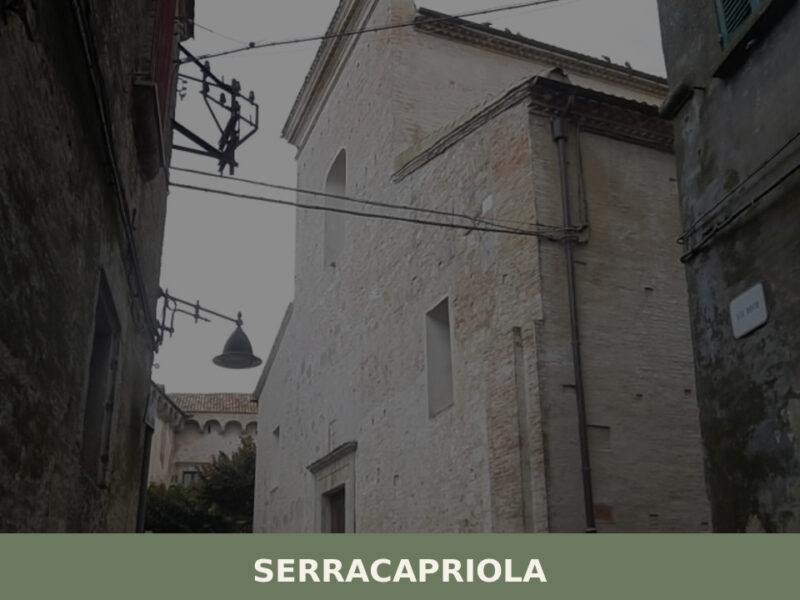
A hilltop village of 3,656 people overlooking the Fortore valley in Foggia province. Serracapriola offers a Norman castle, medieval alleys, and honest Puglian cooking far from the crowds.
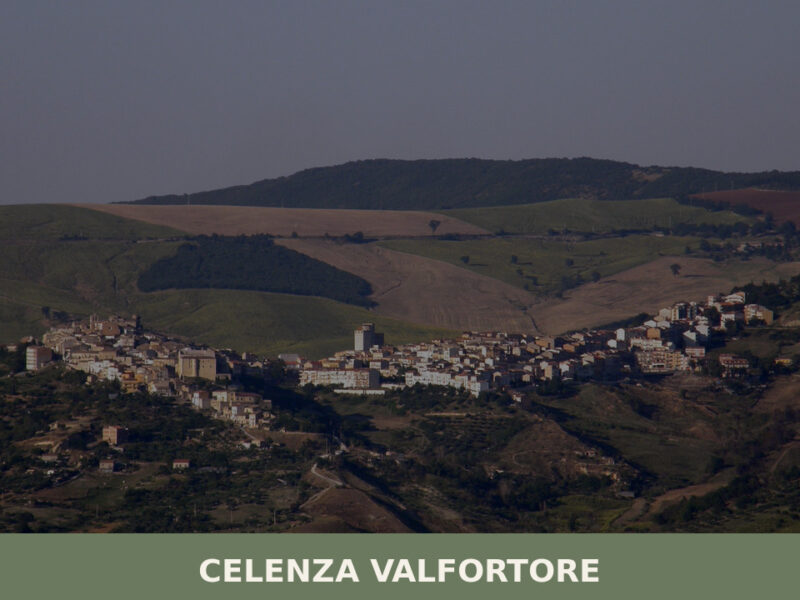
A hill village of 1,363 people above the Fortore valley in Puglia's Daunia highlands. Castle, churches, stone lanes, and a working landscape far from the tourist coast.
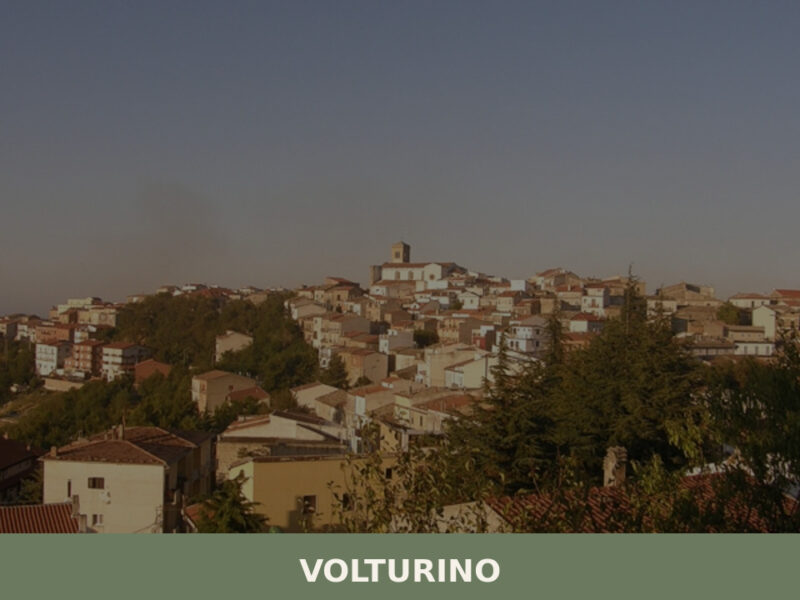
A ridgetop village of 1,554 inhabitants in Puglia's Daunia mountains, Volturino overlooks the Tavoliere plain from 735 metres. Medieval lanes, stone churches, and panoramic silence.
📝 Incorrect information or updates?
Help us keep the Ascoli Satriano page accurate and up to date.


