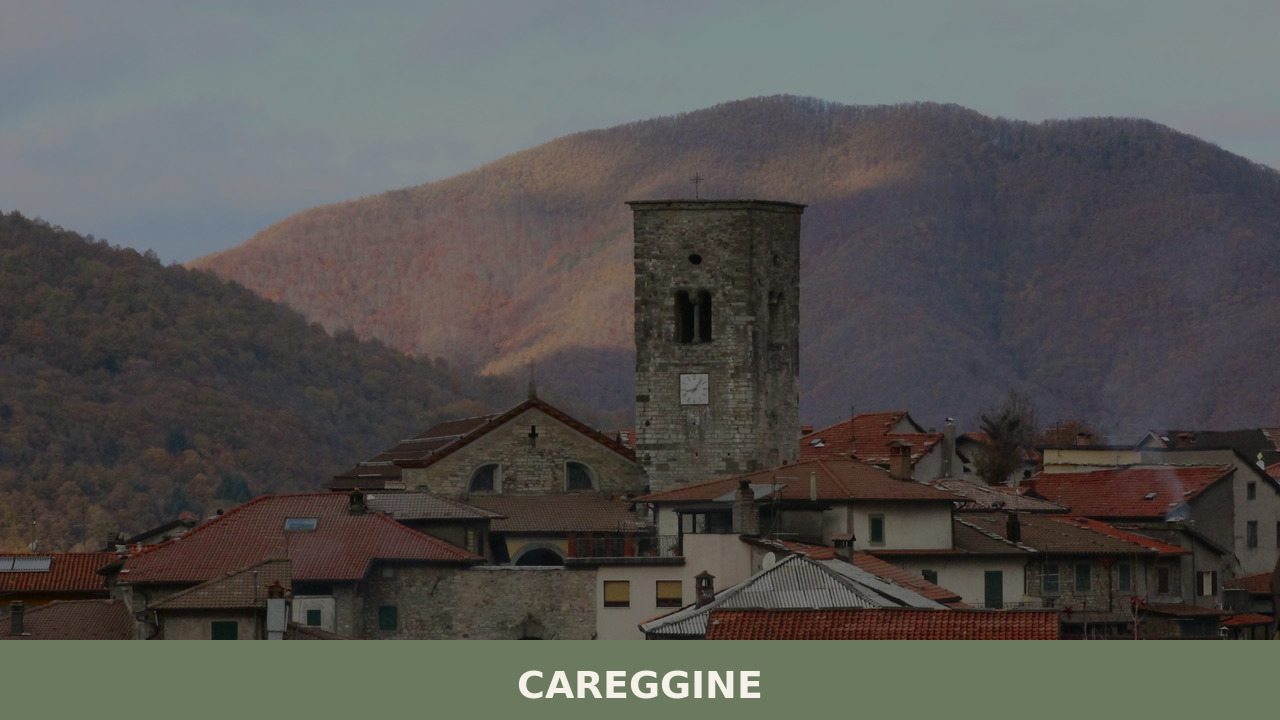
Morning fog lifts from the Apuan Alps in slow, pale sheets, revealing a scatter of stone houses along a ridgeline above the Garfagnana valley. A church bell marks seven o’clock — the sound carries far in this thin, mountain air, reaching nobody in particular. With only 585 inhabitants, Careggine keeps its own unhurried tempo. Understanding […]
Morning fog lifts from the Apuan Alps in slow, pale sheets, revealing a scatter of stone houses along a ridgeline above the Garfagnana valley. A church bell marks seven o’clock — the sound carries far in this thin, mountain air, reaching nobody in particular. With only 585 inhabitants, Careggine keeps its own unhurried tempo. Understanding what to see in Careggine begins here, in the silence between those bell strikes, where the landscape itself becomes the primary subject.
Careggine’s origins trace back to the Lombard period, when settlers from the north established communities across the Garfagnana — the rugged, narrow valley running between the Apuan Alps and the Appennino Tosco-Emiliano. The name “Careggine” likely derives from a personal Lombard name or a topographical reference, though etymologists have not reached consensus. What is certain is that the settlement appears in medieval documents linked to the feudal territories governed by local lords who answered, at various times, to Lucca, Modena, and Florence.
During the Middle Ages, the village occupied a strategic position along routes connecting the Garfagnana valley to the coast. Control of these mountain passages shifted repeatedly. The Estensi of Ferrara held sway over parts of the Garfagnana from the fifteenth century, and Careggine fell within their sphere of influence before ultimately being absorbed into the Grand Duchy of Tuscany. The parish church and surrounding hamlets retain architectural traces of these successive periods — Romanesque foundations beneath later renovations, coats of arms embedded in stone walls.
In more recent history, Careggine gained unexpected international attention for the artificial lake of Vagli, created in the 1940s when the Vagli dam submerged the medieval village of Fabbriche di Careggine. On rare occasions when the lake has been drained for maintenance — most recently in 1994 — the ghostly remnants of the old village re-emerge, drawing thousands of onlookers to the shores. This submerged settlement has become inseparable from the identity of the commune itself.
Lying beneath the waters of Lago di Vagli, this thirteenth-century village was evacuated and flooded in 1947 to build a hydroelectric reservoir. Stone walls, a bridge, and the shell of a church remain intact on the lakebed. When water levels drop significantly, portions of the old settlement become visible — a disquieting sight that draws historians, photographers, and the simply curious from across Italy.
The parish church of Careggine stands at the centre of the village, its Romanesque bones visible in the lower courses of the façade. Inside, modest frescoes and carved stone fonts reflect the devotional life of a mountain community over several centuries. The church’s elevated position offers a clear, uninterrupted view across the valley — a reminder that sacred buildings here also served as lookout points.
This artificial lake, held back by a concrete dam completed in the 1940s, sits in a deep valley framed by chestnut and beech forest. Its turquoise-green water — coloured by glacial minerals and limestone runoff — contrasts sharply with the dark surrounding slopes. Walking paths trace sections of the shoreline, and the dam itself, a severe slab of mid-century engineering, provides a striking counterpoint to the medieval landscape.
Careggine is not a single nucleus but a constellation of small hamlets — including Capanne di Careggine, Vianova, and others — connected by narrow roads and footpaths. Each retains its own character: drystone walls, slate roofs, vegetable gardens terraced into steep ground. Walking between them reveals the dispersed, self-sufficient settlement pattern that defined mountain life in the Garfagnana for centuries.
From Careggine, marked trails lead into the Parco Regionale delle Alpi Apuane, a protected area known for its marble quarries, deep karst caves, and exposed ridgelines. The terrain is steep and the rock pale — almost white in direct sun. These are not gentle Tuscan hills; the Apuane are abrupt, angular mountains that demand proper footwear and a topographic map.
The cuisine of Careggine belongs firmly to the Garfagnana tradition: mountain food built around chestnut flour, farro (emmer wheat), pork, and foraged ingredients. Chestnut flour — once the primary carbohydrate source for these communities — appears in necci (thin crêpes filled with ricotta), castagnaccio (a dense, flat chestnut cake with rosemary and pine nuts), and polenta di neccio. Farro della Garfagnana, which holds IGP status, forms the base of hearty soups alongside beans and seasonal vegetables. Lardo di Colonnata, cured in marble basins in the nearby quarry town, occasionally appears on local tables as well.
Dining options in Careggine itself are limited — this is a village of fewer than six hundred people. Visitors typically find trattorias and agriturismi in the surrounding communes, where menus follow the season closely: mushroom dishes in autumn, wild herb preparations in spring. Local honey, produced from chestnut blossoms, has a dark amber colour and a distinctly bitter finish that distinguishes it from lowland varieties.
Late spring (May to mid-June) and early autumn (September to October) offer the most comfortable conditions. Summer brings warmth but also afternoon thunderstorms that roll across the Apuan ridgelines with little warning. Winter can be harsh at this altitude in the province of Lucca — snow is not uncommon, and some minor roads become difficult. Autumn is arguably the most visually compelling season: chestnut forests turn deep bronze, and the harvest period brings local food festivals throughout the Garfagnana, celebrating farro, chestnuts, and mushrooms.
Any visitor hoping to see the submerged village of Fabbriche di Careggine should note that the lake has been drained only a handful of times since its creation, and no regular schedule exists for future draining. Checking with the Comune di Careggine for updates is advisable. Otherwise, the lake is worth visiting in any season — its colour shifts from deep green in summer to a steely grey in winter.
Careggine lies within the province of Lucca, deep in the Garfagnana valley. The nearest major motorway is the A11/A12 (Firenze–Mare), exiting at Lucca and continuing north along the SS445 through the valley — a drive of roughly 60 kilometres that takes just over an hour due to the winding mountain road. From Pisa Galileo Galilei Airport, the drive is approximately 100 kilometres. Florence’s Amerigo Vespucci Airport is about 130 kilometres to the southeast.
The nearest train station with regular service is Castelnuovo di Garfagnana, on the Lucca–Aulla line operated by Trenitalia. From Castelnuovo, local bus services or a car are necessary to reach Careggine — roughly 15 kilometres of uphill road. A vehicle is strongly recommended: public transport connections to the smaller mountain communes are infrequent and sometimes seasonal.
The Garfagnana and its surrounding valleys contain dozens of small settlements worth exploring beyond Careggine. Just to the south, the fortified town of Vagli Sotto shares the shores of Lago di Vagli and offers a closer vantage point to the dam and the submerged village site. Its compact centre, pressed against the lake’s edge, feels markedly different from Careggine’s dispersed hillside layout — a useful contrast for understanding how mountain communities adapted to very different terrain.
Further afield in the Lucchesia, the village of San Romano in Garfagnana guards another piece of the valley’s layered history, with its Estense fortress dominating the skyline. Together, these villages form a network that tells a single, interconnected story — of Lombard settlers, feudal lords, hydroelectric engineers, and the mountain people who outlasted them all.
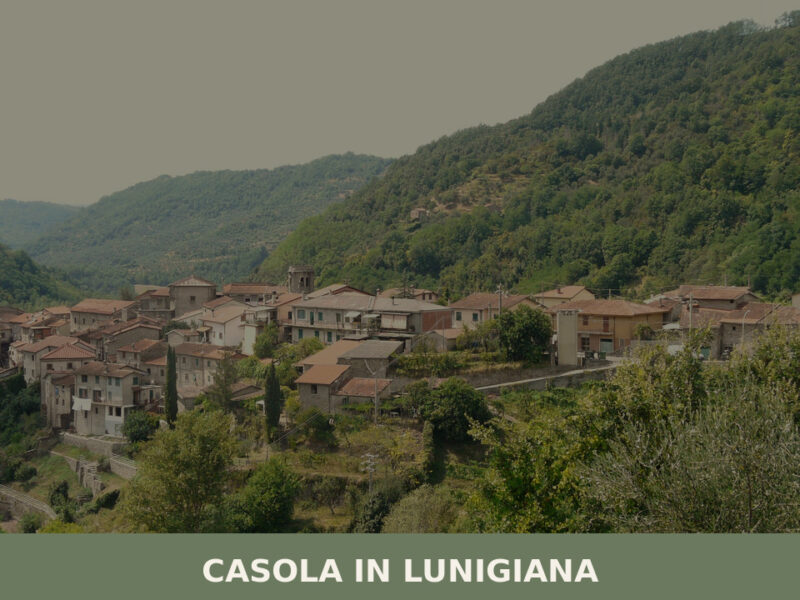
Morning fog lifts slowly from the Aulella valley, revealing stone walls the colour of dried clay and a bell tower that has marked the hours here for centuries. The air carries woodsmoke and the faint mineral scent of chestnut groves climbing the surrounding slopes. With roughly one thousand inhabitants, Casola in Lunigiana remains one of […]
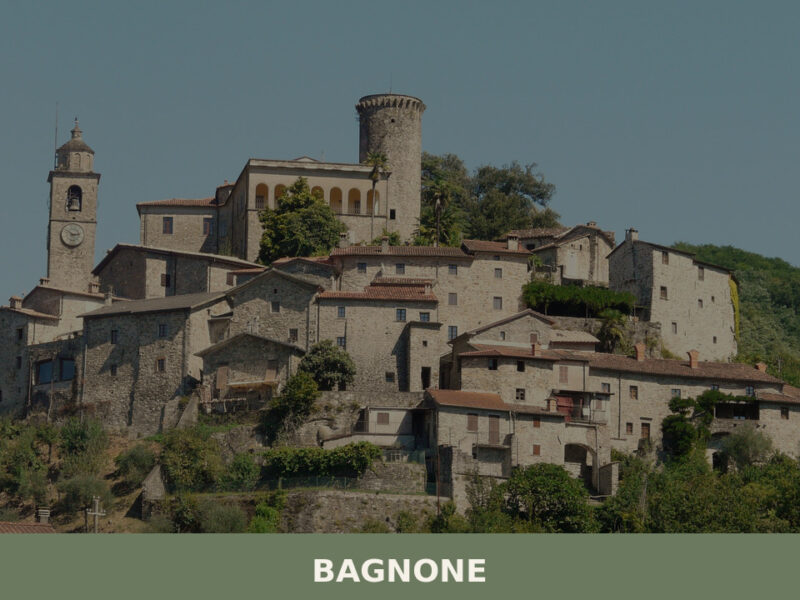
Morning mist lifts off the Bagnone creek and thins against stone walls that have stood since the eleventh century. The sound of water — always water — fills the narrow lanes, running beneath bridges and alongside houses built directly into the rock. With fewer than two thousand residents, this small settlement in the Massa e […]
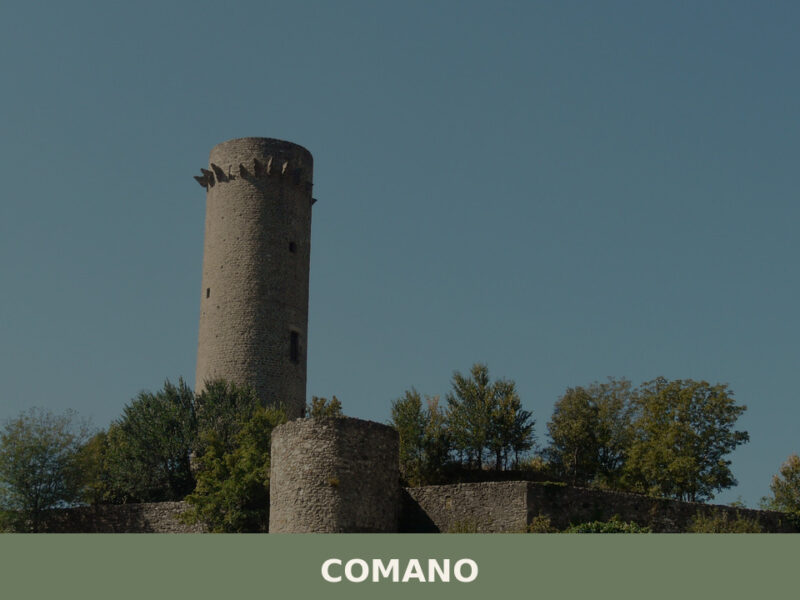
Morning fog lifts slowly from the Taverone valley, revealing stone walls the colour of weathered bone. A church bell marks the hour — its echo rolls across chestnut groves before dissolving into silence. Comano sits in the upper Lunigiana, a commune of scattered hamlets across the hills of Massa e Carrara province, home to just […]
📝 Incorrect information or updates?
Help us keep the Careggine page accurate and up to date.


