


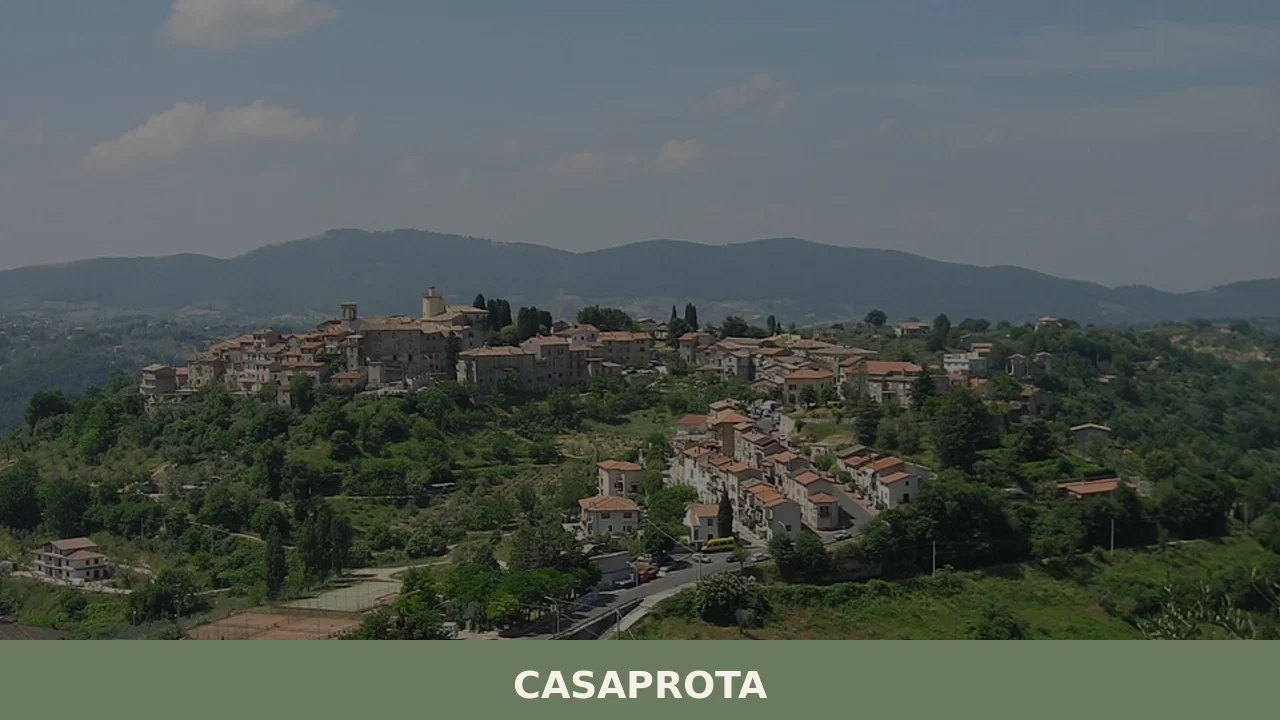
Casaprota
Discover Casaprota, a charming village in Lazio, Italy. Explore its history, culture, and scenic landscapes in the heart of the Italian countryside.
Discover Casaprota
Casaprota is a municipality in the province of Rieti, sitting at 523 metres above sea level on the hills of the Sabina, close to the border with Abruzzo. With 748 inhabitants spread between the historic centre and its hamlets, the village retains a medieval urban fabric that rewards careful exploration.
Those asking what to see in Casaprota will find their answer in a settlement where Lombard history, feudal rule and devotion to Saint Michael the Archangel have left clear marks on the built environment and on traditions that remain very much alive.
The architectural heritage sits alongside a gastronomic output with national recognition, rooting this territory firmly in the great Lazio tradition of cured meats and cheeses.
History and Origins of Casaprota
The name Casaprota derives, according to the most widely accepted etymological theories, from the Latin casa protae or from a corrupted form of casa priota, which would indicate a settlement connected to a family or to an early medieval rural administrative function.
The territory was shaped by the Lombard presence, which left deep traces in the place names and land organisation of the entire Reatine Sabina.
During this phase, between the 7th and 9th centuries, the hilltop settlements that would later form the backbone of the area’s medieval population began to consolidate.
During the Middle Ages the village fell within the feudal system that revolved around the great abbeys and noble families of the Sabina. Its position at 523 metres, on a ridge commanding the surrounding valleys, followed a precise defensive logic: visual control of the territory and the ability to spot movement along communication routes were decisive factors in the choice of settlement sites between the 10th and 12th centuries.
The masonry structures that still define the historic centre preserve elements traceable to this period, with later modifications datable to between the 15th and 17th centuries.
In the modern era Casaprota followed the fortunes of the province of Rieti, coming under the control of the Papal State and undergoing the successive administrative changes that preceded Italian unification.
When the Kingdom of Italy was established in 1861, the municipality was assigned to the province of Perugia, before moving to the province of Rieti when that province was created in 1927 during the territorial reorganisation of the Fascist regime.
Today the municipality of Casaprota maintains its administrative autonomy and its identity as a hill village of the Sabina, with a stable demographic structure of around 748 registered residents.
What to See in Casaprota: Main Attractions
The Medieval Historic Centre
The historic centre of Casaprota runs along the hilltop ridge at 523 metres and retains its medieval street plan, with narrow lanes, doorways in local stone and the compact volumes of limestone buildings.
Exploring the village on foot makes it possible to read the layers of construction that have accumulated over the centuries, from the oldest core with its irregular stonework through to the Renaissance interventions visible in the window surrounds of certain buildings.
What to see in Casaprota inevitably begins here, with a direct reading of a settlement that has maintained its original form without significant recent alteration.
The Parish Church of Saint Michael the Archangel
The church dedicated to Saint Michael the Archangel, patron of the village, is Casaprota’s principal place of worship and the focal point of the community’s religious life.
The dedication to the Archangel Michael fits into a network of shrines and places of worship spread across the ridges of the Sabina and the Lazio Apennines, where veneration for this celestial figure has early medieval roots connected to the Lombard presence in the territory.
The building, which has been modified over the centuries, retains decorative elements and sacred furnishings that document the continuity of local devotion to the present day.
The feast day on 29 September is the most widely attended moment in both the liturgical and civic calendar of the village.
The Walls and Defensive Structures
The perimeter of the settlement preserves stretches of the ancient defensive walls that once enclosed the medieval village, built to meet the security needs of a community exposed to raids and the feudal tensions of the central Middle Ages. These architectural elements, though modified over the centuries, still allow the original settlement logic to be read and give a clear sense of how the site was chosen and equipped to withstand attack.
It is worth following the outer perimeter of the village to observe the relationship between the built structures and the natural landscape below, with the valleys of the Sabina opening out to the north and east.
The Hill Landscape of the Reatine Sabina
The municipal territory of Casaprota extends across the hills of the Sabina, an area of rolling terrain characterised by oak and hornbeam woodland, traditional olive groves and open pastures that together form a coherent agricultural landscape.
The village’s position at 523 metres offers privileged vantage points over the surrounding valleys and, on clear days, visibility extends as far as the Apennine massifs that mark the border with Abruzzo.
Hikers and walkers find in this area a network of rural paths linking the villages of the Reatine Sabina through territory that sees little mass tourism, where the agricultural landscape has retained largely intact characteristics.
The Villages of the Surrounding Sabina
Casaprota sits within a system of small hill municipalities that share the same historical and landscape character, making a visit considerably richer when combined with exploration of the surrounding territory.
Within a few kilometres lie other medieval settlements with Romanesque churches, towers and castles that document the density of feudal settlement in this part of Lazio.
Planning a route that takes in several villages in a single day is a practical and rewarding approach, particularly for those arriving by car with flexibility over their itinerary.
Traditional Cuisine and Local Products of Casaprota
The cuisine of the Reatine Sabina has its roots in an agro-pastoral tradition that defined these territories for centuries.
Pig farming, sheep rearing and the cultivation of cereals and pulses produced a robust culinary tradition based on storable ingredients and processing techniques passed down within farming families. Casaprota, like all the hill villages in the belt between the Reatine area and the Abruzzo border, takes part in this tradition with dishes that draw on local produce and cuts of pork prepared according to well-established methods.
Among the dishes of the local tradition, home-made pasta served with pork or lamb-based sauces forms the centrepiece of festive home cooking.
Fettuccine with offal sauce and gnocchi with sausage ragù are preparations rooted in the local practice of using every part of the animal with nothing wasted. Main courses feature lamb and pork, slow-cooked in sauce or grilled in ways that bring out the quality of the raw ingredient.
Pulses — chickpeas, lentils and borlotti beans — go into winter soups alongside rendered guanciale, which releases its herb-seasoned fat and gives the broth body and depth of flavour.
The territory of Casaprota is directly involved in the production of food products recognised within Italy’s Traditional Agri-food Products (PAT) register.
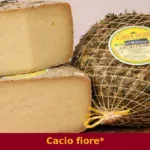
Cacio fiore (PAT) is a soft sheep’s milk cheese made with vegetable rennet derived from wild artichoke or thistle flower, an ancient cheesemaking technique documented throughout the Sabina.
Guanciale (PAT) is the cured meat obtained from the pig’s cheek, seasoned with salt, pepper and natural aromatics, and essential to dishes such as pasta all’amatriciana and carbonara.
Guanciale amatriciano (PAT) is the more complex and aromatic variant of this product, with a curing process and spice profile that set it apart from standard production.
Local markets and fairs, held in autumn to coincide with the end of the agricultural season, are the most direct opportunity to buy these products from local producers. September and October are the months when the Reatine Sabina comes alive with initiatives centred on local gastronomy, from olive harvesting to the production of seasonal cured meats.
Visitors who come to Casaprota at this time of year will find fresh products more readily available and may have the chance to observe artisan processing methods at close hand.
Festivals, Events and Traditions of Casaprota
The patron feast in honour of Saint Michael the Archangel, celebrated every year on 29 September, is the most significant event in Casaprota’s civic and religious calendar.
On this date the community gathers around the parish church for a solemn mass, followed by a procession through the streets of the historic centre carrying the statue of the patron saint.
The 29th of September coincides with the liturgical feast of the Archangel Michael in the traditional Catholic calendar, and the choice of this patron fits into a widespread devotion in territories of Lombard origin, where Saint Michael was venerated as a warrior protector and heavenly intercessor.
Alongside the patron feast, the village takes part in the seasonal traditions shared with the neighbouring municipalities of the Reatine Sabina.
The celebrations connected to the agricultural cycle — from sowing to harvesting, from the grape harvest to the winter pig slaughter — structured communal life for centuries and survive in partially renewed forms through the local festivals that enliven the territory between spring and autumn. These events serve as moments of social gathering and as occasions for passing on local culinary practices to younger generations.
When to Visit Casaprota and How to Get There
The period from May to October offers the best conditions for visiting Casaprota and the villages of the Reatine Sabina.
In spring the landscape is at its most lush and temperatures are comfortable for walking in the area around the village. September is the ideal month for those who want to combine their visit with the patron feast on 29 September and the autumn food events. Summer brings a moderate flow of visitors from nearby Rome, drawn by the elevation and the relative quiet these villages offer compared to coastal destinations.
For updates on local events and municipal initiatives, the Casaprota Municipality website is the most up-to-date official reference.
If you are travelling by car, the most direct route from Rome involves taking the A1 Milano-Napoli motorway and exiting at Fiano Romano, then continuing along the Via Salaria towards Rieti.
From Rieti the village is reachable in approximately 25 kilometres via the provincial road that crosses the Sabina hills. Those travelling by train can reach Rieti station, which has connections with Roma Tiburtina, and then arrange the final transfer by private car or local transport.
The nearest major airport is Rome Fiumicino Leonardo da Vinci, approximately 100 kilometres from the village: for current connections and timetables it is useful to consult the Rome Fiumicino Airport website.
Other Villages to Explore in Lazio
Lazio offers a notable concentration of hill villages with characteristics comparable to those of Casaprota, and building an itinerary that combines several of them considerably enriches any trip.
Those travelling through the Sabina and the Reatine territory can extend their exploration northwards, where Accumoli, a village in the province of Rieti, shares with Casaprota its Apennine setting and a medieval history built around feudal structures that remain partially legible in the urban layout.
Moving towards the Viterbo area, Barbarano Romano in the Lazio Tuscia offers a landscape of tufa rock and woodland of considerable natural interest, with a well-preserved historic centre that engages directly with its surrounding territory.
For those wanting to extend their itinerary towards villages with quite different characteristics from those of the Sabina, Lazio provides very varied options.
Calcata, built on a tufa cliff in the Valle del Treja, is one of the most distinctive villages in the region for its geological formation and its 20th-century history of abandonment and repopulation by artists and craftspeople.
Villa San Giovanni in Tuscia, in the Viterbo area, offers a quieter and more compact character, suited to those seeking direct contact with the rural Lazio landscape away from busier circuits.
Combining these villages into a three- or four-day trip allows visitors to move through the varied faces of inland Lazio, from the Reatine Sabina to the Viterbo Maremma, with what to see in Casaprota as the natural starting point for anyone travelling from Rome along the Via Salaria.
In Lazio More villages to discover
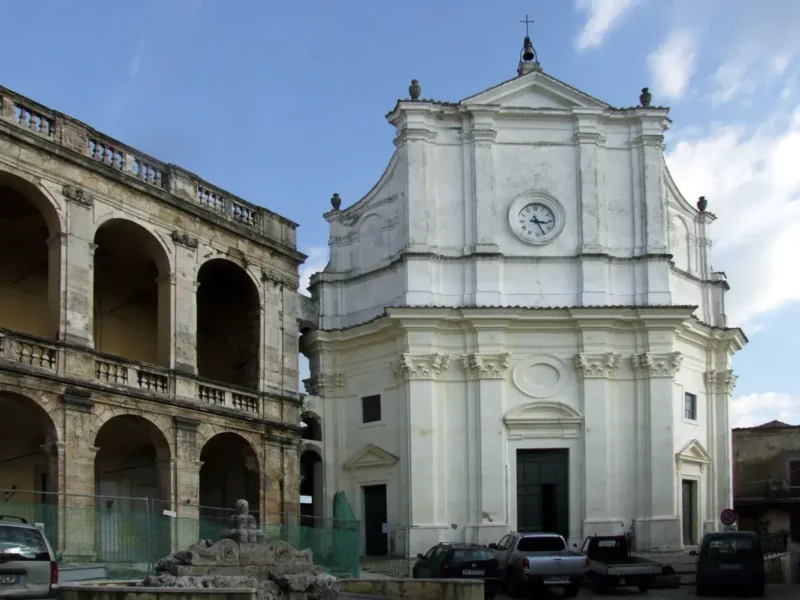
Cantalupo in Sabina
What to see in Cantalupo in Sabina: a hill village at 297 m in Rieti with 1,738 residents. Explore the medieval centre, the San Biagio feast and PAT-certified guanciale. Plan your visit now.
Arlena di Castro
With its 839 registered inhabitants and an elevation of 260 metres above sea level, Arlena di Castro occupies a tuff plateau in the Tuscia area of the Viterbo province, just a few kilometres from the border with the Lazio Maremma. The municipal territory preserves traces of Etruscan presence documented by necropolises and ceramic materials found […]
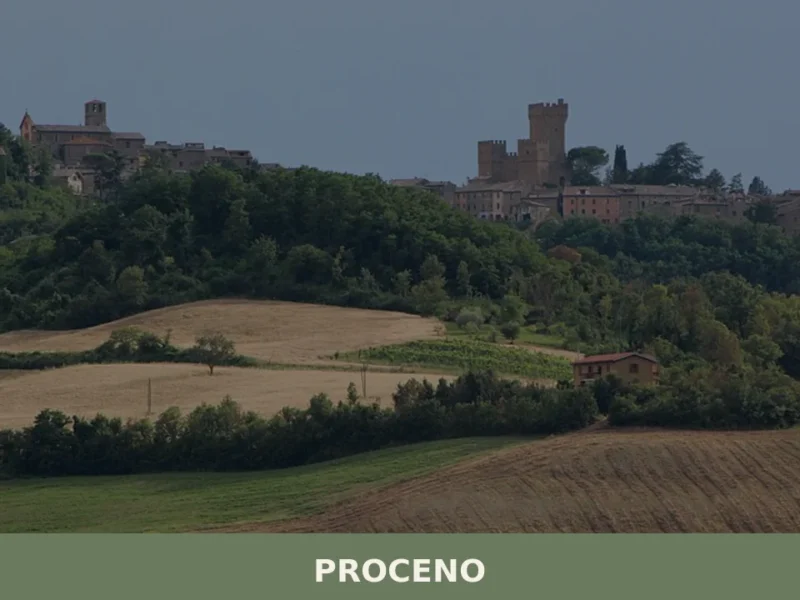
Proceno
A 418 meters above sea level, in northern Lazio, the village of Proceno developed around a Fortress documented as early as the 12th century. This architectural element, central to the settlement’s development, still defines the structure of the historic center today. With a population of 519 inhabitants, Proceno is part of the Viterbo Tuscia region, […]


📝 Incorrect information or updates?
Help us keep the Casaprota page accurate and up to date.