


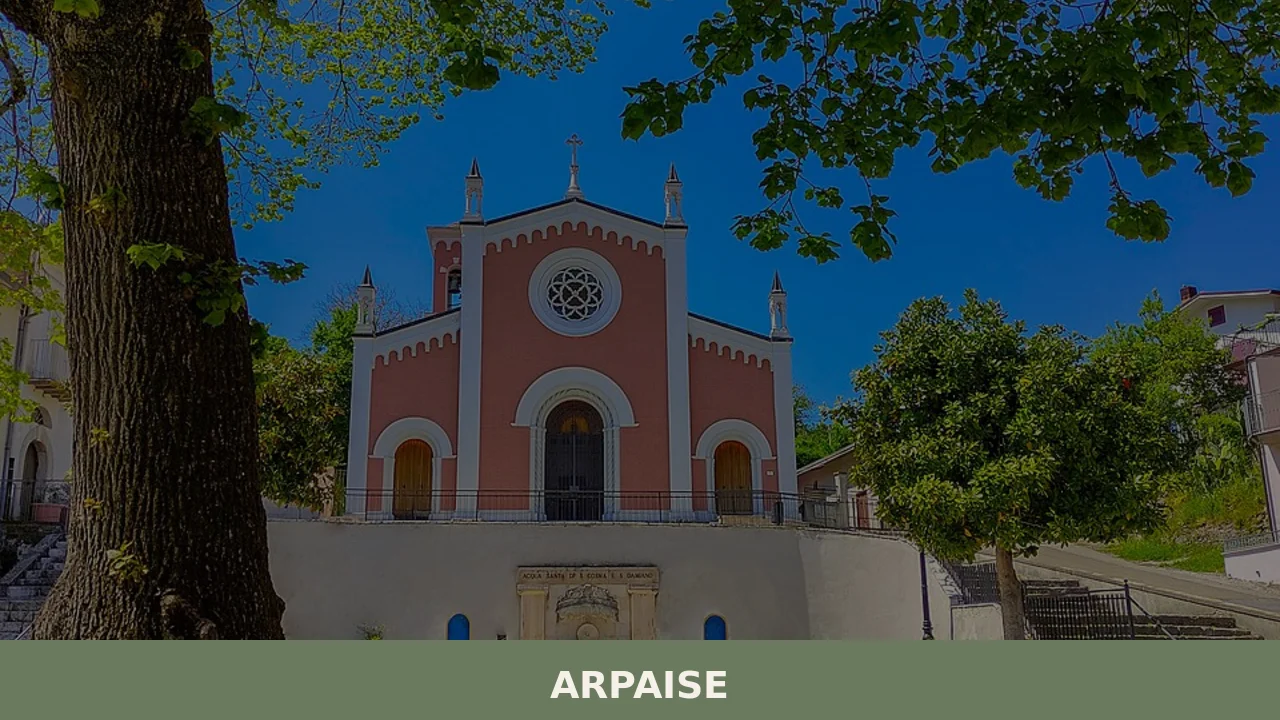
Arpaise
 Hills
Hills
What to see in Arpaise, Italy: Discover this village of 735 inhabitants at 410 m (1,345 ft) altitude. Explore the Parish Church of San Rocco and panoramic views. Read our guide.
Discover Arpaise
At 410 m (1,345 ft) above sea level, the village of Arpaise stands as a collection of structures overlooking the Benevento province. With a population of just 735 inhabitants, this community in Campania offers a quiet retreat from larger urban centers. The landscape surrounding Arpaise is characterized by rolling hills, a typical feature of this part of southern Italy.
For those wondering what to see in Arpaise, the village, situated approximately 11 km (6.8 mi) south of Benevento, presents several points of interest.
Visitors to Arpaise find a tranquil atmosphere, centered around its historic core and the local parish church. The Arpaise highlights include opportunities to appreciate the rural architecture and the expansive views from its elevated position, making it a compelling destination for those exploring Campania.
History of Arpaise
The historical roots of Arpaise are deeply intertwined with the wider narrative of Campania, a region known for its ancient settlements and strategic importance throughout millennia. As a comune, or municipality, in the Province of Benevento, Arpaise likely developed from earlier agrarian or defensive outposts, typical of hilltop locations in southern Italy. The altitude of 410 m (1,345 ft) above sea level suggests a site chosen for its natural defenses and perhaps for fertile lands in the valleys below, influencing its early growth and settlement patterns.
The Province of Benevento, where Arpaise is located, has a rich history extending back to Roman times and through various dominations, including the influential Lombard Duchy and later Norman and Bourbon rule.
Villages like Arpaise would have experienced these significant shifts, adapting to changing political landscapes while maintaining their distinct local identity. Its proximity to Benevento, a city with significant historical weight and once a capital of a powerful duchy, suggests that Arpaise would have been within its sphere of influence, benefiting from its administrative and economic connections over centuries.
In more recent centuries, Arpaise has largely maintained its character as a small agricultural community, a common pattern in the hilly inland areas of Campania. The current population of 735 inhabitants reflects a demographic trend seen across many smaller Italian villages, where traditional ways of life persist and community bonds remain strong. Understanding the broader context of Campania’s history helps visitors appreciate the enduring resilience and cultural continuity found within these communities, including Rocchetta e Croce further north, and the quiet rhythm of life that defines them.
What to see in Arpaise, Campania: top attractions
Parish Church of San Rocco
The focal point of community life in Arpaise is often its main religious edifice, the Parish Church of San Rocco, dedicated to the village’s patron saint.
While specific architectural details are not recorded, such churches typically feature a nave, an altar, and often a bell tower, reflecting centuries of local devotion and craftsmanship. The church serves as a central gathering place for residents and holds particular significance during the annual feast day on 18 agosto, drawing the community together for worship and celebration.
The Historic Village Core
Exploring the historic village core of Arpaise allows visitors to observe traditional local architecture, characterized by stone and plaster buildings clustered together on the hillside. This area, located at 410 m (1,345 ft) a.s.l., often features narrow lanes, archways, and small squares that have evolved over centuries, creating a compact yet inviting urban fabric. Walking through this part of Arpaise offers a tangible glimpse into the daily life of its 735 inhabitants, providing a sense of its enduring community and the historical layers that define it.
Panoramic Views of the Benevento Province
From its elevated position at 410 m (1,345 ft) above sea level, Arpaise offers expansive panoramic views across the surrounding Benevento province.
These vistas stretch over rolling hills, verdant agricultural fields, and distant mountain ranges, characteristic of inland Campania’s varied topography. This natural panorama is a significant aspect of what to see in Arpaise, providing a sense of its place within the wider regional landscape. Visitors can find various vantage points within the village, such as higher streets or small plazas, to appreciate the natural beauty of the region, especially during clear weather when visibility is optimal for photography.
Countryside Paths and Surrounding Hills
The countryside surrounding Arpaise, defined by its ‘Collina’ or hilly terrain, invites exploration along its network of local paths and quiet country roads. These routes, often unpaved and winding, lead through olive groves, vineyards, and past small farmhouses, providing opportunities for gentle walks amidst the tranquil rural landscape. The area borders municipalities such as Altavilla Irpina and Ceppaloni, suggesting a diverse natural environment that has shaped the local way of life for centuries, similar to the landscapes found near San Gregorio Matese, another hill-country village.
Local Architectural Details
Beyond major structures, what to see in Arpaise also includes the smaller, often overlooked, architectural details present throughout the village.
These might encompass intricately carved stone portals, traditional wrought-iron balconies, or terracotta tiled roofs that showcase local craftsmanship and historical building practices. Observing these elements offers a deeper appreciation for the village’s heritage, the materials used for generations in its construction, and the subtle aesthetic choices that define its character.
Local food and typical products of Arpaise
The culinary traditions around Arpaise, like much of Campania, are deeply rooted in the agricultural bounty of the region, emphasizing fresh, seasonal ingredients and a strong connection to the land. This area benefits from a fertile landscape, producing high-quality vegetables, cereals, legumes, and olive oil, which form the robust foundation of many traditional dishes. The historical influences, from Greek and Roman to Norman and Bourbon, have all contributed to a rich and varied gastronomic heritage that celebrates simplicity and flavor.
Typical dishes in this part of Italy often feature simple yet robust flavors, reflecting a peasant cooking tradition focused on making the most of local produce and readily available resources.
Expect flavorful pasta dishes prepared with fresh, ripe tomato sauces, often enriched with local cheeses like pecorino or the distinctive caciocavallo. Main courses commonly involve slow-cooked meats, such as tender lamb or succulent pork, often braised with aromatic herbs and garden-fresh vegetables, showcasing the region’s commitment to hearty, satisfying meals.
While specific certified products directly from Arpaise are not detailed in available sources, the broader Campania region is renowned for several protected designations of origin that attest to the exceptional quality of its produce. These include various types of mozzarella, such as the globally recognized Mozzarella di Bufala Campana (DOP), exquisite olive oils, and a range of acclaimed wines.
Visitors can often find these regional specialties in local shops and markets, reflecting the wider gastronomic excellence of Campania, a culinary heritage shared with towns like Pontelatone, known for its agricultural products.
Festivals, events and traditions of Arpaise
The most significant annual event in Arpaise is the celebration of its patron saint, San Rocco, observed every year on 18 agosto. This traditional feast day typically involves religious ceremonies, including a procession where the statue of the saint is carried through the village streets, accompanied by local residents and a marching band. The event serves as a vital expression of community identity and religious devotion.
Beyond the solemn religious aspects, the feast of San Rocco often includes festive elements such as musical performances, local food stalls, and sometimes fireworks, transforming the village into a lively hub for the day. These celebrations are deeply ingrained in the cultural fabric of Arpaise, offering both residents and visitors a chance to experience a centuries-old tradition.
Such events are a fundamental part of what to see in Arpaise for those interested in local customs.
Plan your visit: what to see in Arpaise and how to get there
The best time to visit Campania, and specifically Arpaise, generally extends from spring (April to June) through early autumn (September to October), when the climate is mild and conducive to exploring. Summers can be warm, but the village’s altitude of 410 m (1,345 ft) can offer some relief from the heat experienced in coastal areas. Visiting in August allows visitors to experience the vibrant feast of San Rocco on 18 agosto, a highlight of the local calendar.
Arpaise is well-suited for a day trip from nearest major city, particularly Naples or Benevento, offering a contrast to urban environments. While the terrain within the village core is generally manageable, some of the surrounding countryside paths can be uneven, so comfortable walking shoes are advisable. The peaceful atmosphere makes it ideal for those seeking a tranquil escape and a genuine experience of rural Italian life.
To reach Arpaise, travelers often find driving the most convenient option, allowing for flexibility to explore the surrounding countryside.
The village is approximately 50 km (31 mi) northeast of Naples, a major southern Italian city, and a more accessible 11 km (6.8 mi) south of Benevento, the provincial capital. From Naples, a major hub and home to the nearby municipality of Afragola, travelers can take the A1 motorway northbound towards Rome, then connect to the A16 towards Bari, exiting towards Benevento. The journey by car from Naples typically takes around 1 hour and 15 minutes, depending on traffic conditions.
The nearest major train station is Benevento, which offers regular regional connections to Naples and other Italian cities via Trenitalia. From Benevento station, local buses or taxis can complete the short 11 km (6.8 mi) journey to Arpaise.
The closest international airport is Naples International Airport (NAP), approximately 70 km (43.5 mi) from Arpaise, with car rental services available directly at the airport for onward travel. For international visitors, it is worth noting that English may be limited in smaller shops and eateries, so having some basic Italian phrases or a translation app can be helpful. Carrying a small amount of Euros cash is also often useful for transactions in smaller establishments.
Frequently asked questions about Arpaise
What is the best time to visit Arpaise?
The best time to visit Arpaise is late spring (May–June) and early autumn (September–October), when the hill climate at 410 meters is mild and the landscape is at its most pleasant. Summer is also enjoyable, particularly around August 18th, when the village celebrates its patron saint San Rocco with religious ceremonies and community events centered on the Church of San Rocco. This feast day is the highlight of the local calendar and offers visitors an authentic glimpse into Sannio village traditions.
What to see in Arpaise? Main monuments and landmarks
Arpaise offers three main points of interest: the Church of San Rocco, dedicated to the patron saint and focal point of the August 18th celebrations; the Church of Santa Maria del Bosco, a place of ancient local devotion with roots in the area's religious history; and the Baronial (or Ducal) Palace, a feudal-era building connected to noble families including the Sanframondo, Sanseverino, and Carafa. The historic streets also reflect Samnite, Roman, and medieval layers of settlement.
Are there museums, churches or historic buildings to visit in Arpaise?
Yes. The two main churches are the Church of San Rocco, rebuilt after seismic events including the 1688 earthquake, which houses elements of sacred art, and the Church of Santa Maria del Bosco, connected to older devotional traditions. The Baronial (Ducal) Palace represents the feudal architectural heritage of the village. Specific opening hours and admission information are not publicly documented; it is advisable to contact the Municipality of Arpaise directly before visiting.
What are the historical origins of Arpaise?
Arpaise has documented pre-Roman origins, with Samnite settlements preceding Roman domination. The toponym may derive from the Roman gens Arpania or from the Lombard word 'harpa', possibly referencing the terrain's shape. During the Middle Ages, the village fell under the Duchy of Benevento and passed through the feudal control of the Sanframondo, Sanseverino, and Carafa families. The 1688 earthquake significantly altered its urban fabric, leading to reconstructions that shaped the current appearance of the historic center.
Who is Arpaise suitable for? Families, couples, hikers, solo travelers?
Arpaise is particularly suited to travelers interested in authentic Southern Italian village life, medieval and feudal history, and Sannio heritage. Its small size (around 735 inhabitants) and hilltop setting at 410 meters make it appealing to couples seeking quiet, off-the-beaten-path destinations and to history enthusiasts exploring the Benevento province. The August 18th feast of San Rocco offers a genuine community experience for those visiting in summer. It is less suited to families seeking structured tourist facilities or amenities.
Nearby Villages near Arpaise
In Campania More villages to discover
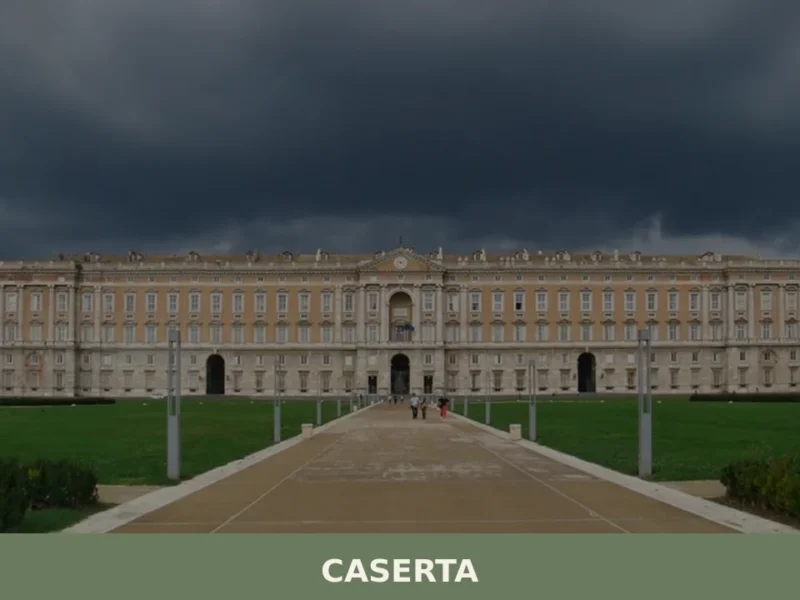
Caserta
 Plains
What to see in Caserta: UNESCO Royal Palace, Casertavecchia and certified PAT products. City of 74,000 at 68m above sea level. Plan your visit with our complete guide.
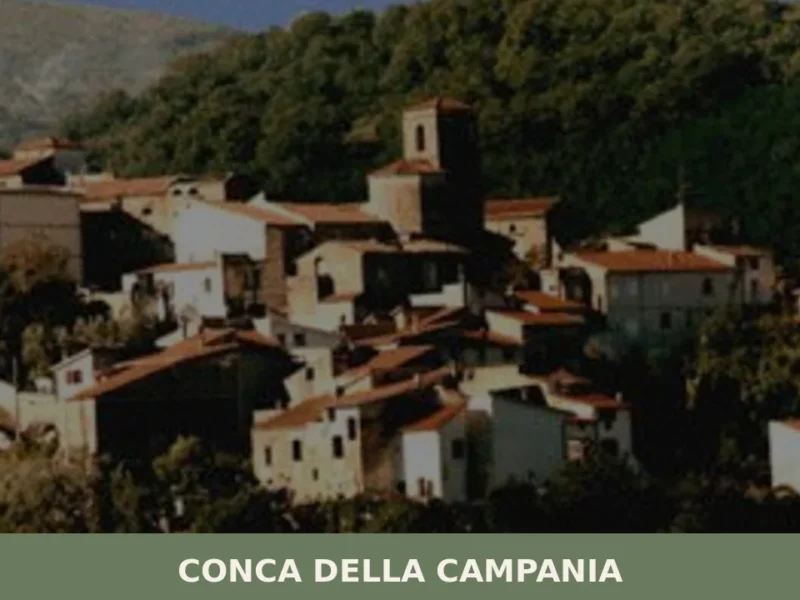
Conca della Campania
Hills
At 420 metres above sea level, on the hilly ridge separating the Volturno valley from the Lazio side, Conca della Campania today has 1,154 inhabitants spread between the main settlement and the hamlets scattered along the ridgelines. The municipal territory falls within the province of Caserta, on the border with Molise and Lazio, a frontier […]

Torre Annunziata
 Sea
Sea
Nearly 40,000 residents live above the UNESCO-listed ruins of ancient Oplontis. Torre Annunziata offers archaeology, industrial heritage and a black-sand shoreline on the Gulf of Naples.
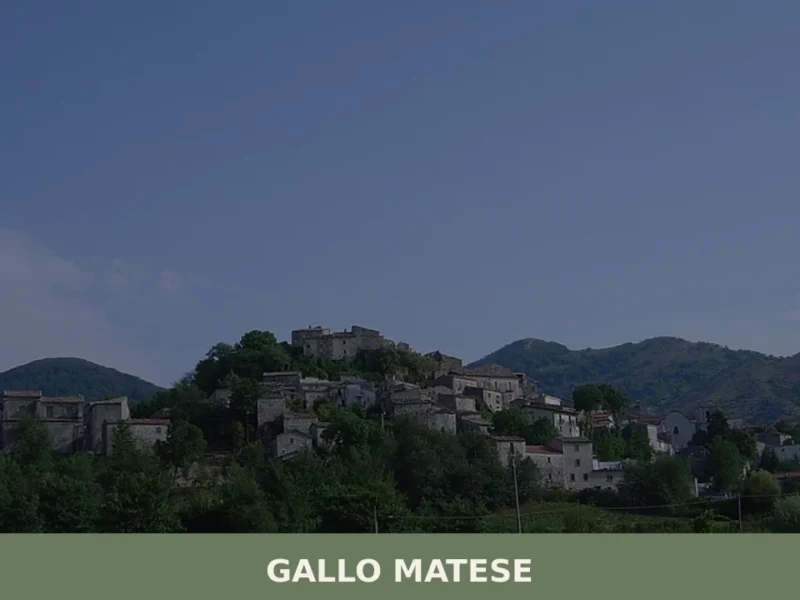
Gallo Matese
 Mountain
With its 625 inhabitants and an altitude of 875 meters above sea level, Gallo Matese ranks as one of the highest centers in the province of Caserta, Campania. Its geographical position, in the heart of the Matese mountain range, determines its identity and structure. The village, whose presence has been documented for centuries, developed in […]
Valle Agricola
Mountain
Valle Agricola, a municipality of 960 inhabitants in the province of Caserta, rises to 691 meters above sea level, representing a mountain settlement within the Matese Massif. Its geographical position, between peaks and valleys, has for centuries determined the social and economic dynamics of the place, oriented towards livestock farming and subsistence agriculture. For those […]
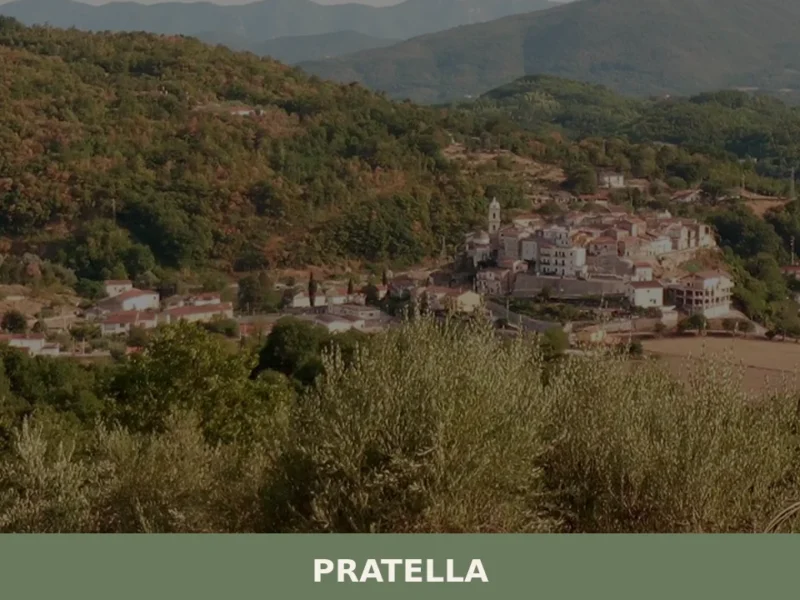
Pratella
Plains
What to see in Pratella, Italy: This village of 1,408 inhabitants, at 152m altitude, offers its historic core and the San Nicola feast. Explore Campania.
Raviscanina
Hills
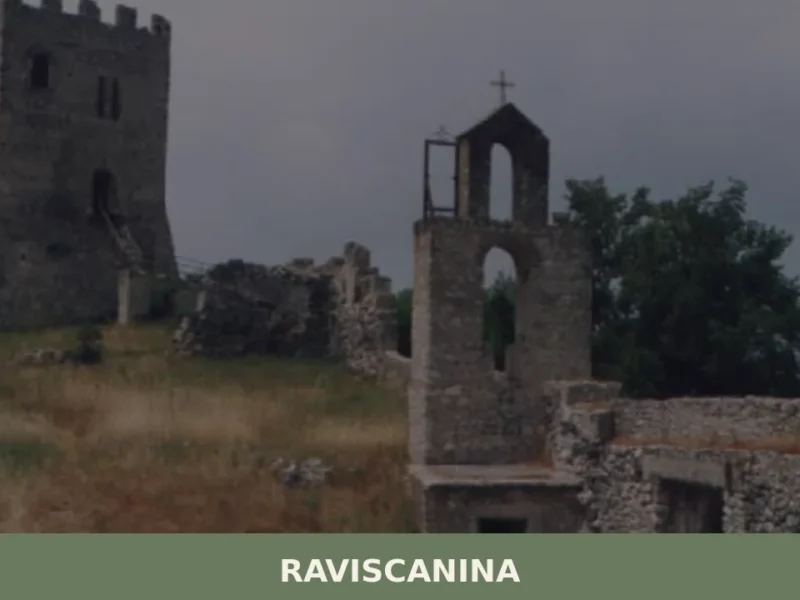
what to see in raviscanina, Italy: Explore this village at 358 m a.s.l. Discover ancient castle ruins and local traditions. Read more.

Castellammare di Stabia
Sea
Castellammare di Stabia offers over 2,800 years of layered history, from buried Roman villas to Bourbon royal palaces, all framed by the Gulf of Naples.
Caianello
Hills
A crossroads village of 1,752 inhabitants in Caserta province, Caianello hides medieval lanes and olive groves above its famous motorway junction.
Avellino
Hills
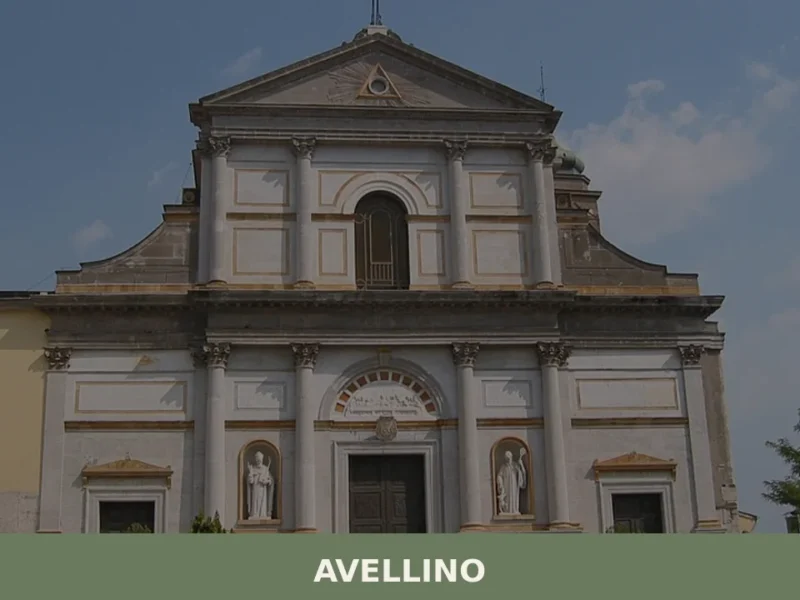
Uncover the charm of the village of Avellino in Campania, Italy. Explore its rich history, local traditions, and stunning landscapes. Plan your visit to this Italian gem!



🏡 Know Arpaise better than we do?
If you’re a local or have been there, your knowledge matters: add what’s missing or fix a detail on this page.