


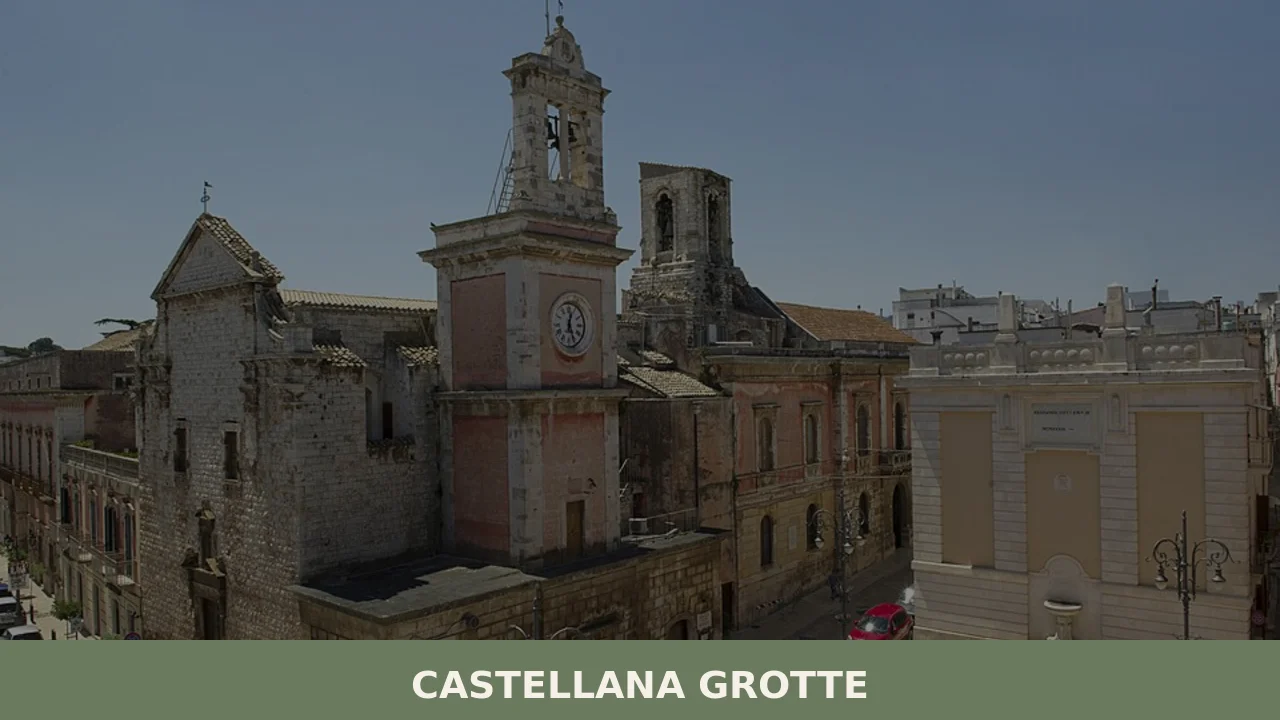
Castellana Grotte
In 1938, speleologist Franco Anelli descended for the first time into a karst chasm a few kilometres from the town centre, revealing to the world an underground system stretching over three kilometres — one of the most extensive in Europe. That discovery permanently transformed the identity of an agricultural municipality on the south-eastern Murgia, placing […]
Discover Castellana Grotte
In 1938, speleologist Franco Anelli descended for the first time into a karst chasm a few kilometres from the town centre, revealing to the world an underground system stretching over three kilometres — one of the most extensive in Europe. That discovery permanently transformed the identity of an agricultural municipality on the south-eastern Murgia, placing it firmly on the map of international tourism.
Today, understanding what to see in Castellana Grotte means navigating two levels: the subterranean world of limestone cavities below, and the surface above, where a town of approximately 19,500 inhabitants preserves seventeenth-century churches, rock-hewn olive presses, and a food tradition deeply rooted in the red earth. We are at 290 metres above sea level, in the province of Bari, along the road connecting the Adriatic coast to the Valle d’Itria.
History and origins of Castellana Grotte
The place name “Castellana” most likely derives from the Latin castellum, a term that in the Middle Ages referred to a fortified settlement or a small walled nucleus. The specification “Grotte” was officially added in 1863 by royal decree, to distinguish the municipality from other identically named localities in the newly formed Kingdom of Italy and to reference the numerous karst cavities in the subsoil.
In documents from the 10th–11th century, the site appears as “Castellanum”, indicating a hamlet belonging to the territory of Conversano, linked to the Benedictine monastery of Santo Stefano. There is no certain evidence of a structured urban settlement before the year 1000, although the discovery of Peucetian and Roman artefacts in the surrounding area suggests human presence in the territory going back much further.
The foundation of the medieval nucleus is conventionally dated to the Norman period, when the Count of Conversano consolidated a series of rural hamlets into a more organised centre, equipped with a mother church and a defensive perimeter. In 1171, a document from the Archive of the Abbey of Cava dei Tirreni mentions the “Universitas Castellani”, confirming the existence of a community with its own administrative structure.
Under Angevin rule, between the 13th and 14th centuries, Castellana passed from fief to fief — from the Brienne family to the Acquaviva d’Aragona, a dynasty that maintained control until the abolition of feudalism in 1806. The Acquaviva dominion profoundly shaped the built fabric: expansion of the mother church, construction of noble palaces, and the excavation of underground olive presses carved into the limestone rock.
A crucial episode in collective memory is the plague of 1690–1691, which decimated the population and from which, according to local tradition, the town was delivered through the intercession of the Virgin of the Vetrana — venerated ever since as patron saint under the title of Maria S.S. della Vetrana.
The 20th century brought two decisive transformations: the discovery of the caves in 1938 by Franco Anelli of the Italian Institute of Speleology, and the opening of the underground tourist route in 1939, which within a few decades made Castellana Grotte one of the most visited destinations in southern Italy, with over 300,000 visitors per year during peak seasons. The demographic profile has remained relatively stable: from approximately 15,000 inhabitants in the post-war period, the population has gradually risen to the current 19,505 residents, sustained by tourism-related services and olive farming.
What to see in Castellana Grotte: 5 essential attractions
1. The Caves of Castellana
The karst complex opens with the Grave, a cavern roughly 100 metres long and 60 metres deep, accessible through a natural sinkhole. The full tourist route extends for approximately three kilometres and culminates in the Grotta Bianca (White Cave), a chamber entirely coated in calcite alabaster concretions that make it one of the most luminous cavities in the world.
The internal temperature remains constant, around 16–18 °C. Two itineraries are available: a shorter one of approximately 50 minutes, reaching the Grave, and a complete one lasting around two hours. Management is entrusted to a consortium that also organises night-time speleological visits and educational workshops. It is the most visited natural site in Puglia and the primary reason visitors ask what to see in Castellana Grotte.
2. Mother Church of San Leone Magno
Located in the old town, along via Marconi, the main parish church was built in Romanesque forms and remodelled several times between the 16th and 18th centuries. The three-nave interior houses a high altar in polychrome marble and canvases attributed to painters of the 17th-century Neapolitan school. Of particular interest is the painted wooden ceiling in the central nave, restored over the past decade. The sober façade, articulated by pilaster strips, reflects the late-Baroque taste common across the Murgia area. The square-plan bell tower, visible from various points in the town, serves as a topographic reference for anyone navigating the narrow streets of the historic quarter.
3. Convent and Church of the Madonna della Vetrana
The sanctuary dedicated to the patron saint Maria S.S. della Vetrana stands in the upper part of the old town and is tied to the devotion that surged after the plague of 1691. The building, flanked by a former Franciscan convent, holds the icon of the Virgin from which, according to period documents, a liquid oozed that was interpreted as a miraculous sign. The interior features a single nave with 18th-century decorations and a majolica floor. The patron saint festivities fall on 12 January and the last Sunday of April, when a procession crosses the town bearing the sacred image, accompanied by illuminations and fireworks. The adjoining convent now houses exhibition and cultural spaces.
4. The underground olive presses of the old town
Below street level in the historic nucleus, several olive presses carved directly into the limestone rock open up, used until the 19th century for milling olives. These underground chambers — locally called “trappeti” — still contain large stone millstones, decanting basins, and wooden counterweight systems. The constant subterranean temperature ensured ideal conditions for oil processing. Some of these presses have been restored and opened to visitors through the efforts of local associations. Their presence concretely documents the weight of olive cultivation in the Castellana economy between the 17th and 19th centuries, when oil was exported via Monopoli to Venetian markets.
5. Piazza Garibaldi and the Town Hall
The centre of public life, Piazza Garibaldi is the town’s main open space, surrounded by 19th-century buildings with local stone façades. The Town Hall, facing the square, dates to the 19th century and features an arched entrance portico topped by a balustraded balcony. The square hosts the weekly market and, during the patron saint festivities, is fitted with stages for brass band concerts — an exceptionally strong tradition in the Bari area. From the edges of the square, roads lead towards the old town on one side and towards the caves area on the other, making this point the natural orientation hub for visitors.
What to eat in Castellana Grotte: local cuisine and regional products
The table in Castellana Grotte reflects the municipality’s geographical position, wedged between the Murgia and the coastal plain, in an area where olive cultivation has dominated the agricultural landscape for centuries. The cuisine is that of the Bari hinterland — robust, tied to seasonal cycles, built on cereals, legumes, wild greens, and sheep meat. Extra virgin olive oil, produced from the Cima di Mola and Ogliarola cultivars, is the virtually exclusive cooking fat and lends every dish a distinctive bitter note.
Proximity to Polignano, Monopoli, and Conversano has fostered a constant culinary exchange over time, but the peasant foundation remains dominant.
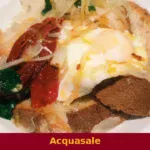
Among the most representative dishes of the local tradition, Acquasale (PAT) deserves particular mention — an ancient recovery preparation based on stale bread soaked in warm water, dressed with fresh tomato, raw onion, oregano, and generous olive oil. It is a summer dish, consumed by farmers in the fields during the harvest, which today reappears on family tables during the warm months. Equally rooted is the consumption of Agnello al forno con patate alla leccese (PAT), prepared with pieces of lamb arranged in a baking dish alongside thinly sliced potatoes, cherry tomatoes, onions, and grated pecorino, slow-cooked in a wood-fired oven until a golden crust forms. It is the indispensable dish of the Easter meal and family celebrations.
The repertoire of PAT-certified products from the Puglia region includes several preparations that are also widely found in Castellana Grotte. Agnello alla gravinese (PAT), a lamb stew braised with vegetables and cheese, represents a variant of the Murgia sheep-rearing tradition, shared with municipalities in the Matera and Bari provinces.
Africani (PAT) are small sweets made from almond paste and chocolate, covered in dark icing, widespread across the territory as artisanal pastry shop confections. Also worthy of mention are Asparagi selvatici (PAT), gathered on the limestone terrain of the Murgia between March and May, and Asparagi sott’olio (PAT), a home preserve made with the same shoots, blanched and submerged in local extra virgin oil.
The main gastronomic event is the Sagra della Carne al Fornello (Grilled Meat Festival), held every year during the summer period — generally between July and August — celebrating the charcoal grilling of bombette, horse meat rolls, and lamb ribs, accompanied by local red wine. The weekly market in Piazza Garibaldi offers stalls selling zero-kilometre fruit and vegetables, stretched-curd cheeses, and extra virgin olive oil sold directly by local mill operators. For more targeted purchases, several farms along the provincial road to Putignano practise direct sales of preserves, dried legumes, and durum wheat frise.
On the wine front, the territory of Castellana Grotte falls within the Gioia del Colle DOC area and the IGT Puglia designation.
The predominant grape variety is Primitivo, which on these limestone hills at 290 metres of altitude produces structured reds with good acidity and dark fruit aromas. Some local wineries also vinify Minutolo, an indigenous white grape rediscovered over the past twenty years, which yields a dry aromatic white suited to pairing with the vegetable dishes and raw fish of the nearby coast. Anisetta (PAT), a traditional Apulian anise-based liqueur, frequently closes the meal in the trattorias of the area.
When to visit Castellana Grotte: the best time
The caves are open year-round, but the period of greatest visitor numbers runs from April to October, when the full route is available with frequent departures. Summer, especially July and August, brings the tourist peak: queues at the entrance can exceed an hour on the busiest days. Those who prefer a more relaxed visit should aim for May, June, or September, months when outdoor temperatures are pleasant — between 20 and 28 °C — and visitor flows are more manageable.
The month of January offers a different occasion: the patron saint feast on 12 January, with the procession of the Madonna della Vetrana, allows one to observe an intense and deeply felt popular devotion, in a winter setting with very few tourists.
The last Sunday of April marks the second patronal celebration, with a more solemn procession and an evening programme of brass band concerts. The summer grilled meat festival, between July and August, draws visitors from across the entire Bari metropolitan area. In winter, the caves, with their constant temperature of 16–18 °C, offer a comfortable experience even on the coldest days. For those planning to combine the visit with excursions in the Valle d’Itria — Alberobello is just 12 kilometres away — spring remains the ideal compromise between climate, accessibility, and quiet.
How to reach Castellana Grotte
By car, from Bari take the SS16 heading south to the exit for the SP236, reaching Castellana Grotte in approximately 40 minutes (45 km). From Taranto the distance is around 70 km via the SS172 through Martina Franca, with a travel time of just over an hour. Those coming from the A14 Bologna–Taranto motorway can exit at the Bari Sud toll station and continue on the state road towards Putignano. From Lecce, allow approximately 150 km and one hour and forty minutes of driving.
The most convenient railway station is Castellana Grotte, served by the Ferrovie del Sud Est (FSE) line connecting Bari to Martina Franca and Taranto.
Trains depart from Bari Centrale station at approximately hourly intervals and the journey takes 50–60 minutes. The reference airport is Karol Wojtyła in Bari-Palese, approximately 55 km away, from which the town can be reached by rental car or by combining the airport shuttle with an FSE train. An STP intercity bus service connects Castellana Grotte with Monopoli, Conversano, and the neighbouring municipalities.
Other villages to discover in Puglia
Visitors to Castellana Grotte have the opportunity to build a Puglia itinerary that takes in radically different environments. To the north-west, in the province of Foggia, lies Zapponeta, a small coastal settlement facing the Gulf of Manfredonia.
The distance — approximately 200 km, just under two and a half hours — is significant, but the contrast is instructive: from the limestone Murgia you move to the salt flats and wheat fields of the Tavoliere, with a completely flat landscape and a relationship with the sea that is entirely absent in Castellana. Zapponeta offers broad beaches, a wetland area frequented by herons and flamingos, and a rhythm of life tied to fishing and extensive agriculture.
In the opposite direction, towards the regional capital, Bari is just 45 km away and represents the natural urban complement to a day spent in the caves and the Castellana old town. The old city of Bari — with the Basilica of San Nicola, the Cathedral of San Sabino, and the Swabian Castle — offers a dense Norman and Swabian architectural heritage that helps place the feudal history of Castellana in broader historical context.
A three- to four-day itinerary combining a visit to the caves, a day in Bari, and an excursion among the trulli of Alberobello allows you to traverse three distinct territorial realities within just a few kilometres — the karst underground, the port city, the Valle d’Itria countryside — which together define the complexity of central Puglia.
In Apulia More villages to discover
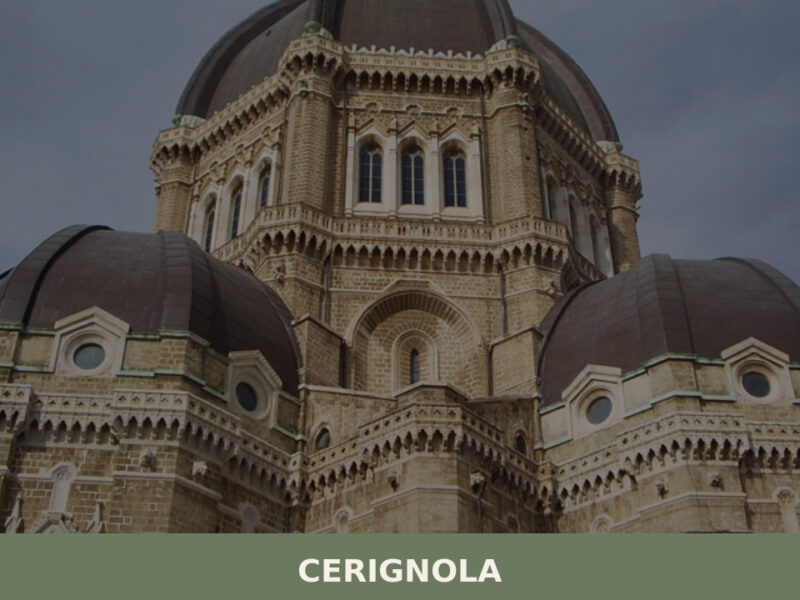
Cerignola
A complete guide to Cerignola in Puglia's Tavoliere plain — its medieval quarter, cathedral, Teutonic tower, renowned olives, and the deep agricultural heritage of the province of Foggia.
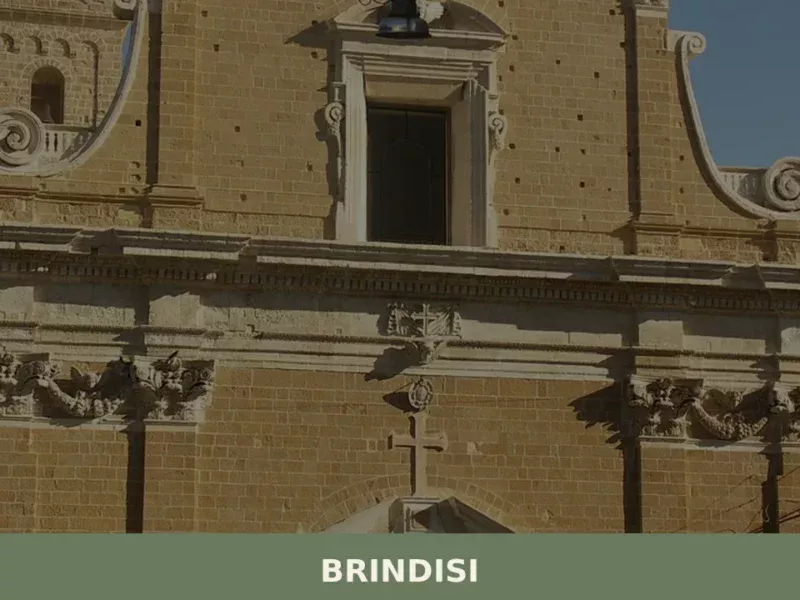
Brindisi
From the port of Brindisi, at a strategic point where the Adriatic opens towards the East, stands the Monument to the Italian Sailor, an imposing structure that since 1933 has watched over the city and its maritime routes. This city, overlooking a natural inlet that for centuries has welcomed fleets and trade, has historically been […]
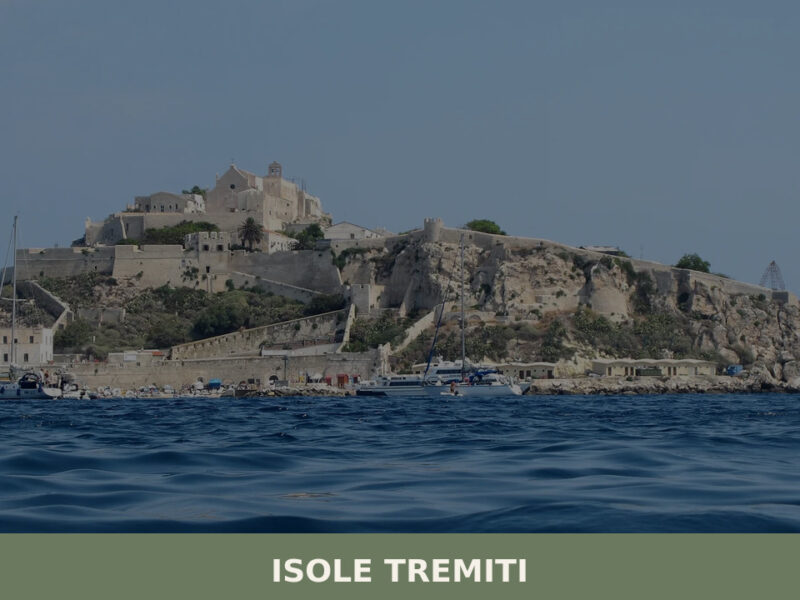
Isole Tremiti
A 481-resident archipelago off Puglia's Gargano coast, the Tremiti Islands compress monastic history, Adriatic wildlife, and sea caves into three inhabited islands.

📝 Incorrect information or updates?
Help us keep the Castellana Grotte page accurate and up to date.