


Mattinata
 Sea
Sea
Nearly 6,000 residents live where the Gargano plateau meets the Adriatic. Mattinata offers a raw coastline, a centuries-old religious tradition and a genuinely local pace.
Mattinata: A Gargano Village Between Limestone and Sea
The limestone walls of the old quarter catch the early light in a way that explains everything about the name. Mattinata — from the Latin for morning — faces east across the Adriatic, and at dawn the pale stone turns the colour of warm sand. The village sits at 75 metres above sea level, close enough to the coast to smell salt on a south wind, high enough to look down over olive groves and the deep blue crescent of the Gulf of Manfredonia.
Mattinata village in Apulia stands on the southern flank of the Gargano promontory, in the province of Foggia, with a population of around 5,876. Two things draw visitors here above all else: the raw, largely undeveloped coastline that stretches below the village, and a calendar of religious life anchored to the cult of Santa Maria della Luce, the patron saint whose feast brings the community together each year in one of the most genuinely local celebrations on the Gargano.
Stone, Light and Memory: The Identity of Mattinata
The name itself is the oldest document the village possesses. Mattinata derives from the Latin matutinum, a word tied to the morning hours and to the direction of sunrise. The orientation of the settlement — open to the east, sheltered to the west by the limestone ridges of the Gargano — made the name feel less like a choice and more like a description. Whether the toponym predates the medieval village or grew alongside it is a question historians still debate, but the physical logic of the place makes the etymology hard to dispute.
The territory shows signs of very long human presence. The Gargano plateau, of which Mattinata occupies a southern edge, was crossed by ancient transhumance routes — the tratturi — that connected the mountain pastures of central Italy with the warmer lowlands of Puglia each winter. These routes shaped the land as much as any planned settlement: they determined where water sources mattered, where shelters were built, and where small communities could anchor themselves to a reliable rhythm of seasonal passage. Mattinata stood at a point where the plateau began to descend toward the sea, making it a natural halt between the interior and the coast.
Through the medieval and early modern centuries the village developed its compact urban form, with lanes narrow enough to provide shade in summer and houses built close together from the same pale local limestone that colours the cliffs below. The community remained agricultural and maritime in its economy — olives, fishing and small-scale trade with the ports of the gulf. The arrival of the cult of Santa Maria della Luce wove religious identity tightly into the fabric of daily life, and that identity has proved more durable than any administrative boundary or political change the village has experienced across the centuries.
The Gargano is not merely a peninsula: it is a world apart, where the Apennine mountains reach the sea and the forest meets the cliff. Mattinata stands at that precise threshold.
The Places That Define Mattinata’s Landscape and Urban Form
The Historic Centre and Its Limestone Lanes
The old quarter climbs in tight terraces above the valley, its streets paved in the same pale stone as the surrounding hills. The compact layout — houses sharing walls, arched passages connecting lanes — reflects centuries of building within a limited perimeter defined by terrain and water availability. Walking through the centre today, visitors notice how the architecture responds directly to climate: deep-set doorways, small windows on the west side, and wider openings facing east to catch morning light and the sea breeze. Several noble buildings survive along the main street, their carved doorframes the most visible sign of past local prosperity.
Santuario di Santa Maria della Luce
The sanctuary dedicated to Santa Maria della Luce is the spiritual centre of Mattinata and the focal point of the village’s most important annual celebrations. The building stands within the urban fabric of the old town, its facade visible from several approach lanes. The interior holds votive offerings accumulated over generations — a physical archive of the community’s fears and gratitudes. The feast of the patron saint draws residents back from cities across Italy and abroad, making it as much a reunion of the diaspora as a purely religious event. Visitors arriving outside feast days still find the sanctuary open and attended.
The Coastal Strip Below the Village
The coast accessible from Mattinata is defined by white cliffs, clear water and small coves reachable by road or on foot along coastal paths. The geology is the same Cretaceous limestone as the plateau above — eroded by centuries of wave action into inlets and sea caves that give the shoreline its irregular, dramatic profile. The beaches here are not long sandy strips but compact pockets of gravel and coarse sand between rock formations. In practical terms, this means smaller crowds than the broader Adriatic resort towns nearby, and water quality that benefits from the rocky, relatively undeveloped hinterland.
The Olive Groves and Agricultural Landscape
Between the village and the coast, and spreading across the gentler slopes to the west, the olive groves of Mattinata represent a landscape shaped over many generations. The trees are old — their gnarled trunks a record of the labour invested in this terrain — and the harvest remains an active part of the local economy. The olive oil produced here belongs to the broader Gargano tradition of extra-virgin production from native varieties, and visiting during the autumn harvest period offers a direct view of agricultural life that continues to define the village’s economic and cultural identity.
The Panoramic Belvedere
At the upper edge of the village, a natural terrace opens across the Gulf of Manfredonia toward Monte Sant’Angelo — which lies in a separate municipality — and on clear days toward the flat Tavoliere plain beyond. This viewpoint is not a formal monument but a functional part of the village geography: a place where residents have always oriented themselves and where the relationship between plateau, village and sea becomes physically legible. It requires no ticket and no guide. Arriving at dusk, when the light on the water shifts from blue to copper, makes the geography of the Gargano southern edge immediately comprehensible.
Oil, Sea and the Table: Flavours Rooted in the Territory
The food culture of Mattinata grows directly from its two dominant landscapes: the olive groves on the hillside and the sea below. Extra-virgin olive oil is the base ingredient in virtually every local preparation, used with a generosity that reflects both abundance and tradition. The fishing tradition of the Gargano coast contributes to a local table built around fresh catch prepared simply — grilled, baked with local herbs, or dressed with oil and lemon. Bread baked from durum wheat flour, a staple across the Foggia province, accompanies every meal and absorbs the flavours of the surrounding territory with uncomplicated directness.
The agricultural calendar still influences what appears on local tables at different times of year. Autumn brings the olive harvest and the first pressing of new oil — a moment when the flavour is at its most vivid and grassy. Summer opens the fishing season fully. Visitors who eat in the village rather than at the coastal resorts below will find food that reflects this rhythm more honestly than any tourist-facing menu.
When to Visit Mattinata and How to Reach It
The village functions on two different rhythms depending on the season. From June through August the coastal area below fills with Italian and European visitors, and the village itself becomes a base for those who prefer the quieter elevation over the beach resorts. The religious calendar peaks around the feast of Santa Maria della Luce, when the community concentrates energy and emotion into a few days of celebration that have no equivalent in the area at other times of year.
Spring and early autumn offer the most balanced conditions for a visit: the olive groves are either in flower or approaching harvest, the sea is warm enough to swim well into October, and the village moves at a pace that allows genuine contact with daily life. Winter quietens significantly — some services reduce — but the landscape takes on a different clarity, with the limestone hills showing their full colour against a low sun.
If you arrive by car, the SS89 coastal road connects Mattinata to Manfredonia to the south and continues north toward Vieste. The approach from the south offers the clearest view of the village on its hillside before you reach it. For those exploring the wider Gargano by public transport, connections exist via Manfredonia, which links to the regional rail network. The villages of the Gargano interior — including Carpino and Ischitella to the north — are reachable within an hour and extend any itinerary into the forested plateau. Further east, Cagnano Varano sits near the Varano lake, a landscape entirely different from the coastal character of Mattinata. For those arriving from the south through the Tavoliere plain, Foggia serves as the main transport hub of the province.
| Departure | Distance | Time |
|---|---|---|
| Manfredonia | approx. 14 km | 20 min by car |
| Foggia | approx. 60 km | 55 min by car |
| Vieste | approx. 45 km | 50 min by car |
| Bari | approx. 175 km | 2 h by car |
Visitors planning more than a day should note that Carapelle, in the Foggia plain to the southwest, offers a contrasting lowland perspective on Puglia’s agricultural interior — useful context for understanding how the Gargano coast and the Tavoliere flatlands form two halves of the same provincial geography. The official municipal website at comune.mattinata.fg.it carries current information on services, events and access to the coastal areas managed by the municipality.
Frequently asked questions about Mattinata
È possibile visitare Mattinata come gita di un giorno da Bari?
Sì, Mattinata è raggiungibile da Bari in circa 2 ore di auto percorrendo l'autostrada A14 fino a Foggia, poi la SS89 via Manfredonia. Con una partenza mattutina si ha tempo sufficiente per visitare il centro storico, raggiungere una baia e rientrare in serata. Tuttavia, per esplorare le cale più remote e i sentieri del Gargano con calma, almeno un pernottamento è consigliato. La distanza da Bari è di circa 170 km.
Esistono sentieri CAI o percorsi escursionistici ufficiali nei dintorni di Mattinata?
Mattinata rientra nel territorio del Parco Nazionale del Gargano, che gestisce una rete di sentieri segnalati. Tra i percorsi documentati figura il collegamento verso Monte Saraceno e verso l'Abbazia di Santa Maria di Pulsano. Il CAI (Club Alpino Italiano) ha catalogato diversi tracciati sul promontorio garganico accessibili dalla zona di Mattinata. Per mappe aggiornate e numerazioni ufficiali dei sentieri è consigliabile consultare il sito del Parco Nazionale del Gargano o la sezione CAI di Foggia.
Quando si svolge la festa patronale di Mattinata e come si chiama la patrona?
La patrona di Mattinata è Santa Maria della Luce, celebrata il 15 settembre. I festeggiamenti includono processioni religiose, musica dal vivo e fuochi d'artificio sul mare. La festa coincide con la fine della stagione estiva, quando il paese è ancora animato dai turisti ma ritrova anche la sua dimensione più autentica e comunitaria, offrendo ai visitatori un'esperienza genuina della tradizione religiosa e popolare garganica.
Come si raggiunge Mattinata con i mezzi pubblici partendo da Foggia?
Da Foggia, principale nodo ferroviario della provincia collegato ad alta velocità con Roma, Napoli e Bari, è possibile raggiungere Mattinata con i servizi di autobus regionali SITA via Manfredonia. Gli orari sono però limitati, soprattutto fuori dalla stagione estiva. L'aeroporto Gino Lisa di Foggia dista circa 60 km ma offre voli commerciali ridotti. Per maggiore flessibilità nel visitare le cale e i borghi del Gargano, l'auto a noleggio rimane la soluzione più pratica.
Nearby Villages near Mattinata

In Apulia More villages to discover
Alliste
Sea
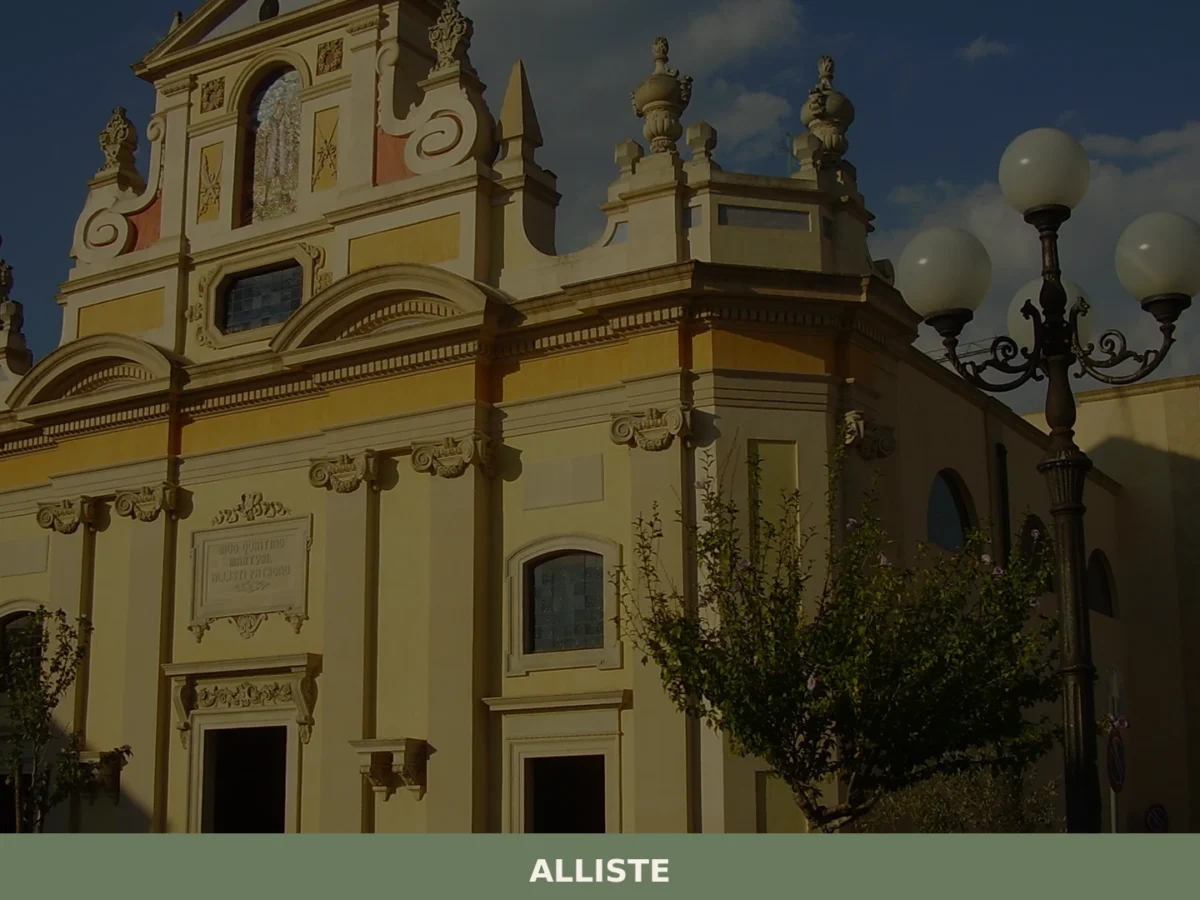
what to see ad Alliste: scopri il 6.481 abitanti. Visita chiese e masserie, assapora la cuisine salentina per un viaggio autentico.
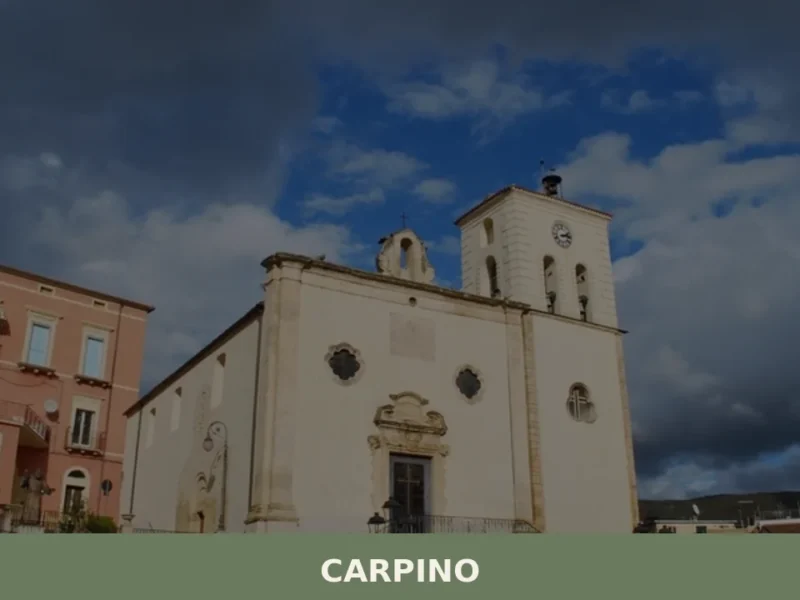
Carpino
 Lake
Lake
 Plains
What to see in Carpino, Puglia, Italy: folk festival, olive oil culture, 3 historic churches and caves at 147 m altitude. Discover the full travel guide.
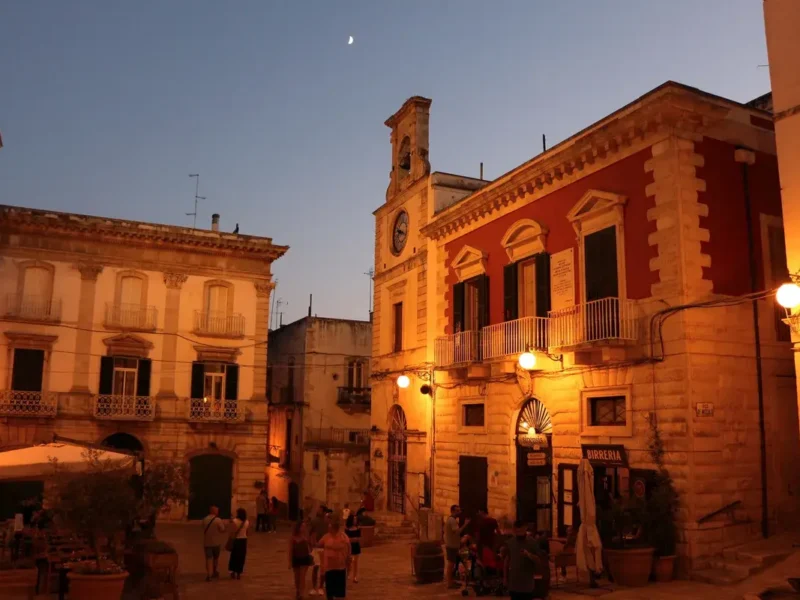
Putignano
 Hills
Hills
What to see in Putignano: hilltop town at 372m in the Murgia Barese. Grotta del Trullo, 6-century-old Carnival, PAT cuisine. Plan your visit now.
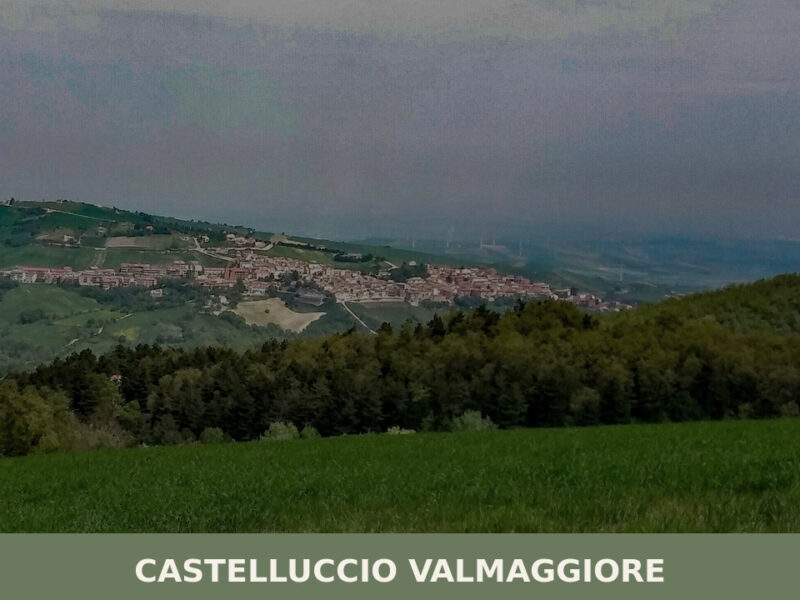
Castelluccio Valmaggiore
 Mountain
A hilltop village of 1,207 residents at 630 metres in the Daunian Sub-Apennines. Medieval lanes, long views over the Tavoliere plain, and mountain cuisine far from coastal Puglia.
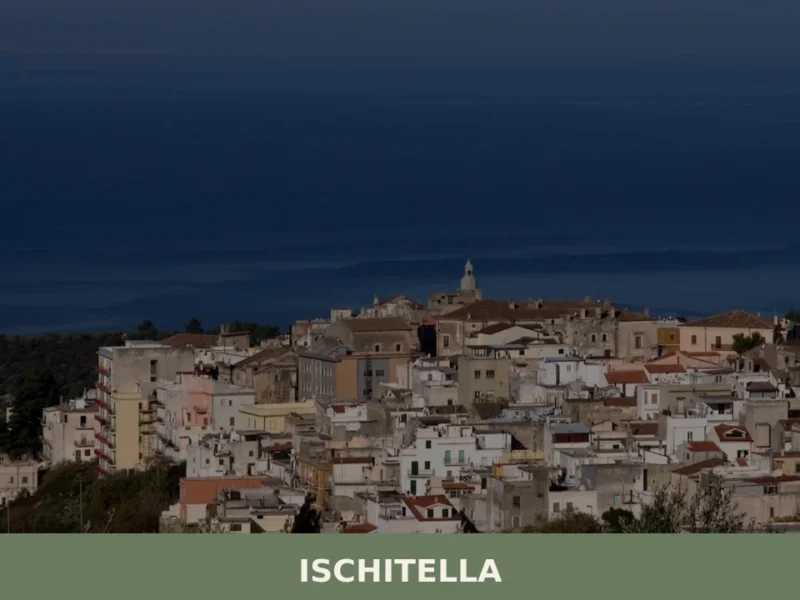
Ischitella
Lake
Sea
A ridge-top village on the Gargano promontory, Ischitella offers Norman walls, Baroque churches, ancient olive groves, and access to the Foresta Umbra.
Poggiorsini
Hills
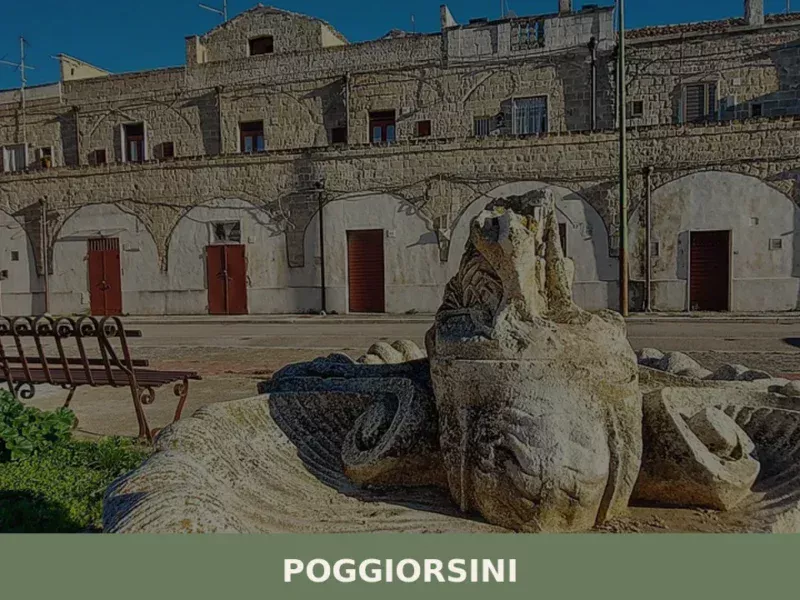
What to see in Poggiorsini: from trulli to the streets of the old town. Discover attractions, practical tips and how to plan your visit to this Puglia village.
Monopoli
Sea
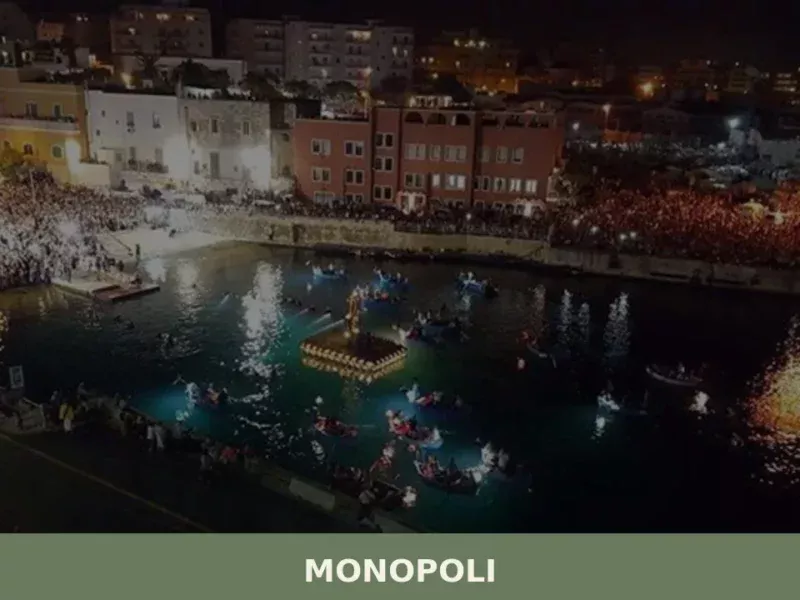
From the promontory where the Castle of Charles V stands, the view sweeps across the Adriatic, a horizon of waters that have shaped Monopoli’s identity for centuries. This port city, whose name evokes the idea of a “unique city,” reveals itself through its architecture, which tells of historical layers, from Messapian walls to Spanish fortifications. […]
Vico del Gargano
Sea
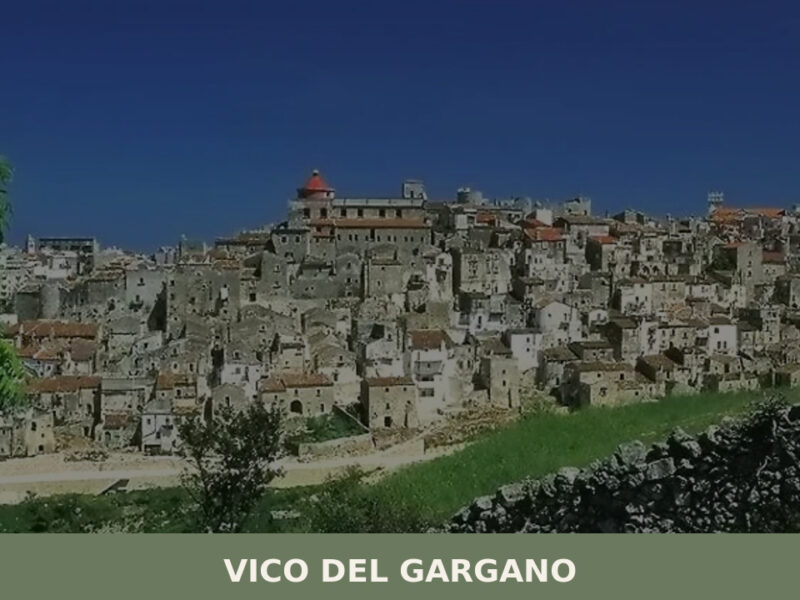
A hilltop village at 445 metres on the Gargano promontory, Vico del Gargano rewards slow exploration — medieval alleys, underground olive presses, and ancient forest at its edge.
Roseto Valfortore
Mountain
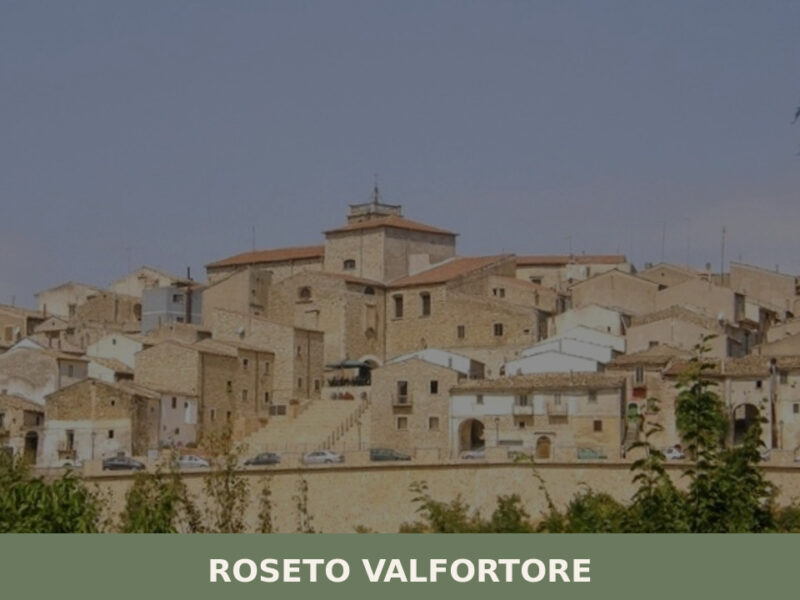
A stone village of 993 inhabitants at 658 metres in the Fortore valley. Roseto Valfortore preserves medieval architecture, mountain cooking traditions, and the quiet of inland Puglia.
Specchia
Plains
What to see in Specchia: a medieval village at 131m in Salento with 4,569 residents. Explore Castello Risolo, the historic centre and PAT-certified local food. Plan your visit.
🧀 Italian traditional products




🏡 Know Mattinata better than we do?
If you’re a local or have been there, your knowledge matters: add what’s missing or fix a detail on this page.