


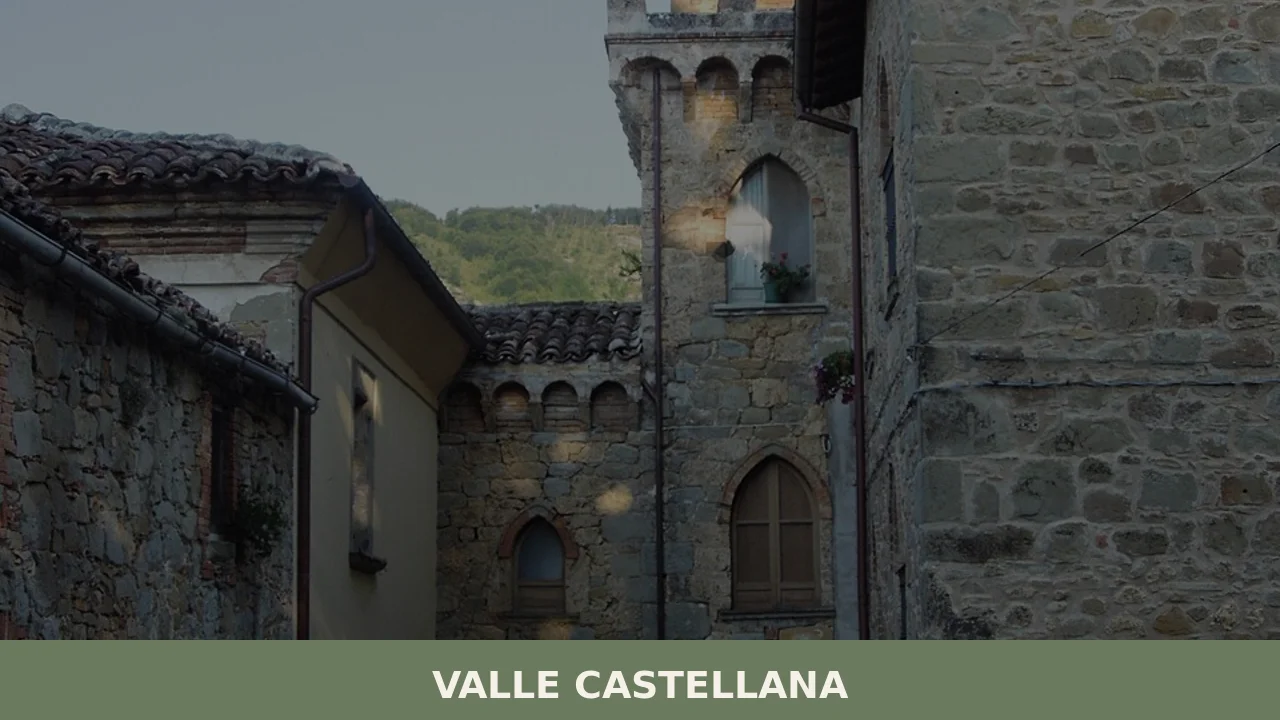
Valle Castellana
The municipality of Valle Castellana has 872 inhabitants spread across a territory fragmented into more than seventy hamlets, scattered between 300 and 1800 metres above sea level along the slopes of the Monti della Laga, in the province of Teramo. Anyone wondering what to see in Valle Castellana should be prepared for a rugged landscape, […]
Discover Valle Castellana
The municipality of Valle Castellana has 872 inhabitants spread across a territory fragmented into more than seventy hamlets, scattered between 300 and 1800 metres above sea level along the slopes of the Monti della Laga, in the province of Teramo. Anyone wondering what to see in Valle Castellana should be prepared for a rugged landscape, carved by streams, beech and chestnut forests, and small settlements linked by narrow roads crossing deep valleys. It is an archipelago-municipality, where each hamlet preserves its own church, washing fountain, and distinct settlement logic.
History and origins of Valle Castellana
The village’s name appears in medieval documents in connection with the presence of fortifications — castella — built to control the Salinello valley and its tributaries. Its border position between the Kingdom of Naples and the Papal States defined the nature of this territory for centuries: a land of transit, smuggling, and exchange between the Marche and Abruzzo regions. Local dialects, even today, carry traces of Marchigiano and Umbrian influences blended with the Teramo dialect.
During the Middle Ages, the area was controlled by several feudal families linked to the diocese of Ascoli Piceno, and only with the administrative reorganisations of the 19th century did Valle Castellana firmly enter the orbit of the province of Teramo. The Church of the Annunciation, dedicated to the patron saint of the municipality, serves as the main liturgical reference point for the main settlement. In the post-war period the territory underwent drastic depopulation: from nearly 5,000 residents in the 1950s, numbers dropped to the current 872, with entire hamlets now inhabited only seasonally.
The Second World War left deep scars on these mountains. Between 1943 and 1944, the hamlets of Valle Castellana were the scene of roundups and partisan actions along the Gustav Line. Several rural settlements were burned by retreating German troops. Plaques and memorials scattered across the hamlets document those months.
What to see in Valle Castellana: 5 main attractions
1. The Salinello Gorges
The Salinello river has carved a deep gorge between the Montagna di Campli and the Montagna dei Fiori, creating vertical limestone walls up to 200 metres high. The trail running through the gorges starts from the hamlet of Ripe and crosses rocky environments where human presence has been documented since prehistoric times. The Sant’Angelo cave, halfway along the route, houses the remains of a medieval hermitage carved into the rock.
2. The Hermitage and Cave of San Franco
At around 1,100 metres above sea level, reachable via a trail from the bottom of the Salinello valley, the cave of San Franco is a natural shelter where, according to tradition, a hermit lived during the early Middle Ages. The interior preserves a stone altar and traces of frescoes that are now almost illegible. The ascent requires about an hour of walking over rough terrain.
3. Castel Manfrino
The ruins of this fortress stand on a rocky spur at 908 metres, in a commanding position over the Salinello valley. The structure likely dates to the 12th–13th century and controlled the passage between the Adriatic side and the Apennine hinterland. Stretches of perimeter walls, a tower, and a cistern for rainwater collection are still visible. The Touring Club Italiano lists it among the sites of interest in the Teramo area.
4. The Church of the Annunciation in the main settlement
The parish church dedicated to the Annunciation, patron saint of the municipality, stands in the central core of Valle Castellana. The current structure is the result of successive interventions between the 18th and 19th centuries. Inside, wooden furnishings and a pipe organ are preserved. The patronal feast, celebrated on 25 March, is one of the few occasions when the various hamlets gather in the main settlement.
5. The sandstone hamlets of the Monti della Laga
Hamlets such as Pascellata, Mattere, Cerasi, and Leofara preserve a rural architecture built entirely from blocks of local sandstone, with roofs made of stone slabs. The houses follow the slope and integrate stables, barns, and living quarters into a single building structure. Some of these hamlets are reachable only by unpaved roads and have fewer than ten permanent residents.
Local cuisine and regional products
The cuisine of Valle Castellana is that of the inner Teramo Apennines: dishes built around dried legumes, sheep and pork meat, and cereals. Sagne a pezze — wide, irregular lasagne sheets dressed with mutton ragù — are the most common first course across the hamlets. Porcini mushrooms gathered in the beech forests between August and October are used in soups and sauces. Castagnaccio, prepared with flour from chestnuts dried in the metati still found in some hamlets of the Laga range, remains a winter food deeply rooted in local food memory.
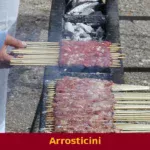
Among the territory’s products are pecorino cheese aged in natural caves, chestnut honey, and lamb raised on open pasture. There are not many restaurants: the few trattorias and agriturismi — concentrated in the main settlement and in Leofara — offer fixed menus tied to the season. In summer, some hamlets organise festivals dedicated to forest products, with food cooked over open-air embers.
When to visit Valle Castellana: the best time of year
From May to October, conditions allow hikers to walk the trails of the Salinello Gorges and reach Castel Manfrino without difficulties related to snow or ice. July and August bring daytime temperatures between 25 and 30 degrees in the main settlement — at 625 metres above sea level — with cool nights. Autumn is the season of the beech forests, which between October and November turn red and yellow along the entire Laga slope. Winter brings frequent snowfall above 1,000 metres, and some secondary roads leading to the higher hamlets can become impassable.
The feast of the Annunciation, on 25 March, marks the religious calendar. In summer, between July and August, the hamlets organise local festivals with music and open-air cooking — events of varying frequency, tied to the presence of seasonal residents returning from the cities. For those who enjoy hiking, June and September offer the best balance between comfortable temperatures and fewer people on the trails.
How to reach Valle Castellana
From Teramo, take the provincial road SP49 heading west: the journey is about 30 kilometres and takes 40–50 minutes due to the curves and high-altitude stretches. The nearest motorway exit is Teramo on the A14 (Autostrada Adriatica), from which you continue inland. From Ascoli Piceno, on the Marche side, the distance is about 25 kilometres via the SP78, which crosses the ridge of the Monti della Laga.
The closest railway station is Teramo, connected to the Giulianova–Teramo line. The reference airport is Abruzzo Airport in Pescara, about 90 kilometres away. There are no public transport services with frequencies useful for tourism: a private car is effectively the only practical means of reaching the municipality and moving between the hamlets. A vehicle with good ground clearance is recommended for the unpaved roads leading to the more isolated settlements.
Other villages to discover in Abruzzo
Travelling across inland Abruzzo from east to west, you encounter a succession of mountain municipalities with characteristics similar to Valle Castellana: small communities clinging to the Apennine slopes, economies tied to forest and pasture. In the L’Aquila area, Anversa degli Abruzzi offers another example of a village overlooking a river gorge — in that case the Sagittario Gorges — with an equally direct relationship between human settlement and the shape of the land.
On the Majella side, Abbateggio represents a different variation on the same theme: a mountain municipality with a reduced population, architecture in local stone, and an economy that today relies partly on hiking and the promotion of agricultural products. Both villages, like Valle Castellana, document the persistence of an Apennine settlement model that urban Italy has largely forgotten.
In Abruzzo More villages to discover
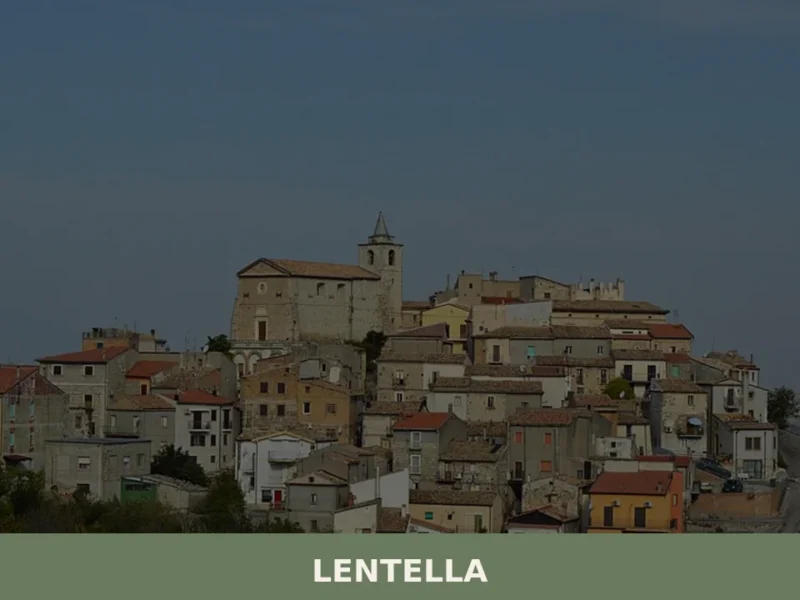
Lentella
What to see in Lentella: a hilltop village at 398m with 649 residents in Chieti. Discover the Santi Cosma e Damiano church, medieval old town, and local PAT products. Explore now!
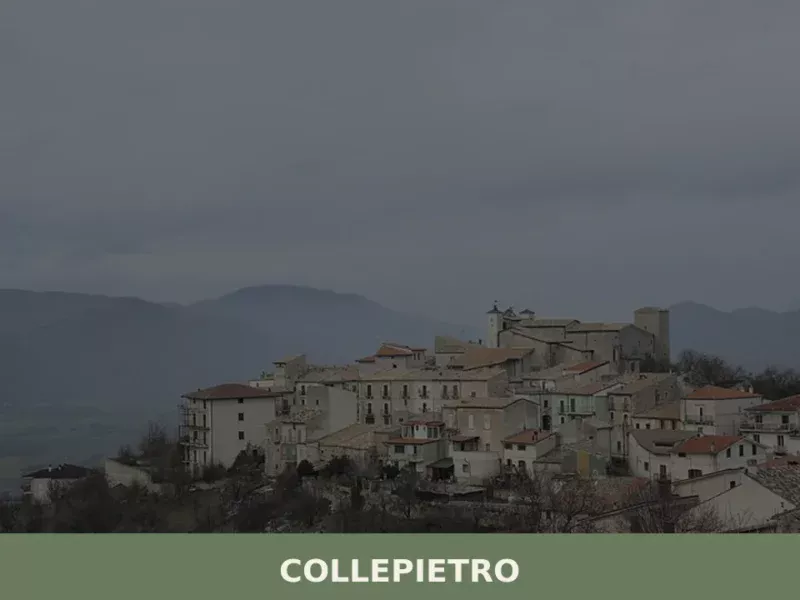
Collepietro
Collepietro has 226 inhabitants and sits at 849 metres above sea level on the eastern slope of the Gran Sasso, in the province of L’Aquila. The municipal territory extends along a ridge overlooking the Piana di Navelli, an area known for saffron cultivation. Those wondering what to see in Collepietro will find a compact settlement […]
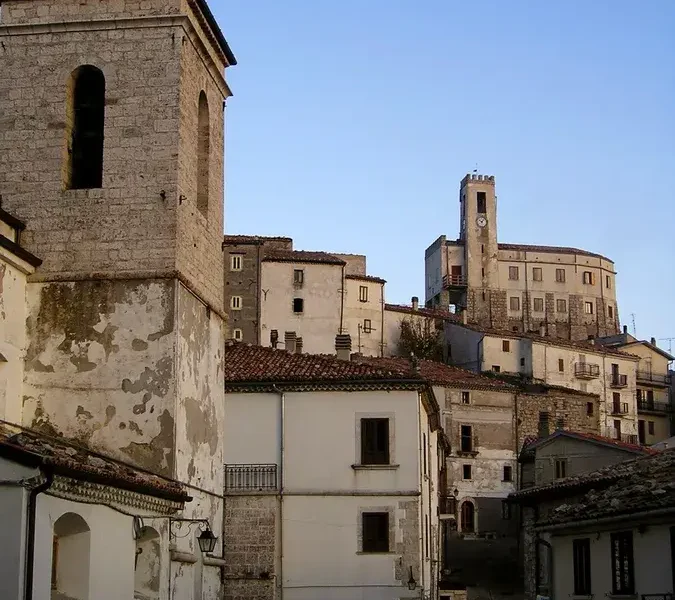
Gamberale
At 1,343 metres above sea level, along the eastern ridge of the Majella mountains where the slopes descend towards the Sangro valleys, 277 residents keep alive a settlement that the catasto onciario of the Kingdom of Naples already recorded in the eighteenth century as a community of shepherds and charcoal burners. Visitors arriving in Gamberale […]





📝 Incorrect information or updates?
Help us keep the Valle Castellana page accurate and up to date.