


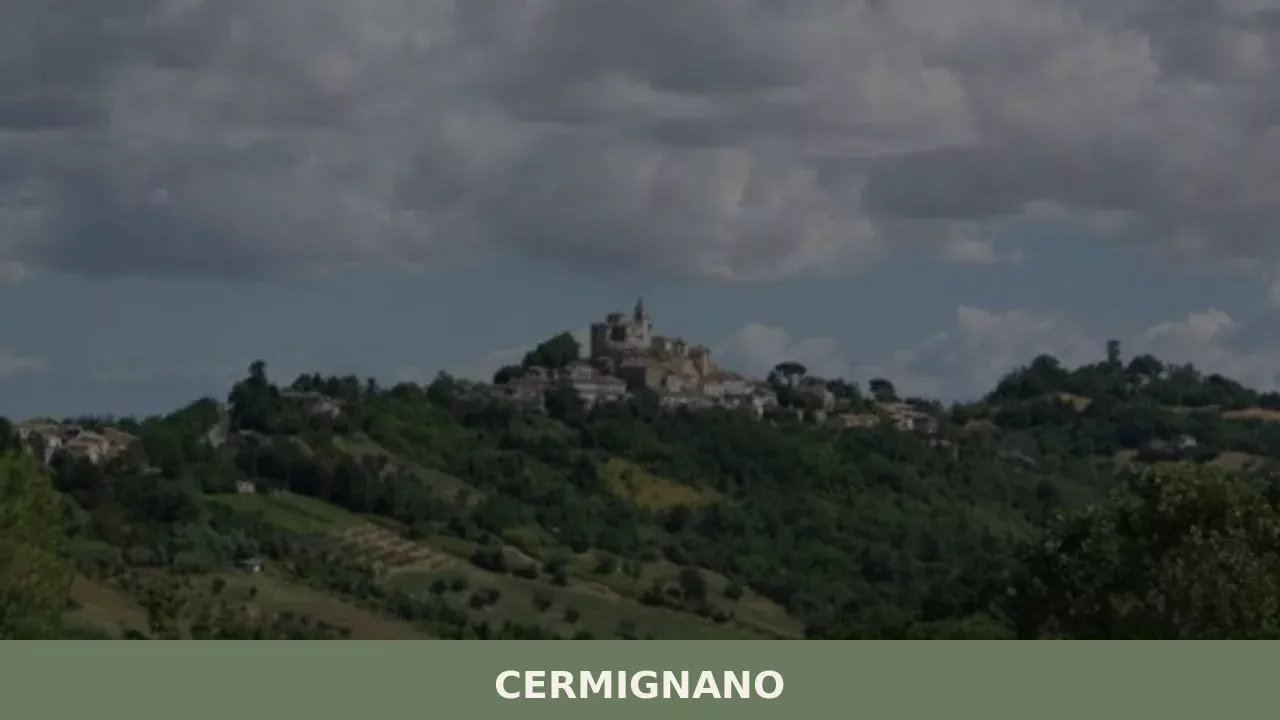
Cermignano
 Hills
Hills
From the heights of Cermignano, at 563 meters above sea level, the gaze embraces the Abruzzese valleys, shaped by a succession of hills sloping down towards the Adriatic Sea. This small center, inhabited by 1,440 people, retains the typical appearance of the rural villages in the province of Teramo, where life still flows at rhythms […]
Discover Cermignano
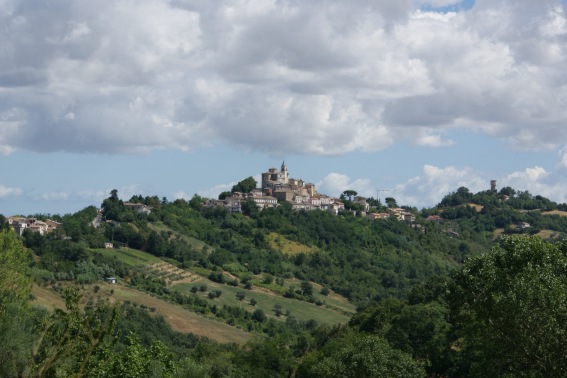
From the heights of Cermignano, at 563 meters above sea level, the gaze embraces the Abruzzese valleys, shaped by a succession of hills sloping down towards the Adriatic Sea. This small center, inhabited by 1,440 people, retains the typical appearance of the rural villages in the province of Teramo, where life still flows at rhythms linked to agriculture and local traditions.
The stone buildings and narrow alleys tell a story of community and resilience, characteristic of this part of the territory.
For those wondering what to see in Cermignano, the village offers an itinerary that touches at least five significant points of interest, from the vestiges of its ancient castle to the churches that have marked its spiritual history.
Visitors to Cermignano find evidence of a medieval past and a genuine provincial atmosphere, ideal for an excursion dedicated to discovering Abruzzo’s historical and cultural heritage.
History and origins of Cermignano
Cermignano’s roots are in the medieval period, with the first documented evidence placing its existence as early as the 10th century. The village developed strategically on a hilltop, a position that guaranteed control over the surrounding territory and protection from incursions. Its foundation is probably linked to pre-existing settlements that later evolved into a fortified inhabited center, typical of the inland areas of Abruzzo in the Teramo region.
The current urban layout, with its compact historic core, reflects this defensive origin.
Over the centuries, Cermignano was part of various feuds, passing under the dominion of noble families who influenced its social and economic development.
The historical events of the village are closely connected to those of the province of Teramo, a territory that saw the alternation of various lordships and the succession of warlike events and periods of relative tranquility. The construction of fortifications, such as the Gualtieri Tower, testifies to the strategic importance that Cermignano held in an often-contested territorial context, similar to that of L’Aquila.
The modern period saw Cermignano consolidate as an agricultural center, maintaining much of its historic urban fabric. Despite social and economic changes, the village has managed to preserve its identity, with buildings that tell the story of the communities that have inhabited it. The most significant transformations have focused on the redevelopment of infrastructure and the maintenance of cultural heritage, preserving the memory of a past that still manifests itself today in its architecture and local traditions.
What to see in Cermignano: main attractions
The Gualtieri Tower
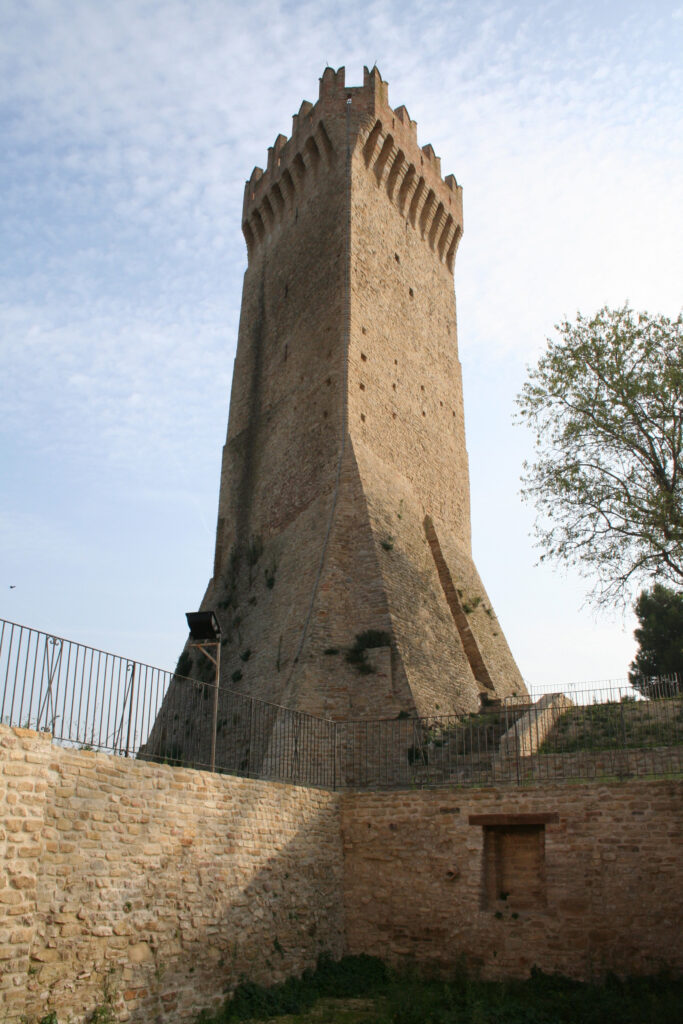
The Gualtieri Tower represents the most evident symbol of Cermignano’s fortified past, rising as a vestige of what was once an imposing medieval castle.
Its stone structure, with thick walls and still visible loopholes, testifies to defensive architecture likely dating back to the 12th or 13th century. This tower, the only surviving element of a larger fortress, dominates the village skyline, offering a privileged vantage point over the surrounding landscape.
Its function was to spot and control communication routes, crucial in an era of frequent feudal conflicts.
The building, despite having undergone modifications and degradation over the centuries, still retains its original character, with a quadrangular base that narrows slightly upwards. The stones used for its construction, typical of the area, show the marks of time but also the solidity of medieval building techniques. Local legend attributes the name “Gualtieri” to an ancient lord of the fief, although historical sources do not provide precise details about his figure.
Ascending near the tower allows one to appreciate not only its grandeur but also to imagine the life that unfolded around these protective walls.
Church of Santa Maria Assunta
The Church of Santa Maria Assunta is Cermignano’s main place of worship, a building that has undergone various transformations but has its origins in medieval architecture. The current façade, while featuring more recent elements, retains traces of its ancient structures, with stone portions alternating with plasterwork. The interior, with a single nave, is characterized by a contemplative atmosphere and features lateral altars dedicated to various saints, some of which are adorned with artworks from later periods.
The church is the spiritual heart of the community and hosts the main religious celebrations, including the patron saint’s feast day.
The bell tower, with its open belfry, rises beside the church, marking the hours of the day and calling the faithful to services. Inside, among the elements of interest, one can observe some fragmentary frescoes and votive canvases that tell the story of popular devotion. The history of the church is inextricably linked to that of the village, bearing witness to the evolution of the community and its artistic and religious expressions.
A visit allows one to understand the central role that faith has played in the lives of Cermignano’s inhabitants over the centuries.
Church of Sant’Eustachio
The Church of Sant’Eustachio, though less imposing than the Church of Santa Maria Assunta, constitutes another significant example of Cermignano’s ecclesiastical heritage. This building, probably smaller in size than the mother church, is dedicated to a saint revered for his story of martyrdom and conversion. Its architecture is simple, characterized by clean lines and local materials, predominantly stone. Its origins could date back to an ancient, perhaps even pre-medieval, period, although subsequent renovations have altered its original appearance.
The interior of the church offers an intimate environment, often used for minor celebrations or as an oratory.
The decorations, if present, are sober and reflect a popular taste, with sacred images and wooden statues. The church’s position, often slightly set back from the busier center, helps create an atmosphere of peace and contemplation.
This small church is an example of the widespread presence of places of worship in Abruzzese villages, each with its own history and function within the community, and helps define what to see in Cermignano for those interested in minor sacred architecture.
Church of Sant’Antonio Abate
The Church of Sant’Antonio Abate is another important piece in the mosaic of religious architectures that can be discovered in Cermignano. Dedicated to the patron saint of animals and farmers, this church reflects the strong agricultural vocation of the territory. Its structure, often more rustic and functional, stands out for the simplicity of its volumes and the use of indigenous materials, such as essentially worked stone.
Its erection is linked to the needs of a rural community seeking protection and blessings for its livestock and harvests.
Inside, it is common to find icons or statues depicting Sant’Antonio Abate with his traditional attributes, such as the pig. The celebrations related to this saint, particularly in January, were moments of great gathering for the population, who brought their animals to be blessed. The church, therefore, was not only a place of prayer but also a point of reference for the traditions and agricultural practices of the community.
Its presence in the village underscores the deep connection between faith, rural life, and local history, asp
what to see in CermignanoThe Historic Center and its Alleys
Cermignano’s historic center winds through a labyrinth of narrow and winding alleys, which open into small squares and unexpected glimpses, revealing the ancient urban structure of the village. The houses, often leaning against each other, are built with local stones, some of which still show the marks of time and artisanal craftsmanship. Walking along these streets allows one to immerse themselves in an atmosphere of tranquility, far from the hustle and bustle of modern cities.
Every doorway, every window, every wrought-iron balcony tells a story of daily life and local craftsmanship.
The squares, although small in size, serve as meeting and socialization points for the inhabitants, keeping the village’s tradition alive. From the heights of the center, panoramic views open up over the Fino Valley and the surrounding hills, which extend to the Apennine peaks. This landscape, changing with the seasons, offers different and evocative sceneries at any time of the year.
Discovering the historic center is an experience that invites you to slow down and observe the details, appreciating the authenticity of a village that has managed to preserve its character over time.
Typical Cuisine and Products of Cermignano
The gastronomic tradition of Cermignano, like that of much of the Teramo hinterland, is deeply rooted in Abruzzese peasant cuisine, characterized by simple and genuine ingredients, the fruit of the land and local farming. The village’s hilly location has fostered a diet based on cereals, legumes, seasonal vegetables, and pork and lamb, with preparations that enhance the authentic flavor of the raw ingredients. Culinary influences derive from its proximity to the coast and mountainous areas, creating a balance between robust flavors and delicacy.
Among the typical dishes of the area, first courses based on homemade pasta stand out, such as the Maccheroni alla chitarra, seasoned with a mixed meat ragù, or the Scrippelle ‘mbusse, thin savory crepes rolled up and served in chicken broth.
There are also second courses of meat, including the inevitable charcoal-grilled lamb Arrosticini, and the Timballo abruzzese, a sumptuous lasagna with layers of scrippelle, ragù, small meatballs, hard-boiled eggs, and cheese.
Local cuisine favors slow cooking and recipes handed down from generation to generation, reflecting the hospitality and generosity of the territory, an aspect shared with other villages like Borrello.
Although there are no specific DOP, IGP, or PAT certified products solely for the municipality of Cermignano, the area is renowned for the production of extra virgin olive oil, obtained from local cultivars, and for Pecorino cheeses, which benefit from the hilly pastures. Artisan cured meats, such as Ventricina Teramana, are equally appreciated, resulting from traditional pork processing.
Montepulciano d’Abruzzo wine, with its robustness and intense aromas, is also an ideal accompaniment for traditional local dishes.
Festivals, Events, and Traditions of Cermignano
Life in Cermignano is marked by traditions and celebrations deeply rooted in history and popular devotion.
The culmination of the festivities is the feast of the Patron Saint, Saint Sylvester, celebrated on December 31st. This observance, despite falling in winter, is a moment of strong community gathering, with participation in religious rites and convivial moments. Celebrations usually include a solemn procession through the village streets, during which the saint’s statue is carried on the shoulders of the faithful, accompanied by hymns and prayers.
In addition to the patron saint’s feast, Cermignano’s calendar may include other events related to the agricultural cycle or minor religious observances, which often translate into food festivals or cultural events. These occasions are an opportunity to taste typical local products and to participate in festive moments that strengthen the community’s sense of belonging. Traditions, although not always documented in every detail, are kept alive through the participation of residents and the oral transmission of customs and practices, contributing to the preservation of the village’s cultural identity.
When to visit Cermignano and how to get there
The best time to visit Cermignano extends from spring to autumn, when the mild climate and longer days allow visitors to fully appreciate the hilly landscape and explore the historic center without the summer heat or winter cold.
Spring offers lush blossoms and pleasant temperatures, ideal for walks and excursions. Summer, though warm, is enlivened by potential local events, while autumn bestows evocative colors upon the landscape and the opportunity to savor the products of the grape harvest and olive picking. Those seeking tranquility and breathtaking views will find these months particularly suitable.
For those wondering how to get to Cermignano, the village is easily accessible by both car and public transport, although the latter requires more planning. By car, the nearest motorway exit is Roseto degli Abruzzi on the A14, from which you continue for about 20 kilometers towards the inland.
Alternatively, from the A24 Rome-Teramo, you can exit at Teramo and follow signs for Cermignano, about 25 kilometers away. The nearest train station is Giulianova or Teramo, both served by regional trains, from which you can continue with local buses that connect smaller towns.
The most convenient airport is Abruzzo Airport in Pescara, located about 50 kilometers away, which offers connections to various Italian and European cities; for more details on flights, you can consult the airport’s official website. After discovering what to see in Cermignano, you can extend your itinerary towards Castellafiume, another Abruzzese village that offers an immersion into local traditions.
| Starting point | Distance | Estimated time |
|---|---|---|
| Teramo | 25 km | 30 minutes |
| Roseto degli Abruzzi (A14 exit) | 20 km | 25 minutes |
| Pescara (Abruzzo Airport) | 50 km | 50 minutes |
Frequently asked questions about Cermignano
What is the best time to visit Cermignano?
Spring and autumn offer mild temperatures for exploring the historic center and surrounding hills, with nature in full bloom or warm foliage. Summer brings local events and food festivals, perfect for experiencing the vibrant community spirit. For a more intimate visit, consider December, when the feast of the patron saint San Silvestro is celebrated, providing a traditional atmosphere. Winter can also be evocative with potential snow, though the climate may be harsh.
What to see in Cermignano? Main monuments and landmarks
In Cermignano, explore the Church of Saint Sylvester Pope, the main place of worship housing sacred artworks. Admire Palazzo De Sterlich, a historic noble residence reflecting past elegance. Wander through the charming Historic Center, a maze of stone streets and traditional architecture. Discover the Old Fountain, a symbol of the village's history and water supply. Finally, don't miss the panoramic Viewpoint over the Vomano Valley, offering breathtaking vistas stretching to Gran Sasso and Maiella.
What are the main natural or scenic attractions of Cermignano?
The primary natural attraction is the spectacular Viewpoint over the Vomano Valley. From here, visitors can enjoy expansive panoramas that encompass the entire valley, extending towards the Adriatic Sea, and on clear days, even reaching the majestic peaks of Gran Sasso and Maiella. The village's hillside location, at 563 meters above sea level, also provides a serene natural setting, ideal for gentle walks through the surrounding countryside dotted with olive groves.
Where to take the best photos in Cermignano?
For stunning landscape photography, head to the Viewpoint over the Vomano Valley, capturing its vast panoramas of the valley, Gran Sasso, and Maiella. Within the village, the Historic Center offers picturesque opportunities: focus on the narrow stone streets, ancient doorways, and architectural details that tell the story of Cermignano. The facades of the Church of Saint Sylvester Pope and Palazzo De Sterlich also provide excellent subjects for capturing the village's unique character.
Are there museums, churches or historic buildings to visit in Cermignano?
Cermignano features significant historical buildings and religious sites. The Church of Saint Sylvester Pope is the main place of worship, notable for its architectural evolution from Romanesque to Baroque and its interior preserving sacred artworks. Palazzo De Sterlich stands out as an elegant historic residence. The entire Historic Center, with its consolidated urban fabric of stone constructions and traditional details, functions as an open-air testament to centuries of history.
What can you do in Cermignano? Activities and experiences
In Cermignano, visitors can immerse themselves in the tranquil hillside atmosphere. Enjoy leisurely walks through the historic center, discovering its ancient alleys and architectural nuances. Take scenic strolls in the surrounding countryside, appreciating the panoramic views over the Vomano Valley. During summer, participate in local events and food festivals, offering a genuine taste of Abruzzese culture and traditional cuisine, a perfect way to experience the village's vibrant community life.
Who is Cermignano suitable for? Families, couples, hikers, solo travelers?
Cermignano is ideal for travelers seeking a peaceful and authentic Italian experience away from crowded tourist routes. It appeals to couples and solo travelers looking for tranquility, history, and local culture. Families can enjoy gentle exploration and the genuine atmosphere. Hikers and nature lovers will appreciate the surrounding hillside landscape and panoramic viewpoints. It's perfect for anyone desiring an immersive taste of the lesser-known, traditional Abruzzo.
What to eat in Cermignano? Local products and specialties
Cermignano's cuisine reflects the rich traditions of Teramo Abruzzo. Must-try dishes include maccheroni alla chitarra, often served with a hearty mixed meat ragù, and scrippelle 'mbusse, delicate crepes in chicken broth. Lamb, from local farms, features prominently, especially grilled or baked with potatoes. Don't miss local products like Teramane Hills PDO Extra Virgin Olive Oil, Teramo ventricina, artisanal pecorino cheeses, and the excellent Montepulciano d'Abruzzo and Trebbiano d'Abruzzo wines.
📷 Photo Gallery — Cermignano
Nearby Villages near Cermignano
In Abruzzo More villages to discover
Castilenti
Hills
At 272 metres above sea level, along the valley of the Fino torrent, Castilenti has a current population of 1,346 and occupies a stretch of hilly terrain in the province of Teramo where olive cultivation marks the landscape with orderly rows of trees and still-active oil mills. Anyone wondering what to see in Castilenti will […]
Casalanguida
Hills
With its 818 registered inhabitants and an elevation of 470 metres above sea level, Casalanguida occupies a hilltop ridge in the middle Sinello valley, in the province of Chieti. The municipal territory extends across vineyards and olive groves that mark the landscape with regular geometric patterns, visible from the provincial road that climbs up from […]
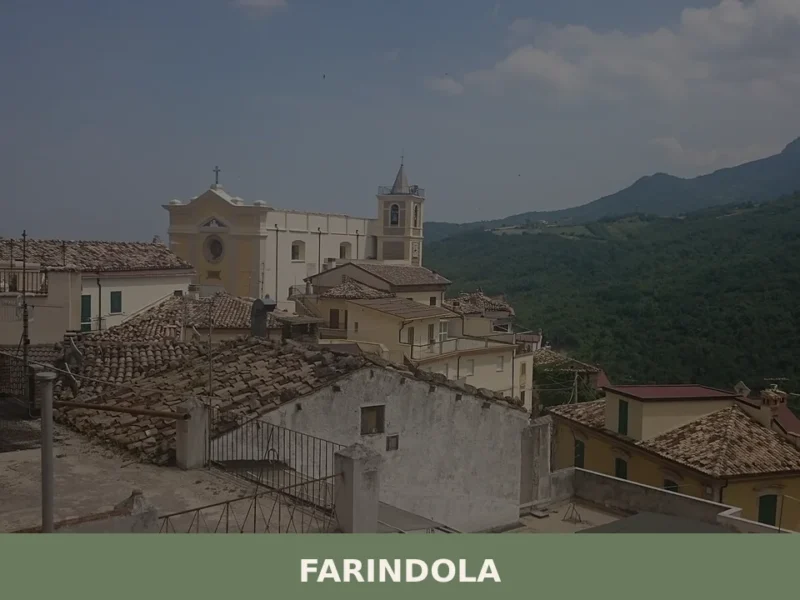
Farindola
 Mountain
What to see in Farindola, Abruzzo, Italy: explore the 28 m Vitello d'Oro falls, Gran Sasso National Park and Pecorino di Farindola. Discover 1,569 inhabitants strong.
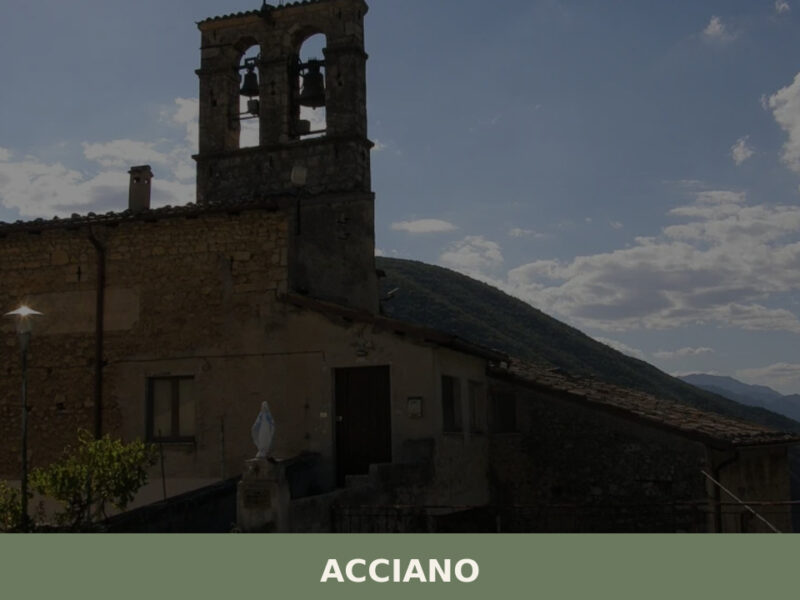
Acciano
Mountain
Morning light falls across stone walls the colour of dried wheat, and the only sound is water — a fountain somewhere below the main road, feeding a trough that has served this valley for centuries. Acciano sits in the Aterno Valley south of L’Aquila, a commune of just 339 inhabitants spread across a handful of […]
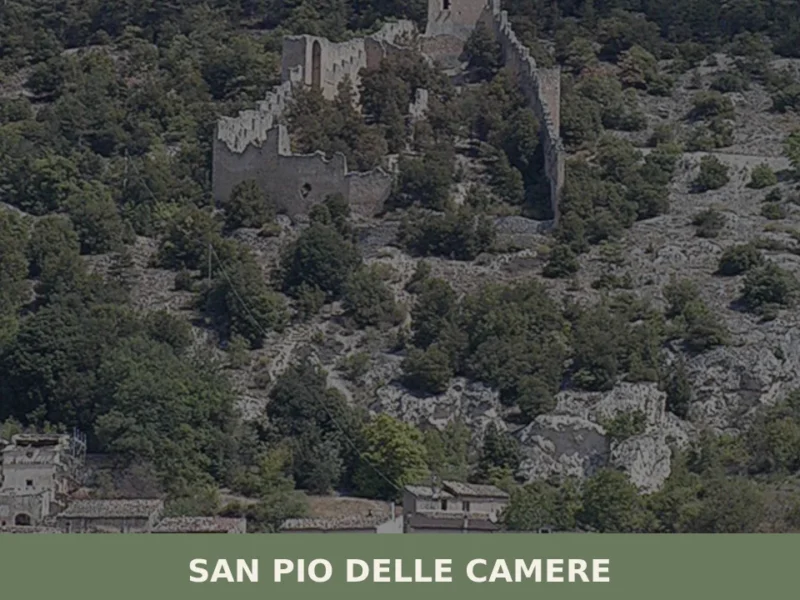
San Pio delle Camere
Mountain
What to see in San Pio delle Camere, Abruzzo, Italy: explore 5 top attractions including a medieval castle and Peltuinum ruins. Discover this L'Aquila village.
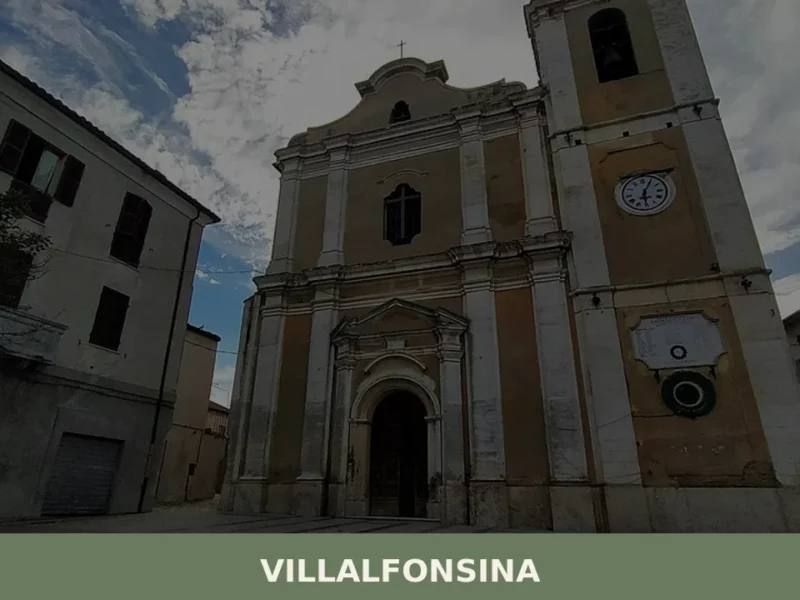
Villalfonsina
Hills
Villalfonsina has 895 inhabitants and sits at 203 metres above sea level, on a hillside terrace overlooking the coastal plain of the central Adriatic, in the province of Chieti. Its name carries a precise historical reference: the dedication to a feudal lord of the d’Avalos family, Alfonso, who left a lasting mark on the village […]
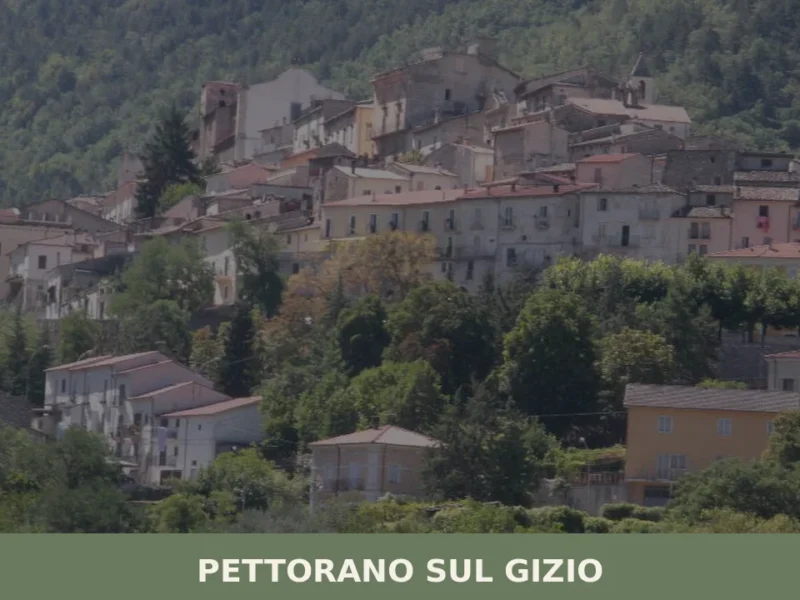
Pettorano sul Gizio
Mountain
what to see in pettorano sul gizio, Italy. Explore Cantelmo Castle and the Gizio River, home to Baron Michele Leone (1909-1988). Discover this beautiful Abruzzese village.
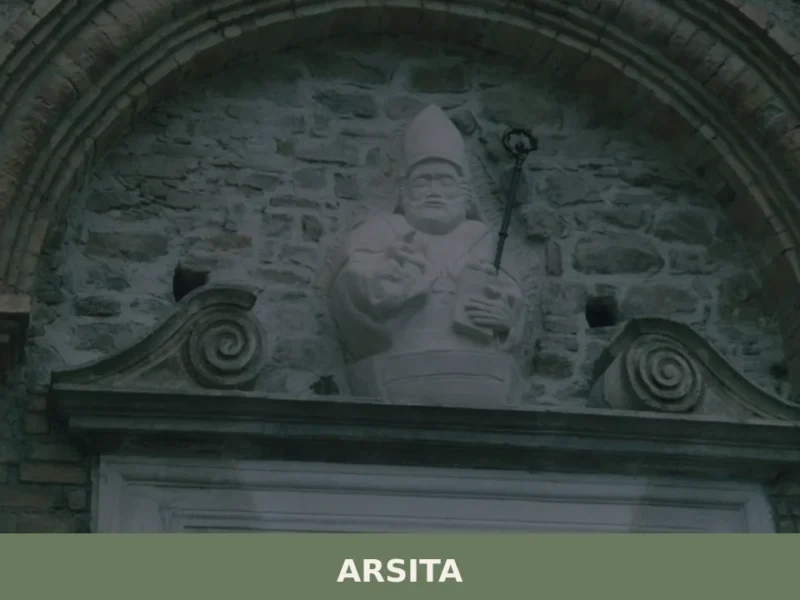
Arsita
Hills
Until 1905, this village was called Bacucco, a name likely derived from the Latin bacuca, which referred to olives that had fallen to the ground — a direct reference to the agricultural character of the area. Situated at 470 metres above sea level on the hills of the Teramo province, Arsita and its 733 inhabitants […]
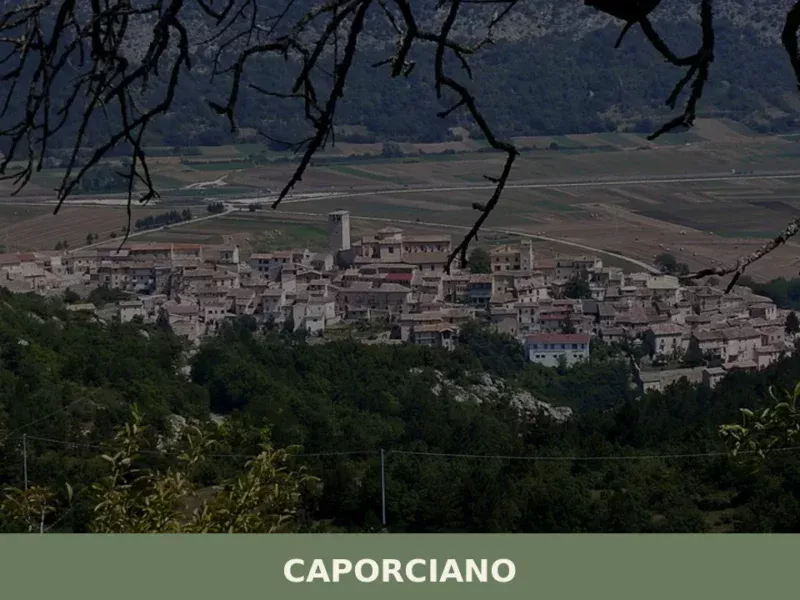
Caporciano
Mountain
Caporciano, a small village near L'Aquila between history and nature: discover what to see, how to get there and the top places to visit. Plan your trip.
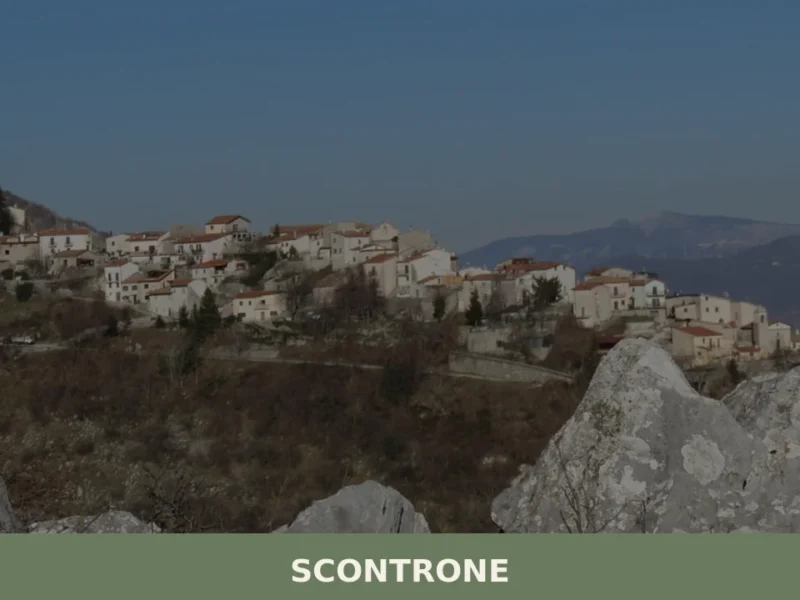
Scontrone
Mountain
What to See in Scontrone: explore the 5 top attractions in this Abruzzo village, featuring history and nature. Read the guide and plan your visit!



🏡 Know Cermignano better than we do?
If you’re a local or have been there, your knowledge matters: add what’s missing or fix a detail on this page.