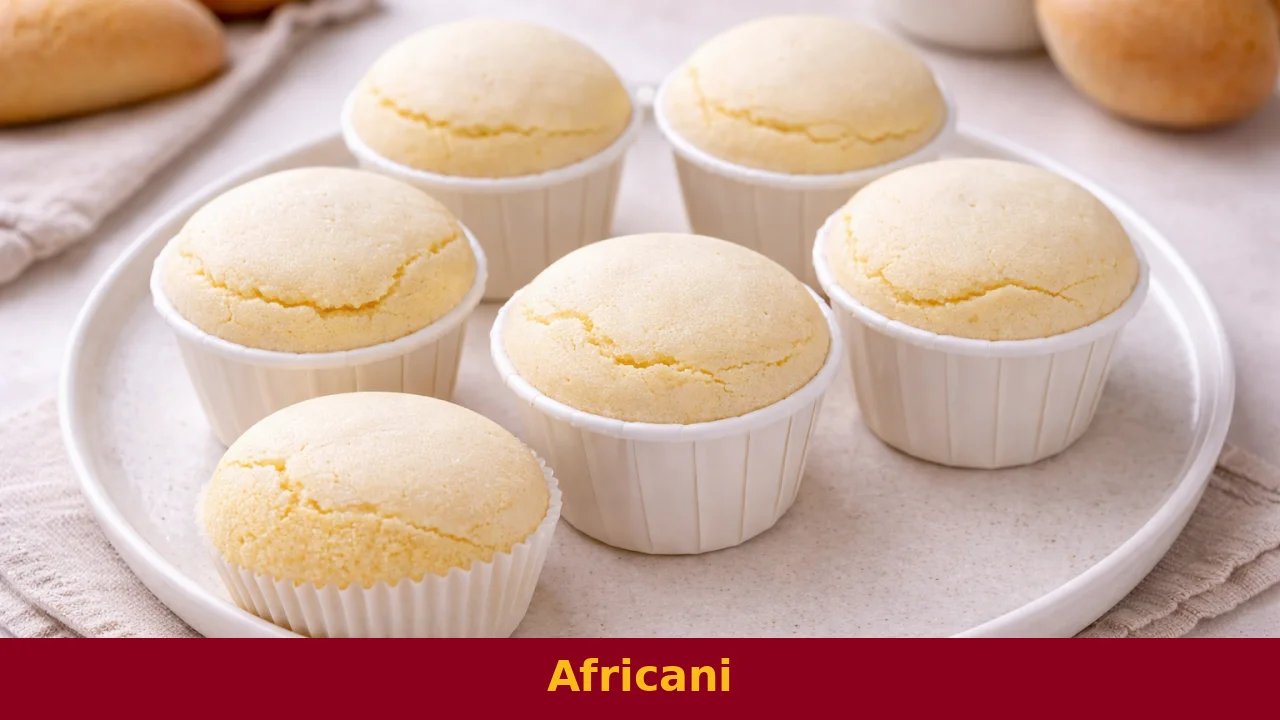
In the center of Salento, where history meets genuine flavors, a dessert of disarming simplicity emerges, bearing a name that evokes mystery: Africani. These biscuits, originating in the city of Galatina, are a small masterpiece of Apulian pastry-making, an expression of a tradition rooted in egg yolks and sugar, primary ingredients of a tasting experience…
In the center of Salento, where history meets genuine flavors, a dessert of disarming simplicity emerges, bearing a name that evokes mystery: Africani. These biscuits, originating in the city of Galatina, are a small masterpiece of Apulian pastry-making, an expression of a tradition rooted in egg yolks and sugar, primary ingredients of a tasting experience that has nourished generations and marked special moments. Their ice-white color and distinctive texture make them a symbol of sweetness and a culinary culture abundant in surprises, an invitation to discover a region where every bite tells a story.
Africani are a traditional Apulian agri-food product, classified under fresh pasta and bakery, biscuit, pastry, and confectionery products. These are essential and refined biscuits, composed primarily of egg yolks and sugar. Their shape is distinct: a parallelepiped measuring approximately 4 cm in width, 2 cm in height, and 10 cm in length. The color that distinguishes them is a delicate ice-white, almost ethereal. Since the last century, these Salento biscuits were considered an energy food, often offered on significant occasions, such as the birth of a child, highlighting their role as not only gastronomic but also social and emotional.
The history of Africani unfolds between the late eighteenth and early nineteenth centuries, a period of significant cultural and gastronomic activity in Puglia. Originally, these biscuits were known as “apostles’ fingers,” a name that perhaps alluded to their elongated shape and purity. The change to “africani” remains shrouded in mystery even today, a curiosity that adds appeal to this traditional dessert. The oldest known recipe for us is already present in “Il Cuoco Galante” by Corrado (1773), providing evidence of a profound and established tradition. Their preparation has been passed down from generation to generation, mainly orally, by Salento master confectioners, who have carefully preserved the secrets of this simple yet meaningful dessert. They were a valuable gift, a symbol of good wishes and energy, solidifying their place in the popular culture of Galatina and its surroundings. To learn more about the history of local pastry-making, it is helpful to consult resources such as Storia della pasticceria a Galatina.
The area of origin and production of Africani is closely tied to the Province of Lecce, the vibrant core of Salento. It is here, particularly in the historic city of Galatina, that these biscuits have found their fullest expression and where the tradition of their preparation is most active. Salento, with its Mediterranean climate and agricultural abundance, provides an ideal setting for cultivating products that, indirectly, nourish the local culinary culture, even though for Africani, the ingredients are few and carefully chosen. The inclusion of Africani in the national list of Traditional Agri-food Products (PAT) in 2004 further recognized and enhanced the indissoluble bond between this dessert and its region of origin, making it a true ambassador for traditional products from PUGLIA. The production period for these biscuits extends throughout the year, making them available in every season.
The production of Africani exemplifies how a few ingredients and meticulous processing can create a product of great value. The traditional recipe calls for the exclusive use of egg yolks and sugar, in a precise proportion: three yolks for every 100 grams of sugar. The process begins by vigorously mixing the egg yolks and sugar in a pot, using a wooden spoon, for about thirty minutes. This phase is crucial for incorporating air and achieving a soft cream, characterized by small air bubbles on the surface. Once the desired consistency is reached, the mixture is carefully transferred into rectangular parchment paper molds of specific dimensions (approximately 10×4 cm at the base and 2 cm in height). The biscuits are then baked at 200 °C for about five minutes. After baking, it is essential to let the product cool for four to five hours before removing it from the mold. Optimal preservation occurs in airtight glass jars to maintain their delicate fragrance and texture. For those wishing to try their hand at preparation, detailed guides are available, such as the one on Come preparare gli africani.
Africani are distinguished by a sensory profile that reflects their simplicity and careful preparation. Visually, they appear as elegant parallelepipeds, of consistent dimensions (approximately 4 cm in width, 2 cm in height, and 10 cm in length), with an unmistakable and distinctive ice-white color. To the touch, the surface is smooth and delicate. Upon tasting, the texture is surprisingly light and crumbly, almost melting in the mouth, leaving a velvety sensation. The flavor is intensely sweet, with a predominant and enveloping note of egg yolk, which imparts a rich yet balanced taste, free from excess. The aroma is subtle, inviting, a scent of traditional pastry that evokes comfort and memories. These are biscuits that, despite their essential nature, offer a complexity of gustatory sensations, making them distinct within the landscape of Italian traditional food products.
Traditionally, Africani were valued as an energy food and as a special gift on festive occasions or to celebrate significant events. Today, their versatility makes them perfect for various occasions. They are ideal to enjoy on their own, as a refined after-meal treat or as a sweet break during the day. Their delicate texture makes them an excellent accompaniment for an espresso coffee, an afternoon tea, or, for a more sophisticated experience, paired with sweet meditation wines, such as a Salento Passito, which enhances their sweetness without overpowering it. They can also be crumbled over artisan ice creams or dessert creams to add a crunchy note and a distinctive flavor. Their simplicity allows one to appreciate their true character, making them a small daily luxury or an elegant touch for special occasions.
Africani stand out as a unique product due to a combination of factors that extend beyond the simple recipe. Their distinctiveness lies primarily in the surprising complexity of taste that emerges from just two main ingredients: egg yolks and sugar. This essential quality, combined with precise and careful processing, creates a biscuit with an unmistakable texture and flavor. The mystery surrounding the name change from “apostles’ fingers” to “africani” adds an element of appeal and curiosity, further connecting them to local narratives and legends. Their history spanning centuries, passed down orally from generation to generation by the confectioners of Galatina, demonstrates a profound connection to the region and its traditions. They are not merely a dessert, but a piece of culture, a symbol of hospitality, and an expression of Salento’s ability to transform simplicity into excellence. They are an iconic dessert that embodies the true spirit of Apulian pastry-making.
Africani enjoy the prestigious recognition as an Italian Traditional Agri-food Product (PAT), having been included in the national list in 2004. This certification underscores their historical, cultural, and gastronomic value, ensuring that their production adheres to methods established over time and is closely tied to the region. For further protection and promotion of quality, the collective trademark “Dolce in Salento” was registered in 2007. Promoted by the Salento Confectioners Association of Confartigianato Lecce, this trademark aims to ensure the use of “the right ingredients” in the preparation of a selection of typical artisan Lecce sweets, including Africani. Such recognitions not only safeguard the true nature of this biscuit but also promote its widespread knowledge, ensuring that future generations can continue to savor a product that is an integral part of Puglia’s gastronomic heritage.
To savor the genuine experience of Africani, the ideal place is undoubtedly their land of origin. You can find them for direct sale at pastry shops and artisan bakeries in Galatina, where tradition is kept alive with passion. Also in other locations in the province of Lecce, such as the splendid Otranto or the lively Lecce, many establishments offer these biscuits, often prepared according to family-passed-down recipes. Local markets and the numerous food and wine fairs that invigorate Salento throughout the year represent an excellent opportunity to discover and purchase Africani directly from producers. Visiting these places means not just buying a dessert, but immersing oneself in a sensory journey that combines taste with the discovery of landscapes, traditions, and the warmth of the Salento people, making the tasting of Africani an indelible experience and an invitation to explore the entire region.
📷 Photo: Villagesitaly · Villagesitaly License · All credits →
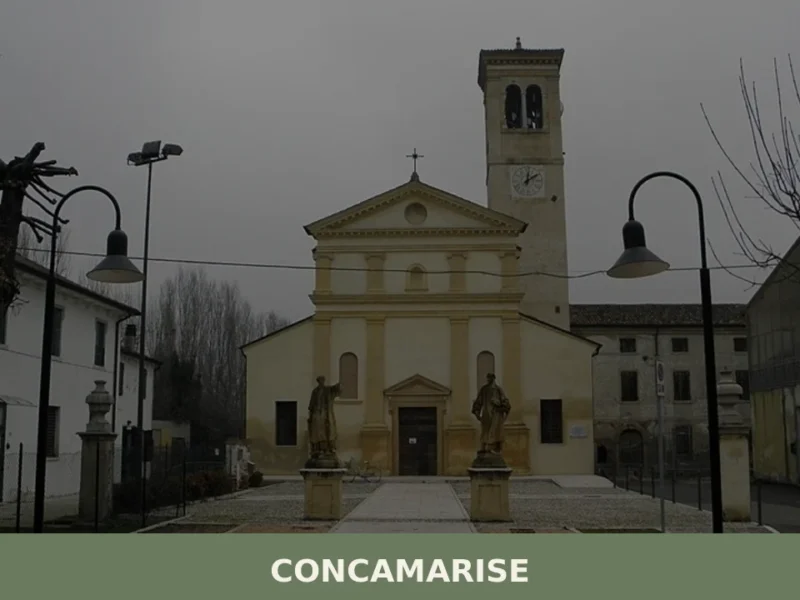
Concamarise, a municipality in Verona province with 1,053 inhabitants, rises only 21 meters above sea level, located in the Bassa Veronese, an area known for its long-standing agricultural tradition and complex hydrographic network. Its very name suggests a connection with water: “Conca” refers to a territorial depression, while “Marise” is likely linked to the marshy […]
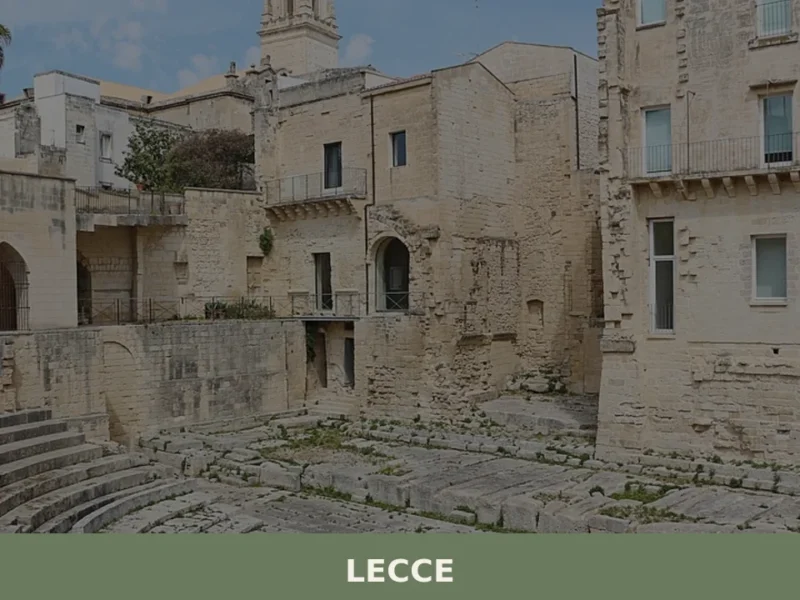
In the centre of Salento, on 26 August, the city of Lecce celebrates its patron saint, Sant’Oronzo, with a solemnity that unfolds among the scrolls and friezes of pale limestone. It is on days like these that the Lecce Baroque, the dominant stylistic hallmark, reveals itself in all its expressiveness, narrating centuries of history and […]
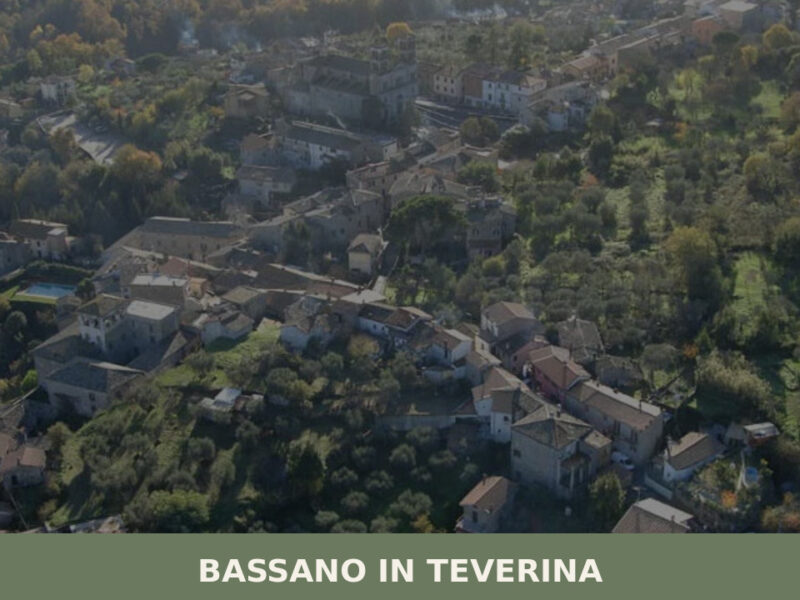
Standing at 304 metres above sea level, with a population of 1,260, Bassano in Teverina occupies a tuff plateau overlooking the Tiber valley in the province of Viterbo. The village owes the second part of its name to the river that flows just a few kilometres to the east — a geographical reference that distinguishes […]
📝 Incorrect information or updates?
Help us keep the Africani page accurate and up to date.


