


Concamarise
 Plains
Concamarise, a municipality in Verona province with 1,053 inhabitants, rises only 21 meters above sea level, located in the Bassa Veronese, an area known for its long-standing agricultural tradition and complex hydrographic network. Its very name suggests a connection with water: “Conca” refers to a territorial depression, while “Marise” is likely linked to the marshy […]
Discover Concamarise
Concamarise, a municipality in Verona province with 1,053 inhabitants, rises only 21 meters above sea level, located in the Bassa Veronese, an area known for its long-standing agricultural tradition and complex hydrographic network. Its very name suggests a connection with water: “Conca” refers to a territorial depression, while “Marise” is likely linked to the marshy and reclaimed areas that have shaped the landscape for centuries. For those wondering what to see in concamarise, the village offers an immersion in a rural setting where history is evident through civil and religious architecture, and where the patron saint’s festival of San Lorenzo, on August 10th, enlivens the community with celebrations deeply rooted in local tradition. Exploring Concamarise reveals a Venetian microcosm, distant from the most frequented tourist routes, yet full of details to observe.
History and Origins of Concamarise
The origins of the Concamarise territory lie in a geological and historical past connected to the presence of extensive marshlands, which were later subject to significant reclamation works. Already in Roman times, the region saw centuriation efforts and the construction of canals for water management, elements that foreshadowed today’s agrarian landscape. The name “Concamarise” reflects this hydrogeological reality, suggesting a “conca” or ground depression, probably once a marsh or wetland, from which “Marise” might derive, indicating a watery area.
In the Middle Ages, the village was part of the broader Veronese feudal system, under the control of various noble families and the influence of local lordships, such as the Scaligeri. Its strategic position, though not elevated, along waterways and minor communication routes, made it a reference point for agricultural activities and water resource management. Historical documents confirm the presence of churches and rural settlements, which developed around pre-existing residential cores, contributing to the current configuration of the town. To learn more about the municipality’s history, you can consult the official website of the Municipality of Concamarise.
What to see in concamarise: 5 essential attractions
The Parish Church of San Lorenzo Martire
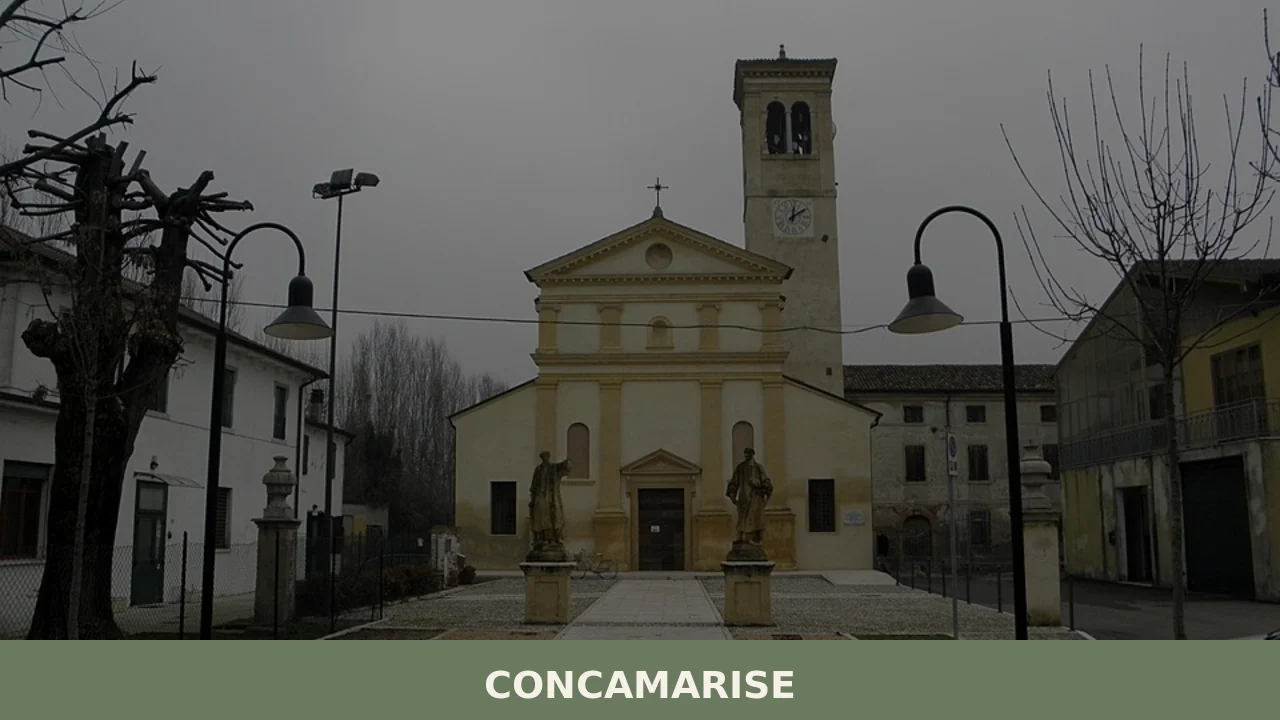
Dedicated to the village’s patron saint, celebrated on August 10th, the Church of San Lorenzo Martire represents the religious and historical core of Concamarise. Its current structure, resulting from renovations and expansions over centuries, preserves architectural elements that attest to its various construction phases. Inside, visitors can observe sacred artworks, frescoes, and wooden furnishings that reflect the taste and devotion of the communities that have frequented it.
Villa Bresciani
This historic villa, typical of Venetian rural architecture, is an example of the stately residences that dotted the area. Although not always open to the public, its facade and external structure offer an idea of the lifestyle and importance of the families who resided there. The villa is surrounded by a park, which, in line with the traditions of the era, was often used as an Italian or English garden.
Corte Marchesini
A historic rural complex that includes residential and rustic buildings, Corte Marchesini is an example of how agricultural activity has shaped local architecture. These “corti” (courtyards/farmsteads) were the center of large landholdings, where peasant life unfolded and crops were managed. Observing its layout allows for an understanding of the village’s social and economic organization in past centuries.
The Emissary Canal of the Valli Grandi Veronesi
The importance of water management is a constant in the history of Concamarise. The Emissary Canal of the Valli Grandi Veronesi is a significant hydraulic work, part of the vast reclamation system that has made this portion of the plain fertile. Walking along its banks offers a perspective on human labor in transforming the landscape and its influence on the surrounding environment. More information on the hydrographic context can be found on Wikipedia Italy.
Piazza XX Settembre
Concamarise’s main square, Piazza XX Settembre, represents the civil core of the village. The Town Hall and other historic buildings face onto it, serving as a meeting point for the community. It is the space where public events take place and where the rhythm of daily life in the town is most visible, offering a genuine insight into local reality.
Typical Cuisine and Local Products
The cuisine of Concamarise, like that of the Bassa Veronese, is rooted in peasant tradition and closely tied to the products of the land and inland waters. The undisputed star is Vialone Nano IGP Rice, the base for creamy and flavorful risottos, often cooked with pork, frogs, or catfish, typical of local waterways. Among the most representative dishes are risotto all’isolana and risotto with saltarèi (small fried freshwater shrimp). Meat-based preparations are also common, such as bollito with pearà, a sauce made from bone marrow, bread, and broth, and dishes featuring chicken and rabbit.
Beyond rice, the area offers other excellent products. Verona Asparagus, with its delicate flavor, is a highly prized seasonal product. The confectionery tradition includes simple sweets, often associated with festivities, such as the Veronese focaccia. During local festivals, it is possible to taste these specialties and discover the genuine flavors of a gastronomy that has preserved its character over time, celebrating the richness of local produce and culinary ingenuity.
When to Visit Concamarise: The Best Time
The best period to visit Concamarise extends from spring to autumn. Spring (April-May) offers a mild climate and blooming fields, ideal for walks and enjoying the rural landscape. Summer, especially around August 10th, the day of the patron saint’s festival of San Lorenzo, sees the village come alive with celebrations and events, although temperatures can be high, typical of the Venetian plain.
Autumn (September-October) provides temperate weather and the opportunity to witness activities related to agricultural harvesting, such as rice, offering a more genuine experience of the area’s life cycle. Winter, with its morning fogs, can lend a specific atmosphere, but temperatures are colder and days shorter, making outdoor exploration less convenient.
How to Get to Concamarise
Concamarise is mainly accessible by private transport, given its location in the Bassa Veronese.
- By car: From Verona, you can take the SR10 or SP2. The nearest motorway is the A4 (Milan-Venice), exit Verona Sud, or the A22 (Brennero-Modena), exit Verona Nord, then continue on provincial roads towards Legnago.
- By train: The nearest railway station is Legnago, which is about 15 km from Concamarise and is connected to Verona Porta Nuova and other Venetian cities. From Legnago, you can continue by local bus service or taxi.
- By plane: The nearest airport is Verona-Villafranca “Valerio Catullo” Airport (VRN), located approximately 40 km away. From the airport, you can rent a car or use public transport services to reach Verona Porta Nuova station and then continue as indicated above.
Other Villages to Discover in Veneto
Veneto is a region rich in villages that preserve histories and traditions, often concealed within landscapes of great interest. Not far from Concamarise, in the same province of Verona, is Bevilacqua, known for its imposing medieval castle, a well-preserved fortress that offers a journey through time amidst frescoed halls
Frequently asked questions about Concamarise
What is the best time to visit Concamarise?
The ideal window runs from April to October. Spring brings mild temperatures and flowering fields perfect for countryside walks. The highlight of the summer calendar is August 10th, the feast of San Lorenzo, when the village celebrates its patron saint with traditional festivities and a lively community atmosphere. Autumn (September–October) is excellent for experiencing rice and asparagus harvests and enjoying temperate weather. Winter is less recommended for outdoor visits due to cold temperatures and the characteristic dense fog of the Venetian plain.
What are the historical origins of Concamarise?
Concamarise's roots stretch to Roman times, when centuriation and canal-building shaped the plain for agriculture and water drainage. The name itself reflects this past: 'Conca' denotes a ground depression, while 'Marise' points to former marshlands progressively reclaimed over centuries. During the Middle Ages the village entered the Veronese feudal system and came under the influence of local lordships including the Scaligeri. Medieval documents record the presence of churches and rural settlements that gradually formed the current town layout.
What to see in Concamarise? Main monuments and landmarks
The Parish Church of San Lorenzo Martire is the village's spiritual and architectural centerpiece, housing frescoes, sacred artworks and historic wooden furnishings. Piazza XX Settembre, the civic heart, faces the Town Hall and hosts community events. Villa Bresciani offers a fine example of Venetian rural stately architecture set within a period park. Corte Marchesini illustrates the traditional farmstead layout central to agrarian life. The Emissary Canal of the Valli Grandi Veronesi, a major land-reclamation waterway, is walkable along its banks and represents the area's hydraulic heritage.
What are the main natural or scenic attractions of Concamarise?
The flat agricultural landscape of the Bassa Veronese is the defining natural feature of Concamarise. The Emissary Canal of the Valli Grandi Veronesi runs through the territory and offers leisurely walks along its banks, providing a direct encounter with the historic land-reclamation system that transformed this once-marshy plain into fertile farmland. The surrounding rice paddies and open fields create wide, evocative views typical of the Venetian lowlands, especially striking in spring and during the autumn harvest season.
Where to take the best photos in Concamarise?
The most photogenic spots in Concamarise are concentrated in its rural and civic core. The facade of the Church of San Lorenzo Martire frames well against the village skyline. Piazza XX Settembre, with the Town Hall and surrounding historic buildings, provides classic village-square compositions. The banks of the Emissary Canal of the Valli Grandi Veronesi offer wide open views across the reclaimed plain, particularly atmospheric at dawn when morning mist hovers over the water and rice paddies in spring and summer.
Are there museums, churches or historic buildings to visit in Concamarise?
The main religious building is the Parish Church of San Lorenzo Martire, dedicated to the village patron and containing frescoes, sacred artworks and period furnishings accumulated across several renovation phases. Among historic civil structures, Villa Bresciani stands out as a notable example of Venetian rural aristocratic architecture, though public access may be limited. Corte Marchesini, a traditional agricultural courtyard complex, and Piazza XX Settembre with the Town Hall complete the built heritage worth observing during a visit.
What can you do in Concamarise? Activities and experiences
Concamarise lends itself to slow, immersive rural tourism. Walking or cycling along the Emissary Canal of the Valli Grandi Veronesi is the main outdoor activity, allowing visitors to appreciate the reclaimed landscape at a relaxed pace. The August 10th feast of San Lorenzo offers a genuine local festival experience with traditional celebrations. Food enthusiasts can seek out risottos made with Vialone Nano IGP rice and other Bassa Veronese specialties at local trattorias or during village festivals, connecting directly with the area's deep agricultural identity.
Who is Concamarise suitable for? Families, couples, hikers, solo travelers?
Concamarise suits visitors who appreciate authentic, off-the-beaten-track rural Italy. Couples and slow-travel enthusiasts will enjoy the quiet countryside, historic architecture and local gastronomy without crowds. Families with older children can explore the canal banks and village squares comfortably, as the completely flat terrain requires no physical effort. Food and wine lovers will find the area compelling thanks to Vialone Nano IGP rice dishes and Bassa Veronese culinary traditions. The village is less suited to travelers seeking nightlife, beaches or mountain adventures.
What to eat in Concamarise? Local products and specialties
The table in Concamarise reflects the peasant cuisine of the Bassa Veronese. Vialone Nano IGP rice, grown in the surrounding paddies, is the cornerstone ingredient: look for risotto all'isolana and risotto with saltarèi (small freshwater shrimp). Bollito misto served with pearà — a robust sauce of bone marrow, breadcrumbs and broth — is a Veronese classic also found in this area. Verona Asparagus is a prized seasonal product in spring. Local festive baking includes simple traditional sweets such as Veronese focaccia.
Nearby Villages near Concamarise
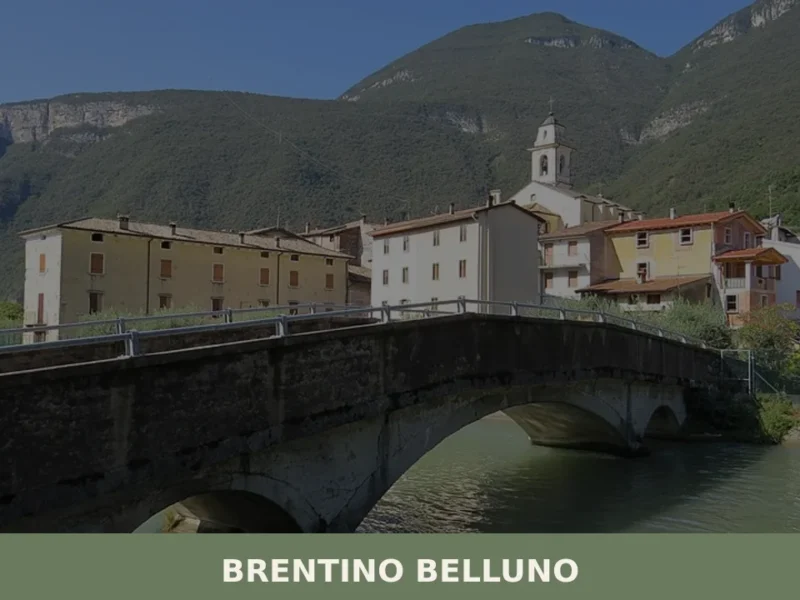
In Veneto More villages to discover
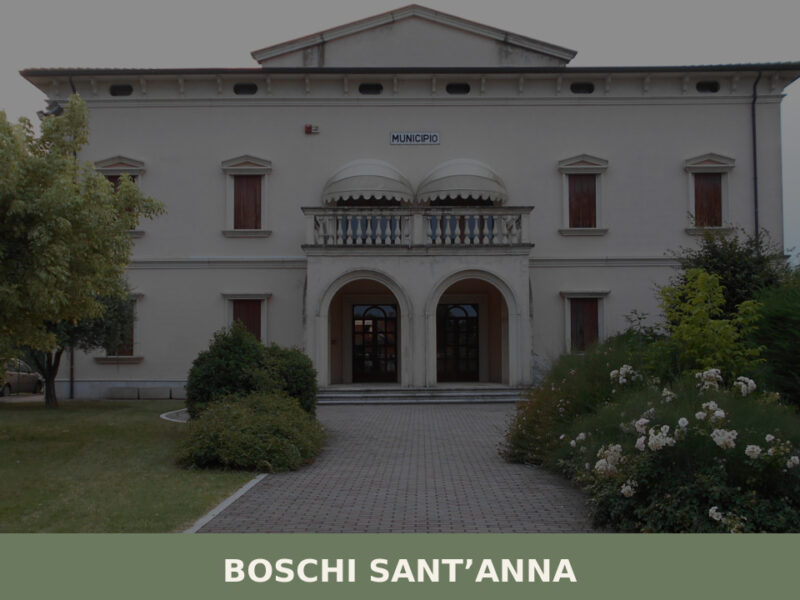
Boschi Sant’Anna
Plains
A quiet farming village of 1,359 inhabitants on the Veronese plain. Discover what to see in Boschi Sant'Anna, from its parish church to the canal-laced agricultural landscape.

Salzano
Plains
A lowland comune of 12,770 people where thermal springs, industrial heritage and religious art converge. Home to Pope Pius X and a bell tower that has stood since the 1700s.

Marostica
 Hills
Hills
Marostica draws visitors with its world-famous living chess match and over 600 years of Scaligeri and Venetian architecture. The IGP cherry alone is worth the detour.
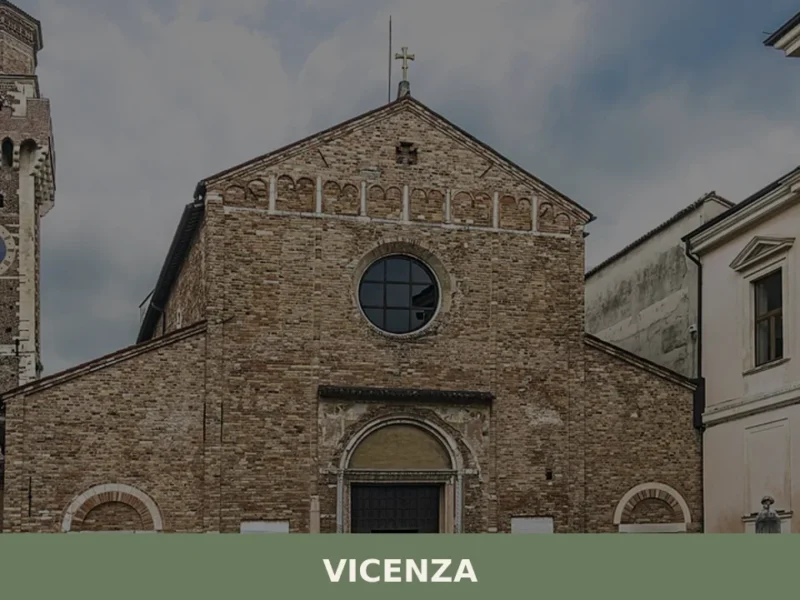
Vicenza
Plains
Village of Vicenza: Explore 1 architectural masterpiece, the Olympic Theatre, and taste traditional baccalà. Plan your Italy trip now!
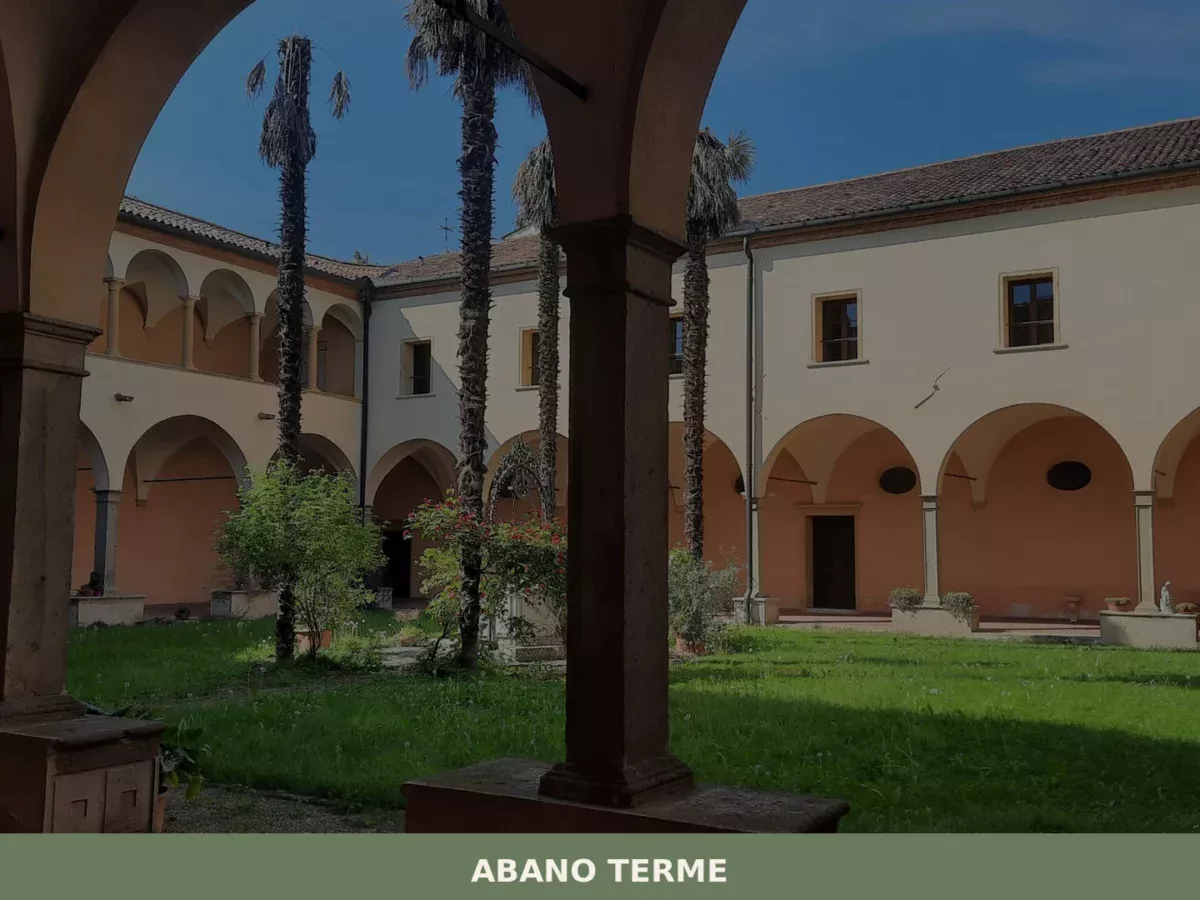
Abano Terme
Plains
Discover what to see in Abano Terme: Roman thermal history, the Euganean Hills park, local DOC wines, and practical travel tips for Veneto's top spa town.
Erbezzo
 Mountain
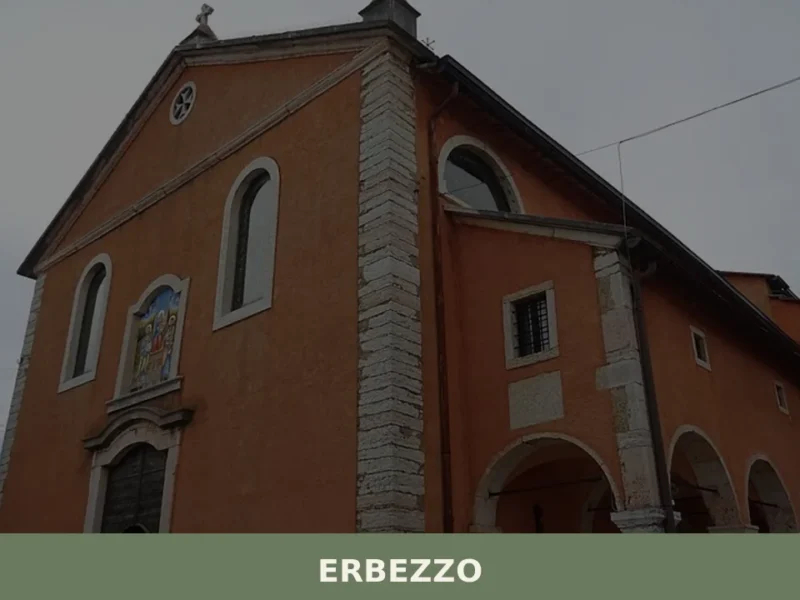
At 1,118 metres above sea level, on the eastern edge of the Veronese Lessinia, Erbezzo has 756 inhabitants spread between the municipal centre and a handful of hamlets scattered across the pastures. It is the highest municipality in the province of Verona and one of the few where the pastoral economy has never fully given […]
Rovigo
Plains
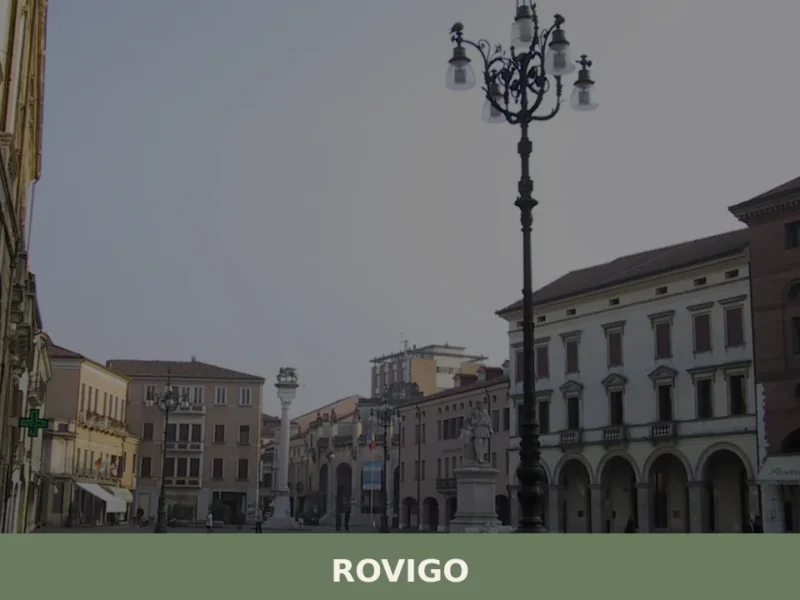
what to see in rovigo? Discover 5 top attractions in this city of 50,000 residents, from Rovigo Castle to La Rotonda. Explore the Polesine region.
Venezia
 Sea
Sea
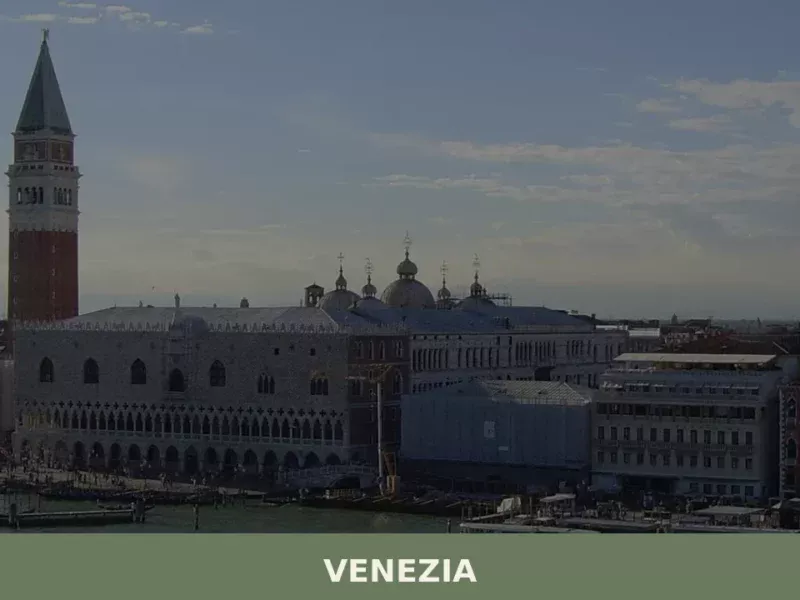
With its 259,263 inhabitants, Venice stands out as one of the most significant centers in Veneto, presenting an altitude of 256 meters above sea level. This city, included in the Hill Villages category according to the classification provided, offers an invaluable historical, artistic, and cultural heritage. In this article History and Origins of Venice What […]

Monfumo
Hills
Home to 1,292 people and a centuries-old rivalry between noble families, Monfumo rewards visitors with hill landscapes, local produce and an unhurried pace.
Adria
Plains
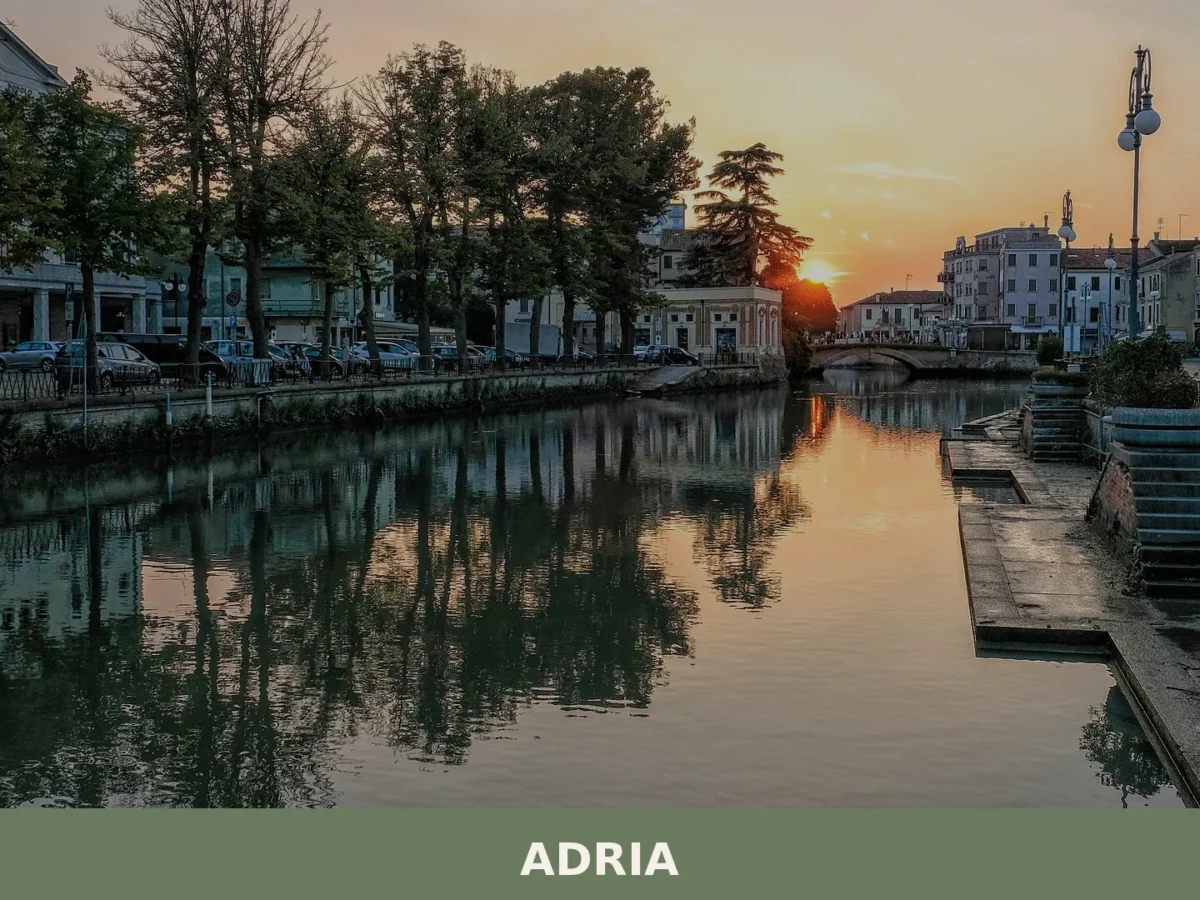
18,787 residents in a 4-metre lowland where water shaped 2,400 years of trade, faith and survival. Visit for its layered history and waterway landscape.



🏡 Know Concamarise better than we do?
If you’re a local or have been there, your knowledge matters: add what’s missing or fix a detail on this page.