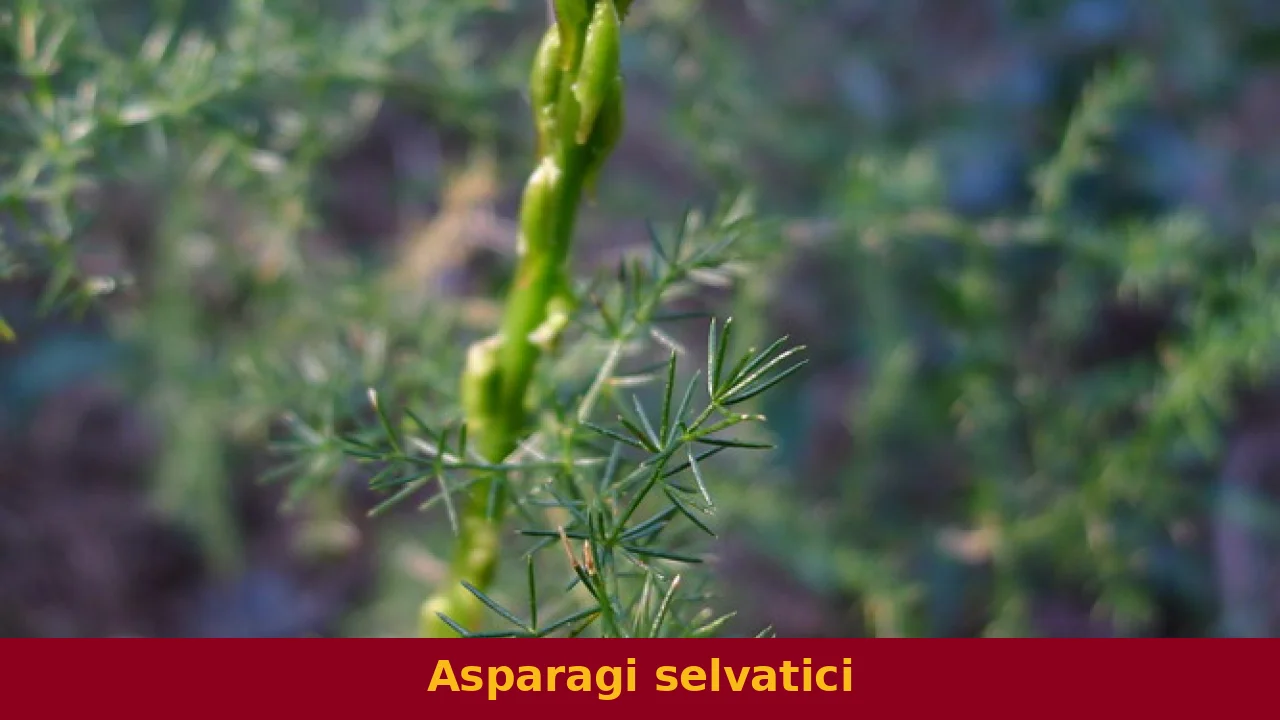
From the sun-drenched lands of Puglia, where the Mediterranean scrub outlines rugged and abundant horizons, a spontaneous treasure emerges: wild asparagus. These sprouts, tenacious and flavorful, are one of spring’s first promises, a gift from nature that has enriched the Puglian table for centuries. Their harvesting is an ancient ritual, a careful exploration among bushes…
From the sun-drenched lands of Puglia, where the Mediterranean scrub outlines rugged and abundant horizons, a spontaneous treasure emerges: wild asparagus. These sprouts, tenacious and flavorful, are one of spring’s first promises, a gift from nature that has enriched the Puglian table for centuries. Their harvesting is an ancient ritual, a careful exploration among bushes and dry stone walls, culminating in the pleasure of an intense and unmistakable flavor, a true reflection of the character of this land.
Wild asparagus, scientifically known as *Asparagus acutifolius L.*, is a perennial plant belonging to the Asparagaceae family, widely distributed throughout the Mediterranean basin. In Puglia, it is known by numerous local names that evoke its characteristics: pungent asparagus, bitter asparagus, black asparagus, asparagina, sparasina, sparacinu, spàrgene. It appears as a small evergreen and thorny bush, characteristics that also earn it the appellations “spiny asparagus” or “pungent asparagus” due to the small thorns at the base of its foliage. The edible part, the shoots (turions), are the young, tender stems that emerge from the underground rhizome. In addition to *Asparagus acutifolius*, Puglia hosts other edible wild species such as *A. maritimus* (bitter asparagus) and *A. tenuifolius* (wild asparagus or mountain asparagus), all valued for their gastronomic contribution. The adult plant can reach a considerable height, up to 150 cm, developing woody stems that resemble lianas.
The use of wild asparagus is rooted in a culinary tradition that extends back through time, closely linked to the peasant and pastoral culture of the Mediterranean. This wild plant has always represented a valuable food resource, easy to find and rich in flavor, especially during leaner periods. Its presence in the local diet is evidenced by recipes handed down from generation to generation, which highlight its versatility and distinct taste. The harvesting of wild asparagus was and still is an activity that connects humans with the rhythm of the seasons and the landscape. The shoots, collected by hand, were considered a fundamental spring ingredient, a sign of nature’s awakening after winter. Its recognition as a Traditional Agri-food Product (PAT) of Puglia in 2020 formalized and enhanced this long history, attesting to the cultural and gastronomic importance that wild asparagus holds for the region.
Wild asparagus is widespread throughout the Puglia region, finding its ideal habitat in the typical Mediterranean scrub environments. This resilient plant thrives in arid soils, even tolerating salinity, and can be found in a variety of contexts: from holm oak groves to deciduous forests, from hedges to uncultivated land, often near dry stone walls or large rocks, and even in olive groves. Its ability to regrow makes it particularly resilient, even appearing in forests affected by summer fires. The province of Foggia, as indicated for its PAT certification, is a particularly suitable area, but harvesting is a common practice throughout the region, from Murgia to Salento. These natural environments, characteristic of traditional products from PUGLIA, offer the perfect substrate for the development of intensely flavored shoots. It is by walking through the countryside around towns like Mola di Bari or Putignano that one can spot the intricate bushes concealing these valuable sprouts.
The “production” of wild asparagus does not follow the canons of traditional agriculture but is an entirely natural process. The perennial plant develops from creeping underground rhizomes. The shoots (turions), which are the young edible stems, generally emerge from the ground between late winter and late spring. This period often coincides with Easter, making asparagus a symbolic ingredient of the Puglian spring table. It is interesting to note that, following autumn rains and especially in forests that have experienced summer fires, a second appearance of shoots can also be observed in autumn. The dense and intricate persistent bush, formed in the previous summer-autumn, also helps less experienced individuals recognize the plant. Harvesting is a manual and selective activity, practiced by expert connoisseurs who know how to identify the thorny bushes and gather the most tender shoots. This harvesting method, based on knowledge of the territory and respect for natural cycles, ensures the sustainability and conservation of this spontaneous resource.
Puglian wild asparagus stands out for its distinct and unmistakable sensory profile, making it particularly appreciated by gourmets. Its flavor is intensely herbaceous, with a marked but pleasant bitter note, which justifies some of its common names such as “bitter asparagus” or “pungent asparagus.” This bitterness is often more pronounced than in cultivated asparagus and contributes to its identity. On the palate, fresh shoots offer a crisp texture, which softens slightly with cooking, while still retaining a certain tenacity. The aroma is fragrant, with vegetal and earthy notes that evoke the Mediterranean scrub from which they originate. The color of the shoots varies from dark green to olive, sometimes with purplish hues at the base, a sign of their wild nature. These characteristics make them an ingredient capable of adding depth and character to any preparation.
Puglian cuisine has expertly highlighted wild asparagus, integrating it into a wide range of preparations that enhance its unique flavor. Traditionally, it features prominently in rustic omelets, where its bitter taste pairs well with the sweetness of eggs and other ingredients. It is also excellent in risottos, to which it lends a touch of freshness and aroma, or as a topping for fresh pasta dishes, often accompanied by cherry tomatoes and Pecorino cheese. It can be simply sautéed in a pan with garlic and extra virgin olive oil, becoming a flavorful and healthy side dish, or used to enrich savory tarts and quiches. Its versatility also makes it suitable for more elaborate preparations, such as veloutés or sauces. To best preserve its flavor and texture, a short cooking time is recommended, which keeps its sensory properties and crispness intact. The combination with local products like Altamura bread or Podolico caciocavallo cheese creates pairings of great balance.
The uniqueness of Puglian wild asparagus lies in its spontaneous nature and deep connection to the territory. It is not the result of intensive cultivation but a direct gift from the earth, growing in harmony with the surrounding environment. This wild origin gives it an aromatic profile and flavor rarely found in cultivated asparagus: an herbaceous intensity and a distinctive bitter note that make it an ingredient with a strong territorial identity. The manual harvesting, passed down from generation to generation, is itself part of its value, a ritual that celebrates the connection between humans and nature. Its resilience, the ability to thrive in arid environments and even after fires, is a symbol of the strength and vitality of Mediterranean flora. Tasting wild asparagus means savoring an authentic piece of Puglia, an experience that goes beyond mere food, touching upon history, tradition, and the landscape.
Puglia’s wild asparagus enjoys recognition as a Traditional Agri-food Product (PAT). This certification, obtained in 2020, is a seal of quality that attests to its historical and cultural importance within the regional gastronomic landscape. Its category is “Vegetable products in their natural or processed state,” a designation that highlights their spontaneous origin and the possibility of being consumed fresh or in culinary preparations. The PAT label, managed by the Ministry of Agriculture, Food Sovereignty, and Forests, identifies products that feature “processing, conservation, and aging methods consolidated over time, uniform throughout the territory concerned, according to traditional rules and for a period of no less than twenty-five years.” This recognition not only protects the tradition of wild asparagus but also promotes its knowledge and enhancement, guaranteeing consumers the authenticity of a product deeply rooted in Puglian culture. Further details can be found on the region’s dedicated PAT portal, such as patpuglia.it.
To taste and purchase wild asparagus, the best period is spring, when the shoots are at their peak freshness. Puglia’s local markets are the ideal place to find them, often sold directly by local foragers who offer them in bunches of various sizes. Towns like Mola di Bari and Putignano, in the province of Bari, are known for the active presence of these foragers, with prices that can vary based on availability and product quality. A bunch of first-choice asparagus, for instance, can be sold for between 1.50 and 2.50 euros.
Beyond the markets, many Puglian restaurants and trattorias, especially those that highlight traditional cuisine and local ingredients, include wild asparagus in their seasonal menus. It’s an opportunity to savor dishes prepared according to the most authentic recipes, discovering the flair of local chefs.
For a more immersive experience, it is advisable to visit Puglia during spring, exploring the countryside and its towns. Walking around Monte Sant’Angelo, for example, one can perceive the environment where these sprouts grow spontaneously. Many agritourism farms and masserias also offer the chance to participate in guided foraging tours, followed by tastings. It’s an excellent opportunity to discover not only this prized ingredient but also the beauty of the landscape and local traditions. To learn about other Italian traditional food products, a journey into Puglian gastronomy is an excellent starting point.
📷 Photo: Xavier Béjar · CC BY-SA 2.0 · All credits →
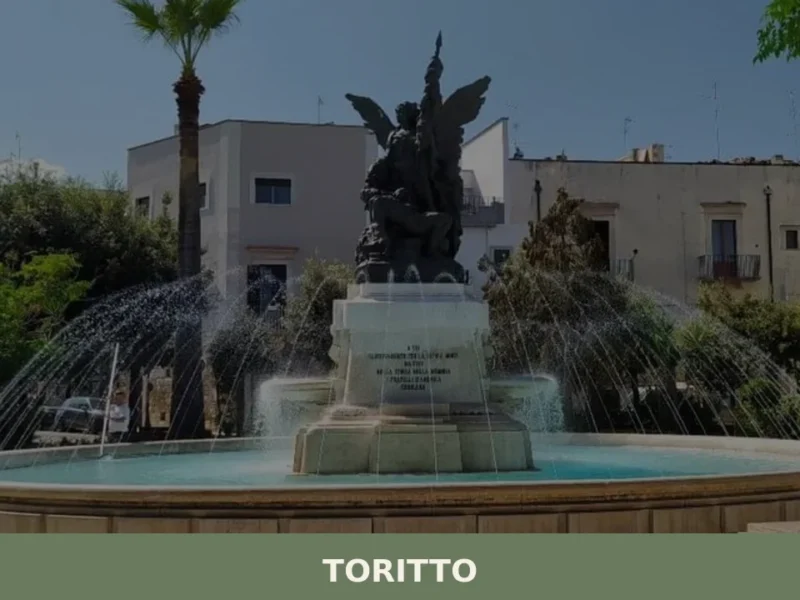
With a population of 8,577, Toritto, a Puglian municipality located 240 meters above sea level in the province of Bari, offers a vantage point over the Murgia’s hilly landscape. Its origins are traced through legends and archaeological evidence that confirm its presence since Roman times. Here, among streets that retain a historical urban layout, it […]
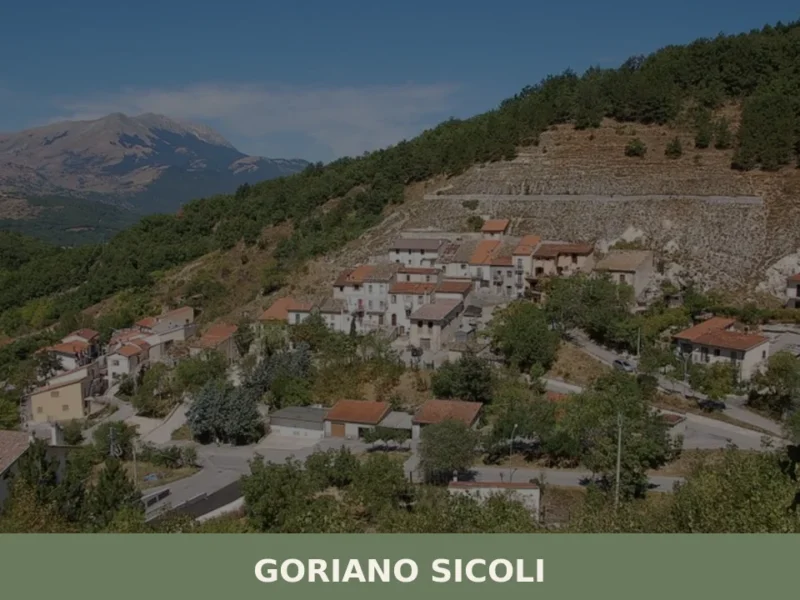
At 720 metres above sea level, in the Valle Subequana along the course of the Aterno river, Goriano Sicoli has just 511 inhabitants today — less than a fifth of the population recorded in the 1901 census. The village, in the province of L’Aquila, owes the second part of its name to the Roman colony […]
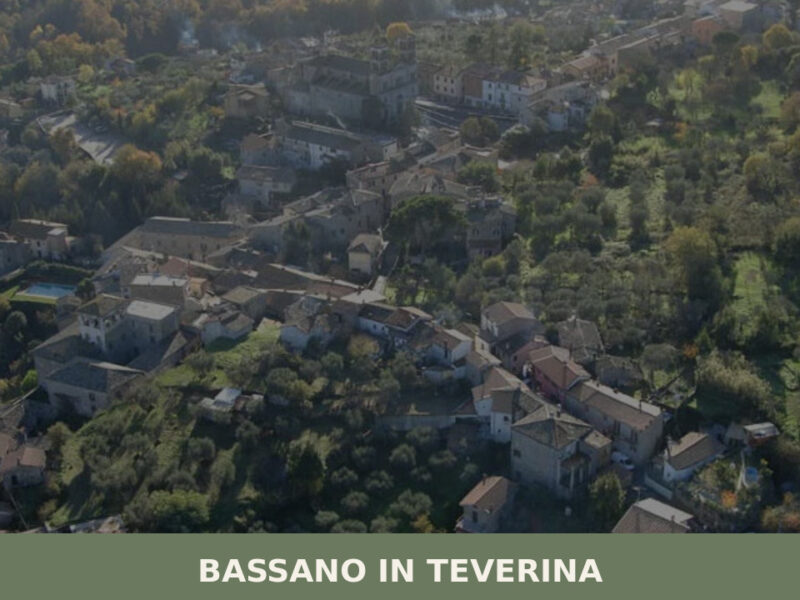
Standing at 304 metres above sea level, with a population of 1,260, Bassano in Teverina occupies a tuff plateau overlooking the Tiber valley in the province of Viterbo. The village owes the second part of its name to the river that flows just a few kilometres to the east — a geographical reference that distinguishes […]
📝 Incorrect information or updates?
Help us keep the Asparagi selvatici page accurate and up to date.


