Lucera, pearl of northern Puglia, preserves some of the most evocative landscapes of the Tavoliere delle Puglie. This ancient city, rich in history and traditions, offers visitors natural and architectural sceneries of rare beauty. The Lucera landscapes range from imposing medieval fortifications to gentle rolling hills, from verdant valleys to historic centers full of charm. In this comprehensive guide, we take you to discover seven incredible places that make unique the experience of those who choose to explore this fascinating land.
Every corner of Lucera tells a millennial story, where nature and human work blend in perfect harmony. Whether you are a photography enthusiast, a trekking lover or simply a curious traveler, these landscapes will conquer you with their authenticity and timeless beauty.
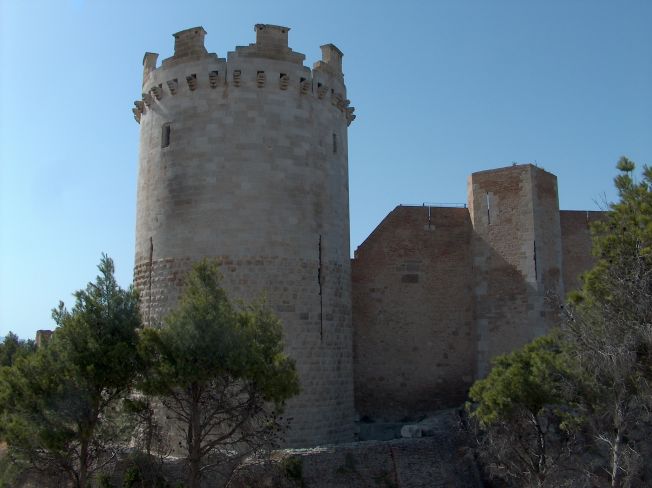
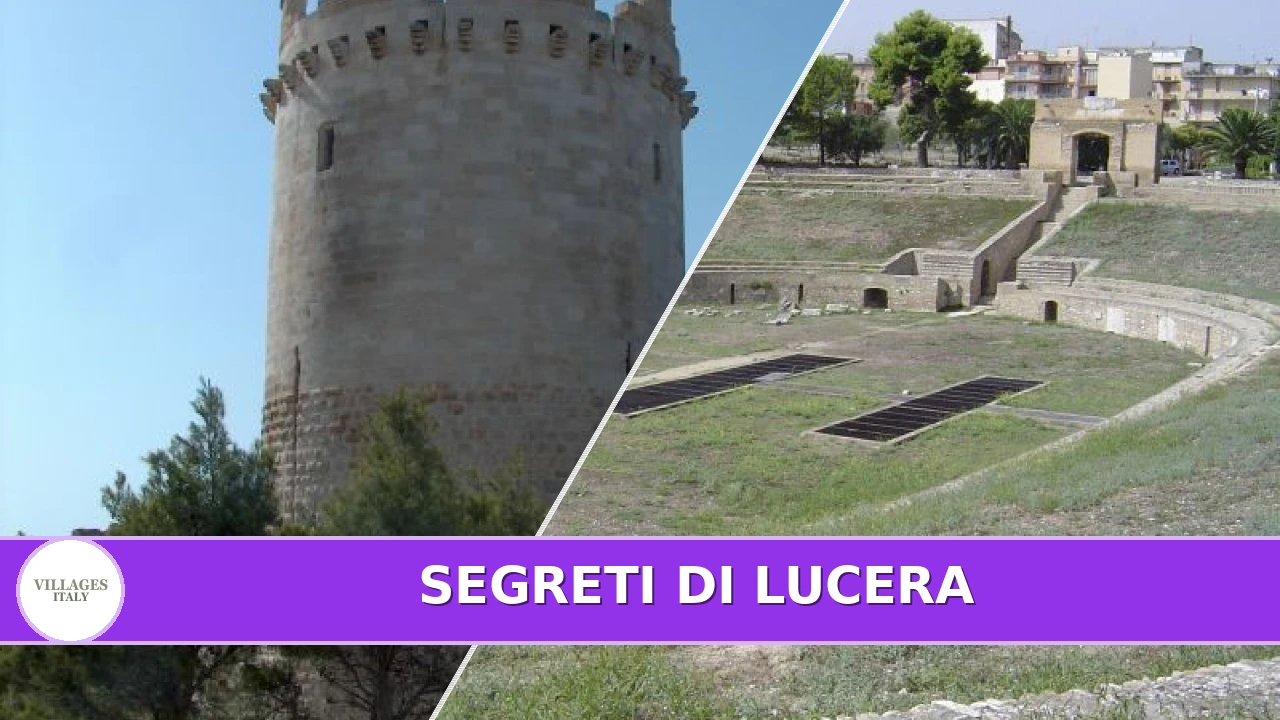
The majestic Swabian-Angevin Fortress represents the beating heart of the Lucera landscapes and offers one of the most spectacular views of the entire northern Puglia. This imposing fortified complex, which rises on a hill at 219 meters above sea level, dominates the entire Tavoliere plain with a view that extends as far as the eye can see.
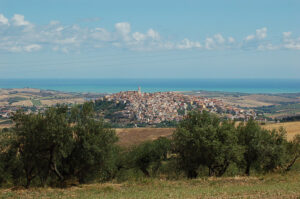
From the walkway of the walls, the gaze embraces a vast and varied territory: to the north you can glimpse the reliefs of the Subappennino Dauno, to the south the infinite expanse of the Tavoliere is lost on the horizon, while to the west the peaks of Gargano can be seen. This strategic position makes the fortress one of the most photographed and visited panoramic places Lucera Puglia.
The fortress, commissioned by Frederick II of Swabia in the 13th century and later expanded by the Angevins, represents an extraordinary example of medieval military architecture. Its walls, over one kilometer long, enclose an area of about 7 hectares and include 24 towers of various shapes and sizes. The history of Lucera castle is intimately linked to the events of medieval southern Italy, making it not only an architectural jewel but also an important witness to Italian history.
Among the most beautiful landscapes of Lucera, Mount Castelluccio occupies a prominent place for its privileged position and the breathtaking panoramas it offers. This height, located about 8 kilometers from the city center, reaches 641 meters in altitude and constitutes one of the highest points in the area.
The ascent to Mount Castelluccio gives unforgettable emotions: as you climb, the landscape transforms and gradually opens up, revealing the vastness of the Tavoliere delle Puglie. From the summit, on the clearest days, the view can extend to the Adriatic Sea and the Tremiti Islands, while towards the interior you can clearly distinguish the profiles of the Daunia Mountains.
Several trails lead to the summit of Mount Castelluccio, each with different characteristics and difficulties. The most used route starts from the village of Castelluccio dei Sauri and winds through olive groves and pastures, offering increasingly suggestive panoramic views. The trail, well-marked and of medium difficulty, requires about 2 hours of walking and represents an ideal experience for those who love trekking and nature photography.
The Sanctuary of the Incoronata and the surrounding forest represent one of the naturalistic jewels among the Lucera landscapes. Located about 20 kilometers from the city, this sacred place is immersed in lush vegetation that offers a fascinating contrast with the surrounding plains.
The forest extends for several hundred hectares and hosts surprising biodiversity. Centuries-old oaks, beeches, hornbeams and maples create a shady and cool environment, ideal for excursions during the hottest months. The numerous trails that wind through the forest lead to panoramic clearings, natural springs and wildlife observation points.
Among the most interesting routes in the Incoronata Forest stands out the “Springs Trail”, which leads to several crystal-clear water pools immersed in greenery. Another suggestive itinerary is the “Botanical Path”, equipped with information panels that illustrate the local flora and characteristics of the forest ecosystem. These paths represent perfect examples of what to see Lucera nature for those who love hiking and naturalistic observation.
The Celone Valley constitutes one of the most characteristic river landscapes of the Lucera territory. This watercourse, which originates from the Daunia Mountains and crosses the Tavoliere before flowing into the Gulf of Manfredonia, has shaped over millennia a rich and varied landscape.
The banks of the Celone are characterized by lush riparian vegetation, where willows, poplars and tamarisks create green corridors that contrast with the surrounding cultivated fields. This particular environment hosts numerous species of waterfowl and represents a fundamental stop along migratory routes.
The Celone river crosses the Lucera territory for about 15 kilometers, creating meanders and bends that enrich the landscape with ever-changing views. Along its course, wilder stretches alternate with more anthropized areas, where ancient mills and stone bridges testify to the centuries-old relationship between man and this watercourse. The environmental management of the Puglia Region has enhanced this river ecosystem through protection and naturalistic valorization projects.
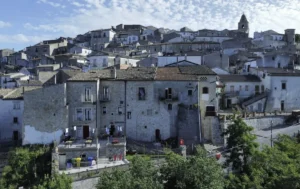
The historic center of Lucera offers some of the most fascinating panoramic places Lucera Puglia, where architecture and landscape merge in perfect synthesis. Walking through the ancient streets, you can discover numerous panoramic points that offer suggestive views of the city and surrounding territories.
The Cathedral of Santa Maria Assunta, with its imposing bell tower, offers from its summit a 360-degree view of the city and surrounding countryside. The Bishop’s Palace and the remains of the ancient Roman acropolis also offer panoramic views of great suggestion, especially during sunset hours when the golden light illuminates the surrounding Lucera landscapes.
Among the historic palaces that offer panoramic views stands out Palazzo De Nicastri, an elegant eighteenth-century building located in the heart of the historic center. Its upper terraces offer a privileged view of the rooftops of the ancient city and the bell towers of the numerous churches. Other urban panoramic points include the belvedere of Via Federico II and the terrace of Palazzo Lombardi, ideal places to admire the urban and rural landscapes that characterize this territory.
The tratturi represent one of the most fascinating features of the Lucera landscapes, testifying to the ancient practice of transhumance that for centuries characterized the economy and culture of southern Italy. These ancient grassy routes, up to 111 meters wide, cross the Lucera territory creating green corridors of extraordinary beauty.
The Pescasseroli-Candela Tratturo, which passes right near Lucera, offers landscapes of rare suggestion where nature and history are inextricably intertwined. Walking these ancient paths you can admire uncontaminated panoramas, observe the flora and fauna typical of steppe environments and understand the historical importance of these communication routes.
The territory of Lucera is crossed by several historic tratturi, including the Royal Tratturo Pescasseroli-Candela and the Tratturo L’Aquila-Foggia. These routes, used for centuries by shepherds from Abruzzo and Molise who descended towards the Apulian plains during winter, have shaped the landscape and influenced the economic development of the region. Today these routes represent ideal itineraries for sustainable tourism and to rediscover the most authentic landscapes of the territory.
To fully enjoy the most beautiful landscapes of Lucera it is important to carefully plan movements and know the best times for visiting and photography. The city is easily accessible both by car and by public transport, and constitutes an excellent base for exploring all the panoramic places in the area.
For photography enthusiasts, the best moments to immortalize these landscapes are the early morning hours and sunset, when the light takes on warm and enveloping tones. During these hours, the Lucera landscapes are tinged with golden colors that enhance the natural and architectural beauty of the territory.
Lucera is connected to the main Apulian cities through an efficient road network: from the A14 you exit at the Foggia toll booth and continue on the SS17 for about 20 kilometers. For those who prefer public transport, Lucera railway station is served by the Bari-Foggia line with regular connections. Once in the city, many of the panoramic places are reachable on foot or with short car trips. It is advisable to wear comfortable shoes and bring a camera to best immortalize what to see Lucera nature and architecture offer to visitors.
The Lucera landscapes represent a heritage of inestimable value that unites history, culture and nature in perfect balance. From the imposing walls of the Swabian-Angevin Fortress to the hidden trails of the Incoronata Forest, from the breathtaking views of Mount Castelluccio to the ancient tratturi of transhumance, every corner of this territory tells a unique and fascinating story. These seven incredible places offer visitors the opportunity to discover an authentic face of Puglia, far from the most beaten tourist routes but rich in emotions and surprises. Planning a visit to Lucera means embarking on a journey through time and space, where every panorama reveals new secrets and every trail leads to new discoveries.