


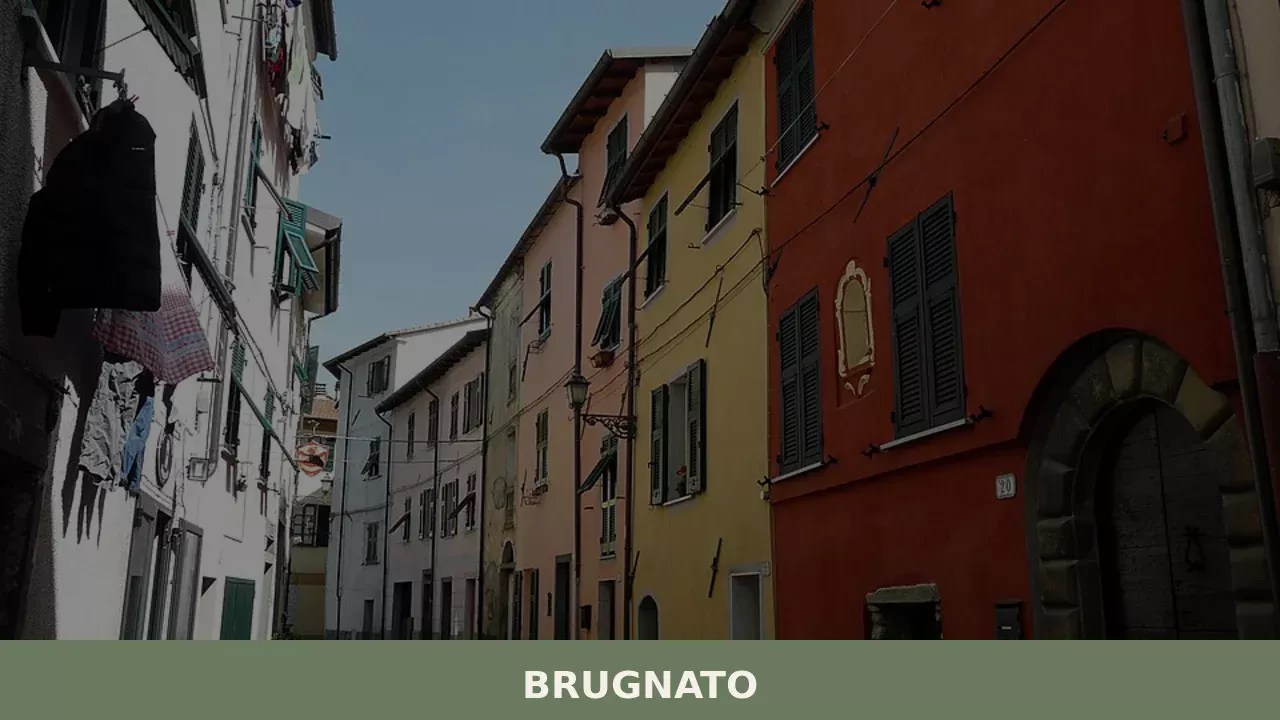
Brugnato
What to see in Brugnato, a Ligurian village 115m above sea level? Explore the Co-Cathedral of San Pietro Apostolo and taste typical Val di Vara products. Discover its rich history!
Discover Brugnato
Nestled in the Val di Vara, Liguria’s “Organic Valley,” lies the village of Brugnato, a center that preserves significant traces of its ecclesiastical and civil history. This settlement, although not large in terms of population with its 1,283 inhabitants, offers visitors an interesting journey through different eras, sitting at an altitude of 115 meters above sea level.
Its strategic position, once the hub of an ancient diocese, makes it an ideal starting point for exploring the surroundings and discovering what to see in Brugnato and the neighboring valleys.
The village, part of the province of La Spezia, celebrates its patron saint, Saint Paschal Baylón, with a festival that enlivens the streets every May 17th, drawing residents and curious visitors from all over the region.
History and origins of Brugnato
The history of Brugnato is rooted in a past that saw it rise to a role of primary ecclesiastical importance in the Ligurian landscape. The first documented records of the village date back to the early Middle Ages, a period when the town began to take shape as a strategic center along the inland communication routes between the coast and the hinterland. Its position in the Val di Vara, a fertile valley crossed by the river of the same name, has contributed to the development of settlements since antiquity, although the most significant phase began with the foundation of its diocese.
This religious institution, of fundamental importance to the region, shaped the identity of the village for many centuries, making it a spiritual and administrative point of reference.
The turning point for Brugnato occurred in 1133 when its diocese was established—an event that granted the village considerable prestige and autonomy compared to neighboring centers.
The presence of a bishopric meant not only the construction of a cathedral and ecclesiastical buildings but also the influx of resources and figures who contributed to the cultural and economic growth of the area. For several centuries, the bishops of Brugnato exercised significant influence over the surrounding territory, managing both spiritual and temporal affairs within a political context characterized by fragmentation and the presence of various local lordships.
This period of ecclesiastical splendor has left an indelible mark on the architecture and urban structure of the village, visible even today in its oldest buildings.
Over the centuries, Brugnato, like many other Ligurian centers, eventually gravitated toward the orbit of the powerful Republic of Genoa, which progressively extended its dominance over much of Liguria. Although it maintained its episcopal seat, the village lost part of its political autonomy to the Maritime Republic, while continuing to serve as a landmark for the Val di Vara.
The diocese of Brugnato was later suppressed in 1820, merging into that of La Spezia, Sarzana, and Brugnato, marking the end of an era. Despite these changes, the village has preserved its identity and historical importance, offering visitors a unique opportunity to explore a fragment of Ligurian history and discover what to see in Brugnato among its streets and buildings.
What to see in Brugnato: main attractions
Co-Cathedral of San Pietro Apostolo
The Co-Cathedral of San Pietro Apostolo represents the spiritual and historical heart of Brugnato, a testament to the village’s ancient role as an episcopal seat.
Originally built in the Romanesque style, the structure has undergone various transformations and expansions over the centuries, which have modified its appearance while maintaining its majesty. Inside, visitors can admire works of sacred art and furnishings that tell the long history of the diocese, including Baroque altars and paintings from different eras. Its central location in the village makes it easily accessible and a reference point for exploring the historic center, offering a glimpse into Ligurian devotion and art.
Oratory of San Bernardo
Just a few steps from the Co-Cathedral lies the Oratory of San Bernardo, a smaller religious building of notable historical and artistic interest.
Generally datable between the late Middle Ages and the modern era, the oratory is an example of minor Ligurian sacred architecture, often characterized by simple lines but richly decorated interiors. These places were, and still are, gathering centers for local brotherhoods, guardians of traditions and rites passed down from generation to generation.
Visiting the Oratory of San Bernardo allows you to appreciate a more intimate aspect of the village’s religious life and completes the itinerary of what to see in Brugnato.
Bishop’s Palace (Palazzo Vescovile)
Adjacent to the Co-Cathedral, the Bishop’s Palace is another building that highlights the historical importance of Brugnato as a diocesan center. The former residence of bishops, its architecture reflects the different periods of construction and the residential and representative needs of the prelates who lived there. Although today it may house municipal offices or private residences, its façade and external structure still evoke the prestige of the past. A stroll around the Bishop’s Palace allows you to imagine the life that took place in this center of ecclesiastical power and to appreciate the urban coherence of the oldest part of the village.
San Salvatore Bridge
The San Salvatore Bridge is a distinctive element of the Brugnato landscape, an engineering feat that crosses the Vara River.
This bridge, likely of medieval or ancient origin, played a crucial role in the communications and trade of the valley, connecting the riverbanks and facilitating the passage of people and goods. Its stone structure, with arches reflecting in the water, offers a suggestive view and represents a point of interest for those who wish to explore the lesser-known aspects of the territory.
The San Salvatore Bridge is an example of how humans have interacted with the natural environment to create lasting infrastructure.
Historic Center
The historic center of Brugnato is an intricate labyrinth of narrow streets and small squares, typical of Ligurian inland villages. Walking among its buildings, you can observe stone structures, colored façades, and ancient portals that tell centuries of history. Every corner may hold a discovery, from small votive shrines to architectural details testifying to the village’s evolution over time. The atmosphere in the ancient core invites slow and careful discovery, allowing you to capture the essence of a place that has kept many of its original characteristics intact.
Exploring the historic center is a fundamental experience for fully understanding the identity of Brugnato.
Typical cuisine and products of Brugnato
The gastronomic tradition of Brugnato, deeply rooted in the Val di Vara territory, reflects the influences of Ligurian cuisine, characterized by the simplicity of ingredients and the enhancement of natural flavors.
The proximity to the sea and the richness of the hinterland, with its woods and fields, have shaped a culinary repertoire that combines products from both land and sea. Extra virgin olive oil, a cornerstone of the Mediterranean diet and a fundamental ingredient in every preparation, is widely used here, giving an unmistakable flavor to many dishes. Aromatic herbs such as basil, rosemary, and oregano are often the stars, enriching every recipe with their intense scents.
Among the dishes that can be tasted in the area, some preparations stand out as symbols of Ligurian gastronomy. Pesto alla genovese, with its unmistakable aroma of basil, garlic, pine nuts, Pecorino, and Parmigiano Reggiano cheese, is often served with trofie or trenette, typical regional fresh pastas. Another specialty is farinata, a savory pancake made with chickpea flour, water, oil, and salt, cooked in a wood-fired oven until it achieves a golden crust and a soft interior.
Don’t miss pansoti, meatless ravioli filled with wild herbs and ricotta, traditionally seasoned with walnut sauce, offering a delicate and enveloping taste.
Regarding typical products, it is important to note that currently there are no certified products with designations such as PDO (DOP), PGI (IGP), or TSG (PAT) specifically for the Brugnato area in the provided database.
However, the Val di Vara is known for its organic farming and the production of honey, fresh and aged sheep and goat cheeses, and artisanal cured meats. These products, even without official national certifications, are an integral part of the local gastronomic offering and can be found in small shops or directly from agricultural producers. The quality of raw materials is guaranteed by tradition and the care of local producers, who keep old practices alive.
Opportunities to taste or purchase these specialties often arise during local festivals and markets that enliven the village and its surroundings at various times of the year. Although specific information on food festivals in Brugnato beyond the patronal feast was not provided, it is common for community events to feature stalls where you can taste and buy typical products. Those wishing to savor local cuisine can turn to the restaurants and trattorias in and around the village, which offer menus based on traditional recipes and fresh seasonal ingredients.
The search for these authentic flavors is an integral part of the visiting experience and completes the knowledge of what to see in Brugnato.
Festivals, events, and traditions of Brugnato
The calendar of Brugnato is marked by events celebrating the community’s traditions and spirituality, with the patronal feast at the forefront.
On May 17th, the village comes alive to honor Saint Paschal Baylón, its patron saint, in a celebration that combines faith and social gathering. The day is typically characterized by a solemn religious procession, during which the statue of the saint is carried through the streets of the historic center, accompanied by the faithful, local authorities, and the town band. This deeply felt rite is a moment of great participation that strengthens the community’s bond with its spiritual and cultural roots.
In addition to the religious aspects, the patronal feast is often an occasion for civil celebrations, with stalls offering local products, crafts, and sweets. There is no shortage of evening musical performances and social gatherings that attract not only residents but also visitors from nearby towns and tourists. While sources do not provide details on other food festivals or specific events besides the patron saint’s feast, it is customary for villages like Brugnato to hold periodic farmers’ markets or small fairs linked to the seasonal products of the Val di Vara.
These appointments, even if less prominent, offer a further opportunity to immerse oneself in local life and discover the peculiarities of the Ligurian territory.
When to visit Brugnato and how to get there
The best time to visit Brugnato and fully appreciate its attractions and the surrounding landscape is undoubtedly spring or early autumn.
During these months, the Ligurian climate is mild and pleasant, ideal for walks in the historic center and excursions in the Val di Vara, without the intense heat of summer. Spring, in particular, offers the blooming of the surrounding nature, making the panoramas particularly suggestive, while autumn provides warm colors and the chance to participate in events related to the harvest of the earth’s products.
Although summer can be crowded, especially for those seeking the sea, the months of May, June, and September are perfect for a quieter and more authentic experience.
Reaching Brugnato is relatively simple, thanks to its strategic position and Liguria’s road connections. For those arriving by car, the village is served by the A12 “Genoa-Livorno” motorway; the recommended exit is Brugnato-Borghetto Vara, from which the town center is just a few kilometers away. Those who prefer the train can refer to the Borghetto Vara railway station, located on the Genoa-La Spezia line, or the larger La Spezia Centrale station, which is well-connected with regional and Intercity trains.
From these stations, you can continue toward Brugnato using local bus services, which guarantee connections with the main centers of the valley. For more information on bus schedules and routes, you can consult the website of the Municipality of Brugnato.
For travelers coming from further away, the nearest airports to Brugnato are Genoa “Cristoforo Colombo” Airport (GOA), located about 80 kilometers away, and Pisa International Airport “Galileo Galilei” (PSA), which is about 100 kilometers away.
From both airports, it is possible to rent a car or use train and bus connections to reach the village.
Those looking for a broader experience in Liguria might consider extending their itinerary to nearby villages such as Balestrino, which offers a fascinating ghost town, or continue toward the coast to visit places like Bonassola, known for its beaches and promenade, about 30 minutes away by car. The choice of transport depends on personal preference and the type of trip intended, but all options provide good access to this part of Liguria.
Where to stay in Brugnato
For visitors wishing to extend their stay in Brugnato and the surrounding area, the village and the Val di Vara offer various accommodation options. Although specific names of facilities were not provided, the area is characterized by the presence of agriturismos (farm stays) that highlight local agricultural production and offer genuine hospitality, often with the possibility of tasting typical products directly on-site. These agriturismos are ideal for those seeking a holiday in contact with nature and the tranquility of the Ligurian hinterland.
Alternatively, you can find bed & breakfasts and small holiday homes, managed by locals, which allow you to immerse yourself in village life and enjoy a more familiar atmosphere.
These solutions are distributed both in the historic center of Brugnato, for those who want all the attractions at their fingertips, and in the surrounding hamlets, for those who prefer the quiet of the countryside.
Those visiting the Val di Vara can also consider structures nearby, such as those toward Castiglione Chiavarese, another location that shares the beauty of the Ligurian inland with Brugnato. It is advisable to book in advance, especially during high season or during local events and holidays, to ensure the best accommodation solution.
In Liguria More villages to discover
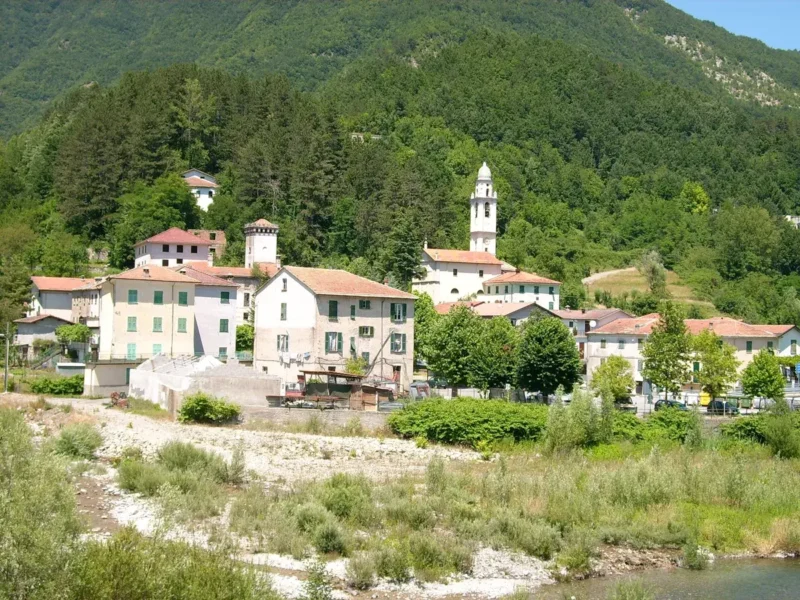
Gorreto
Gorreto: Complete Editorial Guide The stone bridge over the Trebbia, with its centuries-old arches, marks the entrance to Gorreto, a village that reveals itself with the discretion of a place that has watched the passage of people and goods for centuries. At 533 metres above sea level, in the province of Genova, this settlement of […]
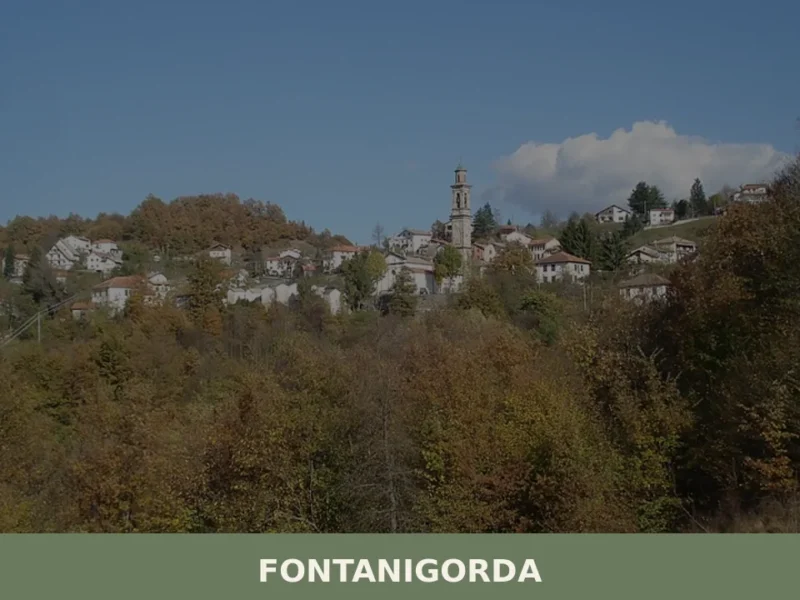
Fontanigorda
At 819 meters above sea level, in the heart of the upper Trebbia Valley, Fontanigorda appears as an alpine settlement in the province of Genoa. Its documented origin dates back to 1153, when it appears in annals as “Fontana Gordana,” a reference to the abundance of water in its territory. This village, with a population […]
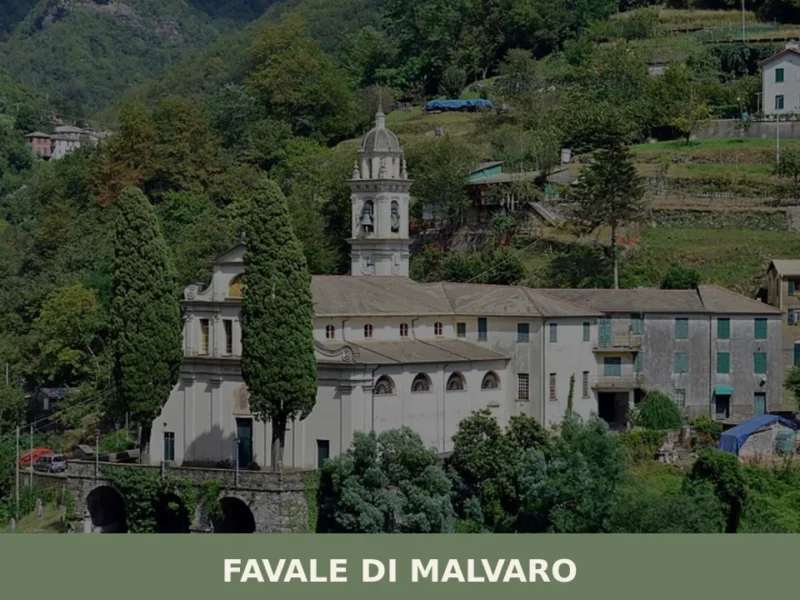
Favale di Malvaro
In 1892, Amadeo Pietro Giannini left Favale di Malvaro for America. The son of Ligurian emigrants, he went on to found the Bank of Italy in San Francisco in 1904, which later became Bank of America — for decades the largest banking institution in the world. This small village in the Fontanabuona valley, home to […]
🧀 Italian traditional products




📝 Incorrect information or updates?
Help us keep the Brugnato page accurate and up to date.