


Castello Cabiaglio
What to see in Castello Cabiaglio: a hill village at 514m with 567 residents in Varese. Explore Sant’Appiano church, Campo dei Fiori trails and local porcini risotto. Plan your visit now.
Discover Castello Cabiaglio
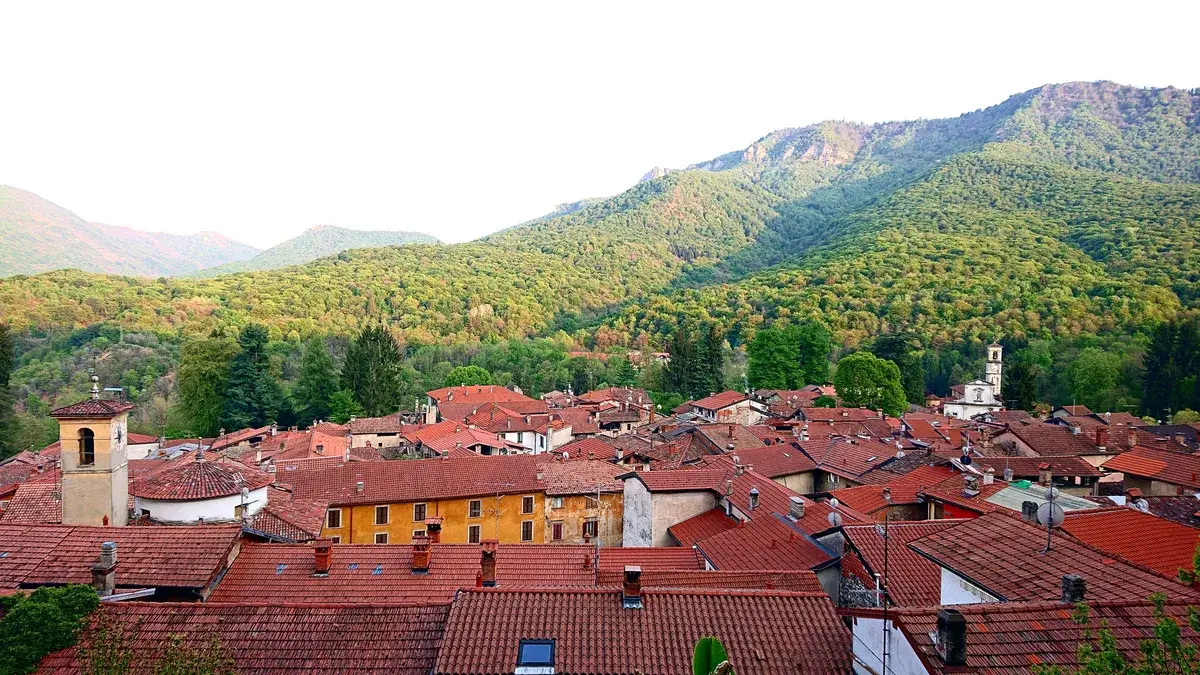
At 514 metres above sea level, among the pre-Alpine valleys of the province of Varese, a small municipality of 567 inhabitants preserves traces of a settlement dating back at least to the early Middle Ages.
Castello Cabiaglio does not appear in mainstream travel guides or on the major circuits of Lombard tourism, yet anyone who drives up the road that climbs from the lakes towards the foothills of Campo dei Fiori arrives at a compact and legible hill landscape, where every element — the church, the bell tower, the houses pressed close together — reflects a precise logic of settlement.
For those who want to understand what to see in Castello Cabiaglio and why this corner of the Varese area deserves attention, the right approach is to slow down and look carefully.
History and Origins of Castello Cabiaglio
The name of the village carries two distinct layers.
The “Castello” component most likely refers to a medieval defensive structure — a garrison or watchtower that monitored movement along the pre-Alpine communication routes.
“Cabiaglio,” by contrast, has a less certain etymology: some interpretations trace it to Lombard or Gaulish roots connected to woodland or to characteristics of the terrain, a functional name that described the place before any permanent settlement was built there.
The combination of the two elements in the current name suggests a layering of history: first the defensive function, then the civil settlement that consolidated around it.
During the medieval period, the area of the province of Varese was shaped by complex feudal dynamics, with local lords competing for control of the access routes into the Pre-Alps. Castello Cabiaglio was part of this system, and its hilltop position at over 500 metres made it a strategic observation point over the surrounding territory.
As documented on the Wikipedia page dedicated to the village, the municipality passed through centuries of local history intertwined with the broader story of the Varese area, from the communal age through Spanish rule and on to Italian unification.
The patron saint Sant’Appiano — venerated in certain parts of Lombardy — connects the village to a religious tradition of Ambrosian character deeply rooted in this territory.
During the nineteenth and twentieth centuries, like many municipalities in the pre-Alpine Varese belt, Castello Cabiaglio experienced a slow but steady demographic decline.
Traditional agricultural activities — cultivating the hillside terraces, small-scale livestock keeping, harvesting timber — could no longer hold on to younger generations, who were drawn instead by the industrial opportunities of the plain and the manufacturing centres of the province. The current population of 567 reflects the outcome of this trajectory, one shared by dozens of Lombard hill villages that today find renewed vitality in local tourism and in residents returning from the cities.
What to See in Castello Cabiaglio: 5 Key Attractions
1.
The Parish Church of Sant’Appiano
The church dedicated to the village’s patron saint is the visual and spiritual focal point of Castello Cabiaglio. The building, as is often the case in small pre-Alpine municipalities, is the result of successive architectural phases: a medieval original plan reworked during the Baroque period and then adapted in later centuries. The interior preserves decorative elements typical of the Lombard tradition — stucco side altars, votive frescoes, wooden furnishings — that together form a coherent whole consistent with the local religious history. The façade opens onto a forecourt from which the relationship between the built nucleus and the surrounding landscape is immediately apparent.
2. The Historic Centre and Original Street Network
The centre of Castello Cabiaglio retains a legible settlement structure, with houses grouped along routes that follow the contours of the hill. The oldest dwellings show construction features typical of pre-Alpine rural building: walls in local stone, worked granite doorways, wooden loggias that originally served for drying agricultural produce. Walking slowly through the historic centre means reading the economic history of the village directly from its fabric: every opening, every threshold, every courtyard reflects an organisation of work and space that governed life here for centuries.
3.
The Hill Landscape of Campo dei Fiori
Castello Cabiaglio sits on the edge of the Campo dei Fiori Regional Park, one of the most significant protected natural areas in the province of Varese. At this altitude the landscape takes on a different character: chestnut and beech woods predominate, and the open views south towards the Po Plain and north towards the Alps provide clear geographical bearings. Those who walk up along the footpaths from the village notice the gradual transition from cultivated farmland to sparse woodland, then to dense forest, with shifts in light and temperature that make each season distinctly different from the last.
4. Panoramic Views over Lake Varese and the Pre-Alps
At 514 metres above sea level, the village offers views across the Varese territory that change character depending on atmospheric conditions. On clear days — more frequent in autumn and winter after a weather front has passed — the surface of Lake Varese stands out sharply, along with the profiles of the Sacri mountains and, further north, the pre-Alpine chain descending towards Switzerland. These viewpoints are not heavily developed: they are natural terraces or open spaces between the houses that an attentive visitor finds simply by looking up and following the marked footpaths.
5.
The Footpaths of the Campo dei Fiori Regional Park
The footpath network crossing the municipal territory is the main gateway into the Campo dei Fiori Regional Park. The connecting routes between the hill villages allow excursions of varying difficulty, suitable both for those looking for a short walk in the woods and for those who want to cover greater distances up to the higher elevations of Campo dei Fiori. In spring the undergrowth fills with wild geraniums and anemones; in autumn the chestnut trees cover the paths with husks and dry leaves that crunch underfoot.
The official park map is available at the provincial information points.
What to Eat in Castello Cabiaglio: Local Cuisine and Produce
The cuisine of the Varese hill villages has its roots in a peasant and mountain tradition that turned simple, local ingredients into substantial dishes.
The province of Varese, while not among Lombardy’s most celebrated gastronomic areas, has a clear culinary identity of its own, built on the use of woodland produce, terraced kitchen gardens, and farmyard animals. Altitude and climate directly influence the raw ingredients: chestnuts from the slopes of Campo dei Fiori, fungi from the mixed woodland, wild herbs growing at the edges of meadows.
At the centre of local gastronomic tradition is polenta, made from coarsely ground maize flour, cooked slowly in a copper pot until it reaches a firm consistency that can be cut into slices.
In the colder months it is served alongside beef or pork stews, often enriched with aromatic woodland herbs.
Another deeply rooted dish is chestnut soup, which in autumn appeared regularly on the tables of the Varese hill villages: fresh or dried chestnuts were cooked with milk or broth to produce a dense, nourishing preparation suited to the mountain climate.
Risotto with porcini mushrooms, made with fungi gathered from the surrounding chestnut woods, completes the picture of the dishes most closely associated with this territory.
As far as local produce is concerned, the Varese area contributes to a dairy and cured meat tradition that belongs more broadly to pre-Alpine Lombardy. The provincial territory has historically been linked to the production of small fresh and aged cheeses, though without specific certified designations tied to the municipality of Castello Cabiaglio.
Similarly, home-produced cured meats — in particular pork sausages prepared with locally raised animals — form part of the culinary memory of the hill villages, even though no recognised certifications are attributable specifically to this municipality. Those looking to buy local produce will find greater availability at markets in nearby centres such as Varese or Gavirate.
Village festivals tied to the agricultural and religious calendar are the best opportunity to try the traditional cuisine of the area.
The feast day of Sant’Appiano is the central event of the year, with communal gatherings that bring together the local population. In autumn, festivals linked to the chestnut harvest — a tradition widespread throughout the pre-Alpine Varese belt — bring markets and tastings to nearby villages, and these are worth seeking out during a stay in the area.
For up-to-date information on local dates and events, the reference point is the official website of the Municipality of Castello Cabiaglio.
Wine production is not a defining feature of this specific part of the Varese area.
The provincial territory falls outside Lombardy’s main DOC and DOCG designations, which belong instead to the Franciacorta, Valtellina, and Oltrepò Pavese zones. Those who want to pair local dishes with Lombard wine can look to these appellations, which are readily available in the restaurants and wine shops of the province.
When to Visit Castello Cabiaglio: The Best Time of Year
Spring — from April to June — offers the best conditions for exploring the footpaths of the Campo dei Fiori Regional Park.
Temperatures at 514 metres stay cool even as the plain below begins to warm, and the vegetation reaches its fullest expression.
Those who prefer a quieter visit will find the village in its everyday rhythm during this period, with no significant tourist flow.
Summer, by contrast, draws residents from the Varese plain in search of cooler temperatures, and July and August see a higher number of visitors and second-home owners.
Autumn is probably the most distinctive season for a hill village like this one. From September to November the chestnut woods surrounding the village turn ochre and rust, the air carries the scent of the first rains falling on dry ground, and clear days after a weather front passes deliver the sharpest views towards the Alps. The feast of Sant’Appiano is the occasion to encounter the local community at its most convivial.
Winter, although it brings snow to the higher elevations of Campo dei Fiori, keeps the village accessible and offers a level of quiet that some visitors seek out deliberately.
How to Get to Castello Cabiaglio
If you are arriving by car from the motorway, the reference exit is Varese on the A8 Milan–Varese motorway (distance from Milan: approximately 50 km).
From Varese, continue north in the direction of Gemonio and Cocquio-Trevisago, then follow the signs for the hill villages of Campo dei Fiori.
The total distance from Varese is around 15–20 km along provincial roads that climb steadily in altitude. From Milan the average driving time is 50–60 minutes in normal traffic conditions, while from Como, Castello Cabiaglio is about 40 minutes away.
Those travelling by train can reach Varese station on regional services from Milan Porta Garibaldi (S5 line, journey time approximately 50 minutes) or on Trenord services from Milan Centrale.
From Varese, getting to Castello Cabiaglio requires a private vehicle or a local bus service on the provincial network — check current timetables and routes before setting out.
The nearest airport is Milan Malpensa, approximately 30 km from the centre of Varese and reachable in 25–30 minutes by car, making it the most practical option for international travellers.
Other Villages to Explore in Lombardy
Those visiting Castello Cabiaglio and looking to extend their exploration of the Varese area will find other villages nearby that round out the picture of the pre-Alpine hills.
Brunello, another small municipality in the province of Varese, shares with Castello Cabiaglio its compact scale and hill landscape, and is easily reachable for those who want to put together an itinerary through the smaller villages of the Varese area.
Equally, Besozzo — a more developed centre on Lake Varese — offers a convenient logistical base with fuller services, useful for those who want to stay overnight in the area and visit Castello Cabiaglio as a day trip.
For those planning to extend their journey beyond the province of Varese, Lombardy offers reference points at a different scale.
Arcisate, in southern Varese province near the Swiss border, presents a distinct historical identity with its Romanesque collegiate church and the landscape of the Valceresio, reachable in under an hour from Castello Cabiaglio.
Those who want a city of art as the starting or finishing point of a longer Lombard trip might consider Brescia, about 80 km to the east, with its UNESCO-listed historic centre and museums documenting two thousand years of Lombard history — an urban setting that stands in clear contrast to the quiet scale of the Varese hill villages.
Photo Gallery of Castello Cabiaglio
Do you have photos of Castello Cabiaglio?
Share your photos of the village: the best ones will be added to the official gallery, with your credit.
Send your photosIn Lombardia More villages to discover
Varese
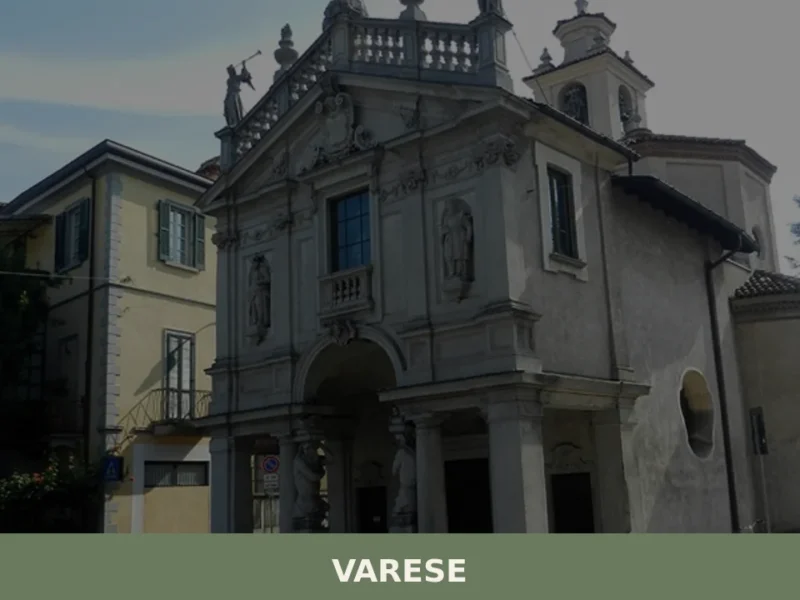
Varese, a Lombard city with a population of 78,409 inhabitants, stands at 382 m above sea level and is distinguished by its strategic position between lakes and pre-Alps. This locality, capital of the eponymous province, offers a rich historical and natural heritage that attracts numerous visitors every year. In this article History and Origins of […]
Pavia
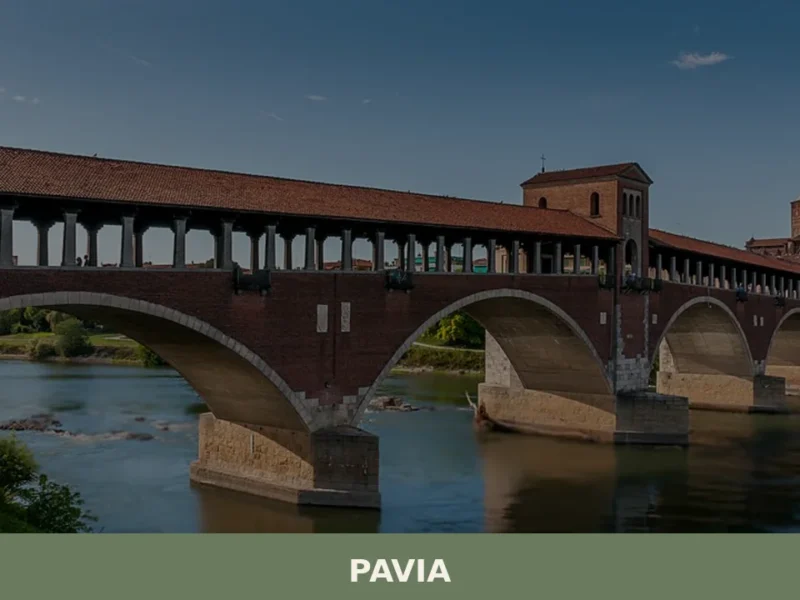
what to see in pavia, home to 70,636 residents. Discover its iconic Duomo, the historic Certosa, and the ancient University. Explore Pavia's rich heritage now.
Cremona
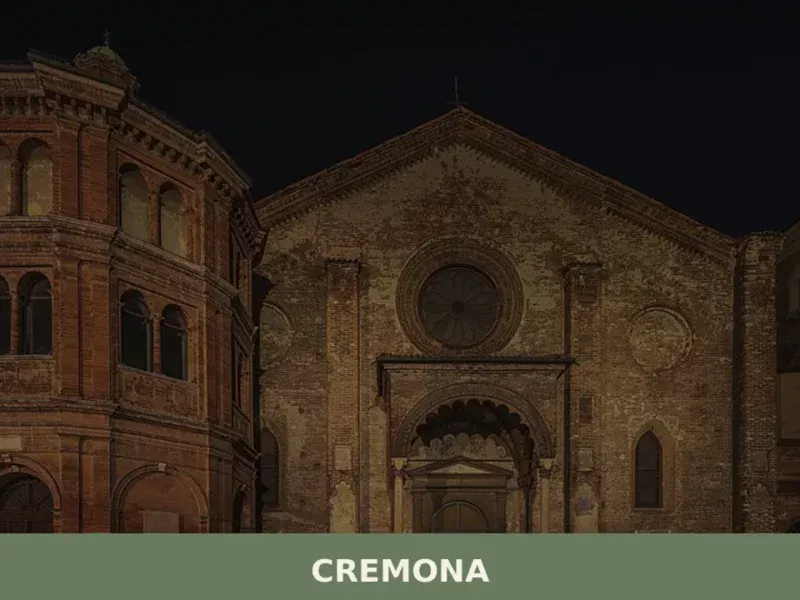
What to see in Cremona? With a population of 70,637, this city of lutherie offers the iconic Torrazzo and Violin Museum. Explore our guide.


📝 Incorrect information or updates?
Help us keep the Castello Cabiaglio page accurate and up to date.