


Brunello
 Hills
Hills
What to see in Brunello, a village of 1,022 people in the province of Varese. Visit the Parish Church of San Giorgio, the Civic Tower and the Roggia Mulinara Trail. Plan your visit now.
Discover Brunello
The outline of Brunello rises discreetly among the rolling hills of the province of Varese, gradually revealing itself to those who climb along the secondary roads, leaving the heavier traffic behind.
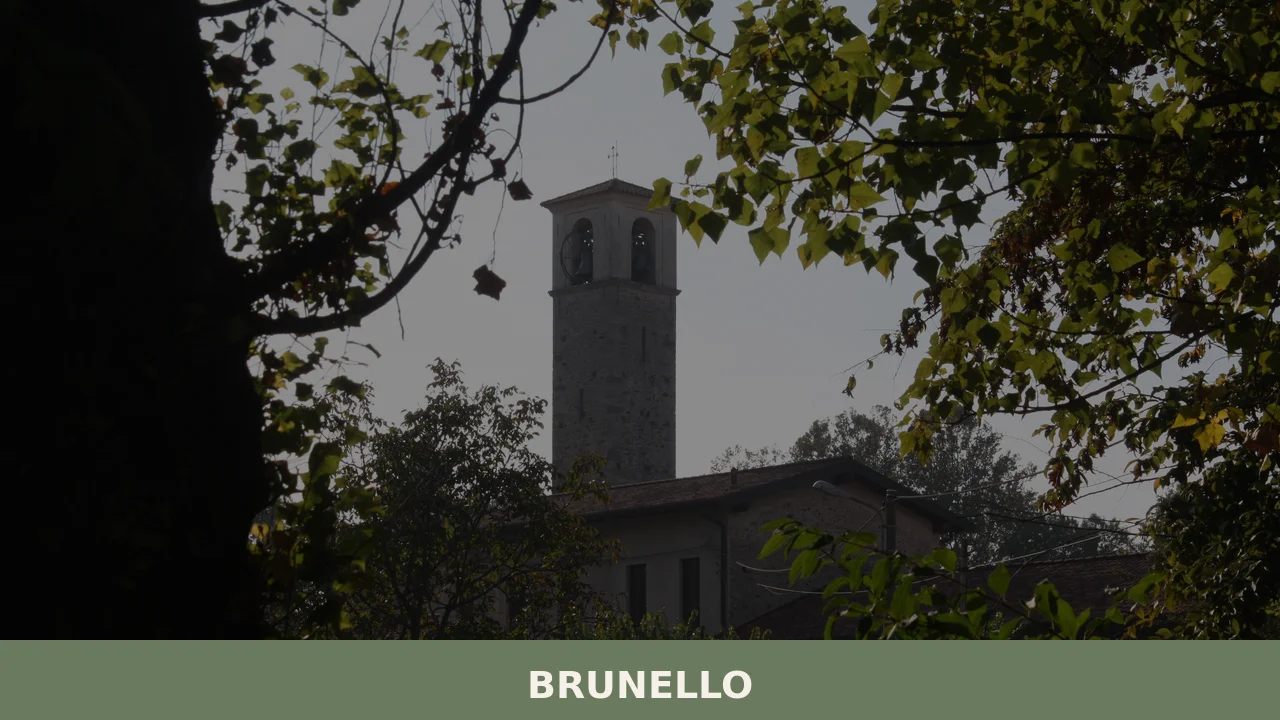
This is not a village that announces itself with dramatic grandeur; rather, it discloses itself in fragments: a bell tower rising above tiled rooftops, the stone wall of an ancient courtyard emerging through the vegetation, a path leading into the woods.
The air, often damp and fresh, carries the scent of worked earth and, depending on the season, the fragrance of the chestnut and oak forests that surround the settlement.
This small centre, home to 1,022 inhabitants, offers a more intimate and reflective experience, inviting visitors to explore its historical layers and the details that form its identity at their own pace — providing plenty of opportunities for those wondering what to see in Brunello.
History and Origins of Brunello
The roots of Brunello extend well beyond its earliest written records, suggesting a likely Roman or early medieval origin, as is common for settlements in the pre-Alpine regions of Lombardy.The name “Brunello” itself may derive from a diminutive of the Germanic name “Bruno”, or from a reference to the dark colour of the surrounding soil or vegetation — hypotheses that intertwine with the morphology of the land and the lives of its earliest inhabitants.
The first traces of a structured settlement date to the medieval period, when the village began to take shape as a small agricultural centre, positioned strategically to control local communication routes.
Throughout the Middle Ages, Brunello was part of a broader feudal system, tied to the fortunes of the Seprio — one of the oldest and most historically significant areas of Lombardy, marked by conflicts and shifts of ownership among powerful noble families and ecclesiastical institutions.
Its position, while not dominant, provided visual control over the surrounding countryside and made it a point of reference for agricultural communities scattered across the area. Documents from the 12th and 13th centuries record the presence of a church dedicated to Saint George, evidence of an already established community with its own religious structures, essential to the social life of the era.
Further details on Brunello’s history are available on Wikipedia.
The demographic evolution of Brunello followed the patterns typical of small rural Lombard centres, with periods of growth tied to agricultural and artisan development, and phases of stagnation or decline caused by historical events such as plagues or conflicts.In the 16th century, the area came under Spanish rule, which influenced the architecture and social organisation of the village, including the construction of several manor houses.
With the unification of Italy and the subsequent industrial development of the Varese area, Brunello maintained a balance between its agricultural character and a gradual integration into the productive fabric of the province, while preserving much of its original appearance — a physical record of a past that continues to shape its present.
What to See in Brunello: 5 Key Attractions
1. Parish Church of San Giorgio
The Parish Church of San Giorgio is the spiritual and historical centrepiece of Brunello, built in a central position that makes it easily accessible to visitors.
The current building displays multiple architectural layers, the result of expansions and renovations carried out over the centuries — from the oldest Romanesque traces visible in certain sections of the walls to Baroque and Neoclassical alterations. Inside, visitors can admire frescoes from different periods and a high altar housing carved wooden works and canvases by local artists, all reflecting the devotion and craftsmanship of the community. The visit offers a clear window into the religious art and culture of the Varese area.
2. Civic Tower and Castle Remains
The Civic Tower of Brunello, though not an imposing structure, stands as a symbol of the village’s defensive history and its former feudal organisation. It is what remains of a more extensive fortified complex — likely a medieval castle or stronghold — of which only a few traces survive today, either absorbed into later buildings or visible in foundations. The tower, built from local stone, still retains its original solidity, offering a vantage point over the surrounding landscape and the valleys of the Varese area. It is a place that prompts reflection on the centuries of territorial defence and control that defined the region’s past.
3. Oratory of Sant’Anna
The Oratory of Sant’Anna, located a short distance from the village centre, is a fine example of rural religious architecture and popular devotion. Built at a later date than the parish church — most likely between the 17th and 18th centuries — the oratory is distinguished by its simplicity and the meditative atmosphere it conveys. Inside, visitors can find votive frescoes and a small altar, often decorated with ex-votos that recount the hopes and stories of the local community. Its quiet setting, surrounded by greenery, makes it a natural stopping point for quiet reflection and an appreciation of the area’s vernacular architecture.
4. Former Silk Mill (Antica Filanda di Brunello)
No longer in operation, the building known as the Antica Filanda di Brunello (Former Silk Mill) is an important record of the proto-industrial activity that characterised many parts of Lombardy between the 19th and 20th centuries. With its broad windows and sturdy masonry, this structure speaks to an era when the processing of silk or cotton provided employment and income for many families in the village. While access to the interior may be limited, viewing the building from outside allows visitors to picture the activity and labour that once filled these walls, offering a meaningful glimpse into Brunello’s economic and social evolution.
It is a piece of industrial archaeology well worth a look.
5. Roggia Mulinara Trail
The Roggia Mulinara Trail is a nature path that runs alongside an ancient artificial canal — the roggia — which once powered the mills and supported the agricultural activities of the area.
The trail provides an opportunity to move through the Varese countryside, crossing woodlands, cultivated fields and small wetland areas where local flora and fauna can be observed in their natural habitat.
Along the way, visitors come across the remains of old water mills and small stone bridges, features that speak to the ingenuity with which people shaped the landscape to meet their needs. It is a gentle, accessible walk suitable for all ages, offering a direct experience of Brunello’s rural and natural dimension.
The Touring Club Italiano regularly provides inspiration for similar routes across Lombardy.
What to Eat in Brunello: Local Cuisine and Typical Products
The gastronomic tradition of Brunello, like much of the province of Varese, is rooted in a robust and wholesome style of cooking, closely tied to locally available ingredients and the needs of a population historically engaged in farming and livestock rearing.The geographic setting — between the Pre-Alps and the nearby Lombard lakes — has shaped a culinary repertoire that makes the most of simple but flavourful ingredients: meats, dairy products, cereals such as maize for polenta, and produce from gardens and woodlands.
It is a cuisine that favours slow cooking and hearty preparations well suited to the colder months, while also offering lighter dishes during summer, often tied to local festivals or special occasions.
Among the most representative dishes of the local tradition, the cassoeula stands out — a rich, substantial winter dish made with cabbage and various cuts of pork, slow-cooked until tender and deeply flavoured.
Equally widespread is risotto alla milanese, with its golden colour from saffron and its unmistakable creaminess, often served alongside ossobuco.Polenta, made from yellow maize flour, is an almost obligatory accompaniment to many main courses, from braised meats to cheeses, and in some versions is enriched with butter and melted cheese to become a dish in its own right.
As for local products, while there are no certifications specific exclusively to the territory of Brunello, the area benefits from the broader food and wine wealth of Lombardy.Visitors can find fresh and aged cheeses produced in dairies across the province of Varese, such as Formaggella del Luinese (PDO) — a soft goat’s or mixed-milk cheese with a delicate flavour — or Gorgonzola (PDO), available in its sweet and sharp varieties, produced in the neighbouring designated areas.
Cured meats, including Salame di Varzi (PDO) and other artisan products, also feature regularly on local tables and in delicatessens, representing the excellence of Lombard charcuterie.
The Italia.it portal provides an overview of Lombardy’s food specialities.
Opportunities to sample local cooking in Brunello and the surrounding area are plentiful, particularly during the village festivals and seasonal fairs that mark the local calendar.While none of these events have national reach, the patron saint celebrations and harvest-related festivities — typically held between spring and autumn — offer the chance to enjoy traditional dishes prepared according to time-tested recipes.
The weekly markets in nearby towns, or the small food shops within Brunello itself, allow visitors to purchase local products directly: cheeses, cured meats, local honey and handmade preserves, while supporting the area’s producers.
When to Visit Brunello: The Best Time of Year
The best time to visit Brunello depends largely on personal preferences and the kind of experience one is looking for in this Varese village.
Spring, between April and June, is a particularly rewarding period, when the surrounding countryside comes alive with vivid greens and wildflowers, and the mild temperatures are ideal for walking along the trails. Summer, from July to September, brings long, warm days that are well suited to exploring outdoor attractions and joining local festivals, although the climate can at times be humid.
This period is generally busier, with a livelier atmosphere across the neighbouring villages.
Autumn — particularly October and November — gives Brunello a melancholy, colourful character, as the woodlands turn red, orange and gold, creating ideal conditions for photography enthusiasts and those who enjoy walking among autumn foliage.It is also the season for chestnut harvesting and early morning mist, which wraps the village in an almost otherworldly atmosphere, with noticeably fewer visitors than the summer months. Winter, from December to March, is the quietest season, with colder temperatures that can bring snowfall, transforming the landscape into a silent and evocative scene.
For those seeking calm and a more private experience of village life, the winter months can be the ideal choice — especially around the local Christmas festivities.
How to Get to Brunello
Reaching Brunello is straightforward, thanks to its convenient position within the province of Varese and its good connections to the main road network.
Travellers arriving by car will find the nearest motorway is the A8 (Autostrada dei Laghi), with the recommended exits at Varese or Gazzada Schianno-Morazzone, from which Brunello is approximately 10–15 kilometres away — around 15–20 minutes along clearly signposted provincial roads.From Milan, the drive takes roughly 45–50 minutes, covering a distance of about 50 kilometres, while from the city of Varese the journey is approximately 15 minutes. Parking within the village is generally available, though limited.
For those travelling by public transport, the nearest railway station to Brunello is Varese, served by Trenord regional trains connecting the city to Milan and other centres across Lombardy. From Varese station, local bus services provide onward connections to Brunello.The nearest airport is Milan Malpensa (MXP), located approximately 30 kilometres away and reachable in around 30–35 minutes by car.
From Malpensa, visitors can hire a car or use public transport to reach Varese and then Brunello, though direct connections may be less frequent and require additional journey time.
Other Villages to Explore in Lombardy
The province of Varese and Lombardy as a whole offer a wide range of villages worth exploring, each with its own historical and landscape character, combining well with Brunello as part of a broader itinerary.
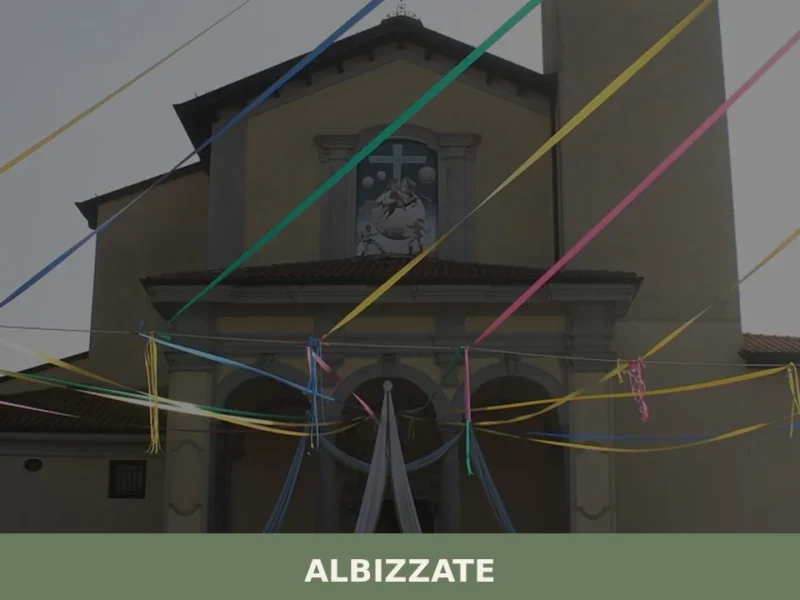
Close by is Albizzate, a village that retains traces of its medieval past, with a civic tower and a historic centre that rewards a leisurely walk.Its proximity to Brunello — about 15 minutes by car — makes it a natural addition to a combined visit, offering a contrast between the more rural character of Brunello and the slightly more urbanised feel of Albizzate, while both retain an old-world appeal.
Continuing to explore the province, visitors can discover further centres of considerable interest.
Agra (Italia), set on the heights above Lake Maggiore, offers sweeping views and a mountain atmosphere, ideal for hiking and spectacular vistas, at around 40 minutes by car from Brunello.
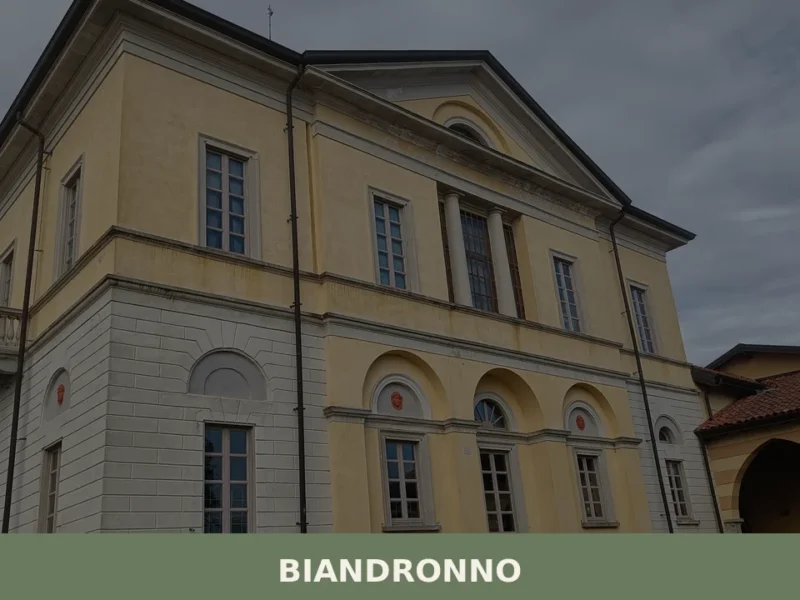
Besozzo, with its lakeside promenade and a historic centre rich in manor houses, and Biandronno, overlooking Lake Varese and known for its nature reserve, are both easily reachable within 20–25 minutes from Brunello. These villages offer a variety of landscapes and attractions, making it possible to build itineraries that range across history, art, nature and local food, all within a single trip through the Varese area of Lombardy.
Frequently asked questions about Brunello
What is the best time to visit Brunello?
Spring and early autumn are the ideal seasons to visit Brunello. In spring, the hills are lush and the village celebrates its patron saint, Santa Maria Annunciata, on 25 March — a meaningful occasion to experience local tradition and community life. September and October bring cooler air, chestnut colours in the surrounding forests, and a quieter pace. Summer is pleasant at 411 metres altitude, with fresh breezes, but the village is at its most atmospheric when the seasonal countryside is fully alive. Winter, while cold and damp, offers solitude and misty hillside scenery.
What are the historical origins of Brunello?
Brunello's origins are likely Roman or early medieval, consistent with pre-Alpine settlements in Lombardy. The name may derive from the Germanic personal name Bruno or from a reference to dark local soil. By the 12th–13th centuries, a church dedicated to Saint George was already documented, confirming an established community. During the Middle Ages, the village was part of the historic Seprio territory. Spanish rule from the 16th century onwards influenced its architecture, including the construction of manor houses. Post-unification, Brunello gradually integrated into the broader productive economy of the province of Varese.
What to see in Brunello? Main monuments and landmarks
Brunello offers five documented points of interest. The Parish Church of San Giorgio is the historical centrepiece, featuring Romanesque traces, Baroque alterations, frescoes and carved wooden works. The Civic Tower is the surviving remnant of a medieval fortified complex, offering views over the Varese countryside. The Oratory of Sant'Anna (17th–18th century) displays votive frescoes in a quiet rural setting. The former Antica Filanda is a notable example of Lombard industrial archaeology. Finally, the Roggia Mulinara Trail follows an ancient canal past mill remains and wetland areas. Most sites are accessible on foot from the village centre.
What are the main natural or scenic attractions of Brunello?
The Roggia Mulinara Trail is the main documented natural route, running alongside an ancient irrigation canal through woodlands, cultivated fields and small wetland areas. It passes the remains of old water mills and stone bridges, and is suitable for all ages. The surrounding hillside landscape of chestnut and oak forests, characteristic of the pre-Alpine Varese area, adds scenic value throughout the year. At 411 metres above sea level, the village sits within gently rolling terrain that rewards exploration on foot along secondary paths connecting the surrounding countryside.
Where to take the best photos in Brunello?
The most photogenic spots in Brunello include the Civic Tower, which rises above tiled rooftops and offers views over the Varese hills, and the Parish Church of San Giorgio, whose bell tower frames well against the surrounding countryside. The Oratory of Sant'Anna, set in greenery, provides a classic example of rural Lombard religious architecture ideal for photography. The Roggia Mulinara Trail offers natural compositions with the old canal, stone bridges and mill ruins. Early morning or late afternoon light enhances the mist and texture typical of this pre-Alpine hill landscape.
Are there museums, churches or historic buildings to visit in Brunello?
Brunello has several documented historic buildings worth visiting. The Parish Church of San Giorgio contains frescoes from different periods, carved wooden works and canvases by local artists. The Oratory of Sant'Anna houses votive frescoes and ex-votos in an intimate rural setting. The Civic Tower survives as part of a former medieval fortified complex. The former Antica Filanda is a significant industrial archaeology building with broad windows and sturdy 19th-century masonry. Specific opening hours are not publicly listed for these sites; visiting during daylight hours or around local feast days is advisable.
What can you do in Brunello? Activities and experiences
Brunello suits visitors who enjoy slow, exploratory travel. Walking the Roggia Mulinara Trail is the principal outdoor activity, combining nature, landscape and heritage along a gentle, accessible route. Exploring the village on foot — the church, tower, oratory and former silk mill — takes a peaceful half-day. The surrounding hills offer scenic walks through chestnut and oak woodlands. Attending the patron saint feast of Santa Maria Annunciata on 25 March provides an authentic experience of local tradition. Sampling Lombard cuisine at seasonal village festivals and purchasing local products from nearby markets rounds out the visit.
Who is Brunello suitable for? Families, couples, hikers, solo travellers?
Brunello is best suited to visitors seeking a quiet, unhurried experience away from mass tourism. Couples and solo travellers drawn to contemplative, off-the-beaten-path destinations will find its hillside setting and historic layers particularly rewarding. Families with children will appreciate the accessible Roggia Mulinara Trail and the open countryside. Hikers and nature lovers benefit from the woodland surroundings and the pre-Alpine terrain. Cultural visitors interested in rural Lombard architecture, religious heritage and industrial archaeology will find genuine points of interest. It is not suited to those seeking nightlife, resorts or large-scale attractions.
What to eat in Brunello? Local products and specialties
Brunello's cuisine reflects the robust, seasonal tradition of the province of Varese. Cassoeula — slow-cooked pork and cabbage — is the most representative winter dish. Risotto alla milanese with saffron and ossobuco, and polenta enriched with butter and cheese, are staple preparations. Local products include Formaggella del Luinese PDO, a soft goat's or mixed-milk cheese from the Varese area, and Gorgonzola PDO from the neighbouring designated zones. Artisan cured meats, including Salame di Varzi PDO, feature regularly. Local honey, handmade preserves and aged cheeses can be found in small village shops and nearby markets.
Nearby Villages near Brunello
Nearby villages we are mapping:
- Besnate Lombardia 📍 7.6 km Coming soon
In Lombardy More villages to discover

Milano
 Plains
Over 1.3 million residents and 2,600 years of history make Milano Lombardia one of Europe's most compelling destinations. Art, opera, fashion and extraordinary food await every visitor.
Albizzate
Hills
Explore the picturesque village of Albizzate, nestled in the heart of Lombardia, Italy. Learn about its unique culture, attractions, and local life.

Melegnano
Plains
A town of 18,000 residents where the Lambro River winds through a Renaissance military landscape. Melegnano's famous 1515 and 1859 battles shaped Italian and European history.
Acquanegra Cremonese
Plains
Discover what to see in Acquanegra Cremonese, a rural comune of 1,159 in the Province of Cremona, Lombardia u2014 from cascine architecture to Po Valley food culture.
Abbadia Lariana
 Lake
Lake
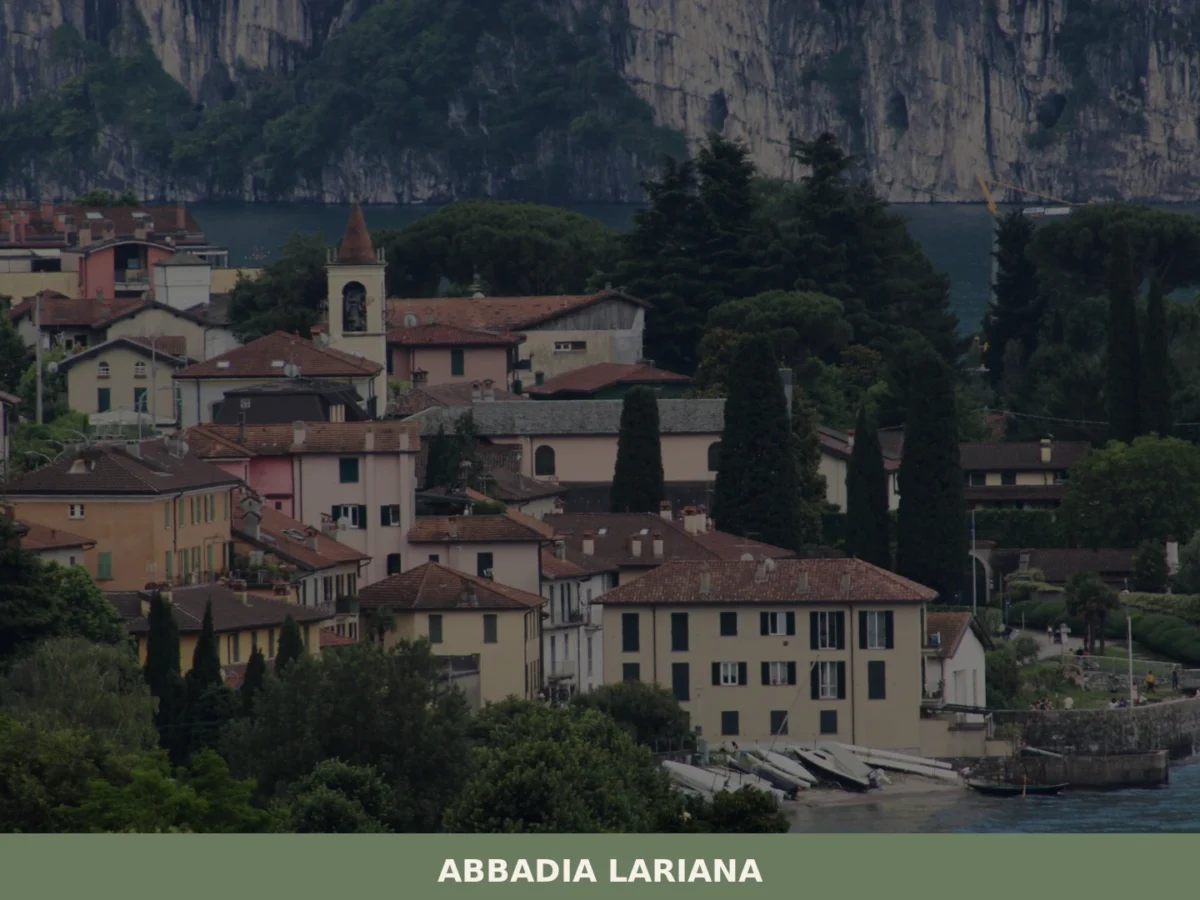
Discover what to see in Abbadia Lariana, a lakeside village on Lake Como in Lecco province. History, attractions, food, travel tips and how to get there.
Angera
Hills
Lake
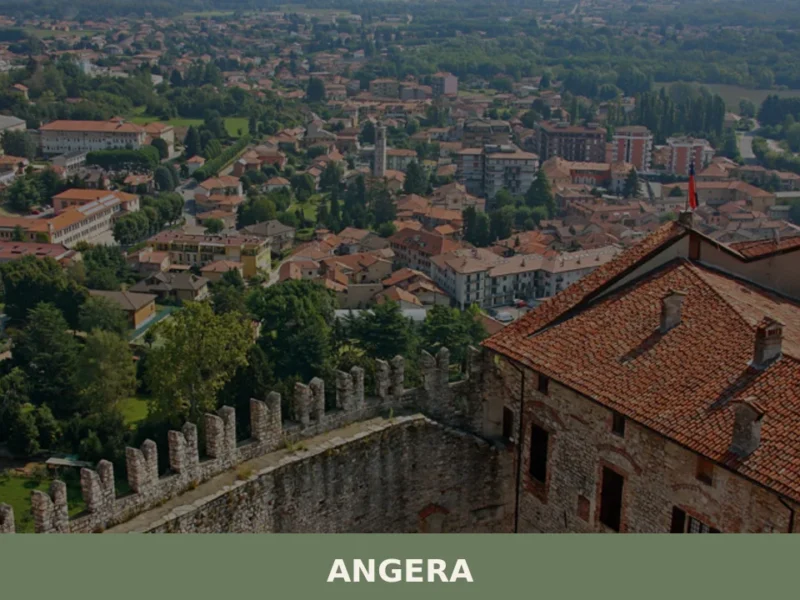
What to see in Angera: 5 must-see attractions. Discover the Borromea Fortress and the Doll Museum. Book your trip today!
Sondrio
Hills
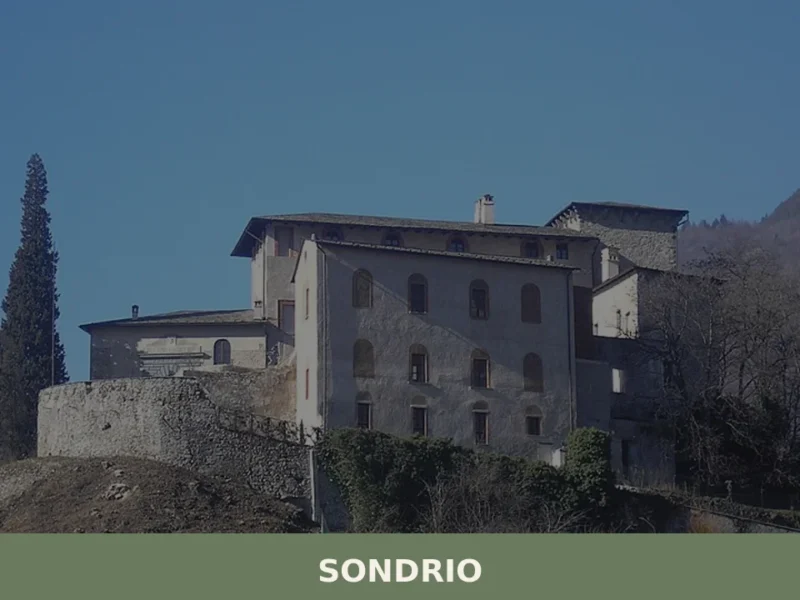
What to see in Sondrio? Located at 298m altitude, discover Castello Masegra and the Collegiata dei Santi Gervasio e Protasio. Explore this Valtellina capital.
Bregano
Hills
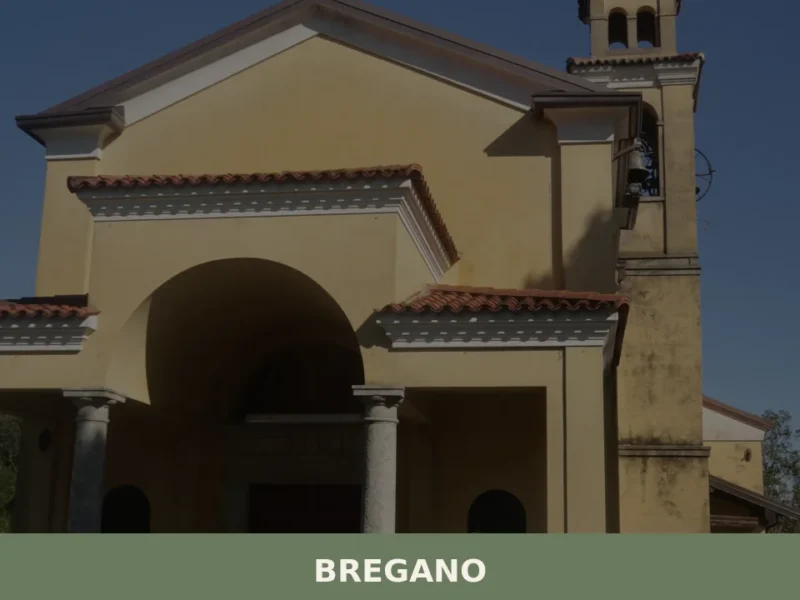
With its 824 inhabitants spread across an elevation of 303 metres on the hills between Lake Varese and Campo dei Fiori, Bregano is a municipality in the province of Varese whose documented existence dates back at least to the 13th century, when the settlement appears in the ecclesiastical registers of the Pieve di Brebbia. Asking […]
Sirmione
Lake
Plains
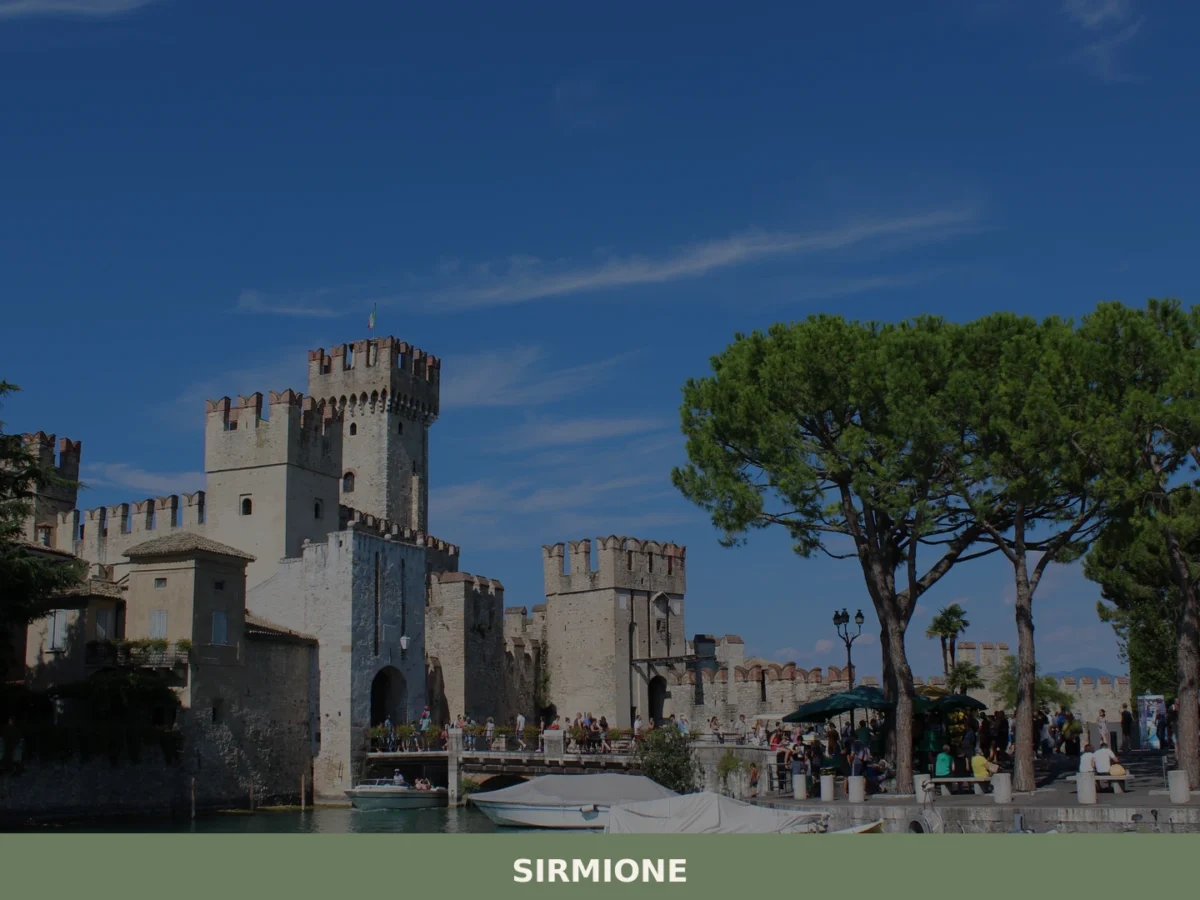
What to see in Sirmione, Italy: Explore the Scaligero Castle and Grottoes of Catullus in this Lombard village of 8,248 residents. Read our guide to planning your visit.
Cadegliano-Viconago
Hills
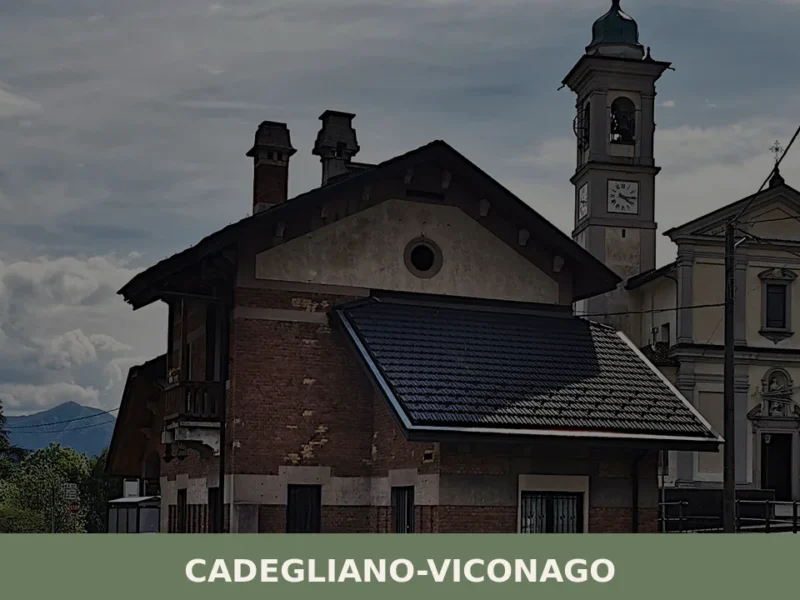
What to see in Cadegliano-Viconago: hilltop village at 414m, 2,155 residents. Two historic centres, chestnut woodland, views over Lake Lugano. Plan your visit with this complete guide.


🏡 Know Brunello better than we do?
If you’re a local or have been there, your knowledge matters: add what’s missing or fix a detail on this page.