


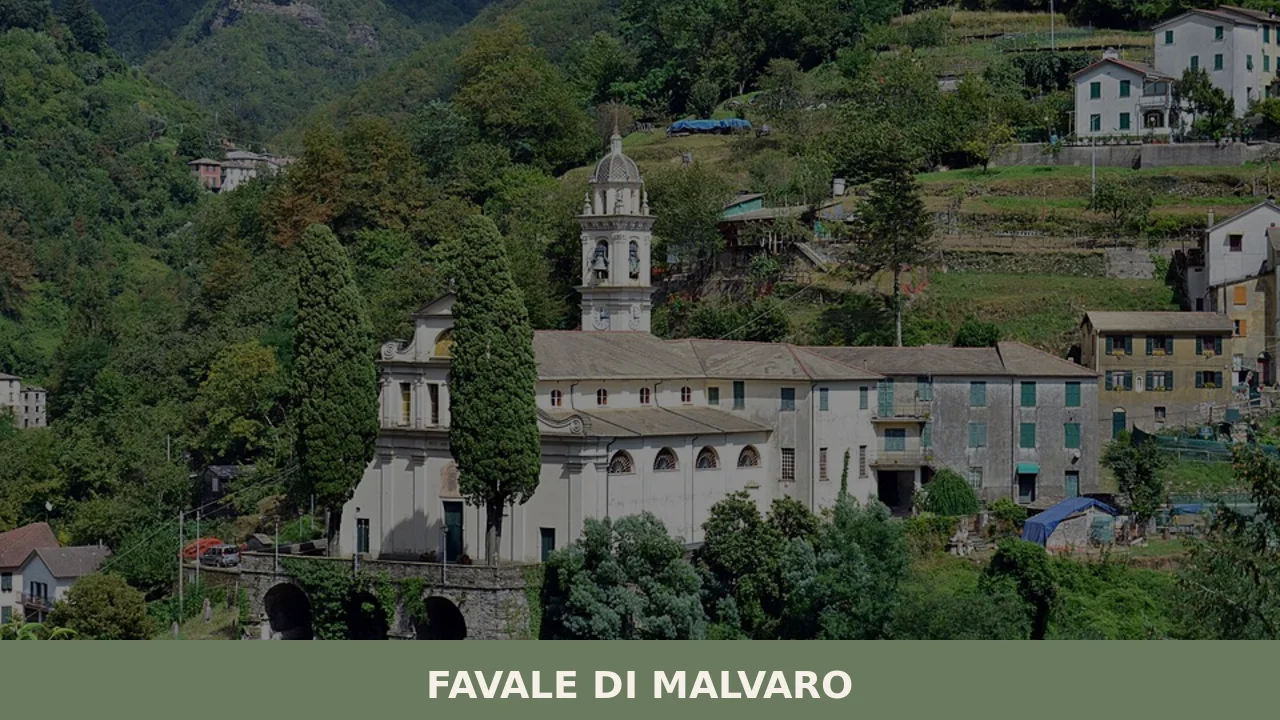
Favale di Malvaro
In 1892, Amadeo Pietro Giannini left Favale di Malvaro for America. The son of Ligurian emigrants, he went on to found the Bank of Italy in San Francisco in 1904, which later became Bank of America — for decades the largest banking institution in the world. This small village in the Fontanabuona valley, home to […]
Discover Favale di Malvaro
In 1892, Amadeo Pietro Giannini left Favale di Malvaro for America. The son of Ligurian emigrants, he went on to found the Bank of Italy in San Francisco in 1904, which later became Bank of America — for decades the largest banking institution in the world. This small village in the Fontanabuona valley, home to 428 residents at an elevation of 300 metres in the province of Genoa, still bears the Giannini surname on several plaques and doorways. Asking what to see in Favale di Malvaro means retracing the geography of a diaspora that transformed global finance, but also walking through chestnut forests, slate-paved mule tracks, and a parish church that holds ex-votos left by those who once departed by sea.
History and origins of Favale di Malvaro
The place name “Favale” most likely derives from the Latin favalis, linked to the cultivation of broad beans, a widespread crop in the Genoese hinterland during the early Middle Ages. “Malvaro” refers instead to the stream of the same name, a tributary of the Malvaro that flows into the Lavagna. The earliest documented mention of the village dates to the 12th century, when the territory fell under the jurisdiction of the Fieschi, Counts of Lavagna, one of the most powerful families in the Republic of Genoa. The Fieschi controlled the entire Fontanabuona valley and collected tolls on the routes connecting the coast to the Scoffera pass.
Between the 15th and 18th centuries, Favale was a centre of agro-pastoral economy based on chestnut groves, terraced vegetable gardens, and goat farming. Slate extracted from the valley’s quarries was transported by mule to Chiavari and the port of Genoa. The great wave of emigration in the second half of the 19th century emptied the village: hundreds of families left for California, Argentina, and Chile. The most notable case remains that of the Giannini family. Amadeo Pietro Giannini was born in San José in 1870, but his parents were originally from Favale. His biographical story is documented on a commemorative plaque mounted on the façade of the family home in the centre of the village.
In 1861, at the first census of the Kingdom of Italy, the municipality had over 1,800 residents. The current figure — 428 — tells the story of a century and a half of depopulation, partly slowed by hiking tourism and a recent interest in restoring rural dwellings.
What to see in Favale di Malvaro: churches, trails, and memories of emigration
1. Birthplace of the Giannini family
The stone-and-slate building from which Amadeo Giannini’s parents departed stands in the historic core of the village. A marble plaque, placed by the Municipality, commemorates the link between Favale and the founder of the Bank of America. The façade preserves the rural Ligurian architecture of the 18th century, with slate lintels and a segmental arch doorway.
2. Parish Church of the Madonna del Rosario
Dedicated to the patron of the village, celebrated on the first Sunday of October, the church contains a polychrome marble high altar and a series of maritime and migratory ex-votos dating from the 19th and 20th centuries. The single nave features a barrel-vaulted ceiling with frescoes. The bell tower, built from local stone, still marks the hours with a peal of three bells.
3. Slate mule tracks towards Monte Barile
A network of slate-paved trails connects Favale to the upper hamlets and Monte Barile (1,116 m). These routes, once commercial paths for transporting slate and chestnuts, are now part of the Ligurian hiking network. The path crosses abandoned terraced fields where dry-stone walls reach heights of three metres.
4. Medieval bridge over the Malvaro stream
Below the village centre, a humpback stone bridge spans the Malvaro stream. The single-arch structure dates most likely to the 14th–15th century and served the mule track linking the Fontanabuona valley to the Trebbia valley. The abutment stones show signs of hand-working with a pointed chisel.
5. Monumental chestnut groves of the Malvaro valley
The slopes above Favale are home to centuries-old chestnut trees with trunks exceeding four metres in circumference. These trees provided chestnut flour, construction timber, and stakes for coastal vineyards. Some specimens still bear the marks of incisions made for grafting, a technique documented in Ligurian agronomic manuals since the 16th century.
What to see in Favale di Malvaro: food and local produce
The cuisine of Favale belongs to the mountain hinterland of Genoa, distinct from the coastal tradition in its heavy use of chestnut flour and the near-total absence of fish. The most deeply rooted dish is chestnut cake (torta de castagne), prepared with flour from chestnuts dried in seccatoi (traditional racks set over a slow fire), water, Riviera Ligure DOP extra virgin olive oil, and pine nuts. Trofie, fresh pasta made from water and flour, are dressed with Pesto Genovese — prepared in a mortar with Genovese DOP basil, Vessalico garlic, Parmigiano Reggiano DOP, Pecorino Fiore Sardo DOP, pine nuts, and Riviera Ligure DOP extra virgin olive oil. Another widespread dish is Focaccia di Recco with cheese IGP, which in the hinterland version uses prescinseûa, a sour curd typical of Genoa. Ravioli alla genovese, filled with borage, prescinseûa, and marjoram, appear on festive tables.
In the surrounding woods, porcini mushrooms (Boletus edulis) are gathered, supporting a small seasonal economy between September and November. The Nocciola Misto Chiavari, a local ecotype of the Fontanabuona valley, is still grown on some terraced plots and used in the preparation of corzetti stampati — small pasta discs pressed with carved wooden stamps, dressed with walnut or pine nut sauce. During the feast of the Madonna del Rosario in October, food stalls offer frisceu (batter fritters with wild herbs), chickpea farinata, and roasted chestnuts. The official website of the Municipality publishes the programme of autumn festivals each year.
When to visit Favale di Malvaro: the best time of year
On the first Sunday of October, for the feast of the Madonna del Rosario, the village comes alive with a religious procession, food stalls, and traditional music: this is the time of year when the number of people present far exceeds the resident population. Autumn — from mid-September to late November — is the most rewarding season for those who want to walk the trails through the chestnut groves during the harvest and observe the colours of beech and Turkey oak on the slopes above 600 metres.
Spring, from April to June, brings mild temperatures (12–22 °C) and an extensive flowering of broom and wild orchids along the mule tracks. Summer can be hot in the valley floors, but altitudes above 700 metres provide relief. Winter is damp, with frequent fog below 400 metres and occasional snowfalls that isolate the higher hamlets. Those arriving by car should be aware that the provincial roads are narrow and winding: best to avoid days when ice is likely.
How to reach Favale di Malvaro
From Genoa, the most direct road is the SP 226 through the Fontanabuona valley: exit the A12 Genoa–Livorno motorway at the Lavagna junction, then follow the valley for about 25 km to Favale. The journey takes approximately 50 minutes. From Milan, take the A7 to Genoa and then the A12 towards Lavagna: roughly 190 km in total, about two and a half hours. From Parma, via the Cisa pass and then the A12, the route covers approximately 160 km.
The nearest railway station is Chiavari, on the Genoa–La Spezia line, served by regional and intercity trains. From Chiavari, Favale is 20 km along provincial roads; there are no frequent public transport connections, so a car or taxi is necessary. The reference airport is Cristoforo Colombo in Genoa, approximately 60 km away. Milan Malpensa airport is 220 km away.
Other villages to discover in Liguria
Those who reach Favale di Malvaro and have a few extra days can explore the eastern Ligurian hinterland by following the provincial roads that cross the ridges between valleys. To the north-west, climbing towards Liguria’s highest elevations, lies Fascia, the region’s loftiest municipality at over 1,000 metres, with its summit meadows and a population even smaller than Favale’s. Comparing the two villages reveals two variants of the same phenomenon: Liguria’s mountain economy founded on chestnuts, slate, and grazing, and its gradual emptying over the course of the 20th century.
On the other side of Liguria, in the Ponente, Diano Arentino presents a completely different landscape: endless olive groves, a dry Mediterranean climate, and a direct relationship with the coast at Diano Marina. Visiting both villages within a single trip to Liguria allows you to measure the distance — climatic, agricultural, architectural — between the wooded Levante and the olive-clad Ponente, separated by barely two hundred kilometres of motorway but by centuries of different histories.
In Liguria More villages to discover
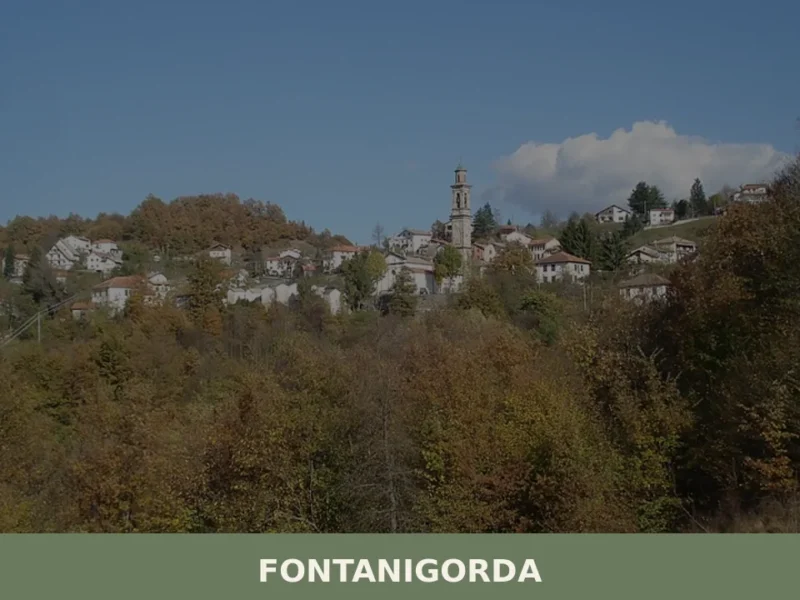
Fontanigorda
At 819 meters above sea level, in the heart of the upper Trebbia Valley, Fontanigorda appears as an alpine settlement in the province of Genoa. Its documented origin dates back to 1153, when it appears in annals as “Fontana Gordana,” a reference to the abundance of water in its territory. This village, with a population […]
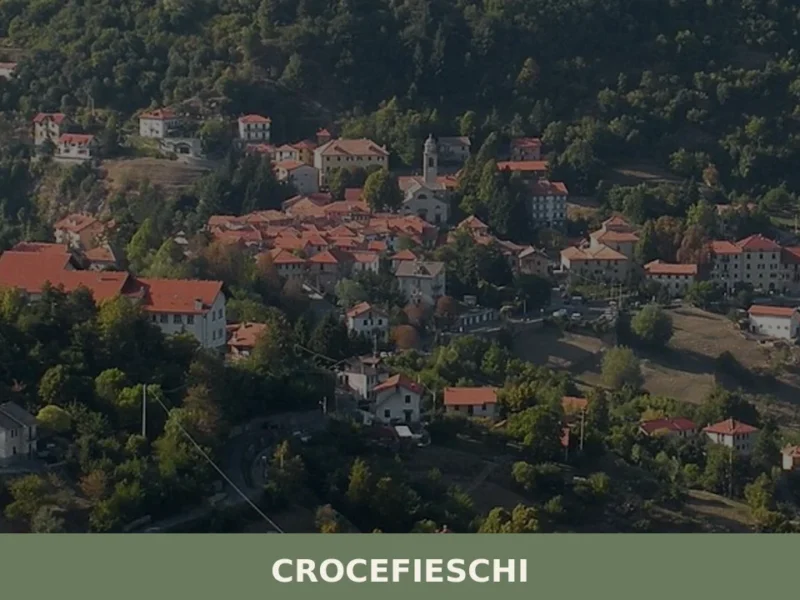
Crocefieschi
At 742 meters above sea level, in the heart of the Ligurian Apennines, lies Crocefieschi, a municipality in the province of Genoa with 518 inhabitants. Its geographical position makes it a reference point for those seeking significant altitudes in the Genoese hinterland, away from coastal dynamics. The village’s name, according to tradition, is said to […]
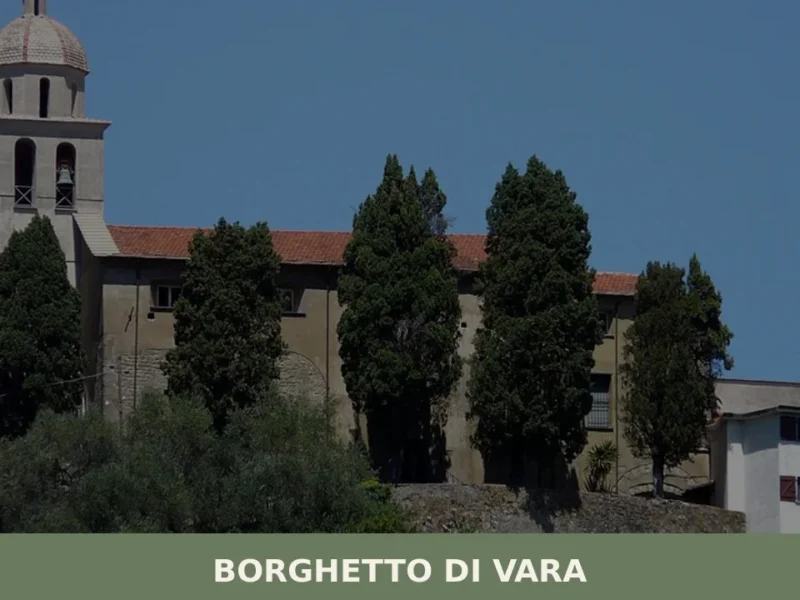
Borghetto di Vara
In 1863, the municipality of Borghetto, located in the middle Val di Vara, officially adopted the name Borghetto di Vara, highlighting its geographical connection to the river of the same name. With a population of 870 inhabitants and an altitude of 104 meters above sea level, this settlement in the province of La Spezia stands […]




📝 Incorrect information or updates?
Help us keep the Favale di Malvaro page accurate and up to date.