


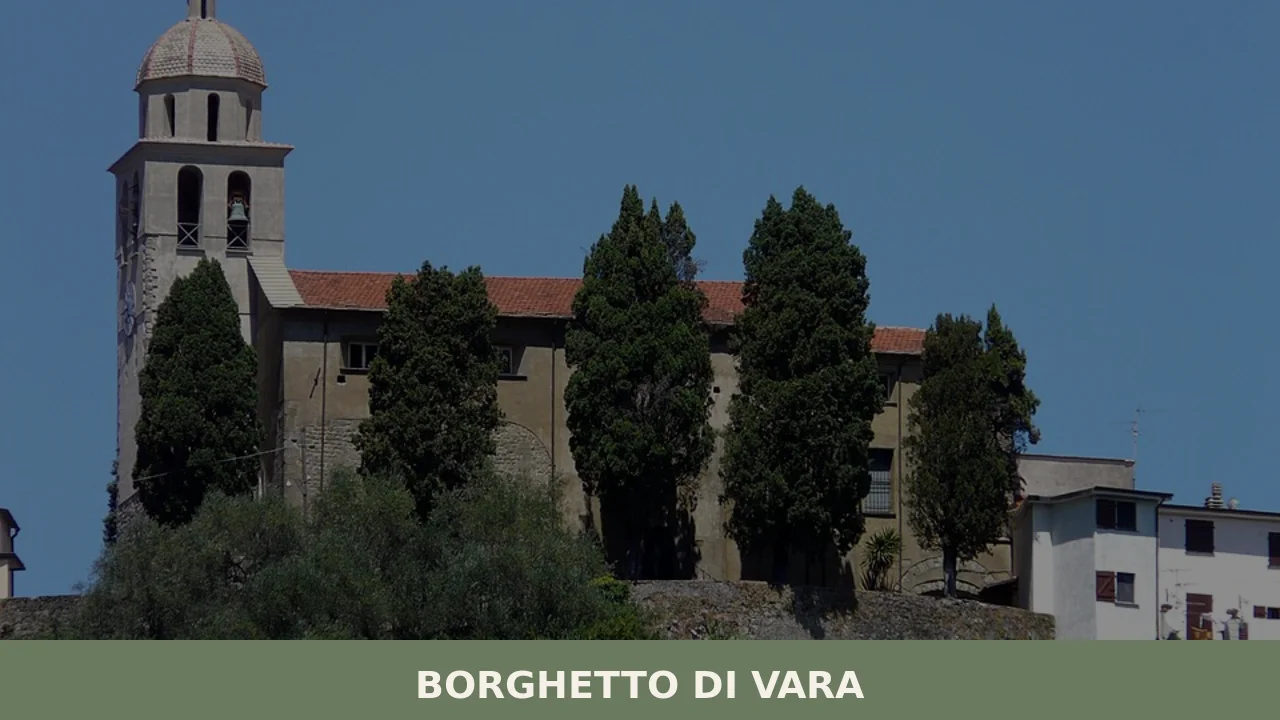
Borghetto di Vara
 Plains
What to see in Borghetto di Vara, Italy: Discover a village of 870 inhabitants at 104 m altitude. Explore its plain landscape and the Parish Church of San Carlo Borromeo.
Discover Borghetto di Vara
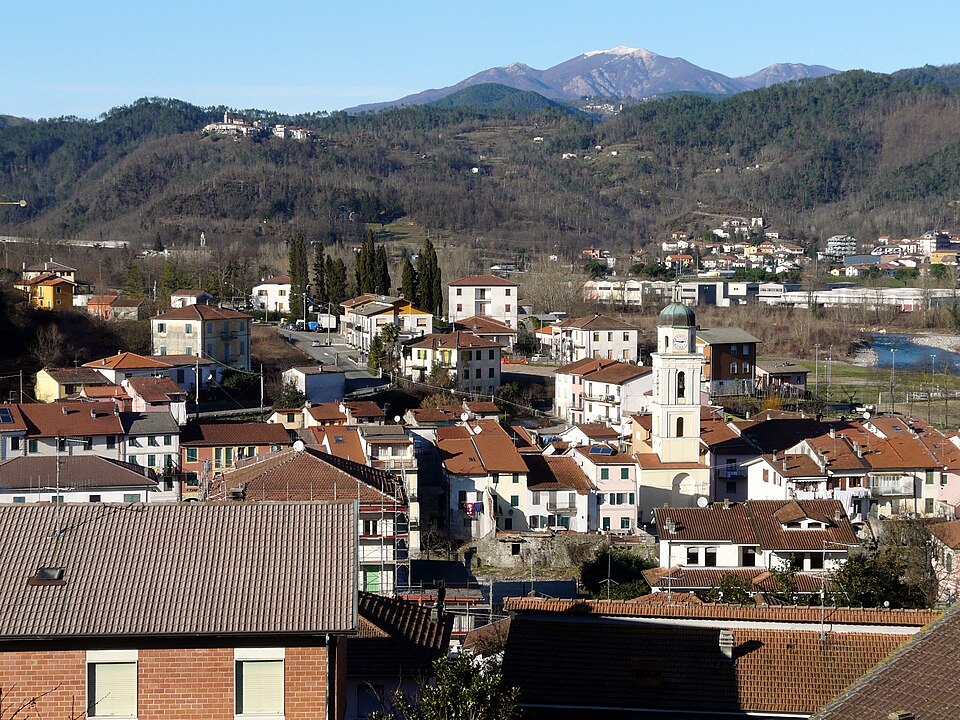
At an altitude of 104 m (341 ft) above sea level, Borghetto di Vara presents a distinct landscape within the Liguria region of Italy. Unlike many of its coastal and hillside counterparts, this comune is characterized by its location on a river plain, offering a different rhythm of life. The village’s modest population of 870 inhabitants contributes to a tranquil atmosphere, reflecting the agricultural and natural surroundings of the Vara valley.
This setting provides a unique insight into the lesser-known inland areas of the Italian Riviera.
For those wondering what to see in Borghetto di Vara, this guide provides a clear overview of its defining features. The village, with its 870 inhabitants, offers a glimpse into local Ligurian life away from the more frequented coastal areas. Visitors to Borghetto di Vara can explore its central square and the Parish Church dedicated to San Carlo Borromeo, alongside the tranquil banks of the Vara river. The Borghetto di Vara highlights include its accessible plain terrain and proximity to the provincial capital of La Spezia.
History of Borghetto di Vara
Borghetto di Vara functions as a comune, or municipality, within the Province of La Spezia, situated in the Italian region of Liguria. Its strategic location, approximately 70 km (43 mi) southeast of the major port city of Genoa and about 15 km (9 mi) northwest of La Spezia, has historically positioned it as a connecting point within the Vara valley. This geographical placement on a plain, rather than a steep hillside, would have influenced its development, potentially fostering agricultural activity and facilitating local trade routes through the valley. The administrative structure of a comune dates back centuries in Italy, giving Borghetto di Vara a defined civic identity within its regional context, influencing what to see in Borghetto di Vara today.
The evolution of Borghetto di Vara as a distinct settlement is tied to its relationship with neighboring localities and the broader Ligurian administrative landscape.
Bordering municipalities such as Beverino, Brugnato, Carrodano, Levanto, Pignone, Rocchetta di Vara, and Sesta Godano, the village serves as a local hub for its immediate surroundings. This network of small towns and villages is characteristic of inland Liguria, where communities historically developed in close proximity, often sharing resources and cultural practices. Such a configuration would have shaped Borghetto di Vara’s social fabric and economic activities through various historical periods, from medieval times to the modern era, as local governance evolved.
A significant modern historical connection for Borghetto di Vara was established in 1993, when it formally twinned with Schneckenlohe, a municipality in Germany. This act of international solidarity and cultural exchange represents a contemporary aspect of the village’s identity, fostering relationships beyond its regional borders.
While specific ancient historical records for Borghetto di Vara are not provided in detail, its continued existence as a comune with a population of 870 inhabitants at 104 m (341 ft) above sea level underscores its enduring presence in the Ligurian territory. Understanding what to see in Borghetto di Vara today involves appreciating this blend of local tradition and international ties, much like other inland Ligurian communities such as Lorsica.
What to see in Borghetto di Vara, Liguria: top attractions
The Plain of Borghetto di Vara
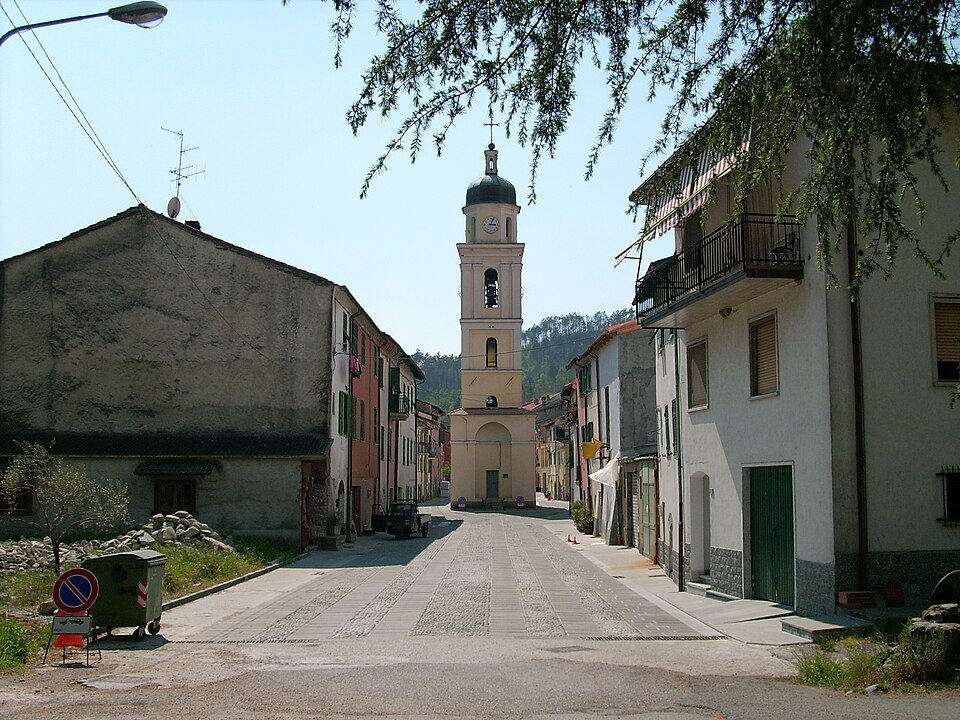
The village itself, situated at an elevation of 104 m (341 ft) above sea level, distinguishes Borghetto di Vara from the rugged Ligurian coast. Visitors encounter a landscape defined by its open, relatively flat terrain, a characteristic denoted by its ‘Pianura’ classification. This plain, shaped by the Vara river, offers broad vistas of agricultural fields and distant hills, providing a sense of space uncommon in much of the region. Exploring the gentle paths here allows for relaxed walks, particularly appealing during the milder months, offering a unique perspective on Ligurian geography.
The Vara River
The presence of the Vara River is central to the identity of Borghetto di Vara, as reflected in its very name.
This waterway, flowing through the valley, has historically provided fertile land and a natural route for communication and trade. Along its banks, visitors can observe the riparian ecosystem, characterized by native flora and the gentle flow of water. Access points to the river are found throughout the village’s periphery, offering opportunities for quiet contemplation or short strolls, particularly where the river meanders closest to the village center.
The Parish Church of San Carlo Borromeo
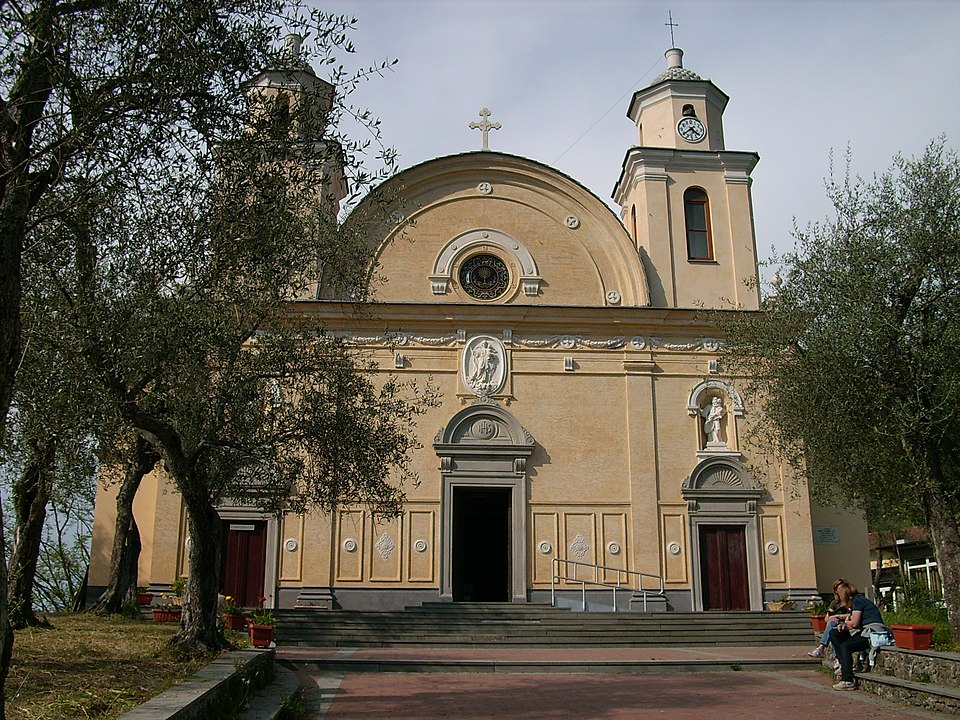
As the patron saint of Borghetto di Vara, San Carlo Borromeo is honored by the village’s main religious edifice, the Parish Church. While specific architectural details are not provided, Italian parish churches typically feature a stone or stucco facade, a bell tower, and an interior dedicated to worship. This central place of faith serves as a focal point for community life, especially during religious festivals. Visitors can typically enter during daylight hours, observing the quiet reverence of a structure that has served the spiritual needs of the 870 inhabitants for generations.
The Municipal Building (Comune di Borghetto di Vara)
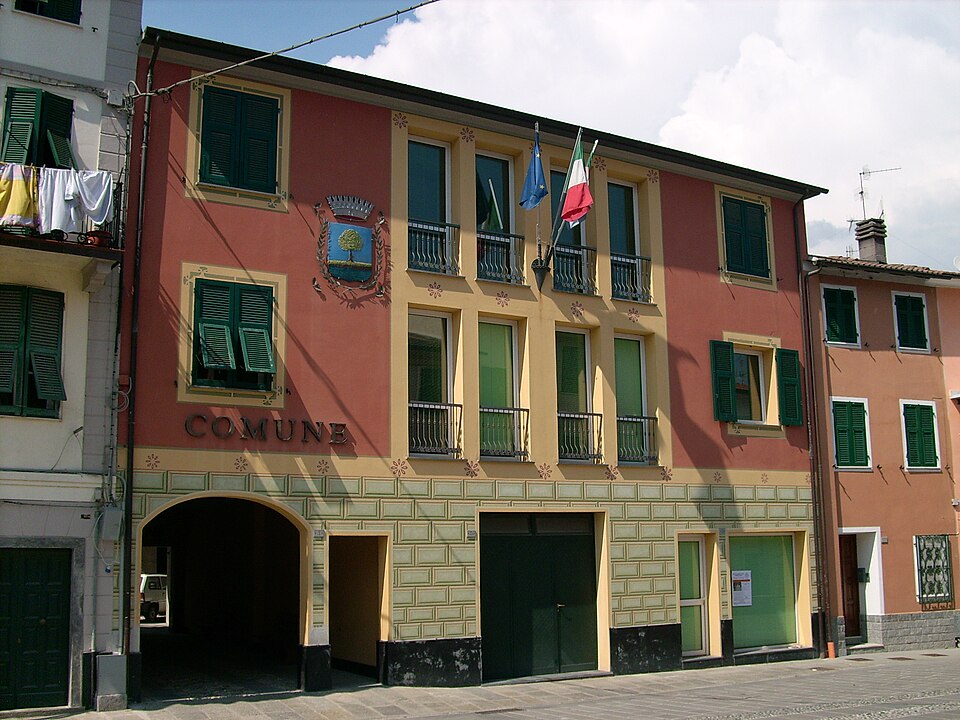
As a functioning comune, Borghetto di Vara houses its local administration within a municipal building, a structure that typically anchors the village’s civic square.
This edifice, often characterized by a formal architectural style, represents the historical continuity of local governance in Italy. While not a conventional tourist attraction, observing the seat of local government offers insight into the daily life and administrative structure of a small Italian town. The building stands as a tangible symbol of the community’s self-governance, a status held since its establishment as a municipality.
Views of the Vara Valley and Surrounding Hills
From various vantage points within Borghetto di Vara, particularly slightly elevated areas towards the edge of the plain, visitors can appreciate expansive views of the Vara Valley. The valley is framed by the verdant hills that define much of inland Liguria, creating a serene backdrop to the village’s flat expanse. This panorama highlights the transition from the river plain to the more rugged terrain, revealing the natural beauty of the region. Clear days offer visibility extending for several kilometers (miles) across the agricultural landscape, inviting contemplation of the natural environment that surrounds the comune.
Local food and typical products of Borghetto di Vara
The culinary traditions associated with Borghetto di Vara, while not specifically detailed in historical records, are inherently linked to the broader gastronomic heritage of Liguria.
This region’s cuisine is characterized by its emphasis on fresh, local ingredients, reflecting both its coastal proximity and its verdant inland valleys. Olive oil, aromatic herbs like basil and oregano, fresh vegetables, and seafood are fundamental components. The simplicity and quality of ingredients are paramount, often resulting in dishes that highlight natural flavors rather than complex preparations. This approach is consistent across many Ligurian communities, including those in the Vara valley, and also seen in villages like Aurigo. Understanding what to see in Borghetto di Vara also means appreciating its local flavors.
Typical Ligurian dishes, which would likely be found in the Borghetto di Vara area, often include various forms of pasta served with pesto, a sauce made from basil, pine nuts, garlic, Parmigiano Reggiano, Pecorino Sardo, and olive oil. Another common preparation is Focaccia, a flat oven-baked bread often seasoned with olive oil and salt, sometimes topped with onions or olives. Vegetable pies, known as Torte di Verdure, using seasonal greens such as chard or artichokes, also represent a staple. These dishes embody the region’s commitment to seasonal produce and traditional, straightforward cooking methods.
While specific certified products originating directly from Borghetto di Vara are not documented, the wider Ligurian region boasts several protected designations.
For instance, the extra virgin olive oil produced here, particularly the Riviera Ligure DOP, is renowned for its delicate flavor. Although no specific municipalities are provided for products directly linked to Borghetto di Vara, the agricultural nature of the Vara Valley suggests a historical reliance on local produce, including vegetables and fruits, which form the basis of the regional diet. Visitors interested in regional specialties can explore local markets in nearby towns for fresh, seasonal offerings.
Festivals, events and traditions of Borghetto di Vara
Borghetto di Vara observes its patron saint’s feast day on November 4th, dedicated to San Carlo Borromeo. This annual event is a significant occasion for the community, typically commencing with a solemn mass held in the Parish Church of San Carlo Borromeo. Following the religious service, a procession often takes place through the village streets, where a statue or effigy of the saint is carried, accompanied by local parishioners. Such celebrations are deeply ingrained in Italian village life, serving both as expressions of faith and as opportunities for community gathering and cultural continuity. The day reinforces the collective identity of the village’s 870 inhabitants.
To truly grasp what to see in Borghetto di Vara, experiencing such a traditional event is key.
While detailed information on other specific festivals or historical events unique to Borghetto di Vara is not available, the broader Ligurian calendar is rich with traditional observances. These often include seasonal agricultural fairs, local food festivals (known as sagre), and historical reenactments in various towns across the region. Visitors to Borghetto di Vara should inquire locally during their stay for any contemporary events or small-scale gatherings that might coincide with their visit. The village’s tranquil setting on the plain lends itself to community-focused activities that honor local customs.
When to visit Borghetto di Vara, Italy and how to get there
The best time to visit Liguria, and Borghetto di Vara specifically, is generally during the spring (April to June) and early autumn (September to October). During these months, the weather is mild and pleasant, with average temperatures ranging from 15-25°C (59-77°F), making it ideal for exploring the village and its surrounding natural environment. These periods also typically see fewer crowds compared to the peak summer season, allowing for a more serene experience. Summer, from July to August, brings warmer temperatures, often exceeding 30°C (86°F), which can be suitable for those planning day trips to the nearby Ligurian coast from Borghetto di Vara. This makes it an excellent period to discover what to see in Borghetto di Vara.
Borghetto di Vara is readily accessible for those traveling by car.
If you arrive by car, the village is located approximately 15 km (9 mi) northwest of La Spezia and 70 km (43 mi) southeast of Genoa. The most convenient motorway exit is likely Carrodano-Levanto on the A12 (Genova-Rosignano Marittimo) highway, from which Borghetto di Vara is a short drive. For those who prefer public transport, the nearest major train station is La Spezia Centrale, which offers connections to regional and national rail networks via Trenitalia. From La Spezia, local bus services or taxis can complete the journey to Borghetto di Vara, Italy. The terrain within the village is relatively flat due to its plain location, making it generally easy to navigate for most visitors, a contrast to the often steep streets found in places like Bergeggi.
For international visitors, it is advisable to carry some Euros cash, as smaller shops and local establishments in Borghetto di Vara may have limited card payment options. While English may not be widely spoken in all local businesses, residents are generally welcoming and helpful. Planning a day trip from nearest major city centers like Genoa or La Spezia is a feasible option, allowing visitors to experience the tranquil inland Ligurian life. Exploring Borghetto di Vara offers a peaceful contrast to the busier coastal towns, making it a worthwhile stop.
For further details, consult the official municipal website.
Beyond exploring the immediate surroundings of Borghetto di Vara, visitors can consider extending their itinerary to other significant Ligurian locales. For those interested in discovering more of the region’s diverse inland character, a visit to Cosio d’Arroscia offers further insight into traditional Ligurian village life and its historical roots, providing a broader understanding of the area’s cultural tapestry.
Frequently asked questions about Borghetto di Vara
What is the best time to visit Borghetto di Vara?
The best times to visit Borghetto di Vara are spring and autumn, offering mild temperatures perfect for exploring the village and the Val di Vara's vibrant landscapes. These seasons provide a picturesque setting for walks and outdoor activities. Mark your calendar for November 4th, the feast day of San Carlo Borromeo, the village's patron saint. This occasion features religious celebrations and often civil events, offering a unique glimpse into local traditions. While summer can be warm, the Vara river provides refreshing opportunities for riverside strolls or relaxation during cooler hours, making it pleasant throughout much of the year.
What to see in Borghetto di Vara? Main monuments and landmarks
In Borghetto di Vara, visitors can explore several sites that define its historical identity. The Church of San Carlo Borromeo, dedicated to the patron saint, is the main place of worship, notable for its architectural evolution. Within the historic core, you'll find the evocative Remains of the Fieschi Tower, a testament to medieval defenses. Wander through the village's characteristic alleys and small squares, observing the traditional Ligurian architecture. The Bridge over the Vara river highlights the village's crucial connection to the waterway, while the Oratory of San Giovanni Battista, next to the parish church, showcases local religious art and traditions.
What can you do in Borghetto di Vara? Activities and experiences
Visitors to Borghetto di Vara can immerse themselves in the authentic Ligurian hinterland. A key activity is exploring the compact historic core, discovering its traditional Ligurian buildings, winding alleys, and charming small squares. Enjoy peaceful walks along the banks of the Vara river, which offers refreshing opportunities, especially during warmer periods. The village's rich gastronomic heritage invites you to savor local specialties like the unique Testaroli and Panigacci, often available during seasonal events. Engage with the local culture through its historical sites and experience the tranquility of the Val di Vara.
Who is Borghetto di Vara suitable for? Families, couples, hikers, solo travelers?
Borghetto di Vara is ideal for travelers seeking a tranquil and authentic Ligurian experience away from the coastal crowds. It particularly appeals to history enthusiasts interested in its medieval origins and riverine development, and foodies eager to savor genuine local cuisine like Testaroli and Panigacci. Couples and solo travelers will appreciate the peaceful atmosphere and historic charm for a relaxing getaway. Its gentle environment, with opportunities for walks along the Vara river, also makes it suitable for families and those who enjoy light exploration of natural beauty and traditional village life.
What to eat in Borghetto di Vara? Local products and specialties
Borghetto di Vara offers a delicious journey into traditional Ligurian peasant gastronomy. You must try Testaroli, thin pasta discs typically cooked on cast-iron griddles and served with pesto, olive oil, and cheese. Another characteristic dish is Panigacci, similar but smaller, often enjoyed with local cured meats and cheeses. The area is also renowned for Val di Vara Honey, a product that benefits from the region's rich floral diversity. Additionally, explore dishes featuring locally gathered mushrooms, wild herbs, and artisanal goat and sheep cheeses, which are staples of the authentic local cuisine.
📷 Photo Gallery — Borghetto di Vara
Nearby Villages near Borghetto di Vara
In Liguria More villages to discover
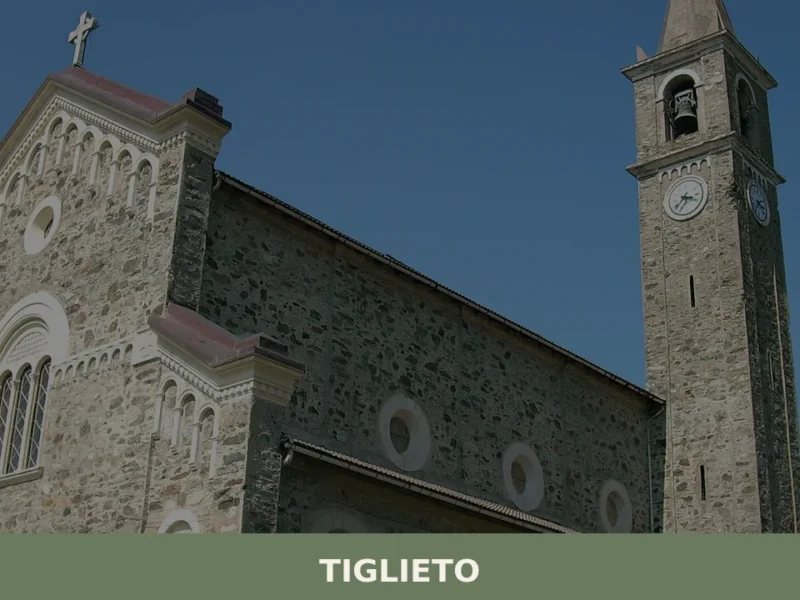
Tiglieto
 Mountain
what to see in tiglieto: Explore Tiglieto, Italy, located 52 km (32 mi) from Genoa. Discover the historic Abbey and the Beigua Regional Park.
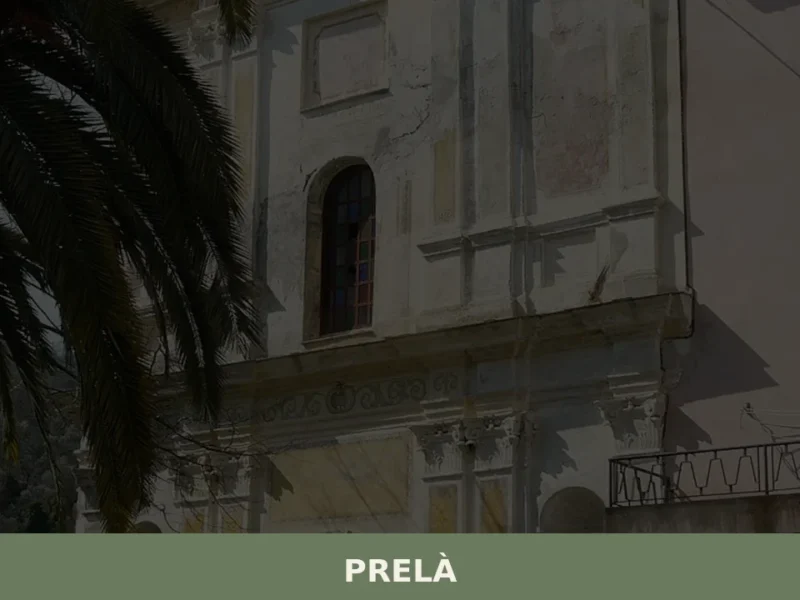
Prelà
 Hills
Hills
What to see in Prelu00e0, Liguria, Italy: explore 5 top attractions, local olive oil traditions, and practical travel tips. Population 485. Discover it now.
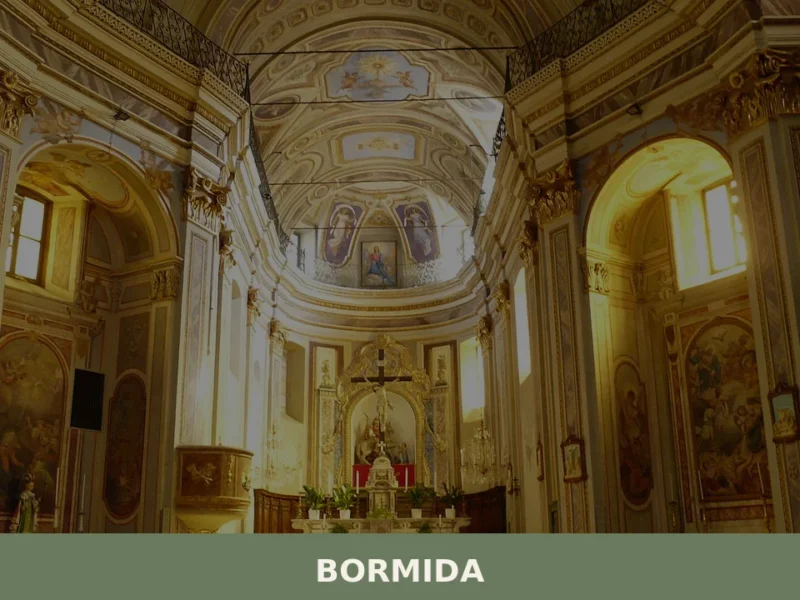
Bormida
Hills
The Bormida di Pallare runs cold through the upper valley, cutting between the flanks of Monte Settepani at 1,386 m (4,547 ft) and Ronco di Maglio at 1,108 m (3,635 ft). Iron was worked here for centuries, and the name of at least one surviving building still carries that industrial memory. The village covers 22.4 […]
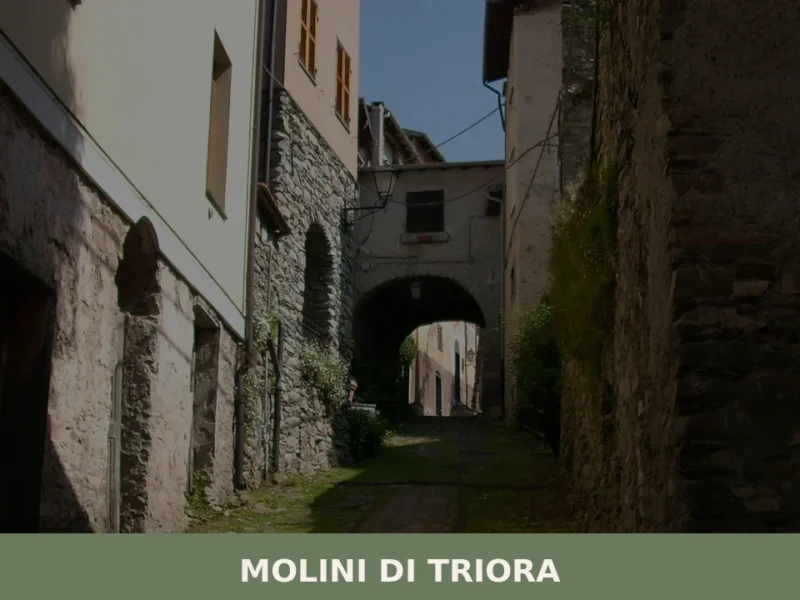
Molini di Triora
Hills
What to see in Molini di Triora, Italy: a village at 460 m in Liguria. Discover top attractions, local food, festivals and how to get there. Read the guide.
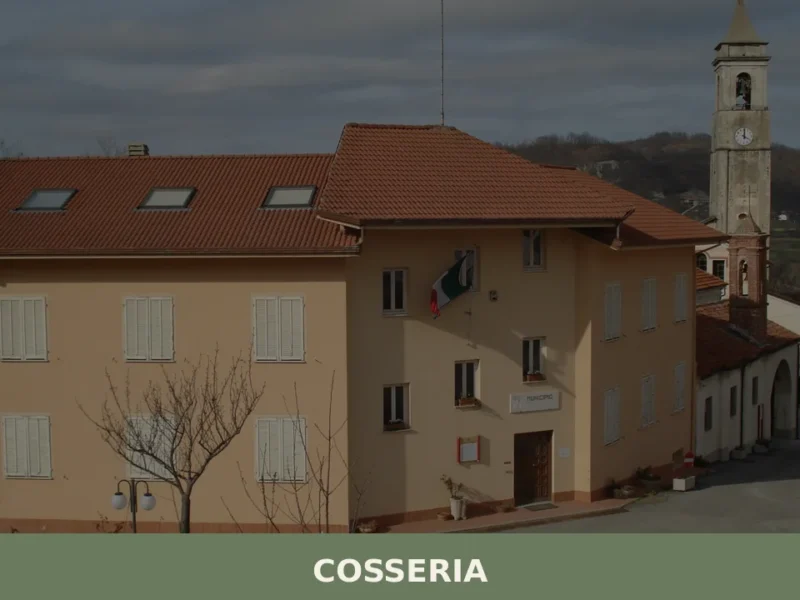
Cosseria
Mountain
What to see in Cosseria, Liguria, Italy: explore a comune of 1,095 inhabitants near Savona. Discover the 5th Infantry Division history, local food and how to get there.
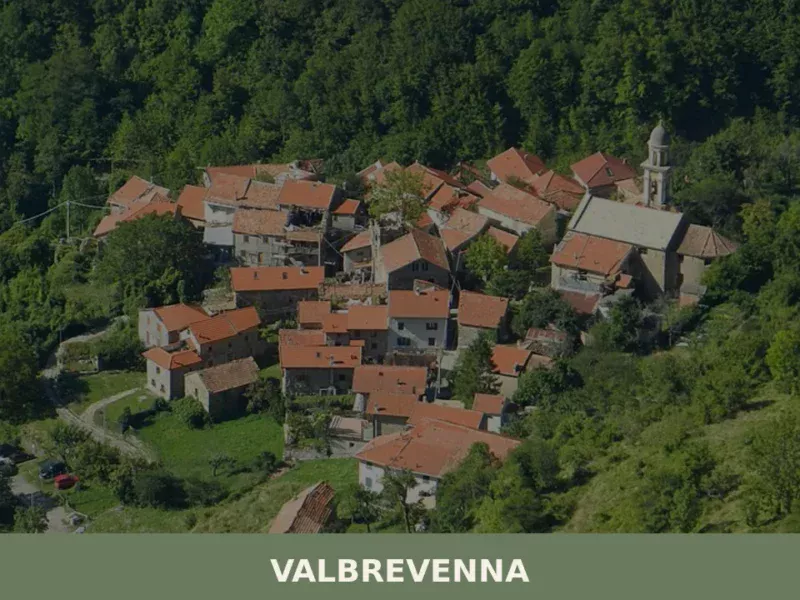
Valbrevenna
Mountain
what to see in valbrevenna, Italy: Explore the Ligurian Apennines. With 817 inhabitants, discover hiking in Antola Park and traditional hamlets. Read our guide.
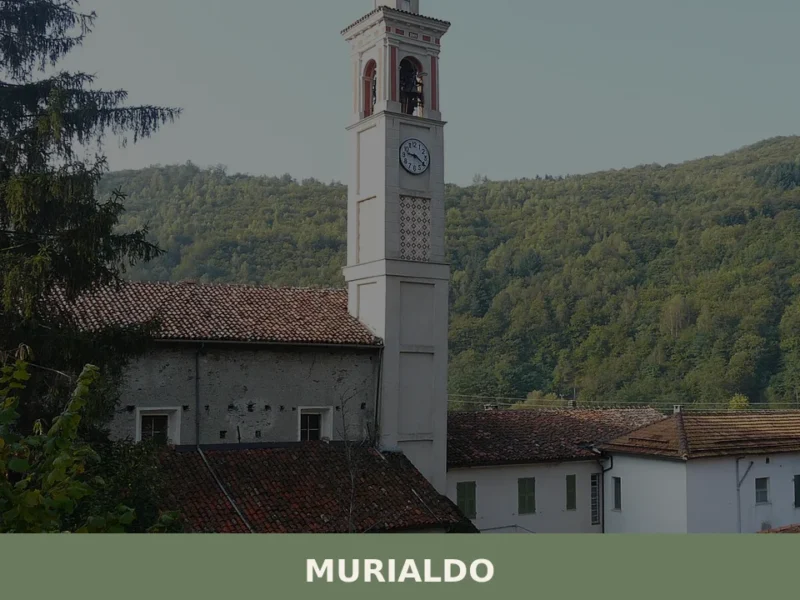
Murialdo
Mountain
What to see in Murialdo, Liguria, Italy: 8 borgate, Monte Camulera, and local cuisine across 37.5 sq km. Discover top attractions, events, and how to get there.
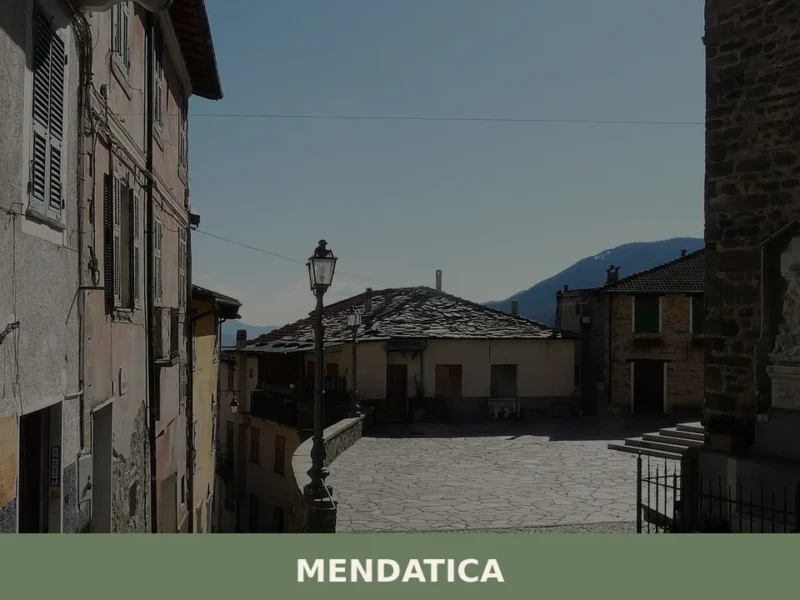
Mendatica
Mountain
What to see in Mendatica, Liguria, Italy: 190 inhabitants, mountain village 100 km from Genoa. Discover Colle San Bernardo, Alpi Liguri Park and local cuisine.
Monterosso al Mare
 Sea
Sea
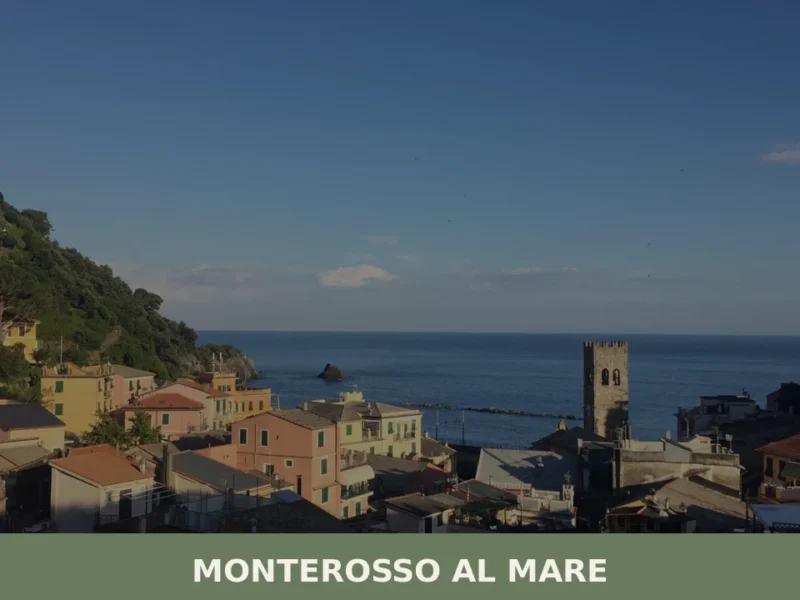
What to see in Monterosso al Mare, Italy: explore a 14-metre Neptune statue, a church built in 1282, and Cinque Terre's only sand beach. Discover the complete guide.
Calice Ligure
Plains
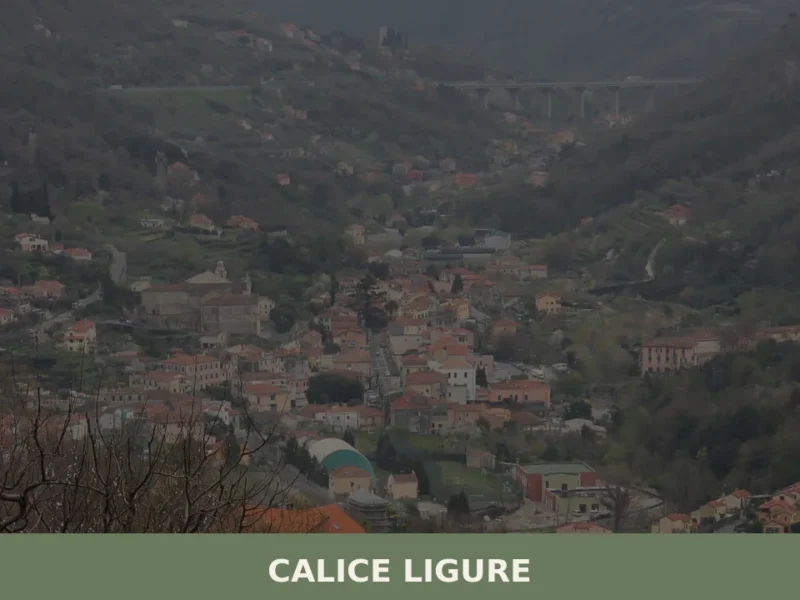
What to see in Calice Ligure, Italy: explore top attractions, local food and how to reach this Savona village of 1,727 people. Discover Liguria's inland.

🏡 Know Borghetto di Vara better than we do?
If you’re a local or have been there, your knowledge matters: add what’s missing or fix a detail on this page.