


Giovinazzo
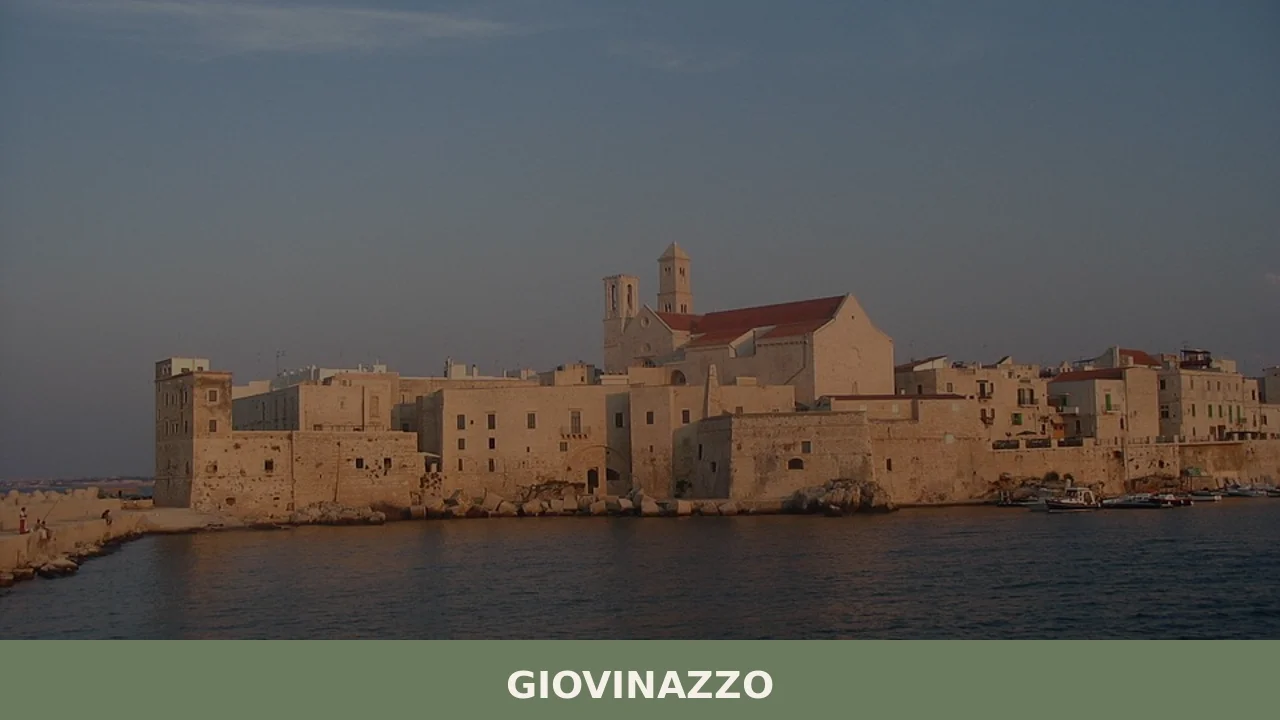
The walls of Giovinazzo’s old port form an irregular semicircle jutting out into the Adriatic Sea, visible from the SS16 state road that runs along the Bari coastline. This small city of 19,366 inhabitants, sitting at just 7 metres above sea level, retains a compact medieval historic centre, still partly surrounded by the original city […]
Discover Giovinazzo
The walls of Giovinazzo’s old port form an irregular semicircle jutting out into the Adriatic Sea, visible from the SS16 state road that runs along the Bari coastline. This small city of 19,366 inhabitants, sitting at just 7 metres above sea level, retains a compact medieval historic centre, still partly surrounded by the original city walls.
Fishing boats bob inside the harbour, sheltered by the eastern breakwater built during the Angevin period and reinforced several times over the following centuries. Anyone wondering what to see in Giovinazzo will find here an urban core where Romanesque architecture, Renaissance architecture and everyday maritime life coexist in a concentrated space — walkable in an hour but dense with layers that demand close attention.
History and origins of Giovinazzo
The city’s Latin name, Iuvenacium, first appears in early medieval documents, but its etymology remains a matter of debate among historians. A local tradition links it to Jovis natium, referring to a hypothetical temple dedicated to Jupiter that once stood in the area. A more widely accepted hypothesis among philologists connects it to the Latin word iuvenis, possibly related to the town’s founding by young colonists or to the vitality of its port. Traces of settlement in the area date back to the Bronze Age: remains of Peucetian villages have been found in the surrounding countryside, evidence of continuous human presence along this stretch of coast for at least three millennia.
The period of greatest urban expansion coincided with the Norman and Swabian eras, between the 11th and 13th centuries.
In 1071, Robert Guiscard conquered Giovinazzo, incorporating it into the Norman defensive system along the Apulian coast. The Cathedral of Santa Maria Assunta, consecrated in 1283, represents the most significant architectural legacy of this phase. During Angevin rule, the city obtained commercial privileges tied to port trade, and the harbour was enlarged to accommodate larger vessels. In the 15th century it passed to the Gonzaga family, who governed it as a duchy until the 18th century, leaving clear traces in the ducal palace and in the urban modifications to the centre.
The census of 1861, shortly after the Unification of Italy, recorded roughly 8,000 inhabitants. Twentieth-century population growth pushed the figure above 20,000 in the 1990s, before stabilising around the current 19,000 residents. Among the notable figures linked to Giovinazzo is Giovanni Bovio (1837–1903), a philosopher and republican parliamentarian whose birthplace stands in the historic centre.
The jurist and Risorgimento patriot played an active role in the political life of unified Italy, and the city named its main square after him. Today Giovinazzo sustains a balance between its seafaring vocation — the port still houses an active fishing fleet — and the growing tourist appeal of its architectural heritage and local gastronomy, as also documented in the dedicated entry on Wikipedia.
What to see in Giovinazzo: 5 essential attractions
1. Cathedral of Santa Maria Assunta
The Cathedral of Santa Maria Assunta dominates the skyline of the historic centre with its local limestone façade and large central rose window. Built between the 12th and 13th centuries in the Apulian Romanesque style, it was consecrated in 1283 by Bishop Andrea. The three-nave interior preserves a precious 13th-century mosaic floor in the crypt, depicting a griffin and a dragon locked in combat. The crypt itself, dedicated to the Madonna di Corsignano — co-patron saint of the city celebrated on 18 August — houses a polychrome wooden statue venerated by the community. The rear apse, visible from the seafront promenade, faces directly onto the sea, producing a striking visual effect.
2. Old Port and Eastern Breakwater
The old port is the original nucleus around which Giovinazzo’s economic life developed. The harbour basin, protected by the Angevin-era eastern breakwater, still accommodates local fishing boats, moored in a narrow stretch of water between the town walls and the rocky shore. Walking along the breakwater in the morning hours, you can witness the return of the fishing boats and the unloading of fresh fish, sold directly on the spot. The perimeter walls of the port, restored on multiple occasions, retain traces of their different construction phases: from the Norman base to the 16th-century additions. From here the view opens out across the wide Adriatic and, on clear days, towards the Gargano promontory.
3. Gonzaga Ducal Palace
The Ducal Palace, located in the upper part of the historic centre, served as the residence of the Gonzaga family in Giovinazzo from the 15th to the 18th century. The original 15th-century structure underwent significant expansion in the 16th century, when the Gonzaga-Guastalla branch made it the seat of ducal power. The internal courtyard features a loggia with round arches and a monumental staircase leading to the upper floors. Some rooms preserve fragments of fresco decoration. The building now houses municipal offices and spaces for cultural events; the courtyard is accessible during office hours and is one of the most rewarding spots for anyone wanting to understand the city’s architectural layering.
4. Church of San Domenico and Triumphal Arch
The Church of San Domenico, built in the 16th century at the behest of the Dominican order, stands along the route connecting the historic centre to the modern town. The single-nave interior contains Baroque altars in local stone and 17th-century canvases from the Neapolitan school. A few steps from the church stands the so-called Triumphal Arch, a 15th-century city gate that marked the southern entrance to the walled town. The arch, built from squared tuff blocks, retains the ducal coat of arms on its keystone. This passageway still functions today as both a physical and symbolic transition between modern and medieval Giovinazzo, and it is one of the most photographed spots in the town.
5. Seafront Promenade and Coastal Beaches
The Giovinazzo seafront stretches for about two kilometres southeast of the historic centre, along a low, rocky coastline broken up by small sandy coves. The main beach, located near Cala Porto, is reachable on foot from the centre in under ten minutes. The waters, continuously monitored by ARPA Puglia, are among the clearest along the Bari coast. In summer the promenade comes alive with kiosks and bathing facilities, but in spring and autumn it also offers ideal conditions for walks and swimming.
The seabed, predominantly rocky, supports posidonia meadows that make this stretch of sea appealing for snorkelling as well.
What to eat in Giovinazzo: local cuisine and regional products
Giovinazzo’s cuisine reflects its position as a port on the Adriatic coast of Puglia, with a gastronomic repertoire built on fresh fish, vegetables from the hinterland and cereals grown in the farmland between the city and Bitonto. The influence of the sea is dominant: local fishermen bring ashore octopus, cuttlefish, mussels, sea urchins and oily fish, all of which go into dishes prepared with techniques passed down through generations. Extra-virgin olive oil from the olive groves on the plain behind the town provides the fat base for almost every preparation, from raw dishes to fried ones.
Among the most representative dishes of the Giovinazzo table is the tiella di riso, patate e cozze (rice, potato and mussel bake), prepared in a terracotta dish with alternating layers of rice, thinly sliced potatoes, shelled mussels, cherry tomatoes, onion and grated pecorino, slowly baked in a wood-fired oven until a golden crust forms on top.
Polpo alla pignata (clay-pot octopus) is another deeply rooted local preparation: the octopus is cooked over very low heat in a terracotta vessel with its own liquid, garlic, tomato and a drizzle of oil, without any added water. In winter, purè di fave con cicorie selvatiche (broad bean purée with wild chicory) is widely consumed — a peasant dish found throughout Puglia but made here with dried broad beans grown in the fields between Giovinazzo and Terlizzi.
Among the regionally recognised products linked to the area, Acquasale (PAT) deserves mention — a simple soup of peasant and seafaring origin made with stale bread soaked in hot water, dressed with fresh tomato, raw onion, oregano and extra-virgin olive oil — a recovery dish that served as the fishermen’s breakfast before dawn. Africani (PAT) are local pastries made from choux dough filled with pastry cream and coated in dark chocolate, widespread across the province of Bari but particularly associated with the traditional patisseries of the area.
Also noteworthy are the wild asparagus (PAT), gathered in the countryside between March and May and eaten in frittata, preserved in oil or as a sauce for fresh pasta. Within the same local preserving tradition are the asparagus in olive oil (PAT), prepared from the same wild shoots, blanched and preserved in extra-virgin olive oil.
Summer is the season for food festivals and wine-and-food events. During the feast of the Madonna di Corsignano on 18 August, the streets of the centre fill with stalls selling local products, and families prepare traditional sweets for the occasion. The weekly Saturday morning market, held along the main avenue, offers fresh fish from the port, seasonal vegetables and cheeses from farms in the hinterland.
For preserved products — such as cime di rapa (turnip tops) in oil or Apulian taralli — the food shops in the historic centre stock a range tied to artisanal production.
The Giovinazzo area falls within the production zone of Castel del Monte DOC, a wine appellation encompassing reds, rosés and whites made primarily from Nero di Troia, Bombino Nero and Pampanuto grapes. Nero di Troia, vinified as a single varietal, produces a full-bodied red with notes of black cherry and spice, well suited to pairing with meat dishes and aged cheeses. The wineries in the hinterland between Giovinazzo, Terlizzi and Ruvo di Puglia offer tastings by appointment, providing access to a winemaking tradition often underestimated compared to that of the Salento.
When to visit Giovinazzo: the best time of year
Giovinazzo’s climate follows the coastal Mediterranean pattern: mild winters with temperatures that rarely drop below 5°C and hot summers tempered by the Adriatic breeze, with averages of 28–30°C between July and August. The best time to visit depends on the traveller’s interests. Those looking to swim will find ideal conditions from June to September, with sea temperatures reaching 24–26°C in August. For those who prefer to explore the architectural heritage without the summer crowds, April–May and October offer pleasant temperatures (18–22°C) and a quality of light particularly suited to photography along the promenade and in the old port.
The two patron saint celebrations mark the community’s calendar: on 3 July, Saint Thomas the Apostle is honoured with a procession through the streets of the centre, while 18 August is devoted to the Madonna di Corsignano, with a sea procession involving the fishing boats and culminating in fireworks over the harbour.
August is inevitably the busiest month, with the population doubling thanks to returning emigrants and beachgoing tourists. For a calmer experience and lower accommodation prices, the first half of June and the second half of September offer an effective compromise: the sea is already (or still) warm enough for swimming and the restaurants in the historic centre operate at full capacity without waiting lists. Up-to-date information on events and festivals is available on the official website of the Municipality.
How to get to Giovinazzo
Giovinazzo lies along the SS16 Adriatica state road, approximately 20 kilometres northwest of Bari. By car, from the A14 Bologna–Taranto motorway, take the Bitonto exit and continue for about 10 kilometres towards the coast. From central Bari the drive takes 25–30 minutes; from Foggia roughly one hour and forty minutes (150 km); from Lecce about two and a half hours (190 km via the A14).
The Giovinazzo railway station, on the Bari–Foggia Adriatic line operated by Trenitalia, is served by regional trains running approximately once an hour.
The journey from Bari Centrale takes 15–20 minutes. Bari-Palese Karol Wojtyła Airport is just 12 kilometres away and reachable in 15 minutes by car; an AMTAB bus link from Giovinazzo railway station connects to the airport via Bari. To explore the coast and the hinterland, a private or rental car remains the most flexible option, as public transport connections to the smaller inland towns are limited. Further logistical details can be found on the Touring Club Italiano page dedicated to the Bari coast.
Other villages to discover in Puglia
Puglia has a network of smaller villages that deserve to be included in a broader itinerary beyond the Bari coast alone. About 180 kilometres from Giovinazzo, in the province of Foggia, lies Celle di San Vito, the smallest municipality in the region with fewer than 200 inhabitants, situated at over 700 metres above sea level in the Dauni Mountains.
It is one of only two Franco-Provençal linguistic enclaves still active in Italy, where some elderly residents still speak a dialect of Occitan origin. The contrast with Giovinazzo is stark: from the Adriatic coast you move to an Apennine landscape of woods and pastures, reachable in about two hours by car across the Tavoliere plain.
Closer by, also in the province of Foggia, Casalvecchio di Puglia represents another of Puglia’s linguistic minorities: the village preserves traces of its Arbëreshë community, descended from Albanian settlers who arrived in the 15th century.
With around 1,800 inhabitants, Casalvecchio maintains traditions and religious rites of the Greek-Byzantine rite that set it radically apart from the coastal centres. An itinerary linking Giovinazzo, Casalvecchio di Puglia and Celle di San Vito allows you to cross, in three stages — sea, hills, mountains — the full geographic and cultural variety of northern Puglia, covering a total of roughly 200 kilometres drivable in half a day.
In Apulia More villages to discover
Accadia
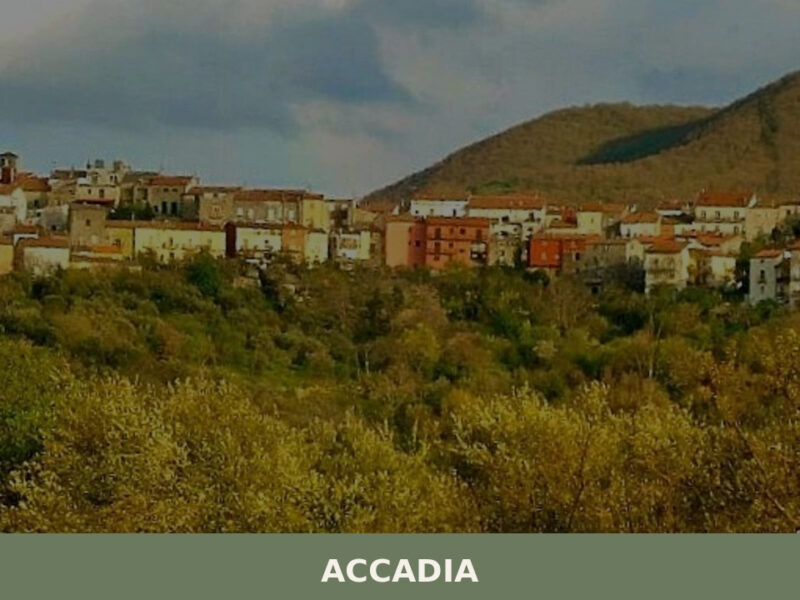
Perched at 650 metres above sea level on the western edge of Puglia’s Subappennino Dauno, the small village of Accadia feels like a secret whispered between mountains and sky. Home to just over 2,200 inhabitants, this ancient hilltop settlement in the province of Foggia rewards visitors with crumbling medieval ruins, sweeping panoramas, and a fierce […]
Panni
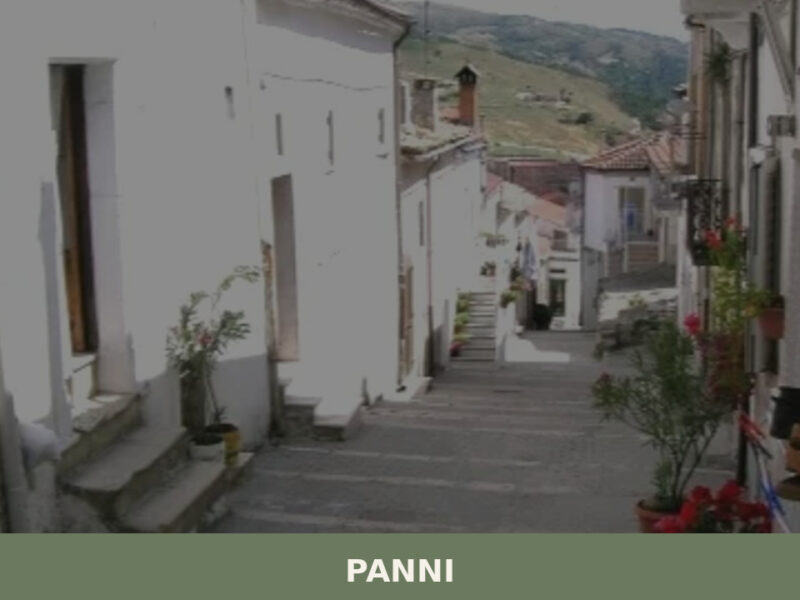
Panni stands at 801 metres in the Daunian Sub-Apennines, a wind-swept village of 693 people in the province of Foggia. A guide to its history, sights, and food.
Brindisi
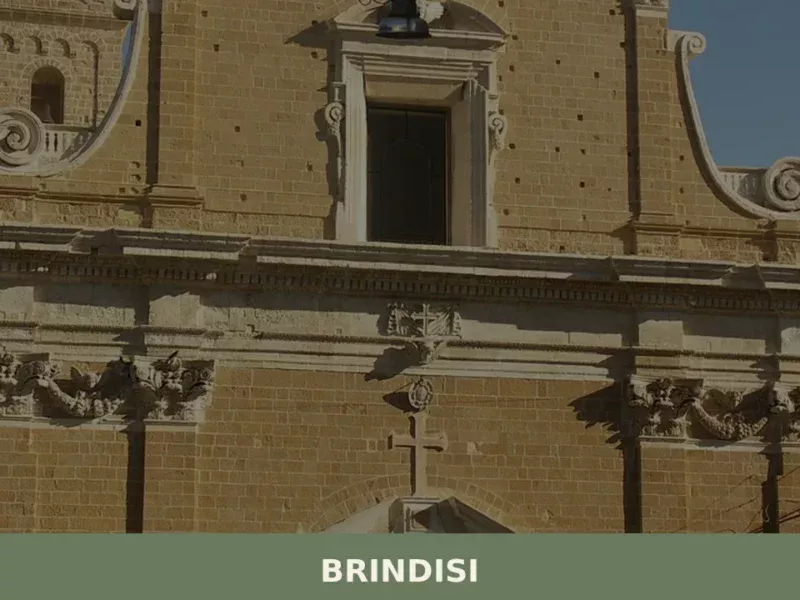
From the port of Brindisi, at a strategic point where the Adriatic opens towards the East, stands the Monument to the Italian Sailor, an imposing structure that since 1933 has watched over the city and its maritime routes. This city, overlooking a natural inlet that for centuries has welcomed fleets and trade, has historically been […]


📝 Incorrect information or updates?
Help us keep the Giovinazzo page accurate and up to date.