


Panni
 Mountain
Panni stands at 801 metres in the Daunian Sub-Apennines, a wind-swept village of 693 people in the province of Foggia. A guide to its history, sights, and food.
Discover Panni
At 801 metres above sea level, the wind arrives before the light does. Dawn in Panni begins with a low whistle through stone doorways and the smell of woodsmoke from the first lit hearths. This is a village of 693 people clinging to the spine of the Daunian Sub-Apennines, in the province of Foggia — a place where the horizon stretches unbroken across wheat fields and wind-turbine ridgelines. If you are wondering what to see in Panni, the answer starts with simply standing still and letting the landscape announce itself.
History of Panni
The origins of Panni are debated among local historians, though the settlement almost certainly dates to the early medieval period, when communities in the Daunian Mountains clustered on high ground for defence and survival. One widely cited theory connects the name “Panni” to the Latin word pannus — cloth — suggesting the village may have been associated with wool production or textile trade, a plausible claim given the pastoral economy of the surrounding highlands. Another interpretation traces the name to a corruption of an older toponym linked to the terrain itself.
During the Norman and Swabian periods, Panni fell under the feudal structures that governed much of what is now northern Puglia. The village passed through the hands of various baronial families, as did most small settlements in the Capitanata region. Its elevated, somewhat isolated position meant it remained marginal to the major trade routes connecting Foggia to the Campanian hinterland, but this same remoteness preserved a social fabric built on agro-pastoral rhythms that persisted well into the twentieth century.
Emigration reshaped Panni dramatically. Like many Daunian hill towns, it lost a significant share of its population during the waves of departure to the Americas and northern Europe in the late 1800s and again after the Second World War. The village today — with fewer than 700 residents — carries the architectural imprint of a community that was once considerably larger, its stone houses standing in silent proportion to a population that has contracted around them.
What to see in Panni: 5 must-visit attractions
1. The Historic Centre
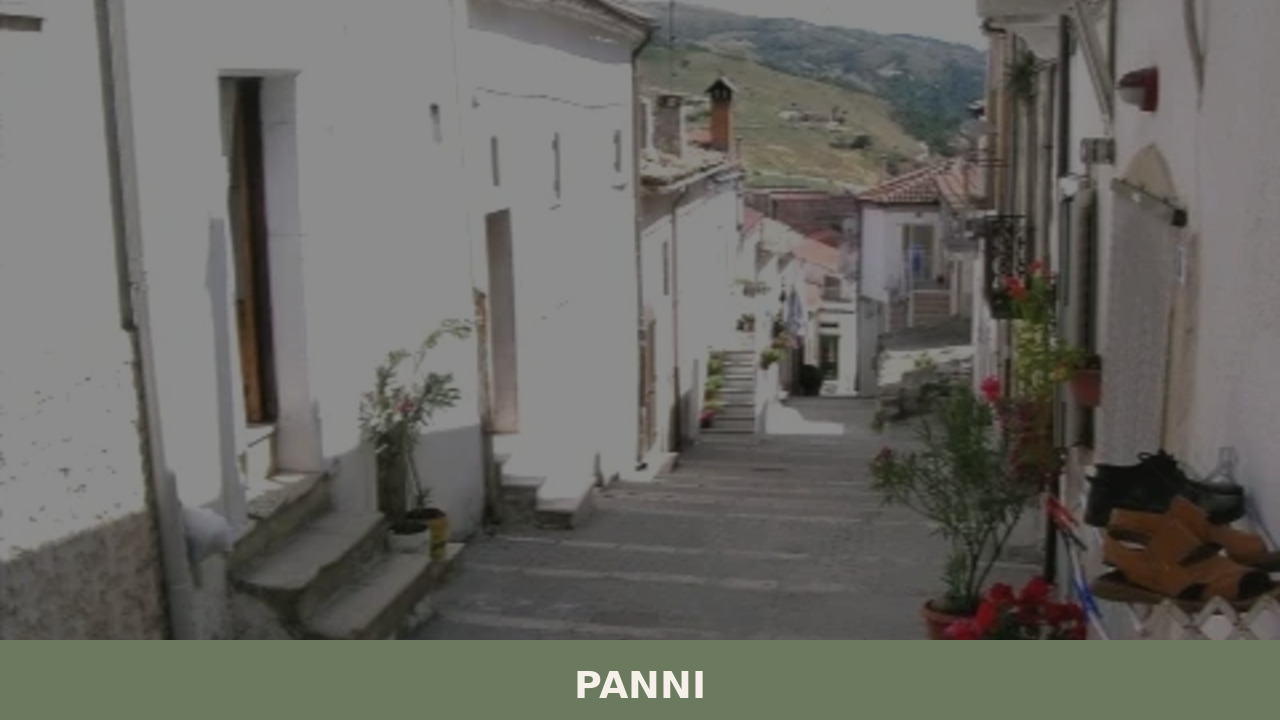
Panni’s old quarter is built in the tight, stacked geometry typical of Daunian hill villages. Narrow alleys climb steeply between rough-cut stone houses, many with external staircases and small balconies. The settlement pattern follows the contour of the ridge, creating a layered effect visible from approach roads. It is a place best explored on foot, slowly, noting how doorways frame distant valleys.
2. Church of Santa Maria della Misericordia
The parish church stands as the principal religious building in the village. Its facade is restrained, in keeping with the modest scale of Daunian ecclesiastical architecture. Inside, the nave holds devotional works and statuary accumulated over centuries. The church functions as the social and spiritual axis of Panni, particularly during feast-day processions that fill the surrounding streets.
3. The Panoramic Viewpoints
At over 800 metres, Panni offers some of the most expansive sightlines in the province of Foggia. From the upper edges of the village, on clear days the view extends across the Tavoliere plain toward the Gargano promontory to the northeast. The landscape shifts colour with the seasons — green in spring, gold and ochre by July, muted grey-brown in winter.
4. The Rural Surroundings and Tratturi Paths
The countryside around Panni still bears traces of the tratturi, the ancient transhumance routes along which shepherds drove flocks between Abruzzese highlands and Apulian lowlands for centuries. Walking segments of these grass-covered paths connects visitors to a practice that shaped southern Italian culture. The terrain is rolling, wind-exposed, and largely free of modern development.
5. Village Fountains and Wayside Shrines
Scattered through the old centre and along roads leading out of the village are stone fountains and small votive shrines — markers of daily life in a community dependent on spring water and religious observance. These are not monumental structures but vernacular ones, worn smooth by use and weather, each with its own quiet specificity of placement and craftsmanship.
Local food and typical products
The cuisine of Panni belongs firmly to the mountain-pastoral tradition of the Daunian Sub-Apennines. Dishes are built around what the land and the seasons provide: handmade pasta shapes such as orecchiette and cavatelli dressed with ragù of lamb or pork; wild greens gathered from surrounding fields; hard cheeses aged in cool cellars. Bread, baked in large loaves from local grain, remains a foundational element of the table. Pork preservation — sausages, capocollo, pancetta — follows methods passed through generations, with slaughtering and curing timed to the cold winter months.
The province of Foggia produces notable olive oils and wines, and while Panni’s altitude limits olive cultivation, the village benefits from the broader agricultural output of the Capitanata region. Visitors should seek out local agriturismi and family-run trattorias, where meals are typically fixed-menu, multi-course, and served without ceremony — the food speaks plainly and in generous portions.
Best time to visit Panni
Summer brings warmth but also wind — Panni’s altitude keeps temperatures noticeably cooler than the stifling heat of the Tavoliere plain below, making it a natural refuge during July and August. The village’s patron saint feast and other local celebrations typically fall in the warmer months, filling the streets with music, food stalls, and a temporary doubling of the population as emigrants return. Spring, particularly May and early June, is ideal for walking the surrounding countryside when wildflowers cover the hillsides and the light is long and clear.
Winter in Panni is genuine: cold, sometimes snowy, with fog rolling through the streets. The village turns inward during these months, and many services reduce their hours. For travellers seeking solitude and atmospheric intensity, this is precisely the season. Autumn offers a middle ground — harvest activity, mild days, and the particular quality of light that slants low across the Sub-Apennine ridges in October.
How to get to Panni
Panni lies in the western reaches of the province of Foggia, close to the border with Campania. By car, the most direct approach from the A16 (Napoli–Canosa) motorway is via the Candela exit, from which a provincial road winds uphill approximately 20 kilometres to the village. From Foggia city, the drive covers roughly 55 kilometres and takes just over an hour on secondary roads that climb steadily into the Daunian hills.
The nearest railway station with regular service is at Candela or Bovino, both on minor branch lines; Foggia’s main station, served by Trenitalia high-speed and regional trains, is the most practical rail hub. The closest airports are Bari Karol Wojtyła (approximately 170 km) and Naples Capodichino (approximately 140 km). No public bus service runs with high frequency to Panni, so a car is strongly recommended. Roads are well-maintained but narrow in places, with switchbacks in the final ascent.
What to see in Panni and nearby: more villages to discover in Puglia
The Daunian Sub-Apennines are dotted with small, high-altitude communities that share Panni’s character — stone-built, wind-swept, under-visited. Travelling northeast toward the Fortore valley, the village of Casalnuovo Monterotaro offers another perspective on this territory: a settlement with its own layered history and a landscape shaped by different river systems and agricultural traditions. The drive between the two villages crosses some of the emptiest, most open terrain in Puglia.
Closer at hand, descending from Panni toward the Ofanto valley, the town of Candela serves as a natural companion stop. Candela sits at a lower altitude and functions as a gateway between the plains and the hills, with a more developed infrastructure and its own historic centre worth an hour’s exploration. Together, these villages sketch the outline of a Puglia that most visitors never encounter — interior, mountainous, and profoundly quiet.
Frequently asked questions about Panni
When is the feast day of Panni's patron saint San Costanzo?
The feast of San Costanzo, patron saint of Panni, is celebrated on August 26. This is one of the liveliest moments in the village calendar, when emigrants who have left over the decades typically return, temporarily swelling the resident population of fewer than 700. The streets fill with processions, music and food stalls, offering visitors a rare chance to experience the community at its most animated against the backdrop of the Daunian highland summer.
Is Panni feasible as a day trip from Foggia or from the A16 motorway?
Yes, Panni is manageable as a day trip from Foggia — the drive covers roughly 55 kilometres on secondary roads and takes just over an hour. Travellers using the A16 Napoli–Canosa motorway should exit at Candela, from where a provincial road climbs approximately 20 kilometres to the village. Roads are well-maintained but narrow, with switchbacks near the top. A half-day is sufficient to walk the historic centre, visit the church and take in the panoramic viewpoints.
Are there documented transhumance trails near Panni that can be walked?
The countryside around Panni still bears visible traces of the tratturi, the ancient grass-covered transhumance routes used for centuries by shepherds driving flocks between the Abruzzese highlands and the Apulian lowlands. These historic paths are recognised and mapped by the Regione Puglia as part of its cultural heritage network. Walking segments of the tratturi around Panni allows visitors to cross open, largely undeveloped terrain that directly reflects the agro-pastoral history of the Daunian Sub-Apennines.
Nearby Villages near Panni
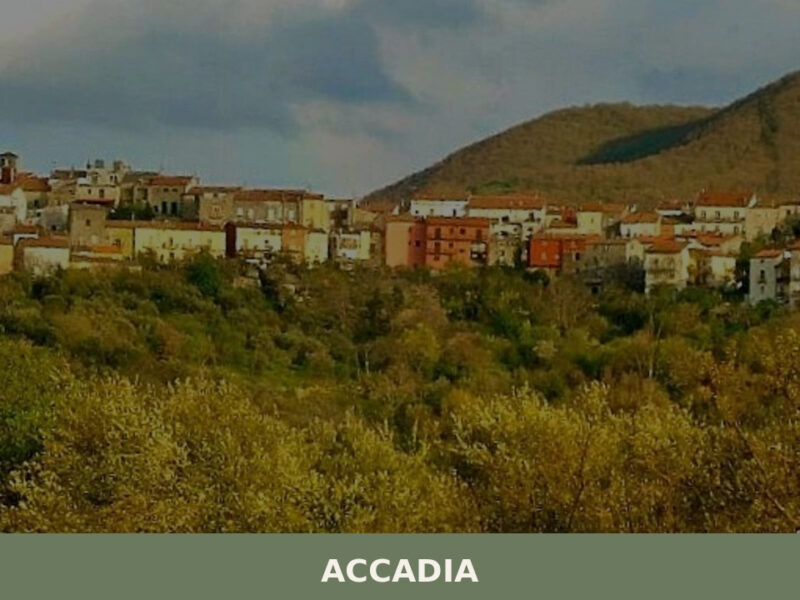
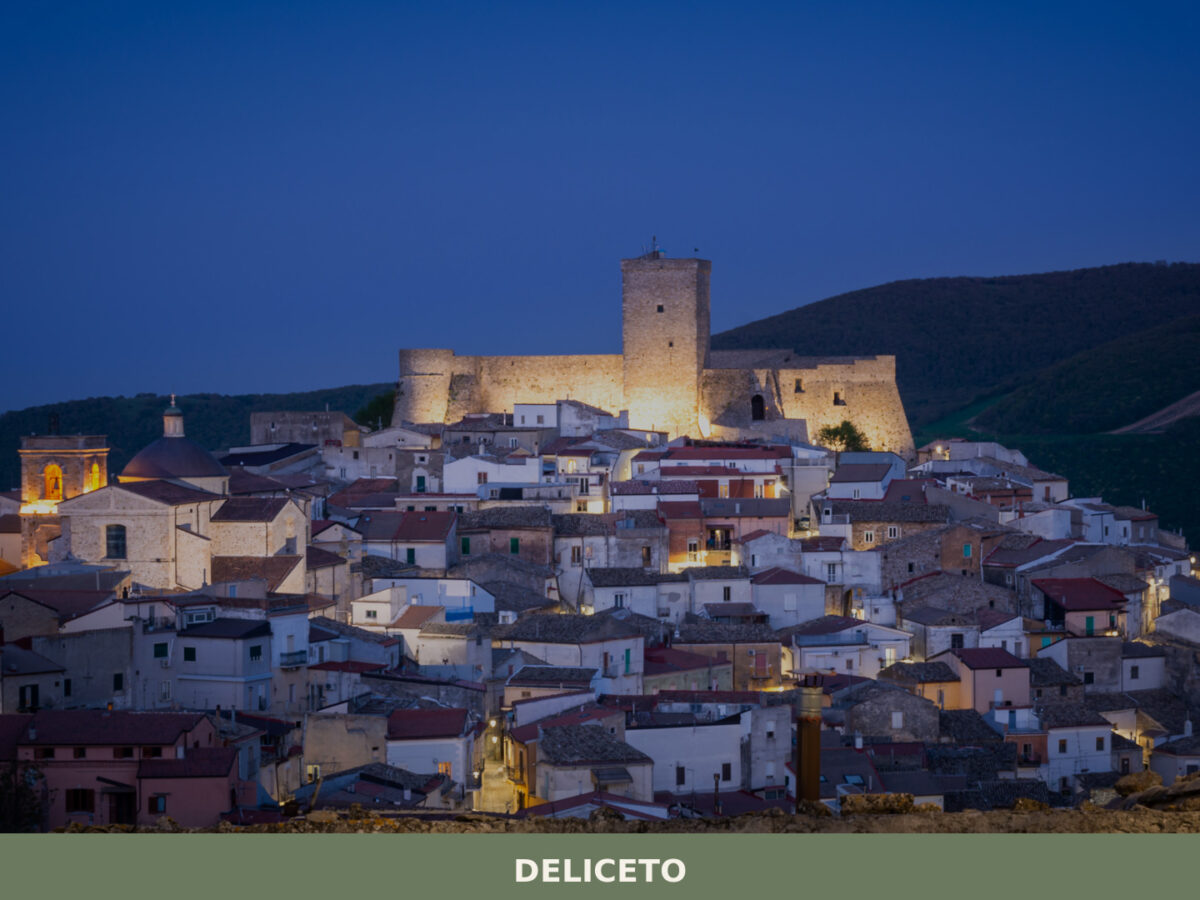
In Apulia More villages to discover
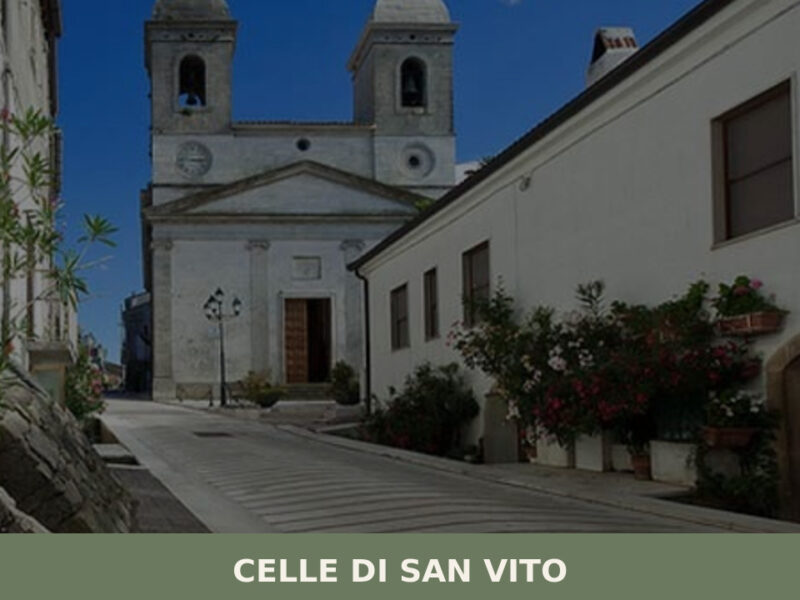
Celle di San Vito
Mountain
A 148-resident Franco-Provençal enclave at 726 metres in the Daunia sub-Apennines. Discover what to see in Celle di San Vito, from medieval stone lanes to linguistic heritage.
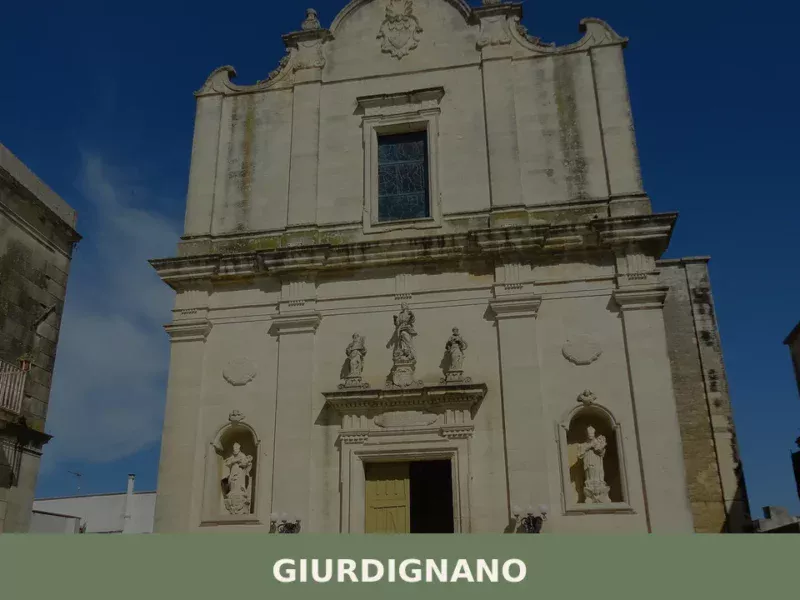
Giurdignano
 Plains
More than 25 standing stones rise from the flat farmland around this comune in the province of Lecce, some tilting slightly after three millennia, others still vertical and sharp against the sky. The territory of Giurdignano, at 78 m (256 ft) above sea level, holds the highest concentration of menhirs and dolmens in all of […]
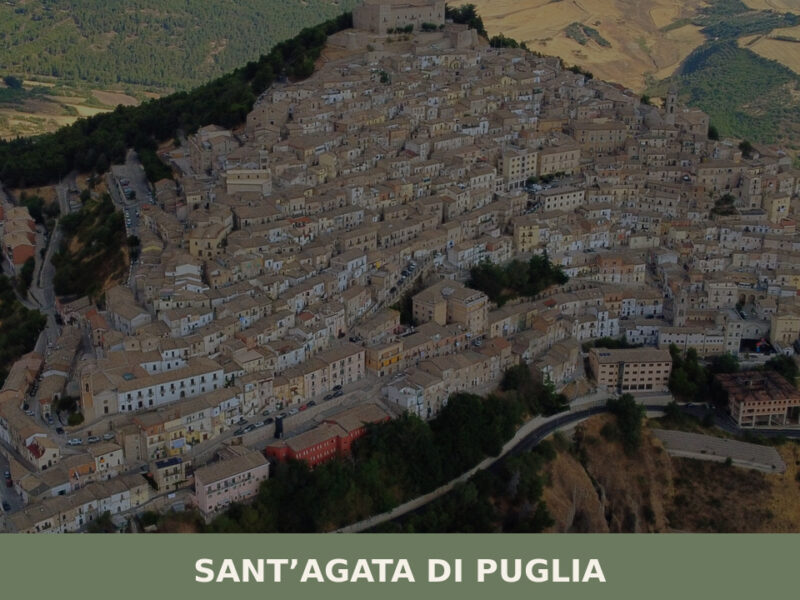
Sant’Agata di Puglia
Mountain
A ridge-top village at 794 metres in the Daunia hills, Sant'Agata di Puglia rewards slow exploration with its Norman castle, stepped stone alleyways, and mountain cooking.
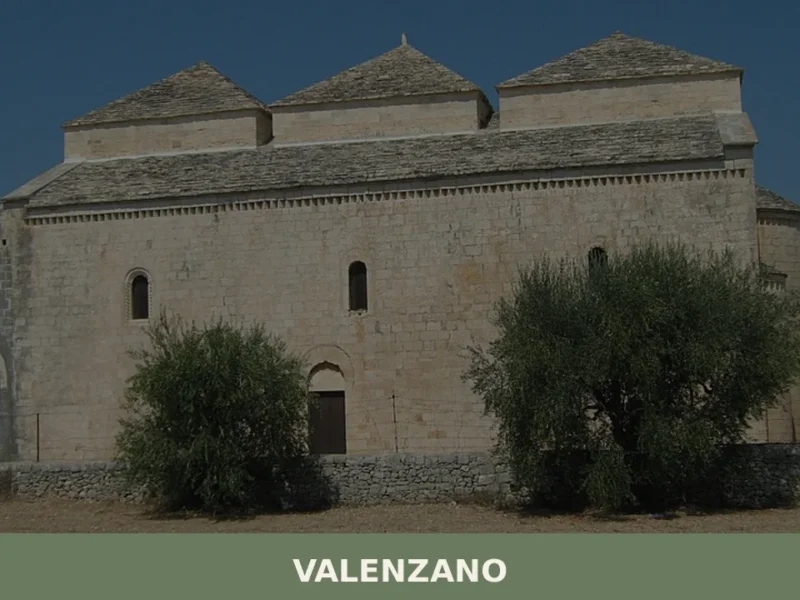
Valenzano
Plains
What to See in Valenzano: explore the Castle and Mother Church. Discover authentic flavors and experience memorable events in the Apulian village.
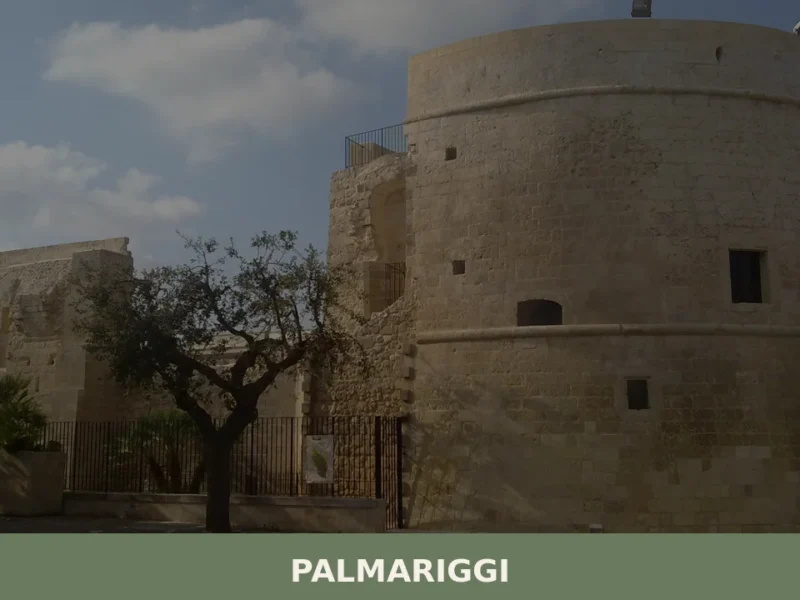
Palmariggi
Plains
What to see in Palmariggi, Puglia, Italy: discover the Aragonese Castle, a prehistoric menhir, and the Sanctuary of Madonna di Montevergine. Population 1,542. Explore now.
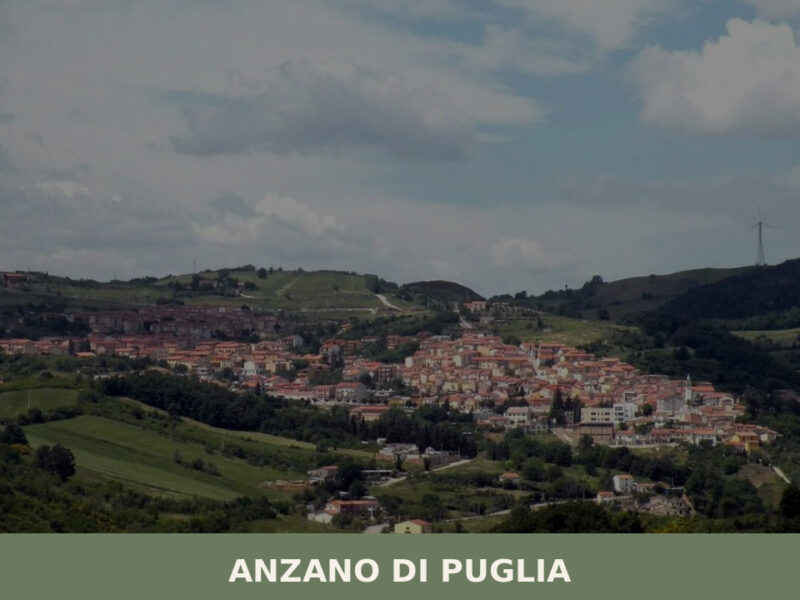
Anzano di Puglia
Mountain
A tiny hilltop village at 760 m in the Daunia Mountains, Anzano di Puglia enchants with stone lanes, sweeping panoramas, and authentic mountain cuisine.
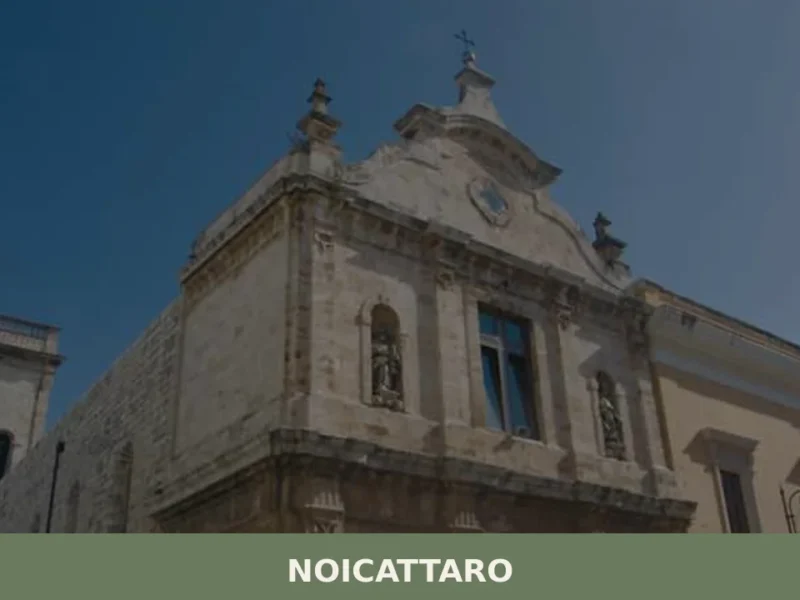
Noicattaro
Plains
What to see in Noicattaro: town at 100m in the province of Bari. Medieval crypt, concentric old town, masserie and PAT cuisine. Plan your visit now.
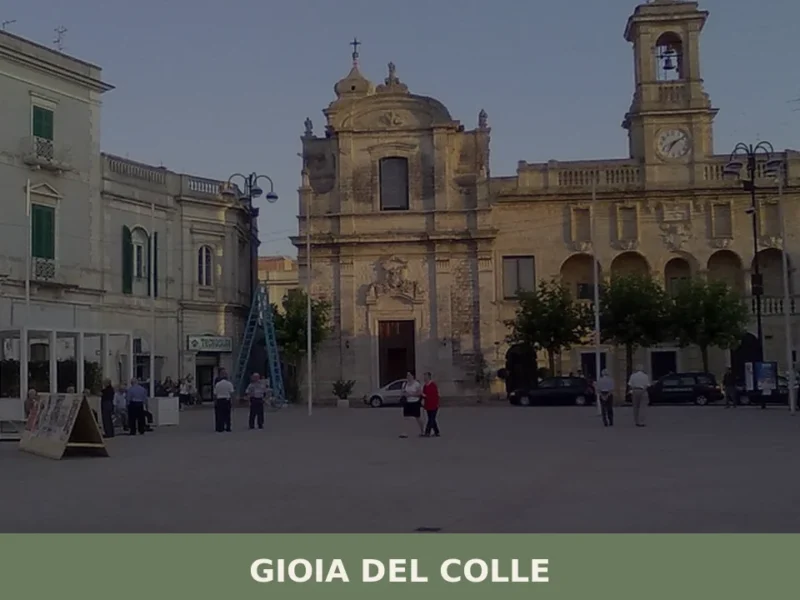
Gioia del Colle
 Hills
Hills
What to see in Gioia del Colle: hilltop town at 362m on the Murgia. Explore the Swabian castle, Monte Sannace park, Primitivo DOC wines and local PAT dishes.
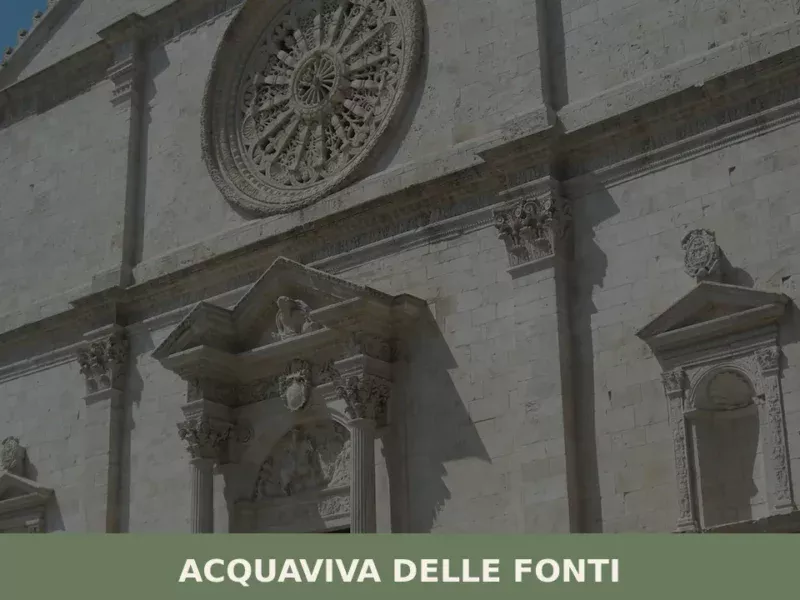
Acquaviva delle Fonti
Hills
Beneath the main square of Acquaviva delle Fonti, water still flows. This is not a figure of speech: a network of underground aquifers runs through the limestone subsoil of this town in the Murge hills near Bari, feeding cisterns and wells that for centuries determined both the wealth and the very name of the town. […]
Casalnuovo Monterotaro
Hills
A hilltop village of 1,357 inhabitants in the Province of Foggia. Explore Casalnuovo Monterotaro's stone lanes, rural landscape, and the traditions of inland Puglia.

🏡 Know Panni better than we do?
If you’re a local or have been there, your knowledge matters: add what’s missing or fix a detail on this page.