


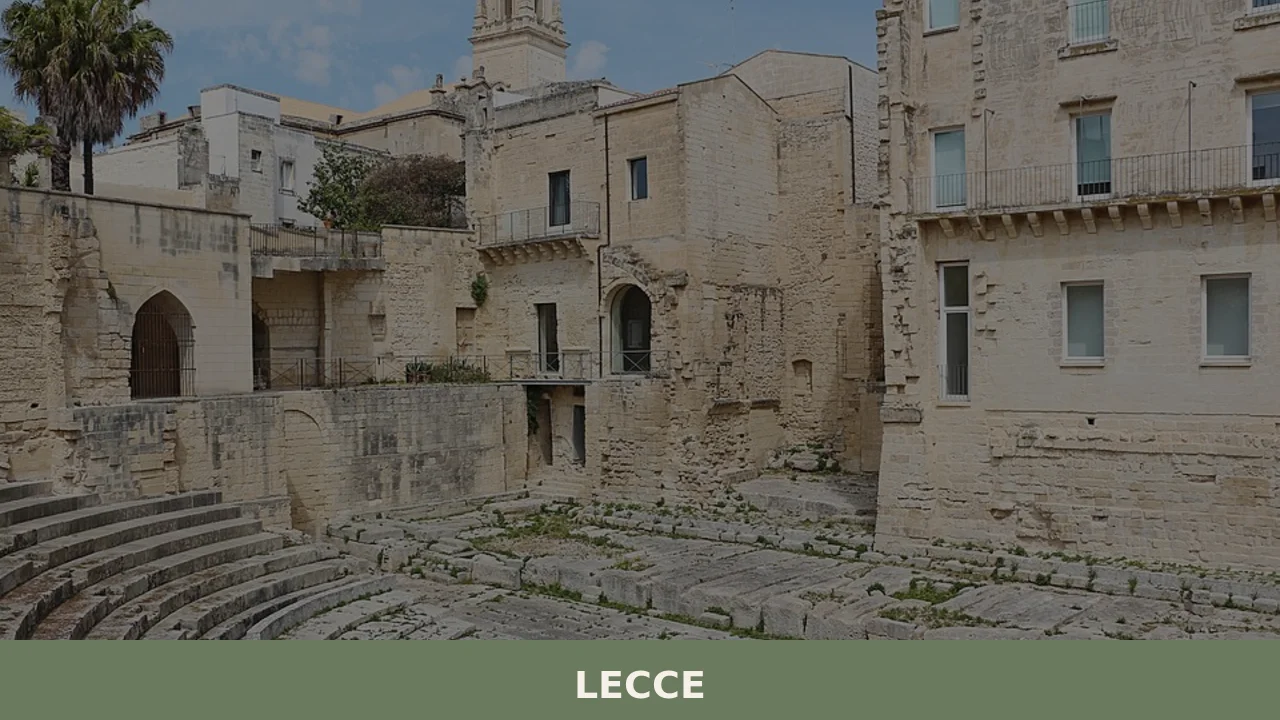
Lecce
In the centre of Salento, on 26 August, the city of Lecce celebrates its patron saint, Sant’Oronzo, with a solemnity that unfolds among the scrolls and friezes of pale limestone. It is on days like these that the Lecce Baroque, the dominant stylistic hallmark, reveals itself in all its expressiveness, narrating centuries of history and […]
Discover Lecce
In the centre of Salento, on 26 August, the city of Lecce celebrates its patron saint, Sant’Oronzo, with a solemnity that unfolds among the scrolls and friezes of pale limestone. It is on days like these that the Lecce Baroque, the dominant stylistic hallmark, reveals itself in all its expressiveness, narrating centuries of history and devotion. Walking through its streets, one can sense the echo of past civilisations, from Messapian and Roman roots to the splendour of the 17th century. For those wondering what to see in Lecce, the answer emerges at every corner: an urban fabric where sculptural art blends with everyday life, offering an uninterrupted visual and cultural experience. This centre, with its 94,783 inhabitants and an altitude of 49 metres above sea level, is not just a provincial capital, but a true open-air stage.
History and origins of Lecce
The roots of Lecce reach deep into a remote past, well before the arrival of the Romans. The earliest archaeological evidence confirms the presence of Messapian settlements as far back as the 7th century BC, probably under the name Sybar. Later, under Roman rule, the city took the name Lupiae, becoming an important road and commercial hub along the Via Traiana. Its strategic position, although not directly on the sea (the port of San Cataldo, a few kilometres away, served as a maritime landing), made it a crucial crossroads for trade between East and West. During this period, Lecce saw the construction of major public works, including the Amphitheatre and the Roman Theatre, of which imposing remains survive today, bearing witness to the importance the city achieved under the Empire.
The medieval period for Lecce was marked by a succession of rulers who shaped its identity and structure. After the fall of the Western Roman Empire, the city passed under the control of the Goths, then the Byzantines, who included it in the Duchy of Calabria. It was an era of continual conflict and cultural exchange, which saw the alternation of Lombards and Saracens. With the arrival of the Normans in the 11th century, Lecce became part of the Kingdom of Sicily, and subsequently the Kingdom of Naples, acquiring a leading role as the capital of one of the most important counties in the realm. During the 13th and 14th centuries, under the Swabians and then the Angevins, the city experienced a period of relative stability and growth, with the development of new city walls and the construction of religious and civic buildings, which began to define its urban appearance.
The 16th century marked the beginning of a new era for Lecce, culminating in the triumph of the Baroque. Under Spanish rule, particularly under Charles V, the city was fortified to resist Turkish incursions, as evidenced by the Castle of Charles V. But it was between the 17th and 18th centuries that Lecce experienced its period of greatest artistic and architectural splendour, thanks to the availability of the malleable Lecce stone and the work of master stonemasons and architects such as Giuseppe Zimbalo and Gabriele Riccardi. This period saw the radical transformation of the historic centre, with the construction and renovation of churches, noble palaces and squares that today form the core of the “Lecce Baroque”. The city became a lively cultural and economic centre, with a notable population increase and the development of craft activities linked to construction and art. Annexation to the Kingdom of Italy in 1860 marked the end of an era, but not the loss of its identity, which continues to shine through its unique architecture.
What to see in Lecce: 5 essential attractions
Piazza Sant’Oronzo
The beating centre of Lecce is without doubt Piazza Sant’Oronzo, a place that condenses millennia of history. At the centre of the square stand the remains of the Roman Amphitheatre, dating to the 2nd century AD, uncovered at the beginning of the 20th century. Although only a portion is visible, it offers a glimpse into the public life of ancient Lupiae. Beside it, the Column of Sant’Oronzo, nearly 30 metres tall, was erected in 1666 as a gesture of thanks to the saint for having preserved the city from the plague. At its summit, the wooden statue of the patron watches over the city. The Sedile, or Palazzo del Seggio, with its late-Gothic loggias, once housed the Town Hall. The square is a point of reference for anyone wishing to understand Lecce’s historical stratification, a true open-air chronicle.
Lecce Cathedral and Piazza Duomo
The Cathedral of Santa Maria Assunta, known as the Lecce Cathedral, is one of the most significant examples of Lecce Baroque, located in the square of the same name. The distinctive feature of Piazza Duomo is its “enclosed” nature, accessible only through a monumental entrance that makes it feel almost like a private courtyard. The Cathedral, rebuilt in 1659 by Giuseppe Zimbalo, has two façades: a more restrained main one and a richly decorated lateral one, facing the entrance to the square. The Bell Tower, 70 metres tall, offers a panoramic view over the entire city. The Bishop’s Palace and the Seminary, with its elegant portal, complete the square, contributing to an architectural complex of great harmony and visual impact.
Basilica of Santa Croce
Considered the symbol of Lecce Baroque, the Basilica of Santa Croce is a masterpiece of stone sculpture. Its construction began in 1549 and was completed only in the 17th century, with contributions from architects such as Gabriele Riccardi and Giuseppe Zimbalo. The façade is a triumph of decoration, with a finely carved central rose window and a series of allegorical figures, fantastical animals and floral motifs interwoven in a complex sculptural fabric. The interior, on a Latin cross plan, is more restrained but no less imposing, with sixteen richly decorated altars. The basilica is an essential destination for anyone wishing to explore the aesthetics and artisanal mastery that have made Lecce’s architecture renowned worldwide.
Castle of Charles V
A short walk from the historic centre, the Castle of Charles V dominates the scene with its imposing bulk. Its origins date to the 12th century, but its current appearance is the result of the radical restructuring commissioned by Emperor Charles V of Habsburg in 1539, designed by Gian Giacomo dell’Acaya. Conceived as a defensive fortress against Ottoman incursions, the castle is surrounded by a wide moat (now partially filled in) and features four corner bastions. Inside, its halls today host cultural events, exhibitions and the Museum of Papier-mâché, a traditional Lecce art form. A visit to the castle offers insight into the city’s military and defensive history, as well as the opportunity to explore the construction techniques of the period and the evolution of fortifications.
Porta Napoli
One of the most majestic entrances to Lecce’s historic centre is Porta Napoli, also known as the Triumphal Arch. Erected in 1548 in honour of Charles V, on the occasion of his visit to Lecce, the gate served not a defensive but a celebratory and monumental purpose. It draws inspiration from Roman triumphal arches, with a single archway and elegant Renaissance-style decoration, though with Baroque influences. At the top, a double-headed eagle, symbol of the Habsburgs, surveys the entrance. Its position marks the beginning of the road that once led to Naples, from which it takes its name. Passing through it means symbolically entering the Baroque core of Lecce, leaving the modern world behind to immerse oneself in the city’s historical atmosphere.
What to eat in Lecce: local cuisine and regional products
Lecce’s cuisine, and Salento cooking more broadly, is the result of centuries of history, Mediterranean influences and a deep bond with both land and sea. It is a gastronomy rooted in peasant tradition, built on simple yet flavourful ingredients, often tied to seasonal cycles and wild produce from the territory. Extra virgin olive oil, field greens, pulses and grains form the base of many dishes, complemented by the robust flavours of meat and, given the proximity to the sea, fish as well. The local cuisine is a story of necessity and ingenuity, capable of transforming humble ingredients into remarkable culinary creations, a true mirror of the culture and identity of this part of Puglia.
Among the signature dishes of Lecce’s tradition, Oven-roasted lamb with Lecce-style potatoes, Auniceddhru allu furnu (PAT), is an essential classic, especially during Easter festivities. The preparation involves lamb cut into pieces, marinated with aromatic herbs such as rosemary and thyme, and slow-roasted in the oven with potato wedges, onions and cherry tomatoes. The long cooking time gives the meat a distinctive tenderness and flavour, while the potatoes absorb the juices, turning golden and crispy. Another dish that embodies the simplicity and taste of tradition is Acquasale (PAT). This is a humble dish, typically prepared in summer, made with stale bread soaked in water, dressed with fresh tomatoes, cucumbers, red onion, oregano and generous extra virgin olive oil. It is a fresh and nourishing meal, ideal for coping with the Salento heat.
The Salento territory is a custodian of agri-food products that have received important recognition for their quality and typicality. Among these, Acquasale (PAT), already mentioned as a dish, demonstrates the value of an officially recognised traditional recipe. Africani (PAT) are dry biscuits made with almonds, sugar and lemon, with a crumbly texture and a citrus aroma, ideal for accompanying coffee or a dessert wine. Oven-roasted lamb with Lecce-style potatoes, Auniceddhru allu furnu (PAT), is not just a dish, but a product that celebrates local pastoral and culinary tradition. The Galatone apricot, Arnacocchia di Galatone (PAT), is an apricot variety with a sweet flavour and juicy flesh, cultivated in the municipality of Galatone, used fresh or for making preserves. Wild asparagus (PAT), gathered spontaneously in the countryside, is prized for its slightly bitter flavour and used in omelettes, risottos or as a side dish. Asparagus preserved in oil (PAT) represents a traditional conservation method, allowing this vegetable to be enjoyed out of season, ideal as an appetiser. Finally, although more broadly linked to a regional context, Amaro del Gargano (PAT), Ambrosia di limone (PAT) and Anisetta (PAT) are products that form part of Puglia’s rich gastronomic offering, often present on Lecce tables as digestifs or after-dinner liqueurs.
For those wishing to buy or taste typical products, Lecce offers several opportunities. Neighbourhood markets, such as the one at Porta Rudiae, are ideal places to find fresh fruit and vegetables, local cheeses and baked goods. Artisan shops and traditional bakeries, scattered throughout the historic centre, offer homemade bread, taralli, frise and traditional sweets. During the Feast of Sant’Oronzo, held every year on 26 August, stalls and food stands provide the chance to sample local specialities in a festive atmosphere. In addition, numerous restaurants and trattorias in the historic centre offer menus that showcase the local cuisine, ensuring a culinary experience rooted in the territory.
Salento is also a land of fine wines, with DOC and DOCG labels that express the strength and generosity of its soil. Indigenous grape varieties such as Negroamaro and Primitivo produce robust and structured red wines, such as Salice Salentino DOC, perfect for accompanying traditional meat dishes. There is no shortage of fresh and aromatic white wines, ideal for fish dishes. Extra virgin olive oil production is another pillar of the local agricultural economy, with high-quality oils that are a fundamental ingredient in every recipe. Anisetta (PAT), a sweet anise-based liqueur, is a classic digestif or an ingredient for desserts, often concluding Salento meals.
When to visit Lecce: the best time of year
Choosing the best time to visit Lecce depends greatly on personal preferences and the kind of experience one wishes to have. Spring (April–May) is often considered the ideal period: temperatures are mild and pleasant, ranging between 18°C and 25°C, perfect for long walks through the historic centre and for exploring the surrounding countryside without the intense summer heat. During this period, nature awakens with colourful blooms and tourist numbers are still moderate, allowing for a quieter and more relaxed visit. Autumn (September–October) offers similar weather conditions, with pleasant temperatures between 20°C and 28°C in September, gradually decreasing, and the opportunity to witness activities related to the grape and olive harvests, a significant cultural and gastronomic experience. The sea remains warm enough for swimming until mid-October.
Summer (June–August) is peak tourist season. Temperatures can be high, often exceeding 30°C, but the proximity to the sea and the lively nightlife offset the heat. June and July are still manageable months, while August, particularly around the Feast of Sant’Oronzo on 26 August, sees the city come alive with events, concerts and celebrations, attracting large numbers of visitors. This is the ideal period for those seeking nightlife, open-air evenings and the chance to combine a cultural visit with days at the beach. Winter (November–March), with cooler but rarely harsh temperatures (between 10°C and 15°C), is the perfect time for those seeking peace and more favourable rates. The city still exerts its appeal, with its illuminated monuments and a more intimate atmosphere, ideal for those who prefer a more reflective and less crowded visit. For families with small children or hikers, spring and autumn are preferable for their milder temperatures and the possibility of outdoor activities.
How to reach Lecce
Lecce, despite being located at the southern tip of Puglia, is well connected to the rest of Italy through various modes of transport. For those travelling by car, the main route follows the A14 motorway (Bologna–Taranto), which ends at Taranto. From there, you continue along the SS7 dual carriageway from Taranto to Brindisi and then the SS613 from Brindisi to Lecce, which leads directly to the city. The distances from the main Apulian cities are: approximately 150 km from Bari (estimated travel time 1 hour and 40 minutes), 80 km from Taranto (approximately 1 hour) and just 40 km from Brindisi (approximately 30 minutes). It is advisable to allow for traffic, especially during peak season, which may extend travel times.
As for rail transport, Lecce is an important hub, serving as the terminus for the Trenitalia national network. Direct connections are available to major Italian cities, including Rome, Milan, Bologna and Venice, with Frecciargento and Intercity trains that make the journey comfortable. Lecce station is a short distance from the historic centre, reachable on foot or by local public transport. The nearest airport is Brindisi Salento Airport (BDS), located approximately 40 km from Lecce. From the airport, Lecce can be reached by shuttle bus (Salento Airport Bus service), taxi or rental car, with a travel time of approximately 30–40 minutes. An alternative is Bari-Karol Wojtyla Airport (BRI), which offers a greater number of international connections, but is approximately 170 km from Lecce, requiring a car or train journey of approximately 1 hour and 40 minutes.
Other villages to discover in Puglia
Puglia is a region rich in villages, each with its own identity and history, offering visitors a wide variety of experiences. After exploring the Lecce Baroque, a journey northwards can lead to the discovery of other facets of this land. A village that deserves attention is Manfredonia, located on the Gargano coast. Manfredonia offers a significant contrast with Lecce: while also a coastal city, its history is strongly tied to medieval events and its imposing Swabian-Angevin Castle, which dominates the port. Here, the architecture focuses less on the Baroque and more on fortifications and Romanesque churches, bearing witness to a past of maritime trade and conflict. An itinerary from Lecce running along the Adriatic coast, passing through Brindisi and then heading up towards the Gargano, allows one to appreciate the landscape and cultural diversity of Puglia, moving from sumptuous Baroque to military architecture and wilder, more rugged coastal scenery.
For those wishing to explore the Apulian hinterland and move away from the coast, another interesting destination is Motta Montecorvino. This village is located in the Monti Dauni, in a hilly setting that offers completely different views compared to Salento. Here, the atmosphere is that of a small medieval historic centre, with narrow lanes and stone houses that tell a story of peasant and mountain life. Unlike Lecce, where Lecce stone shapes every detail, in Motta Montecorvino one senses a greater austerity, typical of Apennine villages. Visiting Motta Montecorvino after Lecce allows one to appreciate the profound geographical and cultural variety of Puglia, moving from luminous Baroque squares to the silence of mountain villages, discovering how different historical and environmental influences have uniquely shaped every corner of this region. A combined itinerary could include a journey through the inland countryside, discovering the flavours and culinary traditions linked to pastoralism and mountain agriculture, thus completing a broader picture of Puglia.
In Apulia More villages to discover
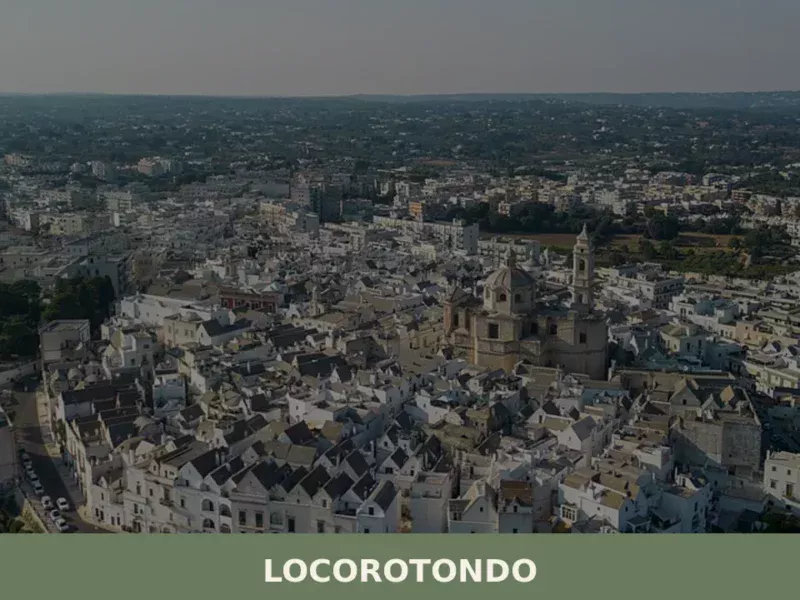
Locorotondo
The toponym Locorotondo, documented as early as the 12th century as “Luogo Rotondo” (Round Place), derives from the concentric configuration of its historic center, an urban feature that still distinguishes it within the Itria Valley landscape. Located 410 meters above sea level, this municipality in the province of Bari has 14,258 inhabitants and presents a […]
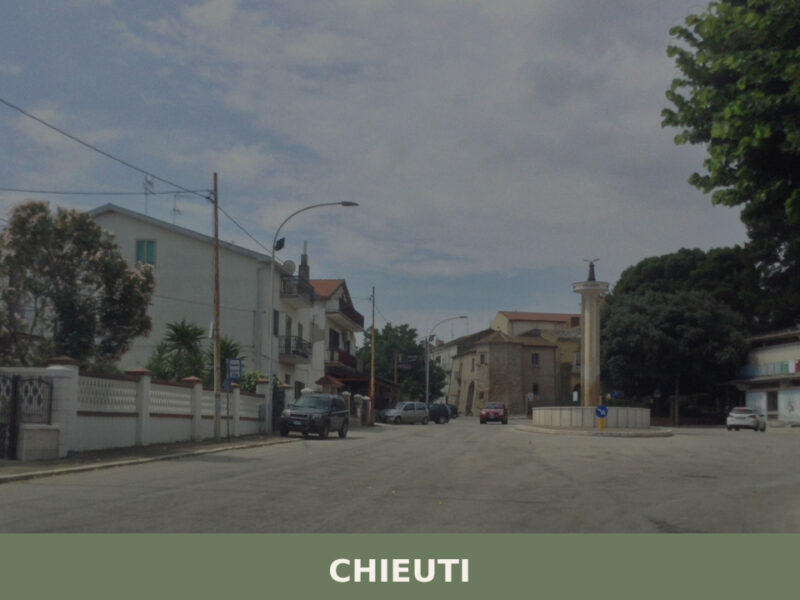
Chieuti
An Arbëreshë hilltop village of 1,518 people in the province of Foggia, Chieuti preserves five centuries of Albanian-Italian heritage in its streets, language, and traditions.
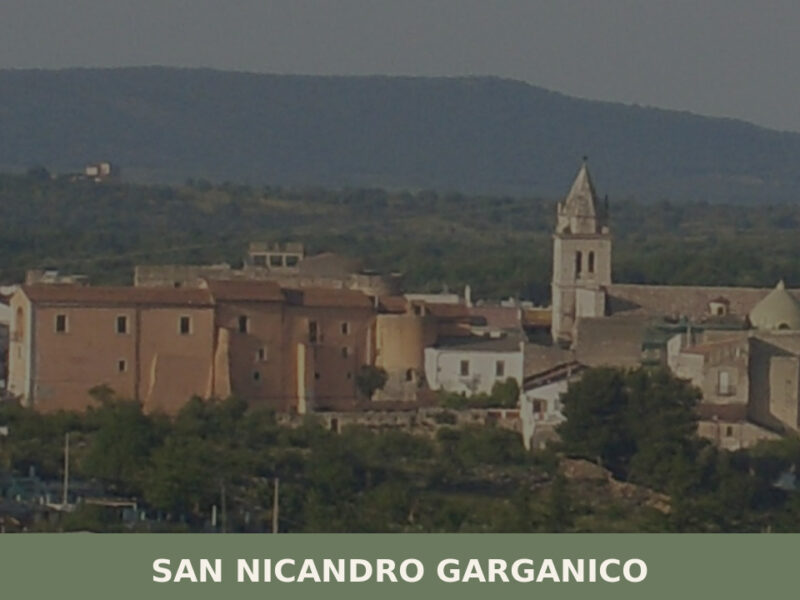
San Nicandro Garganico
A hilltop settlement on the Gargano promontory with a Norman castle, prehistoric dolmen, and a living agricultural culture shaped by wheat, olives, and limestone.

📝 Incorrect information or updates?
Help us keep the Lecce page accurate and up to date.