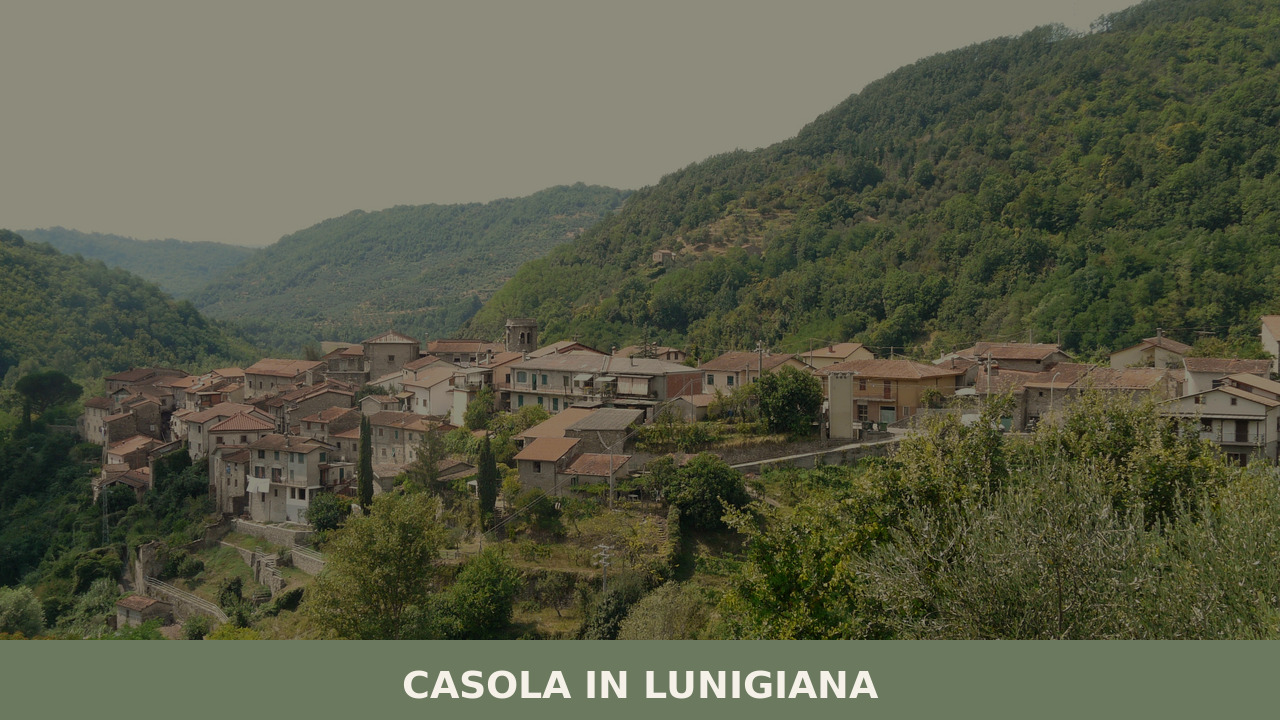
Morning fog lifts slowly from the Aulella valley, revealing stone walls the colour of dried clay and a bell tower that has marked the hours here for centuries. The air carries woodsmoke and the faint mineral scent of chestnut groves climbing the surrounding slopes. With roughly one thousand inhabitants, Casola in Lunigiana remains one of […]
Morning fog lifts slowly from the Aulella valley, revealing stone walls the colour of dried clay and a bell tower that has marked the hours here for centuries. The air carries woodsmoke and the faint mineral scent of chestnut groves climbing the surrounding slopes. With roughly one thousand inhabitants, Casola in Lunigiana remains one of the least-visited settlements in the Massa-Carrara province — a place where the rhythms of the Lunigiana have not been packaged for outside consumption. If you are wondering what to see in Casola in Lunigiana, the answer begins with understanding that this village rewards slowness, not speed.
The origins of Casola are tied to the broader story of the Lunigiana, a historical region that straddles the border between Tuscany and Liguria. The name “Casola” likely derives from the Latin casula, meaning a small dwelling or farmstead — a fitting etymology for a settlement that began as a modest cluster of rural homes along the Aulella river. Archaeological evidence across the Lunigiana, including the famous stele statues found at various sites in the region, confirms that human habitation in these valleys stretches back to the Bronze Age and beyond.
During the medieval period, Casola fell under the influence of the Malaspina family, the feudal dynasty that controlled much of the Lunigiana from their network of castles and fortified positions. The Malaspina lords shaped the political geography of this territory for centuries, and their legacy is still legible in the defensive architecture scattered across the surrounding hills. Control of the village shifted through various branches of the family and later passed through other hands as the feudal system fragmented in the early modern period.
With the unification of Italy in the nineteenth century, Casola in Lunigiana became part of the province of Massa-Carrara within Tuscany. The twentieth century brought the hardships common to many Apennine villages: wartime destruction — particularly during the Gothic Line fighting that scarred the Lunigiana in 1944-45 — followed by decades of depopulation as younger generations moved to coastal cities. Today, the village carries the visible layers of all these periods: Roman-era road alignments, medieval stonework, postwar reconstruction, and the quiet of a community that has contracted but not vanished.
The main parish church sits at the heart of the village and has undergone multiple restorations over the centuries. Its interior preserves elements of earlier medieval construction alongside later Baroque additions. The façade, built in local sandstone, has weathered to a warm grey-ochre tone that changes perceptibly with the angle of the light. It functions as both a place of worship and the architectural anchor of the village centre.
Walking through the old centre of Casola means following narrow passageways that open unexpectedly onto small courtyards. The building fabric is dense and largely intact — load-bearing stone walls, wooden lintels, exterior staircases in slate. Many doorways bear carved dates from the seventeenth and eighteenth centuries. This is not a restored heritage display; it is a living settlement where laundry still dries above medieval arches.
The Aulella river, a tributary of the Magra, runs through the municipality and has carved a valley of considerable ecological interest. The riverbanks support dense riparian vegetation, and the surrounding hillsides are covered in mixed woodland — predominantly chestnut, oak, and beech. Several footpaths follow the river corridor, offering views of geological formations shaped by millennia of water erosion.
The hamlet of Codiponte, within the Casola municipality, is home to the Pieve dei Santi Cornelio e Cipriano, a Romanesque church dating to the twelfth century. The building retains its original apse and portal carvings — figurative reliefs with interlaced motifs common to Lunigiana Romanesque work. This is one of the most architecturally significant rural churches in the province, and it stands largely unaltered.
The Lunigiana is known for its prehistoric stele statues — anthropomorphic stone carvings created between the third and first millennia BCE. While the principal museum collection is housed in Pontremoli, examples and references to these artefacts appear throughout the Casola territory. The landscape itself is archaeological: terracing, mule tracks, and boundary markers all carry traces of deep-time human presence.
The cuisine of Casola in Lunigiana is rooted in chestnut flour, foraged herbs, sheep’s milk, and the limited range of crops that Apennine altitude permits. Testaroli, the ancient unleavened pasta cooked on heated stone or iron discs, is the signature dish of the Lunigiana and appears on tables here dressed simply with pesto or olive oil. Panigacci — thin rounds of bread baked in terracotta moulds — and sgabei, fried bread dough, are also deeply local. Chestnut flour, once the primary caloric staple for mountain communities, still features in castagnaccio (a dense chestnut cake), necci (chestnut flour crêpes filled with ricotta), and polenta.
The surrounding hills produce a robust, slightly bitter honey from chestnut blossoms, and local producers cure pork in traditional styles that reflect both Tuscan and Ligurian influence. The weekly rhythms of the village include small-scale markets where seasonal vegetables — beans, courgettes, potatoes — come directly from garden plots. Dining options in and around Casola are limited to a handful of trattorias and agriturismi, which is precisely the point: the food arrives without theatre, cooked by people who have prepared these dishes their entire lives. The Tuscan tourism board offers further detail on Lunigiana gastronomy.
Late spring — May through mid-June — brings long daylight hours, wildflowers on the hillsides, and comfortable temperatures for walking the valley trails. Autumn is equally compelling: the chestnut harvest transforms the village economy and social calendar, and the forests above Casola turn a spectrum of copper, rust, and gold that lasts from mid-October into November. Local festivals, often centred on food products like chestnuts or mushrooms, tend to cluster in September and October.
Summers can be warm but remain more temperate than the Tuscan coast, making Casola a viable retreat from the heat of the Versilia beaches an hour away. Winters are cold and quiet, with snow possible on higher ground; the village contracts into itself, and some accommodation and restaurants reduce their hours. Visitors should expect limited public transport at all times of year, and a car is effectively essential for reaching many of the outlying hamlets and trailheads within the municipality.
By car, Casola in Lunigiana is reached via the A15 motorway (Parma–La Spezia), exiting at Aulla. From there, the provincial road SP19 leads up the Aulella valley directly to Casola — a drive of approximately fifteen minutes. From Florence, the total journey is roughly two hours (180 km); from Pisa, about ninety minutes (115 km); from La Spezia, around forty-five minutes (55 km). The nearest railway station is in Aulla, served by regional trains on the Pontremolese line connecting Parma and La Spezia. From Aulla station, onward travel to Casola requires a car, taxi, or infrequent local bus service. The nearest airports are Pisa Galileo Galilei (PSA), about 100 km to the south, and Parma Giuseppe Verdi (PMF), roughly 100 km to the north. Bologna Marconi (BLQ) is also a viable option at approximately 200 km.
The Lunigiana is a territory of connected valleys, and Casola sits within a network of small communities that share a common history under the Malaspina lords while maintaining distinct identities. A short drive down the Aulella valley returns you to Aulla, a commercial centre with its own Malaspina fortress, but the more rewarding explorations lie in the quieter settlements upstream and across the ridgelines. The entire province of Massa-Carrara is defined by this interplay between river valleys and mountain passes, marble quarries and chestnut forests.
From Casola, consider travelling north to explore the historic centre of Fivizzano, a town once known as the “Florence of the Lunigiana” for its Renaissance-era cultural ambitions and elegant piazza. Alternatively, head further up the Magra valley to discover the layered streets of Pontremoli, home to the Museo delle Statue Stele Lunigianesi and a settlement whose history as a waypoint on the Via Francigena has shaped its architecture and its character. Both villages deepen any understanding of this overlooked corner of Tuscany.
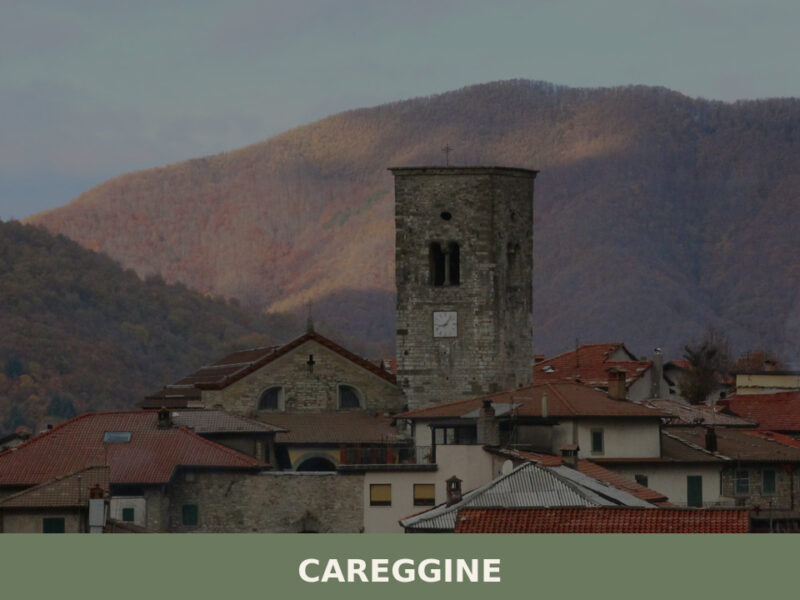
Morning fog lifts from the Apuan Alps in slow, pale sheets, revealing a scatter of stone houses along a ridgeline above the Garfagnana valley. A church bell marks seven o’clock — the sound carries far in this thin, mountain air, reaching nobody in particular. With only 585 inhabitants, Careggine keeps its own unhurried tempo. Understanding […]
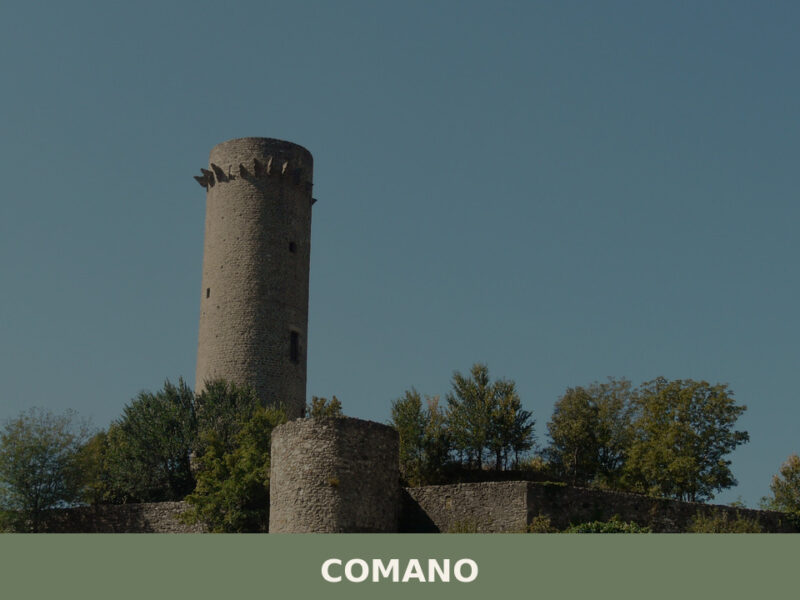
Morning fog lifts slowly from the Taverone valley, revealing stone walls the colour of weathered bone. A church bell marks the hour — its echo rolls across chestnut groves before dissolving into silence. Comano sits in the upper Lunigiana, a commune of scattered hamlets across the hills of Massa e Carrara province, home to just […]
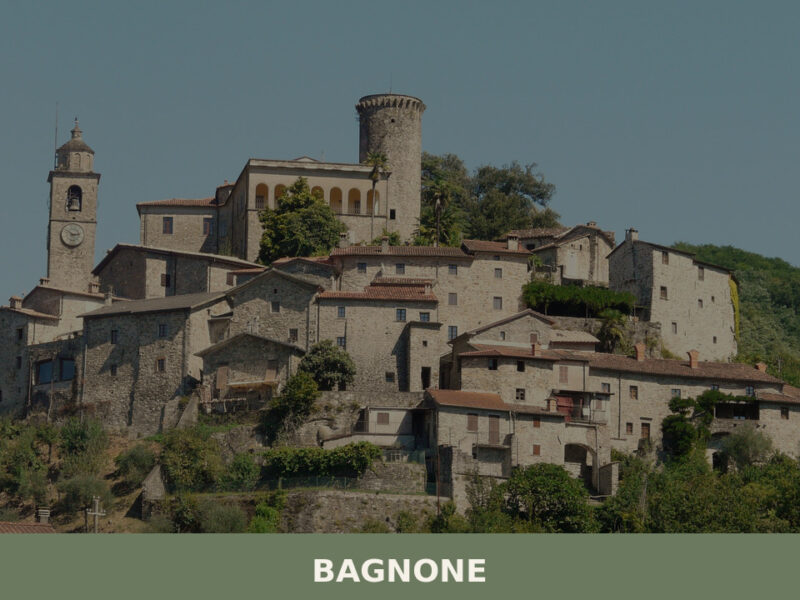
Morning mist lifts off the Bagnone creek and thins against stone walls that have stood since the eleventh century. The sound of water — always water — fills the narrow lanes, running beneath bridges and alongside houses built directly into the rock. With fewer than two thousand residents, this small settlement in the Massa e […]
📝 Incorrect information or updates?
Help us keep the Casola in Lunigiana page accurate and up to date.


