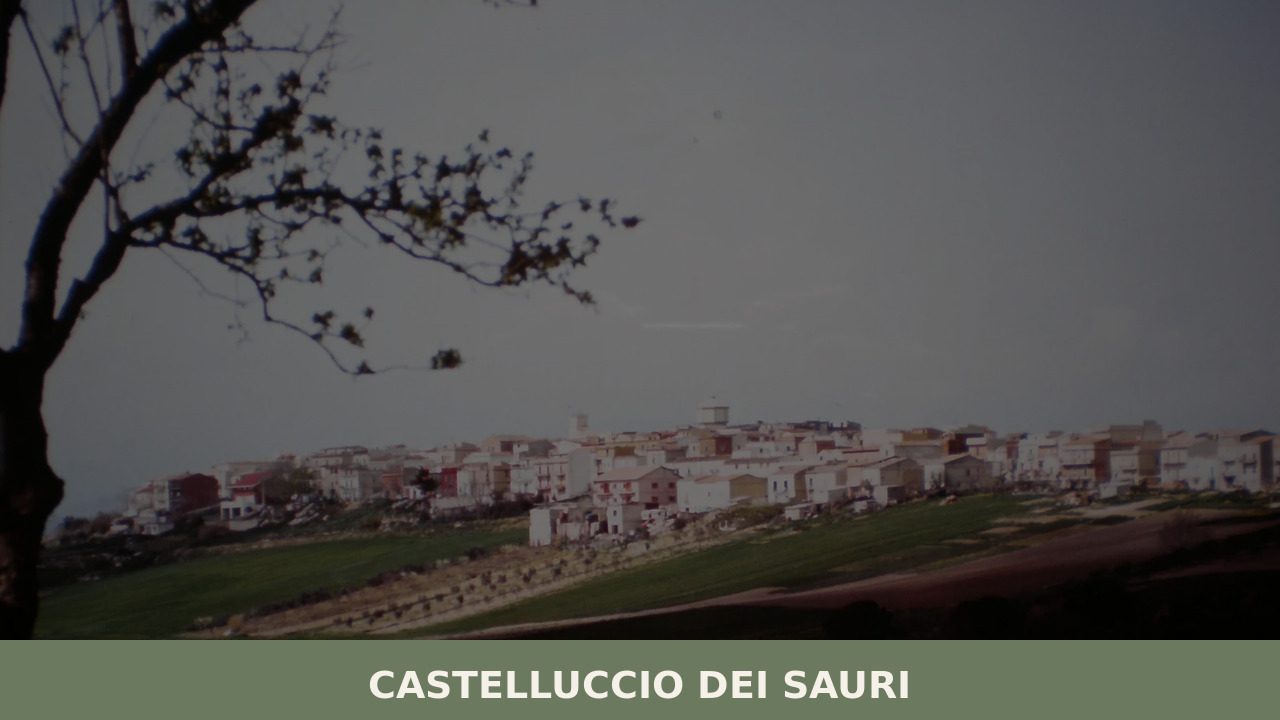
A hilltop village of 2,024 inhabitants overlooking Puglia’s Tavoliere plain. Castelluccio dei Sauri offers ancient tratturi routes, quiet stone lanes, and the deep agricultural traditions of the Capitanata.
Morning light catches the pale stone of a low bell tower, and the only sound is a dog barking somewhere behind a courtyard wall. The air carries dry heat off the Tavoliere plain even before eight o’clock. Castelluccio dei Sauri sits at 284 metres above sea level, a compact settlement of just over two thousand people in the province of Foggia, where the flatlands of the Capitanata begin to buckle into the first hills of the Subappennino Dauno. Understanding what to see in Castelluccio dei Sauri begins with this threshold position — a village caught between two landscapes, shaped by both.
The name itself maps layers of time. “Castelluccio” — a diminutive of castello, meaning a small castle or fortified place — points to a medieval defensive origin, a watchtower or minor stronghold raised to guard the routes between the Apulian plain and the mountain passes. “Dei Sauri” likely derives from the ancient settlement of Sauria, a name tied to the Daunian peoples who inhabited this part of northern Puglia before Roman conquest. The village’s identity is inseparable from these roots — a place built for vigilance over the flat wheat country below.
Through the Norman and Swabian periods, Castelluccio dei Sauri functioned as one of many small feudal holdings dotting the Capitanata. The region changed hands repeatedly — Angevin, Aragonese, Spanish — and each succession left its sediment in local architecture and land-use patterns. Like many villages in the province of Foggia, Castelluccio endured cycles of earthquake damage and reconstruction; the seismicity of the Subappennino Dauno has been a constant presence, most notably during the devastating 1731 earthquake that struck much of the Capitanata.
By the eighteenth and nineteenth centuries, the village settled into an agricultural rhythm governed by grain cultivation on the Tavoliere and sheep transhumance along the ancient tratturi — drove roads connecting mountain pastures in Molise and Abruzzo with the winter grasslands of Puglia. This pastoral economy shaped the social fabric that, in attenuated form, still marks the village today.
The parish church anchors the village’s compact historic centre. Rebuilt and modified over centuries — a common consequence of the region’s earthquake history — it retains a sober stone façade typical of smaller Capitanata churches. Inside, the single nave holds modest devotional art and a quiet that reflects the village’s scale: a place of worship built for a community, not a spectacle.
Narrow lanes radiate from the church in a pattern dictated by the original fortified layout. Ground-floor doorways open into barrel-vaulted rooms once used for storage or livestock. Exterior staircases lead to upper living quarters — an architectural signature of agro-pastoral villages across the Foggia province. The stone is local limestone, pale and porous, absorbing and releasing the Pugliese heat.
From the village’s elevated edges, the Tavoliere delle Puglie unfolds to the east — Italy’s second-largest plain, a patchwork of wheat fields that turn from green to gold between April and June. On clear mornings, the view extends across a landscape that has been under continuous cultivation since antiquity. The contrast between the hill settlement and the vast flatland below is the defining visual experience of Castelluccio.
Sections of the ancient tratturi — the transhumance drove roads that once connected Abruzzo’s mountains with the Tavoliere’s winter pastures — pass through the territory of Castelluccio dei Sauri. These grassy corridors, some up to 111 metres wide, are among the oldest human pathways in southern Italy and are now recognised as part of Italy’s cultural heritage. Walking them is an encounter with deep agricultural time.
The agricultural land surrounding the village contains small rural chapels and masserie (fortified farmsteads) in various states of preservation. These structures mark the points where the sacred and the agricultural overlapped — votive stops for shepherds and farmers. The terrain is gentle enough for walking, and the countryside offers a silence increasingly rare in southern Italy’s more touristed zones.
The kitchen of Castelluccio dei Sauri belongs to the Capitanata tradition: wheat-based, direct, and calibrated to physical labour. Handmade pasta — orecchiette, cavatelli, troccoli (a thick local spaghetti cut with a ridged rolling pin) — forms the backbone of most meals, dressed with slow-cooked ragù, turnip tops, or simply with garlic, oil, and dried chilli. Bread carries particular weight here, as it does across the Tavoliere, the historic granary of southern Italy. Local pane di Puglia, baked in large loaves with a dark crust and dense, golden crumb, remains a daily staple rather than a relic. Lampascioni — the bitter wild hyacinth bulbs foraged across the Foggia countryside — appear roasted, fried, or preserved in oil.
Olive oil from the surrounding hills, cheeses such as caciocavallo and ricotta forte (a fermented, pungent ricotta spread), and cured meats reflect the pastoral economy that once defined the area. Dining options in a village of two thousand are limited and informal — look for family-run trattorie or agriturismi in the surrounding countryside, where meals tend to follow the season rather than a fixed menu. The wine is typically Nero di Troia or Bombino Nero from the broader Daunia area, robust reds built for these hearty dishes.
The Tavoliere plain generates extreme seasonal contrasts. Summers are among the hottest in Italy — July and August regularly exceed 35°C, and the landscape bakes to a uniform straw colour. The most rewarding months to visit fall between late April and mid-June, when the wheat fields are green or ripening gold, wildflowers line the tratturi, and temperatures remain manageable for walking. Autumn, from late September through October, brings cooler air and the olive harvest. Winter is short but can be sharp, with occasional frost and fog settling on the plain below.
Local festivals follow the liturgical and agricultural calendar. The feast of the village’s patron saint draws the community into the streets with processions, outdoor food stalls, and music — a moment when the village’s population temporarily swells and the quiet grid of lanes comes to life. For travellers seeking solitude and an unfiltered encounter with the rural Capitanata, any weekday outside August will deliver exactly that.
Castelluccio dei Sauri lies approximately 15 kilometres southwest of Foggia, the provincial capital and the main transport hub for the Capitanata. By car, the village is reached via the SS16 or the network of provincial roads connecting the Tavoliere towns; the A14 motorway (Bologna–Taranto) passes east of Foggia, with exits at Foggia or Candela providing the most direct access. From Bari, the drive is roughly 150 kilometres and takes under two hours. From Naples, the distance is approximately 160 kilometres via the A16 motorway.
Foggia’s railway station sits on the main Trenitalia line connecting Milan, Bologna, and Bari, making it well served by both regional and high-speed trains. From Foggia station, Castelluccio dei Sauri can be reached by local bus or by car in about twenty minutes. The nearest airports are Bari Karol Wojtyła (approximately 160 km) and Naples Capodichino (approximately 170 km). There is no direct public transport from either airport to the village — a rental car is the practical choice for exploring this part of Puglia.
The province of Foggia contains some of Puglia’s least-visited and most distinctive small settlements. North of the Gargano promontory, Cagnano Varano overlooks the Varano lagoon — the largest coastal lake in southern Italy — offering a landscape and economy entirely different from the dry wheat plains around Castelluccio. Where Castelluccio looks inward to the Tavoliere, Cagnano faces the Adriatic, shaped by fishing and the peculiar ecology of its brackish waters.
Closer to Castelluccio dei Sauri, on the Tavoliere plain itself, the small agricultural centre of Carapelle shares much of the same history — transhumance, grain, the long shadow of feudal land tenure — but at a lower elevation and with a different relationship to the flat land. Visiting both villages on the same route gives a more complete reading of the Capitanata: the hilltop watchtower and the plain below, two positions on the same territory, each looking at the other across the wheat.
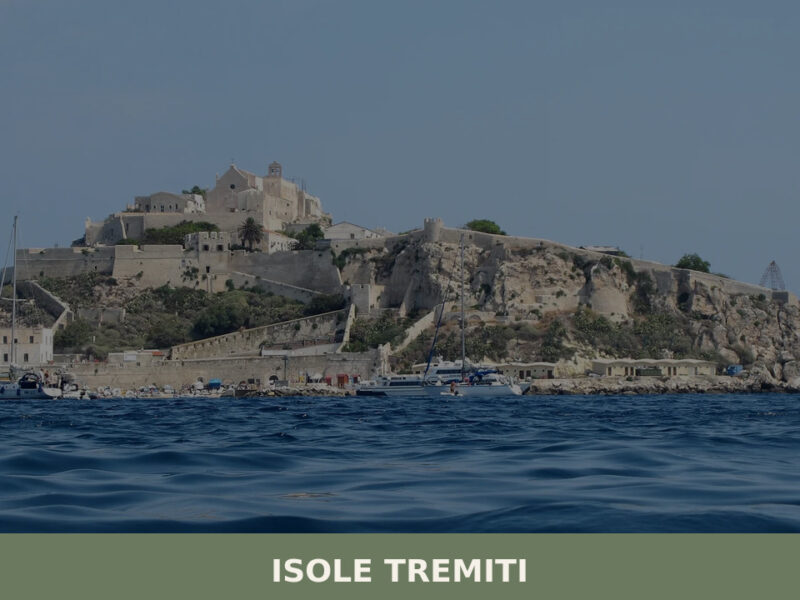
A 481-resident archipelago off Puglia's Gargano coast, the Tremiti Islands compress monastic history, Adriatic wildlife, and sea caves into three inhabited islands.
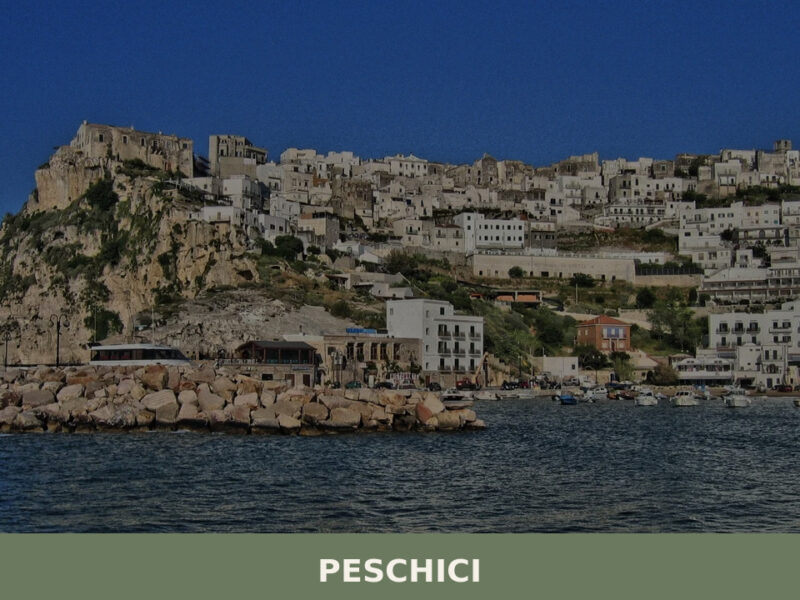
Perched on a rocky promontory above the turquoise waters of the Adriatic Sea, Peschici is one of the most enchanting coastal villages in Puglia’s Gargano peninsula. With its whitewashed houses, narrow alleyways, and dramatic clifftop setting, this small town of 4,283 inhabitants offers a captivating blend of history, natural beauty, and Mediterranean charm. If you’re […]
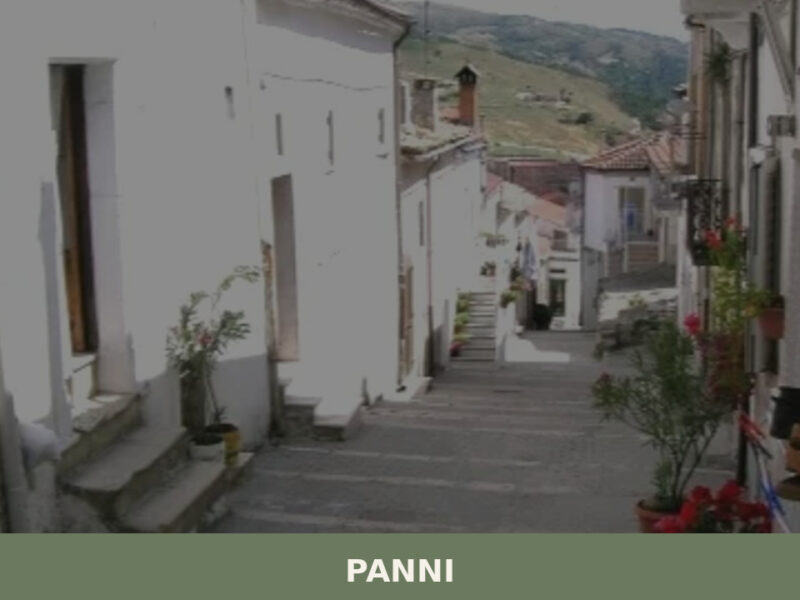
Panni stands at 801 metres in the Daunian Sub-Apennines, a wind-swept village of 693 people in the province of Foggia. A guide to its history, sights, and food.
📝 Incorrect information or updates?
Help us keep the Castelluccio dei Sauri page accurate and up to date.