


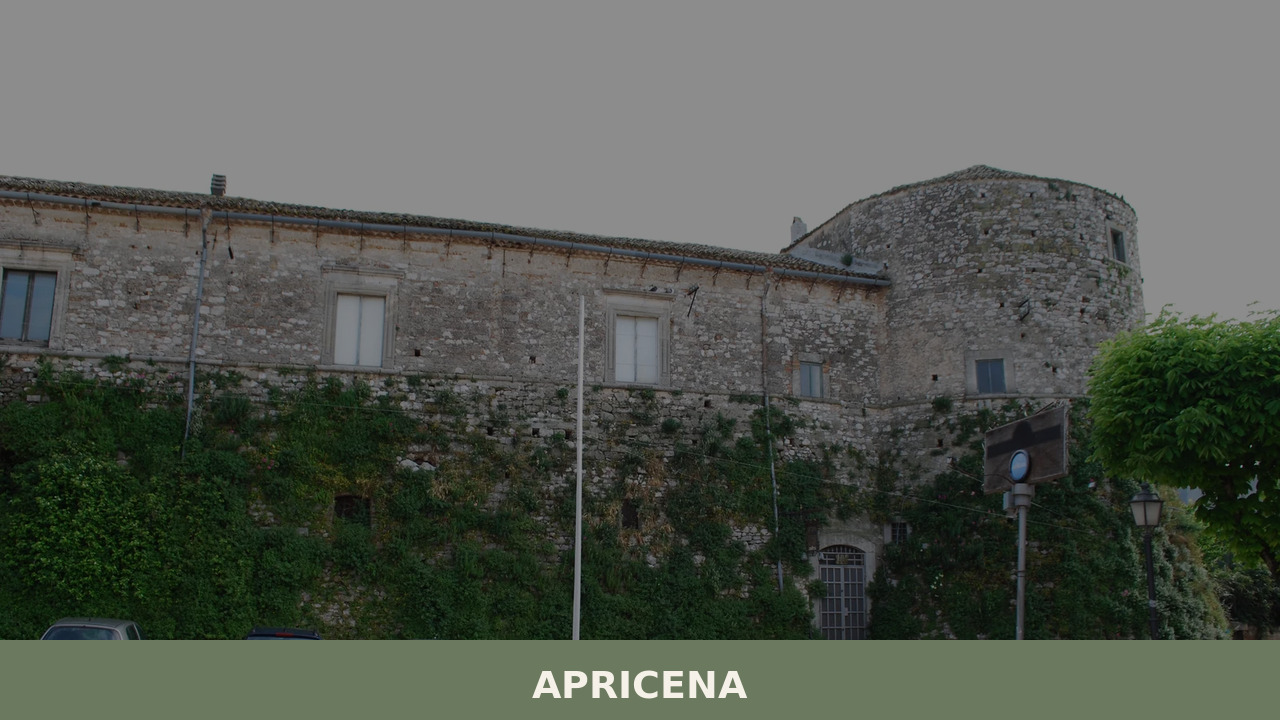

Discover Apricena, a stone-quarrying town in Puglia’s Gargano area. Explore medieval heritage, local cuisine, and authentic Southern Italian charm.
Discover Apricena
Perched on a gentle hill at 73 metres above sea level in the northern reaches of Puglia’s Gargano area, Apricena is a sun-drenched town of around 12,575 inhabitants that rewards curious travellers with its understated charm. If you’re wondering what to see in Apricena, prepare to discover a place shaped by centuries of stone quarrying, medieval heritage, and authentic Southern Italian life — far from the tourist crowds yet rich in genuine experiences waiting to be uncovered.
History of Apricena
The origins of Apricena stretch back to antiquity, with the surrounding territory bearing traces of human settlement since prehistoric times. The town’s name is believed to derive from the Latin a pricena or aper (wild boar), reflecting the once heavily forested and game-rich landscape of the northern Gargano. Some scholars also connect the name to the ancient Dauni people, who inhabited this part of the Tavoliere delle Puglie plain long before Roman colonisation reshaped the region.
During the medieval period, Apricena gained prominence under Norman and later Swabian rule. Emperor Frederick II of Hohenstaufen, who left an indelible mark across Puglia, is known to have favoured the Apricena area for hunting expeditions in the 13th century. The town’s feudal castle, built during this era, stood as a symbol of strategic importance along the routes connecting the Gargano promontory to the Capitanata plain. Over the centuries, Apricena passed through various noble families before eventually becoming part of the unified Italian state in the 19th century.
From the 18th century onward, the extraction of the celebrated Pietra di Apricena — a fine, pale limestone — became the economic backbone of the community. This stone has been used in prestigious buildings across Italy and beyond, firmly establishing Apricena’s identity as a town of quarriers and master stoneworkers, a tradition that continues to this day.
What to see in Apricena: 5 must-visit attractions
1. The Remains of the Swabian Castle
At the heart of the old town stand the evocative remains of Apricena’s medieval castle, originally constructed during the Norman-Swabian period. Though partially ruined over the centuries, its surviving walls and towers offer a powerful glimpse into the town’s feudal past and its strategic role guarding the northern approaches to the Gargano.
2. Church of Sant’Antonio Abate
This graceful church, dedicated to Saint Anthony the Abbot, is one of Apricena’s most cherished religious landmarks. Its interior features elegant stonework — naturally showcasing the local limestone — along with devotional artworks and a serene atmosphere that invites quiet reflection, particularly during the saint’s feast celebrations in January.
3. Chiesa Madre (Church of the Assumption)
The main parish church, dedicated to the Assumption of the Blessed Virgin Mary, anchors the town’s spiritual life. Rebuilt and expanded over successive centuries, it presents a harmonious blend of architectural styles and houses religious paintings and statuary that chronicle the community’s deep Catholic faith through the ages.
4. The Historic Stone Quarries
Apricena’s renowned limestone quarries are not just industrial sites — they are living monuments to centuries of craftsmanship. Visitors can appreciate the dramatic landscape sculpted by generations of quarriers and understand why Pietra di Apricena remains one of Italy’s most prized building stones, exported across Europe and the world.
5. The Historic Centre and Piazza Federico II
A leisurely stroll through Apricena’s compact historic centre reveals narrow lanes, arched passageways, and stone-built houses that whisper of medieval origins. The central piazza, named after Emperor Frederick II, serves as the social heart of town — perfect for savouring an espresso and watching daily life unfold at an unhurried pace.
Local food and typical products
Apricena’s culinary traditions are rooted firmly in the robust, earthy flavours of the Capitanata and Gargano territories. Durum wheat pasta, including handmade orecchiette and troccoli, is a staple, often dressed with slow-cooked ragùs or fresh vegetables. Lamb and goat dishes reflect the area’s pastoral heritage, while locally produced olive oil — fragrant and full-bodied — elevates even the simplest preparations. Bread baked in wood-fired ovens, a sacred tradition across the province of Foggia, is an everyday pleasure here.
Among the most treasured local products are caciocavallo cheese, cured meats, and the excellent wines of the Daunia hills. During festive seasons, traditional sweets such as cartellate drizzled with vincotto appear on every family table. For an authentic dining experience, seek out the town’s small family-run trattorias and agriturismi in the surrounding countryside, where recipes passed down through generations are served with genuine Apulian hospitality.
Best time to visit Apricena
Apricena enjoys a Mediterranean climate tempered by its proximity to the Gargano uplands, with hot, dry summers and mild winters. The most comfortable months for exploration are from April to June and September to October, when temperatures are pleasant for walking and the countryside is at its most beautiful — blanketed in wildflowers in spring and bathed in golden light during autumn.
The town’s calendar comes alive during its patron saint festivities and seasonal sagre (food festivals), which offer travellers an immersive taste of local culture. Summer evenings bring open-air concerts and events to the piazza, while the cooler months are ideal for exploring the surrounding countryside, olive groves, and quarry landscapes without the heat. It’s advisable to check locally for specific festival dates, as they can vary from year to year.
How to get to Apricena
Apricena is well connected by road, sitting along the SS89 state road that links Foggia to the Gargano coast. By motorway, the nearest access is via the A14 Bologna–Taranto, exiting at San Severo and continuing east for approximately 15 kilometres. The town has a railway station on the San Severo–Peschici line, operated by Ferrovie del Gargano; the Foggia–San Severo stretch is managed by RFI/Trenitalia, providing rail connections to the coast.
The nearest major airport is Bari Karol Wojtyła Airport, approximately 120–130 km to the northwest, while Foggia’s smaller Gino Lisa Airport is approximately 15–20 km away for regional connections. From Foggia, the drive to Apricena takes roughly 30 minutes. For travellers arriving from Naples, the journey by car is approximately 250–270 km via the A16 and A14 motorways. Having a car is recommended for fully exploring the surrounding territory at your own pace.
More villages to discover in Puglia
Apricena makes an excellent base for exploring the extraordinary diversity of the Gargano and broader Puglia region. Just an hour’s drive to the east, the dazzling coastal town of Vieste awaits with its dramatic white cliffs, sea stacks, and crystal-clear waters — one of the most beloved seaside destinations on the Adriatic. The contrast between Apricena’s stone-quarry heritage and Vieste’s maritime splendour perfectly illustrates the Gargano’s remarkable variety.
For those drawn to mountain villages and quieter rhythms, the charming hilltop hamlet of Alberona, nestled in the Daunian sub-Apennines to the southwest, offers cool breezes, medieval lanes, and sweeping panoramas over the Tavoliere plain. Together, Apricena, Vieste, and Alberona weave a journey through Puglia that spans seacoast, plain, and mountain — revealing why this corner of southern Italy continues to captivate travellers from around the world.
Frequently asked questions about Apricena
Is Apricena feasible as a day trip from Foggia or San Severo?
Absolutely. Apricena sits just 30 minutes by car from Foggia and approximately 15 kilometres east of San Severo, making it an easy half-day excursion from either town. The compact historic centre, castle remains, and main churches can comfortably be visited in two to three hours, leaving ample time to combine the trip with a meal at a local trattoria or a detour toward the Gargano coast.
Is there a railway station in Apricena, and which line does it serve?
Yes, Apricena has its own railway station on the Foggia–San Severo–Peschici line operated by Ferrovie del Gargano, a private regional railway company. This scenic line connects the town to Foggia to the south and continues northeast toward the Gargano peninsula, including the coastal resort of Peschici. It offers a convenient and picturesque alternative to driving, particularly for travellers arriving from Foggia without a car.
What is Pietra di Apricena and why is it considered special?
Pietra di Apricena is a fine-grained pale limestone quarried in the hills around the town for centuries. Prized for its workability, durability, and elegant appearance, it has been used in prestigious construction projects across Italy and exported throughout Europe and beyond. The stone is closely tied to the town's economic and cultural identity, and the quarry landscape itself has been shaped into a dramatic environment by generations of skilled stonecutters and craftsmen.
Who is the patron saint of Apricena and how is the devotion celebrated?
The patron of Apricena is Maria Santissima Incoronata — the Crowned Madonna — a Marian devotion deeply rooted across the Capitanata territory of northern Puglia. The sanctuary of the Madonna Incoronata, located near Foggia, is one of the most venerated pilgrimage sites in the entire region and draws thousands of faithful each year, particularly in spring. Apricena's community participates in this widespread regional devotion with traditional religious observances.
Are there documented hiking or cycling routes near Apricena?
Apricena sits at the edge of the Gargano territory, a designated National Park that features an extensive network of marked CAI (Club Alpino Italiano) trails and cycling routes crossing forests, coastal cliffs, and inland plains. While Apricena itself lies on the flatter Tavoliere fringe, it serves as a practical entry point for excursions into the Gargano National Park, whose official trail network is documented by the Ente Parco Nazionale del Gargano and accessible within a short drive eastward.
Nearby Villages near Apricena
In Apulia More villages to discover
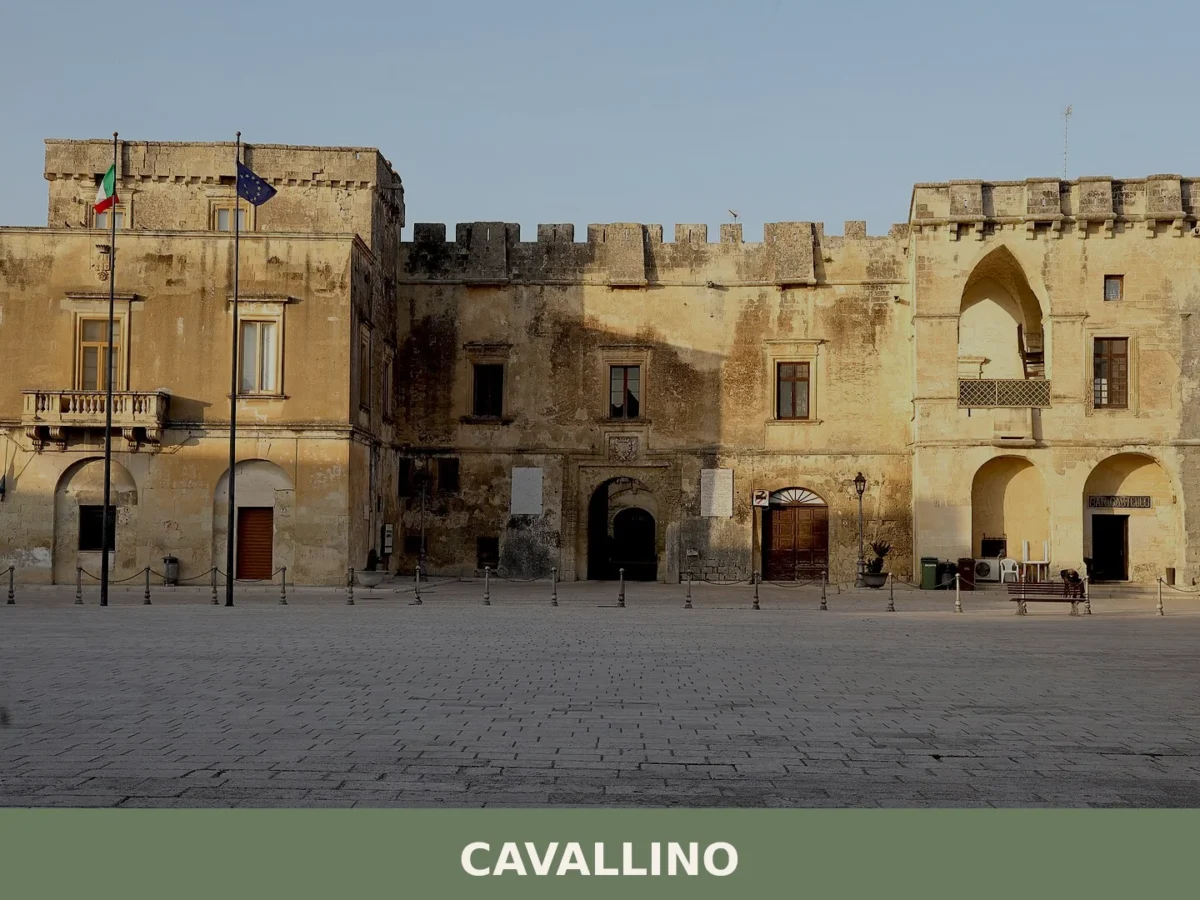
Cavallino
 Plains
A village of 13,000 inhabitants where Messapic foundations meet Baroque stone. Visit the Dominican church, the feudal castle and a 1633 public well.
Carpignano Salentino
Plains
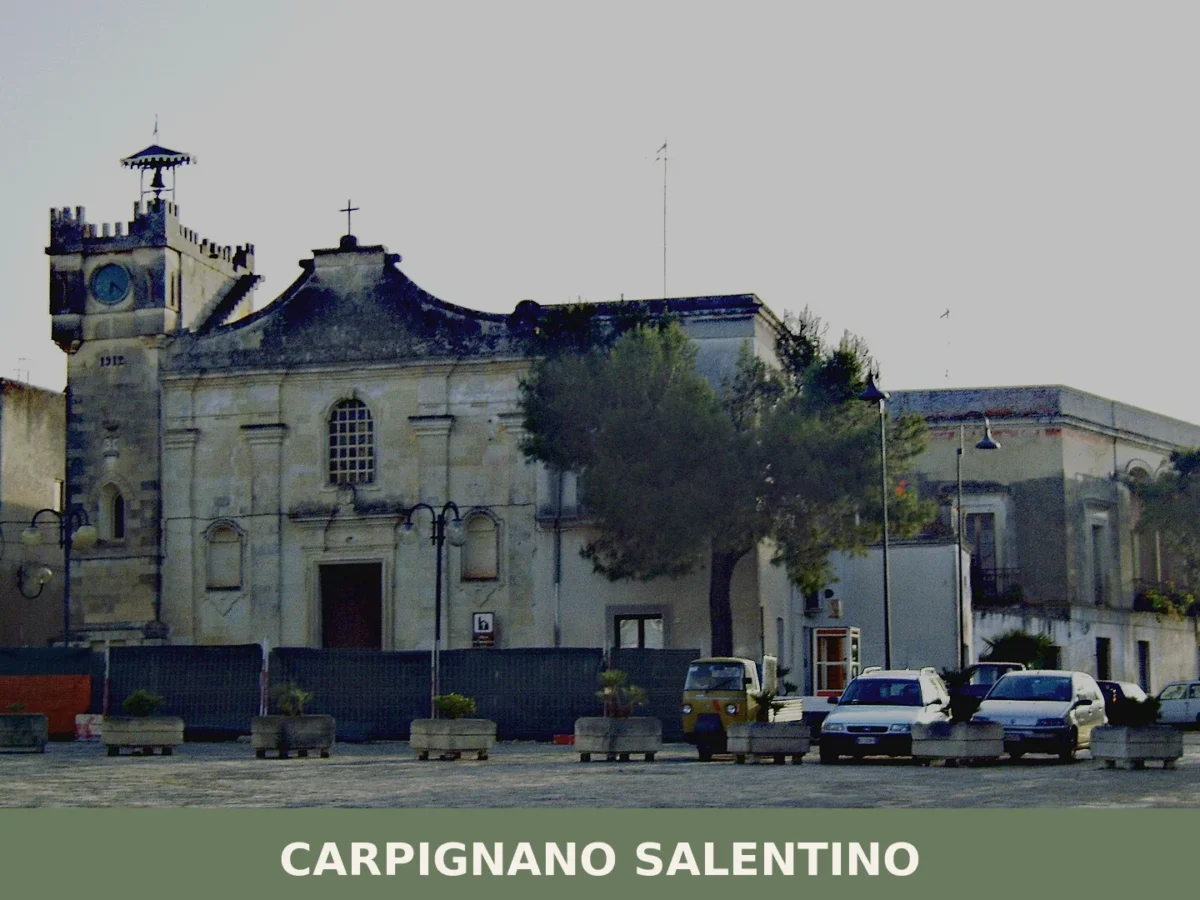
A 3,600-resident comune in eastern Salento. Medieval feudal architecture, tenth-century frescoes and menhir-marked prehistory form its identity.

Alessano
 Sea
Sea
Until 1818, Alessano was the seat of its own diocese — a fact that explains the density of sacred architecture concentrated in a village of fewer than 6,000 inhabitants. Located in the basso Salento, the southernmost stretch of Puglia’s heel, the comune includes the hamlet of Montesardo and the coastal locality of Marina di Novaglie. […]
Barletta
Sea
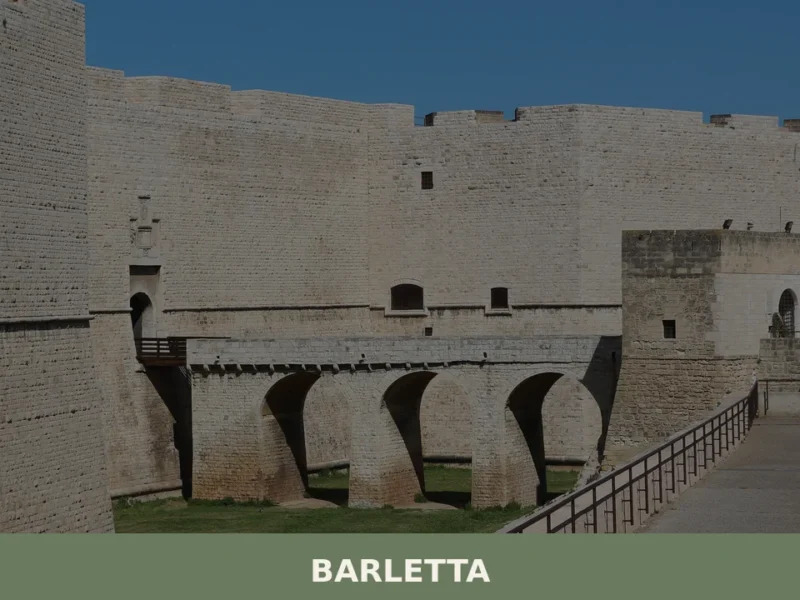
Barletta is a historic Adriatic city in Puglia with 92,191 residents, renowned for its Norman castle, cathedral museum, and the celebrated Disfida of 1503.
Cisternino
 Hills
Hills
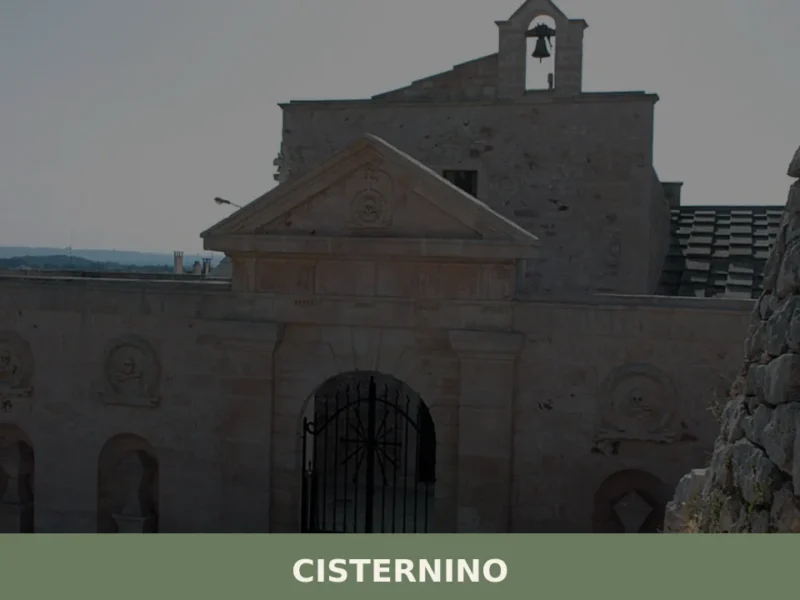
At 394 meters above sea level, in the heart of the Itria Valley, Cisternino features a compact urban layout, characterized by white lime buildings that line a network of narrow streets. This architecture, typical of Puglia’s “white village” style, reflects centuries of adaptation to the climate and terrain. Its elevated position offers a wide view […]
Giovinazzo
Sea
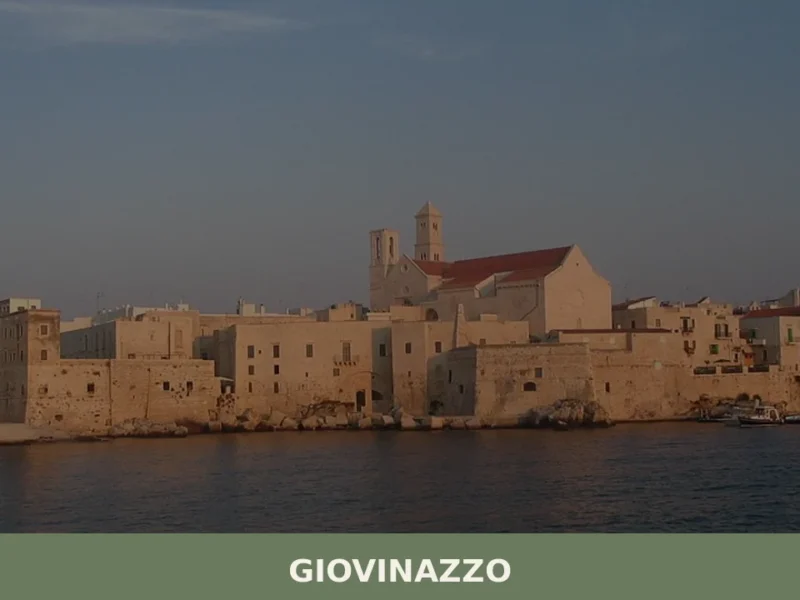
The walls of Giovinazzo’s old port form an irregular semicircle jutting out into the Adriatic Sea, visible from the SS16 state road that runs along the Bari coastline. This small city of 19,366 inhabitants, sitting at just 7 metres above sea level, retains a compact medieval historic centre, still partly surrounded by the original city […]
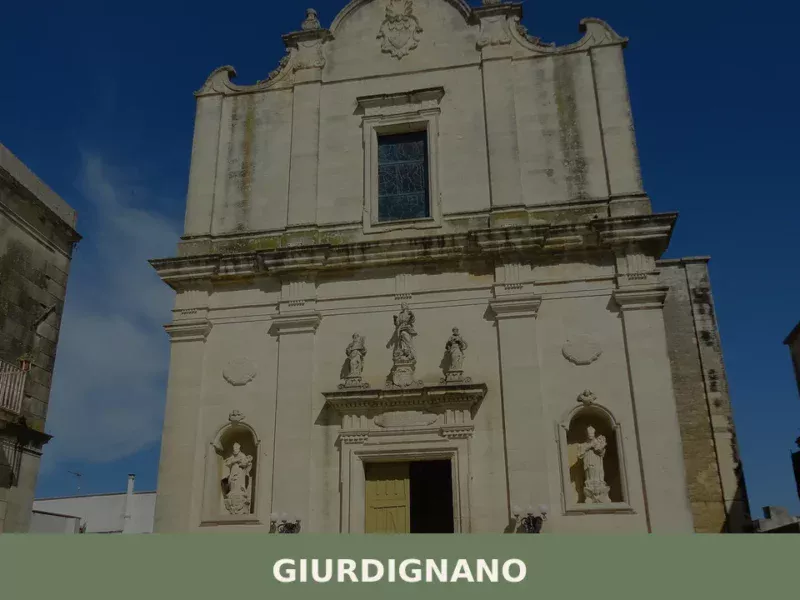
Giurdignano
Plains
More than 25 standing stones rise from the flat farmland around this comune in the province of Lecce, some tilting slightly after three millennia, others still vertical and sharp against the sky. The territory of Giurdignano, at 78 m (256 ft) above sea level, holds the highest concentration of menhirs and dolmens in all of […]
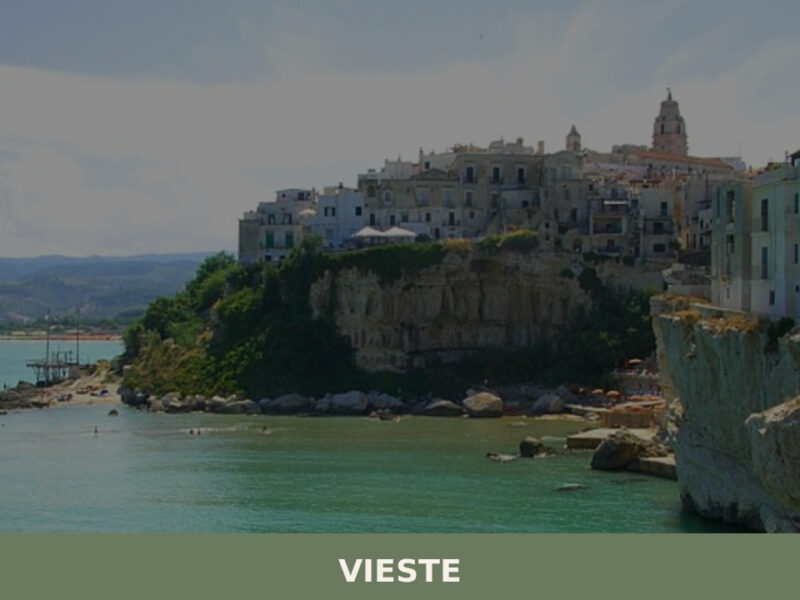
Vieste
Sea
Vieste, on the eastern tip of the Gargano promontory, offers a blend of historical depth and natural beauty within the Parco Nazionale del Gargano.

Palo del Colle
Plains
What to see in Palo del Colle: town at 177 m near Bari. Explore the Norman castle, cathedral, and Acquasale PAT. Plan your visit with our full guide.
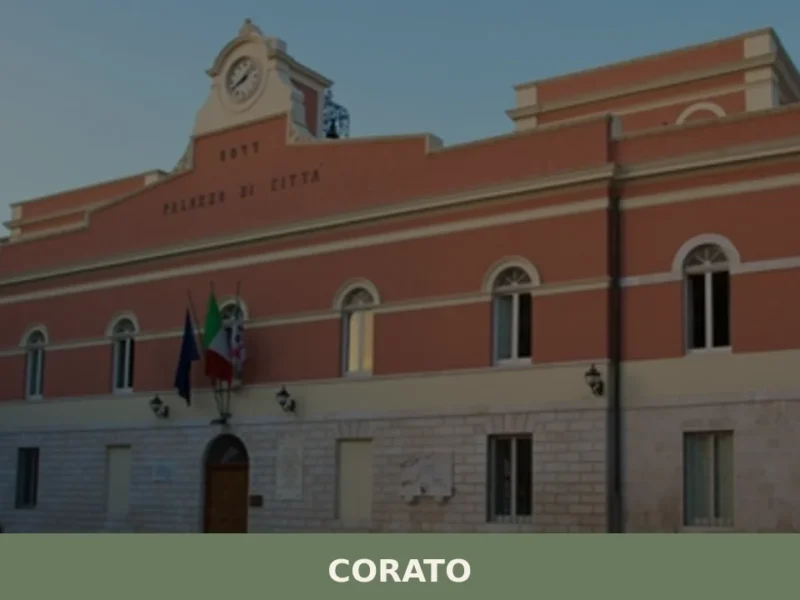
Corato
Hills
What to see in Corato, a city at 232 m in Puglia. 5 attractions, underground olive presses, Castel del Monte 18 km away, PAT dishes. Plan your visit now.





🏡 Know Apricena better than we do?
If you’re a local or have been there, your knowledge matters: add what’s missing or fix a detail on this page.