


Celano
 Mountain
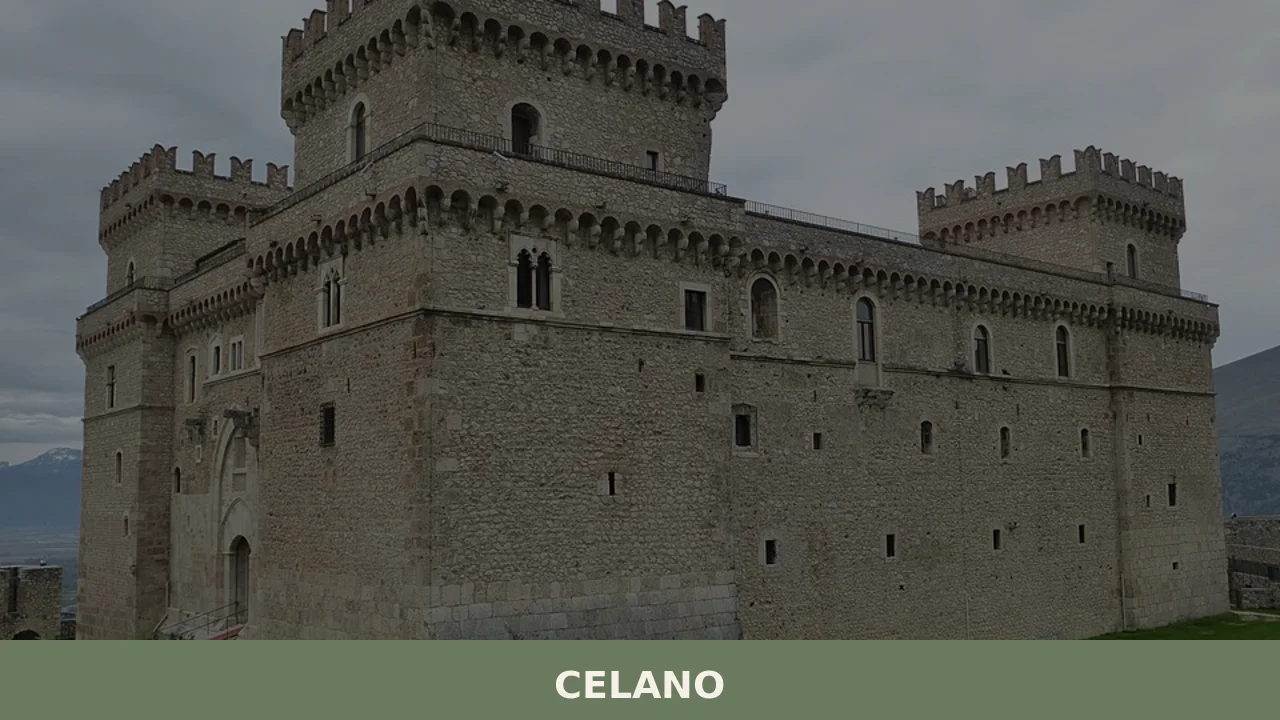
The Castello Piccolomini in Celano, with its four corner towers and curtain wall enclosing a perimeter of over one hundred metres, commands the Fucino plain from an altitude of 840 metres. Anyone wondering what to see in Celano will find an unequivocal starting point here: a fortress that has endured six centuries of history, earthquakes […]
Discover Celano
The Castello Piccolomini in Celano, with its four corner towers and curtain wall enclosing a perimeter of over one hundred metres, commands the Fucino plain from an altitude of 840 metres. Anyone wondering what to see in Celano will find an unequivocal starting point here: a fortress that has endured six centuries of history, earthquakes and reconstructions, and that today houses the Museum of Sacred Art of the Marsica. Below the castle, a compact historic centre of around 10,881 inhabitants spreads along limestone alleyways, past Romanesque churches and noble palazzi.
History and origins of Celano
The earliest documented traces of a settlement in the area date back to the time of the Marsi, an Italic people who controlled the region around Lake Fucino — Italy’s third-largest lake before the drainage completed in 1875 by Prince Alessandro Torlonia. The name “Celano” appears in medieval documents from the 10th century onwards, probably derived from the Latin Caelanum, referring to the elevated position above the basin below. The County of Celano gained political prominence in the 12th century under the Counts of the Marsi, and reached its peak with Pietro da Celano, who between the 12th and 13th centuries was among the most influential feudal lords of the Kingdom of Naples.
In 1223, Emperor Frederick II ordered the destruction of the town as punishment for the rebellion of Count Tommaso da Celano, a central figure in local historiography. But Celano is also linked to another name: Thomas of Celano, a Franciscan friar born here around 1190, author of the first biography of Saint Francis of Assisi — the Vita prima — and to whom the Dies Irae, one of the most celebrated sequences in the Latin liturgy, is traditionally attributed. The current castle was built in the second half of the 14th century at the behest of Antonio Piccolomini, son-in-law of King Ferdinand I of Aragon, and suffered severe damage in the 1915 Marsica earthquake, which caused over 30,000 deaths across the entire region.
The subsequent reconstruction partially redesigned the urban fabric, but the historic core retains its medieval layout of concentric bands around the castle. The draining of Lake Fucino radically transformed the local economy, converting a territory based on fishing and pastoralism into one of the most productive agricultural areas of central Italy, specialising in the cultivation of potatoes, carrots and sugar beet.
What to see in Celano: the 5 main attractions
1. Castello Piccolomini and the Museum of Sacred Art of the Marsica
Built between 1392 and 1463, the castle has a quadrangular plan with four cylindrical towers. Inside, the Museum of Sacred Art of the Marsica holds wooden sculptures, panel paintings and sacred goldwork from the 12th to the 18th century, recovered from churches damaged in the 1915 earthquake. The collection includes a 13th-century Madonna and Child of the Byzantine school.
2. Church of San Giovanni Battista
Located in the historic centre, this church preserves a 14th-century Gothic portal with a carved lunette. The single-nave interior was remodelled after the 1915 earthquake but retains fragments of 14th-century frescoes in the apse area. The square-based bell tower is visible from several points across the Fucino plain.
3. Gole di Celano (Celano Gorge)
A natural canyon roughly 4 kilometres long, carved by the La Foce stream through the Sirente massif. The limestone walls reach a height of 200 metres and in some sections narrow to just a few metres across. The hiking route takes approximately three hours and passes through pools of water and rocky passages — proper equipment is required and the trail is not recommended after heavy rainfall.
4. Church of Santa Maria Valleverde
Built in the 13th century on the edge of the settlement, it preserves a cycle of frescoes attributed to local craftsmen of the 15th century. The adjoining cloister, with round arches on small stone columns, was part of a Franciscan convent. The façade features a central rose window and a portal with a twisted-rope moulding, elements common in Abruzzese sacred architecture of the period.
5. Historic centre and Porta dei Marsi
The main entrance to the old town is through Porta dei Marsi, the only surviving gateway in the ancient walls. From here, narrow streets climb steeply, flanked by houses built in local stone with wrought-iron balconies. In the upper section, close to the castle, remains of the medieval walls can be seen along with several palazzi bearing noble coats of arms set into their façades.
Local cuisine and regional produce
Celano’s cuisine reflects the dual character of its territory: pastoral at altitude and agricultural on the plain. Pasta alla pecorara — irregular in shape, dressed with a mutton-based sauce — is a common first course in the trattorias of the area. Maccheroni alla chitarra are made with the traditional metal-stringed tool and served with a lamb ragù. Among the main courses, agnello a cacio e ova involves slow-cooking lamb in a pan with beaten eggs and local pecorino. Lentils from the nearby Fucino plain, together with potatoes — cultivated on a significant scale in the basin — are staple ingredients in everyday cooking.
Montepulciano d’Abruzzo DOC is the benchmark red wine on local tables. Among desserts, ferratelle (thin wafers cooked in a patterned iron press with geometric motifs) appear during feast days, particularly for the celebration of the patron saints Simplicius, Constantius and Victorianus. Cheeses come largely from sheep farms on the Sirente: pecorino at various stages of ageing and fresh ricotta sold at the Saturday morning markets.
When to visit Celano: the best time
The altitude of 840 metres means harsh winters, with temperatures regularly dropping below zero between December and February, and frequent snowfall. Summers are cool compared to the coastal lowlands, with highs that rarely exceed 30 °C in July — a condition that makes the period from June to September the most suitable for hikes to the Celano Gorge and in the Sirente-Velino Regional Park, within whose boundaries part of the municipal territory falls.
In August, a historical re-enactment linked to the events of the County of Celano takes place, with costumed processions and performances in the squares of the centre. The feast of the patron saints Simplicius, Constantius and Victorianus falls on 26 August and involves a procession through the streets of the town. For those wishing to explore the Gorge, May and June offer the advantage of water levels still sustained by the snowmelt but without the summer temperatures that reduce the stream’s flow.
How to reach Celano
Celano is reached via the A25 Roma–Pescara motorway, Aielli-Celano exit, approximately 110 km from Rome and 100 km from Pescara. The drive from Rome takes about one hour and twenty minutes under normal traffic conditions. From L’Aquila, the provincial capital, the distance is around 55 km, covered in just over 40 minutes via the SS5bis and the A25.
The Celano-Ovindoli railway station is served by the Rome–Sulmona–Pescara line, with regional trains connecting the town to the capital in approximately two hours. The nearest airport is Abruzzo Airport in Pescara (about 110 km), while Rome Fiumicino Airport is around 150 km away. The Municipality of Celano website publishes updates on local road conditions, particularly useful during the winter months when snow closures on mountain roads are possible.
Other villages to visit in Abruzzo
Those exploring the Marsica and the mountainous areas of inland Abruzzo can extend their route towards the province of Pescara, where Bolognano stretches along the Orta valley, with its karst caves and the hermitage of Sant’Onofrio carved into the rock. The distance from Celano is around 70 km via the A25 and the Pescara valley road: a landscape that changes rapidly, shifting from plateau to river gorge.
To the south, in the Peligna Valley, Bugnara offers a different architectural register, with its medieval layout arranged on a hill overlooking the Sulmona basin. It can be reached from Celano in under an hour, heading towards Sulmona along the SS17. The two villages, together with Celano, trace an itinerary that crosses three distinct geographical formations of inland Abruzzo — plateau, valley, hillside — and three different expressions of the relationship between human settlement and the Apennine mountains.
Frequently asked questions about Celano
What is the best time to visit Celano?
The best time to visit Celano depends on your interests. For hiking in the Gole di Celano and the Sirente-Velino Regional Park, the cool summers from June to September are ideal, with July highs rarely exceeding 30 °C. May and June are particularly recommended for the Gorge, when snowmelt sustains stream levels. If you're interested in local culture, August is vibrant with a historical re-enactment and the Feast of the Patron Saints Simplicio, Costanzo e Vittoriano on August 26th, featuring processions. Winters (December-February) are cold and snowy, suitable for those seeking a quiet, wintry mountain landscape.
What to see in Celano? Main monuments and landmarks
Celano offers several compelling sights. The Castello Piccolomini, a quadrangular fortress from the 14th century, is a must-see, housing the Museum of Sacred Art of the Marsica with artifacts from the 12th to 18th centuries. Explore the historic centre's limestone alleyways, starting from Porta dei Marsi, and discover the Romanesque Church of San Giovanni Battista with its Gothic portal and the 13th-century Church of Santa Maria Valleverde, known for its frescoes and cloister. For nature lovers, the dramatic Gole di Celano provides a challenging three-hour hiking experience through a stunning canyon.
What are the main natural or scenic attractions of Celano?
Celano's primary natural attraction is the spectacular Gole di Celano, a 4-kilometer canyon carved by the La Foce stream. Its towering limestone walls, reaching 200 meters, offer a challenging yet rewarding hiking experience of approximately three hours. Proper equipment is essential, and the trail is not recommended after heavy rainfall due to water levels. The village also lies partly within the Sirente-Velino Regional Park, offering further opportunities for immersion in the Apennine mountain environment and its diverse ecosystems, perfect for nature enthusiasts and trekkers.
Where to take the best photos in Celano?
For captivating photographs in Celano, start with the Castello Piccolomini, which offers commanding panoramic views over the Fucino plain from its elevated position. The historic center, with its narrow, climbing limestone alleyways, traditional stone houses, and wrought-iron balconies, provides picturesque scenes, especially around Porta dei Marsi and near the medieval walls. Don't miss the dramatic natural beauty of the Gole di Celano, where the towering canyon walls and rocky passages create stunning landscape opportunities. The bell tower of the Church of San Giovanni Battista also stands out against the sky, visible from various points across the plain.
Are there museums, churches or historic buildings to visit in Celano?
Yes, Celano is rich in cultural heritage. The Castello Piccolomini hosts the Museum of Sacred Art of the Marsica, displaying a significant collection of wooden sculptures, panel paintings, and sacred goldwork dating from the 12th to the 18th century, including a 13th-century Byzantine Madonna and Child. Visitors can also explore the Church of San Giovanni Battista, known for its 14th-century Gothic portal and fresco fragments, and the 13th-century Church of Santa Maria Valleverde, which features a cycle of 15th-century frescoes and an adjoining cloister. For specific opening hours and admission details, it is advisable to check with local tourism information points upon arrival.
What can you do in Celano? Activities and experiences
In Celano, you can immerse yourself in both nature and culture. Hiking enthusiasts will enjoy exploring the Gole di Celano or venturing into the Sirente-Velino Regional Park. Culturally, visit the historic Castello Piccolomini and its Museum of Sacred Art, wander through the medieval streets of the old town, and discover ancient churches like San Giovanni Battista. Experience the local gastronomy by tasting traditional dishes such as pasta alla pecorara or agnello a cacio e ova, paired with Montepulciano d'Abruzzo. If visiting in August, don't miss the historical re-enactment and the lively patron saints' feast on the 26th.
Who is Celano suitable for? Families, couples, hikers, solo travelers?
Celano is ideal for a diverse range of visitors. It's particularly suited for **hikers and nature lovers**, with the challenging Gole di Celano and proximity to the Sirente-Velino Regional Park. **History and culture enthusiasts** will appreciate the Castello Piccolomini, its museum, and the medieval historic centre with its ancient churches and noble palazzi. **Foodies** will delight in the authentic Abruzzese mountain and plain cuisine. The village offers a genuine experience for **couples** seeking a romantic mountain retreat, and **solo travelers** looking to explore Abruzzo's rich heritage. Families with older children can also enjoy the historical sites and some of the less strenuous natural trails.
What to eat in Celano? Local products and specialties
Celano's cuisine reflects its unique blend of pastoral and agricultural traditions. Must-try dishes include 'pasta alla pecorara' and 'maccheroni alla chitarra' often served with lamb ragù. A distinctive main course is 'agnello a cacio e ova', lamb slow-cooked with eggs and local pecorino. The Fucino plain provides excellent lentils and potatoes, staples in local cooking. For dessert, 'ferratelle' (thin wafers) are a festive treat. Don't miss the local cheeses from the Sirente sheep farms, especially various ages of pecorino and fresh ricotta, available at the Saturday morning markets. Pair your meal with a robust Montepulciano d'Abruzzo DOC wine.
Nearby Villages near Celano
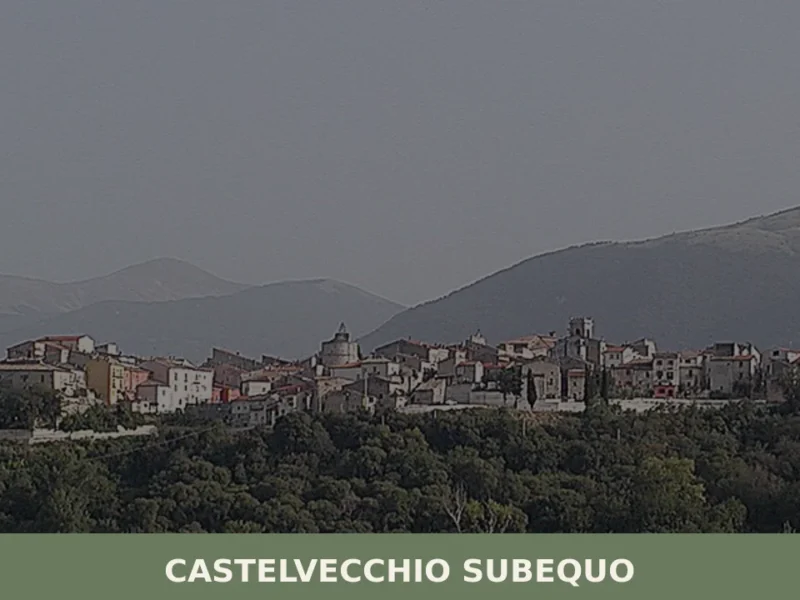
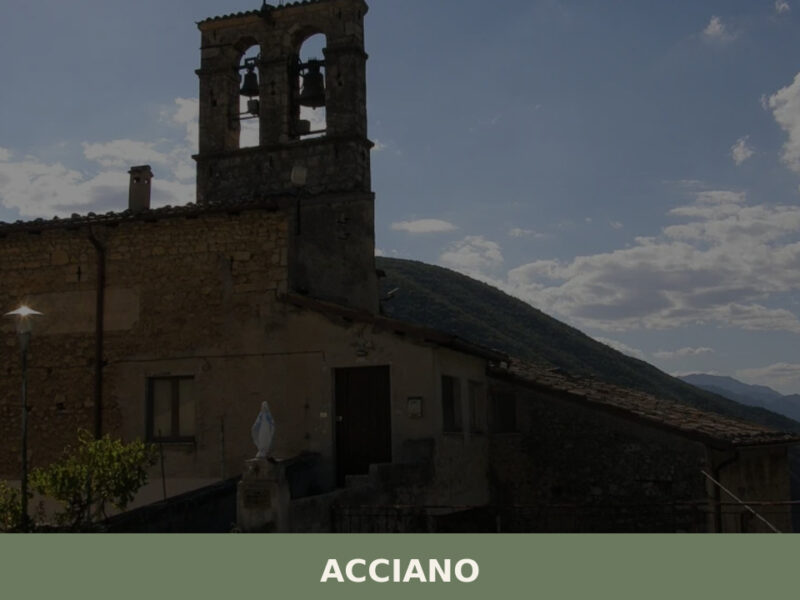
In Abruzzo More villages to discover
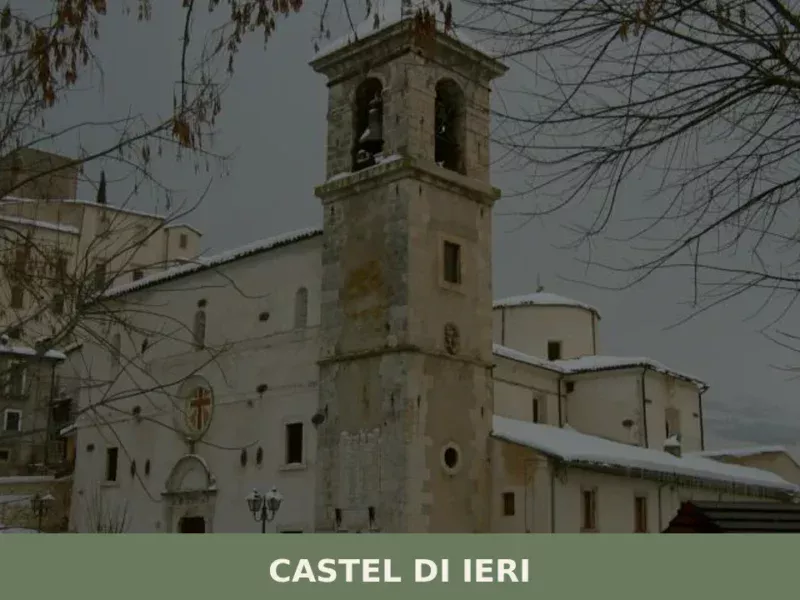
Castel di Ieri
 Hills
Hills
In Castel di Ieri, a village of 289 registered inhabitants at 519 metres above sea level in the Valle Subequana, the most significant feature lies underground: an Italic temple from the 1st century BC, unearthed during the 1980s, which redrew the archaeological map of inland Abruzzo. Anyone looking into what to see in Castel di […]
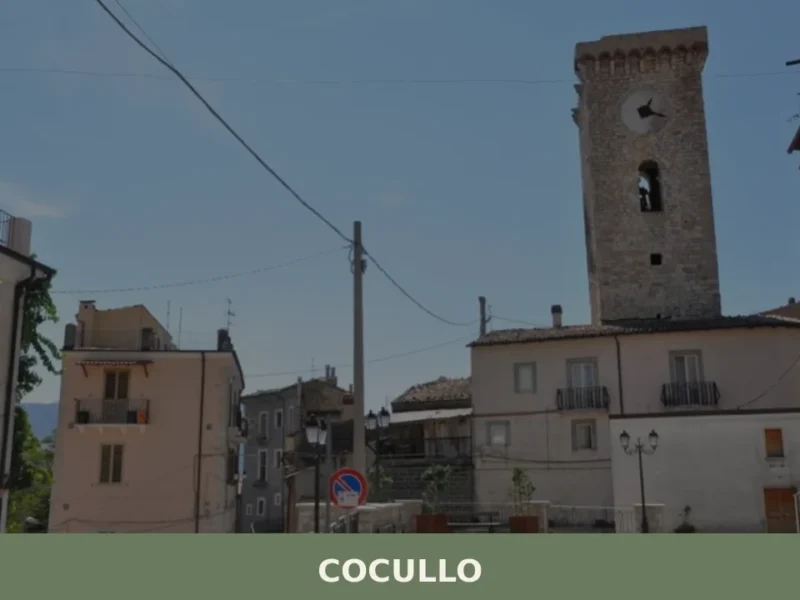
Cocullo
Mountain
What to see in Cocullo: from the Serpari Festival to the Church of San Domenico. Complete guide with 5 attractions and practical tips for visiting the village.
Roio del Sangro
Mountain
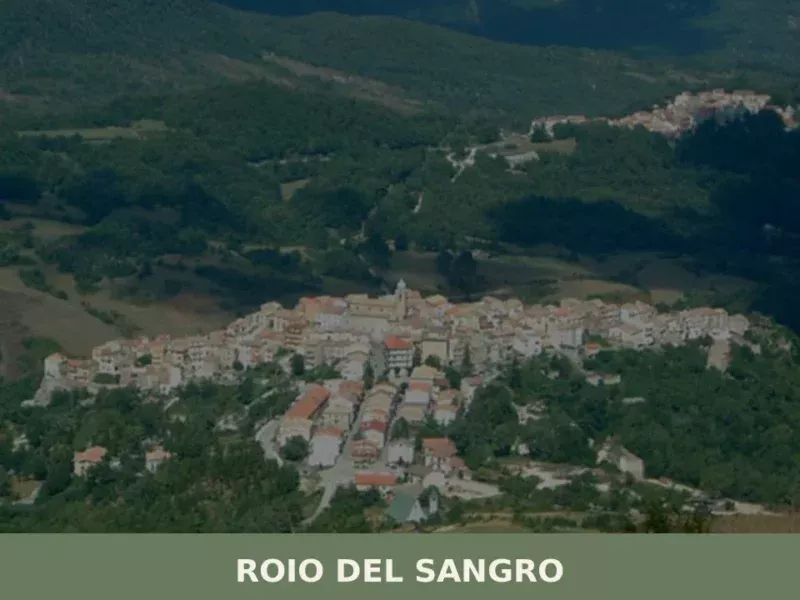
What to see in Roio del Sangro? Explore the 5 main attractions of this village in Abruzzo, amidst history and nature. Discover the ultimate guide for your visit!
Opi
Mountain
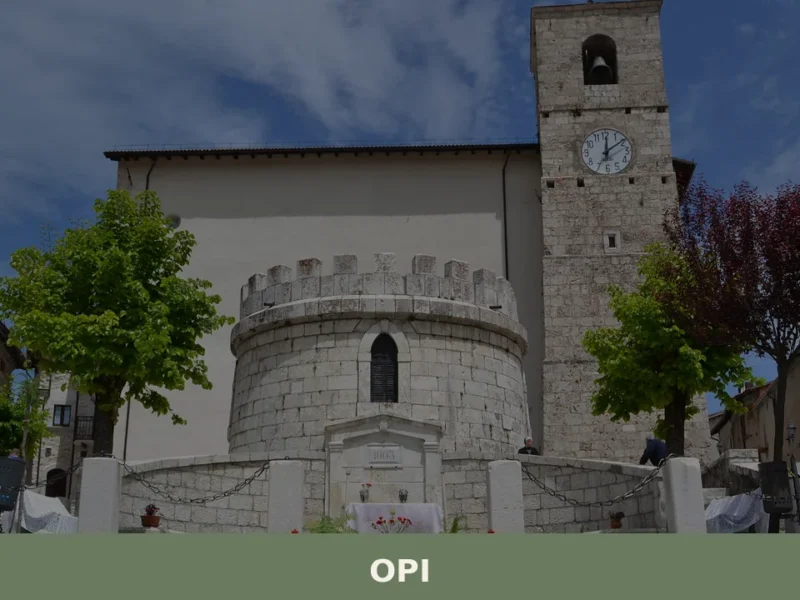
What to see in Opi, Abruzzo, Italy: explore 3 historic monuments, the National Park of Abruzzo, and the Val Fondillo Necropolis. Discover how to get there.
Gamberale
Mountain
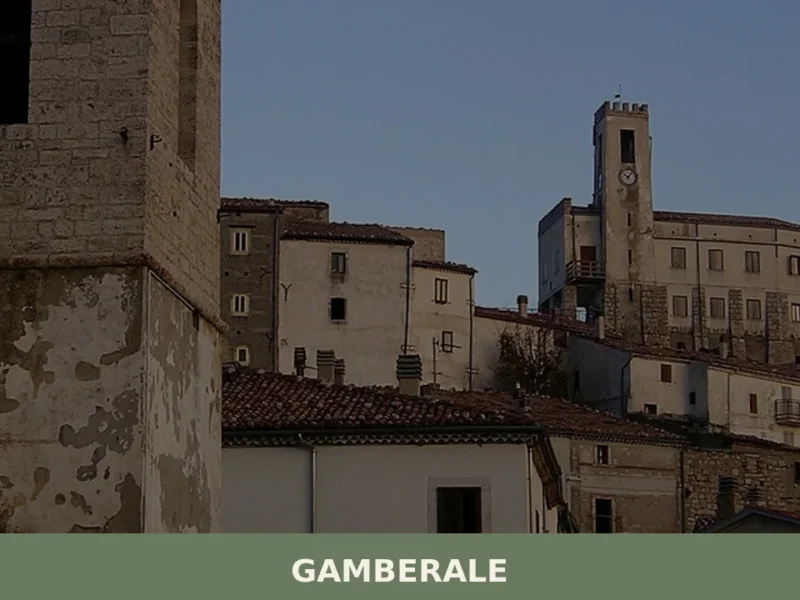
At 1,343 metres above sea level, along the eastern ridge of the Majella mountains where the slopes descend towards the Sangro valleys, 277 residents keep alive a settlement that the catasto onciario of the Kingdom of Naples already recorded in the eighteenth century as a community of shepherds and charcoal burners. Visitors arriving in Gamberale […]
Monteferrante
Mountain
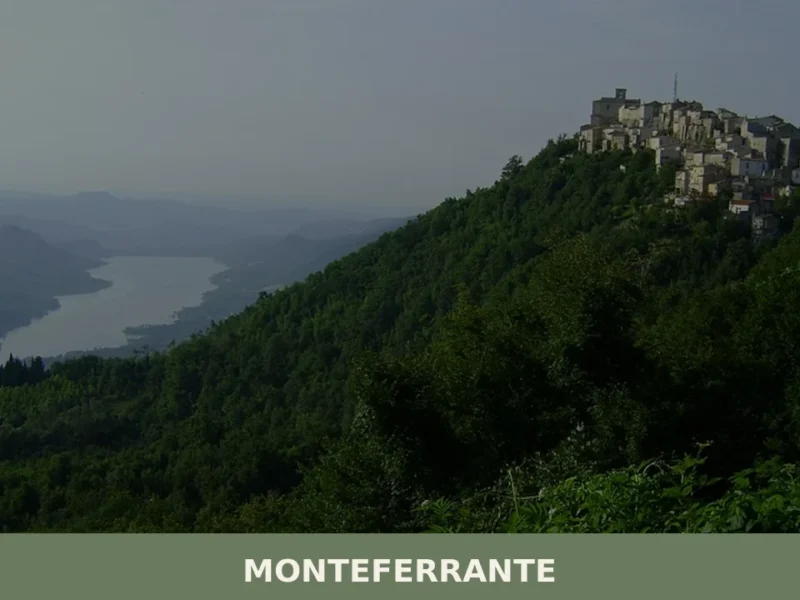
What to see in Monteferrante: discover the 5 main attractions of this mountain village, from the Church of St. John the Baptist to natural trails. Plan your trip!
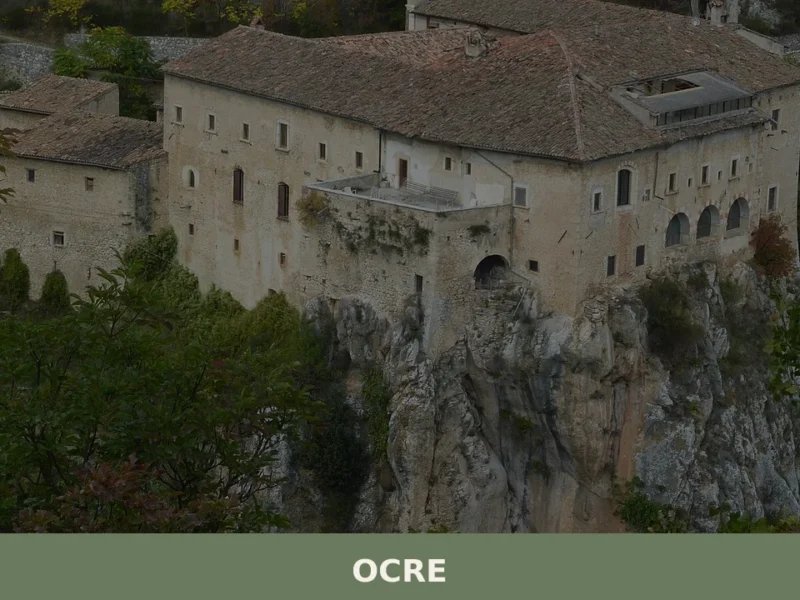
Ocre
Mountain
What to see in Ocre, Italy: discover historical landmarks and local festivals in this Abruzzo village of 1,133 inhabitants. Explore the castle ruins and traditional events.
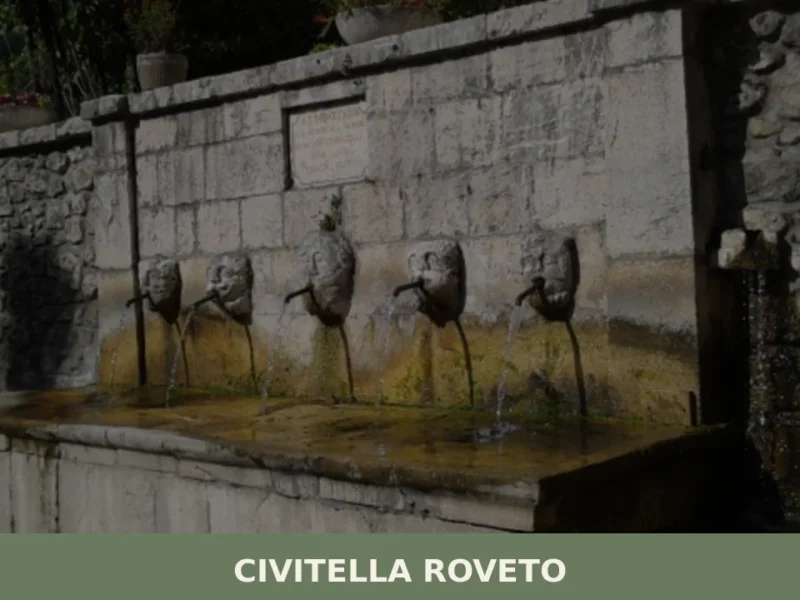
Civitella Roveto
Hills
At 528 metres above sea level, on the eastern side of the Valle Roveto, Civitella Roveto has a current population of 3,327, spread between the old town and the hamlets along the River Liri. The valley, a natural corridor between the Marsica and Lazio, determined the strategic role of this settlement for centuries. Understanding what […]
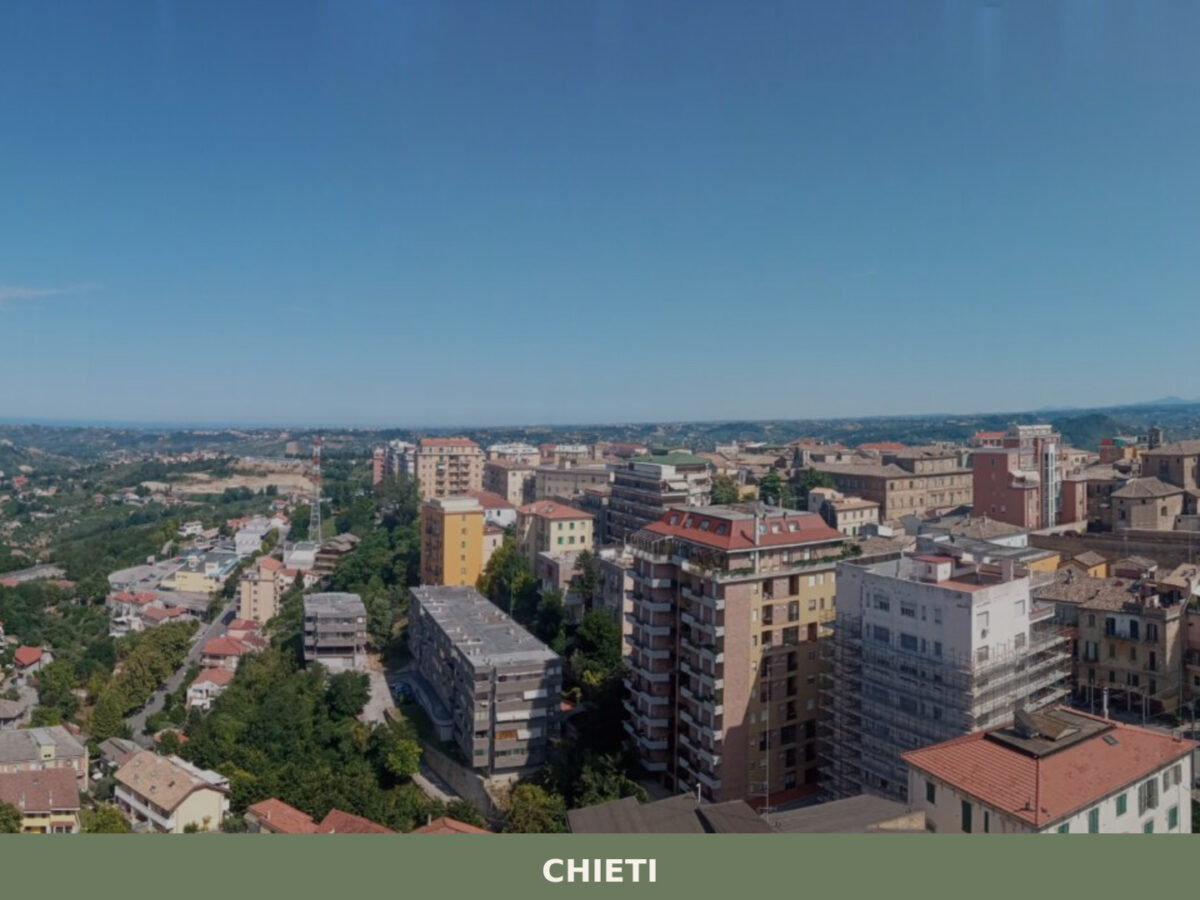
Chieti
Hills
Chieti, an art city in Abruzzo: discover the National Archaeological Museum, Roman monuments and historic districts. Plan your visit with our guide.
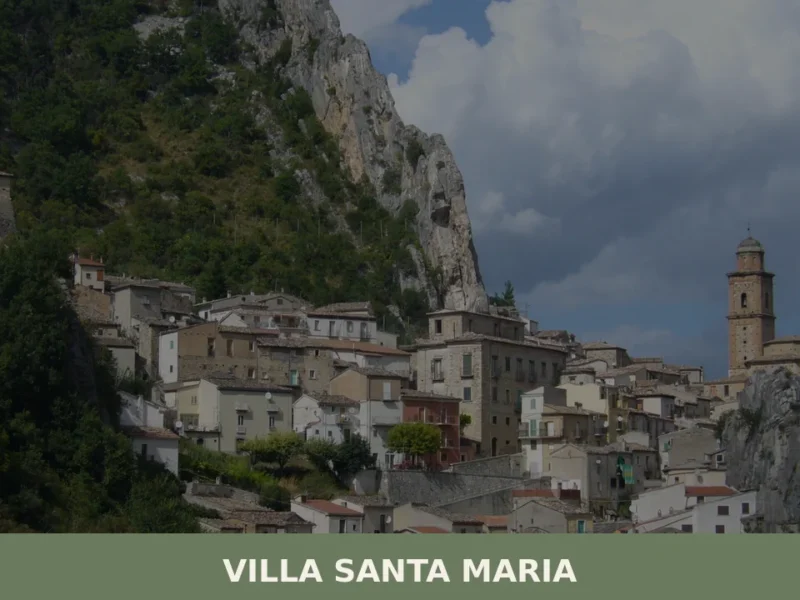
Villa Santa Maria
Mountain
What to see in Villa Santa Maria, Abruzzo, Italy: explore 5 top attractions, local cuisine, and the legacy of Saint Francis Caracciolo. Discover this village of 1,431 inhabitants.



🏡 Know Celano better than we do?
If you’re a local or have been there, your knowledge matters: add what’s missing or fix a detail on this page.