If you are looking to discover the most fascinating Orta Nova attractions, you are in the right place. This Apulian village, located in the heart of the Tavoliere delle Puglie just 24.7 km from Foggia, holds historical and cultural treasures that tell centuries of Italian history. With its 16,600 inhabitants, Orta Nova offers a perfect […]
If you are looking to discover the most fascinating Orta Nova attractions, you are in the right place. This Apulian village, located in the heart of the Tavoliere delle Puglie just 24.7 km from Foggia, holds historical and cultural treasures that tell centuries of Italian history. With its 16,600 inhabitants, Orta Nova offers a perfect balance between tradition and hospitality, making it an ideal destination for those who want to immerse themselves in the authentic Apulian atmosphere. The tourist attractions Orta Nova range from medieval monuments to historic palaces, from culinary traditions to folk festivals, offering a complete and unforgettable travel experience.
The history of Orta Nova is a fascinating journey through the centuries, which begins well before the current denomination. Until 1862, in fact, the city was simply called Orta, a name that already appears in notarial acts from 1142 and in documents from 1184, when it was a hamlet dependent on the abbey of Venosa.
Among the most important Orta Nova attractions historical sites stands out the memory of the imperial residence built by Frederick II of Swabia, who entrusted its design to the architect Anseramo da Trani. This royal dwelling represents one of the most prestigious chapters in the history of the Apulian village.
From his residence in Orta, Frederick II issued numerous edicts in the spring of 1240, collected in the Registers of the Angevin Chancellery reconstructed by R. Filangieri. The connection with the imperial family continued also with King Manfred of Sicily, who between 1259 and 1263 issued from here the famous “Datum Orte”, the act that sanctioned the beginning of the foundation of Manfredonia.
During the Angevin period, the Castle of Orta became a fundamental strategic point. Charles of Anjou ordered the restructuring of the castle and the Royal Masseria between 1266 and 1283, entrusting its custody to the nobleman Egidio de Ogale in 1269. However, between 1272 and 1273, Orta was temporarily abandoned by its inhabitants, prompting Charles of Anjou to promise exemptions from tributes to encourage the return to the hamlet.
The tourist attractions Orta Nova include important testimonies of Apulian sacred art, which represent the spiritual and cultural heart of the local community.
The Mother Church of Santa Maria Assunta represents the main place of worship and one of the most significant Orta Nova attractions religious sites. This sacred building holds centuries of popular devotion and constitutes a fundamental reference point for the Ortese community.
The church’s architecture reflects the different historical periods that have characterized the village, offering visitors an interesting testimony of local artistic evolution. Visiting hours are generally from 7:00 to 12:00 and from 17:00 to 20:00, with free admission.
For those who want to deepen their knowledge of the surrounding territory, we recommend exploring also the incredible landscapes of Lucera, just about thirty kilometers away.
The architectural heritage of Orta Nova tells the story of the different dominations that have succeeded in the territory. What to see in Orta Nova surely includes the historic palaces that characterize the city center.
The Town Hall represents an important example of local civil architecture and one of the most significant historical monuments Orta Nova. Its structure reflects the urban development of the village and the growth of the local community over the centuries.
During the Aragonese domination, starting from 1418, Orta became a fief of the Caracciolo family together with Cerignola, a period that left evident traces in urban architecture. In 1548 the “locazione d’Orta” was established, a pasture management system that contributed to the economic and social development of the territory.
Despite its contained size, Orta Nova offers several opportunities to enjoy nature and outdoor relaxation.
The municipal park represents the green lung of the city and one of the most appreciated Orta Nova attractions by families. This green space offers an oasis of tranquility in the heart of the village, ideal for relaxing walks and leisure moments.
The park is particularly crowded during weekends and summer evenings, when milder temperatures make outdoor activities pleasant. It is equipped with benches, children’s play areas and shaded pedestrian paths.
The traditions of Orta Nova have roots in the millenary history of the territory, offering visitors the opportunity to immerse themselves in authentic Apulian culture.
Patron festivals represent fundamental moments in the life of the Ortese community and tourist attractions Orta Nova of great appeal. During these events, the village comes alive with colors, sounds and traditional flavors that involve both residents and visitors.
The main patron festival usually takes place in summer, with a rich program of religious events, concerts, folk shows and typical gastronomy. The costs to participate are minimal, with many free activities and gastronomic stands at popular prices (from 5 to 15 euros for typical dishes).
Discovering what to see in Orta Nova also means immersing oneself in the authentic flavors of Apulian culinary tradition, which here finds expression in genuine dishes and recipes handed down from generation to generation.
Ortese cuisine reflects the agricultural and pastoral tradition of the Tavoliere delle Puglie. Among the unmissable dishes are handmade orecchiette with turnip tops, cavatelli with tomato sauce and ricotta forte, and Apulian focaccia with tomatoes and olives.
Local restaurants offer complete menus at affordable prices, generally between 20 and 35 euros for a complete meal with appetizers, first courses, second courses and typical desserts. During village festivals, it is possible to taste local specialties at even more convenient prices.
Don’t miss the opportunity to visit local olive mills during the olive harvest season (October-December), when it is possible to witness the production of extra virgin olive oil and participate in guided tastings.
Reaching the Orta Nova attractions is simple thanks to the strategic position of the village, well connected with the main Apulian and Southern Italian cities.
Orta Nova is easily reachable by car through the A16 Naples-Canosa highway, Cerignola Est exit, then following State Road 16 for about 15 km. From Bari, the route takes about an hour and a half, while from Naples about two and a half hours are needed.
For those who prefer the train, Orta Nova railway station is served by the Bari-Foggia line, with regular connections throughout the day. Ticket costs start from about 5 euros for regional routes.
Accommodation options include family bed & breakfasts (40-70 euros per night), farmhouses in the surroundings (60-100 euros per night) and three-star hotels (80-120 euros per night). For a more authentic experience, we recommend staying in one of the area’s farmhouses, where it is often possible to participate in activities such as olive picking or preparing typical products.
To deepen knowledge of the territory, it is worth exploring also the landscape wonders of Lucera, easily reachable in a day from Orta Nova.
The best period to visit historical monuments Orta Nova runs from April to June and from September to November, when temperatures are mild and ideal for excursions. During summer, we recommend morning or evening visits to avoid the hottest hours of the day.
Orta Nova reveals itself as a surprising destination for those seeking an authentic travel experience in the heart of Puglia. The Orta Nova attractions offer a perfect balance between history, culture, traditions and gastronomy, allowing visitors to completely immerse themselves in the atmosphere of a village that has managed to preserve its identity through the centuries. From testimonies of the Swabian and Angevin era to the flavors of traditional cuisine, from patron festivals to the warm hospitality of the inhabitants, every aspect of Orta Nova contributes to creating an unforgettable travel experience. Plan your visit considering at least two days to fully appreciate all the tourist attractions Orta Nova and the hidden treasures of this fascinating Apulian village.
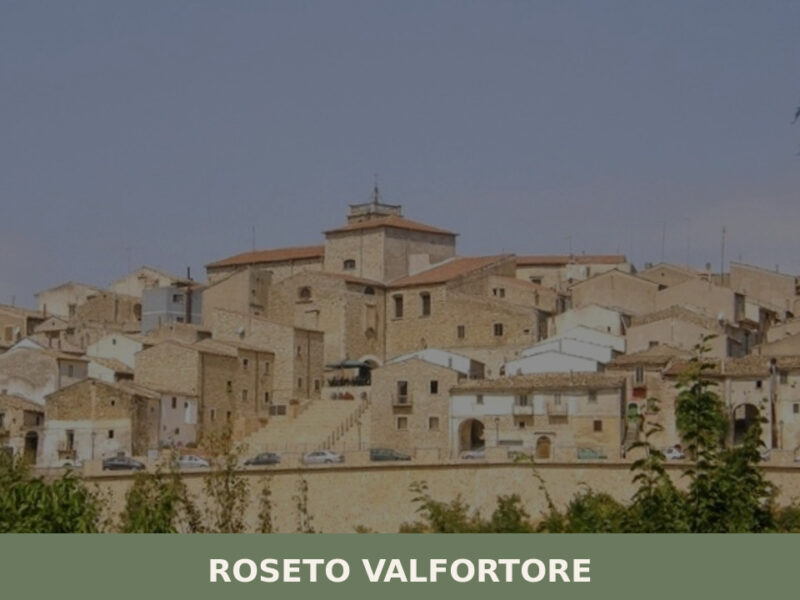
A stone village of 993 inhabitants at 658 metres in the Fortore valley. Roseto Valfortore preserves medieval architecture, mountain cooking traditions, and the quiet of inland Puglia.
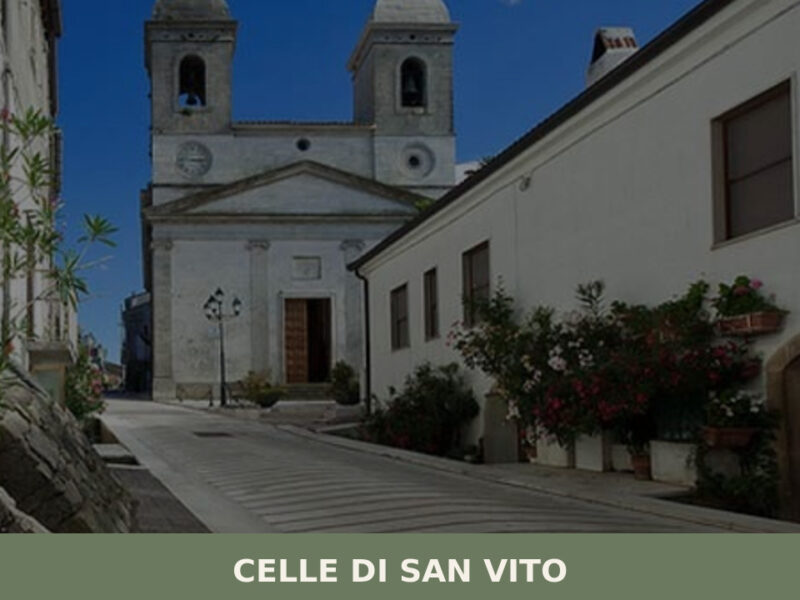
A 148-resident Franco-Provençal enclave at 726 metres in the Daunia sub-Apennines. Discover what to see in Celle di San Vito, from medieval stone lanes to linguistic heritage.
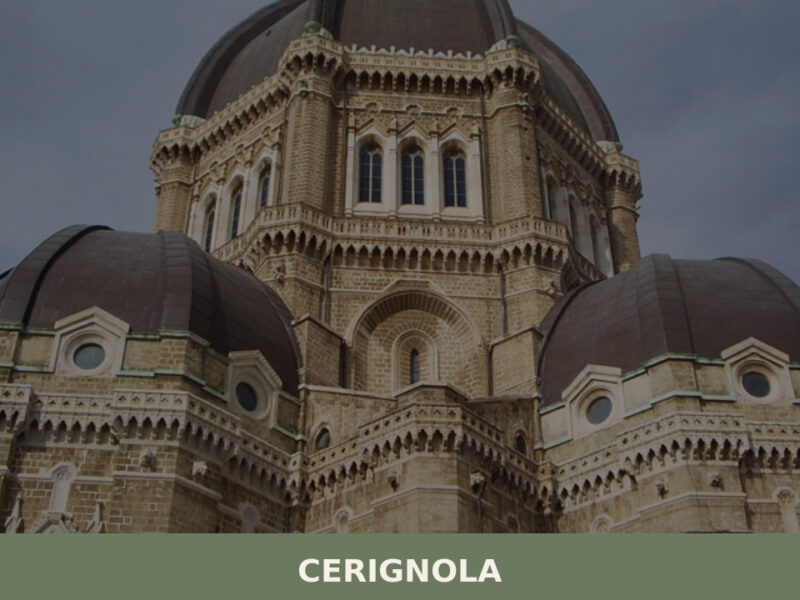
A complete guide to Cerignola in Puglia's Tavoliere plain — its medieval quarter, cathedral, Teutonic tower, renowned olives, and the deep agricultural heritage of the province of Foggia.
📝 Incorrect information or updates?
Help us keep the Orta Nova page accurate and up to date.