


Cerignola
 Plains
A complete guide to Cerignola in Puglia’s Tavoliere plain — its medieval quarter, cathedral, Teutonic tower, renowned olives, and the deep agricultural heritage of the province of Foggia.
Discover Cerignola
Morning light hits the Tavoliere plain in flat, golden sheets, and Cerignola rises from it like a slow exhalation — its bell towers catching the sun before the wheat fields below have fully warmed. At 120 metres above sea level, this is a town of nearly 57,000 people where agricultural labour and centuries of layered history coexist on every street corner. If you are wondering what to see in Cerignola, the answer begins the moment you enter the old quarter known as the Terra Vecchia, where medieval lanes fold into one another like the pages of a book left open to the weather.
History of Cerignola
Cerignola’s origins are debated, though most scholars trace its early settlement to the pre-Roman period. The name itself may derive from the Latin Ceriniola, a diminutive linked to the ancient Cerina or to the cultivation of cereals — fitting for a town that would become one of the largest agricultural centres in southern Italy. By the medieval period, Cerignola had established itself as a fortified settlement on the edge of the vast Tavoliere delle Puglie, the great plain of Puglia that stretches from the Apennine foothills to the Adriatic coast.
The town entered European history books on 28 April 1503, when the Battle of Cerignola — one of the first engagements decided by gunpowder firearms — saw Spanish forces under Gonzalo Fernández de Córdoba defeat the French army of the Duke of Nemours. That victory shifted the balance of power in southern Italy and marked the beginning of prolonged Spanish rule over the Kingdom of Naples. The scars and structures of that era still define the town’s layout.
Through the centuries that followed, Cerignola grew as a centre of latifundia agriculture, its economy shaped by grain, olives, and wine. In the late 19th and early 20th centuries, the town became a crucible for the southern Italian labour movement, with agricultural workers organising some of the earliest strikes in the Mezzogiorno. That history of collective action left a civic pride still palpable in the town’s piazzas and public buildings today.
What to see in Cerignola: 5 must-visit attractions
1. The Terra Vecchia (Old Town)
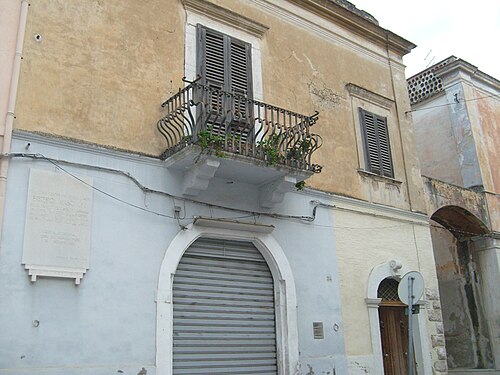
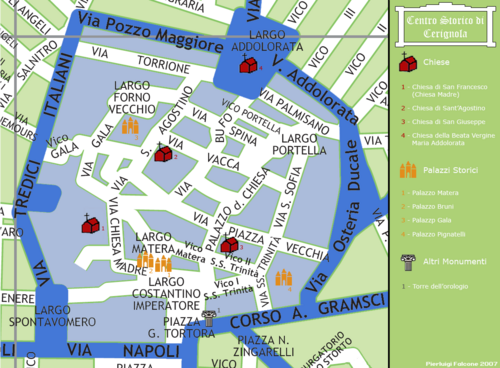
The medieval core of Cerignola sits on a low hill, its narrow alleys radiating outward from the ruins of a Norman-era castle. Stone archways connect houses across lanes barely wide enough for a handcart. Weathered tufa walls bear traces of coats of arms and carved lintels. Walking here in the late afternoon, when residents open their doors to the breeze, is the most direct encounter with the town’s deep past.
2. Cerignola Cathedral (Duomo Tonti)
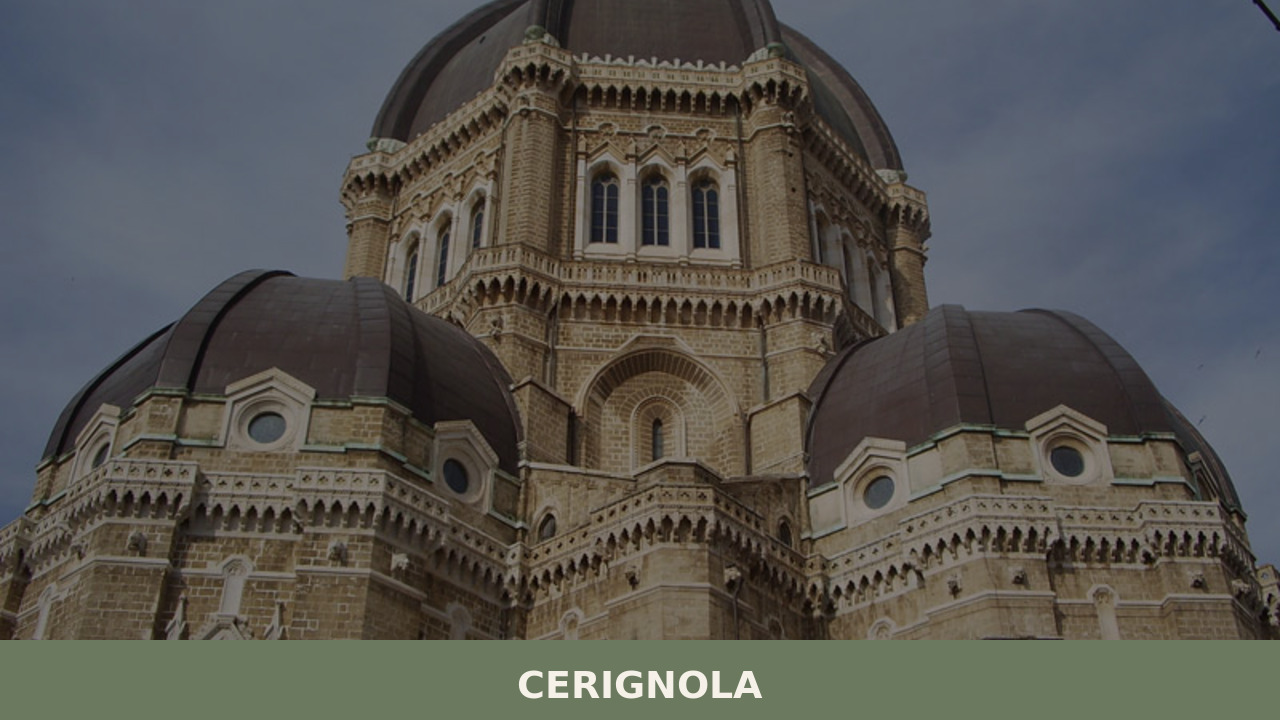
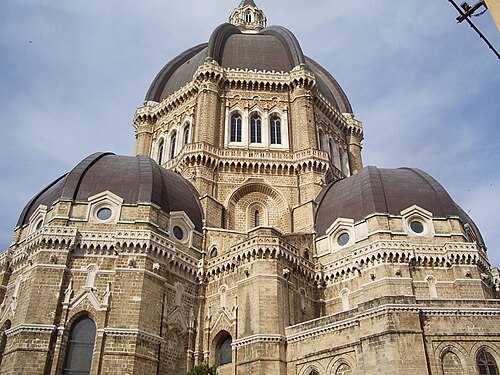
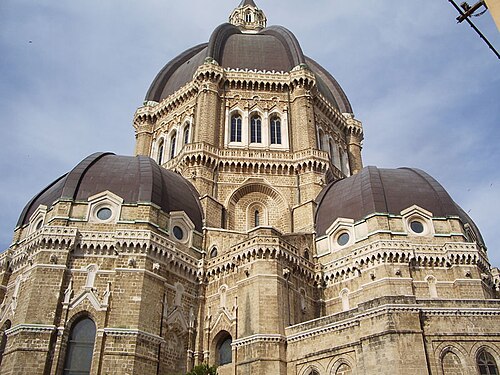
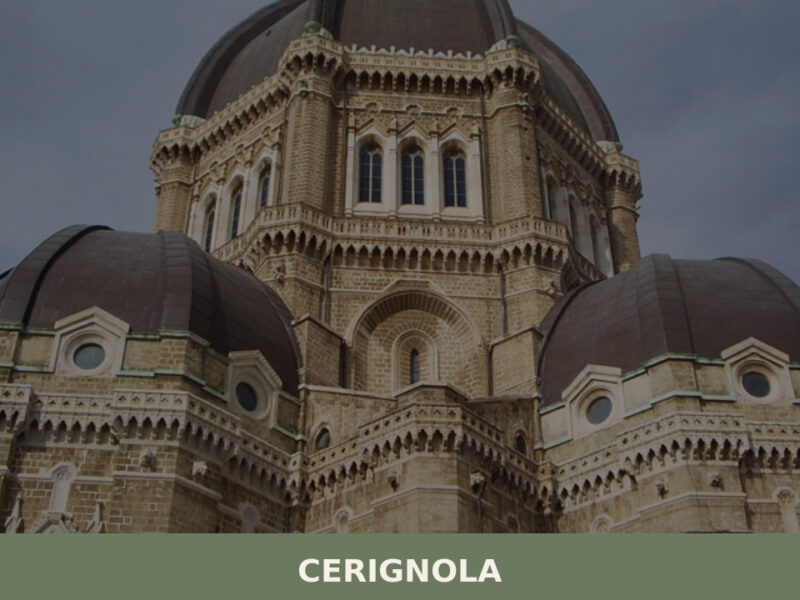
Officially the Cathedral of San Pietro Apostolo, this imposing neo-Gothic structure was built between 1873 and 1934, funded largely by the philanthropist Paolo Tonti. Its façade, clad in pale stone with pointed arches and a central rose window, dominates the Piazza Duomo. The interior holds three naves and houses works of religious art spanning several centuries, including a venerated wooden crucifix.
3. Church of San Francesco d’Assisi
One of the oldest churches in Cerignola, San Francesco dates to the 13th century and retains its original Gothic portal. Inside, layers of renovation reveal the town’s shifting tastes — Baroque altarpieces set against older stone walls. The adjoining convent spaces, partially repurposed over time, add a quieter dimension to any visit through the historic centre.
4. Torre Alemanna
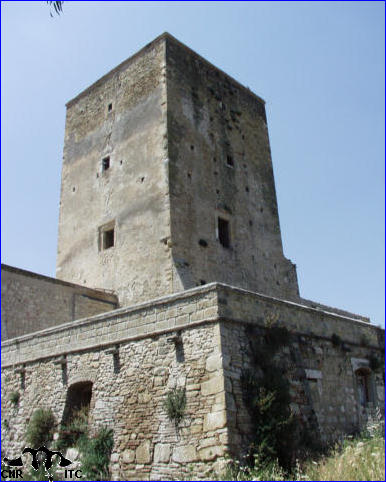
Located in the countryside outside Cerignola, this fortified tower was built by the Teutonic Knights in the 13th century as part of a larger agricultural and hospital complex. Restored and opened as a museum, it preserves medieval frescoes and architectural fragments. The surrounding flat landscape — olive groves and dry earth — makes the tower’s vertical presence all the more striking.
5. Museo Etnografico del Tavoliere
This ethnographic museum documents the rural life of the Tavoliere plain through tools, textiles, photographs, and reconstructed domestic environments. Ploughs, olive presses, and grain measures line the rooms, each object annotated with the labour it once demanded. For anyone interested in understanding Cerignola beyond its monuments, this collection provides essential context about the agrarian world that shaped the town.
Local food and typical products
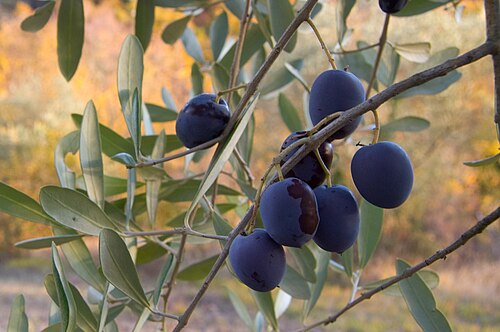
Cerignola’s name is inseparable from its olives. The Bella di Cerignola, a large green table olive with a firm, buttery flesh, holds DOP (Protected Designation of Origin) status and is exported worldwide. Bite into one and you understand immediately — the fruit is almost the size of a small plum, with a mild, clean flavour quite unlike the brined varieties common elsewhere. Local extra-virgin olive oil, pressed from Ogliarola and Coratina cultivars, is the backbone of every dish served in the town’s trattorias and family kitchens.
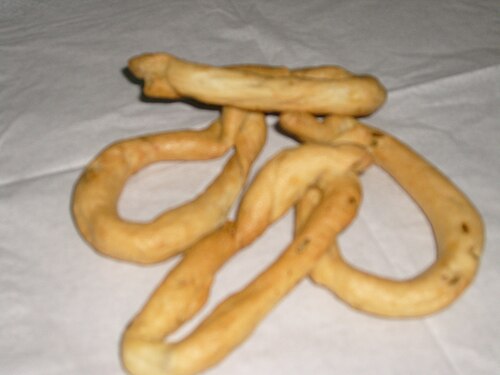
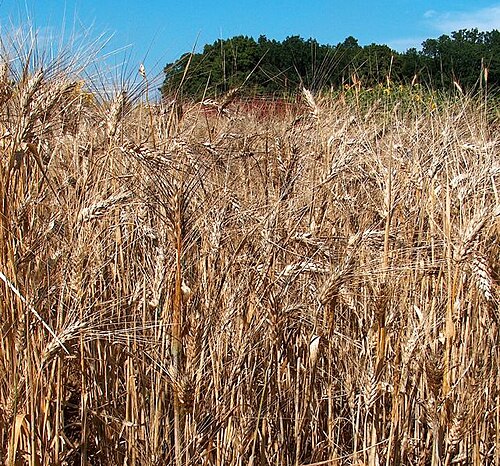
Beyond olives, Cerignola’s cuisine reflects the Tavoliere’s grain-growing heritage. Handmade pasta — orecchiette, cavatelli, and the lesser-known troccoli, a thick spaghetti cut with a ridged rolling pin — appears alongside braised vegetables, lampascioni (wild hyacinth bulbs), and slow-cooked lamb. The local bread, baked in large round loaves from durum wheat semolina, develops a dark, crackling crust and a dense, golden crumb. In autumn, wine from the Nero di Troia grape, cultivated extensively in the province of Foggia, complements heavier dishes with its earthy tannins.
Best time to visit Cerignola
Spring — late March through May — offers the most comfortable conditions for exploring on foot. Temperatures hover between 15°C and 25°C, the wheat fields are still green, and the olive groves have begun their quiet bloom. Summer brings intense heat to the Tavoliere plain, with July and August regularly exceeding 35°C; the town empties in the afternoons and comes alive only after dark. Autumn is harvest season, when the olive and grape picking lends the countryside a purposeful energy and the local markets fill with fresh-pressed oil and new wine.
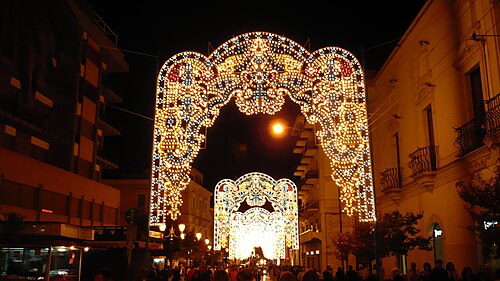
Cerignola’s most significant recurring event is the Feast of the Madonna di Ripalta, the town’s patron, celebrated in mid-September with religious processions, a traditional fair, and evening concerts in the piazzas. The event draws visitors from surrounding towns and offers a genuine, unpolished view of southern Italian devotional culture. For quieter exploration, a weekday visit in April or October gives you the old town largely to yourself.
How to get to Cerignola
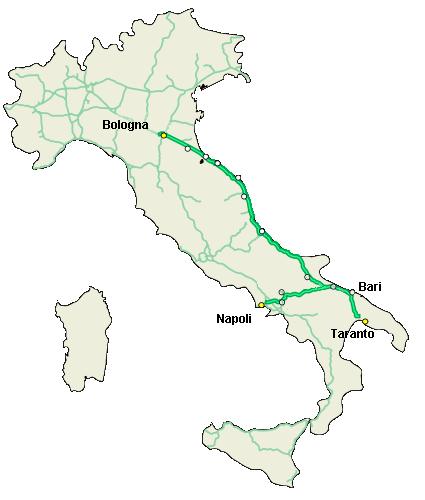
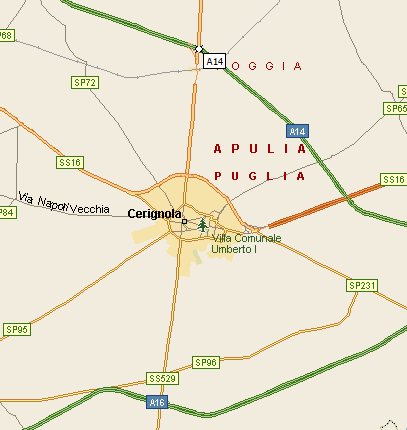
Cerignola sits along the A16 motorway (Napoli–Canosa), with a dedicated exit that places you at the edge of town within minutes. From Foggia, the provincial capital, the drive is approximately 35 kilometres southeast along the SS16 — a straight, flat road across the plain that takes around 30 minutes. Bari lies roughly 100 kilometres to the south, reachable in just over an hour via the A14 motorway.
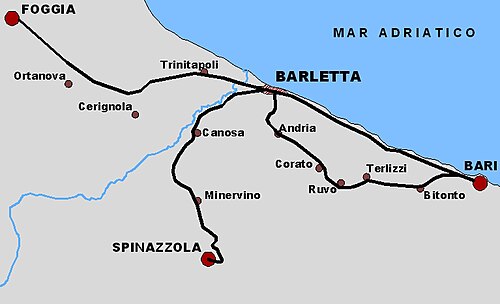
The town has its own railway station on the Foggia–Bari line, served by Trenitalia regional trains. Services from Foggia take approximately 20 minutes; from Bari Centrale, expect around 70 to 90 minutes depending on the service. The nearest airport is Bari Karol Wojtyła International Airport (BRI), about 110 kilometres away, with car rental desks and bus connections. Naples Capodichino Airport (NAP), roughly 200 kilometres to the west, serves as an alternative for travellers arriving from northern Europe.
More villages to discover in Puglia
The province of Foggia holds some of Puglia’s least-visited and most distinctive small communities. Northwest of Cerignola, in the hills above the Tavoliere, the village of Casalvecchio di Puglia preserves a quiet Albanian-Italian heritage, its street plan and dialect shaped by the Arbëreshë communities who settled here centuries ago. It is a place where the southern Italian landscape meets a different cultural memory entirely, and worth a half-day detour for anyone drawn to the layered identities of this region.
Further north, where Puglia begins to merge with the Apennine foothills, Celenza Valfortore offers a contrast to Cerignola’s flat, sun-drenched expanse. Set in the Fortore river valley, it is a hill village where stone houses cluster tightly and the surrounding countryside rolls with a greenness unusual for this corner of the south. Together, these villages reveal the geographic and cultural range contained within a single province — a reminder that Puglia is never just one landscape, never just one story.
Frequently asked questions about Cerignola
Quando si celebra la festa patronale di Cerignola e cosa prevede?
La festa patronale di Cerignola è dedicata alla Madonna di Ripalta e a san Pietro Apostolo e si celebra l'8 settembre. I festeggiamenti includono processioni religiose, una fiera tradizionale e concerti serali nelle piazze del centro. San Trifone è venerato come compatrono. L'evento richiama visitatori dai comuni vicini ed è una delle manifestazioni devozionali più sentite della provincia di Foggia.
Cosa rende la Bella di Cerignola un'oliva unica rispetto ad altre varietà italiane?
La Bella di Cerignola è un'oliva da tavola verde di dimensioni eccezionali — simile a una piccola prugna — con polpa soda e sapore burroso e delicato. Gode del riconoscimento DOP (Denominazione di Origine Protetta) ed è esportata in tutto il mondo. Si distingue nettamente dalle varietà in salamoia più diffuse per la sua consistenza e il suo profilo aromatico pulito, frutto delle condizioni pedoclimatiche del Tavoliere delle Puglie.
Qual è il significato storico della Battaglia di Cerignola del 1503?
La Battaglia di Cerignola, combattuta il 28 aprile 1503, è considerata una delle prime battaglie della storia decisa dall'uso delle armi da fuoco portatili. Le forze spagnole guidate da Gonzalo Fernández de Córdoba sconfissero l'esercito francese del Duca di Nemours. La vittoria consolidò il dominio spagnolo sul Regno di Napoli e segnò una svolta nella storia militare europea, rendendo Cerignola un luogo di rilevanza storiografica internazionale.
È possibile visitare Cerignola come gita di un giorno da Bari o Foggia?
Sì. Da Foggia, Cerignola dista circa 35 chilometri lungo la SS16 e si raggiunge in circa 30 minuti. Da Bari, il percorso sull'autostrada A14 è di circa 100 chilometri, percorribili in poco più di un'ora. La stazione ferroviaria di Cerignola è servita da treni regionali Trenitalia: da Foggia circa 20 minuti, da Bari Centrale tra 70 e 90 minuti. Una giornata è sufficiente per visitare il centro storico, la cattedrale e la Torre Alemanna.
Cos'è la Torre Alemanna e perché si trova fuori dal centro abitato?
La Torre Alemanna è una torre medievale fortificata costruita nel XIII secolo dai Cavalieri Teutonici come parte di un complesso agricolo e ospedaliero. Si trova nella campagna fuori da Cerignola, in posizione isolata tra uliveti e terreni argillosi tipici del Tavoliere. Restaurata e aperta al pubblico come museo, conserva affreschi medievali e frammenti architettonici originali. La sua posizione rurale riflette la funzione originaria di presidio e gestione delle terre agricole dell'ordine.
📷 Photo Gallery — Cerignola
Nearby Villages near Cerignola
In Apulia More villages to discover

Spinazzola
 Mountain
What to see in Spinazzola, Puglia, Italy: birthplace of a Pope and a Jesuit sinologist, 70 km from Bari. Discover top attractions, local food and travel tips.
Acquaviva delle Fonti
 Hills
Hills
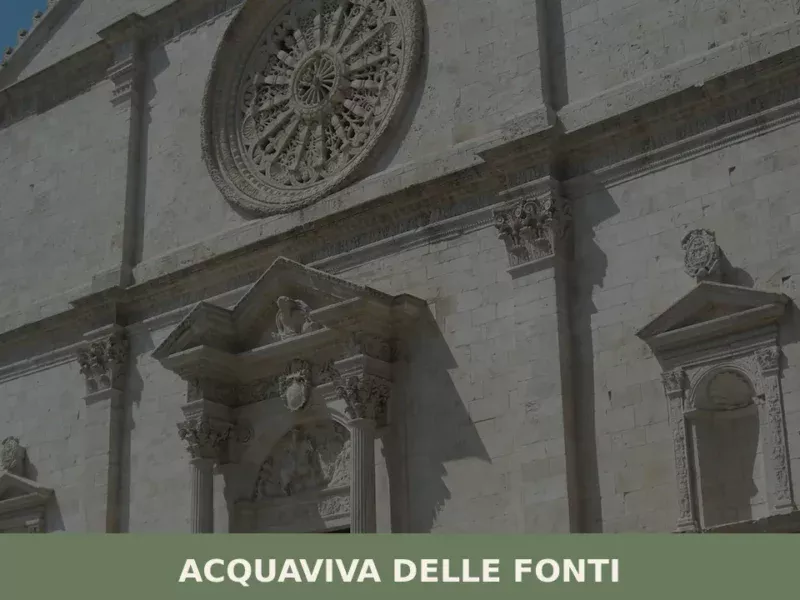
Beneath the main square of Acquaviva delle Fonti, water still flows. This is not a figure of speech: a network of underground aquifers runs through the limestone subsoil of this town in the Murge hills near Bari, feeding cisterns and wells that for centuries determined both the wealth and the very name of the town. […]
Terlizzi
Plains
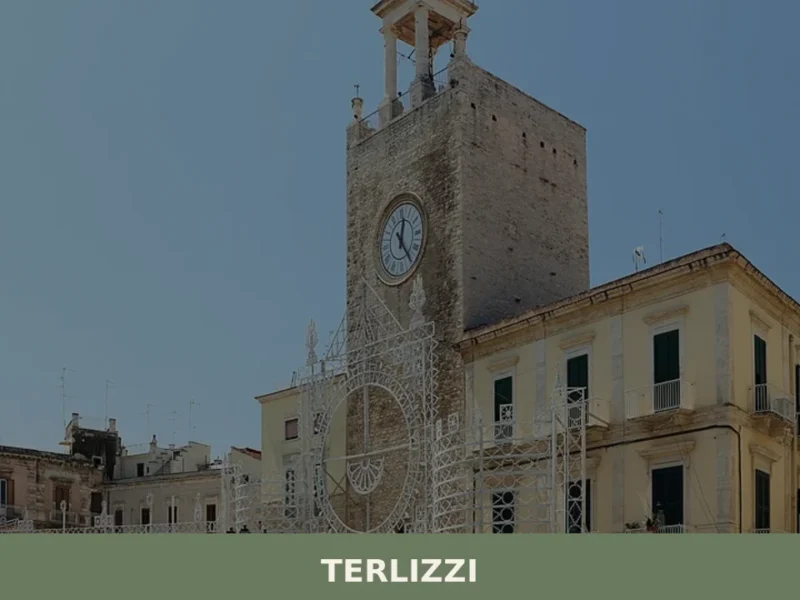
What to see in Terlizzi: discover the 5 top attractions, from the Cathedral to the Clock Tower. Plan your visit and taste the local specialities.
Fasano
 Sea
Sea
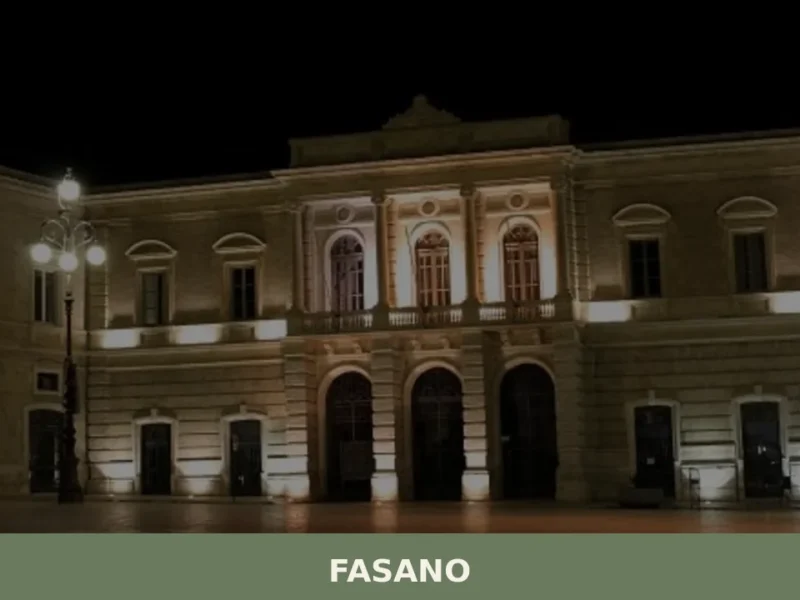
Discover what to see in Fasano, Puglia: ancient Egnazia ruins, the Valle d'Itria, Adriatic coast, local food and practical tips for visiting this Brindisi-province town.
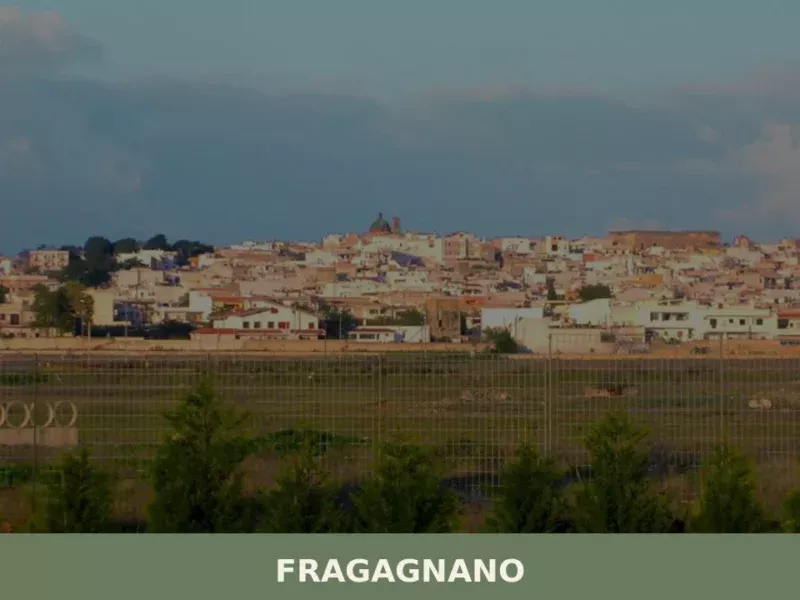
Fragagnano
Plains
Discover what to see in Fragagnano, a village in Taranto province and part of the Terre del Mare e del Sole. History, food, travel tips and nearby villages.
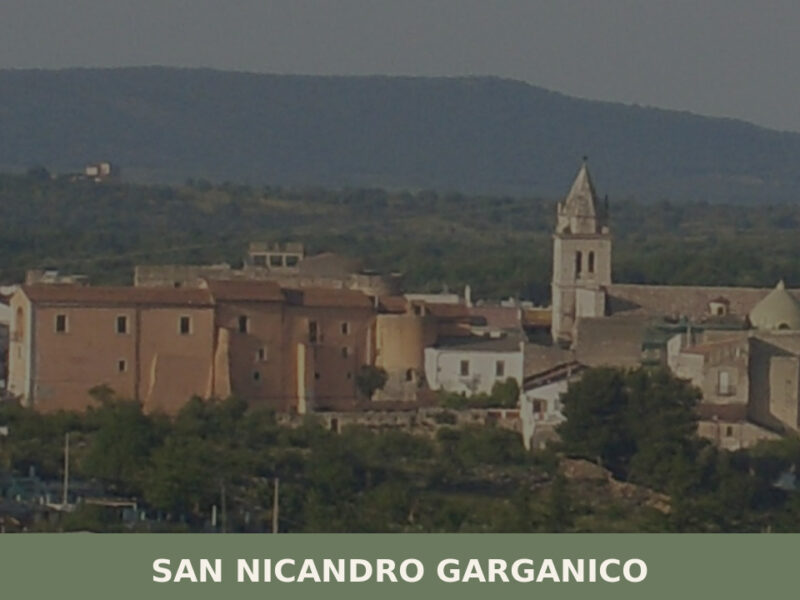
San Nicandro Garganico
Sea
A hilltop settlement on the Gargano promontory with a Norman castle, prehistoric dolmen, and a living agricultural culture shaped by wheat, olives, and limestone.
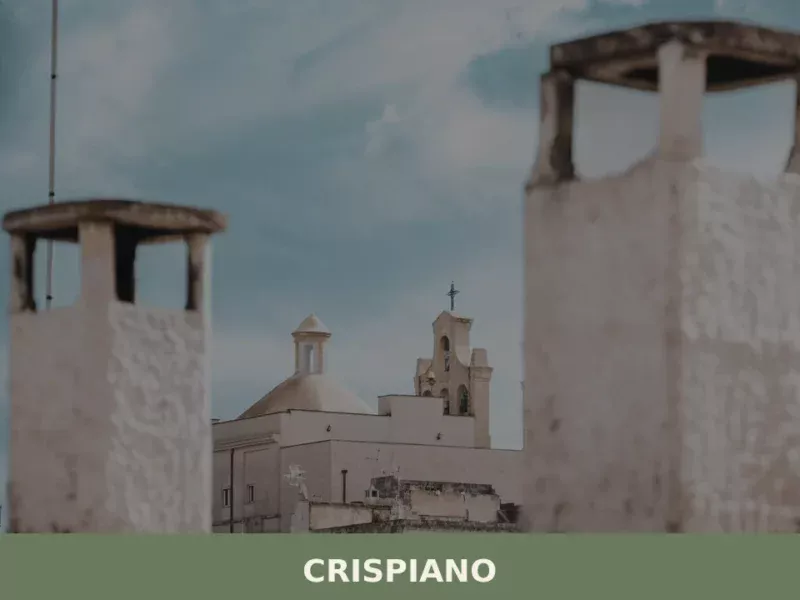
Crispiano
Plains
Discover what to see in Crispiano, a 12,800-person comune near Taranto built around a prehistoric karst ravine, a medieval abbey, and a living farming economy.
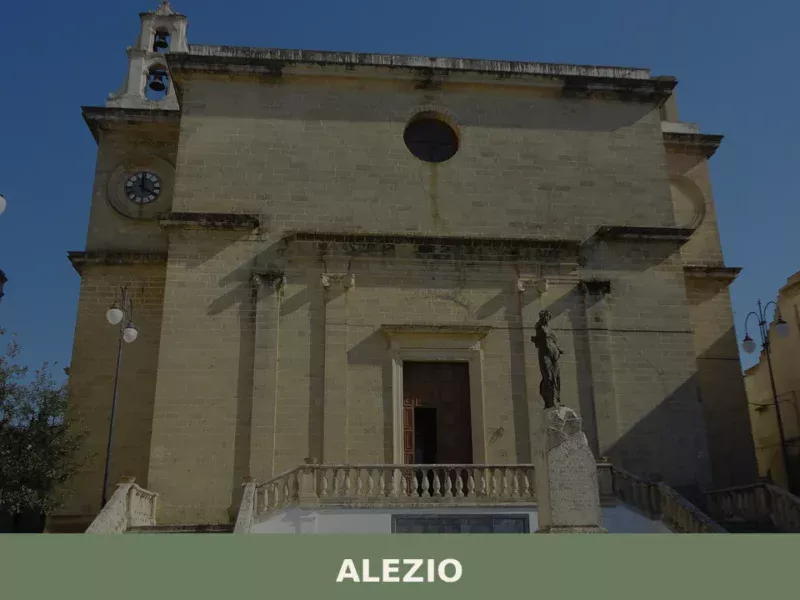
Alezio
Plains
Discover what to see in Alezio, a Salento village with Messapian roots, a national archaeology museum, and ancient olive groves near Gallipoli in Puglia.
Bisceglie
Sea
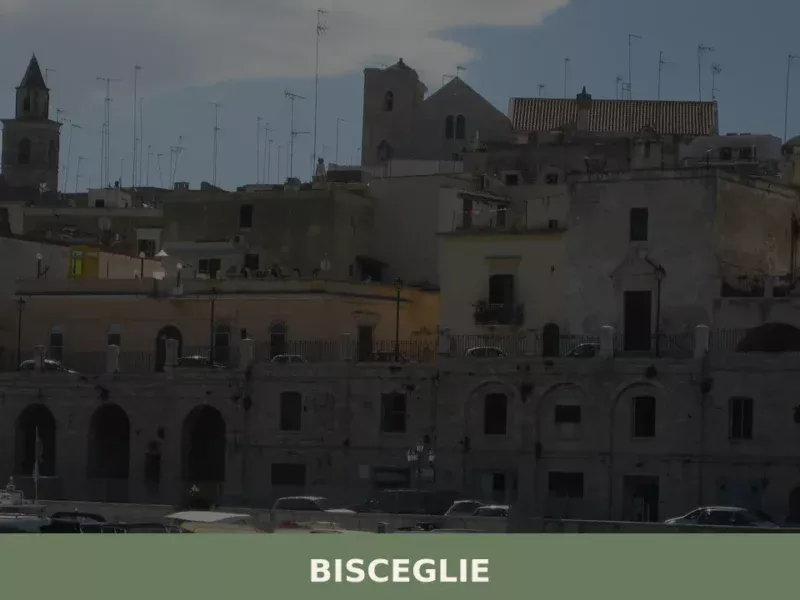
Discover what to see in Bisceglie, Puglia: Bronze Age dolmens, a Norman cathedral, Swabian castle, local food and practical travel tips for the Adriatic coast.
Giovinazzo
Sea
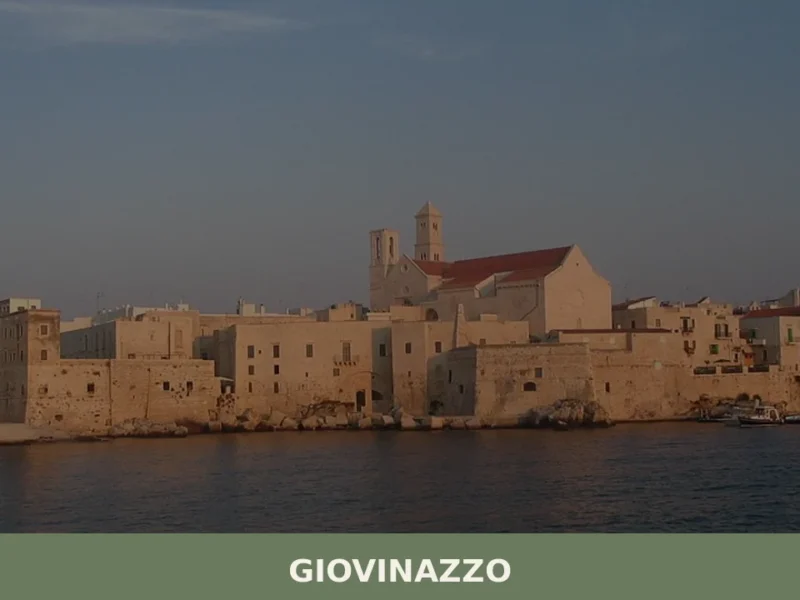
The walls of Giovinazzo’s old port form an irregular semicircle jutting out into the Adriatic Sea, visible from the SS16 state road that runs along the Bari coastline. This small city of 19,366 inhabitants, sitting at just 7 metres above sea level, retains a compact medieval historic centre, still partly surrounded by the original city […]


🏡 Know Cerignola better than we do?
If you’re a local or have been there, your knowledge matters: add what’s missing or fix a detail on this page.