
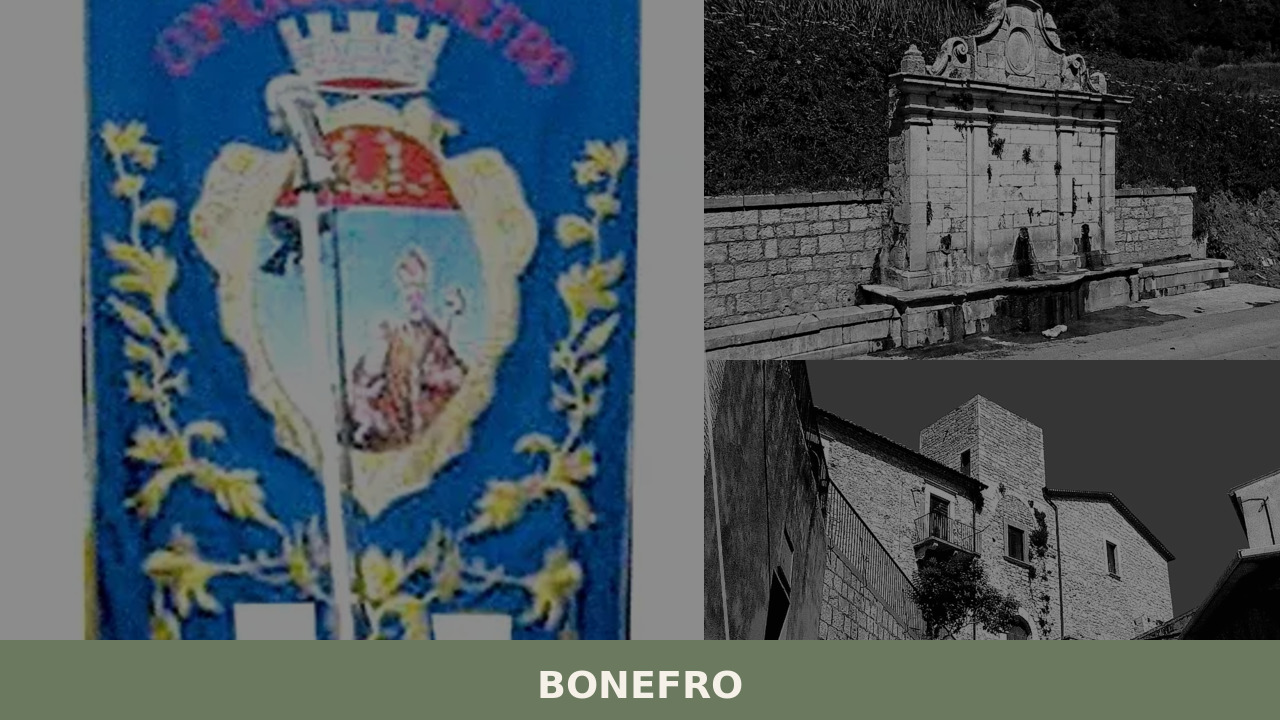
Bonefro
A hilltop village of 1,201 inhabitants in Campobasso province, Bonefro preserves a layered historic centre, a medieval castle, and centuries-old fountains across the quiet ridges of eastern Molise.
Discover Bonefro
Morning light catches the limestone facades along Corso Vittorio Emanuele before the first shutters crack open. A fountain runs somewhere below the main road — its sound older than any building still standing. At 631 metres above sea level, Bonefro occupies a ridge in the province of Campobasso where the air carries the scent of dry oak and turned earth. With just over 1,200 inhabitants, this is a place where the architecture speaks more than the people need to. If you are considering what to see in Bonefro, begin by simply walking — the village reveals itself in layers, each street a chapter written in stone and silence.
History of Bonefro
The origins of Bonefro reach back to the early medieval period, when small fortified settlements spread across the hills of Molise to control the routes between the Adriatic coast and the interior Apennine valleys. The name itself has been the subject of debate among local historians: some trace it to a Lombard root — “boni fero,” meaning a place that brings good — while others link it to the Latin “bonus forum,” suggesting the site of a favourable market or gathering point. What is certain is that by the Norman period, a fortified structure already dominated the settlement, forming the nucleus around which the village grew.
Under the feudal system that governed southern Italy for centuries, Bonefro passed through the hands of several noble families. The village was part of the Contado di Molise and later fell under Angevin and then Aragonese rule. Like many communities in this remote corner of the Mezzogiorno, Bonefro endured cycles of earthquake, plague, and emigration. The devastating earthquakes that have periodically struck Molise — most recently in 2002 — left visible marks on the built fabric, but the settlement persisted, rebuilt each time with a stubborn fidelity to its original layout.
By the nineteenth century, the population had grown considerably, feeding the agricultural economy that sustained the surrounding contrada. Emigration to the Americas and northern Europe in the late 1800s and throughout the twentieth century steadily reduced numbers, a pattern common to the entire region. Today, the village’s compact historic centre preserves a layered record of these centuries — Romanesque stonework abutting Baroque additions, medieval alleyways opening onto Enlightenment-era piazzas.
What to see in Bonefro: 5 must-visit attractions
1. Castello di Bonefro
The castle stands at the highest point of the village, its Norman-era foundations visible beneath later additions. The structure evolved from a defensive tower into a baronial residence across several centuries. Its walls, thick enough to absorb seismic shocks, frame views that stretch across the Biferno river valley toward the Matese mountains. The building speaks to the strategic importance of this hilltop position during the feudal period.
2. Il Convento (Former Franciscan Convent)
Set slightly apart from the dense residential core, the former convent is one of the most recognisable buildings in Bonefro. Its sober façade and cloistered proportions reflect the Franciscan emphasis on austerity. The structure dates to a period of religious expansion in Molise and has served various civic functions over the centuries. Its presence anchors the southern approach to the village.
3. Fontana della Terra
Below the main road, the Fontana della Terra is one of those features that defines a village more than any church or palazzo. This public fountain has provided water for centuries — to households, to livestock, to travellers passing through. Its stone basin and spouts are worn smooth by use. It remains a functional monument, connecting the present village to its most basic, enduring need.
4. Chiesa Madre di Santa Maria delle Rose
The parish church, dedicated to Santa Maria delle Rose, occupies a central position in the village fabric. Its interior contains altarpieces and devotional art accumulated over centuries, reflecting the successive aesthetic tastes of the communities that worshipped here. The structure has been repaired and modified following seismic damage, but its role as the spiritual heart of Bonefro remains unchanged.
5. The Historic Centre and its Alleyways
Bonefro’s centro storico is not a single monument but a continuous architectural experience. Narrow vicoli wind between stone houses whose doorways bear carved lintels and dates. Exterior staircases — a characteristic feature of Molisan domestic architecture — rise along façades, connecting street level to living quarters above. Walking here is an exercise in reading vernacular building traditions that have changed little in form over hundreds of years.
Local food and typical products
The table in Bonefro follows the seasonal logic of the Molisan interior. Pasta made by hand — cavatelli, fusilli, and laganelle — is dressed with slow-cooked ragù of pork or lamb, or simply with garlic, olive oil, and dried peperoncino. Pork is central: families here traditionally slaughtered a pig in winter, producing sausages, soppressata, and ventricina — a coarse, spicy salame particular to this part of southern Italy. Local olive oil, pressed from trees that cling to the lower slopes around the village, has a peppery finish that cuts through the richness of the meat dishes.
Bread in Bonefro is baked in large, dense loaves that last for days, a practical necessity from an era when ovens were communal and firing them was an event. Sheep’s milk cheeses — fresh and aged — come from the pastoral economy that still operates in the surrounding countryside. There are no Michelin-starred restaurants here; meals are taken in agriturismi, small trattorias, or at the tables of local festivals, where the cooking is direct, abundant, and unadorned. This is sustenance shaped by altitude, climate, and centuries of making do with what the land provides.
Best time to visit Bonefro
Spring and early autumn offer the most comfortable conditions for exploring Bonefro on foot. From April through June, the surrounding landscape is green and the temperatures at 631 metres are mild — warm days, cool evenings. Summer brings dry heat, and while July and August see the return of emigrant families for local patron saint festivals, the midday sun can make the stone streets radiate warmth well into the night. The feast of the village’s patron saint is the principal annual event, drawing the community together with processions, music, and communal meals in the piazza.
Winter at this altitude is genuinely cold, with occasional snow dusting the rooftops and surrounding hills. The village quietens considerably, but there is a stark beauty to Bonefro in January — wood smoke rising from chimneys, the landscape reduced to greys and browns, the silence broken only by church bells. For those interested in the rhythms of rural Italian life rather than tourist infrastructure, the off-season offers the most honest encounter with the place.
How to get to Bonefro
Bonefro lies in the province of Campobasso, in the eastern part of Molise. By car, the most direct route from the Adriatic motorway (A14) is to exit at Poggio Imperiale or Termoli and follow inland roads through the Fortore valley — a drive of roughly 50 to 60 kilometres from the coast. From Campobasso, the regional capital, the distance is approximately 50 kilometres eastward along provincial roads that wind through open countryside.
The nearest railway station with regular service is at Termoli, on the Adriatic rail line connecting Bologna to Lecce. From Termoli, reaching Bonefro requires a car or one of the infrequent regional bus services operated by local transport companies. The closest airports are Pescara (approximately 150 km to the north) and Naples Capodichino (approximately 180 km to the southwest). There is no fast route to Bonefro — the roads demand patience, and the journey itself is part of arriving.
More villages to discover in Molise
The territory around Bonefro is punctuated by small hilltop communities, each with its own character and history. Just a short drive to the south, Santa Croce di Magliano occupies a similar ridge position and shares many of the same historical currents — feudal lordship, earthquake reconstruction, emigration. It is a village that rewards a slow visit, with its own layered centro storico and a strong tradition of local craftsmanship. Together with Bonefro, it forms part of a constellation of settlements that chart the human geography of eastern Molise.
Further west, toward the Matese massif, Campochiaro offers a different landscape entirely — higher, cooler, closer to the mountain pastures that have sustained transhumance routes for millennia. Visiting both Bonefro and Campochiaro in a single trip gives a sense of the extraordinary range contained within Molise, Italy’s least-known and second-smallest region. These are not places competing for attention. They simply exist, as they have for centuries, waiting for those willing to arrive on their own terms.
Photo Gallery of Bonefro
Do you have photos of Bonefro?
Share your photos of the village: the best ones will be added to the official gallery, with your credit.
Send your photosNearby Villages near Bonefro
In Molise More villages to discover
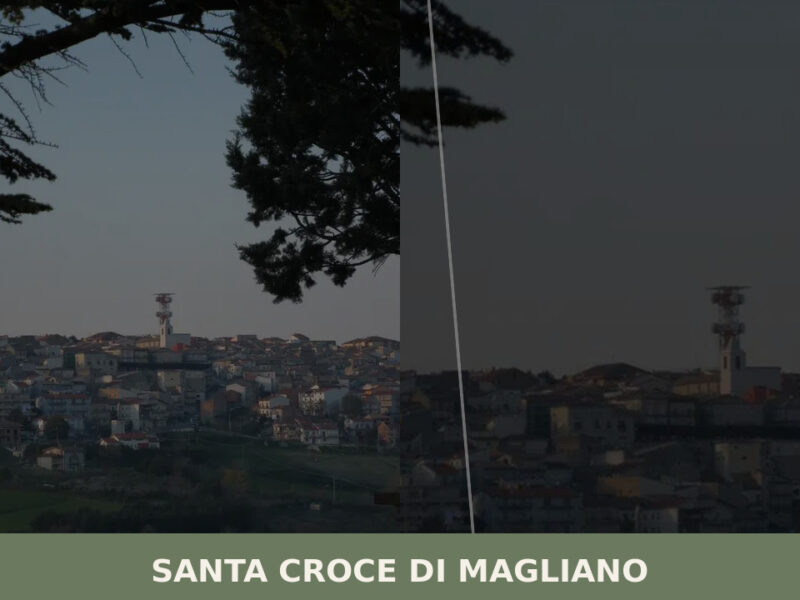
Santa Croce di Magliano
Morning light falls across a row of stone facades on Corso Vittorio Emanuele, and an elderly man drags a wooden chair onto the pavement, positioning it with the precision of someone who has done this for sixty years. The air at 608 metres carries a dry, herbal sharpness — rosemary and broom from the surrounding […]
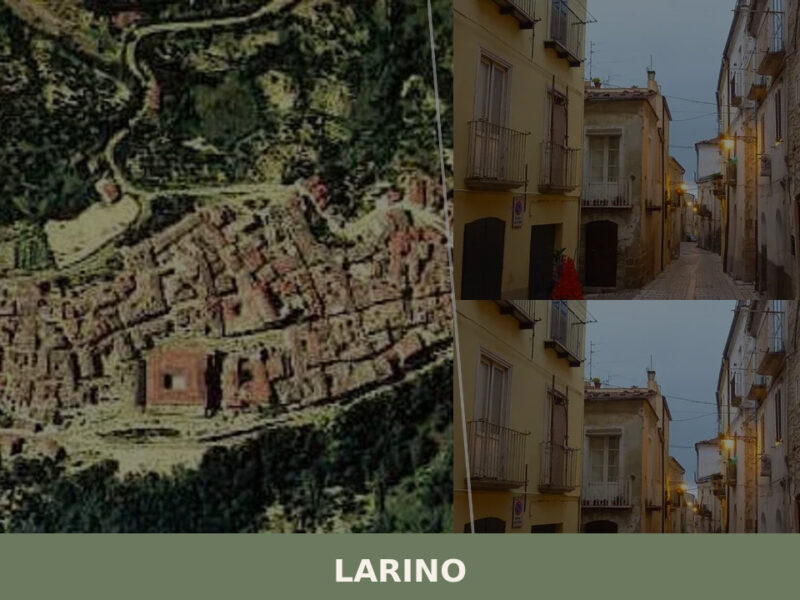
Larino
A layered town of Roman ruins and medieval stone in the Molisan countryside. Here is everything to see in Larino, from its amphitheatre to the Festa di San Pardo.
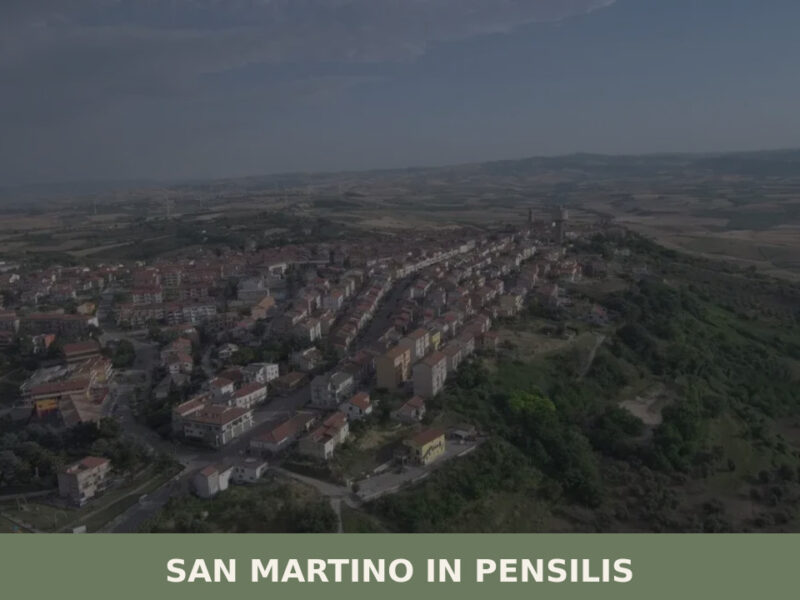
San Martino in Pensilis
Morning light catches the pale stone of a church bell tower, and below it, the long main street empties into a piazza where a handful of men stand with espresso cups, talking over one another. San Martino in Pensilis sits at 281 metres above sea level in the province of Campobasso, a settlement of roughly […]






📝 Incorrect information or updates?
Help us keep the Bonefro page accurate and up to date.