


Casalnuovo Monterotaro
 Hills
Hills
A hilltop village of 1,357 inhabitants in the Province of Foggia. Explore Casalnuovo Monterotaro’s stone lanes, rural landscape, and the traditions of inland Puglia.
Discover Casalnuovo Monterotaro
Morning light reaches Casalnuovo Monterotaro in long, flat sheets, crossing the Tavoliere plain before climbing to the village at 432 metres above sea level. At this hour, the narrow streets amplify small sounds — a shutter folding back, a coffee cup set on a saucer, a dog’s claws on worn stone. With barely 1,357 inhabitants, the village moves at a pace that belongs to another century. Understanding what to see in Casalnuovo Monterotaro requires slowing to that same rhythm, letting the architecture and the landscape speak without interruption.
History of Casalnuovo Monterotaro
The village’s double-barrelled name tells its own story. “Casalnuovo” — the new hamlet — suggests a foundation or refoundation, likely during the medieval period when Norman and later Swabian lords reorganised settlements across the Province of Foggia. “Monterotaro” anchors the village to its physical geography: the rounded hill on which it sits, rising from the undulating terrain of the Subappennino Dauno, the low mountain chain that forms the backbone of northern Puglia.
Like many communities in this part of the Mezzogiorno, Casalnuovo Monterotaro passed through the hands of successive feudal families across the centuries. The village was part of the broader pattern of fortified hilltop settlements that dotted the landscape between the Apennines and the Adriatic coast, built high to watch over pastoral routes and the vast grain fields of the Tavoliere below. The local economy revolved for centuries around sheep transhumance and cereal cultivation — two activities that shaped the calendar, the architecture, and the social hierarchies of the village.
The demographic trajectory of recent decades mirrors that of much of interior southern Italy. The population has contracted steadily from mid-twentieth-century peaks as younger generations moved to Foggia, Naples, or further north. What remains is a community whose built fabric — churches, modest palazzi, a compact historic centre — far exceeds its current population, giving the village the quality of a place designed for more people than currently inhabit it.
What to see in Casalnuovo Monterotaro: 5 must-visit attractions
1. The Chiesa Madre (Mother Church)
The principal church of Casalnuovo Monterotaro anchors the historic centre. Its façade, though altered over the centuries, preserves elements that speak to the village’s long religious life. Inside, the nave maintains a restrained sobriety typical of rural churches in the Foggia province — functional rather than ornamental, built for a congregation of farmers and shepherds.
2. The Historic Centre
The old quarter unfolds in a tight grid of stone-paved lanes, external staircases, and low arched doorways. Buildings lean close enough that neighbours could almost touch across the gap. Ground-floor rooms that once housed livestock now sit empty or repurposed, but the spatial logic of the agro-pastoral village remains legible in every structural detail.
3. Panoramic Views of the Tavoliere
From the village’s elevated edges, at 432 metres, the view extends across the Tavoliere delle Puglie — Italy’s second-largest plain. In winter the plain reads as dark ploughed earth; in late spring it turns gold with ripening wheat. On clear days, the Gargano promontory is visible to the east, a dark mass rising from the coastal haze.
4. The Rural Landscape and Masserie
The countryside surrounding the village holds scattered farmsteads — masserie — some dating to the eighteenth and nineteenth centuries. These working estates, built from local stone with thick walls against summer heat, represent the agricultural infrastructure that sustained the community. Many are reached by unpaved roads that wind through olive groves and grain fields.
5. The Village Piazza
The main square functions as the civic living room. In the evening, residents gather on benches and at the small bar that serves as social headquarters. The piazza’s proportions — modest, human-scaled — reflect the village’s character: unhurried, intimate, built around conversation rather than spectacle.
Local food and typical products
The cooking of Casalnuovo Monterotaro belongs to the broader tradition of the Daunia subregion: wheat-based, olive oil-driven, and shaped by the products of a pastoral economy. Handmade pasta — orecchiette, cavatelli, troccoli — appears dressed with simple vegetable sauces, slow-cooked ragù, or wild herbs foraged from the surrounding hills. Bread, baked in large loaves from local durum wheat, remains a staple rather than an accompaniment; stale bread is repurposed in dishes like pancotto, simmered with greens, garlic, and oil. Locally pressed extra virgin olive oil, produced from cultivars suited to the province’s inland climate, gives the cuisine its distinctive vegetal, slightly bitter backbone.
Cured meats, fresh cheeses such as cacioricotta, and preserved vegetables — sun-dried tomatoes, pickled lampascioni (wild hyacinth bulbs) — round out the table. Dining options in a village of this size are limited, typically centred on a trattoria or two and the occasional agriturismo in the surrounding countryside. These are places where the menu follows the season and the portion sizes assume you have spent the morning working outdoors.
Best time to visit Casalnuovo Monterotaro
The Subappennino Dauno sits at an elevation that moderates Puglia’s coastal heat. Summers are warm but less extreme than on the Tavoliere plain below, with July and August temperatures that rarely become punishing. Spring — April through early June — is the optimal window: the countryside is green, wildflowers mark the field edges, and the light has a clarity that sharpens the long views toward the Gargano. Autumn brings the olive harvest and a quieter, amber-toned landscape. Winters are cool and sometimes raw, with occasional snow on the higher ground, but the village takes on a stark beauty, its stone architecture standing out against grey skies.
Local feast days, typically tied to the patron saint and the agricultural calendar, provide the most concentrated moments of village life — processions through the streets, outdoor cooking, music played from balconies. Checking the municipal website for event dates before visiting is advisable. Arrive without expectations of tourist infrastructure; this is a place to experience as a participant in daily life, not as a consumer of curated experiences.
How to get to Casalnuovo Monterotaro
Casalnuovo Monterotaro sits in the interior of the Province of Foggia, approximately 45 kilometres north of the provincial capital. By car, the village is accessible from the A14 Adriatic motorway: exit at Poggio Imperiale or San Severo and follow provincial roads south-west into the Subappennino Dauno. The drive from Foggia takes roughly one hour through rolling agricultural terrain. From Bari, count on approximately two and a half hours; from Naples, around two hours via the A16 motorway toward Foggia, then north.
The nearest railway station with regular service is at Foggia, which connects to the national rail network and lies about 55 kilometres to the south. Bari Karol Wojtyła Airport is the closest major airport, situated roughly 180 kilometres away. A car is effectively essential — public transport to villages of this size in inland Puglia is infrequent and impractical for short visits.
More villages to discover in Puglia
The province of Foggia stretches from the Adriatic shoreline to the Apennine foothills, encompassing a remarkable range of landscapes within a compact area. East of Casalnuovo Monterotaro, the Gargano promontory rises sharply from the sea, sheltering villages with entirely different characters. Vieste, perched on the Gargano’s eastern tip, faces the open Adriatic from white limestone cliffs — a fishing village turned coastal destination where the architecture clings to the rock above trabucchi, the ancient wooden fishing platforms that still jut over the water.
Further along the Gargano’s southern flank, Monte Sant’Angelo occupies a mountain shelf above the Gulf of Manfredonia, its Sanctuary of Saint Michael the Archangel drawing pilgrims since the fifth century. The sanctuary’s grotto — a natural cave repurposed for worship — carries a weight of accumulated devotion that is almost physical. Together, these villages and Casalnuovo Monterotaro trace an arc across the province that moves from interior grain country through mountain forest to sea — three distinct expressions of Puglia within a single morning’s drive.
Frequently asked questions about Casalnuovo Monterotaro
Is Casalnuovo Monterotaro suitable as a day trip from Foggia or San Severo?
Yes, Casalnuovo Monterotaro works well as a half-day or full-day excursion. The village is approximately 45 kilometres north of Foggia, about one hour by car via provincial roads through the Subappennino Dauno. San Severo is closer, reachable in roughly 30 minutes. Given the compact historic centre and the limited dining options, a half-day is sufficient to explore the main sights, with time to stop at a local trattoria for lunch before returning.
Who is the patron saint of Casalnuovo Monterotaro?
The patron saint of Casalnuovo Monterotaro is Santa Maria della Rocca — Our Lady of the Rock. The dedication to a Marian title associated with rock or elevated terrain is characteristic of hilltop communities across the Subappennino Dauno and broader southern Italy, where hilltop sanctuaries and cave churches dedicated to the Virgin were historically common. For confirmed dates of the patronal feast, it is advisable to check directly with the municipality before planning a visit.
Are there documented hiking or cycling routes near Casalnuovo Monterotaro?
The Subappennino Dauno, the low mountain chain in which Casalnuovo Monterotaro sits, is crossed by sections of the CAI (Club Alpino Italiano) trail network in the Province of Foggia. The area is also part of the broader Daunia Trails system promoted by regional tourism initiatives for trekking and mountain biking through the inland Puglian hills. For specific numbered routes and up-to-date trail maps, consulting the CAI Foggia section or the Puglia regional tourism portal is recommended.
How long does it take to visit Casalnuovo Monterotaro, and is there parking available?
The historic centre is compact and walkable within two to three hours at an unhurried pace. Visitors arriving by car can typically park along the roads approaching the village centre, as is common in small hilltop settlements in inland Puglia. There is no large purpose-built car park, but the low visitor numbers mean finding a space is rarely difficult. Combining the village with the surrounding rural landscape and masserie extends a visit comfortably to a full half-day.
Nearby Villages near Casalnuovo Monterotaro
In Apulia More villages to discover
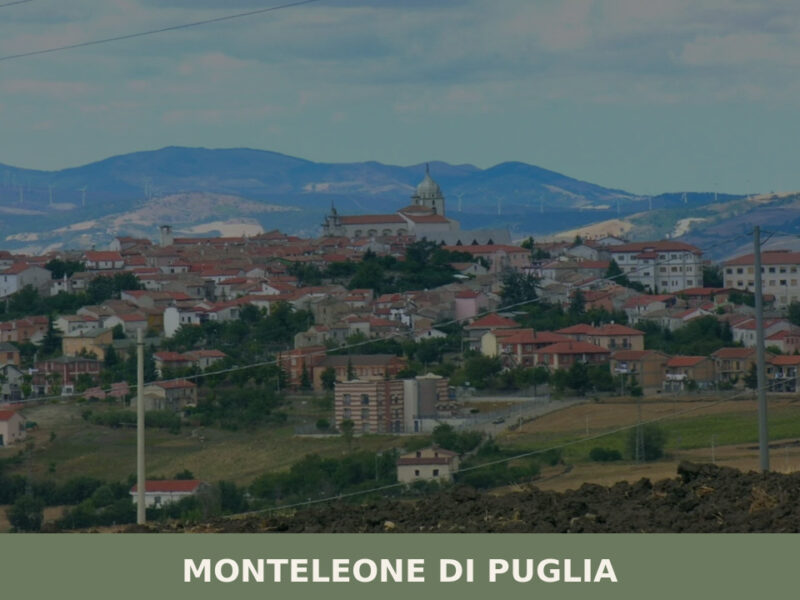
Monteleone di Puglia
 Mountain
At 842 metres above sea level in the Daunian Sub-Apennines, Monteleone di Puglia is a wind-swept hilltop village of 925 inhabitants with deep medieval roots and wide-open horizons.
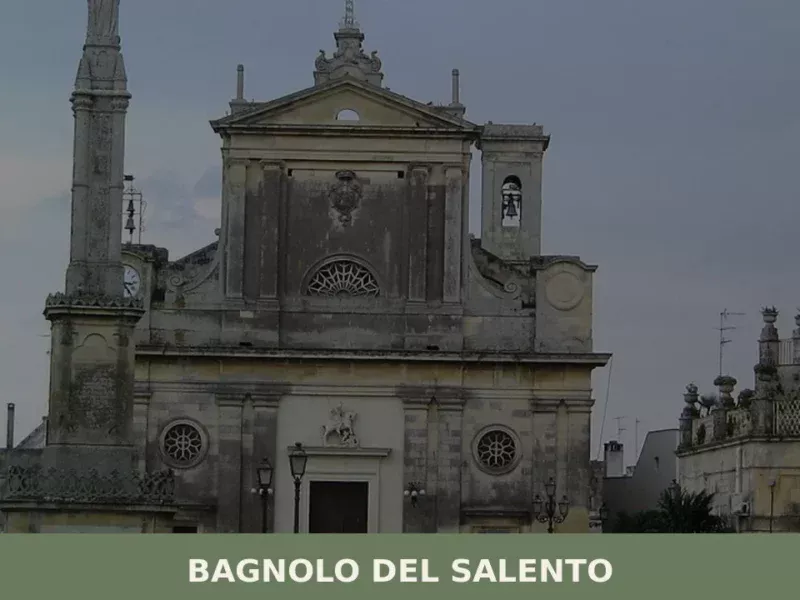
Bagnolo del Salento
 Plains
Bagnolo del Salento: discover the village, visit historic churches, and taste traditional cuisine. Plan your trip now!
Rignano Garganico
Hills
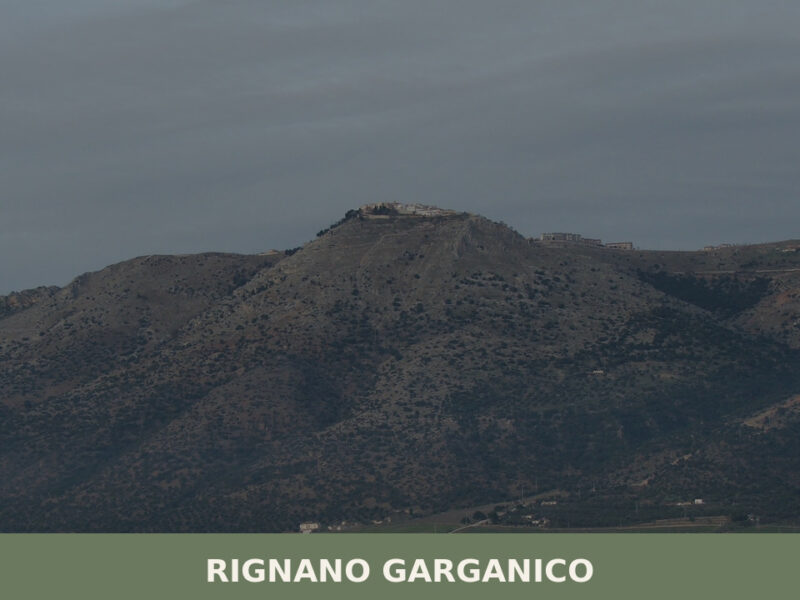
A quiet hilltop village at 590 metres on the Gargano promontory, Rignano Garganico rewards visitors with medieval lanes, wide Tavoliere views, and the honest food traditions of inland Puglia.
Pietramontecorvino
Hills
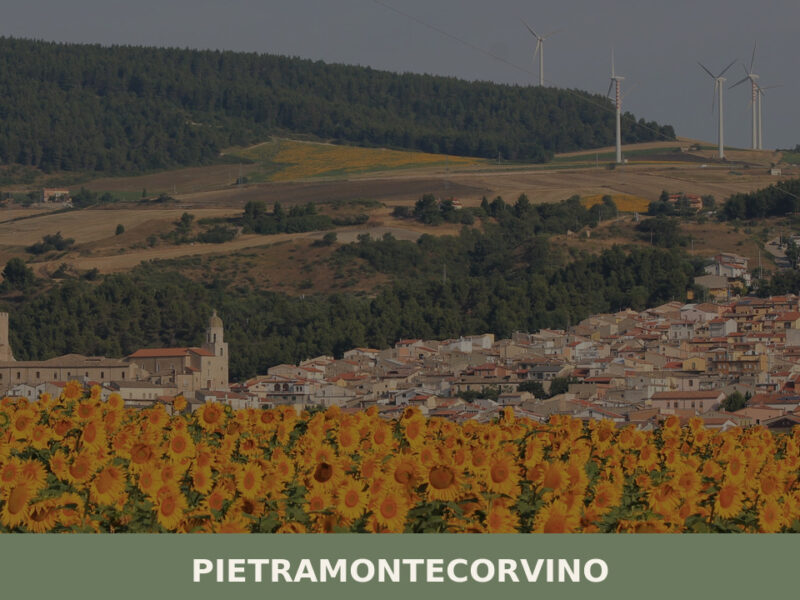
A medieval hill village at 456 metres above the Tavoliere plain, Pietramontecorvino preserves a rock-carved old quarter, Norman tower, and the quiet rhythms of Daunia's agricultural past.
Faeto
Mountain
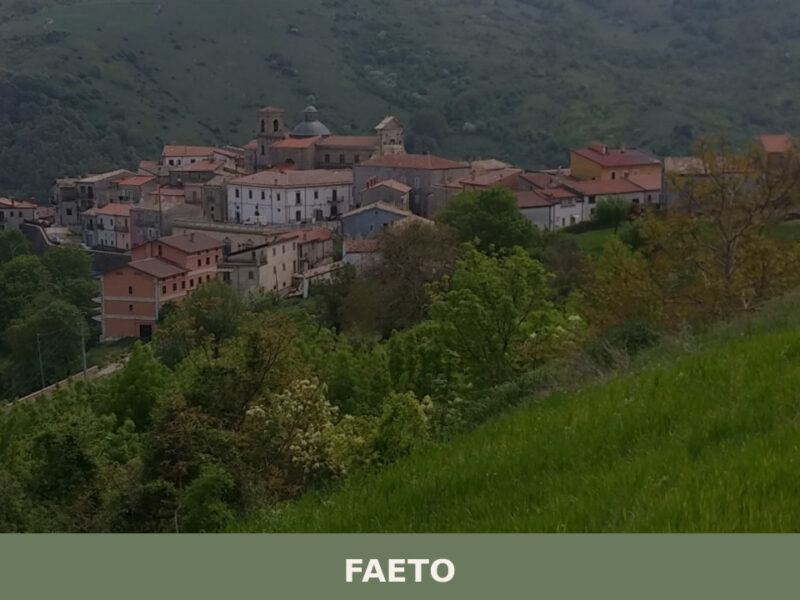
A Franco-Provençal-speaking village of 616 inhabitants high in the Daunia mountains. Discover what to see in Faeto: ancient dialect, beech forests, and Puglia's highest peak.
Gioia del Colle
Hills
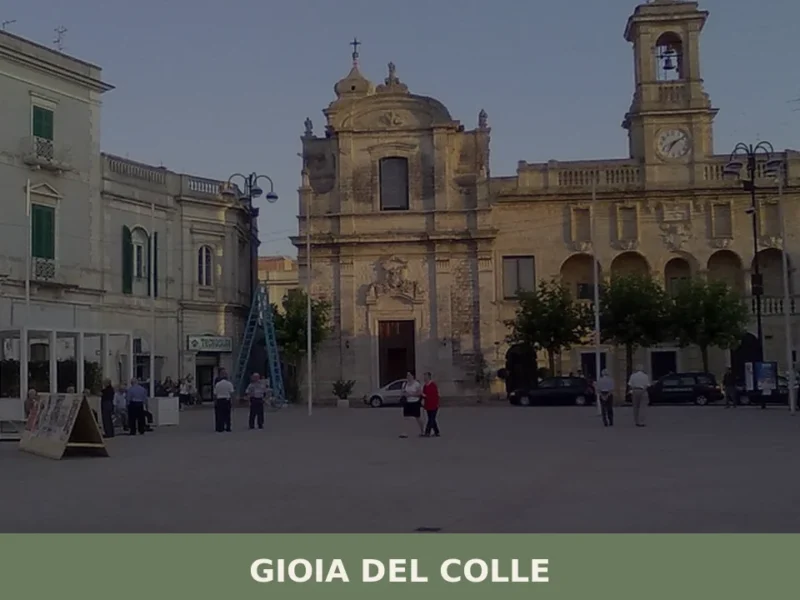
What to see in Gioia del Colle: hilltop town at 362m on the Murgia. Explore the Swabian castle, Monte Sannace park, Primitivo DOC wines and local PAT dishes.
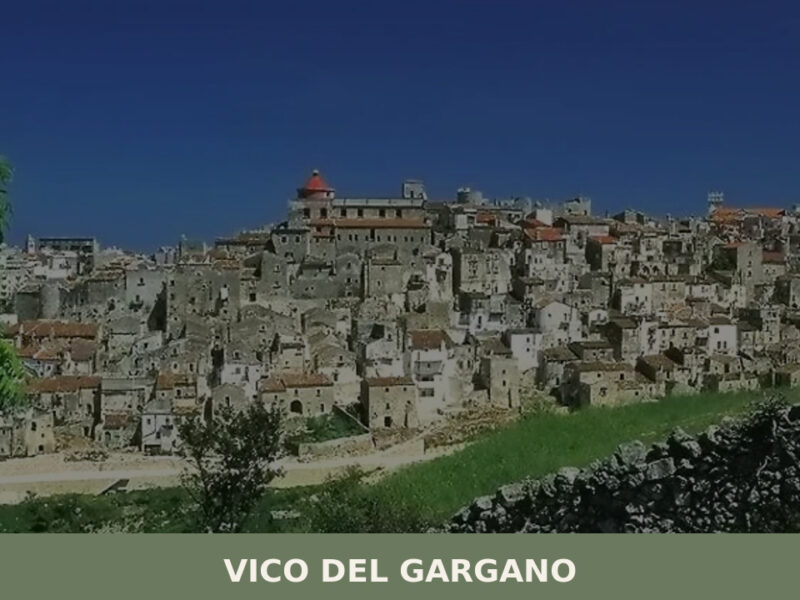
Vico del Gargano
 Sea
Sea
A hilltop village at 445 metres on the Gargano promontory, Vico del Gargano rewards slow exploration — medieval alleys, underground olive presses, and ancient forest at its edge.
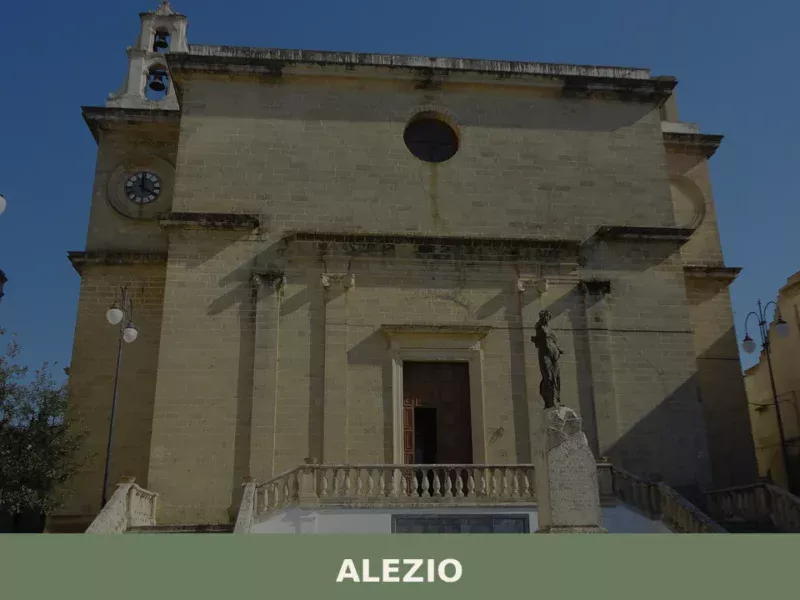
Alezio
Plains
Discover what to see in Alezio, a Salento village with Messapian roots, a national archaeology museum, and ancient olive groves near Gallipoli in Puglia.
San Pietro Vernotico
Sea
What to see in San Pietro Vernotico, Italy? Discover its 14th-century Torre Quadrata and the historic Chiesa Matrice. Explore this village, 36 m above sea level, for its rich past.
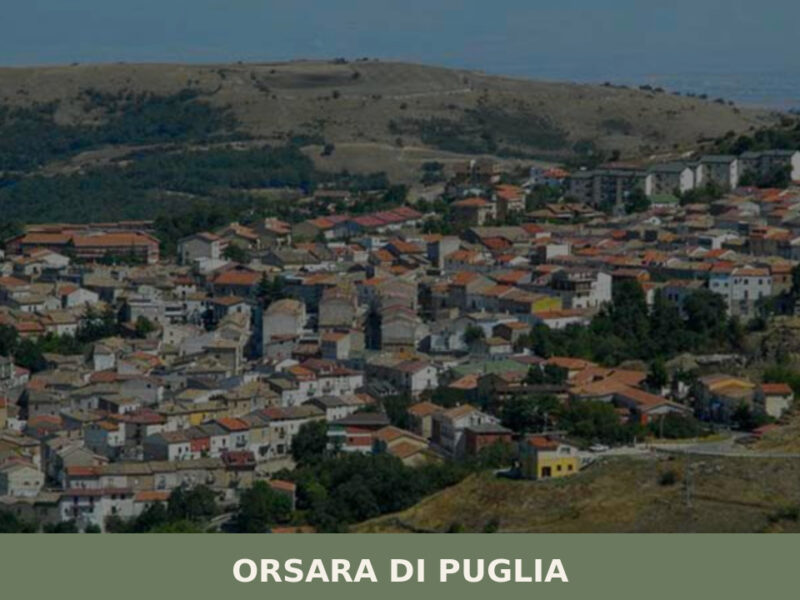
Orsara di Puglia
Mountain
A mountain village of 2,507 people in the Foggia province, Orsara di Puglia holds sacred grottoes, medieval stonework, and one of southern Italy's most distinctive culinary traditions.




🏡 Know Casalnuovo Monterotaro better than we do?
If you’re a local or have been there, your knowledge matters: add what’s missing or fix a detail on this page.