


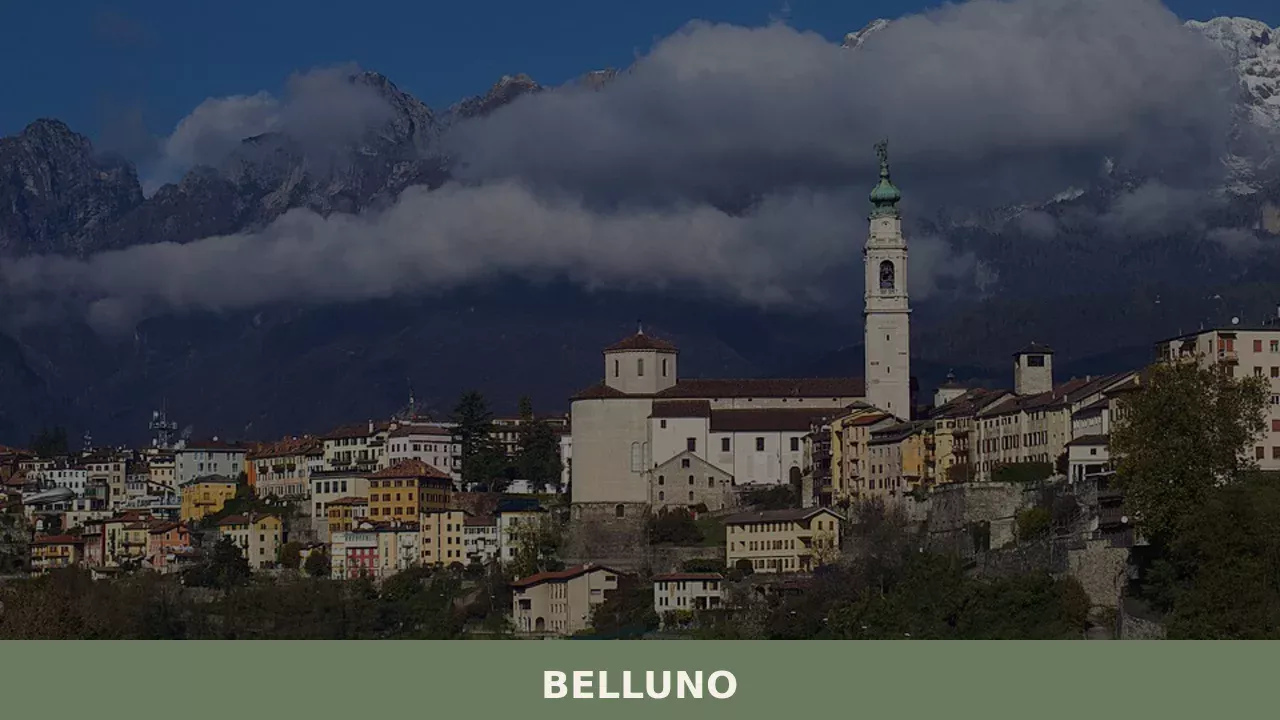
Belluno
What to see in Belluno: a city at 389m with Venetian palaces, a Baroque bell tower and Alpine views. Plan your visit with this complete guide. Includes food and travel tips.
Discover Belluno
Arriving in Belluno, the eye is drawn first to the outline of the Cathedral bell tower, rising sharply against the Pre-Alps. Then, as the distance closes, the facades of the houses clustering on the hillside come into focus, their architecture spanning several distinct periods, from the Venetian era to the twentieth century. It is a gradual approach that allows visitors to take in the layout of the city — an urban centre sitting at 389 metres above sea level, with the Piave river flowing close by.
This position, strategically important since ancient times, has shaped the identity of a place that today offers visitors multiple ways to discover what to see in Belluno, from historic landmarks to Alpine views.
History and origins of Belluno
The name Belluno, according to etymological research, is thought to derive from the Celtic *belo-dunum*, meaning “bright hill” or “shining fortress”, most likely a reference to its elevated position and sun exposure.
The earliest traces of human settlement in the area date back to the Iron Age, but it was with the arrival of the Romans that the settlement took on an urban structure. Founded probably in the first century BC as a Roman municipality, Belluno became an important commercial and military crossroads, connected to the Empire’s main communication routes — including the Via Claudia Augusta — which ensured its growth and prosperity within a mountain territory.
After the fall of the Roman Empire, Belluno went through a period of instability marked by barbarian invasions, passing under the control of the Goths, Lombards and Franks in turn. In the tenth century, when temporal power was granted to the Bishops, the city became an episcopal seat and developed as a centre of ecclesiastical and civic authority.
This period, which lasted until the fourteenth century, saw the construction of defensive walls and the establishment of a communal organisation, with the Piazza delle Erbe — today Piazza dei Martiri — already serving as the hub of city life, defining the urban profile that can still be seen in the historic centre today.
The fifteenth century marked the beginning of a period of great influence for Belluno, with its annexation to the Republic of Venice in 1404.
Under Venetian rule, the city enjoyed a long period of peace and prosperity, becoming a significant administrative and cultural centre for the Veneto hinterland. These were years of intense building activity, which produced aristocratic palaces and the reconstruction of public buildings, many of which still retain their Venetian Renaissance and Baroque architecture today. The connection with Venice ended only with the fall of the Republic in 1797, followed by a period of foreign rule until annexation to the Kingdom of Italy in 1866 — a trajectory that has seen the population grow to its current 35,529 inhabitants, with Belluno remaining a point of reference for the entire province.
What to see in Belluno: 5 top attractions
1. Piazza dei Martiri and the Liston
Piazza dei Martiri is the central gathering point of Belluno, a broad urban space that serves as a meeting place and promenade for both residents and visitors. The square is defined by the “Liston”, a long stone-paved walkway that invites a leisurely walk beneath the arcades and through the gardens, where the War Memorial stands. The surrounding architecture brings together a range of styles, with elegant nineteenth-century palaces standing alongside older buildings that reflect the city’s different phases of development. This is a good place to absorb the atmosphere of city life, watching people come and go while taking in the views of the surrounding mountains that frame the historic centre.
2. The Cathedral of San Martino
The Cathedral of San Martino, dedicated to the city’s patron saint, is the most significant religious building in Belluno. Construction began in the sixteenth century to a design by Tullio Lombardo, though the current facade was completed in later periods. The interior has three naves and contains works of considerable artistic value, including canvases by Jacopo Bassano and Palma il Giovane, which enrich the visual and spiritual experience of visitors. Alongside the cathedral stands the imposing Baroque bell tower, designed by Filippo Juvarra in the eighteenth century, whose summit offers a privileged view over the historic centre and the surrounding landscape — a defining architectural feature of the city’s skyline.
3. Palazzo dei Rettori
The Palazzo dei Rettori, located in Piazza del Duomo, is one of the most representative buildings from Belluno’s Venetian period. Built between 1491 and 1536, it served as the residence of the Venetian Rector, the city’s governor. Its facade, with loggias and biforate windows, is a clear example of Venetian Renaissance architecture reflecting the influence of the Serenissima. Today it houses the Prefecture, but its historical and artistic significance makes it a fundamental point of interest. Examining the details of its decorations and structure helps visitors understand the close relationship Belluno maintained with Venice and the administrative role the city played within the Republic.
4. Piazza del Duomo and the Fountain of San Gioatà
Piazza del Duomo is the historic and monumental focal point of Belluno, a space where some of the city’s most significant buildings are concentrated. In addition to the Cathedral and the Palazzo dei Rettori, the square is bordered by the Palazzo Rosso — home to the Municipal Council — and the Torre Civica.
At the centre of the square stands the Fountain of San Gioatà, an ancient public fountain dating back to the fifteenth century, which remains one of the square’s most distinctive features. Walking through this piazza means engaging directly with the history of Belluno, observing how different eras have left their mark on the architecture and spatial arrangement, creating an environment that invites exploration and reflection.
5. The Civic Museum of Belluno
The Civic Museum of Belluno, named after the local historian Fulcis, is located in the heart of the city and offers a journey through the history, art and culture of the territory. Its collections range from archaeology — with artefacts illustrating the Roman and pre-Roman origins of the area — to sacred and secular art, with paintings and sculptures covering a timespan from the Middle Ages to the nineteenth century. Among the works on display, pieces by Venetian and local artists stand out, offering a broad view of Belluno’s artistic heritage.
A visit to the museum is an effective way to deepen one’s knowledge of the city, providing a detailed perspective on its cultural and social development across the centuries.
What to eat in Belluno: traditional cuisine and local products
Belluno’s gastronomic tradition is rooted in mountain and rural culture, shaped by the need to make the most of simple, nourishing ingredients capable of sustaining the demands of agricultural and valley life.
The influence of the neighbouring Alpine regions and of the Serenissima merged with the resources of the local territory, producing a robust cuisine with distinctive flavours. Recipes reflect seasonality and local availability, drawing on grains, pulses, pork and beef, and the produce of the woodland floor. This is a cuisine that speaks of the land and its people, faithful to recipes handed down through generations, which can be rediscovered today in the trattorias and restaurants of the historic centre.
Among the signature dishes of Belluno’s culinary tradition, polenta holds a central place, often accompanied by hearty accompaniments such as pastin — a preparation of minced, spiced pork and beef, typically eaten raw as an antipasto or grilled.
Another characteristic dish is casunziei, filled pasta parcels whose stuffing varies by area: in Belluno they are commonly filled with spinach or red turnip, dressed with melted butter and smoked ricotta.
These first courses represent the most genuine expression of local gastronomy, offering a taste of the flavours that can also be found in other Veneto villages such as Erbezzo, which shares an Alpine culinary heritage.
As for local products, the province of Belluno is known for its mountain cheeses, though no specific PAT/DOP/IGP certifications exist for the municipality of Belluno alone. These include fresh and aged cheeses, often made from cow’s milk and sometimes goat’s milk, reflecting the richness of the Alpine pastures. One example is Schiz, a fresh cheese that is traditionally pan-fried in butter and served alongside polenta.
Cured meats such as soppressa and salame are also produced with care, following traditional recipes that make the most of local meat and regional spices — a range of flavours that can also be explored in Palù, another Veneto village worth visiting.
There is no shortage of opportunities to sample Belluno’s traditional cuisine.
While there are no festivals dedicated exclusively to certified local products, the feast day of San Martino di Tours on 11 November brings the city to life with events and markets offering traditional dishes in a festive atmosphere. Throughout the year, farmers’ markets and food shops in the historic centre stock local cheeses, cured meats and baked goods, giving visitors the chance to buy directly from producers. These are ideal places to discover the area’s specialities and take home a piece of Belluno’s food culture, rounding off the overall experience of the city.
When to visit Belluno: the best time of year
At 389 metres above sea level, close to the Pre-Alps, Belluno has a climate that shifts considerably with the seasons, making each period of the year worth considering depending on what a visitor is looking for.
Spring, from April to June, brings nature back to life with mild temperatures and lengthening days — ideal for walks through the historic centre and short excursions in the surrounding area, when the meadows brighten and the air is fresh and clear. Summer, from July to August, is warm but breezy, well suited to those who want to combine a cultural visit with outdoor activities, taking advantage of the Dolomites nearby for hiking and day trips. That said, this is also the busiest period for tourism, with slightly higher prices and more visitors.
Autumn, particularly September and October, is considered by many to be the most rewarding time to visit Belluno.
The surrounding woodland turns vivid shades of amber and gold, creating impressive scenery, and temperatures remain comfortable for exploring the city without the summer heat. It is also a good time to enjoy seasonal produce such as mushrooms and chestnuts. On 11 November, the feast of patron saint San Martino di Tours animates the city with events and markets, providing an opportunity to take part in local traditions.
Winter, from December to March, brings a quieter atmosphere and, frequently, snow that blankets the surrounding peaks and sometimes the city itself, transforming the landscape. This period suits those seeking a less busy experience and who want to enjoy the mountains in a more intimate setting, perhaps making use of the nearby ski resorts — though it requires warmer clothing and an allowance for shorter daylight hours.
How to reach Belluno
Belluno can be reached by several means of transport, given its strategic position in the heart of the Veneto. By car, the city is well connected via the SS51 di Alemagna state road and the SS50 del Grappa e Passo Rolle. Coming from the south, the A27 “Belluno–Venice” motorway is the most direct route, with the Belluno exit just a few kilometres from the centre. From Venice, the journey is approximately 100 km and takes just over an hour.
From Padua, the distance is around 120 km, which takes about an hour and a half. For those arriving from other directions, the A4 and A13 motorways connect to the A27, providing straightforward access from much of northern Italy.
For rail travel, Belluno has a railway station a short distance from the historic centre, served by regional lines connecting it to Venice Santa Lucia, Padua and Treviso.
Trains from Venice take around two hours, making for a comfortable and scenic journey through the Veneto countryside. The nearest airport is Venice Marco Polo Airport (VCE), approximately 90 km away, from which onward travel to Belluno is possible by train or direct bus services. Alternatively, Treviso Antonio Canova Airport (TSF) is around 70 km away.
Once in the city, the historic centre of Belluno is easily covered on foot, while local public transport services connect the city to other centres in the province — further details on timetables are available on the official website of the Municipality of Belluno.
Other villages to explore in Veneto
The Veneto, a region of varied history and landscapes, offers many opportunities to explore villages that retain a genuine character and deeply rooted traditions. After discovering what to see in Belluno, the itinerary can continue towards other lesser-known but equally significant centres.
To the south of Belluno, in the Veneto plain, lies Bevilacqua, a village dominated by an imposing medieval castle that stands as a testament to the region’s fortified architecture and noble history. The journey between Belluno and Bevilacqua, passing through landscapes that shift from the Pre-Alpine hills to the flatlands, takes around an hour and a half by car and offers a striking change of scenery.
Continuing the exploration of mountain and hilly areas, other villages offer different perspectives on the Veneto heritage.
Selva di Progno, for example, located in the Lessinia area, is a village that stands out for its Cimbrian culture, with linguistic and culinary traditions that set it apart in the regional landscape. It is about two hours from Belluno by car, along a route that passes through mountain scenery and valleys.
These villages, despite their differences, share a close relationship with the local territory and its resources, offering a travel experience that goes beyond the more frequented destinations and allows visitors to discover the deeper character of the Veneto — as also suggested by Italia.it and Wikipedia for further reading.
In Veneto More villages to discover
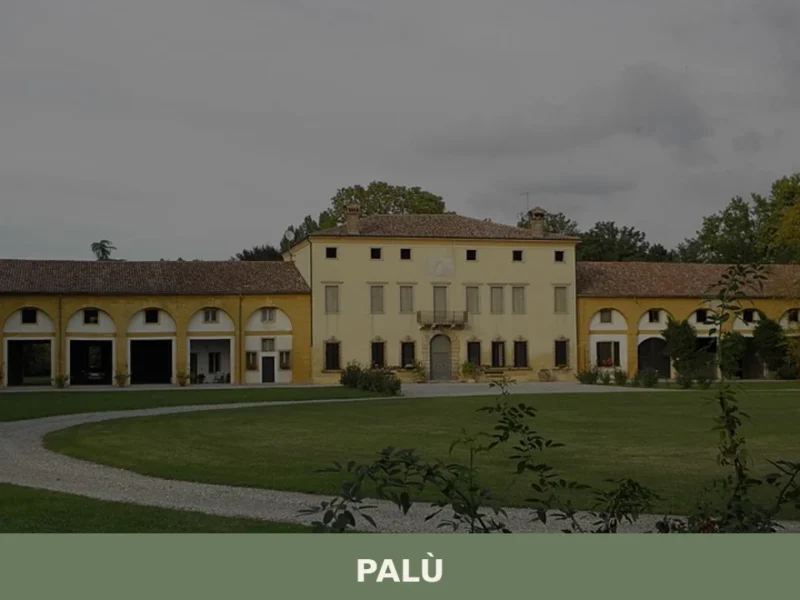
Palù
Palù has 1,266 inhabitants and occupies a stretch of the Veronese plain between the municipalities of Zevio and Ronco all’Adige, roughly fifteen kilometres south-east of the provincial capital. Its territory, covering just 8.5 square kilometres, is crossed by a network of drainage ditches and reclamation canals that still define the geometry of fields planted with […]
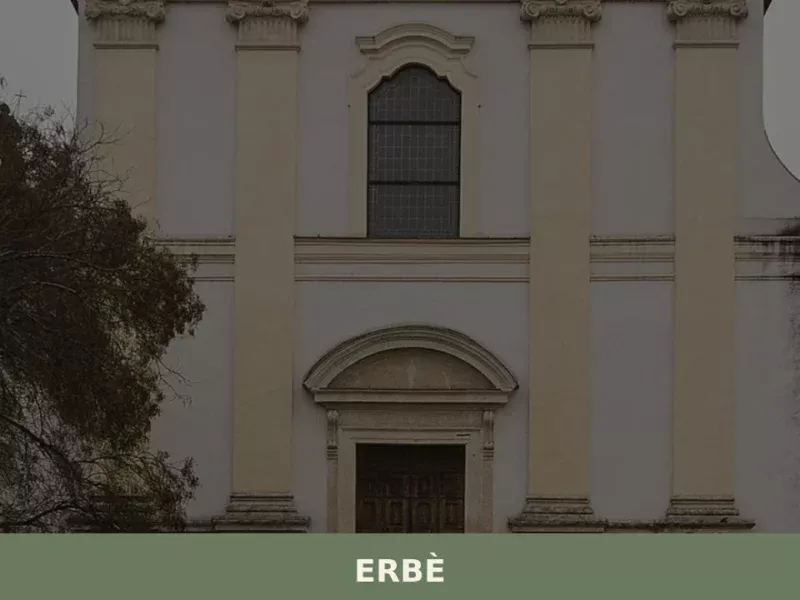
Erbè
Erbè has 1,838 inhabitants and occupies a stretch of the Veronese plain north of the Tione dei Monti river, along the road connecting Verona to Mantua. The municipal territory, almost entirely flat and crossed by a dense network of irrigation canals, was progressively reclaimed starting in the 15th century under the administration of the Republic […]
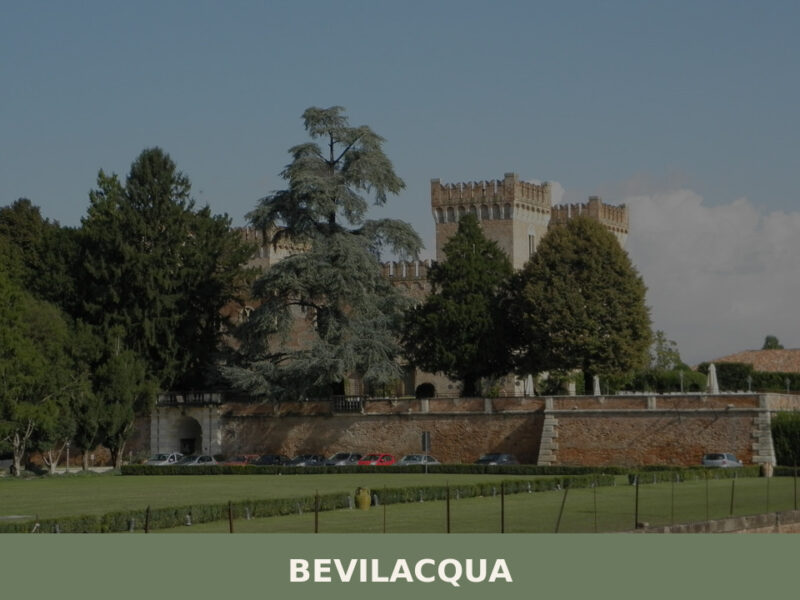
Bevilacqua
A castle rising over the Fratta River, fewer than 1,800 inhabitants, and the quiet agricultural heart of the Veronese plain. Here's what to see in Bevilacqua.




📝 Incorrect information or updates?
Help us keep the Belluno page accurate and up to date.