


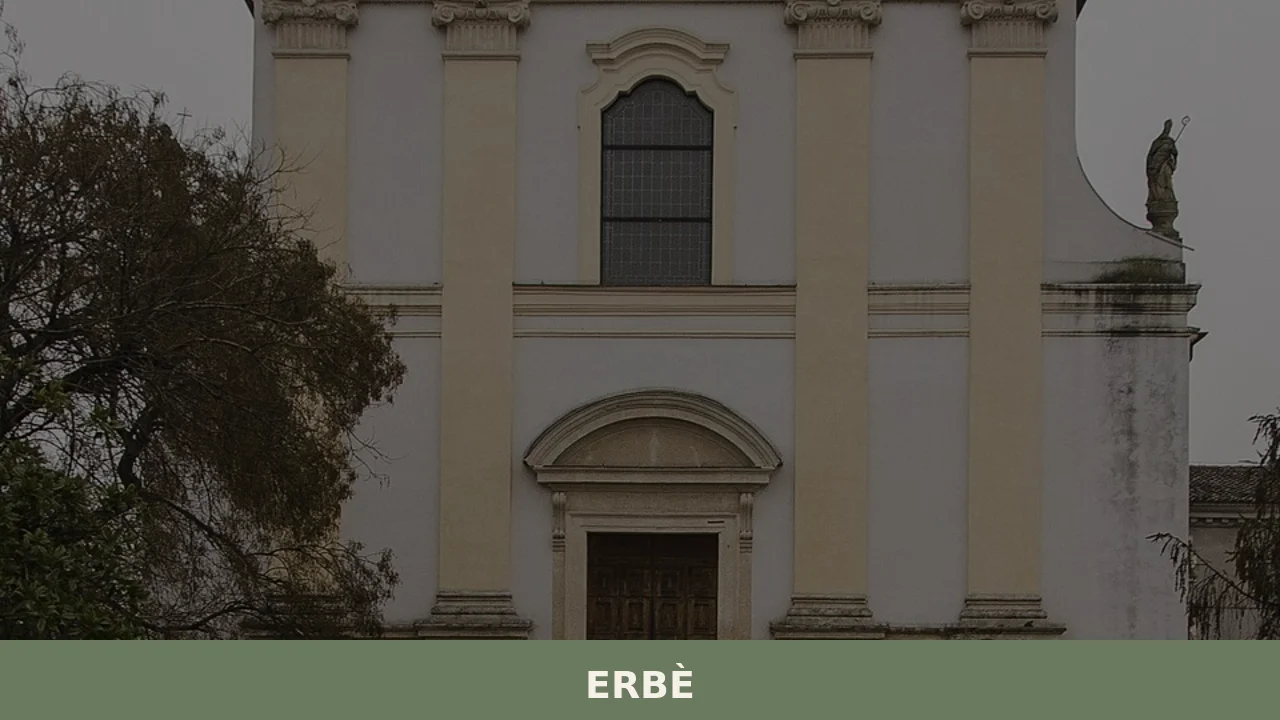
Erbè
 Plains
Erbè has 1,838 inhabitants and occupies a stretch of the Veronese plain north of the Tione dei Monti river, along the road connecting Verona to Mantua. The municipal territory, almost entirely flat and crossed by a dense network of irrigation canals, was progressively reclaimed starting in the 15th century under the administration of the Republic […]
Discover Erbè
Erbè has 1,838 inhabitants and occupies a stretch of the Veronese plain north of the Tione dei Monti river, along the road connecting Verona to Mantua. The municipal territory, almost entirely flat and crossed by a dense network of irrigation canals, was progressively reclaimed starting in the 15th century under the administration of the Republic of Venice. Asking yourself what to see in Erbè means entering an agricultural landscape where 16th-century rural courtyards and parish churches preserve visible layers of history, from Romanesque stone to 18th-century brick, within a radius of just a few square kilometres.
History and origins of Erbè
The place name “Erbè” appears in medieval documents as early as the 10th century, linked to the Latin word herba or herbetum, indicating pastureland. The area, part of the Roman centuriated farmland along the Via Postumia, retained a pastoral and cereal-growing vocation for centuries. In 1405, when the Veronese territory was annexed to the Most Serene Republic of Venice, Erbè was incorporated into the administrative system of the district of Isola della Scala, and its economy came under the regulation of the Venetian magistracies responsible for waterways and communal assets.
During the 16th and 17th centuries, noble Veronese families — including the Bevilacqua and the Nogarola — built villas and manor courtyards across the municipal territory, using Erbè as a base for managing their landed estates. The parish church dedicated to San Martino Vescovo dates in its current form to the 18th century, although the original structure is older. During the Napoleonic campaigns, the territory was crossed by French and Austrian troops; the Battle of Arcole in 1796 was fought just a few dozen kilometres to the south-east.
With the Unification of Italy, Erbè was included in the Province of Verona. In the 20th century, the municipality experienced the same transformations as the rest of the lower Veronese plain: emigration towards the industrial cities of the North, agricultural mechanisation and, from the 1960s onwards, a gradual demographic stabilisation. Today the settlement fabric retains its scattered courtyard structure and the network of farm roads that reflect centuries of agrarian organisation.
What to see in Erbè: 5 main attractions
1. Parish Church of San Martino Vescovo
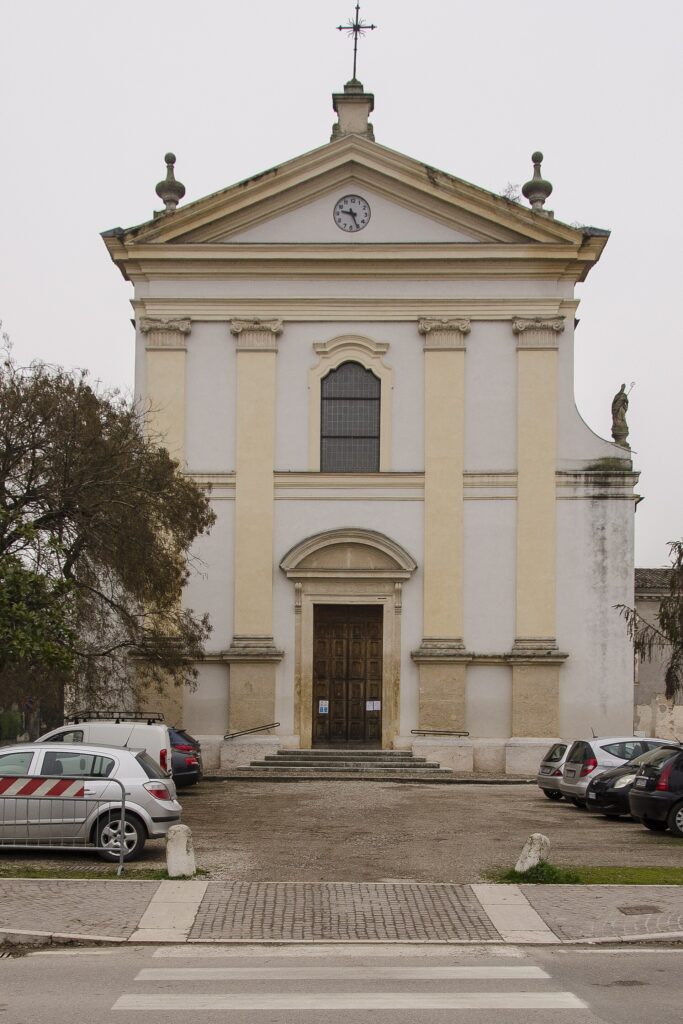
A single-nave building rebuilt in the 18th century on older foundations. Inside, it preserves a high altar in polychrome marble and paintings from the Veronese school. The sober, plastered façade features a portal in local limestone. The bell tower, with its mullioned belfry, is visible from several points across the surrounding plain.
2. 16th-century rural courtyards
Scattered across the municipal territory, the enclosed-plan courtyards — with dovecote tower, barchessa and manor house — represent the typical building model of the Veronese countryside under Venetian rule. Some still have tufa portals with carved noble coats of arms. They can be observed along the secondary roads between the centre and the hamlets, where exposed brick perimeter walls still mark the boundaries of the old estates.
3. Irrigation canal network and the Tione dei Monti
The Tione dei Monti river and its derived canals — part of the system managed by the Consorzio di Bonifica Veronese — define the landscape of Erbè. Along the embankments, unpaved paths suitable for cycling run between rows of poplars and fields planted with rice and maize. The hydraulic infrastructure dates in part to the Venetian water management works of the 15th and 16th centuries.
4. Rural oratory in the hamlet
In the rural areas of the municipality, small oratories and votive shrines survive, built between the 17th and 19th centuries as acts of private devotion or as markers along farm tracks. These are simple structures — sometimes an arch with a frescoed niche — that document the rural religiosity of the lower Veronese plain and the relationship between landowner patronage and the farming community.
5. Town Hall square and historic centre
The urban core of Erbè is organised around the square where the town hall and the parish church stand. The residential buildings, two or three storeys high, display 18th- and 19th-century façades with wrought-iron balconies. The square, not large but well-proportioned, still functions as the site of the weekly market and a civic gathering point.
Food and local products
The table in Erbè reflects the rice-growing traditions of the lower Veronese plain. Riso Nano Vialone Veronese IGP, cultivated in the fields of the municipality and the wider Isola della Scala area, is the foundation of risotto all’isolana, prepared with minced pork and veal, butter, cinnamon and pepper, slow-cooked until each grain is dry and separate. Alongside rice, the local tradition includes bigoli con le sarde — soft wheat pasta extruded through a press, dressed with desalted lake sardines and onion — and pearà, a thick sauce made from stale bread, meat broth and bone marrow, served with bollito misto. The area also produces Radicchio Rosso di Verona IGP, recognisable by its round leaf and white central vein, eaten raw in salads or grilled.
Among the cheeses, Monte Veronese DOP — both in its whole-milk version and the aged d’allevo variant — accompanies dishes of yellow polenta or is eaten on its own. The Veronese territory is also a production area for Olio extravergine di oliva Veneto Valpolicella DOP, although the olive-growing hills lie further north. As for wines, Erbè falls within the production zone of Custoza DOC and Bianco di Custoza DOC, fresh whites based on Trebbiano Toscano, Garganega and Cortese. In nearby Isola della Scala, between September and October each year, the Fiera del Riso (Rice Fair) takes place — the main food event in the area, with over 500,000 visitors in some editions: the distance from Erbè is less than ten kilometres.
When to visit Erbè: the best time
The climate of the lower Veronese plain is continental, with hot and humid summers (temperatures exceeding 30 °C in July and August) and harsh winters, often marked by fog between November and February. The most suitable period for a visit runs from April to June and from September to October, when temperatures are moderate and the countryside changes appearance: in spring the rice paddies are flooded, creating geometric sheets of water; in autumn the rice harvest and the grape harvest bring the territory to life.
September and October coincide with the Fiera del Riso season in Isola della Scala, which provides a concrete reason to combine a visit to Erbè with a food event of regional importance. Check the official website of the Municipality for any calendar of local festivals and events, generally concentrated between late summer and early autumn.
How to reach Erbè
By car, Erbè is reached from the A22 Brenner motorway, Nogarole Rocca exit, continuing for approximately 15 kilometres north-east along the SP24. From Verona city centre the distance is about 30 kilometres (35–40 minutes). From Mantua, the journey covers approximately 35 kilometres along the SS62 and then the SP24.
The nearest railway station is Isola della Scala, on the Verona–Bologna line, approximately 8 kilometres from the centre of Erbè. From there you need to continue by private transport or local bus (ATV line). The reference airport is Valerio Catullo di Villafranca, about 25 kilometres away. Venice Marco Polo and Brescia Montichiari airports are located approximately 140 and 80 kilometres away respectively.
Other villages to discover in Veneto
Veneto presents a geographical variety that extends from the rice-growing plain of Erbè all the way to the Dolomites. Those seeking a sharp contrast with the landscape of the lower Veronese plain can head north to Cortina d’Ampezzo, in the heart of the Belluno Dolomites: at 1,224 metres above sea level, with an Alpine setting of larch forests and dolomite rock faces, it represents an entirely different way of inhabiting the Veneto territory, far removed in climate, architecture and economic history from the Veronese countryside.
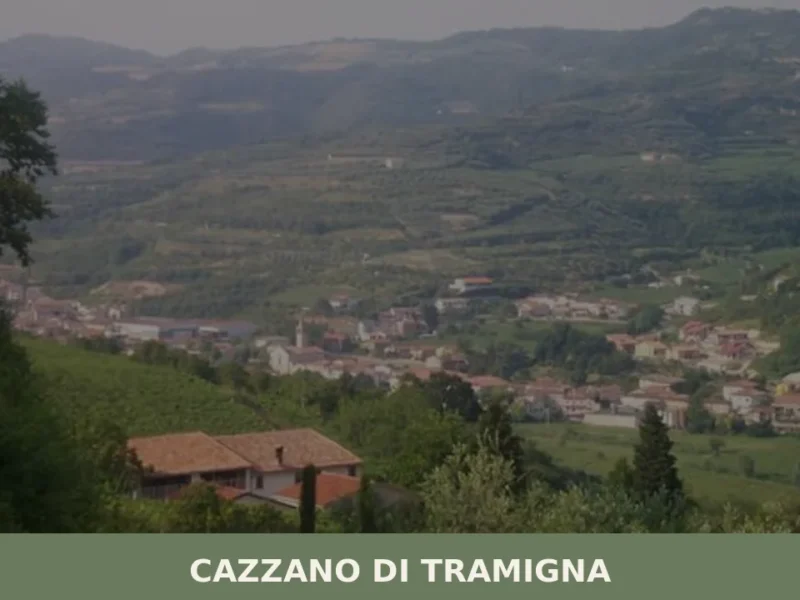
Staying within the Province of Verona, Cazzano di Tramigna occupies the Val Tramigna, between the eastern Lessini Mountains and the plain. Unlike Erbè, the territory is hilly and devoted to viticulture — within the Soave production area — with volcanic soils that create distinctive conditions for the Garganega grape. The two localities, less than forty kilometres apart, illustrate how the Province of Verona shifts from rice paddy to vineyard in a short stretch of road.
Frequently asked questions about Erbè
What is the best time to visit Erbè?
The ideal periods are April to June and September to October, when temperatures are mild and the landscape is at its most evocative. In spring the flooded rice paddies create mirror-like geometric sheets of water across the plain. In autumn the rice and grape harvests animate the territory, and the nearby Fiera del Riso in Isola della Scala (September–October, less than 10 km away) is a major draw. Avoid July–August (heat and humidity above 30 °C) and November–February (persistent fog). The feast of patron saint San Giovanni Battista on 24 June marks a local celebration worth timing a visit around.
What are the historical origins of Erbè?
The name Erbè appears in medieval documents from the 10th century, derived from the Latin herba or herbetum, meaning pastureland. The area was part of the Roman centuriated farmland along the Via Postumia. In 1405 it was annexed to the Republic of Venice and integrated into the administrative district of Isola della Scala. During the 16th and 17th centuries, noble Veronese families such as the Bevilacqua and the Nogarola built villas and rural courtyards here. After Unification, Erbè entered the Province of Verona and followed the agricultural and demographic evolution typical of the lower Veronese plain throughout the 20th century.
What to see in Erbè? Main monuments and landmarks
The Parish Church of San Martino Vescovo, rebuilt in the 18th century on older foundations, is the principal monument: inside are a polychrome marble high altar and paintings from the Veronese school. The town hall square, with 18th- and 19th-century façades and a weekly market, forms the civic heart of the village. Scattered across the municipality, 16th-century enclosed rural courtyards with tufa portals and noble coats of arms represent Venetian-era architecture. Small 17th–19th-century votive oratories survive along farm tracks. Access to outdoor sites is free; verify church opening times locally or with the municipality.
What are the main natural or scenic attractions of Erbè?
The landscape itself is the main natural attraction. The Tione dei Monti river and its derived irrigation canal network — partly dating to Venetian water management works of the 15th and 16th centuries — cross the flat terrain, creating a layered rural environment. Along the embankments, unpaved paths suitable for cycling run between poplar rows, rice paddies and maize fields. In spring the flooded rice fields produce an unusual reflective landscape. The area is managed by the Consorzio di Bonifica Veronese. No formal nature reserves or CAI-marked hiking trails are documented within the municipal boundaries.
Where to take the best photos in Erbè?
The most photogenic spots are the embankments of the Tione dei Monti and its irrigation canals, especially in April and May when the flooded rice paddies reflect the sky. The rural courtyards scattered along secondary roads between the village centre and its hamlets — with their tufa portals, dovecote towers and exposed brick walls — offer strong architectural subjects. The bell tower of San Martino Vescovo is visible across several kilometres of flat terrain and frames well against the open plain. Early morning light in autumn, during the rice harvest, is particularly atmospheric.
Are there museums, churches or historic buildings to visit in Erbè?
The main historic building is the Parish Church of San Martino Vescovo, an 18th-century single-nave structure preserving a polychrome marble high altar and Veronese school paintings; access is generally free during services and opening hours — confirm directly with the parish. The 16th-century rural courtyards with carved noble portals can be observed from public roads across the municipal territory. Small votive oratories with frescoed niches, built between the 17th and 19th centuries, are accessible along farm tracks. No dedicated municipal museum is documented for Erbè at present.
What can you do in Erbè? Activities and experiences
Erbè is well suited to slow rural tourism. Cycling along the canal embankments and farm roads is the most documented activity, with flat terrain making routes accessible to all fitness levels. Food and wine tourism is a strong draw: the nearby Fiera del Riso in Isola della Scala (less than 10 km, September–October) offers tastings of Riso Nano Vialone Veronese IGP and local dishes. The area also falls within the Custoza DOC wine zone, making winery visits in the surrounding territory feasible. The 24 June feast of San Giovanni Battista provides a local festive experience.
Who is Erbè suitable for? Families, couples, hikers, solo travelers?
Erbè suits visitors who appreciate slow, unhurried rural travel rather than dense sightseeing programmes. Cyclists of all ages benefit from the flat terrain and the network of unpaved canal-side paths. Food and wine enthusiasts find strong regional interest in Riso Nano Vialone Veronese IGP, Custoza DOC wines and proximity to the Isola della Scala rice fair. Couples seeking quiet countryside and authentic Veneto architecture away from mass tourism will find the village rewarding. It is less suited to travellers prioritising museums, nightlife or mountain activities, and is most enjoyable when combined with Isola della Scala or Verona city.
What to eat in Erbè? Local products and specialties
The table in Erbè is rooted in the rice-growing traditions of the lower Veronese plain. The cornerstone product is Riso Nano Vialone Veronese IGP, grown in local fields and used in risotto all'isolana — made with minced pork and veal, butter, cinnamon and pepper. Other documented specialties include bigoli con le sarde, pearà sauce served with bollito misto, and Radicchio Rosso di Verona IGP. Monte Veronese DOP cheese accompanies polenta. The area falls within the Custoza DOC white wine zone. The Fiera del Riso in nearby Isola della Scala (September–October) is the principal food event within reach.
📷 Photo Gallery — Erbè
Nearby Villages near Erbè
In Veneto More villages to discover
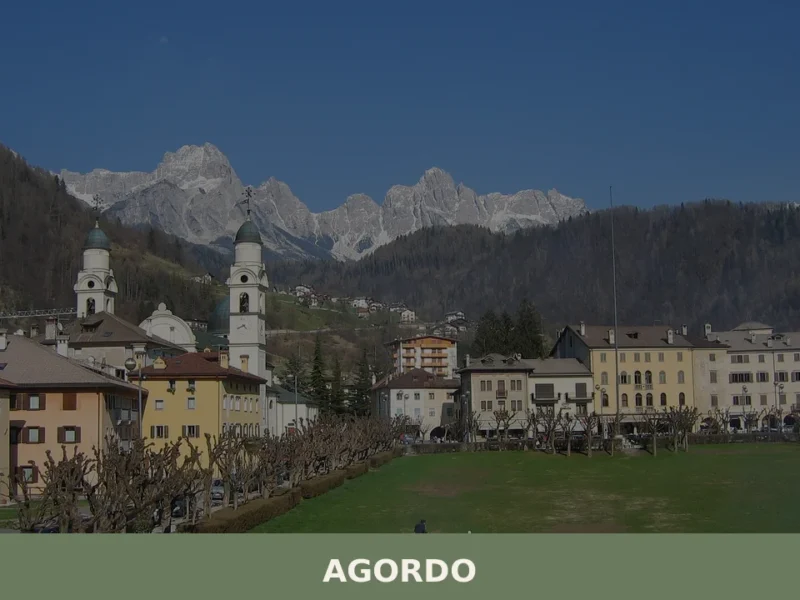
Agordo
 Mountain
Discover what to see in Agordo, Veneto: the Valle Imperina mine, the 1867 Mining School, Ladin culture, and the Cordevole valley in the Belluno Dolomites.

Marostica
 Hills
Hills
Marostica draws visitors with its world-famous living chess match and over 600 years of Scaligeri and Venetian architecture. The IGP cherry alone is worth the detour.
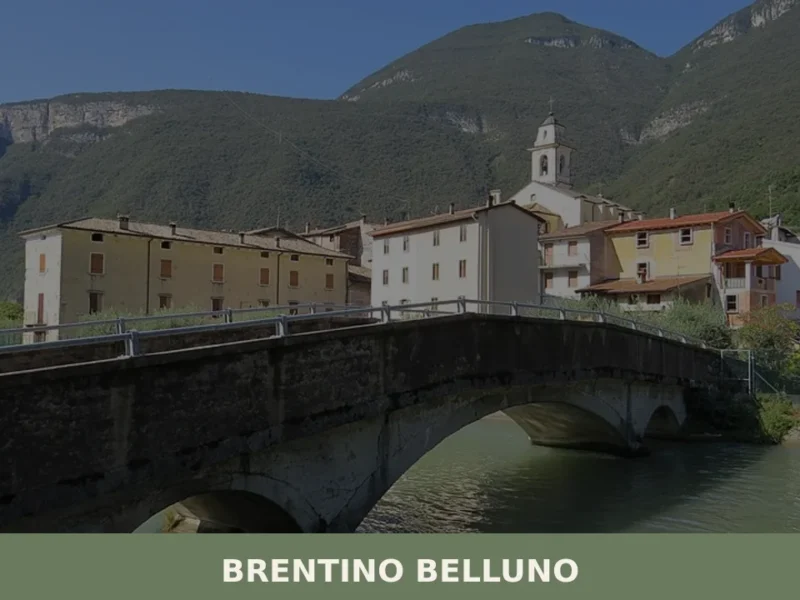
Brentino Belluno
Plains
At 137 metres above sea level, where the Adige Valley narrows between Monte Baldo and the Lessini Mountains, Brentino Belluno is a municipality of 1,363 inhabitants created in 1929 through the administrative merger of two distinct settlements: Brentino, on the left bank of the Adige, and Belluno Veronese, clinging to the eastern slope of Monte […]
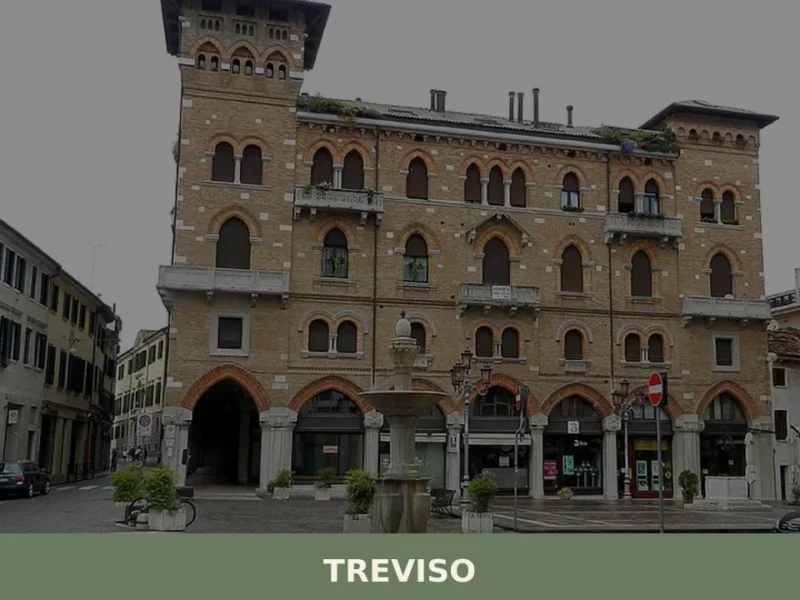
Treviso
Plains
A medieval city of 85,000 enclosed by water-fed walls, Treviso shaped Venetian trade and still guards its own identity through art, architecture and civic pride.
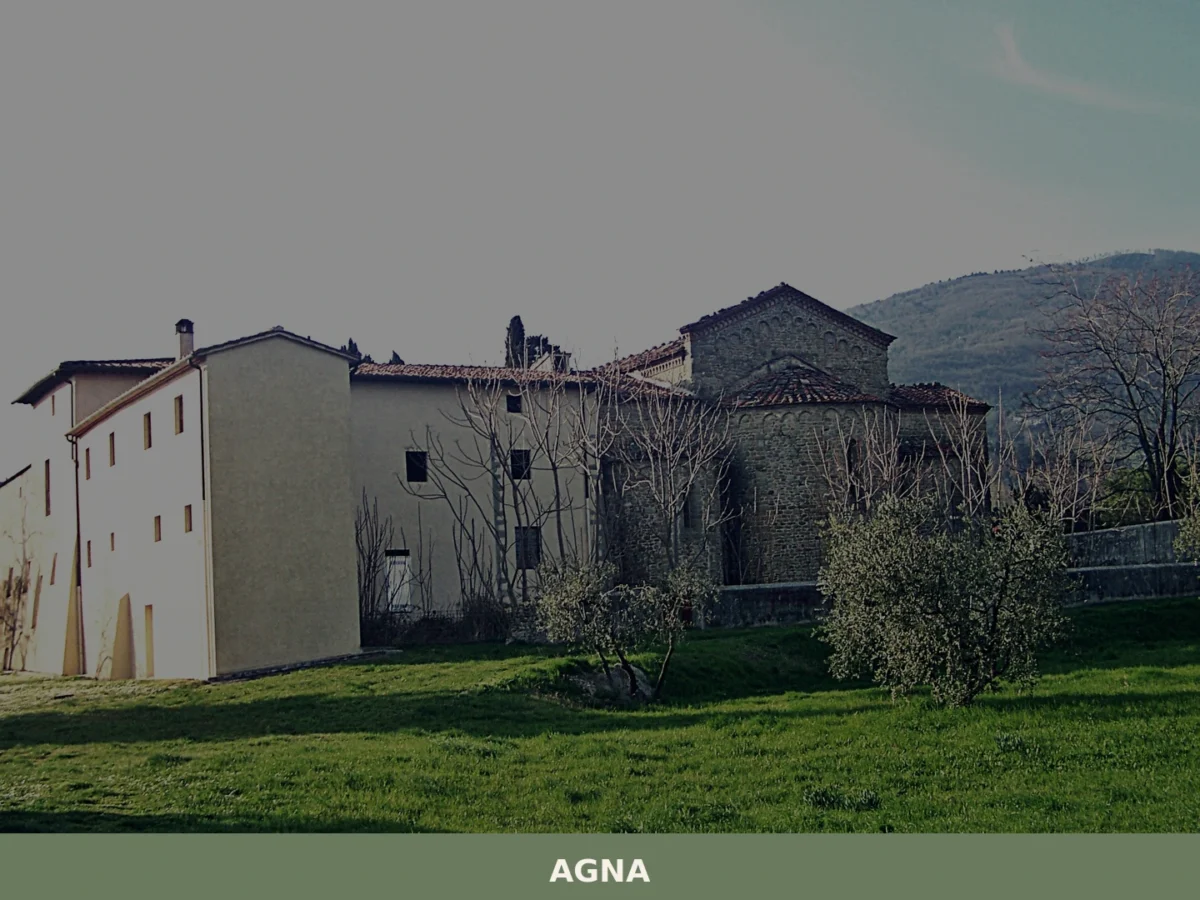
Agna
Plains
Discover what to see in Agna, a Padova province village of 3,174 people. History, food, travel tips and the canals of the Venetian plain explained.
San Mauro di Saline
Mountain
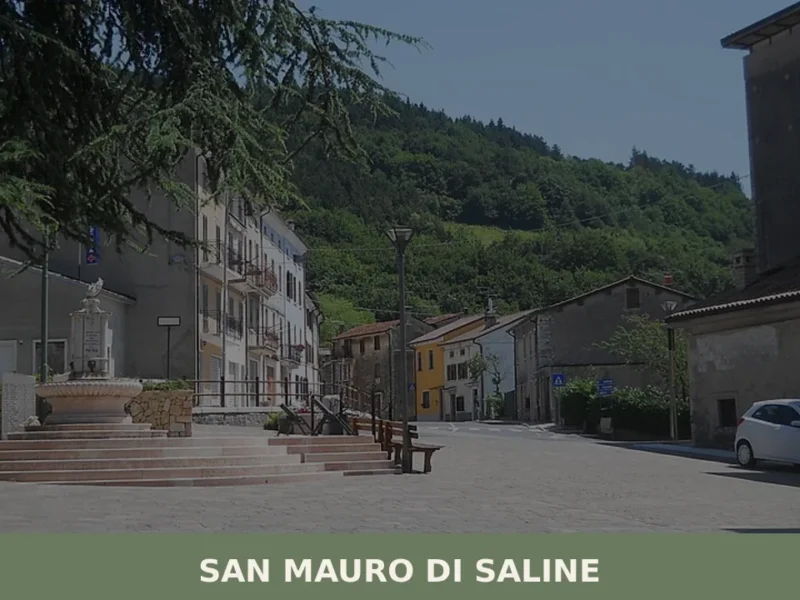
At 804 metres above sea level, on the eastern slope of the Veronese Lessini Mountains, San Mauro di Saline has a current population of 558 inhabitants spread between the municipal centre and the scattered hamlets along the pastures. The village’s name derives from the saline — the brackish water pools that historically surfaced in this […]
Rovigo
Plains
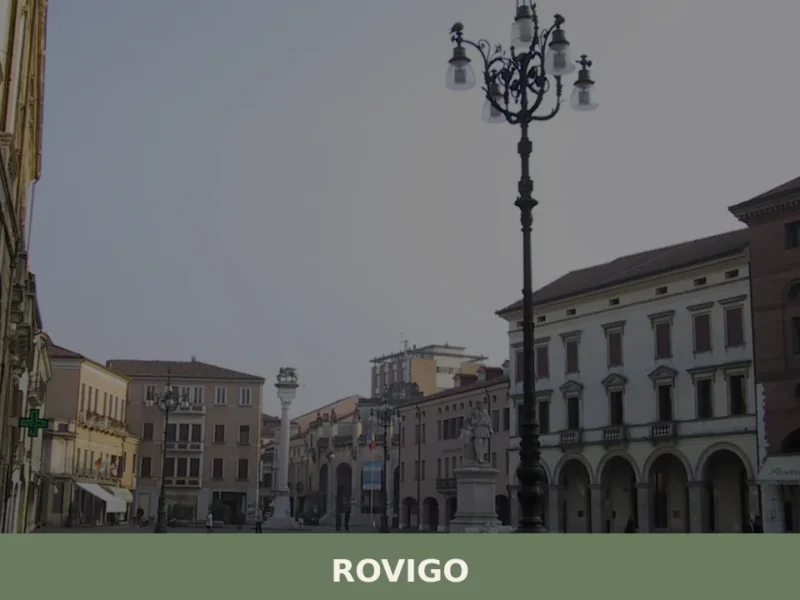
what to see in rovigo? Discover 5 top attractions in this city of 50,000 residents, from Rovigo Castle to La Rotonda. Explore the Polesine region.
San Zeno di Montagna
Mountain
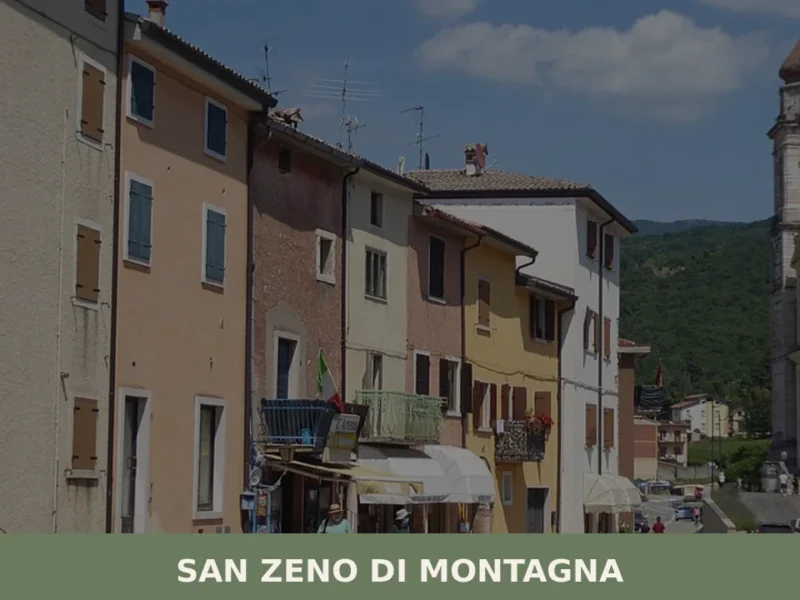
At 680 metres above sea level, on the eastern slope of Monte Baldo, San Zeno di Montagna has 1,376 inhabitants spread across a constellation of contrade — Lumini, Castello, Villanova, Ca’ Montagna — each retaining its own architectural and topographic identity. The municipal territory extends from 300 to 2,200 metres in altitude, a range that […]
Bevilacqua
Mountain
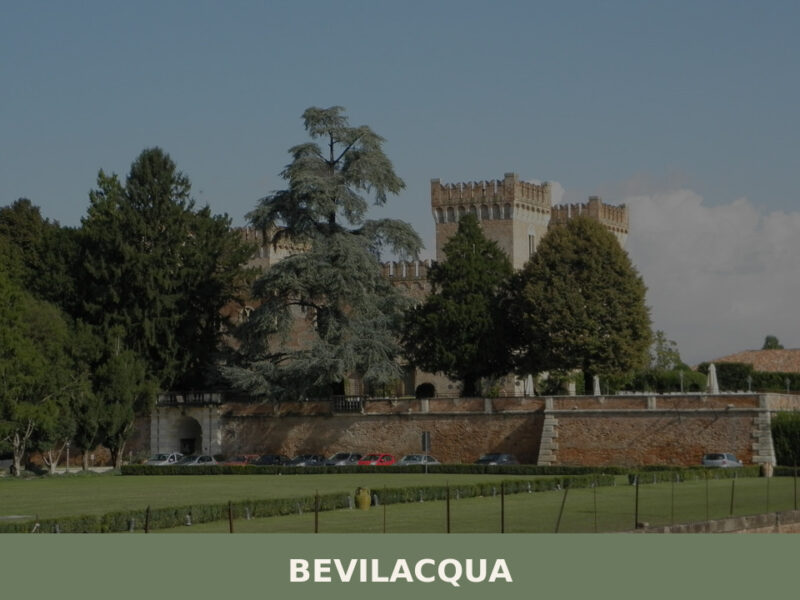
A castle rising over the Fratta River, fewer than 1,800 inhabitants, and the quiet agricultural heart of the Veronese plain. Here's what to see in Bevilacqua.

Salzano
Plains
A lowland comune of 12,770 people where thermal springs, industrial heritage and religious art converge. Home to Pope Pius X and a bell tower that has stood since the 1700s.
🧀 Italian traditional products
🏡 Know Erbè better than we do?
If you’re a local or have been there, your knowledge matters: add what’s missing or fix a detail on this page.