


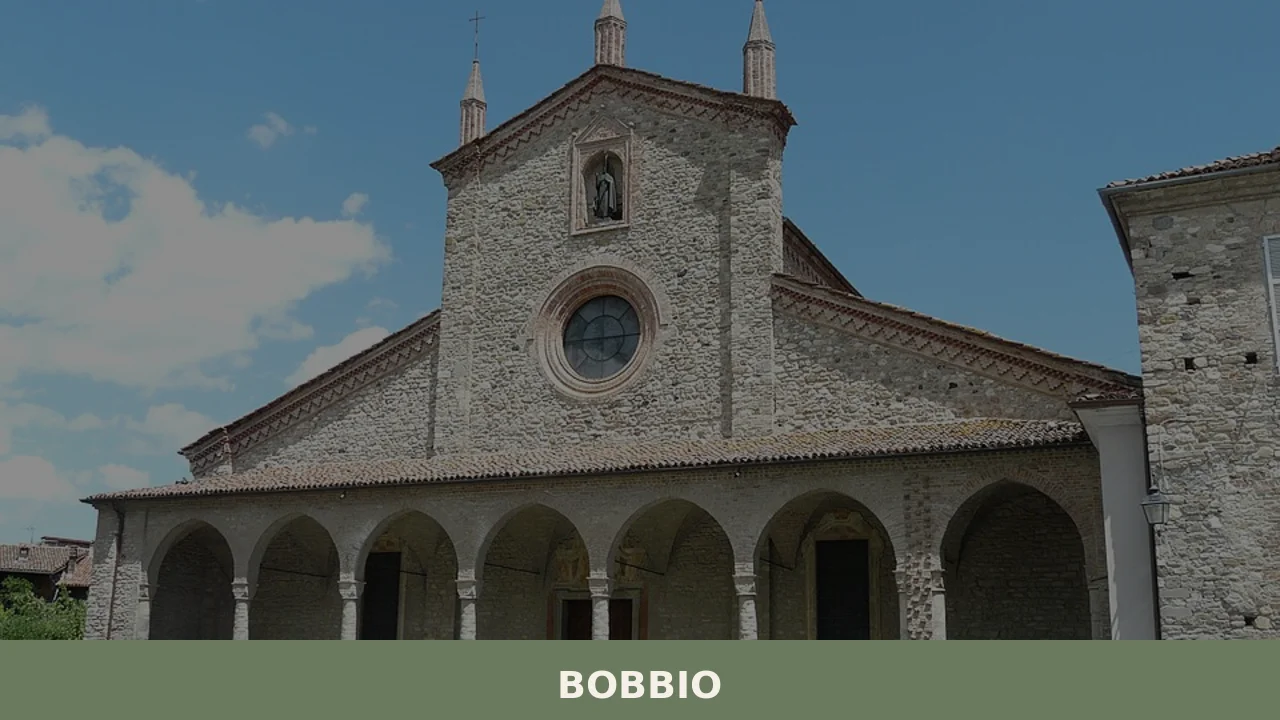
Bobbio
What to see in Bobbio: a town of 3,710 at 272 m in the Trebbia valley, with a 614 AD abbey, the medieval Ponte Gobbo and a hilltop castle. Plan your visit now.
Discover Bobbio
In 614 AD, the Irish monk Columban founded an abbey in Bobbio, along the Trebbia valley, that would go on to become one of the leading centres of culture in early medieval Europe. That founding act left a permanent mark on the town’s urban layout and spiritual identity.
Today Bobbio is a municipality in the province of Piacenza, with a population of 3,710 and an elevation of 272 metres above sea level.
Anyone exploring what to see in Bobbio will find a layered concentration of monuments, bridges and places of worship that speak directly to more than fourteen centuries of documented history.
History and Origins of Bobbio
The origins of Bobbio are connected to the name of the river Bobbio, a term that some historical sources trace back to the Latin Bobium, likely linked to a Roman settlement along the Trebbia valley.
Even before Columban’s arrival, the area was occupied during the Roman and Ligurian periods, as confirmed by archaeological finds in the surrounding zone. Its geographical position, at the crossroads between the Po plain and the Ligurian-Piacenza Apennines, made it a natural transit and control point along the commercial routes that ran through the mountain valleys.
The decisive turning point in the town’s history came in 614 AD, when Saint Columban — already the founder of the monastery of Luxeuil in Burgundy and other monastic centres across Europe — obtained from the Lombard king Agilulf a grant of land in the Trebbia valley.
Here he founded the Abbey of San Colombano, which rapidly became one of the most important scriptoria in Europe: over the following centuries, its library held manuscripts of immense value, many of which are now preserved in museums and archives around the world.
The Bobbio monastery attracted scholars, scribes and pilgrims from across the continent, cementing the town’s reputation as a major intellectual centre throughout the early Middle Ages.
During the medieval period, Bobbio came under the influence of bishop-counts, who governed the territory with considerable autonomy until the rise of the comuni.
In 1221 the town was granted the status of a free commune, and it subsequently passed under the control of the Visconti of Milan, then the Sforza, before being annexed to the Papal States in the sixteenth century and later to the Duchy of Parma and Piacenza.
The Farnese period left traces in the town’s urban layout and defensive system. Following Italian unification, Bobbio was incorporated into the province of Piacenza, an administrative role it retains to this day.
What to See in Bobbio: Main Attractions
Abbey of San Colombano
Founded in 614 AD by Saint Columban, the abbey is the foundational monument of Bobbio’s entire history. The basilica, rebuilt in Romanesque form and later modified in subsequent periods, houses the crypt where the saint’s remains are kept — a site of continuous pilgrimage since the early Middle Ages.
The abbey complex includes the sixteenth-century cloister and the abbey museum, which brings together stone artefacts, liturgical objects and evidence of the scriptorium’s role in manuscript production.
Visiting the abbey is the most direct way to understand the core around which the entire town took shape over the centuries.
Ponte Gobbo on the Trebbia
The Ponte Gobbo, also known as the Devil’s Bridge, is one of Bobbio’s most distinctive structures and one of the best-preserved medieval bridges in the northern Apennines.
Its architectural peculiarity lies in the asymmetric arrangement of its eleven arches, which vary in size and height and give the bridge its characteristic humped profile. The structure dates from the medieval period, with documented repairs carried out over subsequent centuries following the periodic flooding of the Trebbia.
From the bridge there is a direct view over the riverbed and the surrounding hills, and the structure remains open to pedestrians.
Castello Malaspina Dal Verme
The castle dominates Bobbio from the top of the hill on which it stands, and its history is intertwined with that of the most influential families who ruled the Trebbia valley. The current building dates largely from the medieval period, with Renaissance modifications attributable to the Dal Verme family, who used it as their seigneurial residence. The structure includes towers, internal courtyards and rooms that reflect successive changes in use, from military stronghold to noble residence.
The castle is open to visitors and houses displays illustrating the history of the surrounding territory, making the climb to the hilltop one of the most complete stops for anyone researching what to see in Bobbio.
Cathedral of Santa Maria Assunta
The Cathedral of Santa Maria Assunta stands in the historic centre of Bobbio and is the mother church of the diocese, established in 1014 by Emperor Henry II.
The current building reflects successive phases of construction spanning from the medieval period through to modern restoration, with Romanesque elements still legible in the oldest parts of the structure.
The interior preserves significant works of art and sacred furnishings, including sculptural and pictorial elements datable between the Middle Ages and the Renaissance.
The square in front of the cathedral, with its baptistery and chapter buildings, forms an urban ensemble of notable historical coherence at the centre of the town.
Sanctuary of the Madonna dell’Aiuto
The Sanctuary of the Madonna dell’Aiuto is one of the most venerated Marian shrines in the area and a key devotional landmark for the community of Bobbio and the faithful of the Trebbia valley.
The sanctuary is closely associated with the feast day of 15 August, when veneration of the Madonna coincides with the celebration of the Assumption. The building preserves votive offerings and devotional artworks that document centuries of popular piety, while also offering an insight into the relationship between local religious practice and artisanal traditions.
The sanctuary’s location makes it a destination for both devotional routes and historical-cultural itineraries.
Traditional Food and Local Products of Bobbio
The cuisine of Bobbio and the Trebbia valley sits at the intersection of Piacenza’s gastronomic tradition and that of the Ligurian Apennines, drawing influences from both the Po plain and the mountain valleys.
The geographical position historically shaped a kitchen built on local raw ingredients: cereals, pulses, pork, mountain cheeses and garden vegetables.
The rural economy of the area, long isolated from major urban centres, preserved processing techniques and flavour combinations that reflect a gastronomic heritage documented in local sources and in the historical recipe collections of the province of Piacenza.
Among the most representative dishes of the Bobbio tradition are pisarei e fasò — small bread-and-flour dumplings served with a sauce of borlotti beans, onion and lard, considered the signature dish of the entire province of Piacenza.
Equally well established is the presence of tortelli con la coda, an elongated filled pasta with a ricotta and herb stuffing, typical of the Piacenza and Parma area.
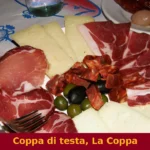
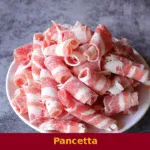
Coppa piacentina, salame piacentino and pancetta piacentina are cured meats produced in the province of Piacenza using traditional curing methods, and their presence on local tables is documented as far back as the Farnese period.
These cured meats are frequently paired with rustic bread and aged cheeses from the Apennine alpine farms.
Regarding certified products, it should be noted that the reference database does not record any DOP, IGP or PAT certifications specifically attributed to the municipality of Bobbio. However, coppa, salame and pancetta piacentina all hold DOP certification recognised at European level for the entire province of Piacenza, and are available in the town’s shops and markets.
Similarly, the hard cheeses produced on the mountain pastures of the Trebbia valley belong to a well-documented cheesemaking tradition, even in the absence of specific certified designations for the municipality itself.
The most active period for local gastronomy is autumn, when fairs and markets celebrate seasonal products such as mushrooms, chestnuts and truffles.
Porcini mushrooms from the Trebbia valley are among the most sought-after ingredients in local restaurants, and several establishments and farm-stay operations in the area feature them on seasonal menus from September through November.
Visitors coming to Bobbio in this period will find both fresh produce and artisanal preserves prepared according to local methods at the town’s markets.
Festivals, Events and Traditions of Bobbio
The religious and civic life of Bobbio revolves around two principal dates in the liturgical calendar. 23 November marks the feast day of the patron saint Columban, the Irish monk whose death in 615 AD is commemorated with religious celebrations including a solemn mass in the abbey basilica, processions through the historic centre, and the attendance of the faithful from neighbouring municipalities in the Trebbia valley. The occasion retains a strongly devotional character, with communal prayer in the crypt where the saint’s relics rest.
15 August, the feast of the Assumption, is associated with the cult of the Sanctuary of the Madonna dell’Aiuto, with Marian rites and popular participation drawing in the parishes of the surrounding territory.
Beyond the religious calendar, Bobbio hosts cultural initiatives and events during the summer months focused on the promotion of the Trebbia valley’s historical and environmental heritage.
The town participates in circuits dedicated to the historic villages of Emilia-Romagna and periodically organises events centred on the figure of Saint Columban and medieval monasticism, including conferences, exhibitions and themed guided tours.
Local popular traditions also include moments tied to the agricultural cycle, particularly the autumn festivals connected to the grape harvest and the gathering of Apennine produce, reflecting the community’s close relationship with the surrounding mountain landscape.
When to Visit Bobbio and How to Get There
The most suitable period to visit Bobbio is spring, between April and June, when temperatures in the Trebbia valley are mild and the hillside landscape is at its best. Summer — July and August — is the peak tourist season, favoured by the valley’s climate and the proximity of the Trebbia river, which attracts swimmers.
Those who prefer to avoid the crowds and are drawn by seasonal produce will find autumn, from September to November, the most rewarding time from a gastronomic perspective.
Winter is the quietest season, suited to those looking for an unhurried visit to the monuments and abbey museum without queues or overcrowding.
For up-to-date information on events and municipal services, visit the Bobbio Municipal Council website.
If you are travelling by car, the main route runs along the SS45 state road, which follows the Trebbia valley from Piacenza: from the Piacenza Sud motorway exit on the A1, the drive to Bobbio is approximately 55 kilometres. Travellers coming from Genoa take the A7 as far as Serravalle Scrivia, then cross the Ligurian-Piacenza Apennines to reach the Trebbia valley.
The nearest railway station is Piacenza, around 55 km away, from which onward travel requires a bus or private vehicle.
For those flying, the most convenient option is Milan Linate Airport, approximately 120 km from Bobbio, with connections to Piacenza and the road network leading to the Trebbia valley.
Where to Stay in Bobbio
Bobbio’s accommodation offer covers a range of categories suitable for visitors with different needs.
The town has hotels in the historic centre, bed and breakfasts in period buildings, and farm-stay properties distributed across the outlying hamlets and the surrounding Trebbia valley countryside. Some farm-stay establishments are located a few kilometres from the centre and provide direct access to the trails of the Piacenza Apennines. The summer season requires early booking, particularly for weekends in July and August when demand linked to swimming in the Trebbia reaches its peak.
Outside the peak season, availability is generally good and rates are more affordable.
Other Villages to Explore in Emilia-Romagna
Those who have visited Bobbio and want to continue exploring the historical and landscape heritage of Emilia-Romagna will find several worthwhile routes to follow.
Villanova sull’Arda, also in the province of Piacenza, is another significant stop in the Piacenza area, with a historical profile closely linked to the lordships of the Po plain. Moving towards the Bolognese hills, Casalfiumanese offers a well-preserved hill village setting within the landscape of the Bolognese Apennines.
In the same area lies Fontanelice, a small centre in the upper Santerno valley with a notably coherent historic fabric.
Those who prefer to focus on a major urban centre with a high concentration of artistic heritage can look to Bologna, the regional capital, which offers museums, medieval architecture and a gastronomic tradition ranked among the richest in Italy.
These villages and towns, united by the same region and by the continuity of historic Apennine routes, lend themselves to combined itineraries that draw out the variety of the Emilia-Romagna territory, with medieval monasticism and the Po plain lordships as a connecting thread running through each stage.
In Emilia-Romagna More villages to discover
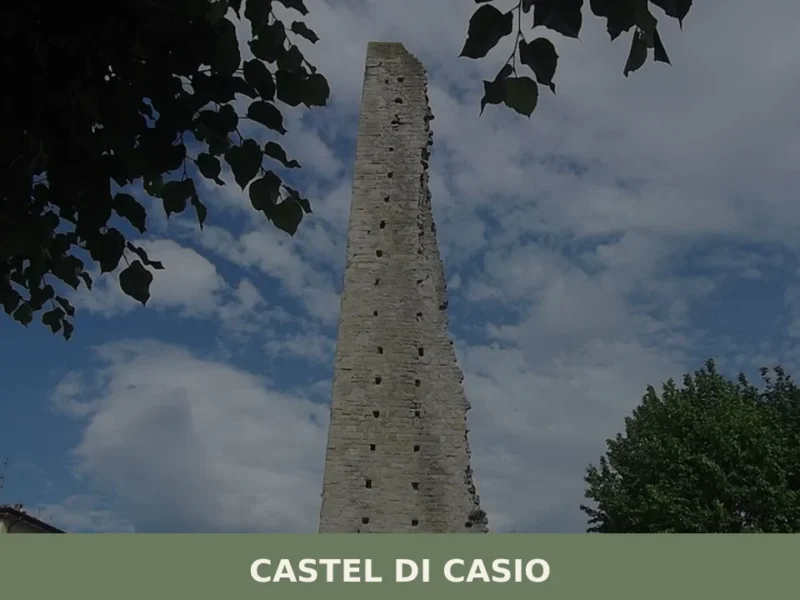
Castel di Casio
In February 1944, during the German retreat along the Gothic Line, the bridges over the Limentra di Treppio torrent were blown up one by one, cutting the territory of Castel di Casio in two. That act of destruction left a lasting mark on the collective memory of a mountain municipality that, as far back as […]
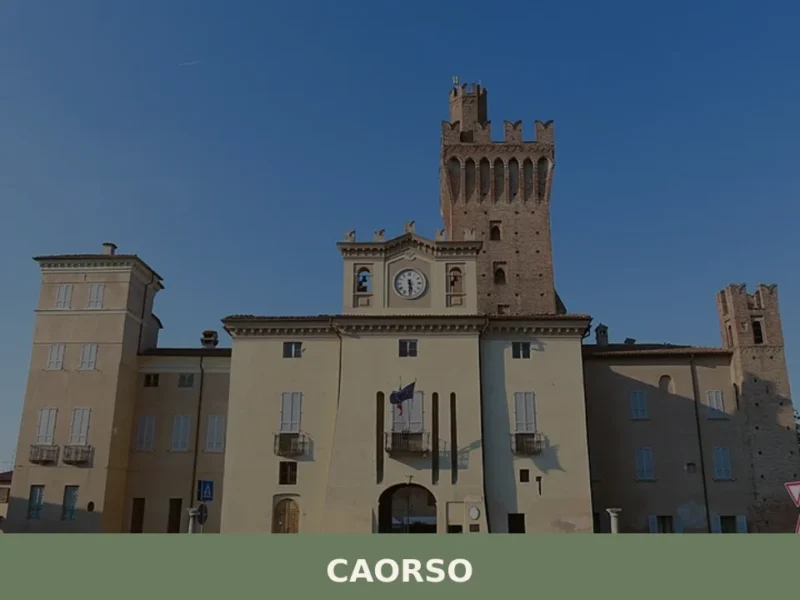
Caorso
What to see in Caorso: explore the medieval castle and the Parish Church of Santa Maria Assunta. Population 4,859, elevation 46m. Plan your visit now.
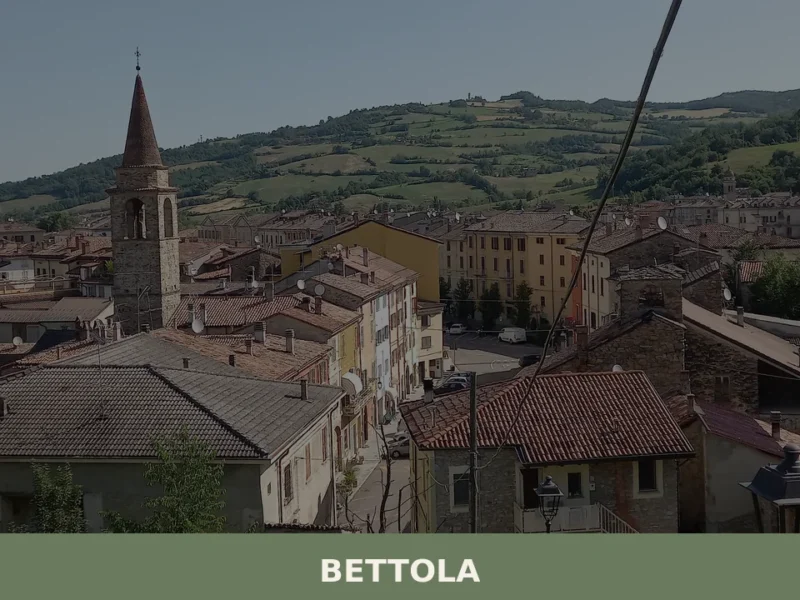
Bettola
What to see in Bettola: a Val Nure village at 329 m with 2,983 residents. Discover the Sanctuary of the Madonna della Quercia, Piacenza DOP cured meats and how to get there.
📝 Incorrect information or updates?
Help us keep the Bobbio page accurate and up to date.