


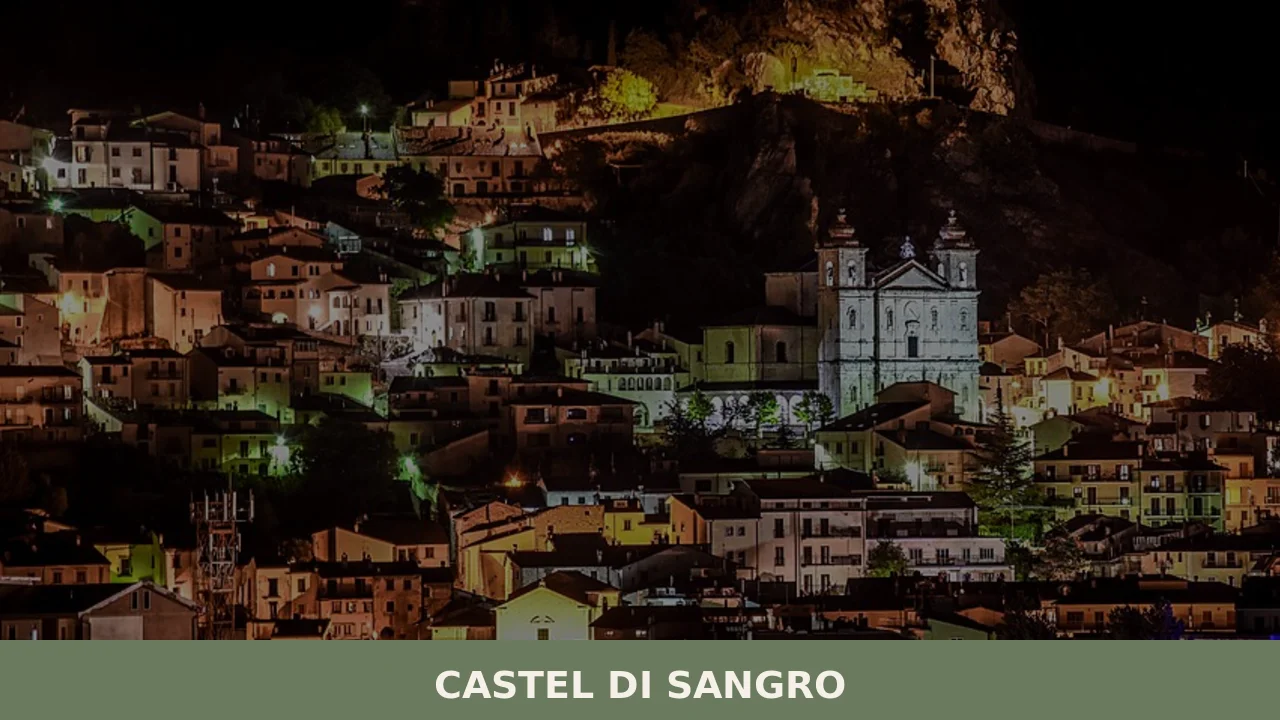
Castel di Sangro
 Mountain
At 793 metres above sea level, on the plain where the River Sangro meets the Zittola stream, Castel di Sangro occupies a strategic position that the Samnites already controlled in the 4th century BC. Today it has 6,128 inhabitants and retains an urban layout split between the upper town — the hill with the remains […]
Discover Castel di Sangro
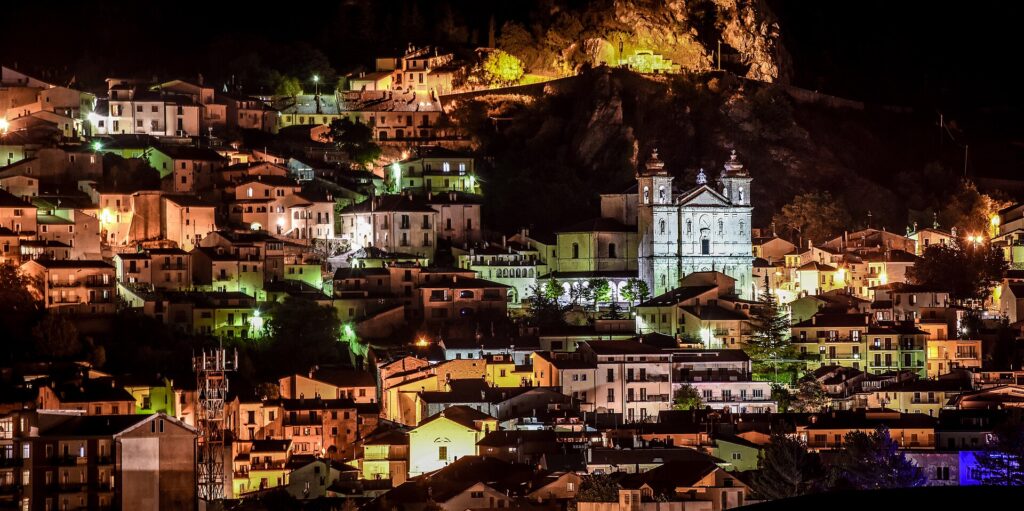
At 793 metres above sea level, on the plain where the River Sangro meets the Zittola stream, Castel di Sangro occupies a strategic position that the Samnites already controlled in the 4th century BC. Today it has 6,128 inhabitants and retains an urban layout split between the upper town — the hill with the remains of the citadel — and the lower town, which developed along the main corso. Asking yourself what to see in Castel di Sangro means moving between these two levels: the elevation of the fortress and that of the market, medieval stone and eighteenth-century travertine.
History and origins of Castel di Sangro
The earliest settlement dates back to the Samnite civilisation, as shown by the necropolises found in the Campo Consolino area. In Roman times the town took the name Aufidena and held the rank of municipium, a status confirmed by the road network linking the Adriatic side to Campania. After the fall of the Empire, the inhabited centre withdrew towards the hill, where between the 11th and 12th centuries a Norman fortification was built. The place name “Castrum Sanguinis” appears in medieval documents and reflects the connection with the watercourse that marks the valley floor.
In 1744 the Battle of Castel di Sangro, during the War of the Austrian Succession, devastated part of the town centre. But the most severe destruction came in November 1943, when the Gustav Line ran directly through this area: Allied bombing razed around 80% of the buildings to the ground. Post-war reconstruction reshaped the lower part of the town, while the upper section still bears traces of the earlier urban fabric. In 1953, the return of the episcopal see helped re-establish Castel di Sangro’s role as a reference point for the entire Alto Sangro area.
A separate chapter concerns the football interlude: between 1996 and 1998 the local team played in Serie B, an anomaly for a municipality of just a few thousand inhabitants that American writer Joe McGinniss documented in his book The Miracle of Castel di Sangro (1999). That two-year spell remains one of the most unusual episodes in Italian football history.
What to see in Castel di Sangro: the 5 main attractions
1. Basilica of Santa Maria Assunta
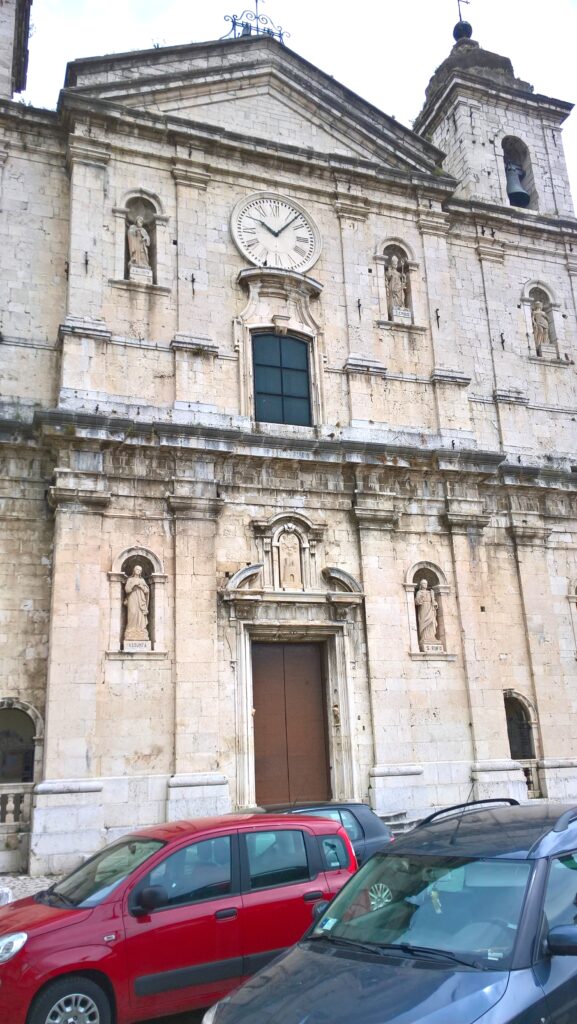
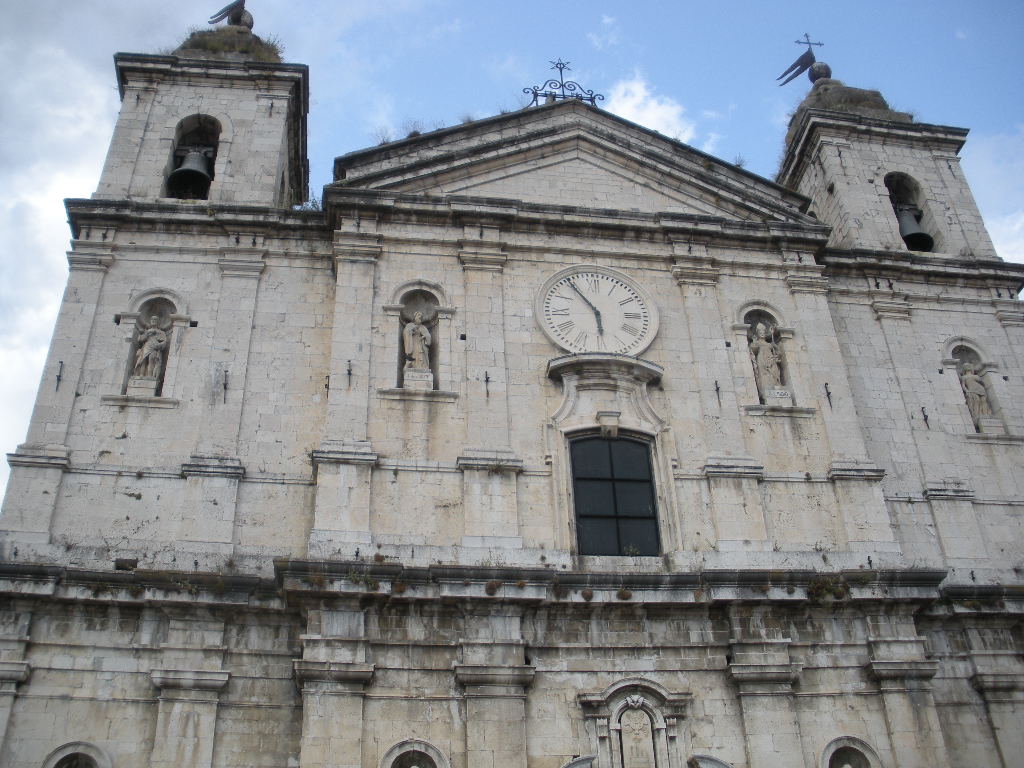
Built in the fourteenth century and reconstructed after the damage of 1943, the basilica dominates the summit of the hill. Inside it houses canvases attributed to Domenico Antonio Vaccaro and Francesco de Mura, painters of the eighteenth-century Neapolitan school. The façade features a Gothic portal that survived the bombings: a recognisable detail thanks to its pointed arch in local stone.
2. Remains of the Medieval Castle
Of the Norman fortress, partially demolished in the 18th century and further damaged in 1943, stretches of perimeter walls and the base of a circular tower remain. The position provides a vantage point over the entire Sangro plain. It can be reached on foot from the centre via a roughly fifteen-minute climb along a paved path.
3. Pinacoteca Patiniana and Museo Civico Aufidenate
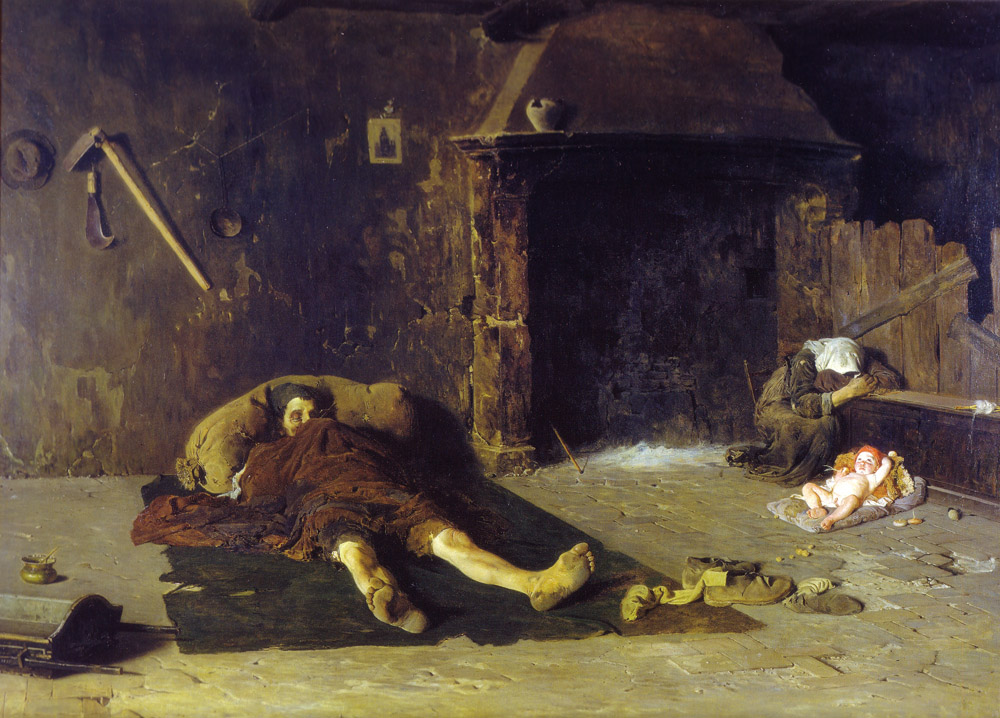
The museum holds archaeological finds from the Samnite necropolises of Aufidena — burial goods, bronzes, ceramics — and a section dedicated to the works of Teofilo Patini, a Verist painter born here in 1840. His canvases document Abruzzese peasant life with a realism that predates photographic reportage. The museum is housed in the Convent of the Maddalena.
4. Church of the Madonna del Carmine
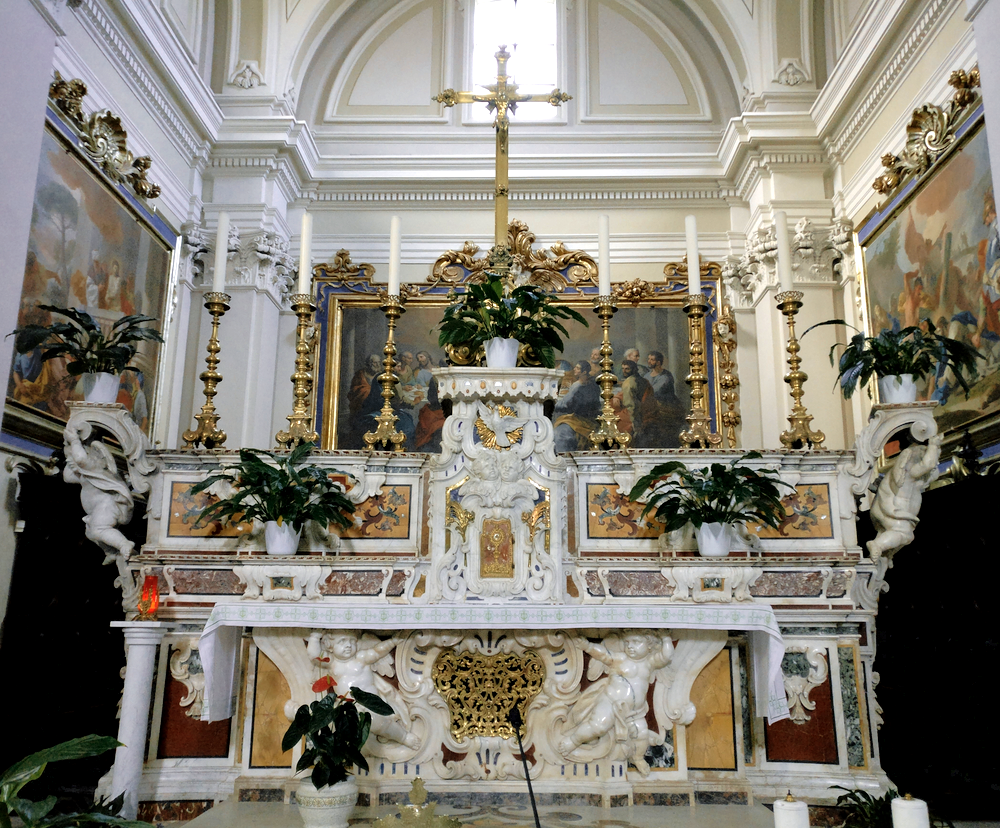
Located in the lower part of the town, it was built in the 17th century. It has a single-nave plan and a wooden coffered ceiling. The high altar in polychrome marble is the most notable feature. Compared to the basilica at the top of the hill, this church documents the seventeenth-century phase of expansion towards the valley floor.
5. Diocletian Bridge over the River Sangro
Of Roman origin — tradition links it to the Diocletianic era, late 3rd century AD — the stone bridge crosses the Sangro at the southern entrance to the town. It underwent alterations in the medieval and modern periods, but the structure of the main arches preserves the original layout. It is the point from which the relationship between the river, the plain and the fortified hill becomes clearest.
Local cuisine and regional products
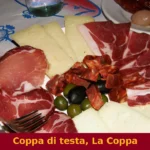
The cuisine of Castel di Sangro reflects its position as a hinge between mountainous Abruzzo and Molise. The most common dishes in the town’s restaurants are sagne e fagioli — irregular fresh pasta cooked with borlotti beans and pork rind — and arrosticini, found everywhere in the Alto Sangro but here often prepared with mature sheep meat rather than lamb, which gives a more pronounced flavour. In winter, soups made with pulses and spelt appear, particularly the so-called lenticchie di Santo Stefano di Sessanio, grown on the plateau to the north.
The area produces semi-hard sheep’s milk cheeses — pecorino aged in caves — and mountain honeys (wildflower and sulla) certified by the beekeeping operations of the Alto Sangro. The nearby area of Rivisondoli and Pescocostanzo feeds a dairy circuit that also involves Castel di Sangro as a commercial hub. Worth noting is the Fiera di San Rufo, the town’s patron saint, which in August becomes an occasion for local producers to display meats, dairy products and pulses from the area.
When to visit Castel di Sangro: the best time
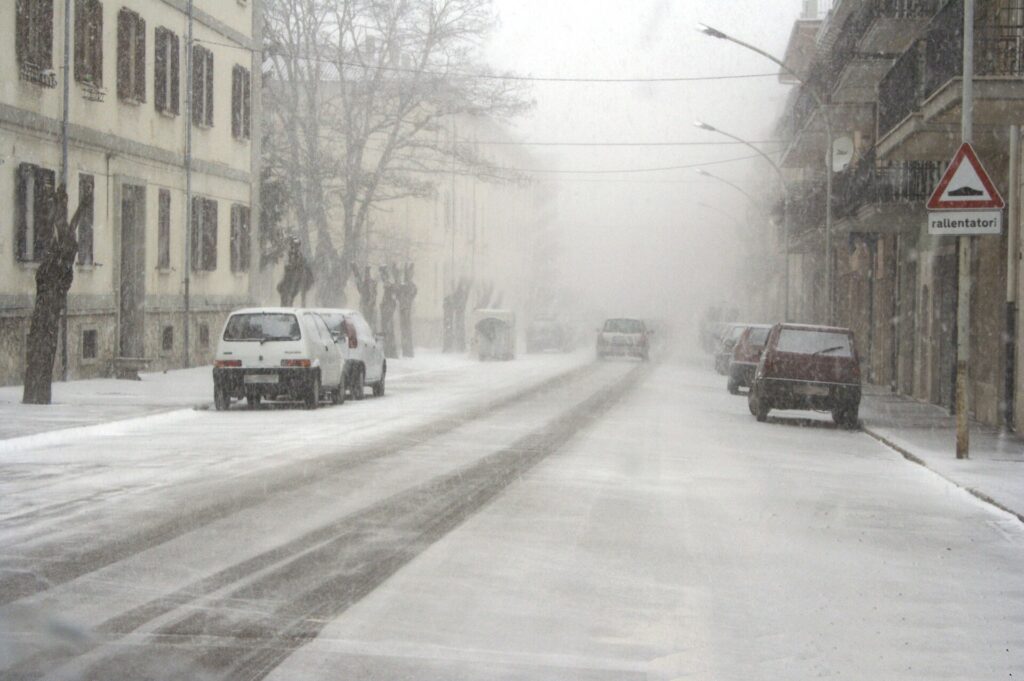
The climate is of the mountain-Apennine type: harsh winters with temperatures regularly dropping below zero between December and February, cool summers with averages of 22–24 °C in July. Snow is frequent from December to March, and the proximity of the ski resorts of Roccaraso and Rivisondoli — 10 and 15 kilometres away respectively — makes Castel di Sangro a base during the winter season.
For visiting the historic centre and the routes up the hill, the months between May and June and between September and October offer better conditions: long days, moderate temperatures, fewer crowds. On 27 August the feast of San Rufo takes place, with a procession and market, representing the moment of greatest public activity of the year. In summer, the sports centre hosts pre-season training camps for Serie A football teams, an activity that brings visitors especially during July.
How to get to Castel di Sangro
By car from Rome (around 190 km): take the A25 motorway to Pescina, then the SS 83 Marsicana to Castel di Sangro. From Naples (around 160 km): A1 motorway to San Vittore del Lazio, then the Medio Volturno dual carriageway and the SS 652 Fondovalle Sangro. From Pescara (around 110 km): A25 to the Bussi/Popoli exit, then SS 17 towards Roccaraso and Castel di Sangro.
Castel di Sangro’s railway station is served by the Sulmona–Carpinone line, a single-track railway with few daily services but notable for its scenery: it crosses the Cinquemiglia plateau and is considered one of the highest railway lines in peninsular Italy. The nearest airport is Abruzzo Airport in Pescara (around 120 km), followed by Rome Fiumicino (around 220 km).
Other villages to visit in Abruzzo
Travelling through the Alto Sangro towards the south-east, in roughly forty minutes by car you reach Castiglione Messer Marino, a town at 1,079 metres that marks the transition between Abruzzo and the Trigno valleys, in the province of Chieti. The village preserves the church of San Giovanni and a compact historic centre, visible from the provincial road climbing up from the valley. It is an excursion that allows you to compare two different settlement models: Castel di Sangro on the river plain, Castiglione on a windswept ridge.
Heading north, following the Pescara valley for around ninety kilometres, you come to Bolognano, in the province of Pescara. The village overlooks the Valle dell’Orta nature reserve, where limestone gorges reach vertical walls of over one hundred metres. Its connection with the German artist Joseph Beuys, who stayed there in the 1970s, has given the village an unusual cultural dimension for a settlement of just a few hundred inhabitants. Placing these two territories side by side — the Alto Sangro plateau and the gorges of the eastern Majella — conveys the geological variety of inland Abruzzo better than any map.
Frequently asked questions about Castel di Sangro
What is the best time to visit Castel di Sangro?
May–June and September–October offer the best conditions for exploring the historic centre and the hill routes: mild temperatures, long daylight hours and thin crowds. Winter (December–March) attracts skiers using Castel di Sangro as a base for the nearby resorts of Roccaraso (10 km) and Rivisondoli (15 km). The year's most animated public moment is 27 August, the feast of San Rufo, patron saint of the town, with a procession and a local-produce market. July brings additional visitors when Serie A clubs hold pre-season training camps at the sports centre.
What are the historical origins of Castel di Sangro?
The site was already inhabited by the Samnites in the 4th century BC, as confirmed by necropolises at Campo Consolino. In Roman times it became the municipium of Aufidena, integrated into the road network linking the Adriatic coast to Campania. Norman lords built a fortification on the hill between the 11th and 12th centuries, and medieval documents record the place name 'Castrum Sanguinis'. The town suffered devastation in the 1744 Battle of Castel di Sangro and again in November 1943, when Allied bombing during the Gustav Line campaign destroyed roughly 80% of its buildings.
What to see in Castel di Sangro? Main monuments and landmarks
The five key sites are: the Basilica of Santa Maria Assunta on the hilltop, with its surviving Gothic portal and Neapolitan Baroque canvases; the remains of the Norman castle, reachable by a 15-minute paved path offering panoramic views over the Sangro plain; the Museo Civico Aufidenate and Pinacoteca Patiniana in the Convent of the Maddalena, housing Samnite finds and Verist paintings by Teofilo Patini; the 17th-century Church of the Madonna del Carmine with its polychrome marble altar; and the Diocletian Bridge, a Roman-origin stone bridge at the town's southern entrance.
What are the main natural or scenic attractions around Castel di Sangro?
Castel di Sangro sits on the Cinquemiglia plateau, surrounded by Apennine peaks that form part of the broader Alto Sangro landscape. The Roccaraso–Rivisondoli ski area begins just 10–15 km away, offering winter sports and summer hiking. The Sangro river valley provides walking routes along the valley floor. The scenic single-track Sulmona–Carpinone railway, one of the highest in peninsular Italy, crosses the plateau and is itself considered a landscape attraction, passing through mountains and highland meadows.
Where to take the best photos in Castel di Sangro?
Three spots stand out for photography. The summit of the hill near the castle remains gives a sweeping view of the entire Sangro plain and the surrounding Apennines. The Gothic portal of the Basilica of Santa Maria Assunta, with its pointed arch in local stone, offers a striking architectural detail in sharp contrast to the reconstructed façade. The Diocletian Bridge at the southern entrance frames the river, the flat valley and the fortified hill in a single composition that illustrates the town's geography clearly.
Are there museums or historic buildings to visit in Castel di Sangro?
The Museo Civico Aufidenate, housed in the Convent of the Maddalena, combines two collections: Samnite archaeological material from the necropolises of Aufidena — burial goods, bronzes and ceramics — and the Pinacoteca Patiniana, dedicated to Teofilo Patini (1840–1906), a Verist painter born in Castel di Sangro whose large canvases document 19th-century Abruzzese peasant life. For current opening hours and admission fees, check directly with the Comune di Castel di Sangro or the local tourist office, as schedules vary seasonally.
What can you do in Castel di Sangro? Activities and experiences
In winter, the town serves as a comfortable base for skiing at Roccaraso and Rivisondoli (10–15 km). In summer, the Apennine surroundings support hiking along the Sangro valley and the Cinquemiglia plateau. Food-and-wine experiences include visiting local restaurants for sagne e fagioli and arrosticini, and attending the Fiera di San Rufo on 27 August, where producers display mountain cheeses, meats and pulses. Football enthusiasts visit in July when top Italian clubs conduct pre-season training camps at the town's sports centre, a tradition that draws dedicated supporters.
Who is Castel di Sangro suitable for? Families, couples, hikers, solo travellers?
Castel di Sangro suits a broad range of visitors. Skiers and winter-sports enthusiasts find it a well-connected, less expensive base than the resort villages of Roccaraso and Rivisondoli. Hikers and nature lovers benefit from the Apennine surroundings in spring and autumn. Culture-oriented travellers — including those interested in archaeology, Verist painting or Italian football history — find specific, documented content across the Museo Civico, the hilltop basilica and the town's unusual Serie B story. The moderate size and mountain setting also make it accessible for couples or solo travellers seeking a quiet inland Abruzzo experience.
What to eat in Castel di Sangro? Local products and specialties
The local table centres on mountain Abruzzese staples. Sagne e fagioli — rough fresh pasta with borlotti beans and pork rind — is the most traditional dish. Arrosticini here are often made with mature sheep meat rather than lamb, giving a stronger flavour. Winter menus feature pulse and spelt soups, sometimes using lenticchie di Santo Stefano di Sessanio from the nearby plateau. Local shops and the Fiera di San Rufo offer cave-aged pecorino, mountain wildflower and sulla honeys from Alto Sangro beekeepers, and cured meats from the surrounding dairy and livestock circuit of Rivisondoli and Pescocostanzo.
📷 Photo Gallery — Castel di Sangro
Nearby Villages near Castel di Sangro
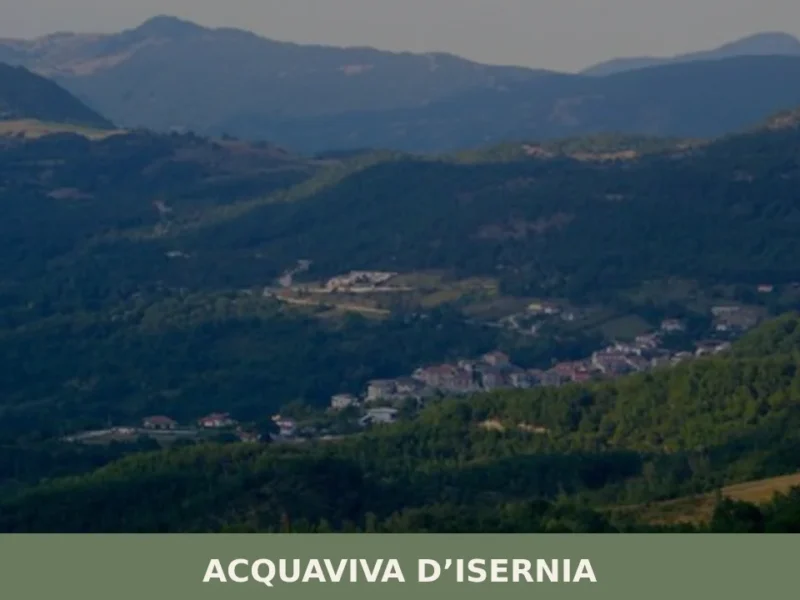
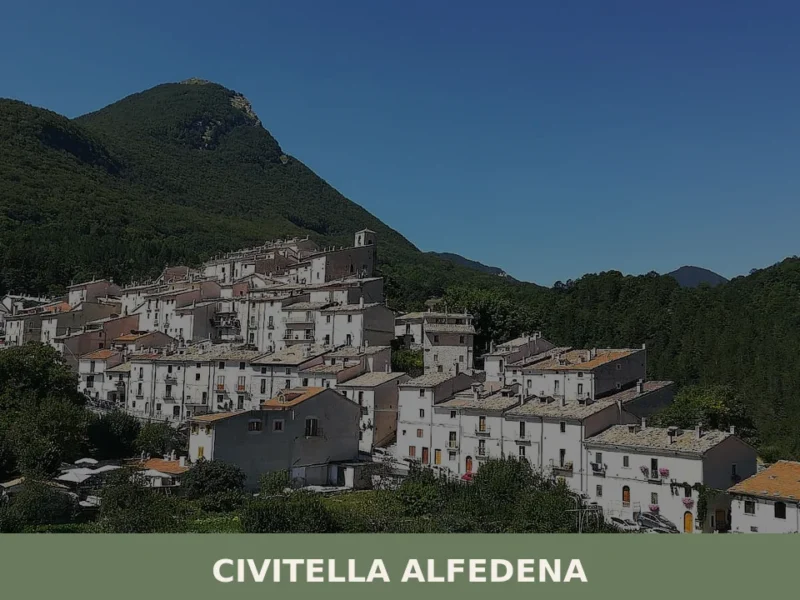
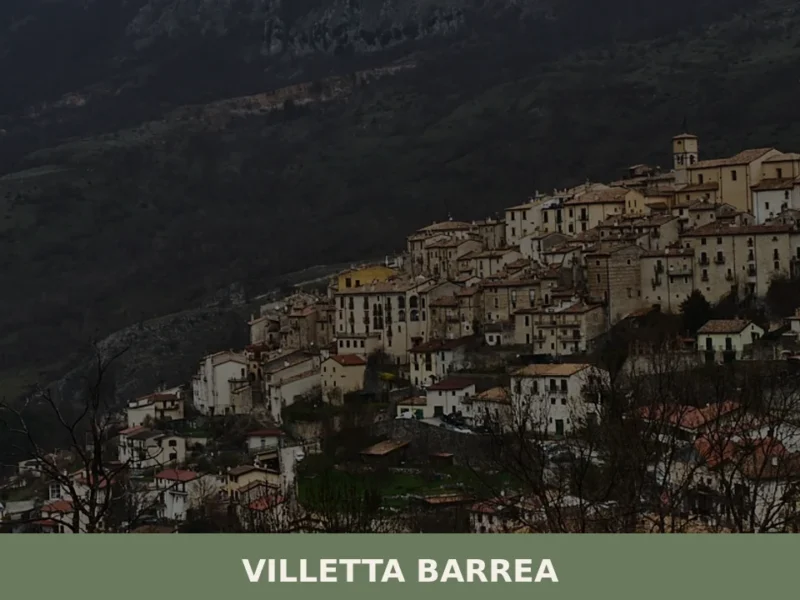
In Abruzzo More villages to discover
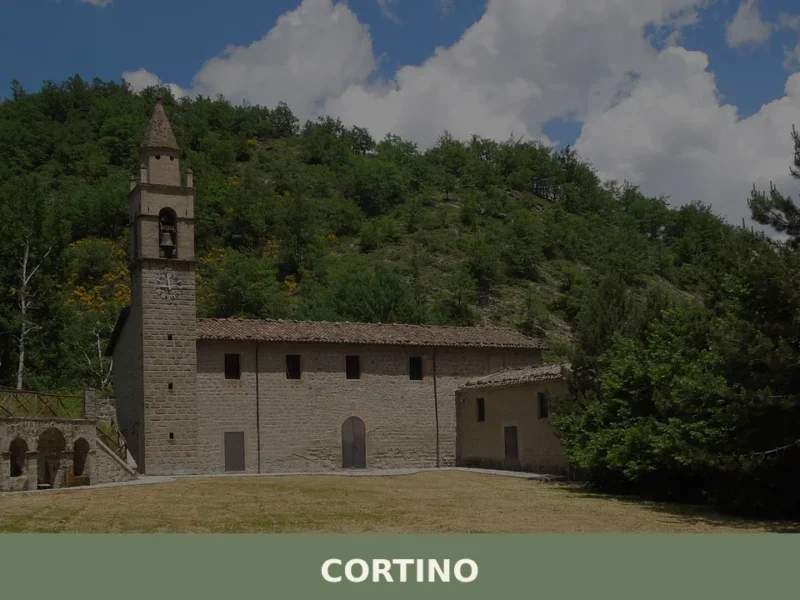
Cortino
Mountain
Explore Cortino, a charming mountain village in Abruzzo, Italy. Discover its rich history, stunning landscapes, and authentic Italian culture off the beaten path.
Cugnoli
 Hills
Hills
At 331 meters above sea level, in the heart of the province of Pescara, lies Cugnoli, a settlement of 1,336 residents known for its hilly location. The village, whose history dates back to Roman times, as suggested by the etymology of its name (probably from Cunula, meaning small cradle or basin), offers a direct experience […]
Taranta Peligna
Mountain
What to see in Taranta Peligna, Italy: explore the Maiella mountains from this village of 384 inhabitants. Discover Cavallone Cave and the Military Shrine. Read more.
Fara Filiorum Petri
Hills
Fara Filiorum Petri, a municipality in the province of Chieti with 1,942 inhabitants, stands at 227 meters above sea level. The toponym itself, of complex origin, suggests historical layering: “Fara” refers to Lombard settlements, while “Filiorum Petri” is linked to the feudal family of Filiorum Petri, who held control in subsequent eras. This duality names […]
Castelguidone
Mountain
Castelguidone has 294 inhabitants and occupies a ridge at 775 metres above sea level in the upper Trigno valley, on the border between Abruzzo and Molise. The place name, documented in Angevin records from the 13th century, points to a fortified settlement linked to a feudal lord named Guidone. Anyone looking for what to see […]
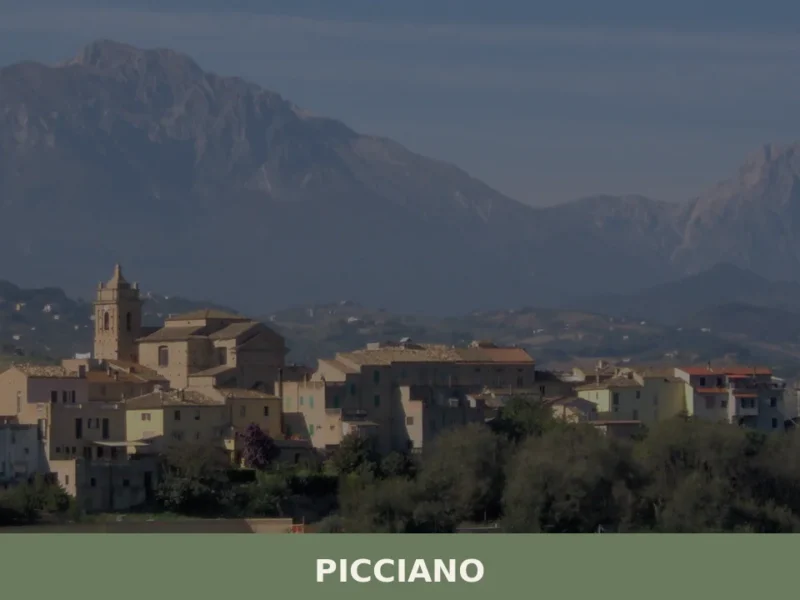
Picciano
Hills
What to see in Picciano, Italy: Discover the historical village of Picciano (population 1,398). Explore its early medieval origins and panoramic Abruzzo views.
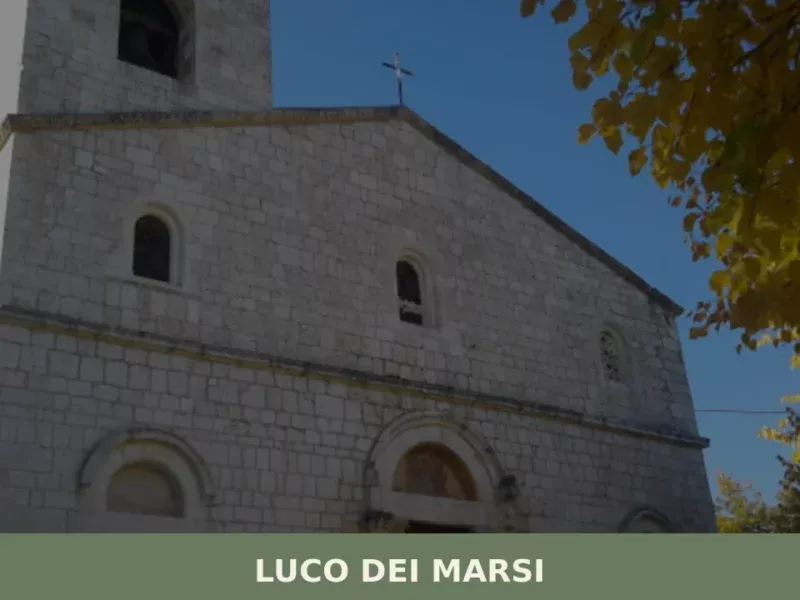
Luco dei Marsi
Mountain
At 680 metres above sea level, on the eastern edge of what until 1875 was the surface of Lake Fucino — the largest lake in peninsular Italy, drained by Prince Alessandro Torlonia — stands Luco dei Marsi, a municipality of 5,857 inhabitants in the province of L’Aquila. The plain that today stretches as far as […]
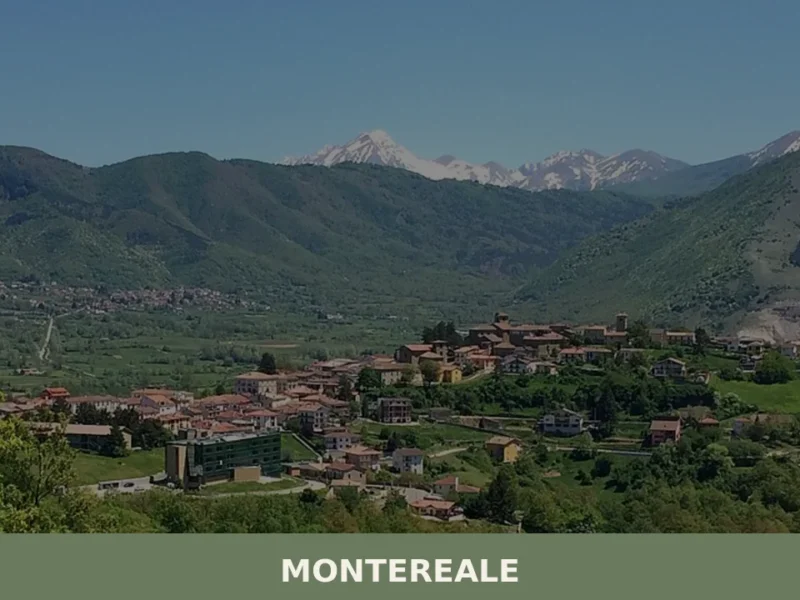
Montereale
Mountain
What to see in Montereale in Abruzzo: Romanesque churches, medieval walls, mountain cuisine and Laga trails. Complete guide to the village at 948 m.
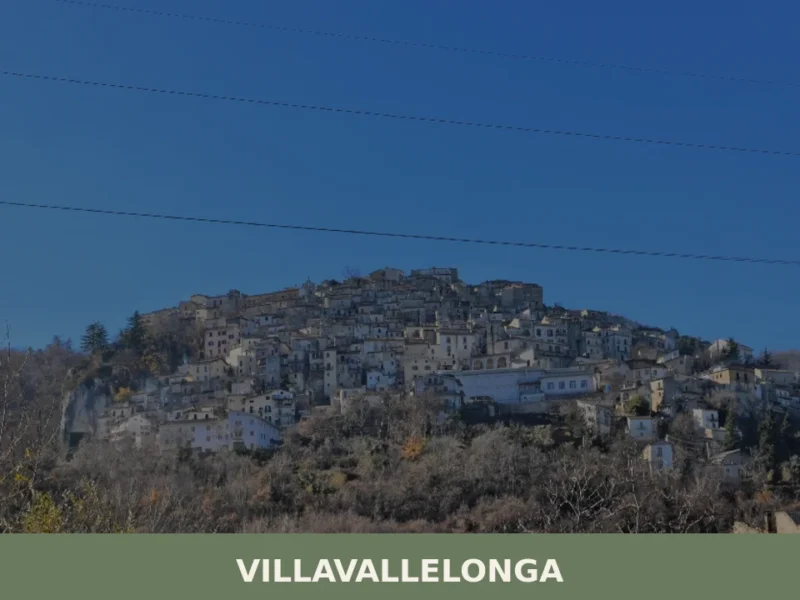
Villavallelonga
Mountain
What to see in Villavallelonga, Italy: explore the national park, botanical garden and 927-inhabitant village of Abruzzo. Discover top attractions and travel tips.
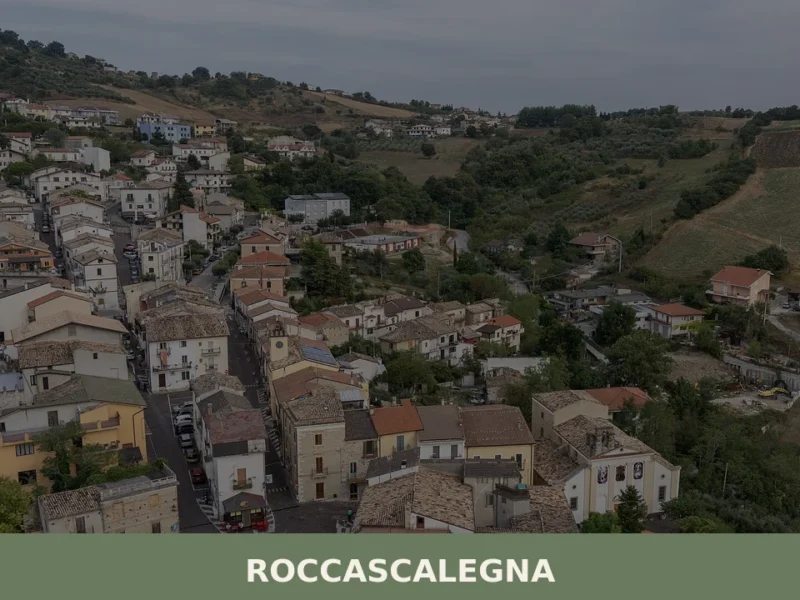
Roccascalegna
Hills
What to see in Roccascalegna, Abruzzo, Italy: castle, abbey, medieval village and 1,263 inhabitants. Discover top attractions, food and travel tips.


🏡 Know Castel di Sangro better than we do?
If you’re a local or have been there, your knowledge matters: add what’s missing or fix a detail on this page.