


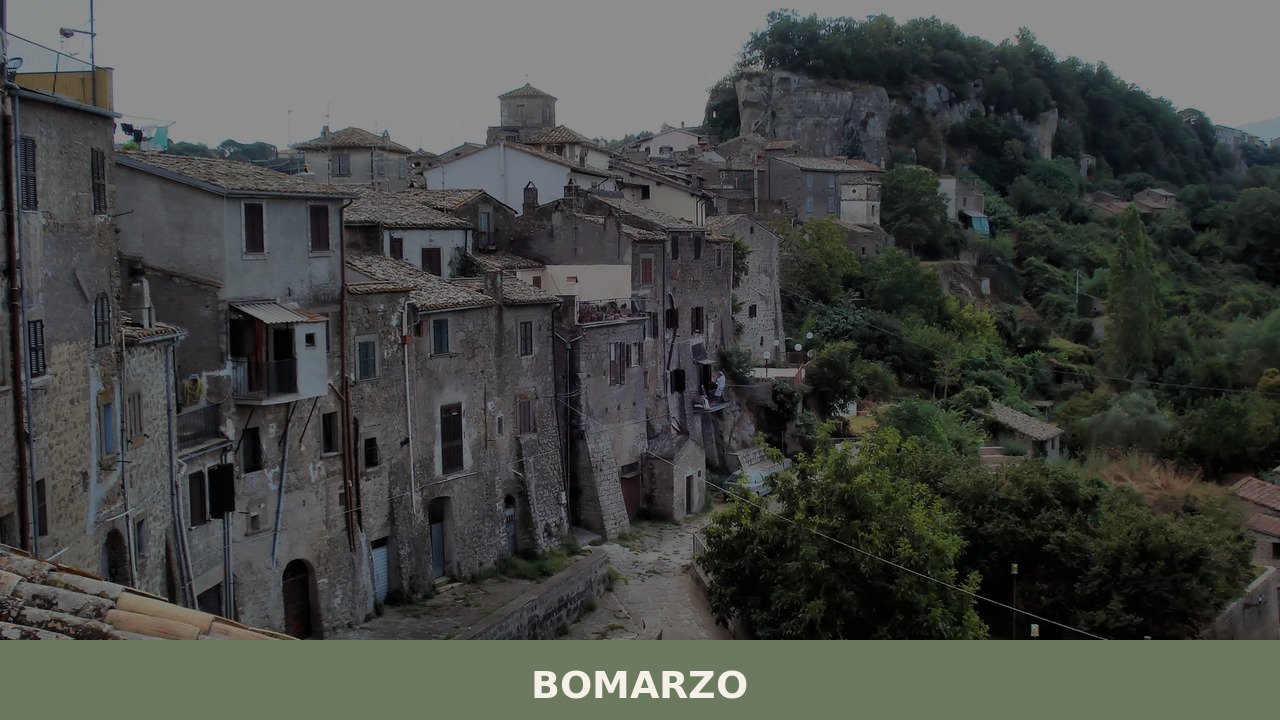
Bomarzo
A tufa-carved village of 1,674 inhabitants in northern Lazio, Bomarzo hides Renaissance monsters, Etruscan ruins, and one of Italy’s most unsettling gardens.
Discover Bomarzo
Morning light catches the volcanic tufa cliffs first, turning them the colour of raw honey before the rest of the village stirs. A rooster calls from somewhere behind the Palazzo Orsini, and the narrow streets of Bomarzo — home to just 1,674 residents — remain almost silent. Sitting at 263 metres above sea level in the province of Viterbo, this is a place where Renaissance imagination collided with ancient stone. Knowing what to see in Bomarzo means looking beyond the famous monster park and into a layered, idiosyncratic settlement that has never quite conformed to expectations.
History of Bomarzo
Bomarzo’s origins reach back to the Etruscans, who carved tombs and sacred spaces into the tufa plateaus that define this stretch of northern Lazio. The Romans knew the settlement as Polimartium, a name likely derived from the worship of Mars. After the fall of Rome, it passed through the hands of Lombard lords and papal administrators, enduring the familiar cycle of siege, plague, and slow rebuilding that marked central Italian hill towns throughout the medieval centuries.
The name “Bomarzo” itself evolved gradually from “Polimartium” through medieval corruptions — Polymartium, Balmartium, Balmarzo, and finally Bomarzo. The village’s most consequential era began in the sixteenth century under the Orsini family, one of Rome’s most powerful noble dynasties. It was Pier Francesco “Vicino” Orsini, a condottiero who had survived years of war and imprisonment, who commissioned the Sacro Bosco — the so-called Park of Monsters — between 1552 and 1585. The project was unlike anything else produced during the Italian Renaissance: not a garden of geometric order, but a landscape of deliberate disorientation, populated by colossal stone figures carved directly from the native rock.
After Vicino’s death, the park and the village itself fell into obscurity. The Sacro Bosco was swallowed by vegetation for centuries, rediscovered and partially restored only in the twentieth century after the interest of Salvador Dalí and other artists drew international attention. Today, the Orsini legacy is visible everywhere — in the palazzo that dominates the village skyline, in the coat of arms carved above doorways, and in the sheer strangeness of the park below.
What to see in Bomarzo: 5 must-visit attractions
1. Sacro Bosco (Park of Monsters)
Vicino Orsini’s garden of grotesque sculptures remains the primary reason visitors find Bomarzo. Giant figures — a war elephant lifting a Roman soldier, a colossal head with a gaping mouth large enough to walk into, a leaning house built at an intentional angle — are carved from moss-covered peperino rock scattered across a wooded valley. It is not a conventional garden but a philosophical puzzle, designed to “make the heart tremble.” The park charges an entry fee and is open year-round.
2. Palazzo Orsini
Rising above the village centre, this fortress-turned-palace was the seat of the Orsini lords for centuries. Its square tower and Renaissance-era modifications are visible from nearly every point in Bomarzo. The building anchors the upper village, its walls of dark tufa forming a stark silhouette against the Tiber valley beyond. Portions of the interior have hosted cultural exhibitions in recent years.
3. Church of Santa Maria Assunta
This parish church, positioned prominently in the historic centre, features a Romanesque bell tower and interior elements spanning several centuries. A carved stone doorway frames the entrance, and inside, fragments of earlier frescoes appear on the walls. The church serves as the main place of worship for Bomarzo’s small community and remains a functioning parish rather than a museum piece.
4. Church of Sant’Anselmo
Smaller and quieter than Santa Maria Assunta, the church dedicated to Sant’Anselmo sits along one of the village’s narrow climbing streets. Its simple stone façade is characteristic of the austere religious architecture found across the Viterbo province. The building’s proportions and materials connect it to the medieval period of Bomarzo’s development, when the village was a compact defensive settlement.
5. The Etruscan Pyramid (Sasso del Predicatore)
In the wooded terrain below Bomarzo, a carved rock formation known locally as the “Sasso del Predicatore” — the Preacher’s Stone — takes the shape of a rough pyramid with steps and channels cut into its surface. Its precise function remains debated: ritual altar, boundary marker, or funerary monument. The structure is evidence of the deep Etruscan presence in this landscape and can be reached on foot via a marked trail.
Local food and typical products
Bomarzo’s cuisine belongs firmly to the robust, land-based traditions of the Tuscia region. Olive oil — often from small-scale groves on the surrounding hillsides — is the foundation of most dishes. Wild boar (cinghiale) appears in ragù sauces served over hand-cut pappardelle. Chestnuts, hazelnuts, and porcini mushrooms are foraged seasonally from the forests that edge the village. Bruschetta here means thick slices of unsalted bread rubbed with garlic and drenched in freshly pressed oil, often served as a starter alongside local cured meats and pecorino cheese.
The province of Viterbo is also known for its lentils, particularly those grown near the lake district to the north, and for Tuscia DOP extra virgin olive oil, which carries a protected designation of origin. In Bomarzo itself, a handful of trattorias and agriturismi serve seasonal menus — expect dishes built around whatever the land offers that week. The local white wine, made from Trebbiano and Malvasia grapes, is typically light and meant for drinking young.
Best time to visit Bomarzo
Spring — late March through May — is the most rewarding season. Temperatures are moderate, the tufa stone radiates warmth without the oppressive heat of July and August, and the vegetation in the Sacro Bosco is vivid with new growth, which intensifies the contrast between green foliage and grey rock. Autumn, particularly October and early November, offers a second window: fewer visitors, amber light through the chestnut trees, and the smell of woodsmoke drifting from the village. Summer brings full tourist traffic to the Park of Monsters; weekday mornings remain the quietest time to visit. Winters are cool and damp, and while the park stays open, some village restaurants may operate on reduced hours.
Local festivals punctuate the calendar. The village celebrates its patron saint with a traditional festa, and seasonal food events — sagre — take place in the warmer months across the Viterbo province. Checking the official municipality website before a visit is worth the effort for updated event dates and park opening times.
How to get to Bomarzo
Bomarzo lies approximately 100 kilometres north of Rome and 20 kilometres east of Viterbo. By car from Rome, take the A1 motorway (Autostrada del Sole) northbound and exit at Attigliano, then follow the SS204 for roughly 10 kilometres to the village. From Viterbo, the drive takes about 30 minutes via the SP5.
The nearest train station is Attigliano-Bomarzo, served by regional trains on the Rome–Florence line operated by Trenitalia. From the station, Bomarzo is about 7 kilometres — reachable by local bus or taxi, though services are infrequent and a car is the most practical option. The nearest airports are Rome Fiumicino (FCO), approximately 130 kilometres to the south, and Rome Ciampino (CIA), at a similar distance. For those flying into Perugia’s San Francesco d’Assisi airport, Bomarzo is roughly 90 kilometres to the south-west.
More villages to discover in Lazio
The territory around Bomarzo is dense with settlements that reward unhurried exploration. To the west, Vitorchiano sits on its own dramatic tufa spur, its medieval quarter remarkably intact and its peperino stone quarries still active. The village’s connection to the stone-carving traditions of this area makes it a natural companion to any visit to Bomarzo — the same raw material, shaped toward very different ends.
Further south, toward the border with Umbria, the volcanic landscape gives way to lake country and gentler contours. Soriano nel Cimino, backed by the chestnut forests of Monte Cimino, offers a towering Papal fortress and an October chestnut festival that draws crowds from across the region. Together, these villages and Bomarzo form a circuit through a part of Lazio that remains, for now, outside the heavy traffic of mainstream Italian tourism — a landscape shaped by volcanic geology, Etruscan ritual, and centuries of quiet persistence.
Nearby Villages near Bomarzo
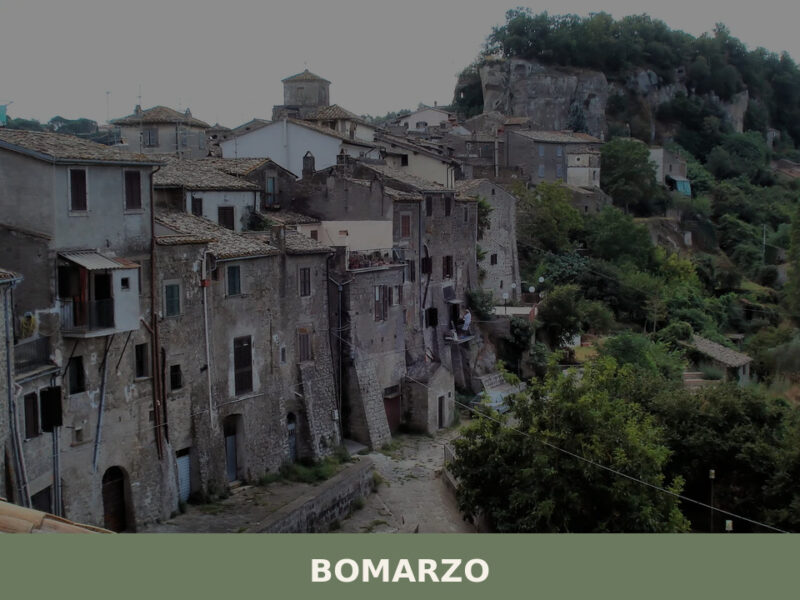
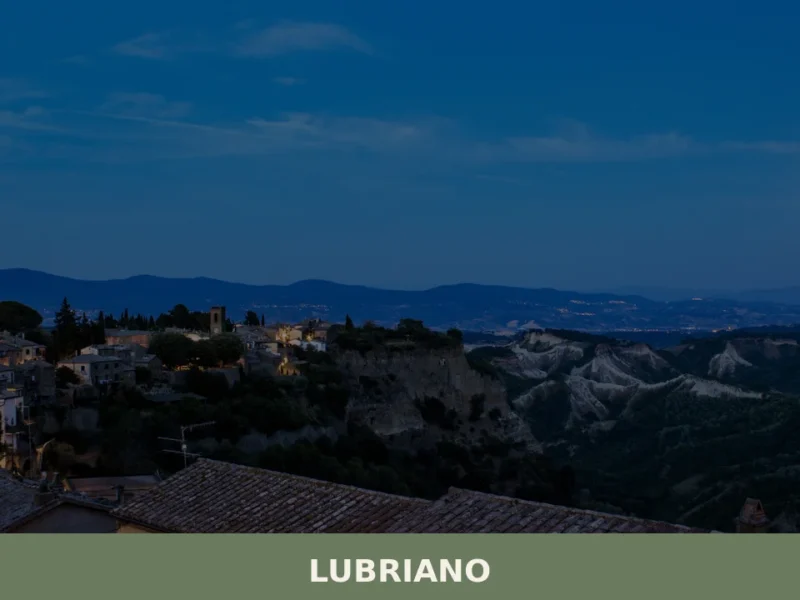
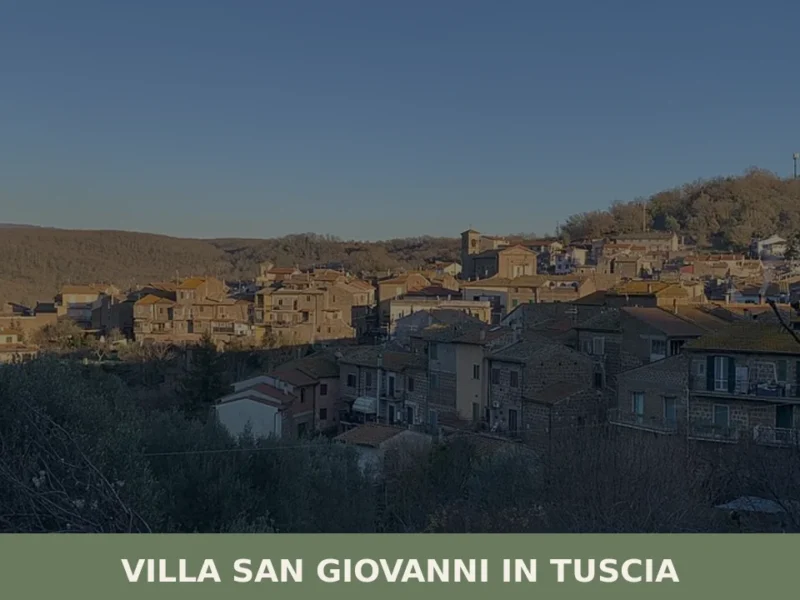
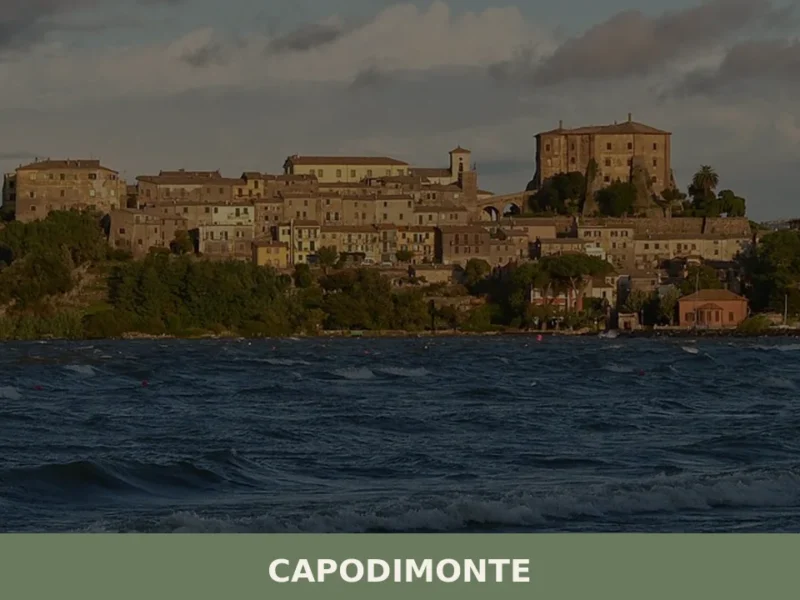
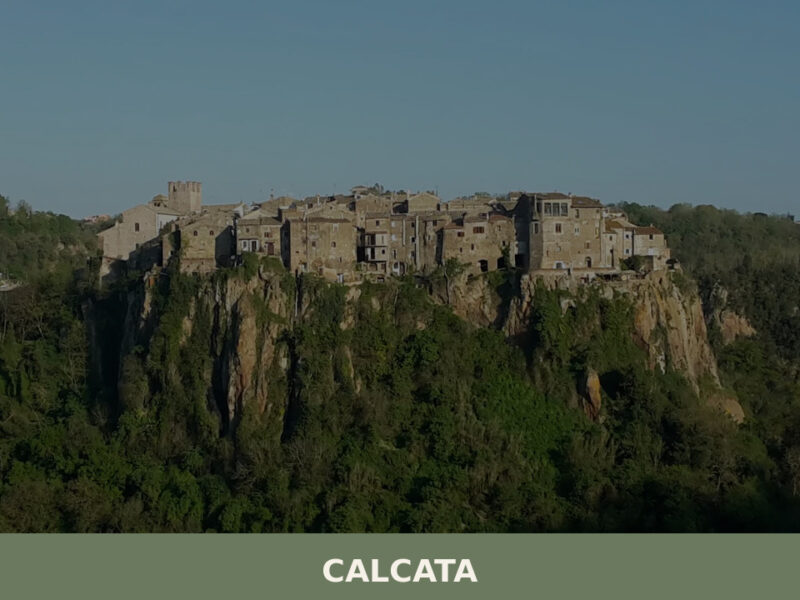
In Lazio More villages to discover
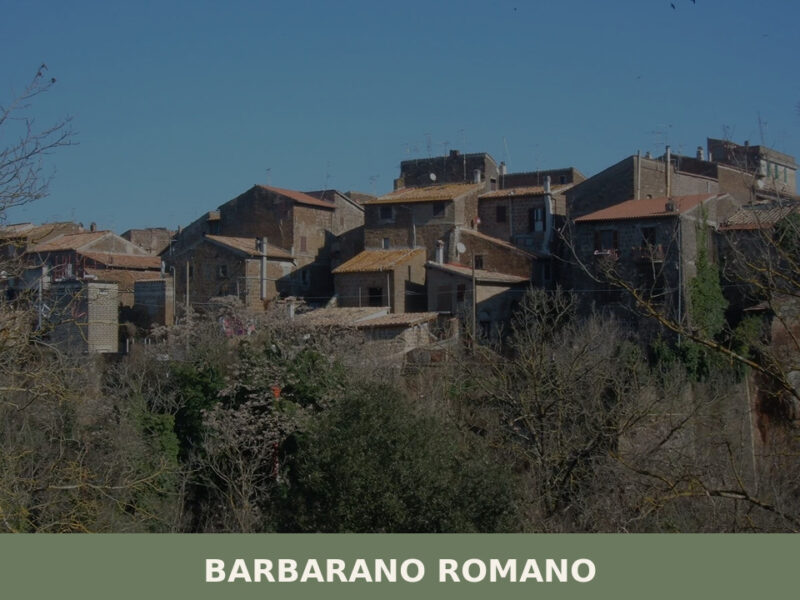
Barbarano Romano
Morning light catches the volcanic tufa in shades of ochre and rust, and the only sound rising from the gorge below is the intermittent call of a jay echoing off ancient rock. Barbarano Romano sits on a plateau in the province of Viterbo, a settlement of barely a thousand souls whose streets still follow the […]
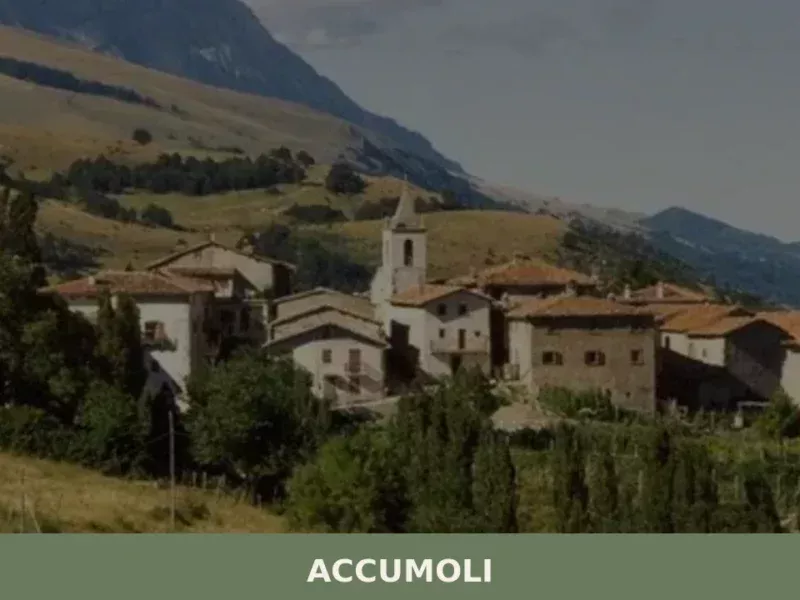
Accumoli
A chill, thin air descends with the late afternoon sun, drawing long shadows across the uneven cobblestones of the piazza. The scent of woodsmoke, faint but persistent, mingles with the dry fragrance of ancient stone. At 855 meters above sea level, the village of Accumoli, nestled within the Rieti province of Lazio, feels like a […]
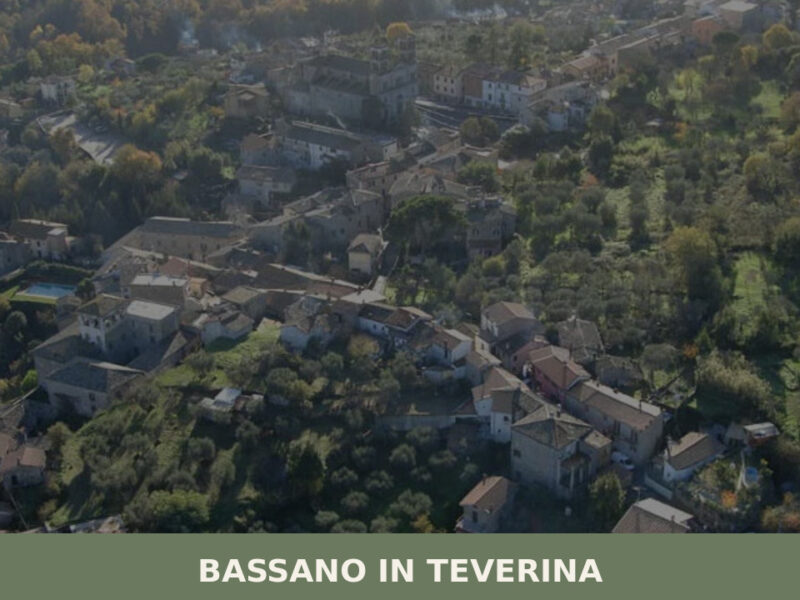
Bassano in Teverina
Standing at 304 metres above sea level, with a population of 1,260, Bassano in Teverina occupies a tuff plateau overlooking the Tiber valley in the province of Viterbo. The village owes the second part of its name to the river that flows just a few kilometres to the east — a geographical reference that distinguishes […]

📝 Incorrect information or updates?
Help us keep the Bomarzo page accurate and up to date.