


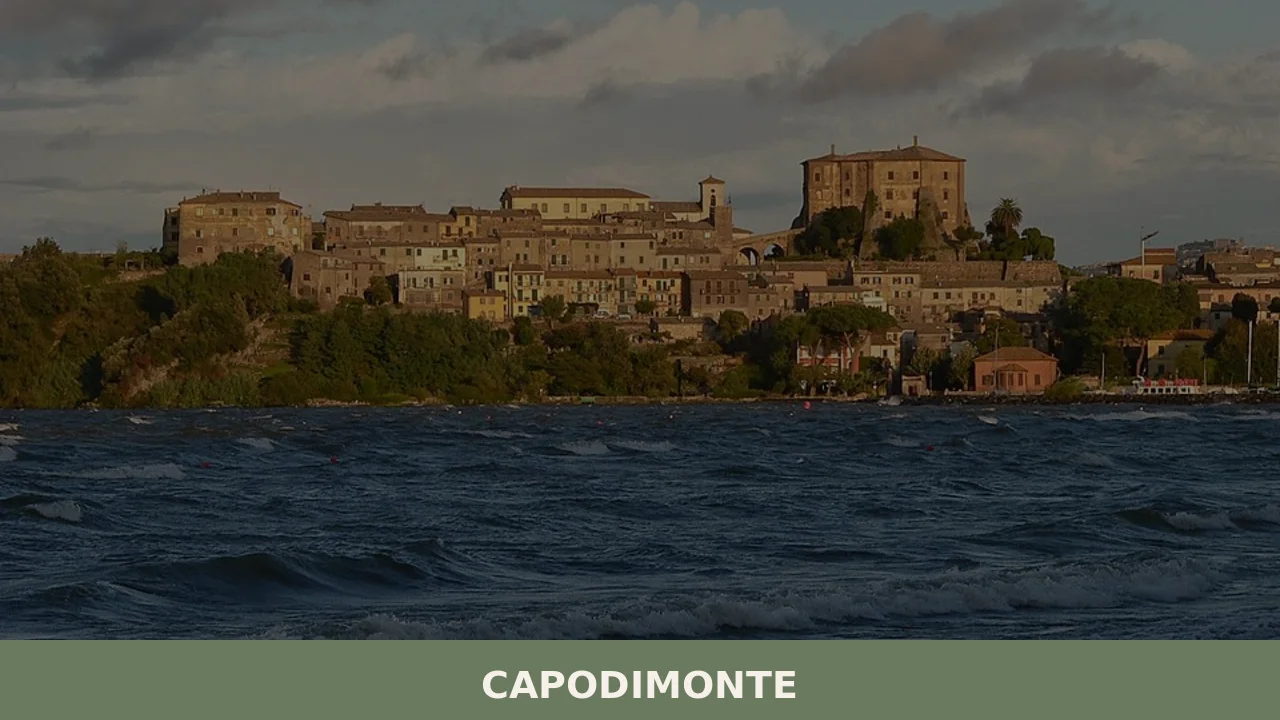
Capodimonte
 Hills
Hills
 Lake
Lake
What to see in Capodimonte, Italy: Discover this village of 1,667 inhabitants on Lake Bolsena’s shore. Explore its unique headland and historic core. Read our guide!
Discover Capodimonte
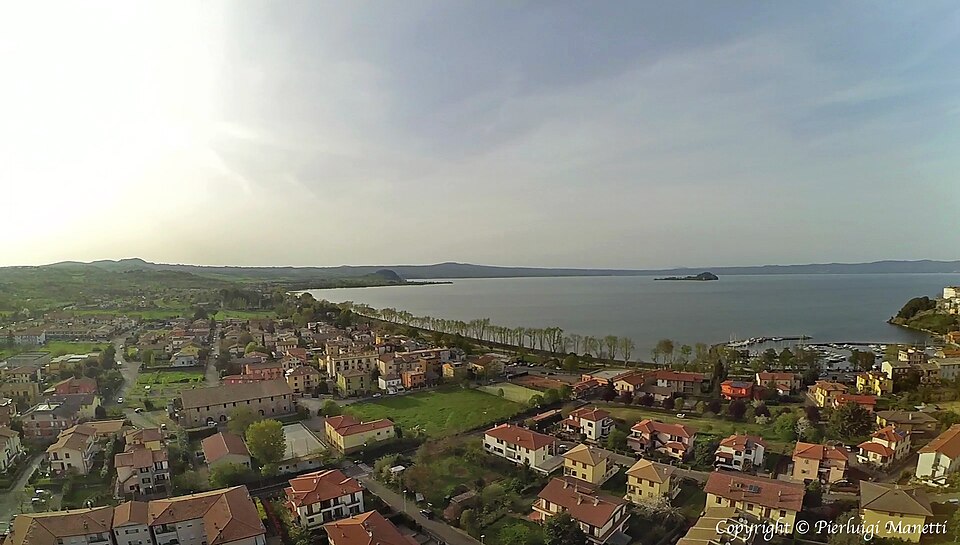
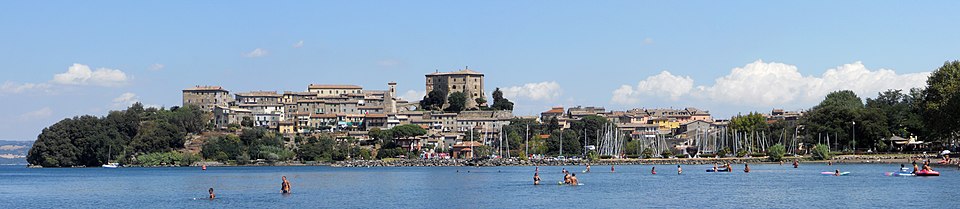
Capodimonte, a comune (municipality) in the Viterbo province of Lazio, distinguishes itself on the southwestern shore of Lake Bolsena with a prominent headland. This geological feature sets it apart from other lakeside communities, providing a natural sheltered harbor. The village itself rises to an altitude of 334 meters (1,096 ft) above sea level, offering varied perspectives of the expansive volcanic lake and surrounding landscape.
For those planning what to see in Capodimonte, the village offers a blend of natural beauty and historical character, with 1,667 inhabitants maintaining its tranquil atmosphere.
Visitors to Capodimonte find a unique headland extending into Lake Bolsena and a functional sheltered harbor that serves as a focal point for local life. The Capodimonte highlights include exploring the waterfront area and appreciating the elevated views from the village’s historic core.
History of Capodimonte
Capodimonte’s history is intrinsically linked to its strategic position on Lake Bolsena and within the broader Lazio region. While specific founding dates are not detailed in available records, the presence of a natural headland and a sheltered harbor suggests a long-standing human settlement, likely attracting communities seeking refuge and trade opportunities across the lake.
The village’s status as a comune in the Province of Viterbo places it within an area rich with Etruscan and Roman heritage, although direct evidence of these eras within Capodimonte itself is not provided by the sources.
The development of Capodimonte through the centuries would have been shaped by its access to the lake, which historically served as a vital waterway for transport and commerce. Its location approximately 90 kilometers (56 mi) northwest of Rome and 20 kilometers (12 mi) northwest of Viterbo positioned it along historical routes connecting major centers of power and influence. The political and economic shifts of the medieval and Renaissance periods in central Italy undoubtedly impacted the village, influencing its architecture and social structures.
In modern times, Capodimonte has maintained its identity as a lakeside community, with its population recorded at 1,667 inhabitants. The administrative structure as a comune continues, managing local affairs and preserving the village’s distinct features. Its geographical context within the Lazio region, bordering other communities like Bolsena, Marta, and Montefiascone via the lake, highlights a shared regional history and ongoing interdependence, much like other villages such as Blera in the same province, which also boasts a rich historical background.
What to see in Capodimonte, Lazio: top attractions
The Capodimonte Headland
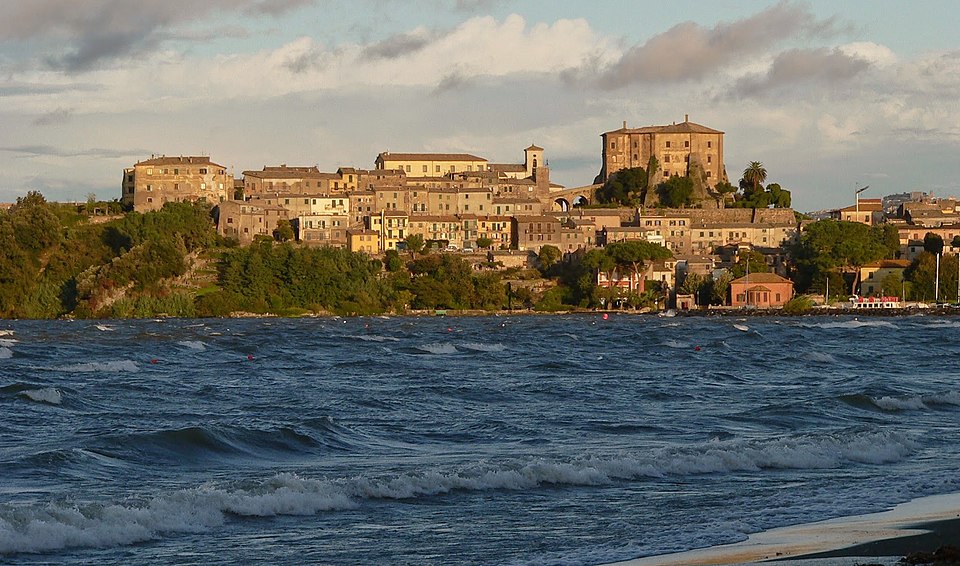
Rising distinctly from the waters of Lake Bolsena, the Capodimonte Headland is a defining geographical feature of the village.
This natural promontory, a contrast to the flatter shores of neighboring communities, provides a distinct elevation that has historically offered strategic advantages and continues to shape the village’s layout. From various points on the headland, visitors can observe the expansive volcanic lake, which covers an area of 113.5 square kilometers (43.8 sq mi).
Capodimonte’s Sheltered Harbor
Tucked into the unique contours created by the headland, Capodimonte boasts a naturally sheltered harbor, a feature uncommon among other settlements on Lake Bolsena. This protected basin serves as a hub for local fishing boats and leisure craft, providing a practical and scenic focal point for the village.
The harbor’s calm waters, often reflecting the surrounding hills, offer a serene setting for a stroll, particularly during the late afternoon when the light softens over the lake.
The Lake Bolsena Waterfront
The immediate shoreline bordering Capodimonte extends from its distinctive headland, offering accessible areas along the southwestern edge of Lake Bolsena. This waterfront stretches for several hundred meters, providing opportunities for lakeside activities and quiet contemplation by the water’s edge. The lake, formed in the caldera of the Vulsini volcanic complex, is Italy’s largest volcanic lake, reaching a maximum depth of 151 meters (495 ft).
The Historic Core of Capodimonte
Above the lake, the historic core of Capodimonte rises to an altitude of 334 meters (1,096 ft) above sea level, encompassing the residential and civic heart of this comune with its 1,667 inhabitants. This elevated section of the village offers a traditional Italian village experience, characterized by its compact layout and perspectives over the surrounding landscape.
Exploring these upper streets provides a sense of the village’s development away from the immediate lakeside activities.
Panoramic Views of Lake Bolsena
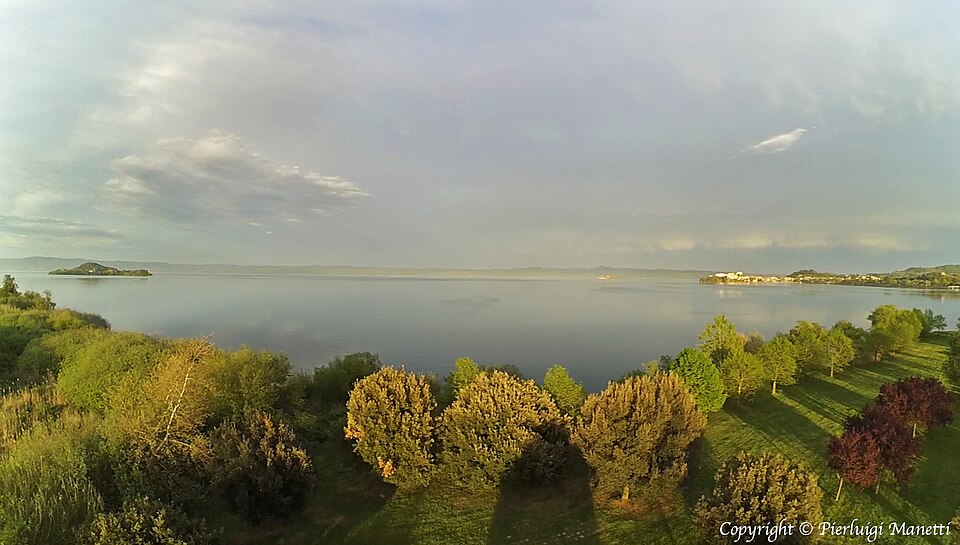
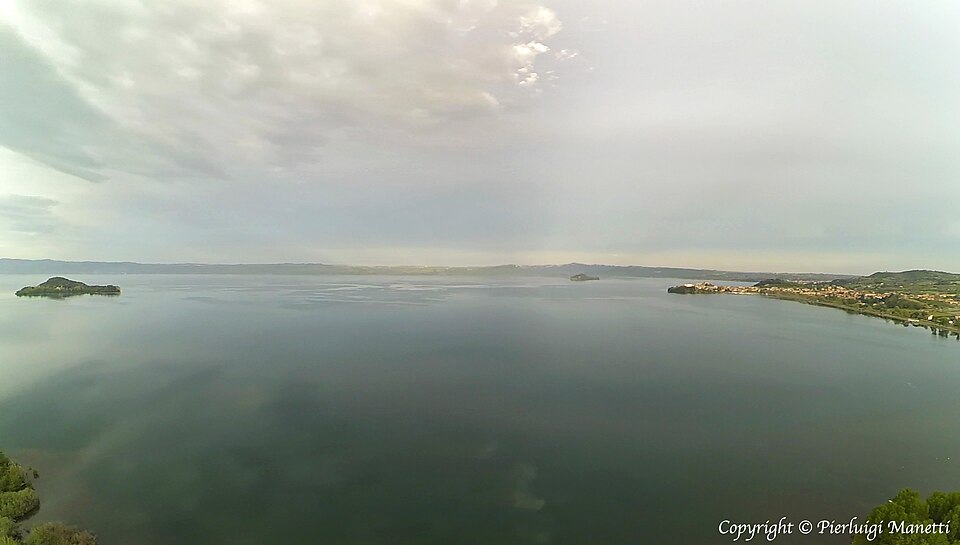
Owing to its position on a headland and its elevation, Capodimonte offers numerous vantage points for panoramic views across Lake Bolsena. From the higher parts of the village, the vast expanse of the lake, with its two islands (Martana and Bisentina) visible in the distance, unfolds dramatically. These views are particularly striking at dawn or dusk, when the light plays across the water and the distant hills of the Lazio region, providing a visual understanding of the area’s volcanic origins.
Local food and typical products of Capodimonte
While specific culinary traditions unique to Capodimonte are not detailed in the provided sources, its location in the Lazio region, particularly in the Province of Viterbo, places it within a gastronomic landscape deeply rooted in agricultural produce and historical influences. The proximity to Lake Bolsena also suggests a diet that would traditionally incorporate freshwater fish. The local cuisine in this part of Lazio generally reflects a simple yet robust approach, emphasizing fresh, seasonal ingredients cultivated in the fertile volcanic soil.
The broader Lazio region is known for its reliance on local meats, vegetables, and grains.
Dishes often feature ingredients such as olive oil, legumes, wild herbs, and cheeses. While no specific dishes are attributed directly to Capodimonte in the available information, the regional culinary identity typically includes hearty pasta preparations, slow-cooked meat stews, and fresh vegetable sides. Lake Bolsena, being a primary natural resource, would naturally contribute fish such as perch, pike, and whitefish to the local diet, prepared simply to highlight their fresh flavor.
Regarding certified products, the provided sources do not specify any particular Denominazione di Origine Protetta (DOP) or Indicazione Geografica Protetta (IGP) products directly associated with Capodimonte. However, the wider Viterbo province is known for products like Olio Extra Vergine di Oliva Tuscia (DOP), a high-quality olive oil, and various local wines. Visitors might find these regional specialties available in local shops, reflecting the broader agricultural output of the area surrounding Capodimonte.
Festivals, events and traditions of Capodimonte
Capodimonte, like many Italian villages, honors its patron saint with annual celebrations that are central to its cultural calendar.
The patron saint of Capodimonte is San Sebastiano, whose feast day is celebrated on two distinct dates: January 20th and August 16th. The January observance typically involves religious ceremonies and processions, maintaining a tradition that honors the saint during the colder months. The August celebration, held in the warmth of summer, often includes more elaborate festivities, potentially featuring music, local food stalls, and communal gatherings that draw both residents and visitors.
These feast days provide insight into the community’s enduring traditions, offering a glimpse into local life beyond the scenic lakeside. While specific details about how these festivals unfold, such as the exact nature of processions or the inclusion of fireworks, are not provided in the sources, such events are generally vibrant community affairs. Beyond the patron saint festivals, the sources do not specify other unique food fairs, markets, or documented traditions for Capodimonte, indicating a focus on the primary religious observances as key communal events.
When to visit Capodimonte, Italy and how to get there
The best time to visit Capodimonte, Italy, largely depends on desired activities and climate preferences.
The Lazio region experiences hot, dry summers and mild winters. For those interested in lake activities and enjoying the waterfront, the late spring (May-June) and early autumn (September-October) offer pleasant temperatures without the intense heat or crowds of peak summer. Summer months (July-August) are ideal for swimming and boating on Lake Bolsena, though the village will be busier. The patron saint feast on August 16th provides a cultural highlight during this period. Winter can be quiet and cool, offering a tranquil experience for those seeking solitude.
Capodimonte is relatively accessible, making it suitable for a day trip from nearest major city hubs or a longer stay. The village terrain, particularly the historic core, involves some inclines as it rises from the lake, but the waterfront areas are generally flat and stroller-friendly. For those arriving by car, Capodimonte is approximately 90 kilometers (56 mi) northwest of Rome, accessible via the SS2 Cassia road. From Viterbo, it is about 20 kilometers (12 mi) northwest. The nearest major train station with connections to Rome is Viterbo Porta Fiorentina. From there, local bus services can connect to Capodimonte.
Visitors can check Trenitalia for train schedules.
The closest major international airport is Rome Fiumicino (FCO), located approximately 110 kilometers (68 mi) southeast of Capodimonte, with a typical driving time of about 1 hour and 45 minutes, depending on traffic. Renting a car from the airport provides the most flexibility for exploring Capodimonte and the surrounding Lake Bolsena area. For international visitors, it is advisable to carry some Euros cash, as smaller establishments in Capodimonte may have limited English-speaking staff and might not always accept credit cards for small purchases, enhancing the ease of transactions.
Frequently asked questions about Capodimonte
What is the best time to visit Capodimonte?
Late spring (May–June) and early autumn (September–October) offer the best conditions: mild temperatures, clear lake views, and manageable crowds. July and August are popular with Italian vacationers and the waterfront becomes busy, though warm evenings and swimmable lake water are a draw. The feast of San Sebastiano falls on 20 January and 16 August, the latter coinciding with summer festivities on the waterfront. Winter is quiet and atmospheric but can bring fog settling into the volcanic caldera. A minimum two-day stay is recommended to include a boat trip to Bisentina Island.
What are the historical origins of Capodimonte?
The name derives from the Latin Caput Montis — 'head of the mountain' — referring to the elevated tufa promontory over Lake Bolsena. The area shows continuous human presence from the Bronze Age, with Etruscan settlements on surrounding hills and the lake's volcanic islands used as sacred sites. In the medieval period the village passed between feudal lords before coming under Farnese control in the late fifteenth century. Under Pope Paul III (Alessandro Farnese), the promontory was fortified with an octagonal palazzo designed by Antonio da Sangallo the Younger, anchoring Capodimonte's identity as a minor Farnese court.
What are the main monuments and landmarks to see in Capodimonte?
The Palazzo Farnese (Rocca Farnese), designed by Antonio da Sangallo the Younger, is the village's defining monument — an octagonal Renaissance fortress atop the promontory with panoramic lake views. The Church of Santa Maria Assunta in the historic center preserves liturgical art and carved woodwork. The Museo della Navigazione nelle Acque Interne houses a reconstructed ancient dugout canoe and fishing tools recovered from the lake. The working harbor and volcanic sand promenade round out the historic core. Check locally for current opening hours and museum admission, as schedules vary seasonally.
What are the main natural and scenic attractions near Capodimonte?
Capodimonte sits on a promontory jutting into Lake Bolsena, Italy's largest volcanic lake, formed in an ancient caldera. The black volcanic sand beach along the promontory's southern edge offers direct lake access and swimming. The two islands visible from the waterfront — Bisentina and Martana — are accessible by seasonal boat from the harbor. The surrounding hills feature olive groves and agricultural terraces shaped by volcanic soil. The caldera landscape, particularly striking in early morning light, makes the lake shore one of the most photographically compelling settings in northern Lazio.
Where can you take the best photos in Capodimonte?
The top vantage point is the terrace of the Palazzo Farnese, which commands an unobstructed 360-degree view across Lake Bolsena and its two islands, Bisentina and Martana. The working harbor at dawn offers evocative shots of fishermen launching flat-bottomed boats onto black volcanic sand. The promenade along the southern promontory edge captures the lake's full expanse. For island compositions, the boat crossing to Bisentina provides mid-lake perspectives of Capodimonte's profile rising above the water — especially effective in the soft light of morning or late afternoon.
Are there museums and historic buildings to visit in Capodimonte?
Yes. The Museo della Navigazione nelle Acque Interne is dedicated to inland waterway navigation and holds a reconstructed prehistoric dugout canoe recovered from the lake bed, along with fishing tools, boat-building implements, and historical maps. The Palazzo Farnese (Rocca Farnese) functions as a cultural venue and is open for visits, though hours should be confirmed locally. The Church of Santa Maria Assunta in the historic center contains painted altarpieces and wooden furnishings accumulated over several centuries. Bisentina Island, reached by boat, contains Renaissance chapels with frescoed interiors attributed to followers of Vignola.
What activities and experiences can you enjoy in Capodimonte?
Swimming in Lake Bolsena from the volcanic sand beach is the primary summer activity. Seasonal boat excursions from the harbor reach Bisentina Island, where guided visits cover Renaissance chapels and Farnese gardens. The waterfront trattorie offer lake-fish dinners best experienced at a slow pace in the evening. The summer calendar includes the patron feast of San Sebastiano on 16 August and a traditional fish sagra with food stalls, music, and processions on the waterfront. Exploring the old quarter on foot — from the harbor uphill to the Palazzo Farnese — takes roughly an hour at a relaxed pace.
Who is Capodimonte suitable for?
Capodimonte suits couples and culturally curious travelers who appreciate lakeside atmosphere, Renaissance architecture, and authentic local food without large-resort infrastructure. Families with children will enjoy the calm volcanic-sand beach and boat trips to Bisentina Island. History enthusiasts will find the Farnese legacy — fortress, island chapels, and museum — substantial enough for a full day. It is not primarily a hiking or adventure destination, but slow travelers and those exploring the Tuscia region by car will find it an ideal base for day trips to Montefiascone, Bolsena, and other lake villages.
What should you eat and drink in Capodimonte?
Lake cuisine dominates: eel, pike, perch, and coregone (freshwater whitefish) appear on every waterfront menu, served grilled, fried, or stewed. Anguilla (eel) smoked or cooked with tomato and local herbs is the area's most emblematic preparation. Sbroscia — a traditional fish soup poured over toasted bread — is the dish most closely tied to this lake. Locally produced extra virgin olive oil from the Tuscia DOP zone, known for its peppery, low-acidity character, accompanies meals. Pair everything with Est! Est!! Est!!! di Montefiascone DOC white wine, produced just a few kilometers from the village.
📷 Photo Gallery — Capodimonte
Nearby Villages near Capodimonte
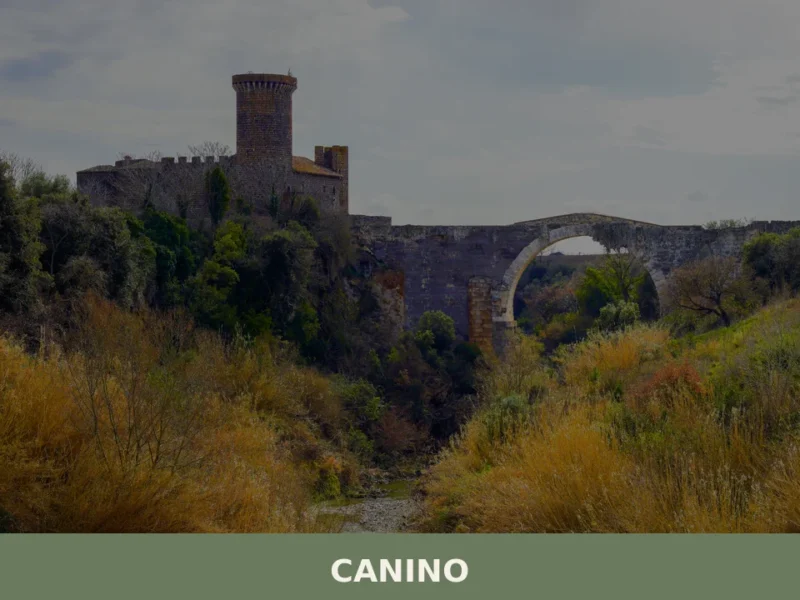
In Lazio More villages to discover
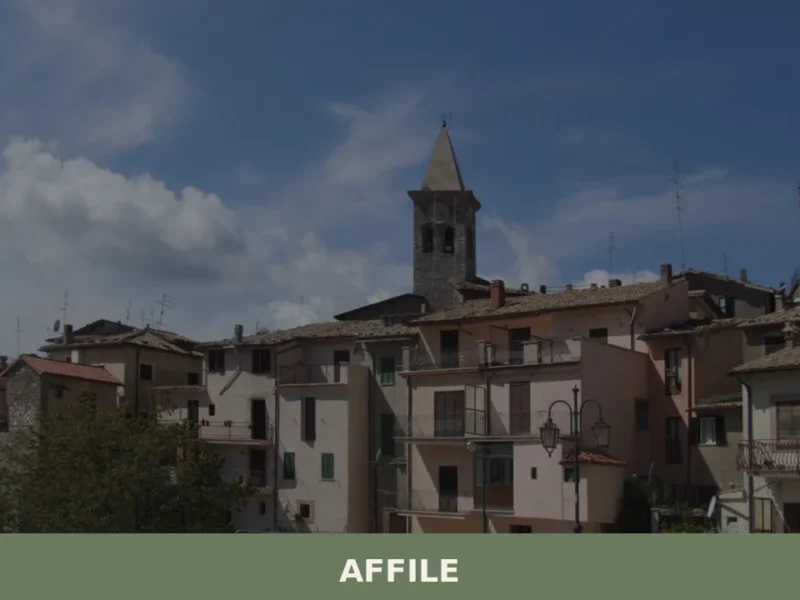
Affile
 Mountain
What to see in Affile, Lazio, Italy: discover 5 key attractions at 684 m altitude, from Roman cisterns to medieval churches. Explore history, food and how to get there.
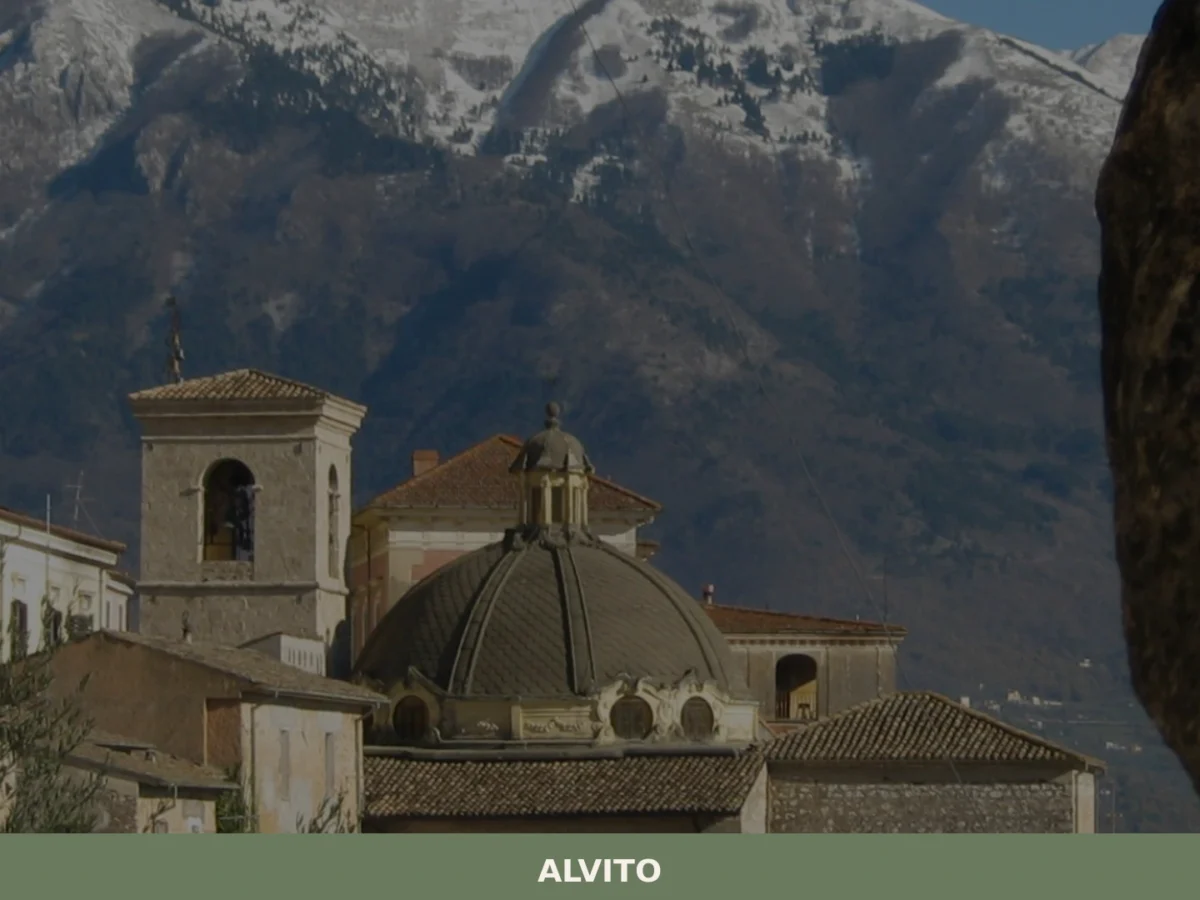
Alvito
Mountain
What to see in Alvito: discover the 5 top attractions in this Lazio village, from the castle to the Cathedral. Plan your visit with this complete guide.
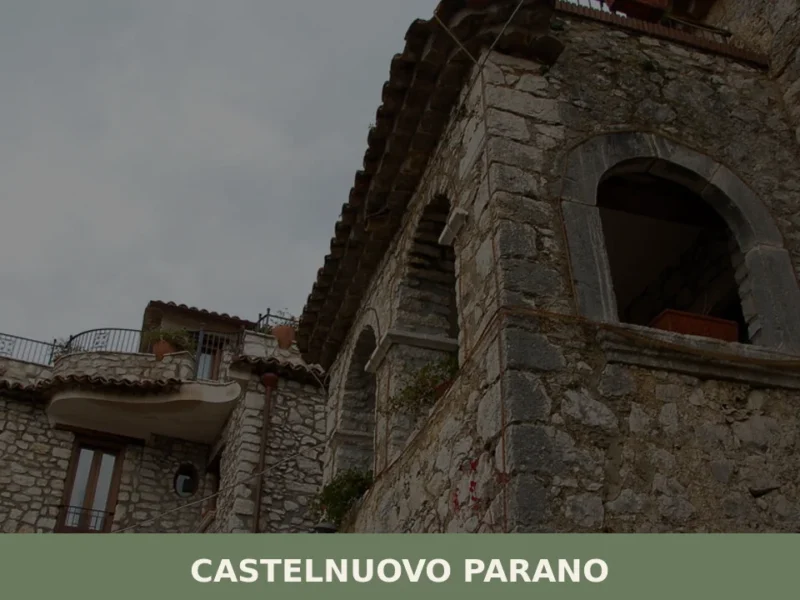
Castelnuovo Parano
Hills
What to see in Castelnuovo Parano, Lazio, Italy: a village of 885 at 310 m. Discover the 1059 castle origins, Gustav Line history and local hilltop culture.
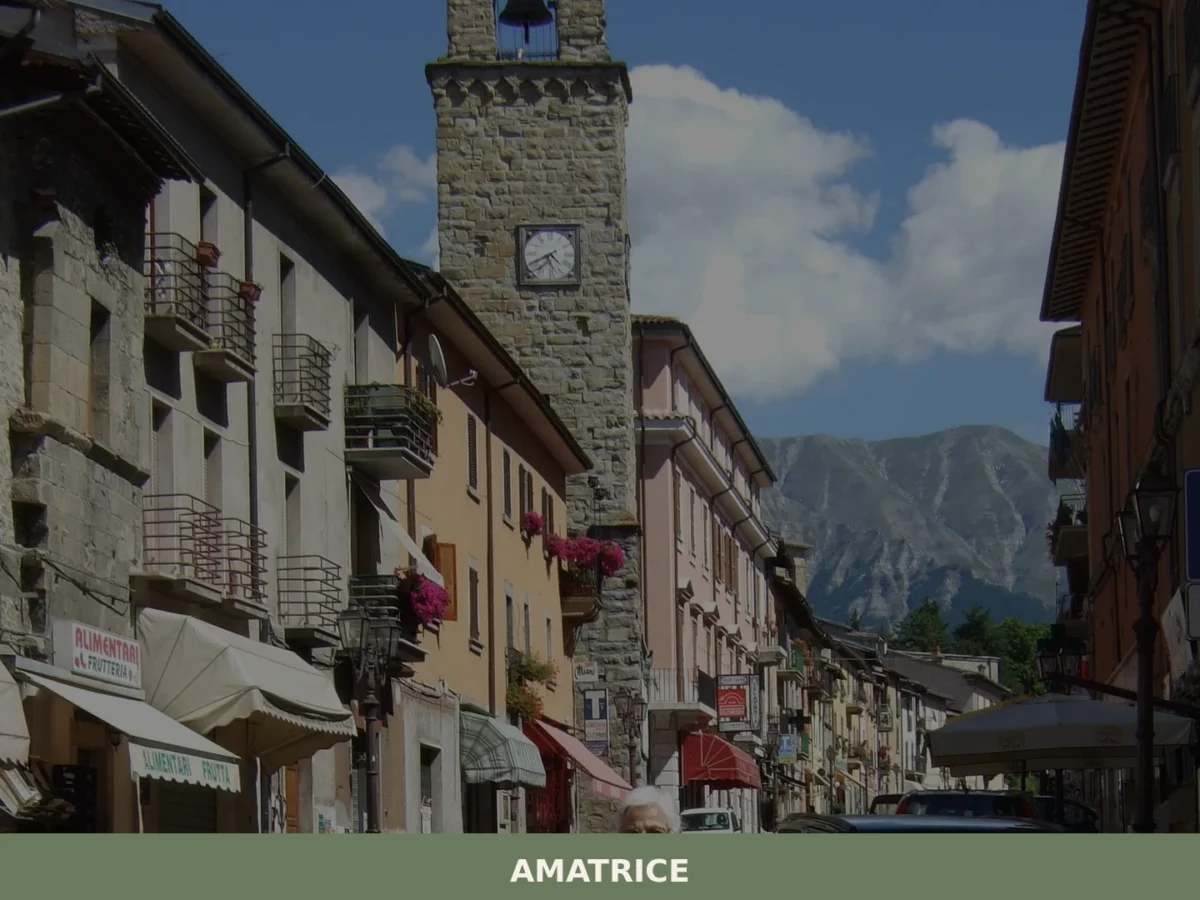
Amatrice
Mountain
What to see in Amatrice? Explore the 5 main attractions of this village in Lazio. The complete guide awaits you with useful tips. Plan your visit!
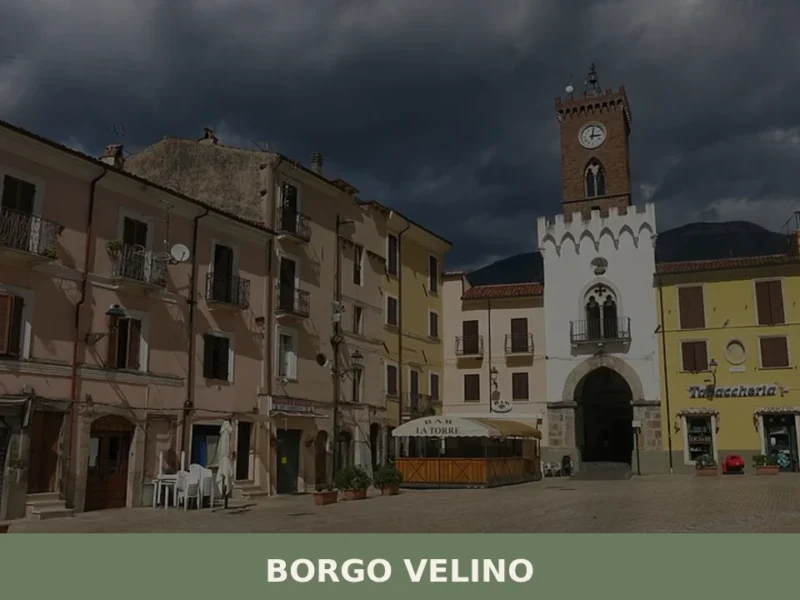
Borgo Velino
Hills
What to see in Borgo Velino: discover 5 key attractions in this village of 996 inhabitants at 460m. Explore Palazzo Brancaleoni and taste Cacio fiore. Plan your visit now.
Belmonte in Sabina
Mountain
What to see in Belmonte in Sabina: a hilltop village at 756 m in Rieti province with 644 residents. Explore the medieval centre, PAT guanciale and cacio fiore cheese. Plan your visit now.
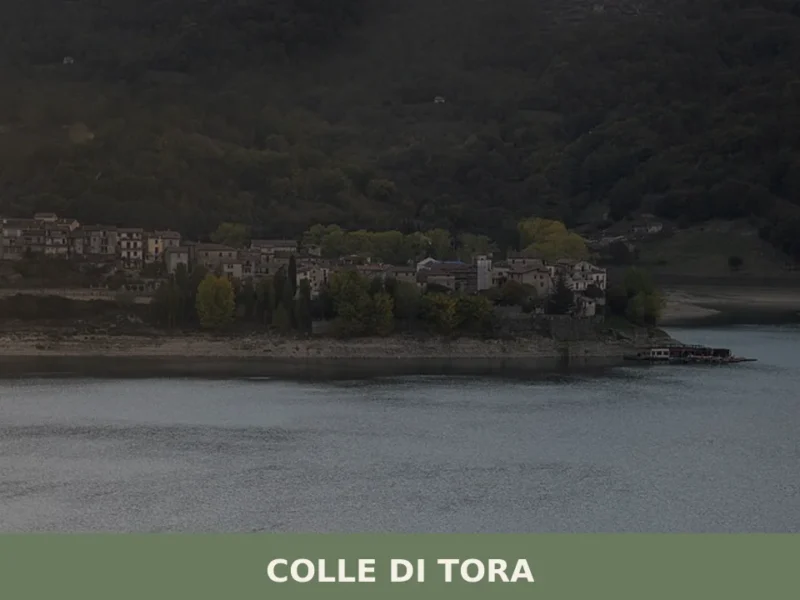
Colle di Tora
Hills
Lake
What to see in Colle di Tora: a village at 542 m on Lake Turano with 381 residents, a medieval centre and 3 PAT-certified products. Plan your visit today.
Colfelice
 Plains
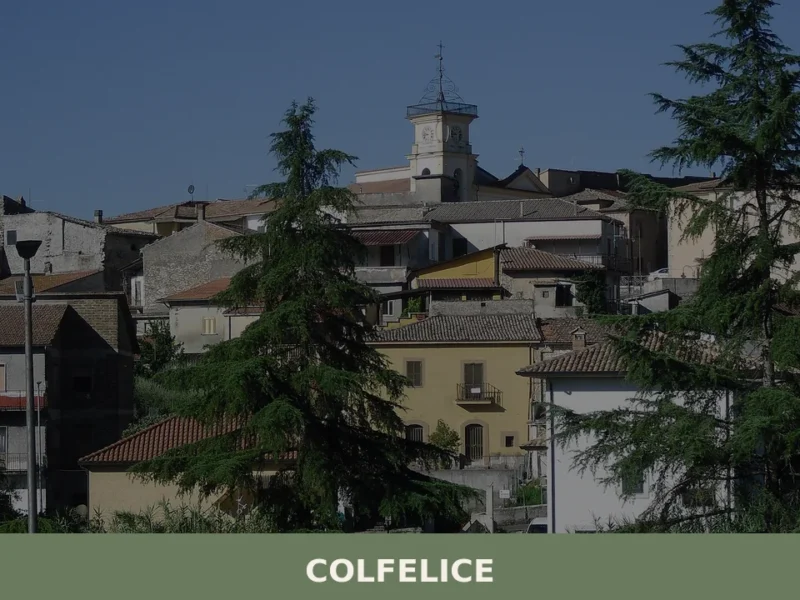
What to see in Colfelice, Lazio, Italy: 1,910 inhabitants, 158 m altitude, 100 km from Rome. Discover the feast of San Gaetano and the Liri Valley plain. Read more.
Acuto
Mountain
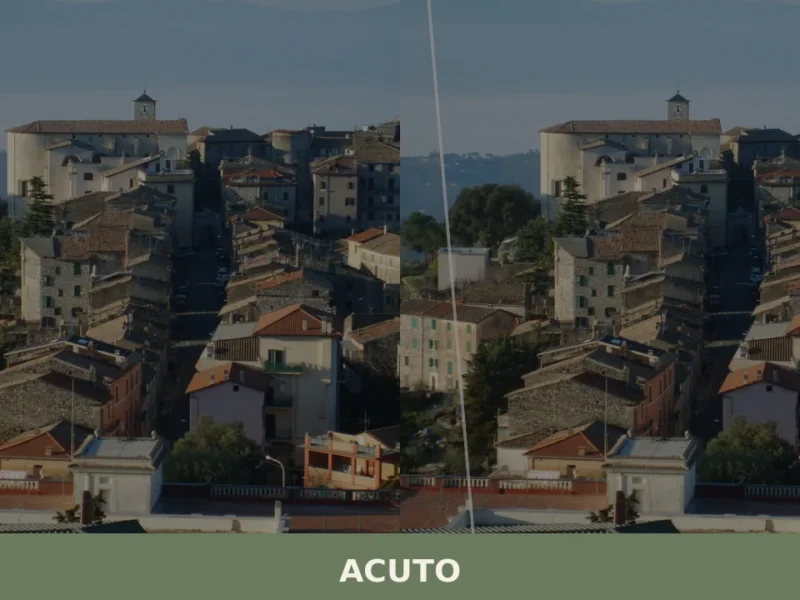
What to see in Acuto, Lazio, Italy: explore a hilltop village at 680 m with the birthplace of a Catholic founder and Monti Ernici views. Discover it all here.
Farnese
Hills
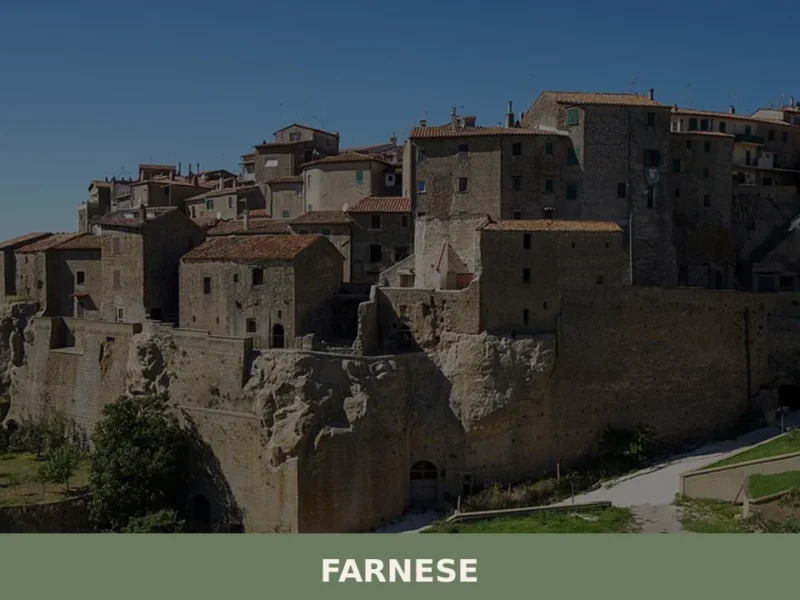
The morning light, a pale gold filtering through the narrow aperture of a medieval archway, illuminates the rough-hewn basalt paving stones of Farnese. A faint scent of woodsmoke and damp earth hangs in the cool air, carried on a breeze that rustles the leaves of an ancient oak on the village’s periphery. Here, at 341 […]





🏡 Know Capodimonte better than we do?
If you’re a local or have been there, your knowledge matters: add what’s missing or fix a detail on this page.