


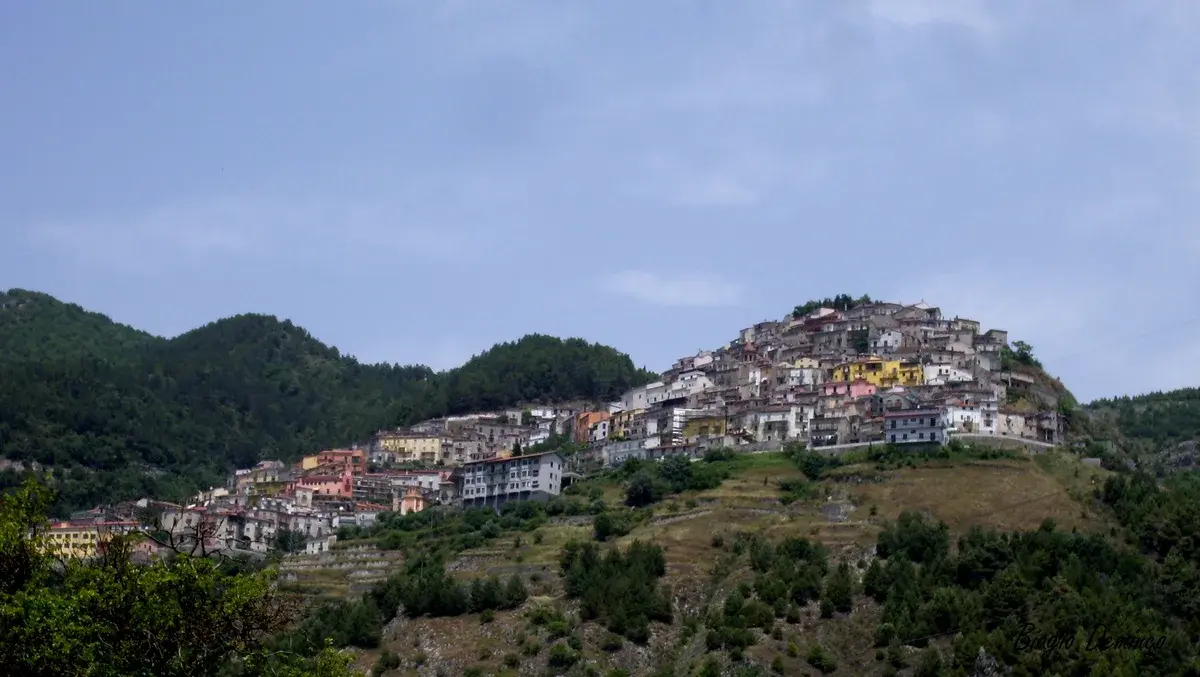
Castelluccio Superiore
At 680 meters above sea level, with a population of 860 inhabitants, Castelluccio Superiore is located in the heart of the Lucanian Apennines, in the province of Potenza. This mountain village, whose history dates back to antiquity, offers visitors a journey through layers of memory and architectures that recount its evolution. For those wondering **what […]
Discover Castelluccio Superiore
At 680 meters above sea level, with a population of 860 inhabitants, Castelluccio Superiore is located in the heart of the Lucanian Apennines, in the province of Potenza. This mountain village, whose history dates back to antiquity, offers visitors a journey through layers of memory and architectures that recount its evolution. For those wondering **what to see in castelluccio superiore**, the itinerary begins among the remains of ancient fortifications and continues through the streets that form its inhabited core, evidence of a past linked to defense and mountain life.
History and Origins of Castelluccio Superiore
The origins of Castelluccio Superiore date back to the Roman era, as suggested by the toponym “Castrum Lucianum,” attested in historical documents. Its elevated and commanding position made it, since antiquity, a strategic point for controlling the surrounding territory. During the Middle Ages, the village established itself as an important fortified center, developing an urban layout characterized by a defensive structure around its castle.
Over the centuries, Castelluccio Superiore has seen the succession of various dominations, from the Normans to the Swabians, from the Angevins to the Aragonese, each of which left its mark on the urban fabric and local traditions. The current configuration of the historic center is the result of these stratifications, with buildings displaying construction elements from different eras and the constant presence of stone as the identifying material of the place.
What to see in castelluccio superiore: 5 essential attractions
Mother Church of Santa Margherita di Antiochia
Dedicated to the patron saint, the Mother Church represents the main place of worship in the village. Its structure, the result of alterations and enlargements over the centuries, features architectural elements ranging from older lines to subsequent interventions. Inside, it preserves sacred works and furnishings that attest to the community’s devotion and local craftsmanship.
Remains of the Castle and Medieval Walls
Of the original “Castrum Lucianum,” today remain the remnants of the fortifications and some portions of the perimeter walls. These structures, although partially preserved, allow one to grasp the strategic importance of the village in the medieval era. From the ruins, views open onto the surrounding landscape, offering a perspective on the site’s defensive function.
The Historic Center
The oldest core of Castelluccio Superiore is a maze of paved streets and stone architectures that develop along the slopes of the hill. Walking through these streets, one encounters buildings that retain the traditional Lucanian building characteristics, with stone doorways and wrought-iron balconies. The urban layout reflects the growth of the village around its defensive and religious center.
Baronial Palace
Located in the central part of the historic center, the Baronial Palace is a building that evokes the feudal era of the village. Its grandeur and visible architectural details, even if modified over time, indicate its function
In Basilicata More villages to discover
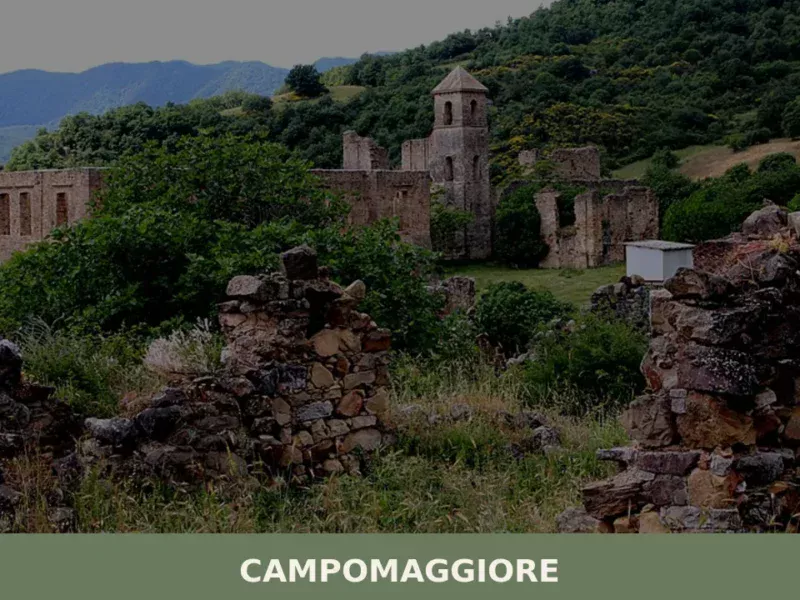
Campomaggiore
As the morning mist reluctantly peels back from the Lucanian Apennines, a faint scent of wild herbs drifts through the narrow lanes of **Campomaggiore**. At 795 meters above sea level, this small community, home to 832 inhabitants, begins its day with a quiet rhythm. Sunlight catches the weathered stone of an ancient wall, illuminating moss […]
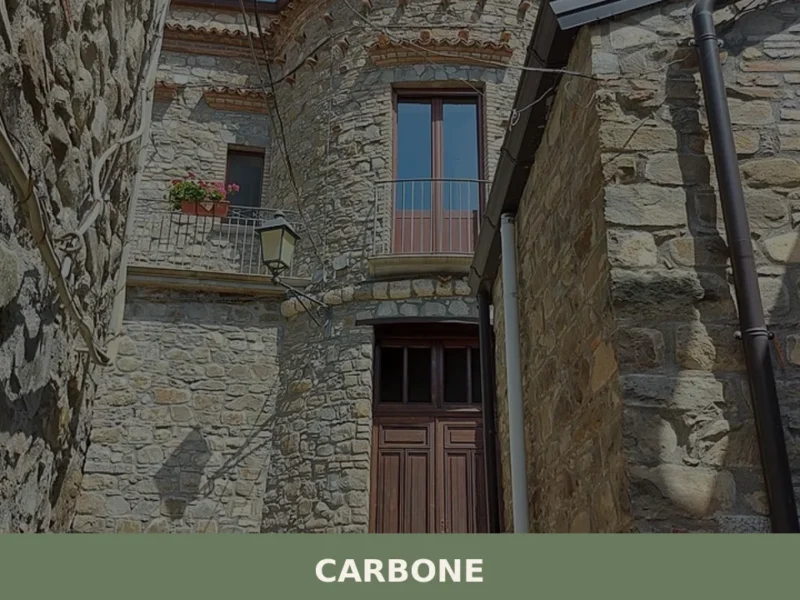
Carbone
In the heart of Basilicata, 692 meters above sea level, lies Carbone, a settlement whose history is deeply connected to the 10th-century foundation of the Abbey of San Luca by Basilian monks. This monastic settlement, which became one of the most influential in Southern Italy, influenced the village’s identity, affecting its architecture and culture for […]
Banzi
In 1956, during archaeological excavations in the area of ancient Bantia, the “Bantine Table” was discovered, a bronze tablet inscribed in the Oscan language, providing direct evidence of the legislation of this Italic community from the 4th-3rd century BC. For those wondering **what to see in banzi** today, the village, located at 571 meters above […]
📝 Incorrect information or updates?
Help us keep the Castelluccio Superiore page accurate and up to date.