


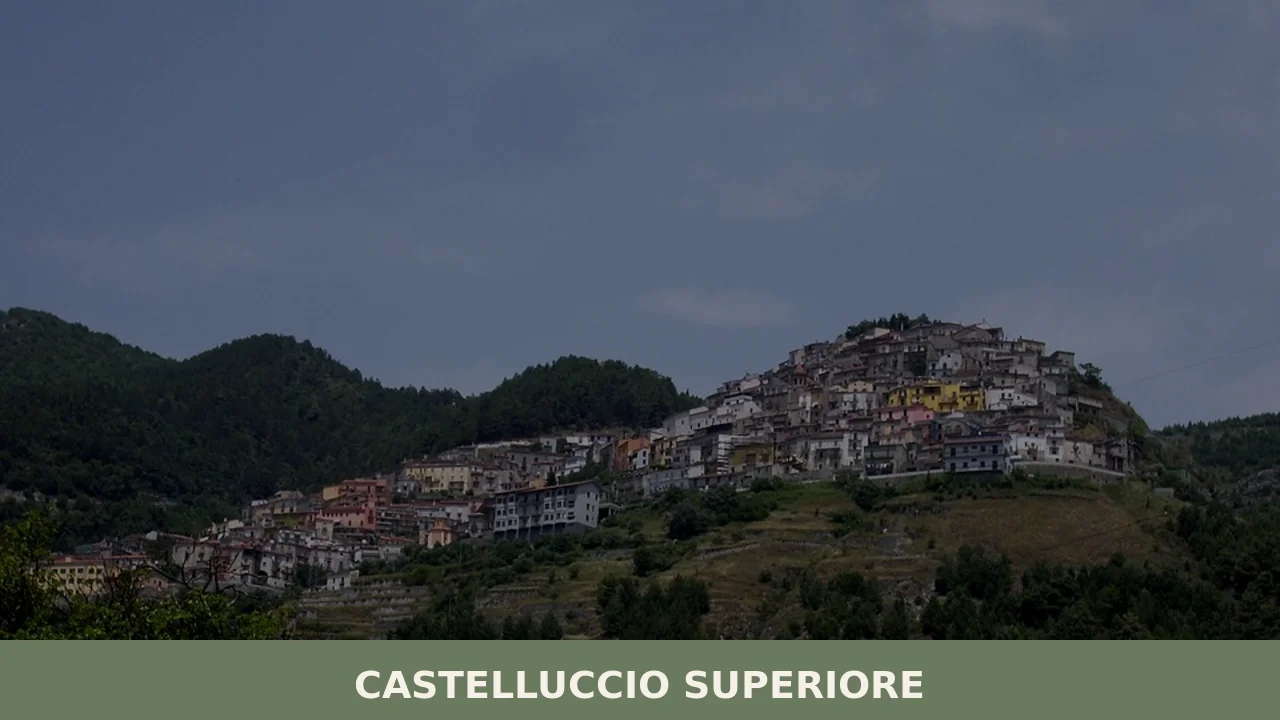
Castelluccio Superiore
 Mountain
what to see in castelluccio superiore, Italy. Discover this mountain village at 680 m, explore its historic core, and experience the feast of Santa Margherita di Antiochia.
Discover Castelluccio Superiore
At an elevation of 680 m (2,231 ft) above sea level, Castelluccio Superiore rises within the mountainous terrain of Basilicata, an ancient region in Southern Italy. This village, home to 709 inhabitants, presents a landscape where geology and human settlement have long intertwined. The air carries the scent of mountain flora, defining a distinct atmosphere that has persisted for centuries.
For those wondering what to see in castelluccio superiore, this guide offers an overview of a destination rich in local character and historical remnants.
Visitors to Castelluccio Superiore find a place where the patron saint, Santa Margherita di Antiochia, is celebrated with fervor, and the village’s altitude of 680 m (2,231 ft) provides expansive views. The Castelluccio Superiore highlights include exploring its historical core and appreciating the traditions that define its identity, giving a clear answer to what to see in castelluccio superiore.
History of Castelluccio Superiore
Castelluccio Superiore, a comune in the province of Potenza, is situated in the Southern Italian region of Basilicata, an area defined by its rugged mountainous landscapes. The village’s name, which translates to ‘Upper Little Castle,’ hints at its strategic position and historical defensive function, though specific founding dates are not provided in available records.
Its geographic placement at 680 m (2,231 ft) above sea level has historically influenced its development, connecting it to other mountain communities across the region and shaping its distinct character, all of which contributes to what to see in castelluccio superiore today.
As a contemporary Italian municipality, Castelluccio Superiore maintains its identity within the larger regional framework of Basilicata. The village has forged international ties, notably establishing a twin town relationship with Iúna, Brazil, in 2007. This connection illustrates a broader engagement beyond its immediate regional context, reflecting cultural exchanges that transcend geographical distance and highlighting its place on the global stage, even for a community of 709 inhabitants.
The historical trajectory of many Basilicata villages, including Castelluccio Superiore, often involves periods of feudal governance, agricultural development, and resilience against natural and political shifts. While specific detailed historical events for Castelluccio Superiore are not extensively documented in the provided sources, the continuity of its population speaks to a persistent human presence over centuries. Life in these mountain settlements has traditionally revolved around agricultural cycles and strong community bonds, a pattern seen across the province, including in towns such as Avigliano, which shares a similar historical context.
What to see in Castelluccio Superiore, Basilicata: top attractions
The Historic Core of Castelluccio Superiore
The historic core of Castelluccio Superiore unfolds across the mountain ridge at 680 m (2,231 ft) above sea level, characterized by a traditional layout common to many Southern Italian villages.
Its streets wind between buildings that have evolved over centuries, reflecting the continuity of life for its 709 inhabitants. Visitors can observe the architectural patterns and the materials typically used in mountain construction, which often include local stone. This exploration gives a good sense of what to see in castelluccio superiore from a structural perspective. The layout provides insight into the village’s historical development and its adaptation to the rugged terrain.
The Church of Santa Margherita di Antiochia
Central to the village’s spiritual life is the main church, dedicated to Santa Margherita di Antiochia, the patron saint of Castelluccio Superiore. While specific architectural details are not documented, such churches typically feature a nave, an altar, and often a bell tower, serving as a focal point for the community. This sacred building is where the annual feast of the patron saint is celebrated on July 20th, drawing residents together for religious observance and communal festivities.
The church stands as a testament to the village’s enduring faith and historical practices.
Panoramic Vistas from the Village
Positioned at an altitude of 680 m (2,231 ft), Castelluccio Superiore offers extensive panoramic vistas across the surrounding Basilicata landscape. From various points within the village, visitors can survey the valleys and mountain ranges that define this part of Southern Italy. These elevated perspectives provide a clear understanding of the region’s geography, where agricultural lands meet dense woodlands. The best time to appreciate these views is during clear weather, allowing for unimpeded observation of the distant horizons and the sprawling natural environment.
The Surrounding Mountain Landscape
Embracing its designation under the ‘Montagna’ theme, the natural environment around Castelluccio Superiore presents a landscape shaped by mountain ecology. The area is characterized by a diverse flora and fauna, typical of the Apennine range, which rises to significant heights throughout Basilicata. This environment offers opportunities for those seeking engagement with nature, from observing local plant species to appreciating the quietude of the highlands.
The change of seasons brings distinct visual transformations, particularly vibrant during spring blooms and autumnal foliage, offering varied experiences throughout the year.
The Civic Heart and Municipal Building
As a comune, Castelluccio Superiore possesses a civic heart, typically centered around a municipal building or town hall, which serves as the administrative hub for its 709 residents. This area often includes a public square, acting as a gathering place for local events and daily interactions. While specific architectural details of the municipal building are not provided, these structures are generally functional, reflecting the local governance of the province of Potenza. It represents the administrative and communal focal point of the village, where civic life and community decisions converge.
Local food and typical products of Castelluccio Superiore
The culinary traditions of Castelluccio Superiore, like much of Basilicata, are deeply rooted in the region’s agricultural heritage and mountainous geography. The local diet historically relied on readily available ingredients, emphasizing simplicity and robust flavors. These gastronomic insights are an important aspect of what to see in castelluccio superiore and experience. Dishes typically feature legumes, grains, local cheeses, and cured meats, reflecting a peasant tradition that values hearty, nourishing meals.
The region’s isolation for centuries fostered distinct culinary practices, utilizing produce from small-scale farming and pastoral activities, ensuring a deep connection to the land.
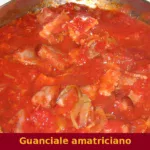
While specific signature dishes unique to Castelluccio Superiore are not detailed in the provided sources, the broader Basilicata cuisine offers a glimpse into local tastes. Common preparations include various pasta dishes, often handmade, served with rich meat sauces or vegetable-based condiments. For instance, a hearty stew might combine lamb or pork with wild herbs and potatoes, slow-cooked to tender perfection. Local bread, often baked in wood-fired ovens, serves as a staple accompaniment to most meals, often featuring durum wheat.
No specific certified products (such as DOP or IGP designations) unique to Castelluccio Superiore are identified in the available data. However, the wider Basilicata region is known for several quality products, including various types of pecorino cheese and cured pork products. Visitors might find locally produced olive oil and wines, similar to those found in Barile, and artisanal preserves that reflect the general agricultural output of the Potenza province.
These products underscore the region’s commitment to traditional farming methods and quality ingredients.
Festivals, events and traditions of Castelluccio Superiore
The most significant annual event in Castelluccio Superiore revolves around the celebration of its patron saint, Santa Margherita di Antiochia, observed every year on July 20th. This traditional festa is a cornerstone of the village’s cultural calendar, bringing together residents and visitors in a display of devotion and community spirit. The day typically includes religious ceremonies, such as a solemn Mass and a procession carrying the statue of the saint through the village streets. This procession is often accompanied by local musical bands, creating a festive yet reverent atmosphere.
Following the religious rites, the celebrations for Santa Margherita di Antiochia often extend into the evening with communal gatherings and entertainment. These might include traditional music, folk dances, and sometimes fireworks displays that illuminate the mountain sky. Such events are vital for maintaining local identity and strengthening community bonds among the 709 inhabitants, and are a key part of what to see in castelluccio superiore. While no other specific festivals or food fairs are documented for Castelluccio Superiore in the provided sources, the patron saint’s day exemplifies the village’s enduring traditions.
When to visit Castelluccio Superiore, Italy and how to get there
The optimal time to visit Castelluccio Superiore, Italy, and the wider Basilicata region, is typically during the spring (April to June) and autumn (September to October) months.
During these periods, the weather is generally mild and pleasant, making it conducive for exploring the village and its surrounding mountain landscapes. Understanding the seasonality also helps in planning what to see in castelluccio superiore during your visit, ensuring optimal conditions for exploration. Summer (July and August) can be warm, especially in lower altitudes, but the village’s elevation of 680 m (2,231 ft) often provides slightly cooler temperatures. Winter months bring colder weather and potential snowfall, offering a different, more serene experience for those prepared for mountain conditions.
Castelluccio Superiore is located in a mountainous area, meaning some local roads can be winding and steep. For those arriving by car, the village is accessible via the A2 Autostrada del Mediterraneo. Exit at Lagonegro Nord or Lauria Nord, then follow provincial roads for approximately 30-40 km (18.6-24.9 mi) to reach the village. The nearest major train station is in Potenza, approximately 100 km (62 mi) away, requiring a bus or taxi connection.
The most convenient international airport is Bari Karol Wojtyła Airport (BRI), situated about 180 km (112 mi) to the northeast, with a driving time of approximately 2 hours and 30 minutes. Naples International Airport (NAP) is also an option, at a similar distance.
For international visitors, it is advisable to carry some Euros cash, as smaller shops and establishments in rural areas like Castelluccio Superiore may have limited card payment options. English proficiency might also be limited in local businesses, so learning a few basic Italian phrases can enhance the experience. For official local information, one can refer to the Castelluccio Superiore municipality website.
While Castelluccio Superiore can be explored as part of a day trip from larger regional centers like Potenza, extending your stay allows for deeper immersion in the local culture and mountain environment. Consider combining your visit with nearby villages such as Abriola, another mountain community in Basilicata, to fully appreciate the region’s character.
Exploring Castelluccio Superiore offers a glimpse into Basilicata’s authentic mountain life. Visitors interested in further experiencing the region’s diversity can consider a trip to Atella, another village in the Potenza province known for its distinct historical and natural surroundings, providing a broader perspective on the Basilicata landscape.
Frequently asked questions about Castelluccio Superiore
What is the best time to visit Castelluccio Superiore?
The ideal time to visit Castelluccio Superiore is between late spring and early autumn. June and September offer mild temperatures at 680 meters altitude, perfect for exploring the historic center on foot. The highlight of the village calendar is July 20th, the feast day of patron saint Santa Margherita di Antiochia, when the community gathers for religious celebrations and local festivities — an authentic opportunity to experience Lucanian traditions. Summer also brings cooler mountain air, making it a pleasant escape from the heat of the surrounding lowlands.
What are the historical origins of Castelluccio Superiore?
Castelluccio Superiore has Roman roots, as suggested by the ancient toponym 'Castrum Lucianum' recorded in historical documents. Its elevated position at 680 meters made it a strategic control point from antiquity. During the Middle Ages it developed into a fortified center, with a castle-focused urban layout. The village subsequently passed under Norman, Swabian, Angevin and Aragonese rule, each domination leaving traces in the architecture and local traditions. The layered stone buildings of the historic center visibly reflect this long sequence of historical stratifications.
What to see in Castelluccio Superiore? Main monuments and landmarks
The four main sites in Castelluccio Superiore are: the Mother Church of Santa Margherita di Antiochia, dedicated to the patron saint and housing sacred artworks and historic furnishings; the remains of the medieval castle and perimeter walls of the original 'Castrum Lucianum', offering panoramic views over the surrounding landscape; the historic center itself, with its paved stone streets, traditional Lucanian doorways and wrought-iron balconies; and the Baronial Palace in the heart of the old town, a tangible reminder of the village's feudal past. Access to outdoor areas is generally unrestricted.
What are the main natural or scenic attractions of Castelluccio Superiore?
Castelluccio Superiore sits within the Lucanian Apennines in the province of Potenza, a mountainous area characterized by forested ridges and valleys. The village's position at 680 meters provides open views over the surrounding highland landscape. The broader territory belongs to the Apennine mountain environment of Basilicata, which includes trails and natural areas typical of the southern Italian interior. For documented hiking routes in the area, it is advisable to consult the local municipality or regional tourism offices of Basilicata.
Where to take the best photos in Castelluccio Superiore?
The most rewarding spots for photography in Castelluccio Superiore are the ruins of the medieval castle and walls, where the elevated vantage point frames sweeping views of the Lucanian Apennine landscape. The stone-paved lanes of the historic center, with their traditional doorways and wrought-iron balconies, offer excellent architectural shots. The facade and surroundings of the Mother Church of Santa Margherita di Antiochia provide another compelling subject, especially during the July 20th patronal feast when the village is most animated.
Are there museums, churches or historic buildings to visit in Castelluccio Superiore?
Castelluccio Superiore preserves several historic buildings worth visiting. The Mother Church of Santa Margherita di Antiochia is the main religious monument, housing sacred artworks and liturgical furnishings accumulated over centuries of community devotion. The Baronial Palace, located in the historic center, is a significant civil building that reflects the village's feudal heritage. The remains of the medieval fortifications and castle walls complete the architectural picture. For current visiting hours and any entrance conditions, contact the local municipality or pro loco directly.
What can you do in Castelluccio Superiore? Activities and experiences
Visitors to Castelluccio Superiore can explore the medieval historic center on foot, discovering stone architecture and ancient fortifications at a relaxed pace. The patronal feast of Santa Margherita di Antiochia on July 20th offers an authentic encounter with local religious and folk traditions. The surrounding Lucanian Apennine environment supports walking and nature excursions in a largely unspoiled mountain setting. The village also provides a genuine off-the-beaten-track experience of traditional Basilicata, far from mass tourism circuits, appealing to travelers seeking slow, immersive cultural visits.
Who is Castelluccio Superiore suitable for? Families, couples, hikers, solo travelers?
Castelluccio Superiore is particularly suited to cultural travelers and history enthusiasts drawn to authentic, lesser-known medieval villages of southern Italy. Couples seeking a quiet, atmospheric retreat in the Lucanian Apennines will appreciate its stone streets and panoramic positions. Hikers and nature lovers will find it a good base for exploring the surrounding mountain environment. Solo travelers interested in slow tourism and genuine local life will feel at home here. Families with older children curious about history and architecture will also enjoy the visit, though facilities are those of a small mountain village.
What to eat in Castelluccio Superiore? Local products and specialties
Castelluccio Superiore sits within the culinary tradition of Basilicata, a region known for robust mountain flavors. The broader Potenza province area is associated with products such as Lucanica di Basilicata sausage, aged Pecorino cheeses, handmade pasta formats like lagane, and locally foraged mushrooms typical of Apennine villages. The region also produces Aglianico del Vulture DOC wine. For dishes and producers specific to Castelluccio Superiore, visiting local restaurants or asking at the pro loco during the July patronal feast is the most reliable approach.
Nearby Villages near Castelluccio Superiore

In Basilicata More villages to discover

Cirigliano
Mountain
What to see in Cirigliano, Italy: a medieval village with a 17th-century Pietu00e0, an oval castle tower, and local pasta traditions. Discover 5 top attractions.
Accettura
Mountain
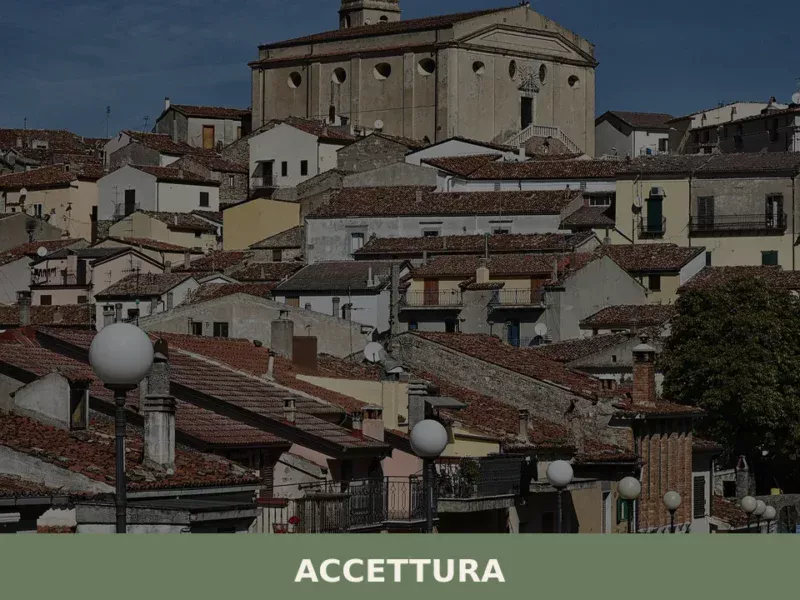
Population 1,575. Altitude 770m. Accettura hosts the Gallipoli Cognato Piccole Dolomiti Lucane regional park and commands views across the Matera uplands.
Fardella
Mountain
Discover Fardella, a quiet hilltop village in Potenza province with 569 inhabitants, medieval roots, stone architecture, and unspoiled Apennine landscapes.
Abriola
Mountain
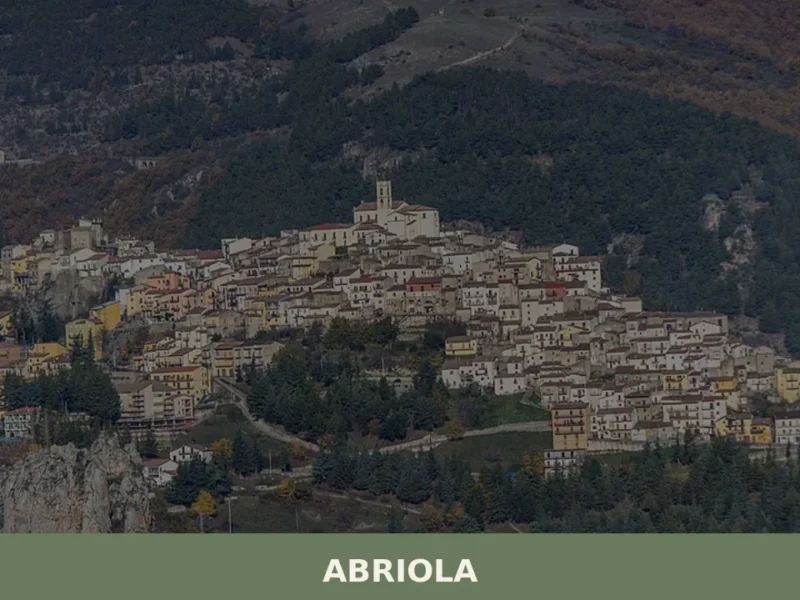
Discover what to see in Abriola, a mountain village in Basilicata at 957m. Sanctuary, historic centre, local food, trails, and practical travel tips.
Acerenza
 Hills
Hills
Discover what to see in Acerenza, Basilicata: a Norman cathedral, medieval streets, calanchi views and local food. Practical tips for visiting this hilltop episcopal town.
Calvello
Mountain
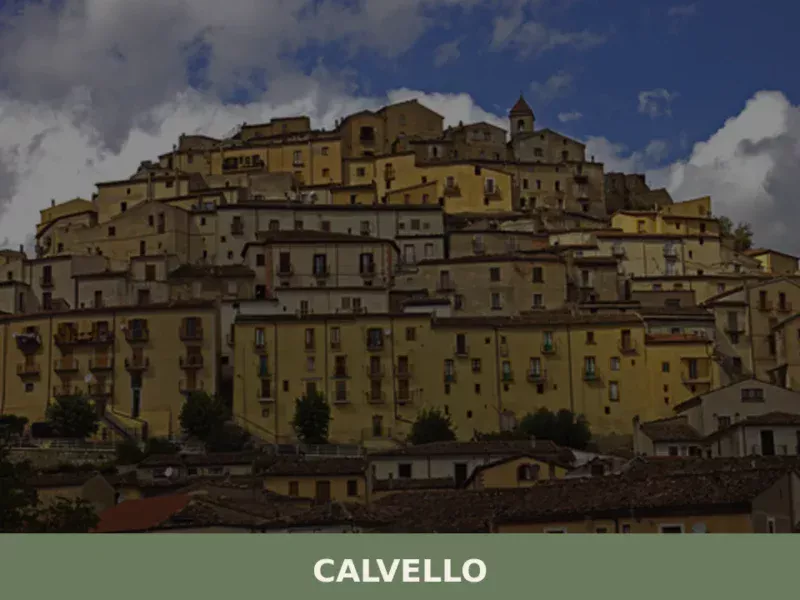
Calvello has 1,768 inhabitants and sits at 730 metres above sea level in the middle Camastra valley, in the province of Potenza. The town extends along the slope that descends from the ruins of the Norman castle down to the plain where the local streams converge. Asking what to see in Calvello means crossing an […]

Forenza
Mountain
Discover Forenza, a hilltop village in Potenza province at 800m, with historic churches, Apennine panoramas, and authentic Lucanian cuisine.
Castelgrande
Mountain
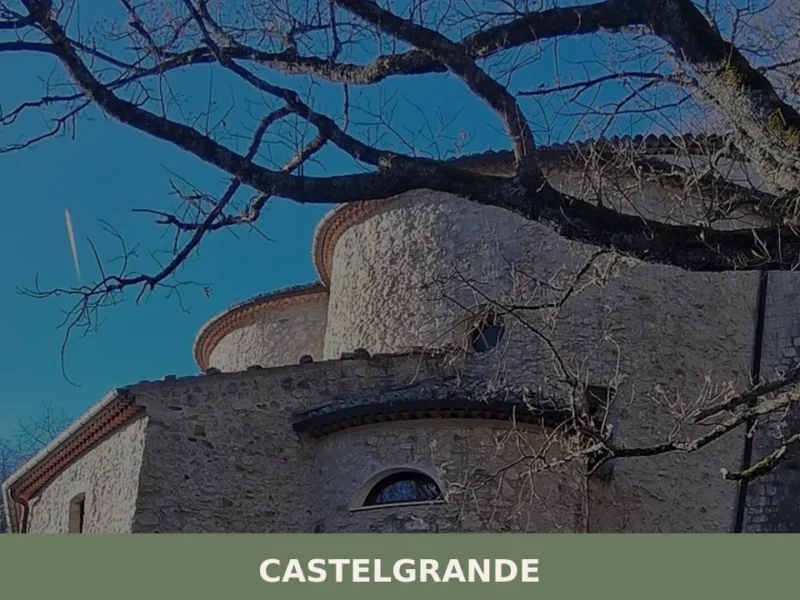
Discover what to see in Castelgrande, a mountain village in Basilicata. From the Mother Church to the historic center, a journey through history and nature. Includes practical tips for your visit.
Banzi
Hills
In 1956, during archaeological excavations in the area of ancient Bantia, the “Bantine Table” was discovered, a bronze tablet inscribed in the Oscan language, providing direct evidence of the legislation of this Italic community from the 4th-3rd century BC. For those wondering what to see in banzi today, the village, located at 571 meters above […]
Armento
Mountain
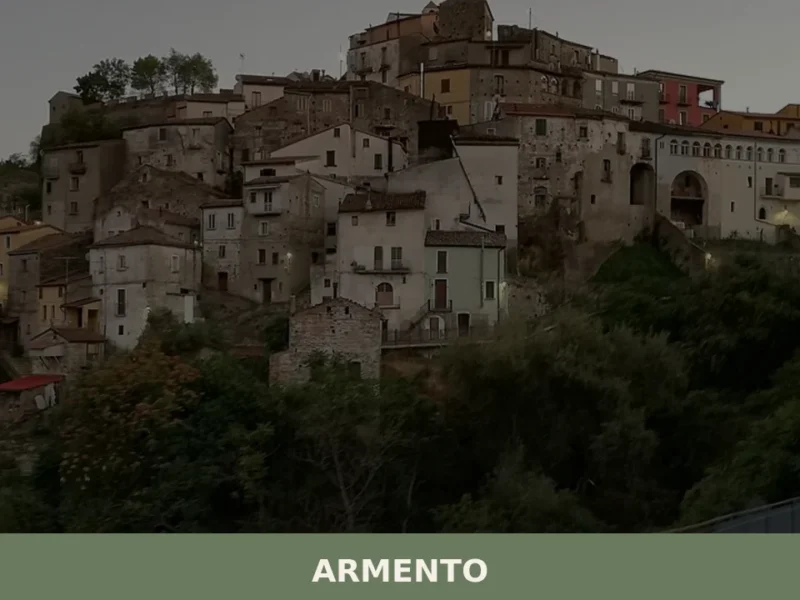
In 1814, a farmer unearthed a Lucanian funerary assemblage dating to the 4th century BC in the countryside around Armento: a golden crown, now held at the Antikensammlung in Munich, which confirmed the presence of a high-ranking Italic settlement in this part of the Val d’Agri. The village sits at 710 metres above sea level […]

🏡 Know Castelluccio Superiore better than we do?
If you’re a local or have been there, your knowledge matters: add what’s missing or fix a detail on this page.