


Belsito
 Mountain
At 660 meters above sea level, in the heart of the province of Cosenza, Belsito presents itself as a settlement that dominates a segment of the Calabrian landscape. Its houses are arranged on the slopes, an architecture that reflects the need to adapt to a territory ranging from 250 to 789 meters in altitude. In […]
Discover Belsito
At 660 meters above sea level, in the heart of the province of Cosenza, Belsito presents itself as a settlement that dominates a segment of the Calabrian landscape. Its houses are arranged on the slopes, an architecture that reflects the need to adapt to a territory ranging from 250 to 789 meters in altitude.
Here, life flows according to the rhythms of a community rooted in a mountainous context, where the bond with the land is still tangible and profound.
Those wondering what to see in Belsito will find a village that, with its 954 inhabitants, preserves the authenticity of traditions and a panorama that embraces the Savuto valley.
The main attractions include its historic core, the panoramic viewpoints opening onto the surrounding nature, and the Mother Church, the focal point of community life. A visit offers the opportunity to discover a lesser-known piece of Calabria, yet rich in history and inspiration for those seeking an experience off the beaten path.
History and origins of Belsito
Belsito, whose name in Calabrian dialect is “Bersìtu”, boasts origins deeply linked to the mountainous territory where it arose, south of the provincial capital Cosenza. The settlement prospered in an area that, due to its elevated position, offered a strategic advantage and greater protection in the past.
Its development has been shaped by the historical dynamics of Calabria, a region often contested and influenced by various dominations, which have left their mark even on the smallest communities.
For a long time, Belsito was part of the Savuto Mountain Community, an institution that underlined the geographical and socio-economic identity of the territory, although it has since been abolished.
This affiliation contributed to defining local traditions and practices, from the management of natural resources to the agricultural and pastoral activities that sustained the population for centuries. Its position between 250 and 789 meters in altitude suggests an economy based on diversified land use, between the valley floor and higher slopes.
The history of Belsito is that of a municipality which, despite its current 954 inhabitants, has managed to maintain its own distinct identity, standing out among the villages in the province of Cosenza. Its evolution has been a constant search for balance between the isolation typical of mountainous areas and proximity to larger centers, such as Cosenza itself, which is only a few kilometers away.
This has allowed the village to preserve its own cultural heritage, influenced but not overwhelmed by external currents, similar in some ways to the history of Aiello Calabro, another village with deep local roots.
What to see in Belsito: main attractions
The Historic Center and Traditional Architecture
Belsito’s heart is revealed through its historic center, a tangle of narrow streets and houses built with local materials, adapting to the terrain’s morphology. Walking through the alleys, one notices the simplicity and functionality of the mountain architecture, characterized by sober facades and balconies overlooking unexpected glimpses. Every corner of the village tells the story of a community that built its environment with wisdom and respect for the natural context, a legacy also visible in the small squares that serve as gathering points.
The urban structure of the village is an example of adaptation to the slope, with houses following one another at a constant elevation difference, offering ever-new perspectives.
The stones used for building the houses, often exposed, give a robust and authentic appearance, typical of Calabrian mountain constructions. Visitors can appreciate the tranquility of these places, where time seems to flow at a different pace, allowing them to observe details that elsewhere would go unnoticed, and to perceive the genuine atmosphere of a community tied to its roots.
The Panorama from the Main Square
From one of Belsito’s main squares, located at approximately 660 meters above sea level, a panorama unfolds, dominating the vast Savuto valley and the surrounding peaks.
The view spans a predominantly mountainous landscape, where Mediterranean vegetation alternates with more wooded areas, offering a visual spectacle that varies with the seasons. Here, the air is clear and the sensation of being in a privileged spot to observe the territory is immediate, allowing for a better understanding of the village’s strategic position.
This privileged viewpoint allows one to grasp the extent of the municipal territory, which stretches between 250 and 789 meters of altitude, showcasing the diversity of the underlying landscape.
The perspective offered by the square is an invitation to contemplation, ideal for those seeking moments of tranquility and wishing to capture the natural beauty of Calabria.
Visitors can pause to admire the shades of green and brown that paint the hills, perceiving their depth and grandeur, an experience that enriches the discovery of what to see in Belsito.
The Municipal Territory and Nature Trails
Belsito’s municipal territory offers a wide variety of landscapes, extending from a minimum altitude of 250 meters to a maximum of 789 meters above sea level. This altitudinal range creates diverse natural environments, rich in vegetation and potential routes for hiking enthusiasts. Although no official trails are specified, the mountainous nature invites exploration, allowing visitors to immerse themselves in the local flora and fauna, typical of Calabria’s inland areas.
Those wishing to explore the surrounding nature can venture along ancient mule tracks or less-trodden paths that wind through the hills and woods.
These routes offer the opportunity to discover hidden corners, enjoy unexpected panoramic views, and come into direct contact with the mountain environment.
Exploring the territory is an authentic way to experience Belsito, appreciating its mountain vocation and the richness of its ecosystem, a fundamental aspect for those wondering what to see in Belsito beyond the inhabited core.
The Church of San Giovanni Battista
The Mother Church of Belsito, dedicated to San Giovanni Battista, the patron saint of the village, is the main place of worship and a central reference point for the community. Although sources do not provide specific details about its architecture or artistic treasures, it is common for churches in small Calabrian villages to feature a simple and functional style, often the result of reconstructions or alterations over the centuries.
The external facade, presumably in stone or plastered, houses a portal and a bell tower that rises above the roof, signaling its presence in the urban landscape.
Inside, the environment is usually sober, with naves leading to the main altar, where the statue of the patron saint is placed. Decorations, if present, often reflect popular and devotional sacred art, with images and frescoes depicting the lives of saints and moments of local faith.
The church is not only a place of prayer but also the focal point of religious celebrations and civil traditions, particularly during the patron saint’s feast day. A visit offers a window into the spirituality and social life of Belsito’s inhabitants.
Village Life and Daily Traditions
Beyond individual buildings, one of the most authentic experiences in Belsito is observing the daily life that animates its streets. The village, with its population of 954 inhabitants, maintains a slow pace and
Questa immersione nella vita locale permette al visitatore di cogliere l’autenticità di Belsito, lontano dai circuiti turistici di massa. È un’opportunità per comprendere le tradizioni, le abitudini e l’ospitalità delle persone che vivono in questi luoghi montani. Osservare i gesti quotidiani, i ritmi del lavoro e del tempo libero, e percepire il senso di comunità, offre una prospettiva profonda su cosa vedere a Belsito, andando oltre la semplice visita delle strutture fisiche e abbracciando l’anima del borgo stesso.
Typical Cuisine and Products of Belsito
The gastronomic tradition of Belsito, like that of much of mountainous Calabria, is deeply rooted in peasant and pastoral culture, characterized by the use of simple yet flavorful ingredients.
Local cuisine reflects the availability of local resources, favoring earth products, pork and lamb, and artisanal cheeses. Recipes are often the result of wisdom handed down from generation to generation, aimed at maximizing the value of every single ingredient and creating hearty and nutritious dishes, suitable for mountain life.
Among the typical dishes of the area, one can find preparations based on homemade pasta, such as lagane e ceci (pasta with chickpeas) or maccarruni cu’ a ‘nduja (maccheroni with ‘nduja), which use the famous spicy Calabrian sausage.
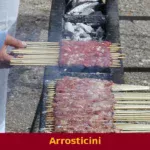
Meats, particularly pork, are protagonists in many recipes, such as costine di maiale con patate (pork ribs with potatoes) or artisanal cured meats, which are aged according to traditional methods.
Legumes, seasonal vegetables, and mushrooms are also plentiful, enriching soups and side dishes, as is homemade bread, often baked in a wood-fired oven, which accompanies every meal. Cuisine is a fundamental piece for understanding local culture, an essential aspect of what to see in Belsito and fully experience the village.
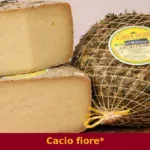
Regarding typical products, sources do not indicate specific DOP, IGP, or PAT certifications for the Belsito area. However, the Calabria region is known for the production of olive oil, citrus fruits, chili peppers, and a wide range of cured meats and sheep and goat cheeses, which are an integral part of the local diet.
These products can be found in the small food shops of the village or in local markets in nearby centers, where freshness and origin are guaranteed by direct producers, as can also be found in neighboring villages like Aprigliano.
Festivals, Events, and Traditions of Belsito
Life in Belsito is marked by festivals and events rooted in religious and popular tradition.
The most significant celebration is the feast dedicated to Saint John the Baptist, the patron saint of the village, held on June 24th. This day is a moment of great devotion and gathering for the entire community, which actively participates in religious rites and civil manifestations. The festival generally includes a solemn procession through the village streets, during which the statue of the saint is carried on the shoulders of the faithful, accompanied by songs and prayers.
In addition to religious aspects, patron saint festivals are often enriched by folkloric events, traditional music concerts, and musical bands that enliven the squares.
There are also stalls selling typical local products and handicrafts, offering the opportunity to taste the gastronomic specialties of the area and purchase artisanal artifacts. These celebrations represent an important occasion for Belsito residents and those who live outside the village to reunite, strengthening community ties and passing down traditions to new generations, keeping the cultural identity of the place alive.
When to visit Belsito and how to get there
The best time to visit Belsito and fully appreciate what to see in Belsito is late spring and summer, from May to September. During these months, the climate is mild and pleasant, with temperatures that allow you to explore the historic center and natural trails without the discomfort of excessive heat or winter cold. Summer, in particular, offers the opportunity to participate in local festivals and events, such as the patron saint’s celebration, which bring the village to life.
Autumn can offer evocative landscapes, with the colors of the foliage painting the surrounding mountains, ideal for those seeking tranquility and breathtaking views.
To reach Belsito, located in the province of Cosenza, several means of transport can be used.
Those arriving by car can take the A2 Mediterranean Motorway (formerly A3 Salerno-Reggio Calabria) and exit at Cosenza Nord, then continue on State Road 107 Silana Crotonese towards Paola and subsequently follow the signs for Belsito. The distance from Cosenza is approximately 20-25 kilometers. For those who prefer the train, the nearest railway station is Cosenza, connected by regional and intercity services. From there, it is possible to reach Belsito by public bus or taxi.
The nearest airport is Lamezia Terme (Lamezia Terme Airport), which is about 60-70 kilometers from Belsito. From the airport, you can rent cars or use public and private transport services to reach Cosenza and then the village.
It is always advisable to check public transport timetables and service availability on the official website of the municipality of Belsito or on transport company portals.
Those visiting Belsito can also consider extending their itinerary to other Calabrian villages such as Bova, another gem of the region.
| Starting Point | Distance | Estimated Time |
|---|---|---|
| Cosenza | 25 km | 35 min |
| Lamezia Terme (Airport) | 65 km | 1 h 10 min |
| Reggio Calabria | 170 km | 2 h |
Frequently asked questions about Belsito
What is the best time to visit Belsito?
The ideal time to visit Belsito is during **summer (June-September)** for pleasant temperatures, cooler evenings than the coast, and opportunities for walking tours of the village and surrounding chestnut groves. **June 24th** is particularly significant for the lively Feast of San Giovanni Battista, the patron saint, featuring a procession and civic celebrations. **Autumn (October-November)** is excellent for experiencing the chestnut harvest and related local food fairs. Spring (April-May) offers beautiful wildflower blooms and clear light, enhancing the hill landscape, perfect for nature photography and gentle strolls.
What to see in Belsito? Main monuments and landmarks
In Belsito, start with the **Church of San Giovanni Battista**, perched at the village's highest point, showcasing 17th-18th century decorative elements and sacred art. Explore the **historic centre**, a compact medieval urban fabric of narrow, winding streets, local stone houses, and external staircases that reveal centuries of building traditions. Don't miss the picturesque **panoramic viewpoints** from the upper village, especially near the church, offering stunning vistas of the Crati valley and the Sila mountains. The ancient **chestnut groves** surrounding the village and historic stone fountains also add to the charm.
What are the main natural or scenic attractions of Belsito?
Belsito's primary natural attractions include its extensive **chestnut groves**, cultivated for centuries, offering picturesque walking trails, especially vibrant during the autumn harvest. From various **panoramic viewpoints** in the upper village, such as the church forecourt, visitors can admire breathtaking vistas of the Crati valley and the majestic Sila mountain ridges. The village's location at 660 meters above sea level itself provides a serene, hilly landscape, with meadows blooming with wildflowers in spring, perfect for photography and enjoying the tranquil inland Calabrian environment.
Where to take the best photos in Belsito?
For the most captivating photos in Belsito, head to the **panoramic viewpoints** located in the upper part of the village, particularly from the church forecourt or the eastern edges of the settlement, offering sweeping views of the Crati valley and the Sila mountains. The **historic centre** itself, with its narrow, irregular streets, rough stone houses, carved sandstone doorways, and external staircases, provides endless charming photo opportunities. Additionally, the ancient **chestnut groves** surrounding the village offer unique perspectives, especially during autumn when they are rich with color and activity.
Are there museums, churches or historic buildings to visit in Belsito?
Yes, Belsito offers several historic points of interest. The most prominent is the **Church of San Giovanni Battista**, the parish church located at the highest point of the village, featuring architectural elements from the 17th and 18th centuries and housing local devotional art. The entire **historic centre** can be considered an open-air museum of traditional Calabrian architecture, with its compact medieval street grid, local stone houses, and historic fountains dating back to the 19th and 20th centuries. While there are no dedicated museums, the village's preserved urban fabric provides a rich historical experience.
What can you do in Belsito? Activities and experiences
In Belsito, you can immerse yourself in authentic village life by **exploring the historic centre on foot**, wandering through its narrow streets and admiring the traditional stone architecture. **Hiking and walking** in the surrounding chestnut groves are popular, especially in summer and autumn. Experience local culture by participating in the **Feast of San Giovanni Battista on June 24th**, with its procession and civic celebrations. Savor the **local cuisine** at family-run trattorias or during seasonal food fairs, tasting specialties like fileja pasta and chestnut-based dishes. Enjoy the tranquility and panoramic views of the Crati valley.
Who is Belsito suitable for? Families, couples, hikers, solo travelers?
Belsito is ideal for **travelers seeking an authentic, tranquil experience** away from mainstream tourist routes. It particularly appeals to **hikers and nature lovers** eager to explore the surrounding chestnut groves and enjoy panoramic mountain views. **Couples and solo travelers** will appreciate the quiet charm of the historic centre and the opportunity for cultural immersion in a traditional Calabrian village. Those interested in **local history and genuine culinary traditions** will also find Belsito rewarding, especially during festivals or harvest seasons. It's less suited for those seeking vibrant nightlife or extensive tourist amenities.
What to eat in Belsito? Local products and specialties
Belsito's cuisine is deeply rooted in local agricultural traditions. Must-try specialties include **fileja**, handmade pasta often served with rich goat or pork ragù, or with porcini mushrooms gathered from local woods. **Chestnuts** are a staple, featuring in winter soups and traditional sweets like local versions of *crustole* during Christmas. Don't miss the excellent **extra virgin olive oil** and cured pork meats such as **soppressata, capocollo, and sausage**. Traditional large-format bread and dried legumes also form part of the authentic gastronomic experience, often found in family-run trattorias or community events.
Nearby Villages near Belsito
In Calabria More villages to discover

Andali
Mountain
Discover Andali, a hilltop village in Calabria's Sila Piccola at 650m, home to Arbëreshë culture, historic streets, and stunning valley views.
Crotone
 Sea
Sea
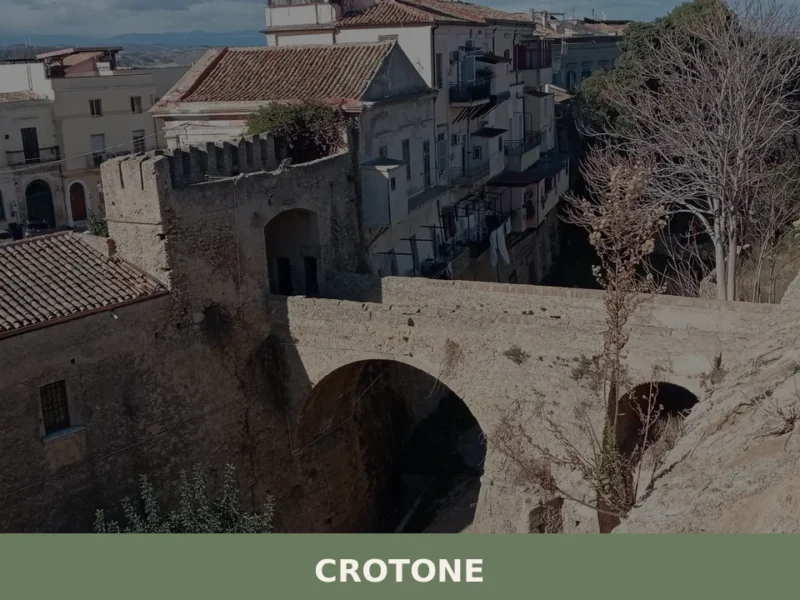
What to see in Crotone, Italy: explore this historic city, 8 meters above sea level. Discover the ancient city walls and the 16th-century Castle of Charles V. Read our complete guide.
Belvedere Marittimo
Sea
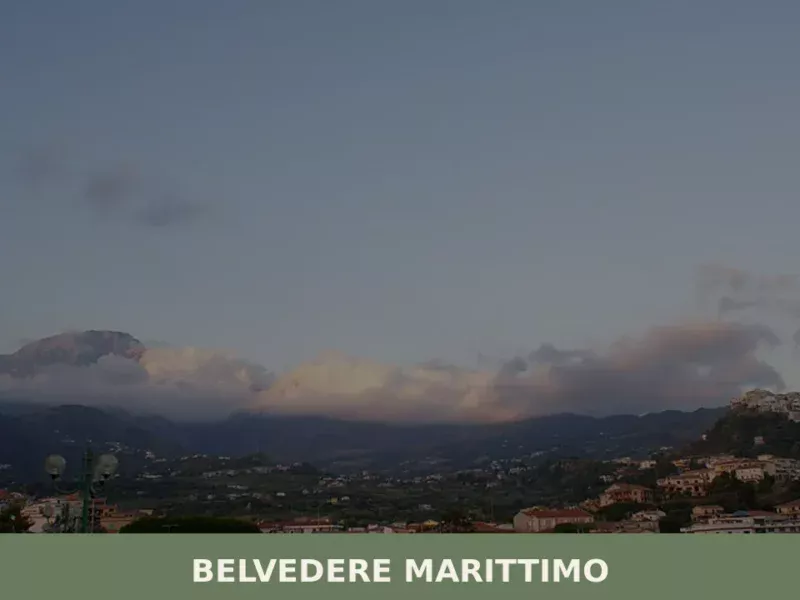
Belvedere Marittimo, a village in the province of Cosenza, stands at 150 meters above sea level and has a population of 9,292 inhabitants. This Calabrian location, classified among the lowland villages, offers a view of the Cosenza Tyrrhenian coast, combining historical elements with its proximity to the coast. Its geographical position has shaped its identity […]
Bonifati
Sea
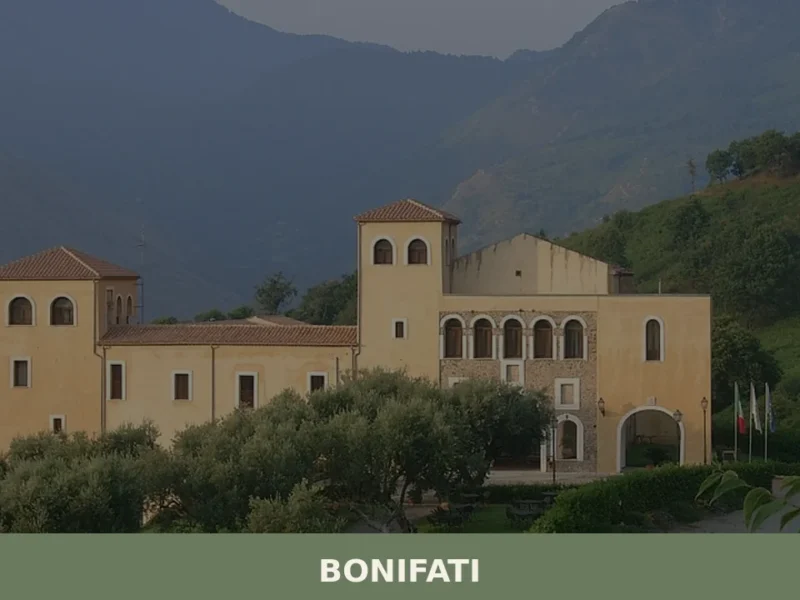
The village of Bonifati, located in the Cosenza hinterland but with a view towards the Tyrrhenian Sea, has historical roots deeply embedded in a past of fortifications and coastal defense. Already in the Middle Ages, this settlement stood out for its strategic position, an element that shaped its urban layout and identity. In this article […]
Amato
 Hills
Hills
The enduring presence of the Arbëreshë language in Amato, a distinctive cultural marker, hints at centuries of layered history within this Calabrian village, where cultural traditions often define daily life. Its ancient foundations stretch back to a time even before Roman influence, earning mentions from revered classical figures like the Greek philosopher Aristotle and the […]
Altilia
Hills
A quiet hill village of 677 people in Calabria's Savuto valley. Discover what to see in Altilia — its stone lanes, parish church, and deep agrarian roots.
Ardore
Sea
what to see in ardore: Discover Italy with Ardore’s altitude at 250 m, explore scenic landscapes and local festivals in Calabria.
Tropea
Sea
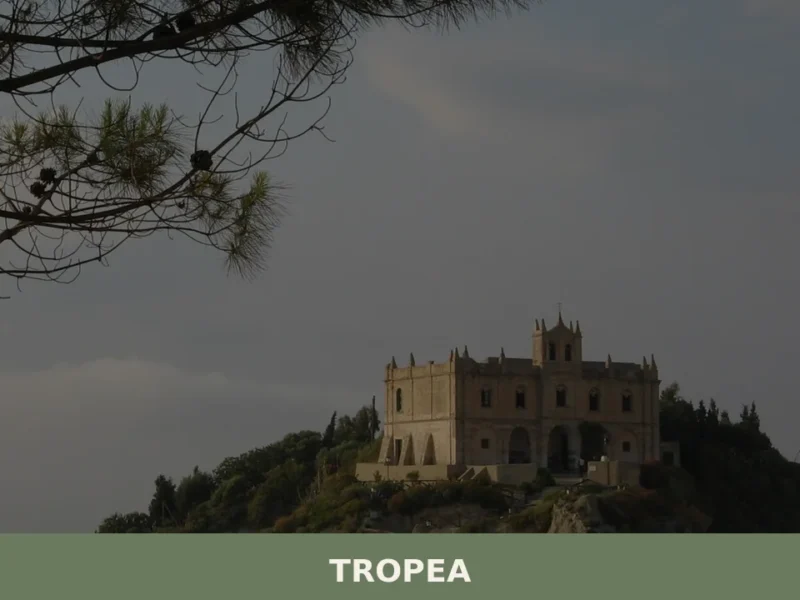
What to see in Tropea, Calabria, Italy: explore 5 top attractions, the famous red onion, sandy beaches on the Tyrrhenian Sea. Discover how to get there.
Antonimina
Hills
What to see in Antonimina, Italy, at 327 m: Discover stone alleys and patron feast. Explore Calabria's culture.
Vibo Valentia
Sea
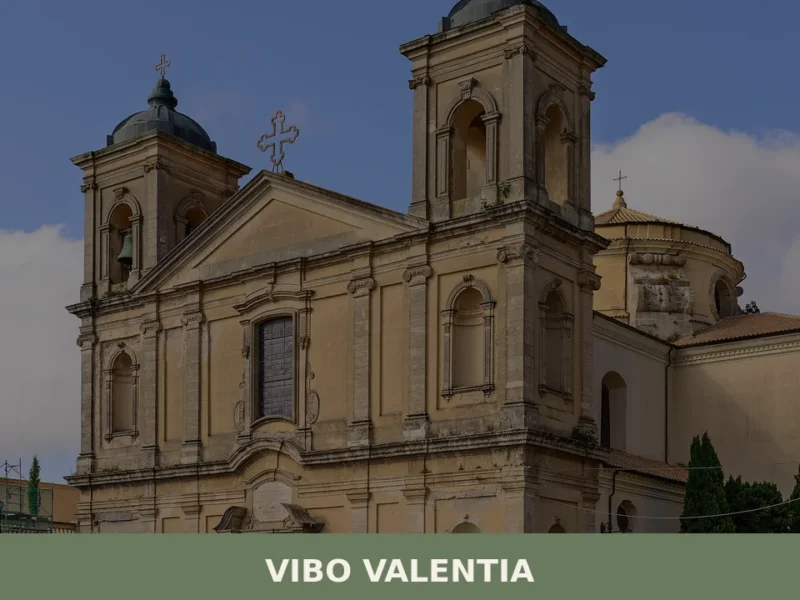
What to see in Vibo Valentia, Italy: Discover the ancient city walls spanning 7 km and the Norman-Hohenstaufen Castle. Explore its rich history and vibrant local culture.

🏡 Know Belsito better than we do?
If you’re a local or have been there, your knowledge matters: add what’s missing or fix a detail on this page.