


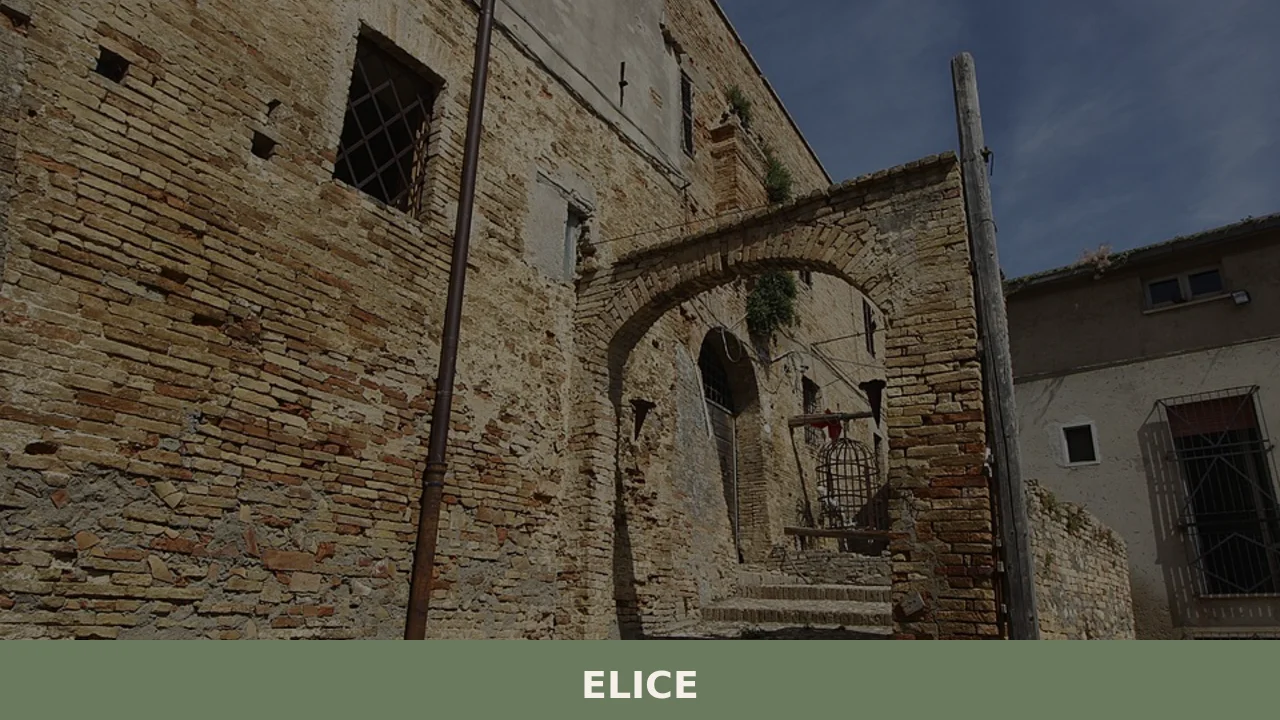
Elice
With a population of 1,616 inhabitants recorded at the last census, Elice is an inhabited center in the province of Pescara, located 259 meters above sea level. Its territory extends into a predominantly flat area, distinguishing itself in a regional context often characterized by mountainous reliefs. Founded on Roman-era pre-existing structures, as suggested by some […]
Discover Elice
With a population of 1,616 inhabitants recorded at the last census, Elice is an inhabited center in the province of Pescara, located 259 meters above sea level. Its territory extends into a predominantly flat area, distinguishing itself in a regional context often characterized by mountainous reliefs. Founded on Roman-era pre-existing structures, as suggested by some archaeological finds, the village developed its defined appearance starting from the Middle Ages. For those wondering what to see in elice, the historic center offers a stratified view of its development, dominated by the presence of a stately fortification and sacred buildings that define its historical and cultural identity.
History and Origins of Elice
The first documented records relating to Elice date back to the 11th century, although the area was already inhabited in Roman times, as evidenced by fragments and artifacts that have surfaced over time. The name itself, according to some interpretations, might derive from the Latin “ilex,” meaning holm oak, a tree once widespread in the territory. During the medieval period, Elice established itself as a fiefdom, controlled by various noble families who shaped its urban and defensive structure. Among these, the De Sterlich family is notable, having built or rebuilt the main fortified structure of the village in the 15th century, consolidating its strategic role.
The village has maintained a concentric structure around its fortified core over the centuries. The historical events of Elice are linked to the feudal dynamics of the Kingdom of Naples, passing under the dominion of families such as the Acquaviva and the Di Capua, who influenced its economic and social development. The defensive system, with its walls and towers, documents the center’s importance in an era of conflicts and territorial control. Subsequent evolution, while modifying some parts of the urban fabric, has preserved the original layout, allowing today to discern the different construction phases.
What to see in Elice: 5 essential attractions
1. De Sterlich-Aliprandi Castle
The De Sterlich-Aliprandi Castle forms the historical core of the village. Its original construction dates back to the 15th century by the De Sterlich family. It features a quadrangular structure with corner towers and an internal courtyard. Modifications over the centuries transformed its appearance from a defensive stronghold to a stately residence, while retaining architectural elements that recall its military function. It currently hosts cultural events and museum spaces.
2. Church of San Martino Vescovo
Dedicated to Saint Martin of Tours, patron saint of Elice, the mother church of the village represents a focal point for the community. The building, reconstructed in various phases, features architecture that blends Romanesque and Baroque elements, resulting from expansions and restorations. Inside, sacred artworks are preserved, including wooden altars and canvases depicting scenes from the life of the Saint and other religious subjects.
3. Convent of Sant’Antonio Abate
Located in the upper part of the town, the Convent of Sant’Antonio Abate dates back to the 17th century. Founded by the Order of Friars Minor, the building includes a church and a cloister. The church’s facade features simple lines and a bell gable. Inside, frescoes and sacred furnishings can be observed, documenting monastic life and the popular devotion connected to the convent over the centuries.
4. Town Hall
Elice’s Town Hall is located in the historic center, occupying a building that reflects post-medieval civil architecture. The structure, despite having undergone modernization interventions, retains elements that denote its age. Its rooms house administrative offices and often serve as venues for public meetings. Its central position makes it a focal point in the civic life of the village.
5. Porta da Capo and Porta da Piedi
The ancient access gates to Elice’s fortified core, known as Porta da Capo and Porta da Piedi, represent the historic entrances to the village. These structures, though partially modified or integrated into the modern urban fabric, retain their function as a demarcation between the outer area and the older center. Passing through them allows one to perceive the original defensive structure of the town.
Typical Cuisine and Local Products
Elice’s cuisine fits into the Abruzzese gastronomic tradition, characterized by the simplicity of ingredients and the richness of flavors. Among the most representative dishes is pasta alla chitarra, often seasoned with lamb or castrato meat ragù, a preparation that enhances the flavors of local shepherding. Also present are sagne e fagioli, a hearty first course made with homemade pasta and legumes, and pallotte cacio e uova, meatless meatballs, fried and then immersed in a tomato sauce, typical of the region’s simple yet flavorful cuisine.
Among local products, extra virgin olive oil holds a significant role, produced from olive groves that characterize the surrounding hilly landscape. The Pescara area is also known for the production of wines like Montepulciano d’Abruzzo and Trebbiano d’Abruzzo. Arrosticini are a staple, skewers of sheep meat cooked on the grill, a symbol of regional gastronomy, which can be enjoyed in local trattorias. Dairy production includes fresh and aged cheeses, often made from sheep’s milk, such as Pecorino d’Abruzzo.
When to visit Elice: the best time
Elice’s climate, influenced by its location in the province of Pescara, features hot summers and mild winters. The best time to visit the village extends from late spring to autumn, particularly in the months of May, June, and September. During these seasons, temperatures are pleasant and allow for exploration of the historic center and the surrounding countryside without the intense heat of the central summer months. Local events and festivals, often related to agricultural products or religious holidays, animate the town, offering opportunities to connect with traditions. The patron saint’s festival of Saint Martin of Tours occurs on November 11th, a significant moment for the community.
How to get to Elice
Elice is primarily accessible via the road network. Those coming from the north or south can take the A14 Adriatica motorway, exiting at the Pescara Nord-Città Sant’Angelo toll booth. From there, continue for about 15-20 kilometers following signs for Elice. The nearest airport is Abruzzo Airport (PSR) in P
In Abruzzo More villages to discover
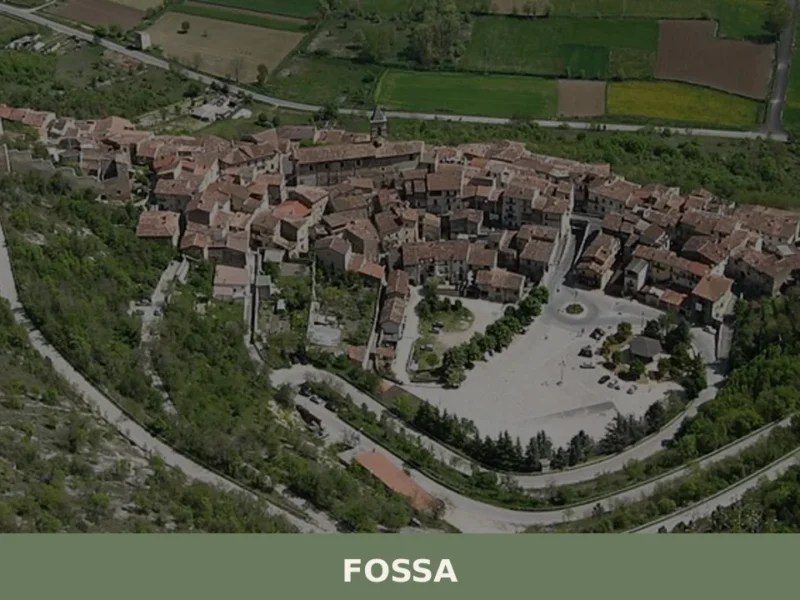
Fossa
The Vestine necropolis of Fossa, unearthed in 1992 along the state road 17, revealed over six hundred tombs dating from the 9th to the 1st century BC — a discovery that rewrote our understanding of pre-Roman central Italy. Anyone wondering what to see in Fossa will find a solid starting point here: a village of […]
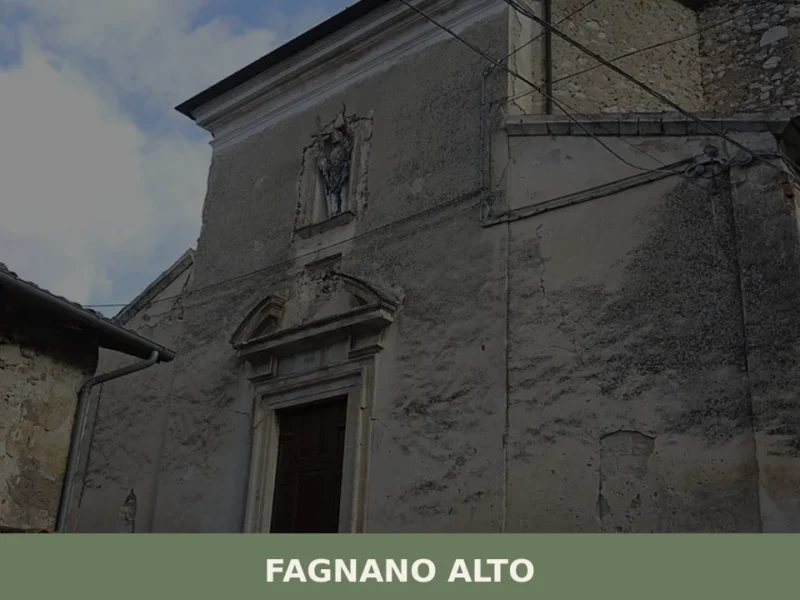
Fagnano Alto
Fagnano Alto is not a single village but a scattered municipality: 363 inhabitants spread across twelve hamlets between 560 and 900 metres above sea level, on the eastern slope of the middle Aterno valley, in the province of L’Aquila. The administrative centre is Vallecupa, dedicated to San Donato, but each hamlet has its own patron […]
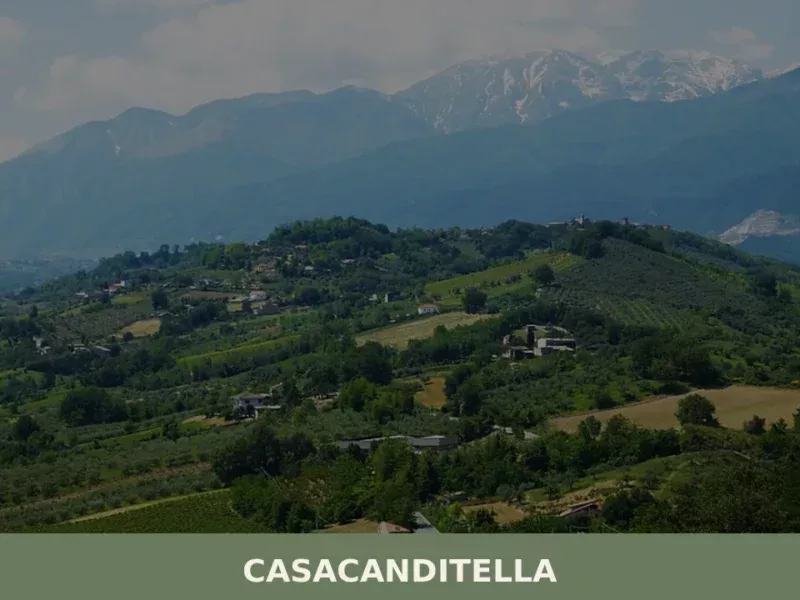
Casacanditella
At 432 metres above sea level, on the eastern slope of the Majella descending towards the Foro river valley, Casacanditella has 1,169 inhabitants and a municipal territory that extends entirely across hilly terrain in the province of Chieti. Anyone wondering what to see in Casacanditella will find a compact urban centre, a church dedicated to […]




📝 Incorrect information or updates?
Help us keep the Elice page accurate and up to date.