


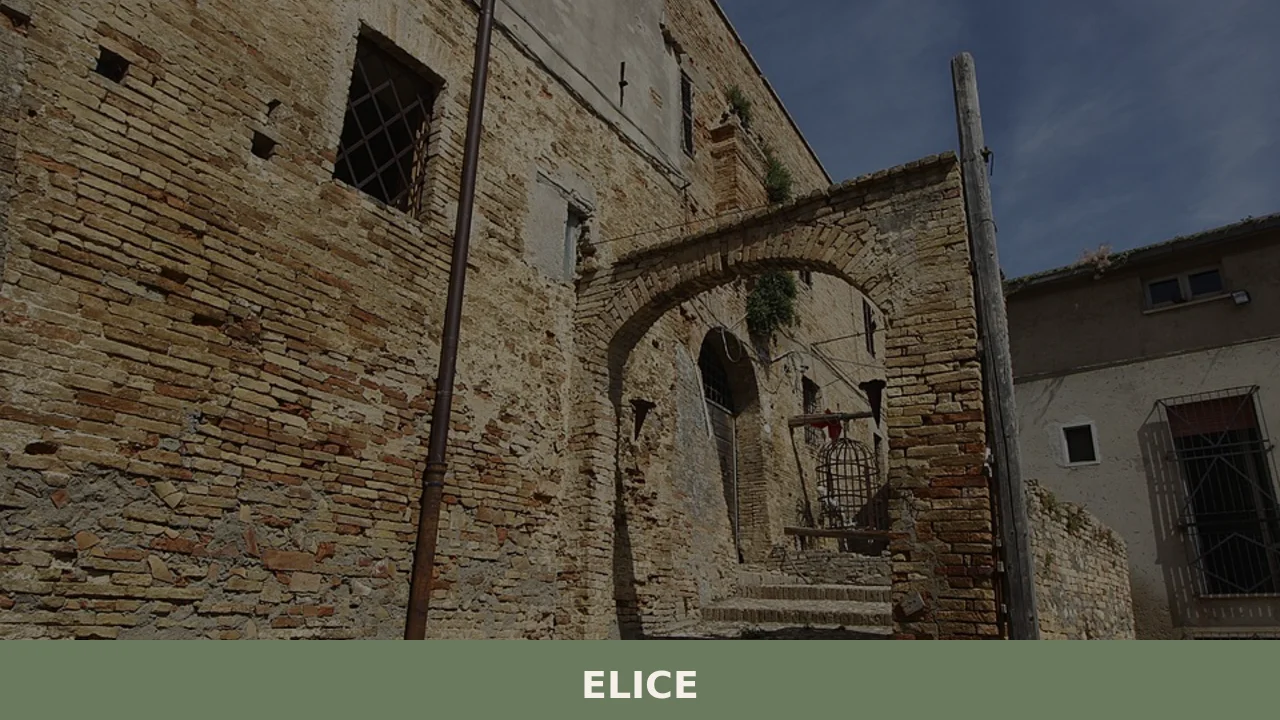
Elice
 Hills
Hills
What to see in Elice, Italy: Discover its 259 m altitude, ancient origins, and ceramic heritage. Explore Elice, Abruzzo, for a historical journey.
Discover Elice
Situated at an altitude of 259 m (850 ft) above sea level, Elice is a small comune in the province of Pescara, part of the Abruzzo region of Italy. This hill village, home to 1,616 inhabitants, stands in a territory whose fertility has attracted human presence since the Paleolithic Age, a testament to its long and continuous history.
The very name of the village, Elice, is rooted in the natural landscape, derived from the holm oaks (quercus ilex) that once densely covered the area.
For those wondering what to see in Elice, the village offers a journey through its deep historical layers, from prehistoric settlements to a notable 19th-century artisan tradition. Visitors to Elice find a rich tapestry of historical facts, including its ancient origins and the legacy of its ceramic workshops. The key highlights of Elice include exploring the evidence of its earliest inhabitants and understanding the influences of powerful regional families.
History of Elice
The territory of Elice, Abruzzo, Italy, boasts a remarkable history of human habitation stretching back to the Paleolithic Age. The inherent fertility of the land in this part of Abruzzo provided an ideal environment for early human settlements, supporting communities for tens of thousands of years before recorded history. This deep connection to the land is also reflected in the village’s name, which originates from the holm oaks (elici in Italian) that were once a prominent feature of the local landscape, indicating a natural abundance that shaped its identity.
During the 15th century, Elice found itself under the administrative and political influence of Penne, a historically significant town in the Abruzzo region.
This period was characterized by the complex feudal structures prevalent across Italy, where smaller settlements like Elice often fell within the dominion of larger, more powerful centers. Following this association, Elice subsequently came under the long-term control of the Castiglione family, a prominent lineage whose enduring presence shaped the village’s development and local governance for an extended period, similar to the historical trajectories of other Abruzzese settlements such as Catignano.
The economic and cultural landscape of Elice evolved over the centuries, leading to a notable period of artisan activity in the late 19th century. During this era, the village became recognized for its thriving ceramic workshops, where skilled artisans produced various wares. This tradition highlights a local economy that, beyond agriculture, fostered specialized crafts, contributing to the cultural heritage and reputation of Elice within the wider Abruzzo region. The legacy of these workshops speaks to a period of local industry and artistic expression that continues to inform the village’s identity.
What to see in Elice, Abruzzo: top attractions
The Evidence of Paleolithic Habitation
Visitors to Elice can explore the historical depth of a territory continuously inhabited since the Paleolithic Age, a period stretching back tens of thousands of years.
The fertile soil and favorable climate of this Abruzzese hill region provided essential resources for early human communities. Understanding this ancient past involves imagining the lives of the first inhabitants who thrived here, leaving behind traces of their existence that archaeologists continue to uncover in similar contexts throughout central Italy. This profound historical layer represents the very foundation of Elice’s story, predating its documented feudal history by millennia.
The Etymology and Natural Landscape
The village’s name, Elice, offers a direct link to its natural surroundings, deriving from the holm oaks that once covered the local hills. Situated at an altitude of 259 m (850 ft) above sea level, the landscape provides a clear understanding of why these resilient evergreen trees were so prevalent. Exploring the remaining holm oak groves and the surrounding hill country offers a tangible connection to the village’s origins and its identity as a rural Abruzzese settlement.
This natural feature underscores the enduring relationship between the community and its environment, shaping local culture and daily life.
Historical Ties to Penne
Elice’s history in the 15th century is defined by its administrative dependence on Penne, a significant regional center in Abruzzo during the medieval period. This historical connection meant that Elice was part of a broader network of influence, with Penne acting as a key political and economic hub. Understanding this relationship provides insight into the feudal system that governed much of Italy, where smaller villages like Elice contributed resources and allegiance to more powerful entities. A visit offers a chance to reflect on the historical power structures that shaped the region for centuries.
The Legacy of the Castiglione Family
For a significant and extended period, Elice was under the dominion of the Castiglione family, a lineage whose influence left an indelible mark on the village’s development. Their long-standing ownership would have dictated many aspects of local life, from land use to governance and social structures. Exploring the historical context of this powerful family’s rule allows visitors to appreciate the enduring impact of feudal patronage and control on small Italian communities.
This historical phase, spanning multiple generations, shaped the physical and social fabric of Elice for centuries.
19th-Century Ceramic Workshops
In the late 19th century, Elice gained recognition for its active ceramic workshops, which represented a flourishing period of local craftsmanship and industry. These workshops produced various ceramic items, reflecting the skills and artistic traditions of the local artisans. While specific examples of these workshops may no longer be operational, their historical presence highlights a significant aspect of Elice’s economic and cultural past. Learning about this artisan heritage provides a glimpse into the village’s industrial history and its contribution to the wider craft traditions of Abruzzo.
Local food and typical products of Elice
The available sources do not provide specific details regarding the local food and typical products unique to Elice itself. However, as a village located in the province of Pescara within the Abruzzo region, Elice shares in the rich and diverse culinary traditions characteristic of this part of Italy. Abruzzese cuisine is generally rooted in both pastoral and agricultural practices, reflecting the region’s mountainous interior and fertile coastal plains.
This dual influence typically results in hearty dishes that utilize local ingredients, though specific Elice preparations are not documented.
Given its geographical position as a hill town, the gastronomy around Elice would traditionally emphasize ingredients readily available from the surrounding countryside. This often includes seasonal vegetables, locally raised meats, and products derived from sheep farming. While specific dishes cannot be named for Elice without verifiable sources, the broader Abruzzese tradition values simple, robust flavors and time-honored cooking methods. Visitors might encounter elements of this regional approach in local eateries, focusing on the quality and freshness of ingredients.
Regarding certified products, the provided data does not list any specific designations (such as DOP or IGP) directly attributed to Elice. The absence of such documentation for Elice highlights the importance of relying strictly on verifiable information when discussing local specialities. Therefore, while Abruzzo as a region boasts many acclaimed food products, none are specifically linked to Elice in the available official records.
Festivals, events and traditions of Elice
The central pillar of Elice’s traditional calendar is the celebration dedicated to its patron saint, Martino di Tours.
This revered figure is honored annually on November 11th, a date observed with religious devotion and community gatherings across Italy. While specific details of the Elice festivities are not provided, patron saint festivals typically involve solemn religious processions through the village streets, often accompanied by local bands and followed by communal meals. These events offer a moment for reflection and collective celebration, reinforcing local identity.
Beyond the solemn religious observances, it is common for such festivals to include elements of popular tradition, such as small local markets where artisans and food producers showcase their wares. Although the sources do not specify additional documented food fairs or other unique traditions for Elice, the patron saint’s day serves as a significant annual event. Such occasions usually bring together residents and visitors, fostering a sense of community and providing an opportunity to experience the village’s cultural rhythm.
When to visit Elice, Italy and how to get there
Determining the best time to visit Abruzzo, and consequently Elice, largely depends on the activities you plan.
Spring (April to June) and autumn (September to October) offer the mildest weather, making them ideal for exploring the hill landscape and historical sites without the intense heat of summer. During these periods, the countryside around Elice, a hill comune, is particularly inviting for gentle walks, with pleasant temperatures and fewer crowds. Summer (July and August) can be warm, but it is often the season for local festivals and outdoor events, attracting a different kind of visitor.
The terrain around Elice, characteristic of a hill village, may involve some inclines and uneven surfaces, which is a consideration for visitors with mobility concerns. For those planning a day trip from a nearest major city like Pescara, Elice is readily accessible. If you arrive by car, the A14 motorway provides access to the region, and from there, provincial roads lead directly to the village. The nearest major transport hub is Pescara, which hosts the Abruzzo Airport and a central train station.
For detailed travel information, including local routes and public transport options, visitors can consult the official municipal website of Elice.
For international visitors, a few practical tips can enhance the experience in smaller Italian villages like Elice. While English may be spoken in larger tourist centers, it can be limited in local shops and smaller establishments, so having a few Italian phrases handy is always beneficial. It is also advisable to carry some Euros cash, as not all smaller businesses may accept card payments, ensuring a smoother transaction experience during your exploration of what to see in Elice.
For those wishing to extend their exploration of Abruzzo’s diverse landscape, Fossa offers further historical context, while Magliano de’ Marsi provides insight into another facet of the region’s rich past. Similarly, a visit to Palombaro can offer a different perspective on the natural beauty and historical settlements found across Abruzzo.
📷 Photo Gallery — Elice
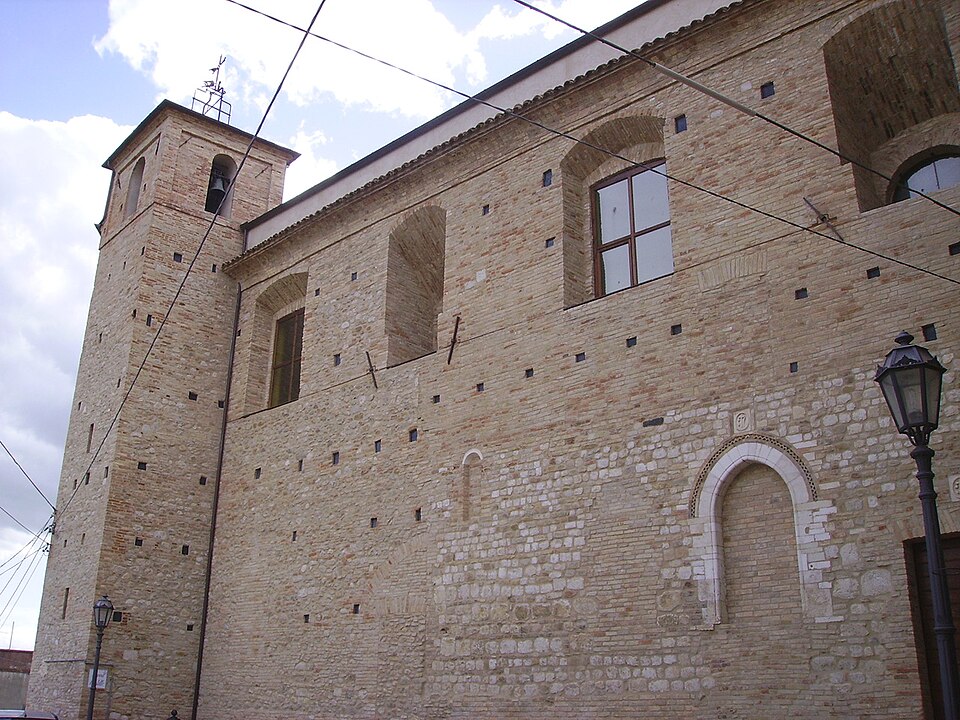
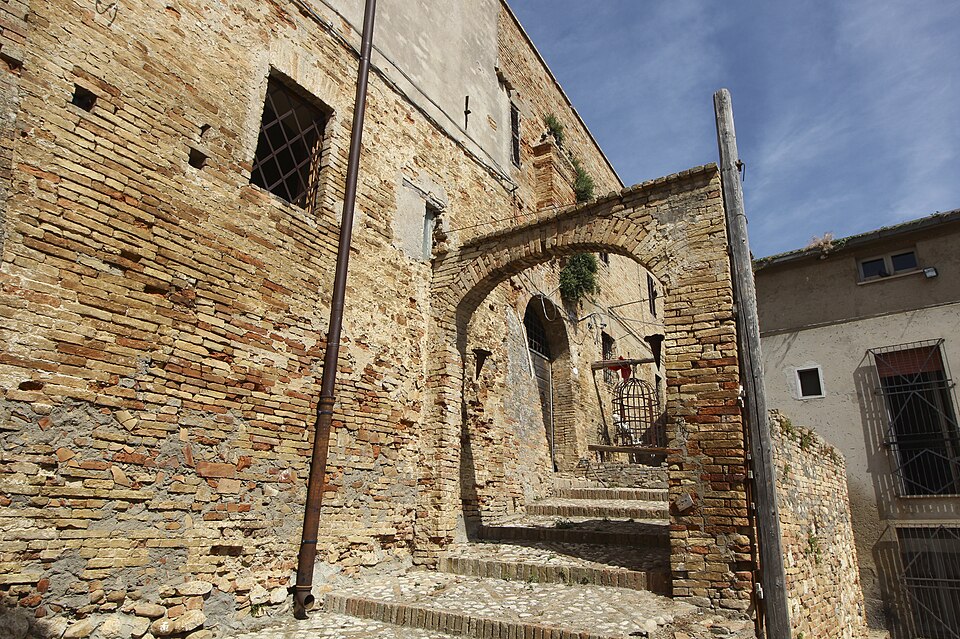
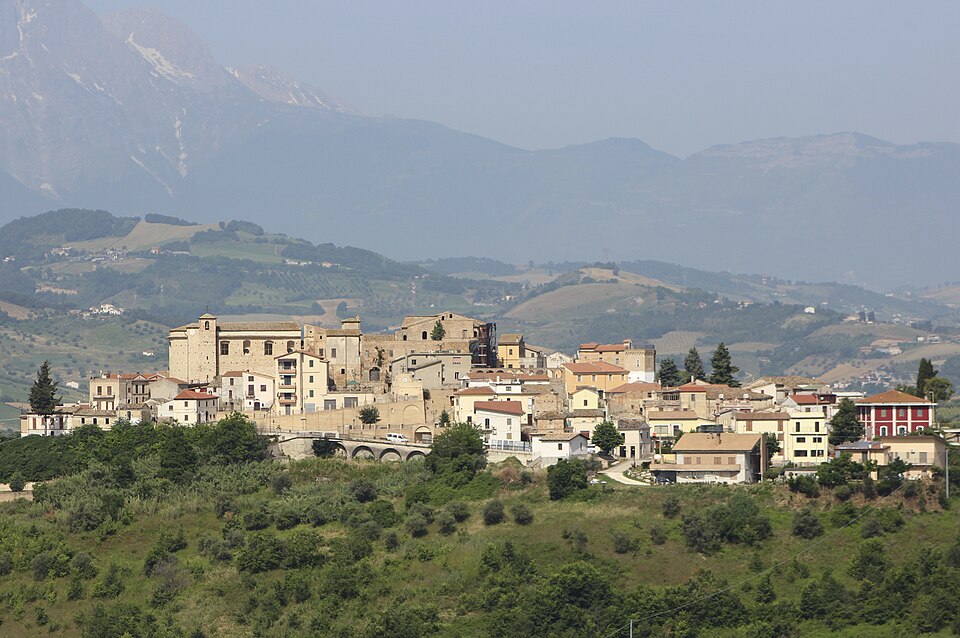
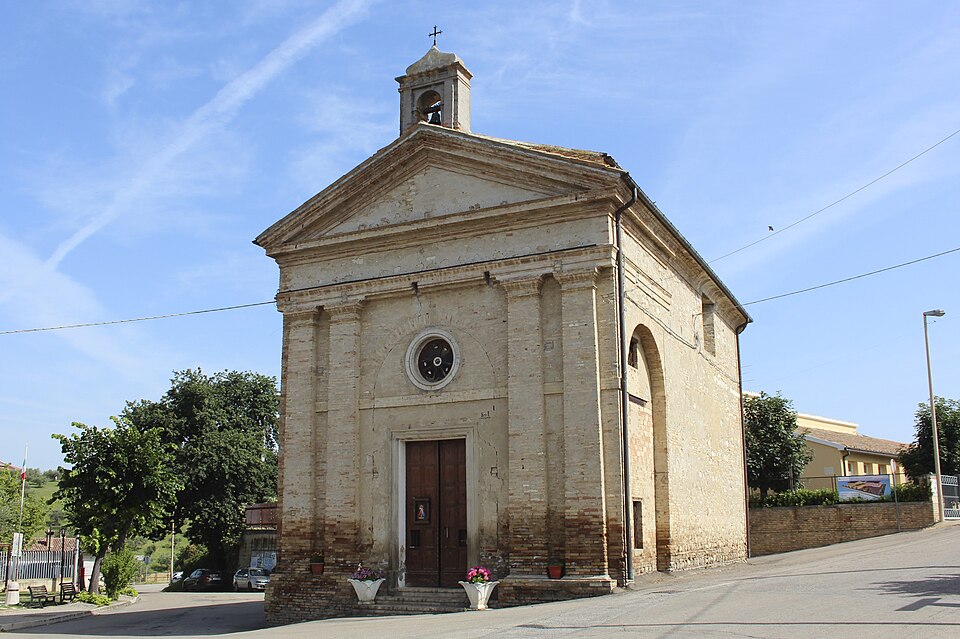
Nearby Villages near Elice
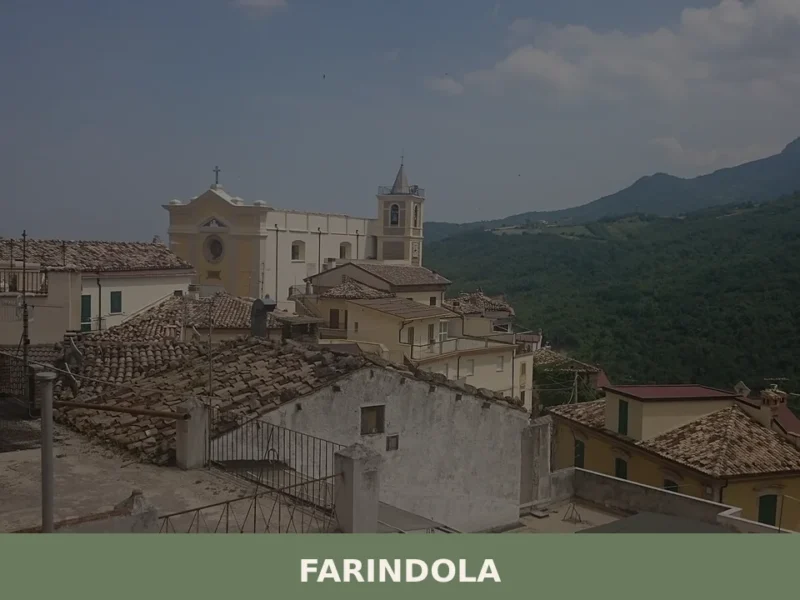
In Abruzzo More villages to discover
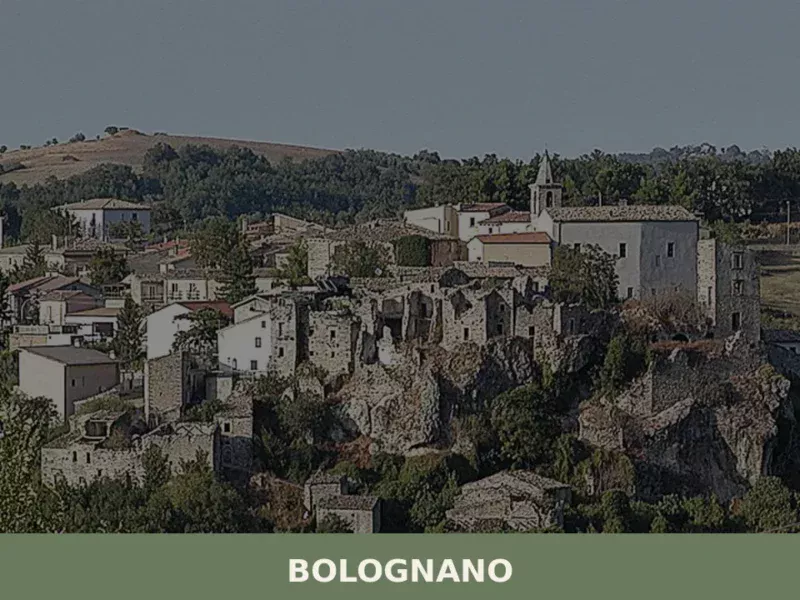
Bolognano
Hills
At 276 metres above sea level, along the Orta valley, Bolognano has a current population of 1,002 and occupies a stretch of flatland in the province of Pescara that served, between 1989 and 1992, as the site of an international art experiment conceived by the German artist Joseph Beuys. Asking what to see in Bolognano […]
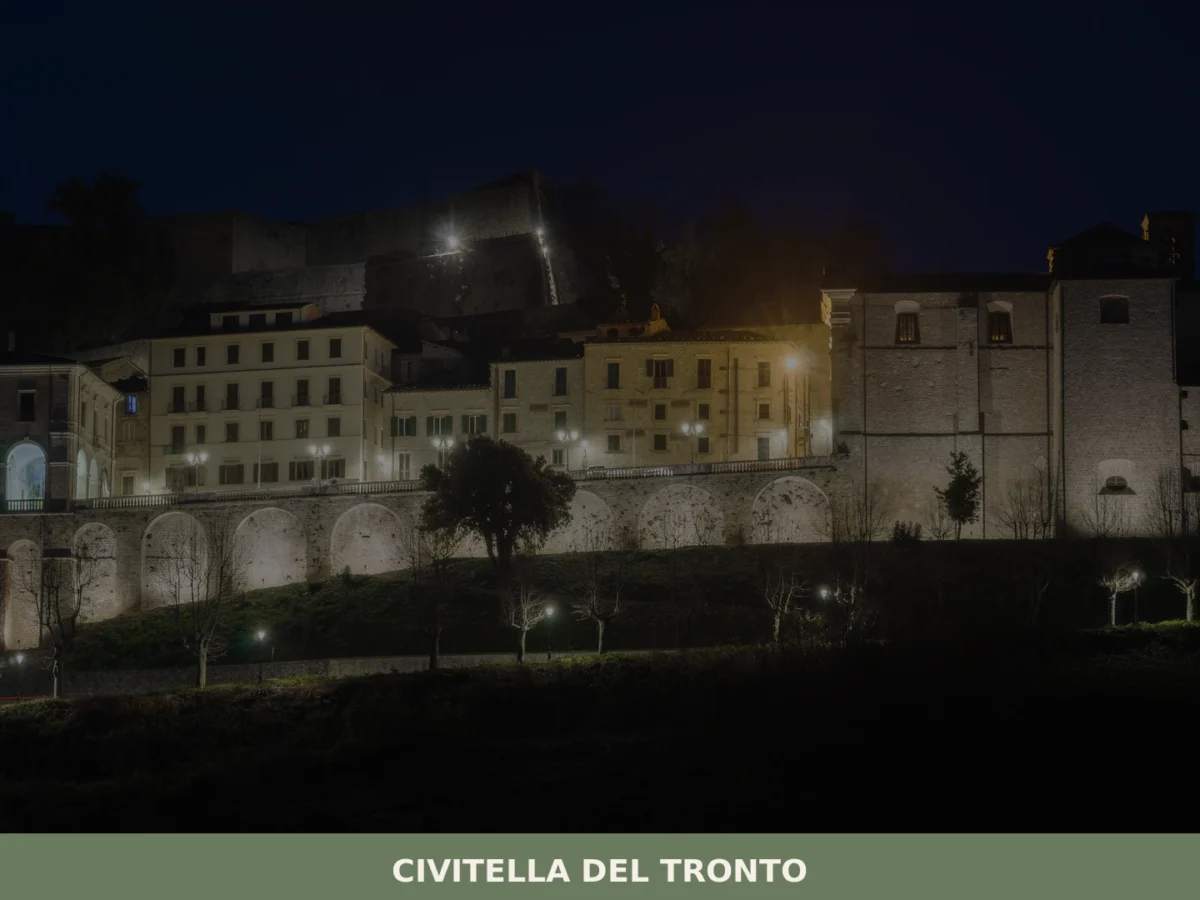
Civitella del Tronto
Hills
what to see in civitella del tronto, Italy: Discover the historic Fortress and the 1326 San Francesco church in this Abruzzo village at 589 meters altitude. Explore now.
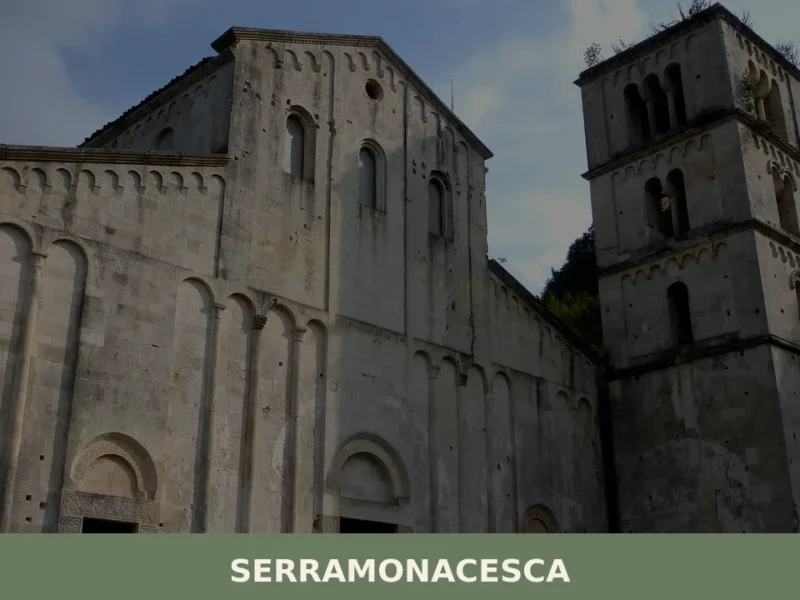
Serramonacesca
Hills
What to see in Serramonacesca, Abruzzo, Italy: discover 6 top attractions including the Abbey of San Liberatore, rock-cut tombs, and a medieval tower. Population 560.
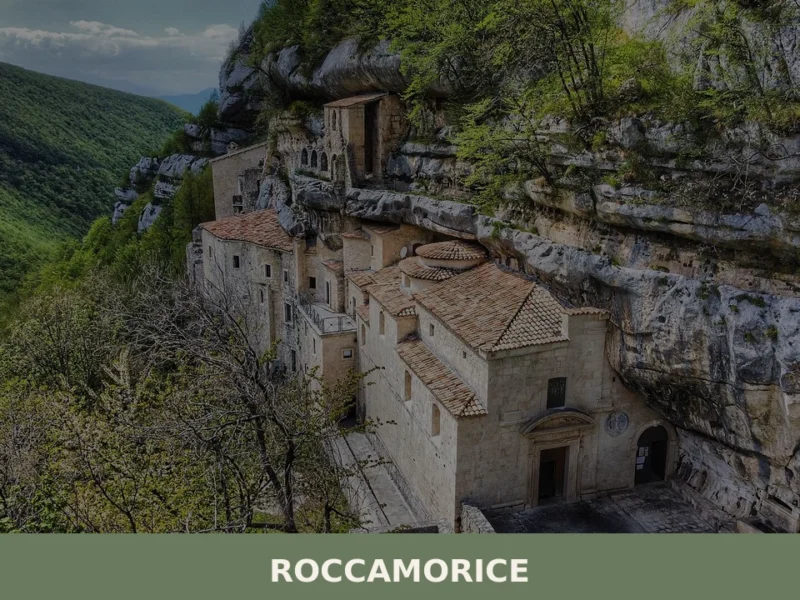
Roccamorice
 Mountain
What to see in Roccamorice, Italy: discover rock-cut hermitages, the Majella National Park, and unique river-carved landscapes. Explore Abruzzo.
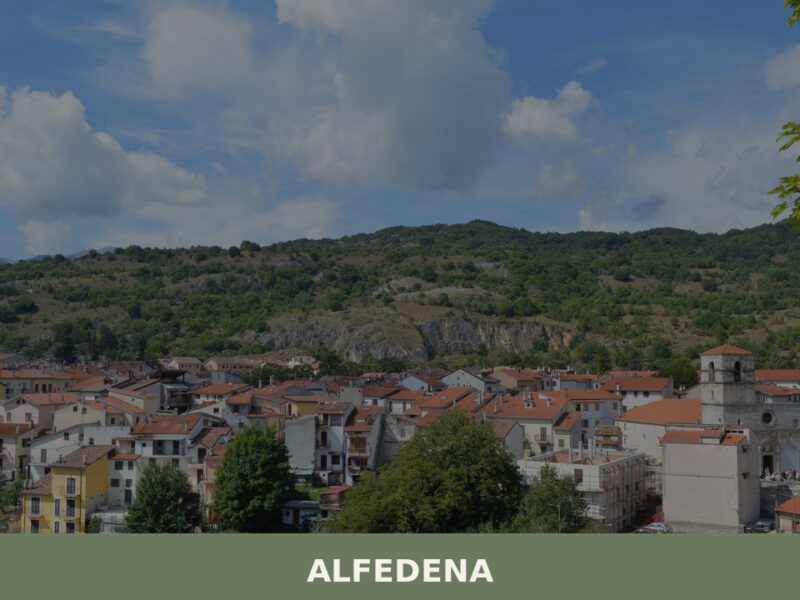
Alfedena
Mountain
Morning light falls across a line of limestone rooftops, turning them the colour of raw honey. A church bell marks the hour — its sound rolls downhill, across empty streets still cool from the night, and fades into the forested slopes of the upper Sangro valley. Alfedena sits at roughly 914 metres above sea level […]
Prata d’Ansidonia
Mountain
What to see in Prata d’Ansidonia? Discover the 5 must-see historic attractions of this village in Abruzzo. Plan your visit and immerse yourself in local history.
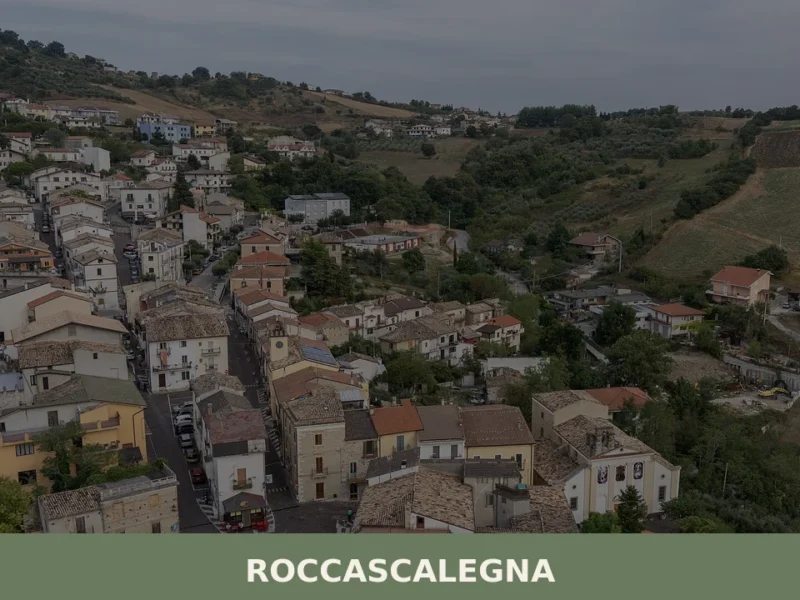
Roccascalegna
Hills
What to see in Roccascalegna, Abruzzo, Italy: castle, abbey, medieval village and 1,263 inhabitants. Discover top attractions, food and travel tips.
Collelongo
Mountain
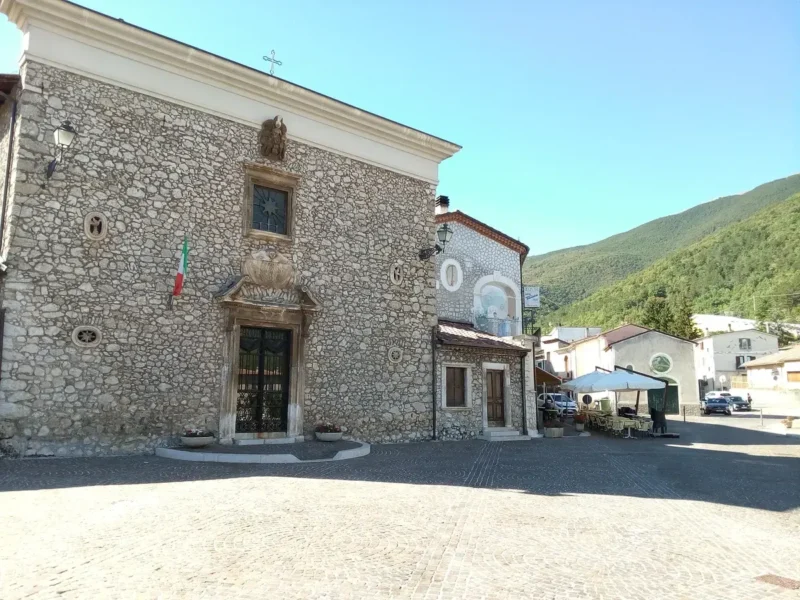
At 915 metres above sea level, in the innermost stretch of the Valle Roveto, Collelongo has 1,108 inhabitants and a position that keeps it close to the Apennine ridges of the province of L’Aquila. In this article History and origins of Collelongo What to See in Collelongo: Main Attractions Traditional cuisine and products of Collelongo […]
Civitella Roveto
Hills
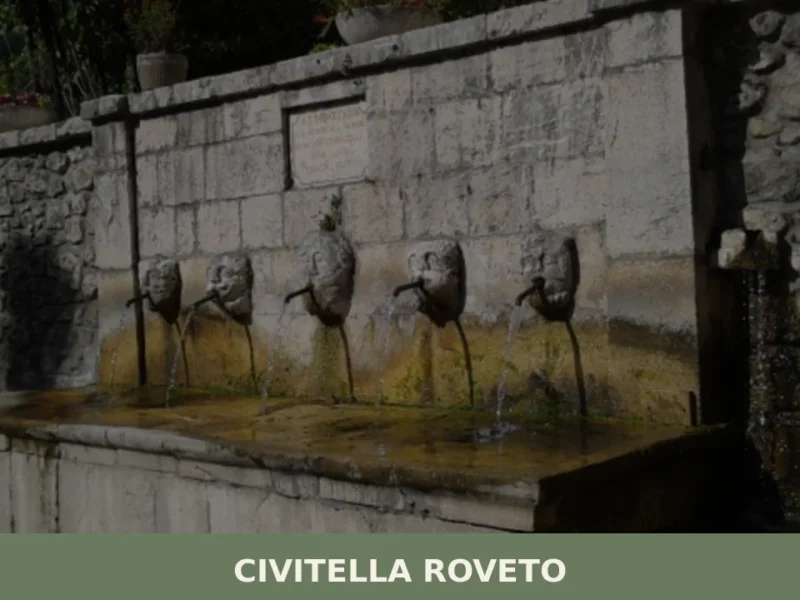
At 528 metres above sea level, on the eastern side of the Valle Roveto, Civitella Roveto has a current population of 3,327, spread between the old town and the hamlets along the River Liri. The valley, a natural corridor between the Marsica and Lazio, determined the strategic role of this settlement for centuries. Understanding what […]
Casacanditella
Hills
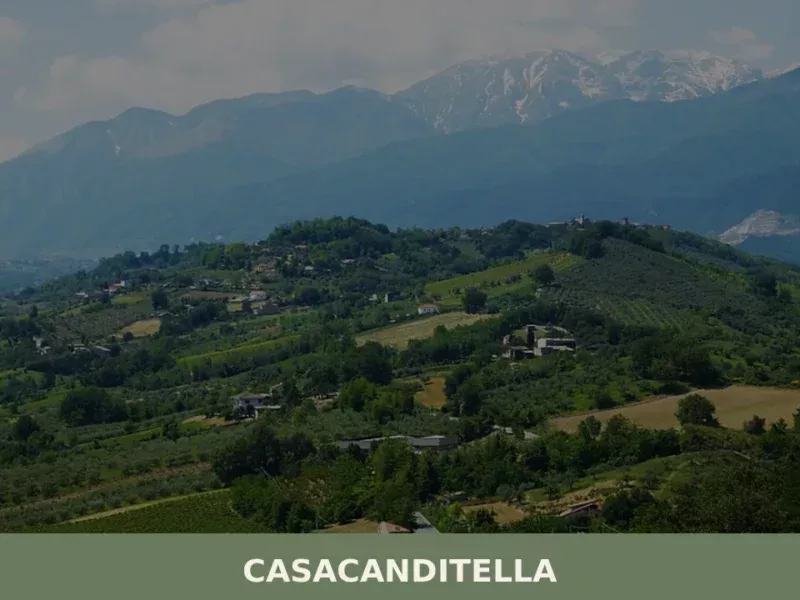
At 432 metres above sea level, on the eastern slope of the Majella descending towards the Foro river valley, Casacanditella has 1,169 inhabitants and a municipal territory that extends entirely across hilly terrain in the province of Chieti. Anyone wondering what to see in Casacanditella will find a compact urban centre, a church dedicated to […]





🏡 Know Elice better than we do?
If you’re a local or have been there, your knowledge matters: add what’s missing or fix a detail on this page.