


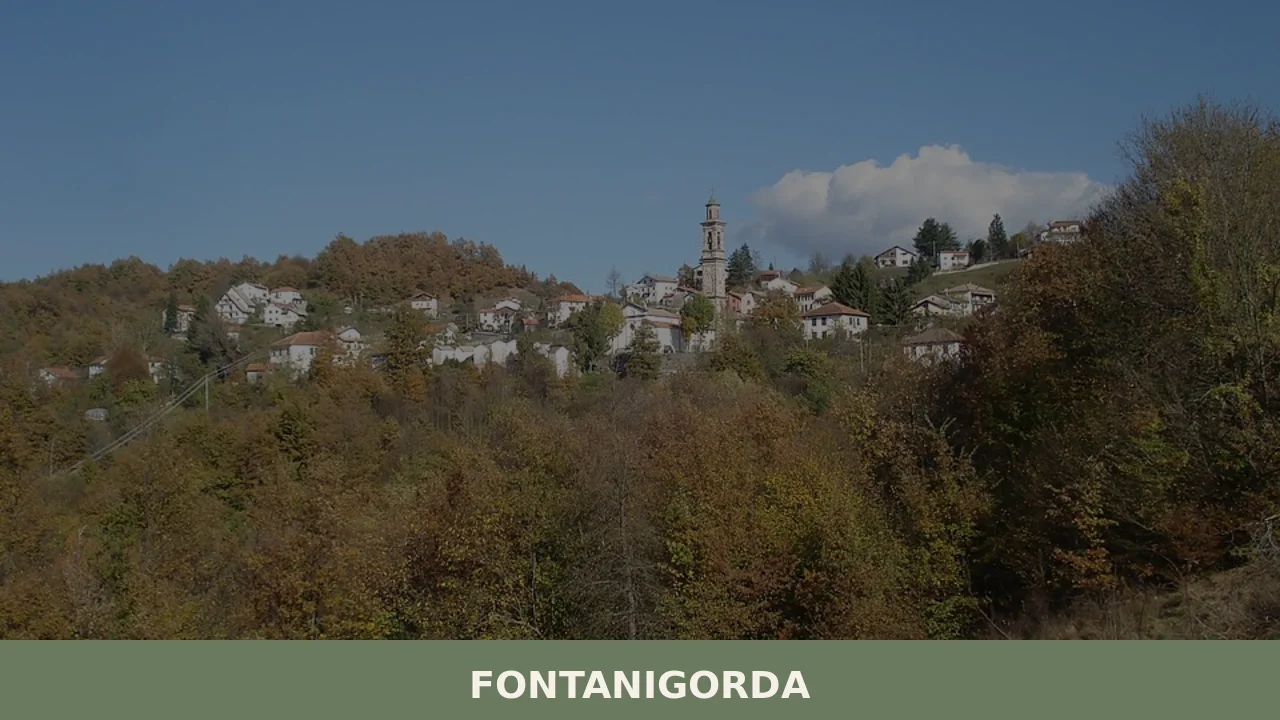
Fontanigorda
At 819 meters above sea level, in the heart of the upper Trebbia Valley, Fontanigorda appears as an alpine settlement in the province of Genoa. Its documented origin dates back to 1153, when it appears in annals as “Fontana Gordana,” a reference to the abundance of water in its territory. This village, with a population […]
Discover Fontanigorda
At 819 meters above sea level, in the heart of the upper Trebbia Valley, Fontanigorda appears as an alpine settlement in the province of Genoa. Its documented origin dates back to 1153, when it appears in annals as “Fontana Gordana,” a reference to the abundance of water in its territory. This village, with a population of 233 inhabitants, offers an experience far from the more frequented coastal routes, inviting visitors to discover a pace of life dictated by the mountains. For those wondering what to see in fontanigorda, the village offers a historical core and a natural setting that define its character. On January 17, the community celebrates its patron saint, Saint Anthony the Abbot, with rituals rooted in centuries of local tradition.
History and Origins of Fontanigorda
The history of Fontanigorda began to take shape in the 12th century, with the first records confirming its existence as “Fontana Gordana.” The name itself evokes the presence of springs and watercourses that shaped the landscape and the lives of its inhabitants. The territory, strategically located in the Ligurian hinterland, was long disputed among powerful local feudal families, particularly the Fieschi, who exerted significant influence over the valley.
Over the centuries, Fontanigorda came under the dominion of the Republic of Genoa, becoming an integral part of its vast possessions and following its historical events until the Napoleonic era and its annexation to the Kingdom of Sardinia. Its mountain location fostered the development of a community tied to subsistence agriculture and pastoralism, with transhumance marking seasonal rhythms and contributing to the creation of a network of paths and connections with the surrounding valleys.
The architecture of the historical center reflects this evolution, with stone buildings that bear witness to traditional Ligurian mountain construction techniques. Each structure, each small square, is an element that makes up the narrative of a village that has managed to maintain its identity through the centuries, resisting the transformations of time and preserving a strong connection with its environment.
What to see in Fontanigorda: 5 essential attractions
A visit to Fontanigorda focuses on its historical core and the opportunities offered by the surrounding territory. Here are some points of interest:
1. The Church of Saint Anthony the Abbot
Built in the 18th century and later expanded in the 19th century, the parish church is the focal point of the village’s religious life. Its simple facade and interiors house sacred artworks and furnishings that convey the community’s devotion. The building stands in a prominent position, offering a visual landmark for the entire settlement and the valley below.
2. The Oratory of San Rocco
Built in the 18th century, the Oratory of San Rocco is a minor but significant place of worship for local history. Often used for specific ceremonies and celebrations, it represents an example of the period’s minor religious architecture, with details reflecting the style and construction techniques of the era. Its presence enriches the cultural heritage of the village.
3. The Fountain of Peace
A symbolic and functional element, the Fountain of Peace is a direct reference to the village’s name itself. It represents one of the historical water points of the village, around which daily life has unfolded for generations. Its stone structure testifies to the importance of water for the community, and its location offers an opportunity for a reflective pause.
4. The Historical Center
Walking through the streets of Fontanigorda’s historical center means observing up close the stone houses, ancient doorways, and the urban layout that has developed over centuries. The configuration of the streets and smaller squares reveals the adaptation to the mountain terrain and the constructive ingenuity of the inhabitants. Every architectural element contributes to defining the appearance of the village.
5. The Trails of the Upper Trebbia Valley
The surroundings of Fontanigorda offer numerous trails for hiking. It is possible to undertake walking routes that delve into beech and chestnut forests, allowing observation of the typical flora and fauna of the Ligurian Apennines. These paths offer panoramic views of the valley and lead to smaller localities and points of natural interest.
Typical Cuisine and Local Products
The cuisine of Fontanigorda, deeply rooted in the tradition of the Upper Trebbia Valley, reflects the availability of local ingredients and the need for hearty dishes. Among the most representative products are porcini mushrooms, abundant in the surrounding woods, which are used to enrich first courses like tagliatelle or risottos, or simply cooked sautéed. Chestnuts, once a fundamental food resource, are still prominent in various preparations, from flour for bread and polenta, to desserts.
Formaggetta della Val Trebbia is a typical dairy product, a fresh or semi-aged cheese that often accompanies local cured meats or is enjoyed with honey. The potatoes of the Trebbia Valley, known for their quality, also form the basis of numerous recipes, from stuffed focaccias to gnocchi. Focaccias are also common, prepared with various toppings, including those with onions or wild mountain herbs, which make for a savory snack or meal accompaniment.
When to Visit Fontanigorda: The Best Time
The best time to visit Fontanigorda depends on the traveler’s specific interests. During the summer months, from June to September, the mountain climate offers mild temperatures and long days, ideal for hiking and outdoor activities. The trails of the Upper Trebbia Valley are fully accessible, and the village becomes lively with the arrival of visitors seeking relief from coastal heat.
Autumn, particularly October, is an appealing period for the colors of the foliage and for mushroom and chestnut gathering, traditional activities of the area. Winter, with the possibility of snowfall, transforms the landscape, offering an atmosphere of tranquility. The patron saint’s festival of Saint Anthony the Abbot, on January 17, provides an opportunity to experience local traditions, although the climate can be harsh.
How to Get to Fontanigorda
To reach Fontanigorda, a car is the most recommended means of transport, given its mountain location and limited public transport network. From the city of Genoa, approximately 60 kilometers away, one can take the A12 motorway towards Livorno, exiting at Chiavari, then continue along provincial roads that ascend the Fontanabuona Valley and subsequently the Trebbia Valley. Alternatively, it is possible to take the SS45 of the Trebbia Valley from Genoa, a slower but scenic route.
The nearest train station is Genoa Brignole or Chiavari. From these stations, it is necessary to arrange a bus service (with limited and often indirect connections) or a taxi to reach the village. The nearest airport is Genoa Cristoforo Colombo Airport (GOA), approximately 70 kilometers away.
Other Villages to Discover in Liguria
Liguria, in addition to its famous coasts, conceals a network of villages in its hinterland that warrant careful exploration. While Fontanigorda offers a genuine mountain experience, other Ligurian villages present different perspectives on the relationship between humans and the territory. For example, Castiglione Chiavarese, not far from the coast but already extending towards the first hills, presents a different historical and landscape context, with its architecture recounting centuries of rural life and ties to the sea.
Moving westward, the hinterland offers places like Apricale, a village in the Imperia area that stands out for its concentric structure and painted facades. These settlements, despite their uniqueness, share with Fontanigorda the ability to preserve a strong identity, offering visitors the opportunity for an immersion in a lesser-known Liguria, characterized by slow rhythms and genuine traditions.
In Liguria More villages to discover
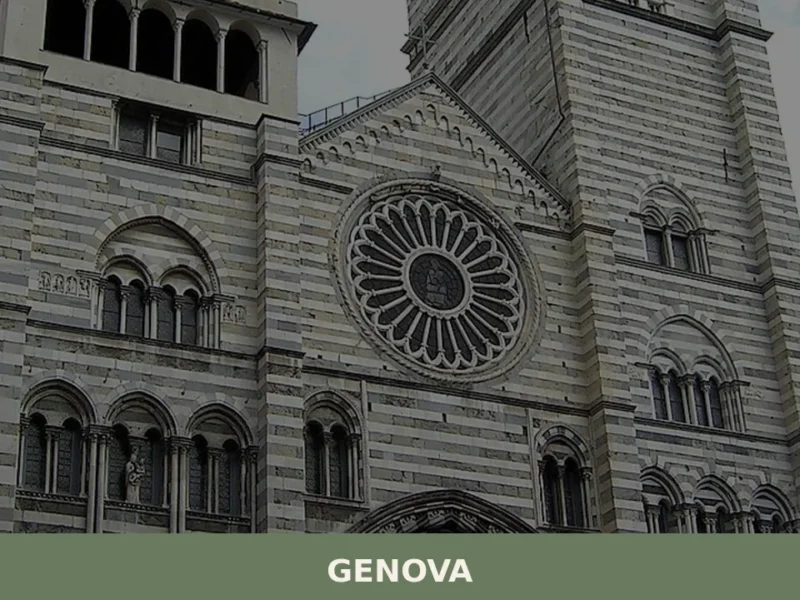
Genova
What to see in Genova: city at 18 m above sea level with UNESCO Rolli palaces and Europe's largest aquarium. Plan your visit with our full guide.
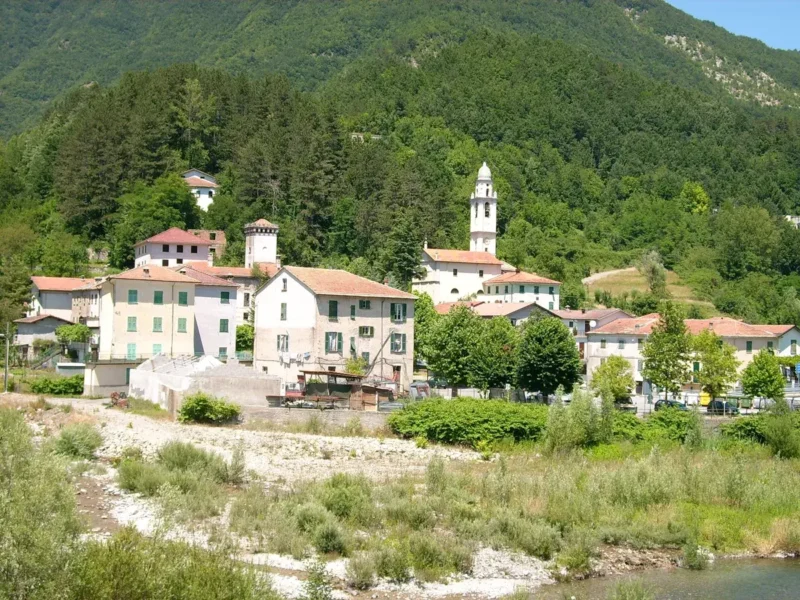
Gorreto
Gorreto: Complete Editorial Guide The stone bridge over the Trebbia, with its centuries-old arches, marks the entrance to Gorreto, a village that reveals itself with the discretion of a place that has watched the passage of people and goods for centuries. At 533 metres above sea level, in the province of Genova, this settlement of […]
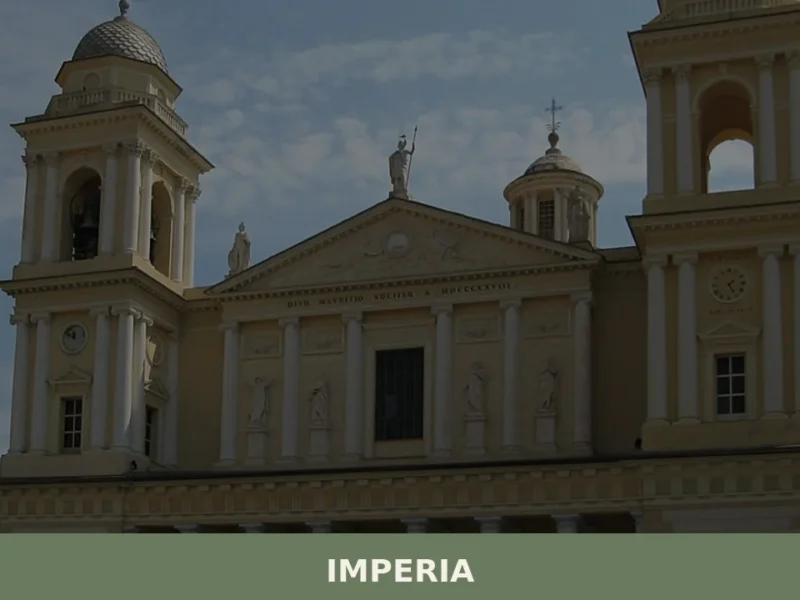
Imperia
What to see in Imperia: dual city rising to 534 m in Liguria. Explore the Parasio, the free Olive Museum and sardenaira. Plan your visit now.





📝 Incorrect information or updates?
Help us keep the Fontanigorda page accurate and up to date.