


Imperia
 Sea
Sea
What to see in Imperia: dual city rising to 534 m in Liguria. Explore the Parasio, the free Olive Museum and sardenaira. Plan your visit now.
Discover Imperia
In 1923, a royal decree did something unusual: it merged two rival municipalities — Porto Maurizio and Oneglia — into a single city, naming it after the stream that divided them, the Impero.
Today Imperia has 42,060 inhabitants and stretches from sea level up to 534 metres in altitude, spanning a geography that blends the Ligurian coastline with olive-covered hillsides.
Capital of the province bearing the same name, it retains the dual identity of its origins: two distinct historic centres, two harbours, two separate souls divided by a valley and united by less than a century of shared history. Understanding what to see in Imperia means accepting this duality and exploring it step by step, from the Parasio all the way to the quays of Oneglia.
History and Origins of Imperia
The name Imperia derives from the Impero torrent, a watercourse that descends from the inland heights and empties into the Gulf of Diano, separating the city’s two original nuclei. The choice of name in 1923 was a political compromise: neither Porto Maurizio nor Oneglia would have accepted adopting the other’s name.
The decree signed by Victor Emmanuel III on 21 October 1923 established the new municipality, but the unification remained more administrative than heartfelt for decades.
Porto Maurizio, on the western bank, had medieval roots tied to the Republic of Genoa, which controlled it from 1241 to 1797. Oneglia, on the eastern bank, was instead a Doria dominion from the 12th century and passed to the Savoy dynasty in 1576, entering the Piedmontese orbit well before Italian unification.
Among the figures who marked the city’s history, the most renowned is Andrea Doria, admiral and statesman born in Oneglia in 1466, who commanded the Genoese fleet and effectively ruled the Republic of Genoa for nearly thirty years. Porto Maurizio was instead the birthplace of Saint Leonard of Porto Maurizio (1676–1751), a Franciscan friar and itinerant preacher who spread the practice of the Stations of the Cross in hundreds of Italian churches, canonized by Pius IX in 1867. His feast day, 26 November, is still the city’s patron saint celebration.
In the 18th century, Porto Maurizio was the seat of its own diocese, a sign of considerable institutional weight for a centre of that size.
The 19th century brought profound transformations: the construction of the coastal railway in 1872 connected both towns to Genoa and France, accelerating the olive oil trade that had been the area’s dominant economic resource for centuries.
By the early 20th century, Porto Maurizio and Oneglia together exceeded 20,000 inhabitants, but the rivalry between the two centres remained strong — with separate bell towers, sports teams and markets. The 1923 merger, imposed by the Fascist regime as part of a broader administrative reorganisation, did not erase these differences. To this day, Imperia’s residents tend to identify first with their own historic quarter and only then with the city as a whole, a dynamic that visitors clearly sense when crossing from one bank of the Impero torrent to the other.
What to See in Imperia: 5 Essential Attractions
1. The Parasio, Historic Centre of Porto Maurizio
The Parasio is the medieval core of Porto Maurizio, set on a promontory overlooking the sea on the city’s western side. Its narrow streets, called caruggi, follow a Genoese urban layout that is still clearly legible, with covered loggias and slate portals. From the upper square, the view stretches from Capo Berta to the French coast on days with optimal visibility. Here you will find the baroque oratories of San Pietro and San Leonardo, the bell tower, and the ruins of 13th-century defensive walls. The Parasio is not a museum: it is an inhabited neighbourhood, with laundry hanging between windows and cats on windowsills, which makes visiting it more grounded and less theatrical than one might expect.
2. The Basilica of San Maurizio
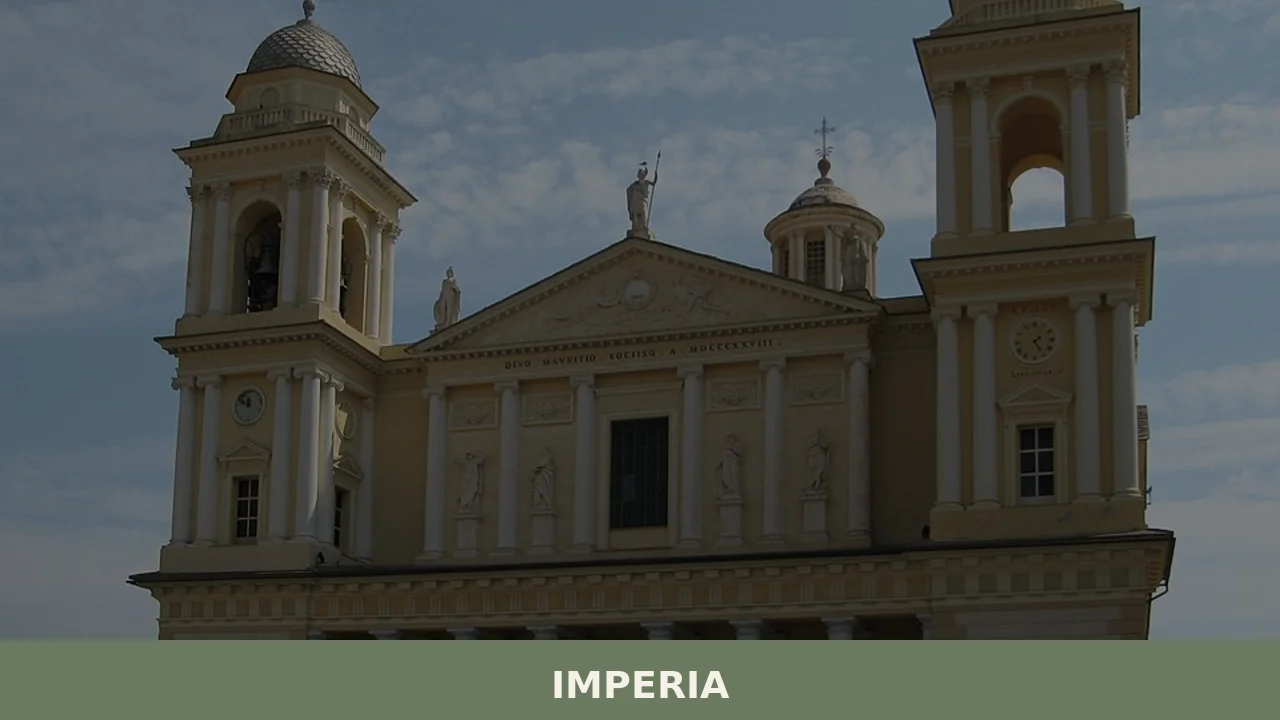
Built between 1781 and 1838, the Basilica of San Maurizio is the largest church in Liguria after the cathedral of Genoa.
It stands in the Porto Maurizio quarter, along the road that descends from the Parasio toward the harbour. The design, by architect Gaetano Cantoni, adopts a neoclassical layout with a Latin cross plan and an imposing colonnaded façade. The interior, with three naves, houses 18th-century paintings and a monumental organ. The eight Corinthian columns of the central nave reach a considerable height, giving the structure proportions that are surprising in a city of this size. The basilica is visible from the sea and serves as a landmark for those arriving by boat.
3. The Olive Museum of Oneglia
Founded in 1992 by the Fratelli Carli family, a historic olive oil company operating since 1911, the Olive Museum is located on via Garessio in the Oneglia quarter. Across roughly 1,500 square metres, the exhibition covers six thousand years of olive cultivation in the Mediterranean, with archaeological finds, antique presses, oil transport containers, and a collection of ceramic and silver oil cruets from across Europe. The museum documents with rigorous detail the complete cycle from cultivation to pressing, and dedicates a section to the chemistry of olive oil.
Admission is free, a notable detail for an institution of this quality.
4. The Quays and Harbour of Oneglia
The harbour of Oneglia, also known as Borgo Marina, is the liveliest area on the eastern bank. Originally a commercial landing for exporting oil to Marseille and Barcelona, the harbour retains its 19th-century wharves, along which restaurants, shops and the fish auction house — still operating in the early morning hours — now line up. A walk along the quays offers views of traditional Ligurian gozzi alongside pleasure boats. Behind the harbour opens Piazza Dante, with arcades where the city market takes place every Wednesday and Saturday. It is the best spot to grasp the commercial vocation that sets Oneglia apart from the more austere Porto Maurizio.
5. The Church of San Giovanni Battista and Oneglia’s Centre
The Collegiate Church of San Giovanni Battista, situated in the historic centre of Oneglia, dates in its current form to the 17th century, although the original layout is medieval. The baroque façade in local stone leads into a three-nave interior with gilded stucco work and a polychrome marble high altar. Next to the church, via Bonfante runs through the heart of the old quarter, lined with noble palaces that reflect the prosperity of Oneglia’s merchants between the 17th and 18th centuries.
A short distance away, in Piazza Ulisse Calvi, a statue commemorates Oneglia’s contribution to the Risorgimento: Edmondo De Amicis, author of the celebrated novel Cuore, was born here in 1846, and a plaque on his birthplace marks the exact location.
What to Eat in Imperia: Local Cuisine and Regional Products
Imperia’s cuisine is fundamentally tied to olive cultivation.
For centuries, olive oil was not merely a condiment but the economic foundation of the entire area: the hills between Porto Maurizio and Oneglia are covered with terraces where the taggiasca cultivar grows, an indigenous variety of western Liguria named after nearby Taggia. This olive oil tradition has shaped a gastronomy in which animal fats are nearly absent, oily fish takes centre stage, and garden vegetables play a central role. The hilly terrain, rising to 534 metres, also introduces inland ingredients — wild herbs, mushrooms, chestnuts — into a culinary repertoire that is lean and restrained.
Among the most representative dishes, sardenaira (also called pissalandrea) is a flatbread topped with tomato sauce, taggiasca olives, capers and salt-cured anchovies, baked in iron trays and sold by the slice in the city’s bakeries.
It is eaten at any hour, as a snack or quick meal. Brandacujun is another traditional preparation: stockfish soaked for days, boiled, then beaten at length with extra virgin olive oil, potatoes, garlic and parsley until it becomes a thick cream, served warm. Trofie al pesto, short fresh pasta dressed with Genoese pesto — basil, pine nuts, garlic, pecorino, Parmigiano and oil — is a dish common across Liguria but here prepared with a pesto in which taggiasca oil lends a sweeter, less sharp note.
Extra virgin olive oil of the Riviera Ligure, produced from taggiasca olives, is the territory’s flagship product.
The taggiasca olive itself, preserved in brine, is an ever-present ingredient in local cooking: it appears in flatbreads, salads, sauces, and on its own as an antipasto. Pesto, though associated with Genoa, finds one of its most active production areas in the province of Imperia, thanks to local basil cultivation favoured by the mild climate.
Taggiasca oil, compared to other Ligurian oils, is distinguished by its low acidity and light fruity flavour, characteristics that derive from late harvesting and the traditional cold-pressing still practised at several mills in the area.
Imperia’s gastronomic calendar revolves around Olioliva, an event held every year in November in the centre of Oneglia, dedicated to new-season oil and the products of Ligurian olive cultivation. For three days, the streets of the harbour quarter host producers, mills, tastings and pressing demonstrations. The twice-weekly market in Piazza Dante, on Wednesday and Saturday mornings, is the place to buy brined olives, loose oil, flatbreads and seasonal vegetables directly from inland growers.
In the summer months, food festivals in the hillside villages above Imperia — Caramagna, Artallo, Montegrazie — offer dishes linked to the agricultural calendar, from courgette-flower fritters to savoury green tarts made with wild herbs.
On the wine front, the province of Imperia falls within the production area of Riviera Ligure di Ponente DOC, a designation encompassing white wines from Pigato and Vermentino grapes and reds from Rossese grapes.
Pigato in particular is a structured white with aromatic herb notes that pairs well with fish and dishes based on raw oil. Rossese di Dolceacqua, produced in the province’s hinterland, is a light and fragrant red, one of the few Ligurian reds to enjoy a degree of recognition outside the region. These wines are easily found in wine shops in the centre and in restaurants along the quays of Oneglia.
When to Visit Imperia: The Best Time of Year
Imperia’s climate is Mediterranean, with mild winters and hot summers tempered by the sea breeze. The months between April and June offer the best conditions for exploring the city on foot: temperatures between 16 and 25 degrees, long daylight hours, and still-moderate tourist numbers. This is the period when the olive groves are in bloom, and the hillside paths connecting the villages above Imperia — Montegrazie, Torrazza, Costa d’Oneglia — can be walked without the oppressive summer heat.
September and October are an equally valid alternative, with the sea still warm enough for swimming and the approaching olive harvest season, which brings visible activity to the terraces and mills.
The most significant event is Olioliva, held in November, which transforms the Oneglia quarter into an open-air market dedicated to new-season oil.
The patron saint feast of San Leonardo, on 26 November, often coincides with this event, adding religious celebrations and fireworks over the harbour. In summer, July and August bring the highest influx of visitors, with concerts on the quays, regattas, and an evening market along the seafront promenade. Those who prefer to avoid the crowds will find in February and March a quiet but fully functioning city, with restaurants open and the opportunity to visit museums and churches without queues.
The coastal location ensures temperatures rarely drop below 7–8 degrees even in the depths of winter.
How to Get to Imperia
By car, Imperia is reached via the A10 motorway (Genoa–Ventimiglia), exiting at Imperia Est for Oneglia or Imperia Ovest for Porto Maurizio. From Genoa the distance is approximately 115 kilometres, covered in about one hour and twenty minutes. From Milan, allow roughly 235 kilometres and just under three hours via the A26 and A10. From Nice, France, the distance is approximately 100 kilometres along the French A8 motorway and then the Italian A10, with a travel time of about one and a half hours.
The Imperia Oneglia railway station and the Imperia Porto Maurizio station are both served by the Genoa–Ventimiglia line, with frequent regional trains.
Travel time from Genoa Piazza Principe is approximately two hours. The nearest airport is Nice Côte d’Azur, about 100 kilometres away, connected to Imperia by bus services and car hire. Genoa’s Cristoforo Colombo airport is approximately 120 kilometres away. The Riviera Trasporti intercity bus service connects Imperia to inland towns and neighbouring coastal resorts, with frequent runs to Sanremo and Diano Marina.
Other Villages to Discover in Liguria
Visitors to Imperia who wish to explore lesser-known parts of Liguria can head toward the hinterland and the Levante.
About 120 kilometres to the east, in the lower Val di Vara near La Spezia, Borghetto di Vara is a small rural municipality surrounded by chestnut forests and organic farms, set in a landscape that has little in common with the riviera. The journey from Imperia takes about one hour and forty minutes along the A10 and then the A12 toward La Spezia, and allows you to cross the entire region, observing the shift from the Mediterranean scrubland of the Ponente to the greener, more humid vegetation of the Levante.
In the opposite direction, in the immediate hinterland of the western Ligurian riviera, Balestrino offers a completely different scene.
This village in the province of Savona, reachable from Imperia in about fifty minutes via the A10 and the Borghetto Santo Spirito exit, is known for its historic centre, abandoned after the 1887 earthquake and never reoccupied: a cluster of empty houses and shuttered churches suspended in a state of documented abandonment, the subject of studies and restoration projects.
The combination of Imperia — a living, dual, port city — with the rural calm of Borghetto di Vara and the silence of Balestrino makes for a Ligurian itinerary that breaks away from the standard coastal postcard, touching three very distinct faces of a region too often reduced to the Cinque Terre alone. For a deeper look at the city’s history and institutions, the Wikipedia page on Imperia provides a detailed chronology of events from the Middle Ages to today.
Frequently asked questions about Imperia
What is the best time to visit Imperia?
Spring (April–June) and early autumn (September–October) offer mild temperatures, calm seas and uncrowded streets — ideal for exploring both Porto Maurizio and Oneglia on foot. July and August bring beach crowds and higher prices, but the harbour of Oneglia stays lively into the evening. November is particularly rewarding for food lovers: the Olioliva festival fills the streets of Oneglia with olive oil producers and tastings during new-season pressing. On 26 November the city also celebrates its patron saint, San Leonardo da Porto Maurizio, with religious ceremonies in the Parasio quarter.
What are the historical origins of Imperia?
Imperia is a young city born from the forced merger of two ancient rivals. Porto Maurizio, on the western bank, was under Genoese control from 1241 to 1797 and became seat of its own diocese in the 18th century. Oneglia, on the eastern bank, was a Doria family dominion from the 12th century and passed to the Savoy dynasty in 1576. The two were united by royal decree on 21 October 1923, taking the name of the Impero torrent that divides them — a political compromise that avoided either town having to adopt the other's name.
What to see in Imperia? Main monuments and landmarks
The five essential stops are: the Parasio, Porto Maurizio's medieval hilltop quarter with caruggi, baroque oratories and sea views stretching to France; the Basilica of San Maurizio (1781–1838), the largest church in Liguria after Genoa's cathedral, with its neoclassical colonnade; the Olive Museum in Oneglia (via Garessio, free admission), covering 6,000 years of Mediterranean olive cultivation; the working harbour of Oneglia with its 19th-century wharves and twice-weekly market in Piazza Dante; and the Collegiate Church of San Giovanni Battista with its gilded baroque interior and nearby via Bonfante.
Where to take the best photos in Imperia?
The upper square of the Parasio offers one of the finest panoramas on the western Ligurian Riviera: on clear days the view spans from Capo Berta to the French coast. The Basilica of San Maurizio, visible from the sea, provides a dramatic subject from the harbour approach or from the road descending toward Porto Maurizio's waterfront. At Oneglia, the quays of Borgo Marina at golden hour — with traditional gozzi fishing boats in the foreground and the hillside terraces behind — make for a characteristically Ligurian composition.
Are there museums, churches or historic buildings to visit in Imperia?
The Olive Museum (Museo dell'Olivo) on via Garessio in Oneglia, founded by the Fratelli Carli family in 1992, is one of the most complete olive oil museums in Italy — free entry, approximately 1,500 sq m of exhibits. The Basilica of San Maurizio in Porto Maurizio is open to visitors and contains 18th-century paintings and a monumental organ. The Parasio quarter preserves the oratories of San Pietro and San Leonardo and remnants of 13th-century defensive walls. In Oneglia, the Collegiate Church of San Giovanni Battista features a polychrome marble altar and gilded stucco work.
What can you do in Imperia? Activities and experiences
Imperia offers a layered set of experiences: strolling the caruggi of the Parasio and the quays of Oneglia covers the urban heritage in a half-day each. The Olioliva festival in November lets visitors attend live pressing demonstrations and producer tastings. The early-morning fish auction at Oneglia harbour is a working spectacle open to early risers. The Wednesday and Saturday market in Piazza Dante is the best place to buy taggiasca olives, local pesto and extra virgin oil directly from producers. The hillside terraces above the city are accessible and provide context for understanding the olive cultivation that shaped the entire local economy.
Who is Imperia suitable for? Families, couples, hikers, solo travelers?
Imperia suits a wide range of visitors. Couples and culture travellers will find the dual historic centres — with their contrasting characters, baroque churches and harbour promenades — rich and walkable. Food and wine enthusiasts are well served by the taggiasca olive oil tradition, the Olive Museum and the Olioliva festival. Families with children can combine beach time with the free museum and the lively market. Solo travellers benefit from good rail connections and a compact, easily navigable layout. The city is less suited to those seeking hiking or mountain activities, as its appeal is primarily coastal, urban and gastronomic.
What to eat in Imperia? Local products and specialties
Imperia's table is built around taggiasca olive oil, a Riviera Ligure DOP product with low acidity and a delicate fruity flavour. Key dishes to seek out: sardenaira (also called pissalandrea), a flatbread topped with tomato, taggiasca olives, capers and salt-cured anchovies, sold by the slice in local bakeries; brandacujun, soaked stockfish beaten with olive oil, potato and garlic into a warm cream; and trofie al pesto, where locally produced taggiasca oil lends a sweeter note to the classic Genoese sauce. Taggiasca olives in brine appear as antipasto in virtually every restaurant in the area.
Nearby Villages near Imperia
In Liguria More villages to discover
Molini di Triora
 Hills
Hills
What to see in Molini di Triora, Italy: a village at 460 m in Liguria. Discover top attractions, local food, festivals and how to get there. Read the guide.
Arnasco
Hills
What to see in Arnasco, Liguria, Italy: discover this 552-inhabitant village 80 km from Genoa. Explore its historic centre, local festivals and Ligurian cuisine.
Laigueglia
Sea
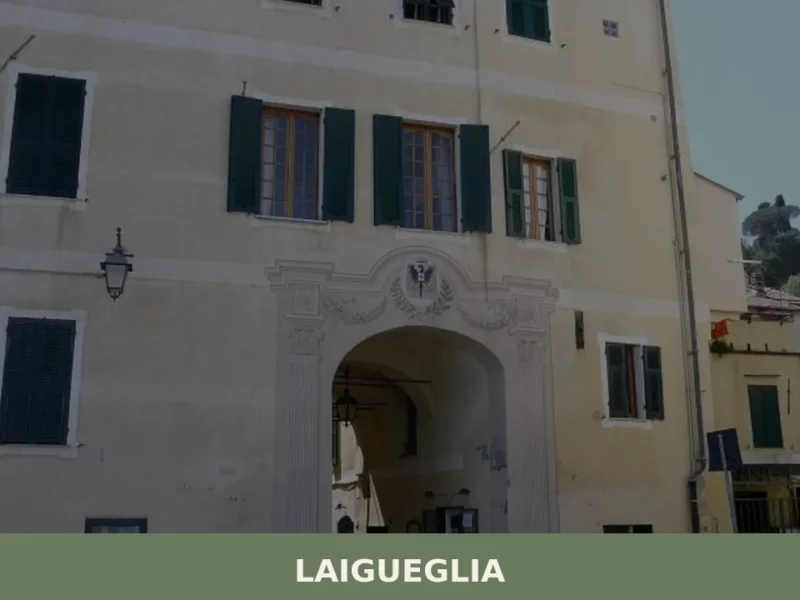
What to see in Laigueglia, Italy: explore 5 top attractions, local food, and festivals in this Ligurian coastal village of 1,738 inhabitants. Discover the guide.
Bergeggi
Sea
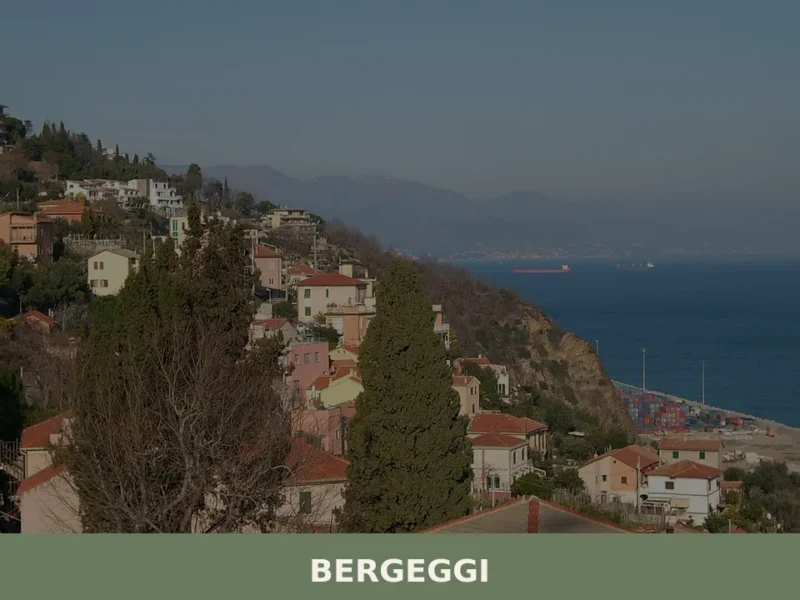
The limestone bluffs that drop into the Ligurian Sea west of Savona do not ease the traveller in gently. The coastline here is direct: rock, water, and the smell of salt on warm stone. Bergeggi sits at roughly 10 km (6.2 mi) from Savona, at a point where the Via Aurelia, the ancient Roman road […]

Arenzano
Sea
What to see in Arenzano, Liguria, Italy: explore a 16th-century patrician villa, a Saracens' Tower, and a coastal sanctuary. Population 11,445. Discover it all.
Lorsica
Hills
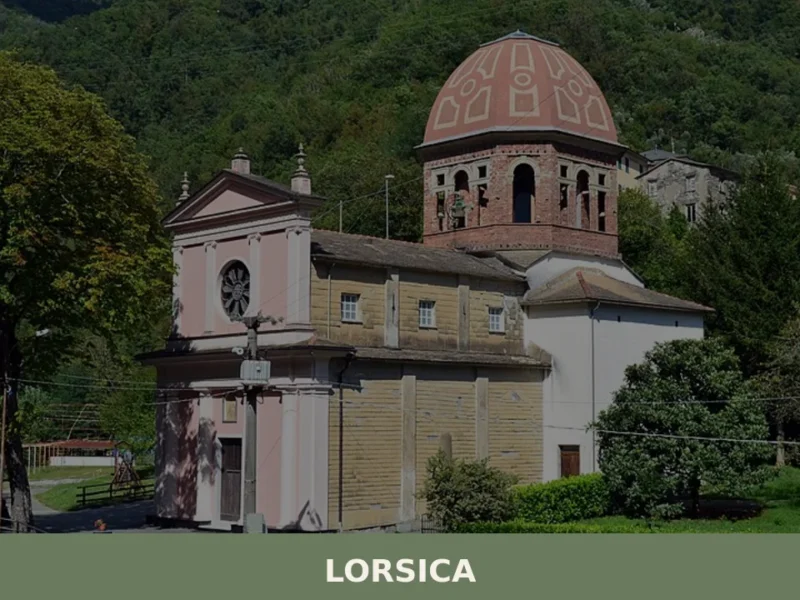
What to see in Lorsica: a Ligurian village at 343 m with 395 residents. Explore historic churches, Val Sturla trails and local food. Plan your visit today.
Castelbianco
Hills
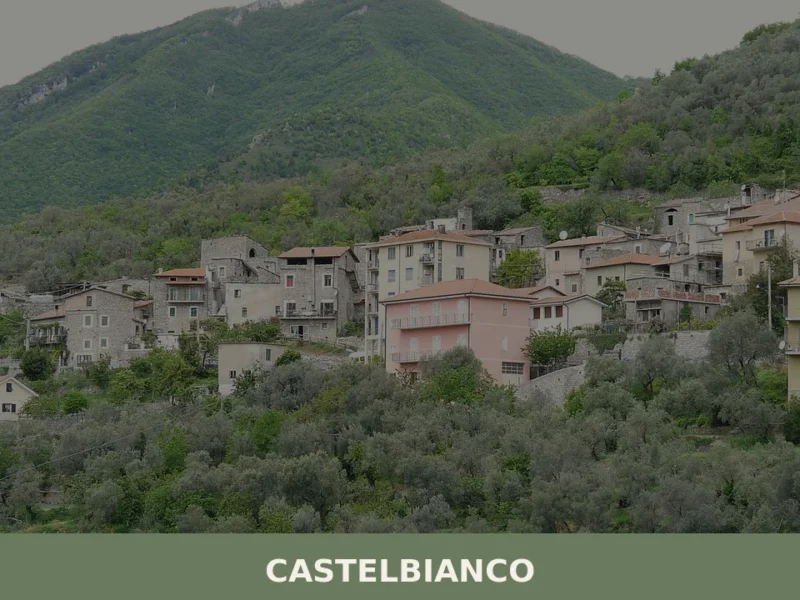
What to see in Castelbianco, Italy: a village of 326 people, 80 km from Genoa. Discover top attractions, local food, and how to get there. Explore now.
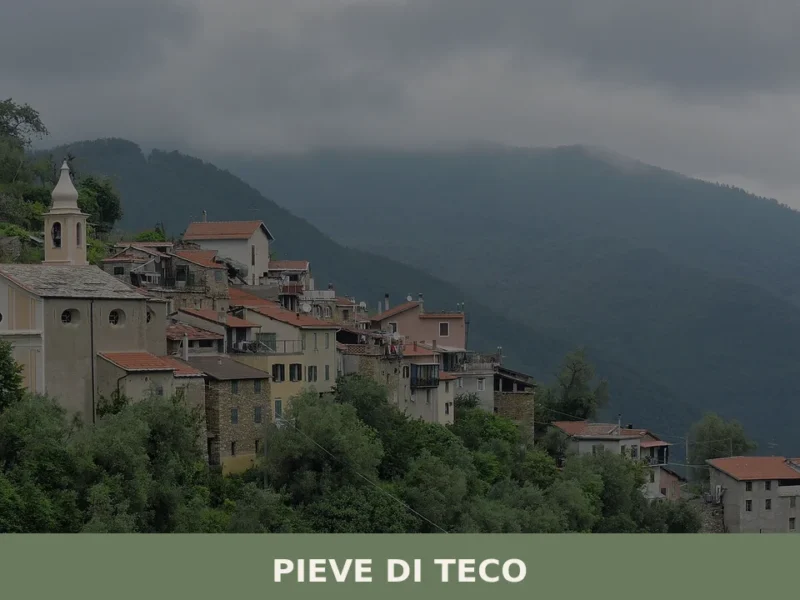
Pieve di Teco
 Mountain
What to see in Pieve di Teco, Liguria, Italy: explore 5 top attractions, local food, and how to get there. Population 1,411. Discover this Ligurian village.
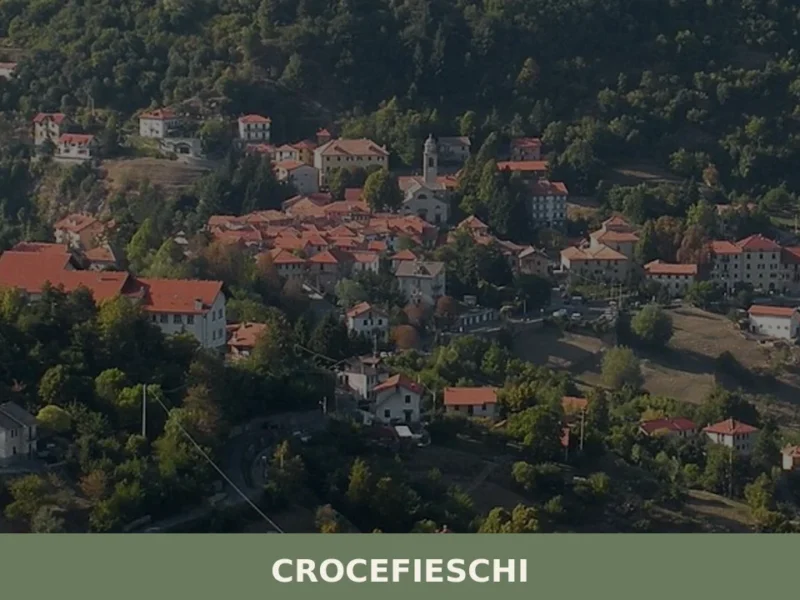
Crocefieschi
Mountain
At 742 meters above sea level, in the heart of the Ligurian Apennines, lies Crocefieschi, a municipality in the province of Genoa with 518 inhabitants. Its geographical position makes it a reference point for those seeking significant altitudes in the Genoese hinterland, away from coastal dynamics. The village’s name, according to tradition, is said to […]
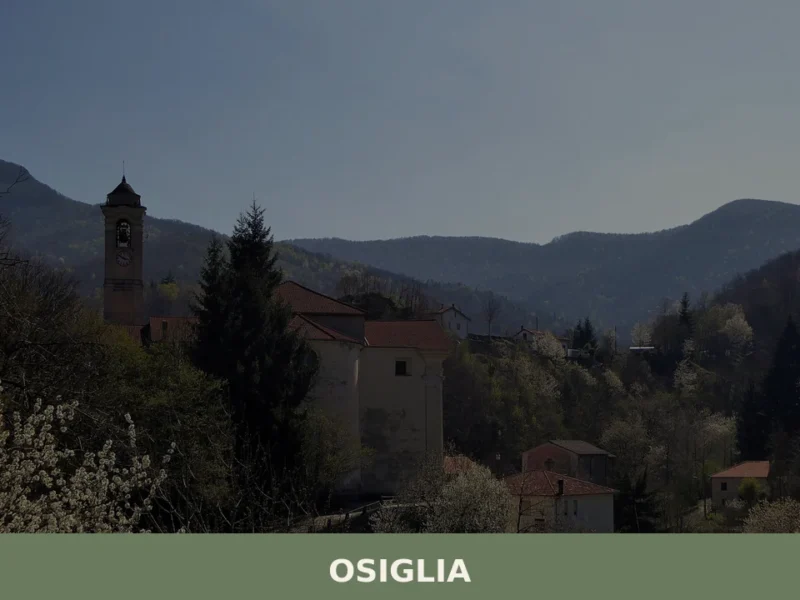
Osiglia
Mountain
What to see in Osiglia, Italy? Explore this Ligurian comune of 458 inhabitants, 25 km (16 mi) from Savona. Discover its mountainous surroundings and tranquil environment.

🏡 Know Imperia better than we do?
If you’re a local or have been there, your knowledge matters: add what’s missing or fix a detail on this page.